
A bucket vegetable garden is one of the simplest ways I know to grow food when space, soil, or time is limited. I garden in Boise, Idaho, zone 7a, where my eleven inches of annual rainfall, alkaline soil, fierce summer heat, and late frosts force me to pay attention to containers. The same lesson applies anywhere: start with your own frost dates and local extension advice rather than copying a calendar from another climate.
I've grown vegetables in buckets alongside my raised beds, and I keep notes on what earns its space. A five-gallon bucket is not magic, but with the right crop, drainage, and watering routine, it can produce a surprising amount of food. Extension guides also emphasize that container vegetables need good drainage, suitable potting media, and closer attention to moisture than plants growing in the ground.
Choosing the Right Buckets for a Vegetable Garden
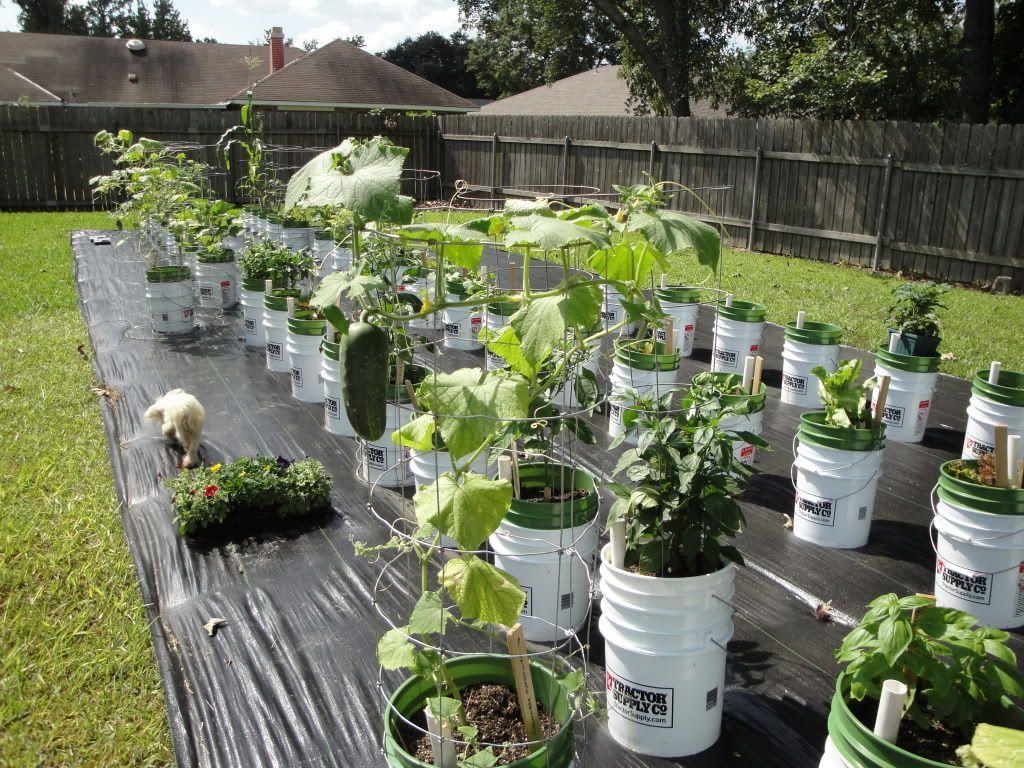
My first rule for buckets is simple: container volume matters. I prefer clean food-grade five-gallon buckets for large crops because they give roots enough room, but smaller buckets work beautifully for herbs, lettuce, and radishes. I never use buckets that held unknown chemicals because I do not want mystery residues near my food.
In my south-wall container row, I measure success by yield per square foot. Tomatoes and peppers earn their bucket space because they keep producing, while some sprawling crops simply need more room than a bucket can offer. Container size recommendations vary by crop, but extension resources commonly list larger containers for tomatoes and smaller ones for greens and roots.
| Crop | Bucket Size I Use |
|---|---|
| Lettuce and spinach | 1-2 gallons |
| Peppers | 2-5 gallons |
| Tomatoes | 5 gallons or larger |
Preparing Buckets for Planting Vegetables
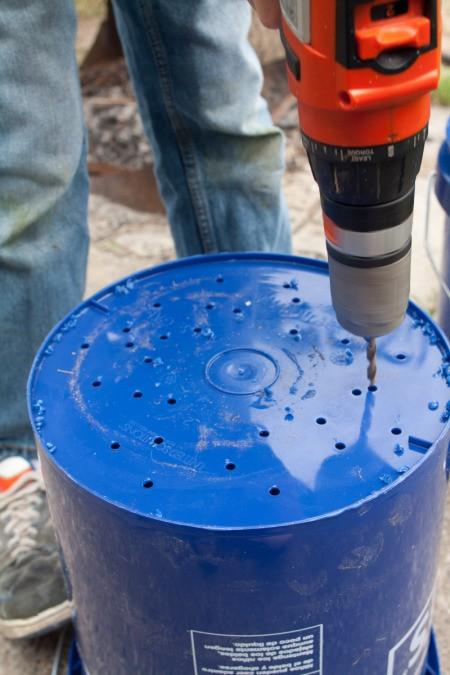
A bucket without drainage holes is just a tiny swamp. I drill several holes near the bottom before adding anything else, because healthy roots need oxygen as much as they need water.
My planting routine is straightforward and repeatable. I spend more time preparing the container than I do fixing problems later.
- Drill. Add drainage holes so excess water can escape.
- Clean. Wash buckets and remove old labels or residues.
- Position. Place buckets where they receive the light your crop needs.
Common mistake
I see gardeners add gravel at the bottom and assume it fixes drainage. The hole is the important part; a compacted mix above it can still stay too wet.
Best Soil Mix for Bucket Vegetable Gardens
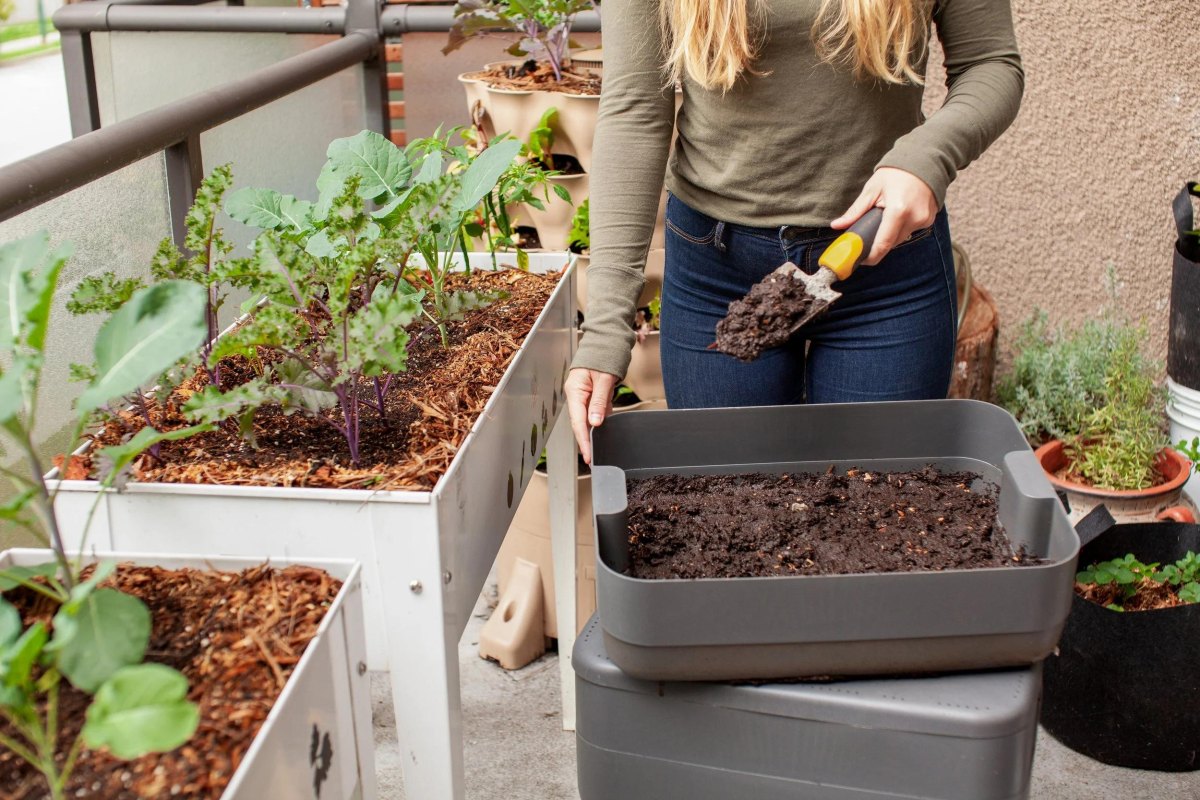
I do not fill buckets with garden dirt from my beds. It becomes heavy, drains poorly, and turns into a root struggle. My buckets get a quality soilless potting mix that holds moisture while allowing air around the roots. Extension recommendations also favor lightweight container mixes over ordinary garden soil.
For my containers, I usually blend purchased potting mix with finished compost, then refresh the mix each season. I keep records of what I add because containers lose nutrients faster than garden beds.
- Base: Quality potting mix for drainage and structure.
- Organic matter: Finished compost for slow nutrient support.
- Moisture: Materials that help prevent rapid drying in summer.
Growing Tomatoes in Buckets
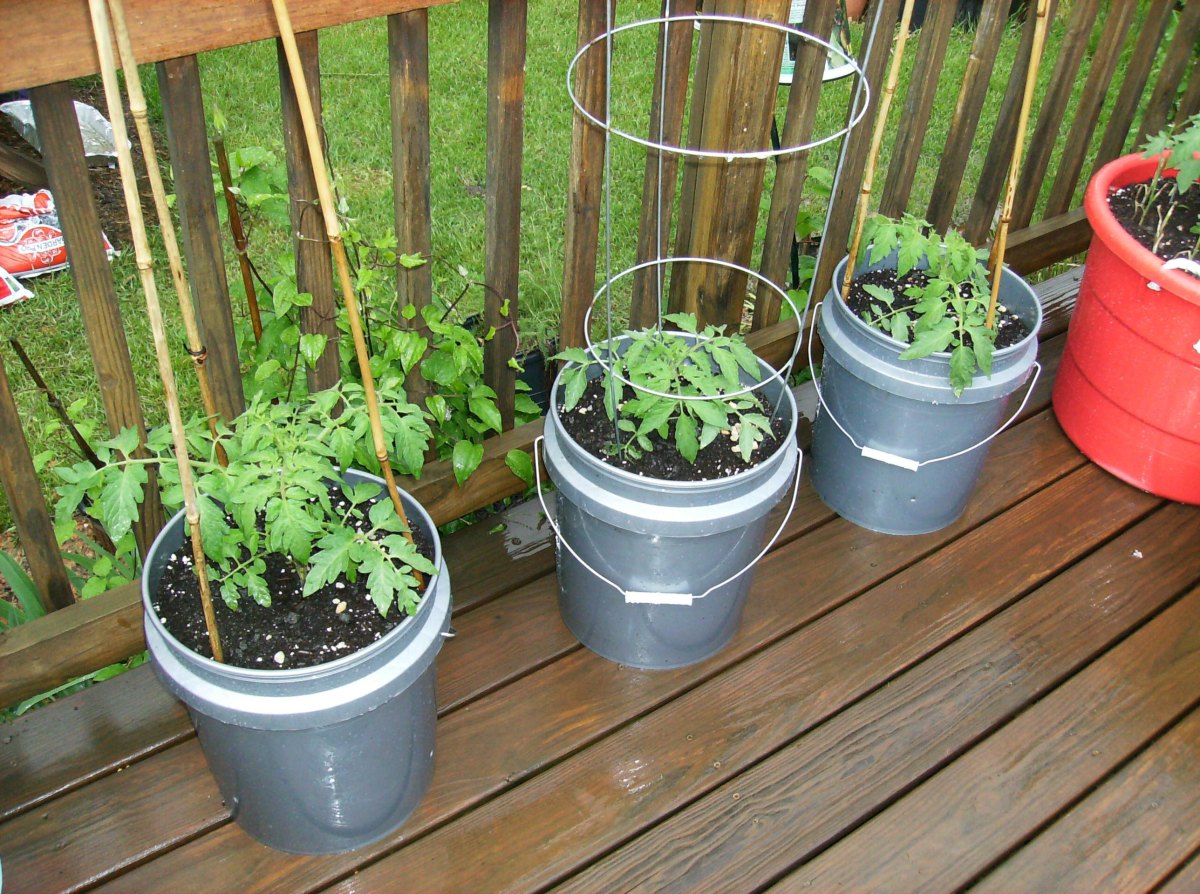
Tomatoes are the crop that convinced me bucket gardening was worthwhile. I grow smaller varieties when possible because compact tomatoes fit better in containers, although every tomato still needs support.
In my Idaho garden, I count backward from my last frost date instead of trusting a random planting calendar. A late frost has ended three of my tomato seasons, so I have learned patience. Container tomatoes also need consistent watering because small soil volumes dry quickly.
My tomato bucket note
I track varieties like a trial garden: first ripe fruit date, plant health, and whether the harvest justified the space.
Growing Leafy Greens in Bucket Containers
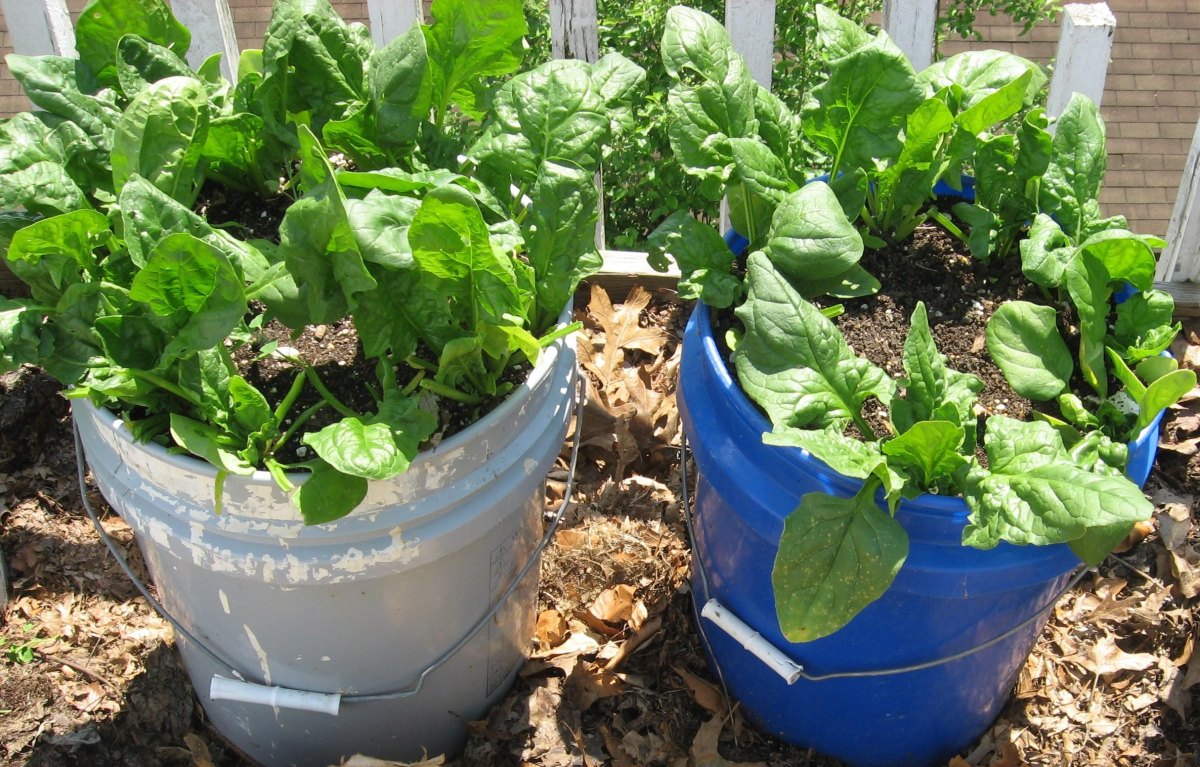
Leafy greens are where I send beginners first because they are forgiving and productive. Lettuce, spinach, and similar crops do not demand deep containers, and they tolerate less sun than fruiting vegetables.
I sow small batches every few weeks instead of planting everything at once. Succession planting prevents waste, especially when June starts eating peas and greens faster than I expect.
- Choose shallow containers with drainage.
- Keep soil evenly moist during warm weather.
- Harvest outer leaves to extend production.
Growing Root Vegetables in Buckets
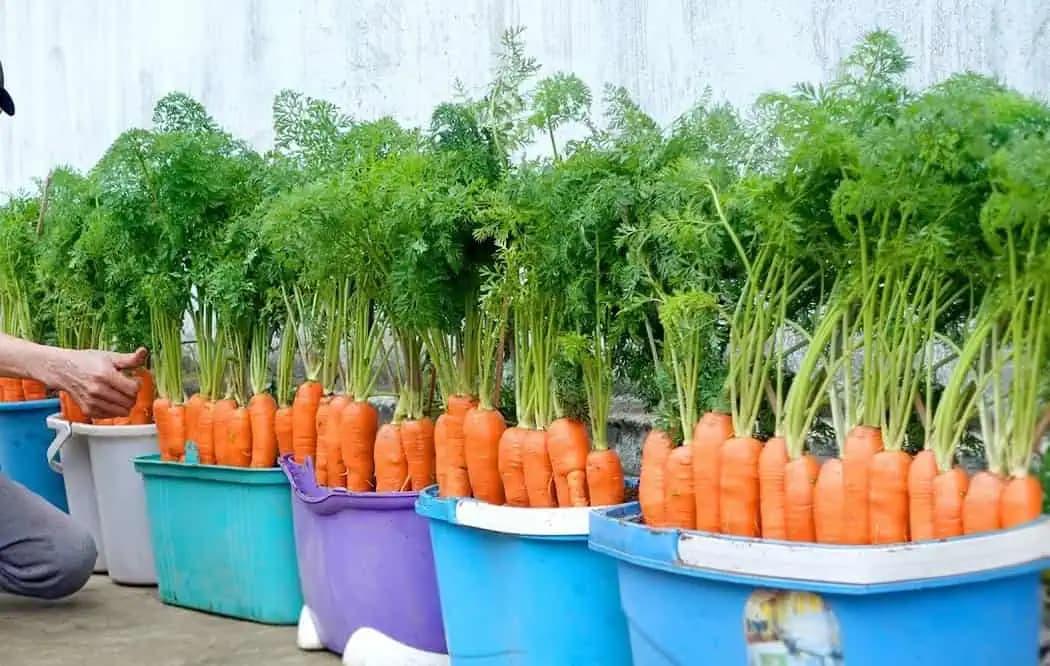
Root crops work in buckets when the container is deep enough. I grow carrots and radishes because they give me a harvest from space that would otherwise sit empty.
The trick is matching the crop to the container. Root depth decides success, not the gardener's enthusiasm. I learned that after trying long carrots in a shallow pot and harvesting impressive-looking tops attached to tiny roots.
Growing Peppers in a Bucket Garden
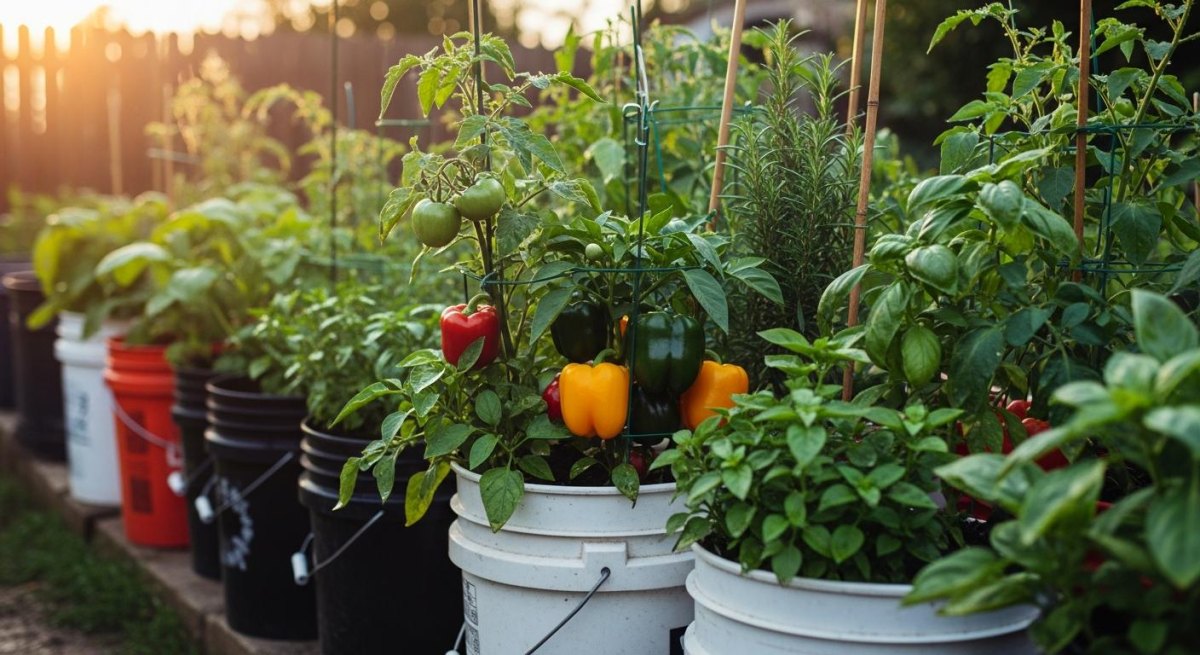
Peppers are reliable bucket plants in my garden because they enjoy heat and keep producing once established. I give them a sunny location and a sturdy container because a loaded pepper plant becomes surprisingly top-heavy.
I have found that five gallons gives flexibility, especially in my dry climate where containers can dry quickly. I always check moisture rather than following a fixed watering schedule.
Watering Techniques for Bucket Vegetables
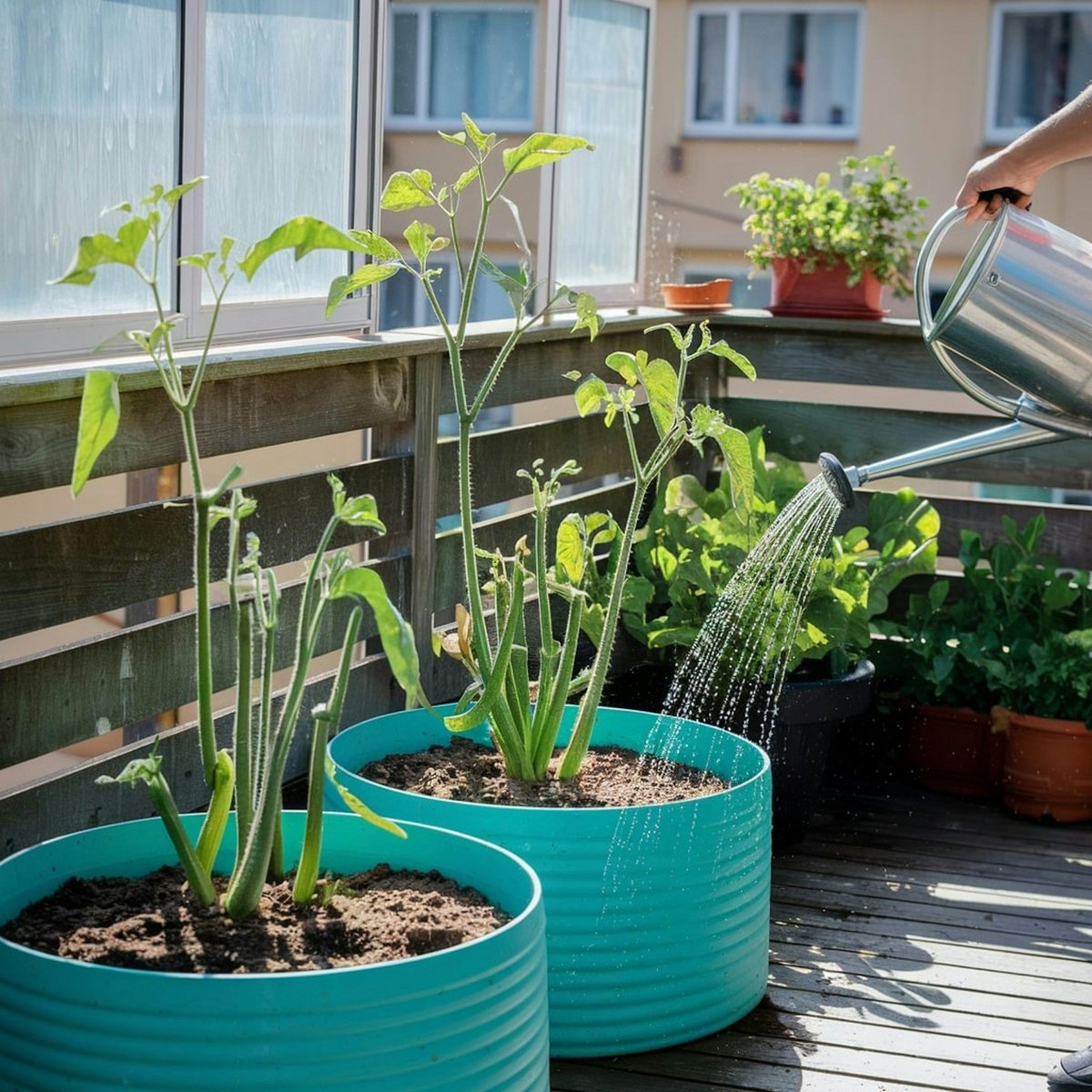
Watering is where most bucket gardens succeed or fail. My containers beside the south wall can need daily checks during July heat because buckets have no deep soil reservoir. Extension guidance also notes that container plants often need frequent watering and should be watered thoroughly until excess drains out.
I use my finger as a moisture test and adjust for weather. Consistent moisture beats emergency soaking because plants dislike the cycle of drought and flooding.
My summer tip
Mulch the surface of large buckets to slow evaporation during hot, dry spells.
Fertilizing Vegetables Grown in Buckets
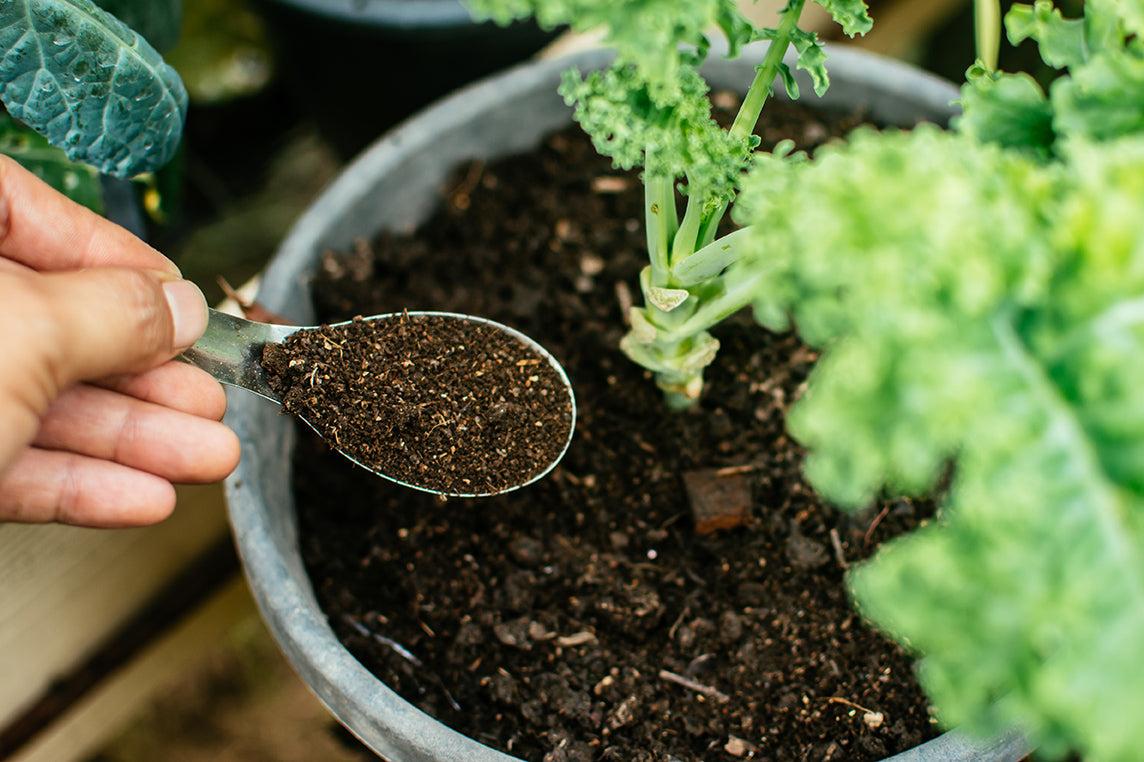
Containers are limited ecosystems. Once roots fill the bucket, nutrients disappear faster than they do in my raised beds. I feed according to the crop and label directions rather than guessing.
Regular feeding matters because frequent watering can move nutrients out of the container. Extension recommendations commonly note that container plants need fertilizer because nutrients decline through uptake and leaching.
- Before planting: Add appropriate slow-release nutrients if needed.
- During growth: Follow fertilizer instructions carefully.
Managing Pests in Bucket Vegetable Gardens
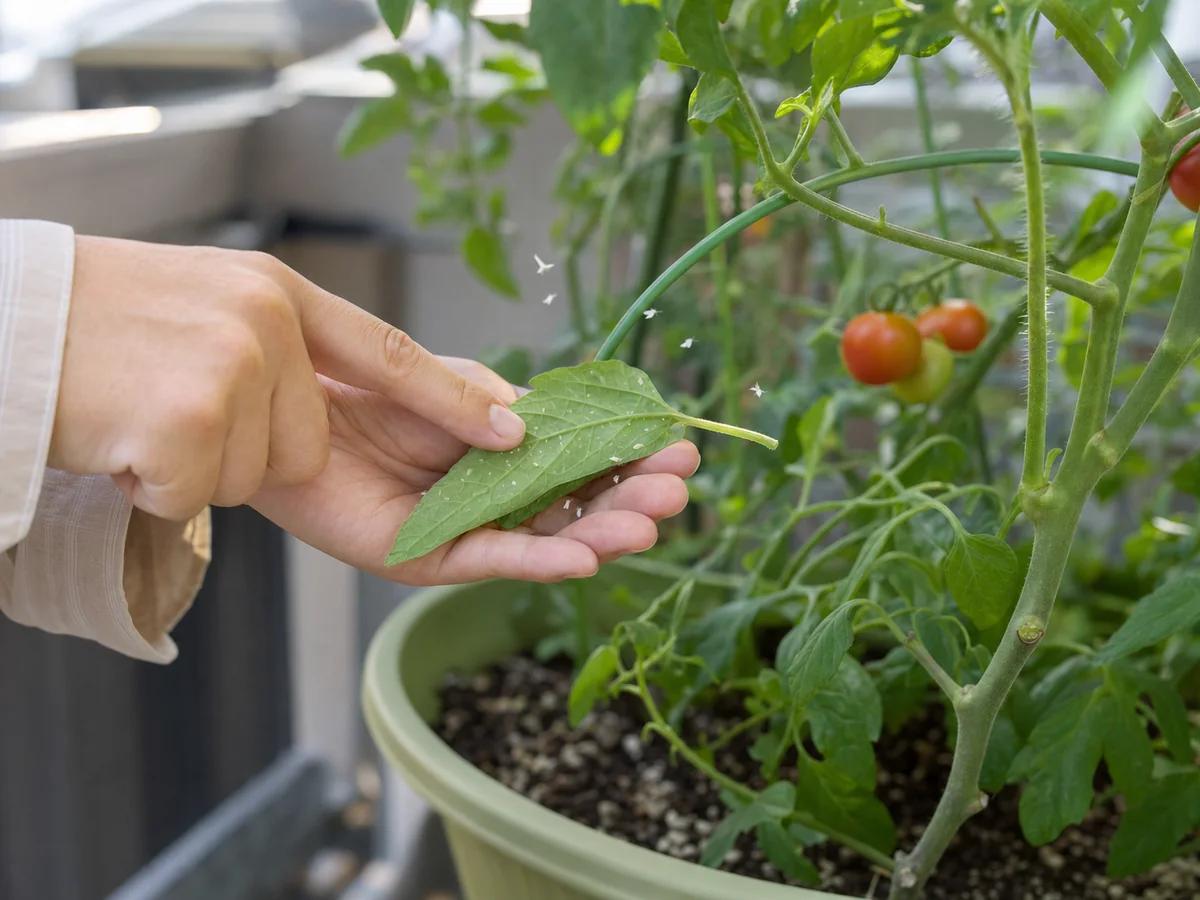
I handle bucket pests the same way I handle every garden problem: identify first. A mystery spray is not my approach. My seed-company trial years taught me that guessing creates more problems than it solves.
I start with physical controls and least-disruptive options. Protecting pollinators matters, so I never apply products to blooming plants when bees are active, and I follow every edible-crop label.
Arranging Buckets for Small Space Gardening
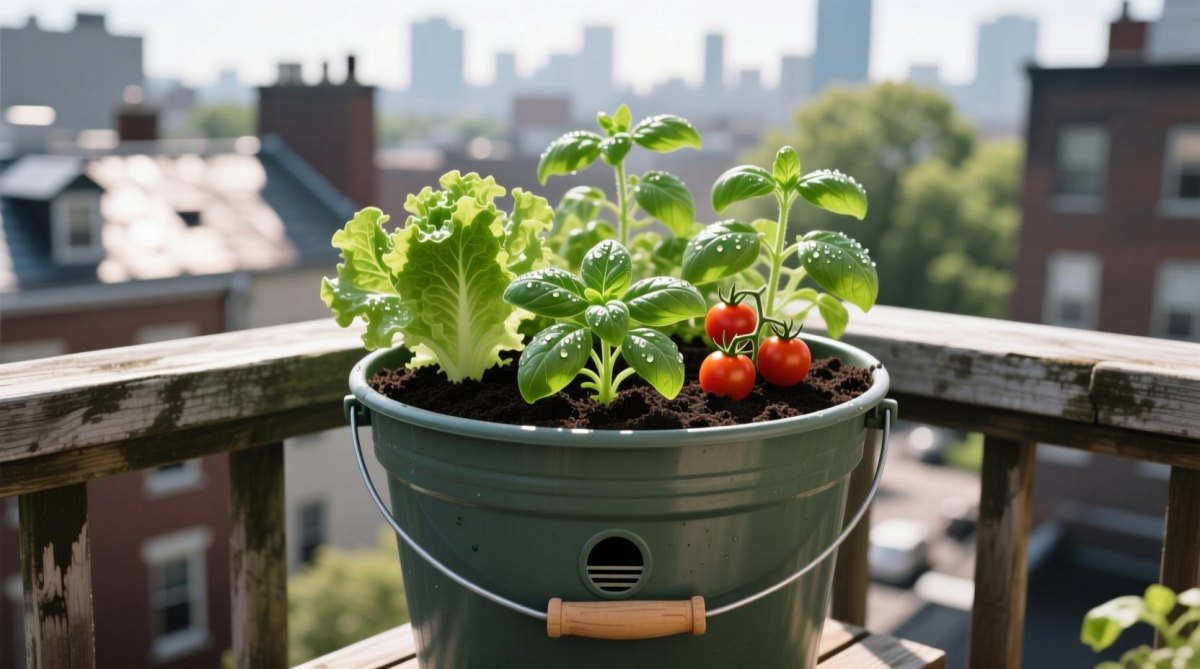
My bucket garden works because I treat space like a puzzle. I place tall crops where they will not shade smaller ones and keep containers accessible for watering.
In small spaces, sun exposure is the currency. Most vegetables need several hours of direct light, so I watch shadows before I commit a bucket location.
Benefits
- Easy to move containers.
- Good option for patios and balconies.
Challenges
- More frequent watering.
- Limited root space.
Harvesting Vegetables from Bucket Gardens
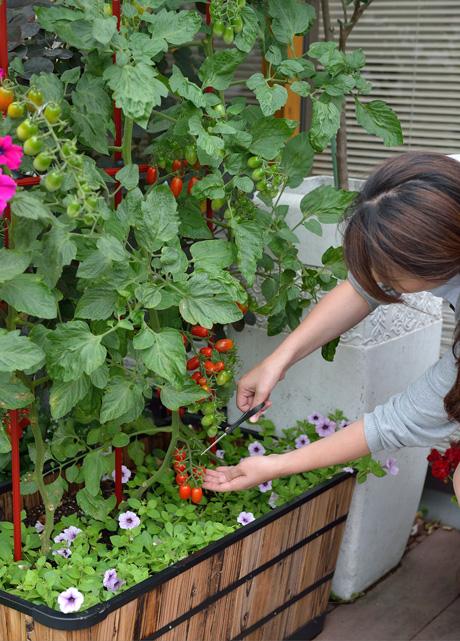
The best part of a bucket garden is carrying dinner inside after a few steps. I record first harvest dates because they tell me which crops deserve another bucket next year.
My final measurement is not perfection; it is usefulness. A worthwhile bucket earns its spot by producing food my family actually eats.
15 years
of garden notes guiding my planting choices
More Pinterest Visuals



 Balcony & Patio GardensSmall Space Garden Ideas That Make Every Inch Count
 Balcony & Patio GardensKübelpflanzen für die Terrasse – 15 Ideen für ein grünes und blühendes Outdoor-Paradies
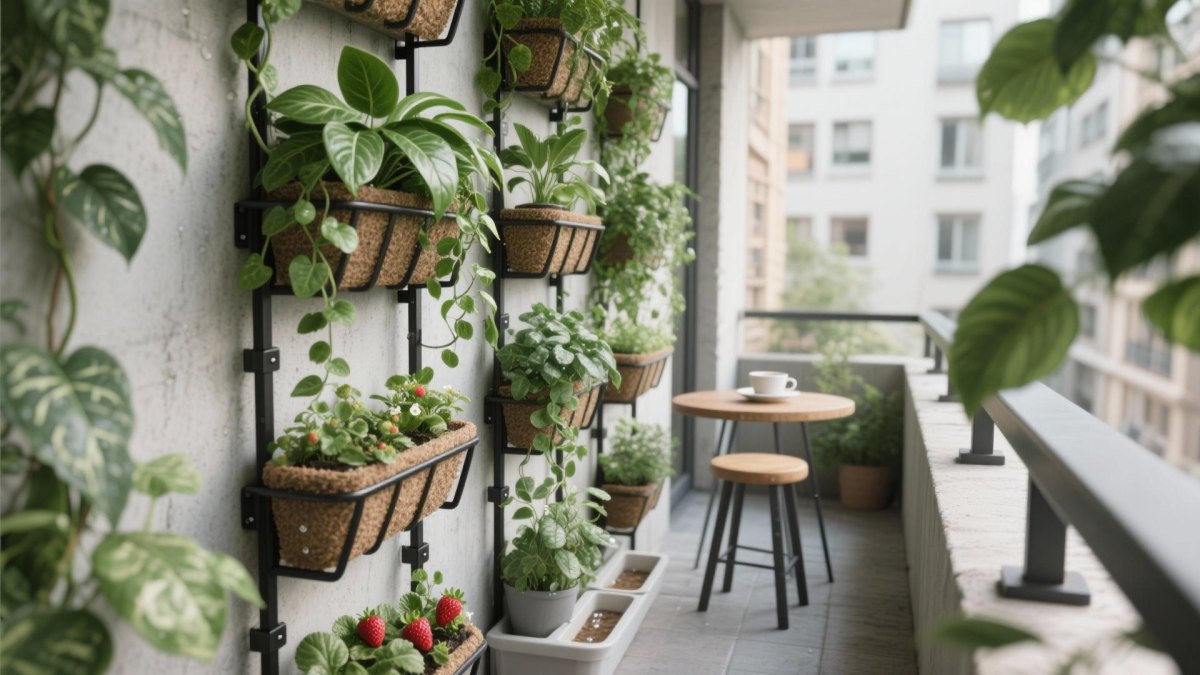 Balcony & Patio Gardens20 Balcony Garden Setup Ideas To Transform Your Outdoor
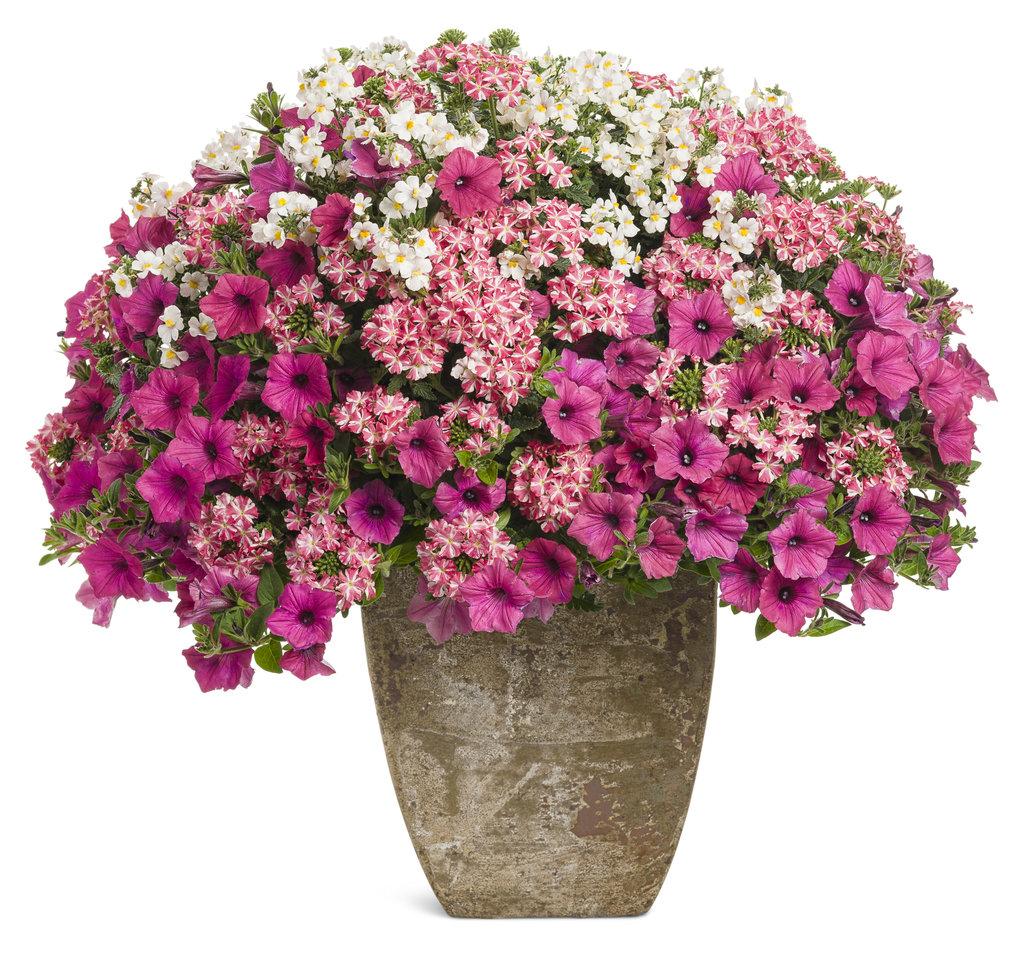 Seasonal & Flower Containers16 Beautiful Container Garden Flower Combinations That Work