

I have spent years sketching raised beds on scrap paper before moving the boards, and my biggest lesson is simple: a good design saves work later. I garden in Boise, Idaho, zone 7a, with dry soil, about eleven inches of annual rain, alkaline conditions, and heat that tests every watering plan. Always adjust planting times and materials for your own climate and local extension advice.
These are the raised bed layouts I return to when planning food and flower gardens. I have measured reach, tracked harvests, and learned that the prettiest bed is not always the one that earns its space.
Classic Rectangular Raised Bed Garden Layout
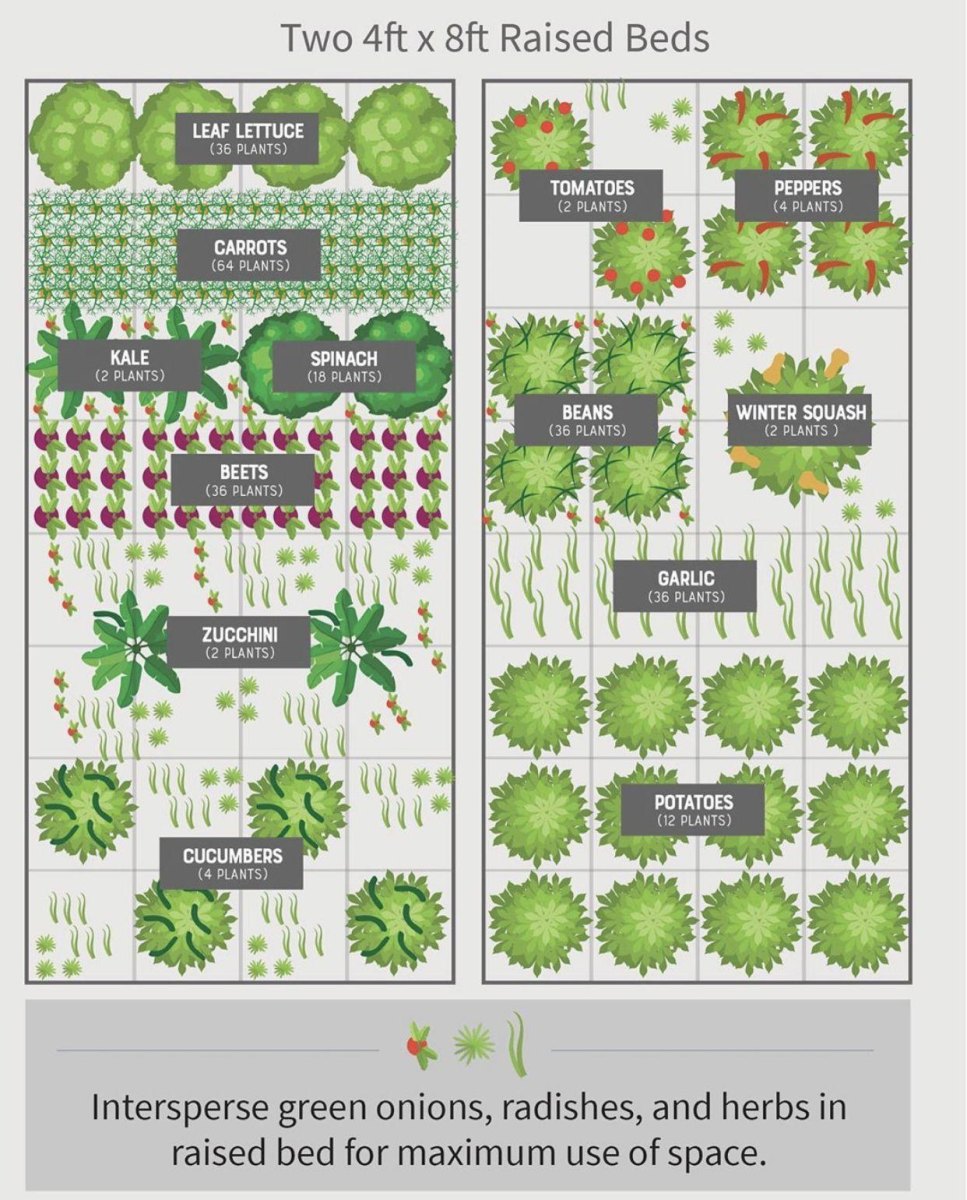
My first productive beds were simple rectangles because they are easy to build, irrigate, and map. A 4-by-8-foot bed is still one of my favorite beginner-friendly designs because I can reach the center without stepping on soil.
I leave paths wide enough for a wheelbarrow and keep tall crops on the north side so shorter plants receive light.
Small Backyard Raised Bed Design Plan
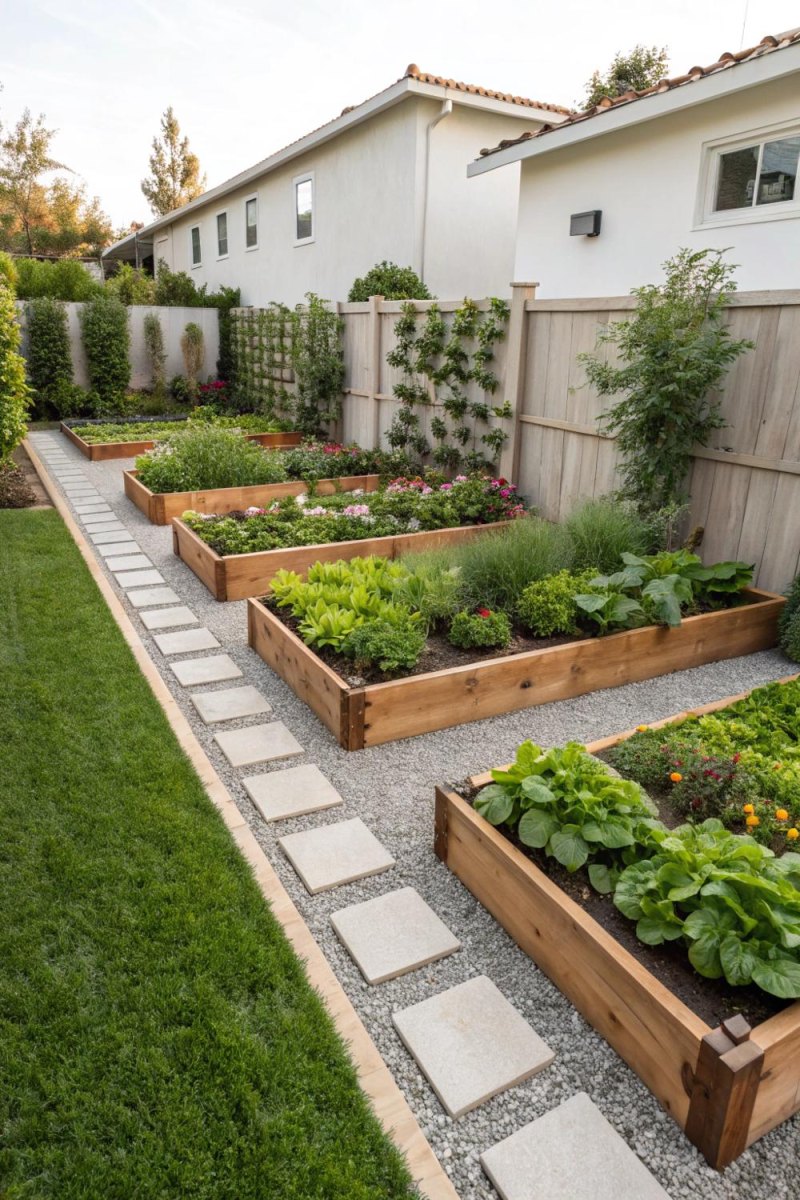
Small yards reward careful planning. I start with sun, water access, and walking space before buying lumber because a crowded garden becomes a chore. Compact raised beds can produce plenty when every corner has a purpose.
My advice is to build one excellent bed first, record what grows well, then expand.
Multi-Level Raised Bed Garden Design
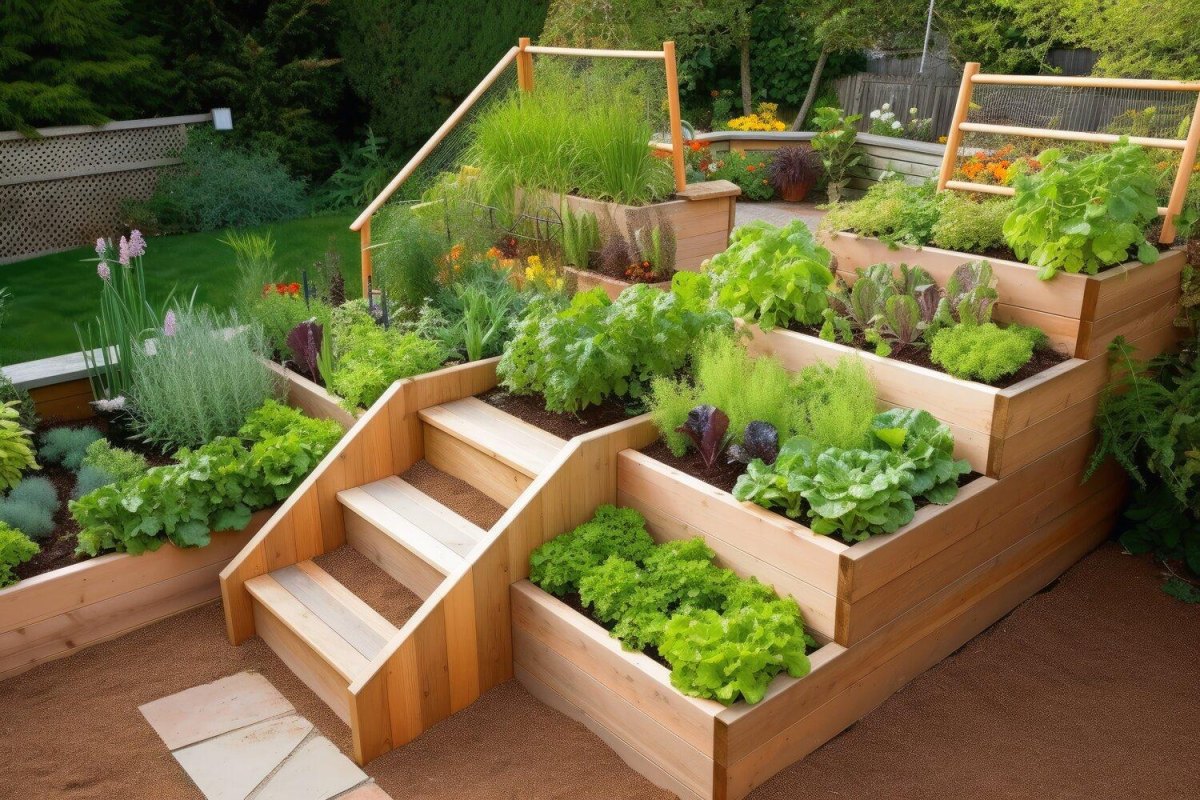
Tiered beds are useful when a yard has slopes or when I want different soil depths. They also make harvesting easier because plants are displayed at different heights.
I would test drainage carefully before filling each level because water movement matters more than the appearance of stacked boxes.
U-Shaped Raised Bed Garden Plan
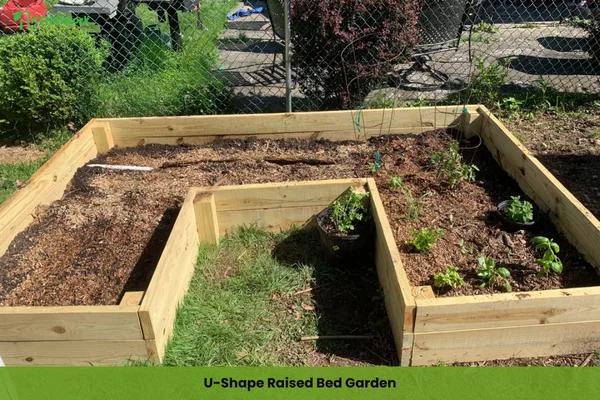
A U-shaped design gives me planting space around a central working area. I like it for kitchens gardens where herbs and vegetables need frequent harvesting.
The key is keeping each section reachable so I never have to lean across plants. U-shaped beds can improve efficiency in awkward spaces.
L-Shaped Raised Bed Garden Design
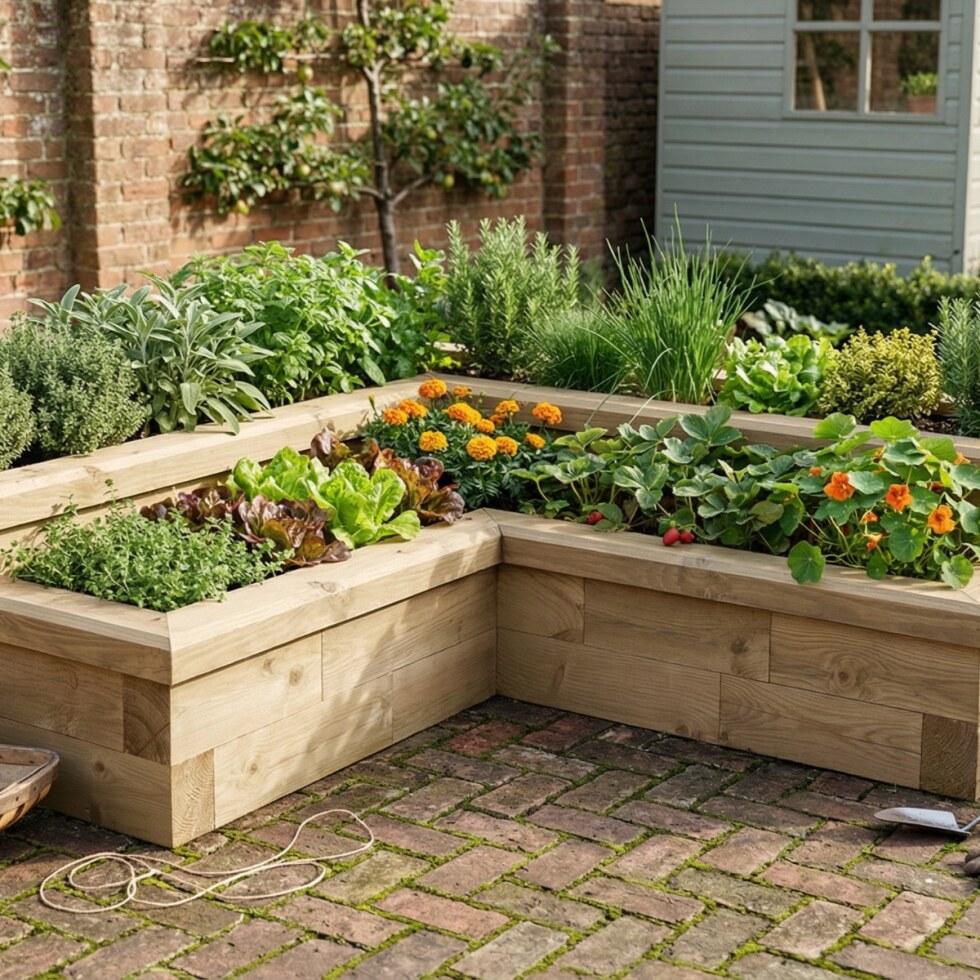
L-shaped beds are one of my favorite solutions for corners beside fences or patios. They turn unused edges into productive growing zones.
I measure access paths before construction because a clever shape still needs comfortable maintenance space.
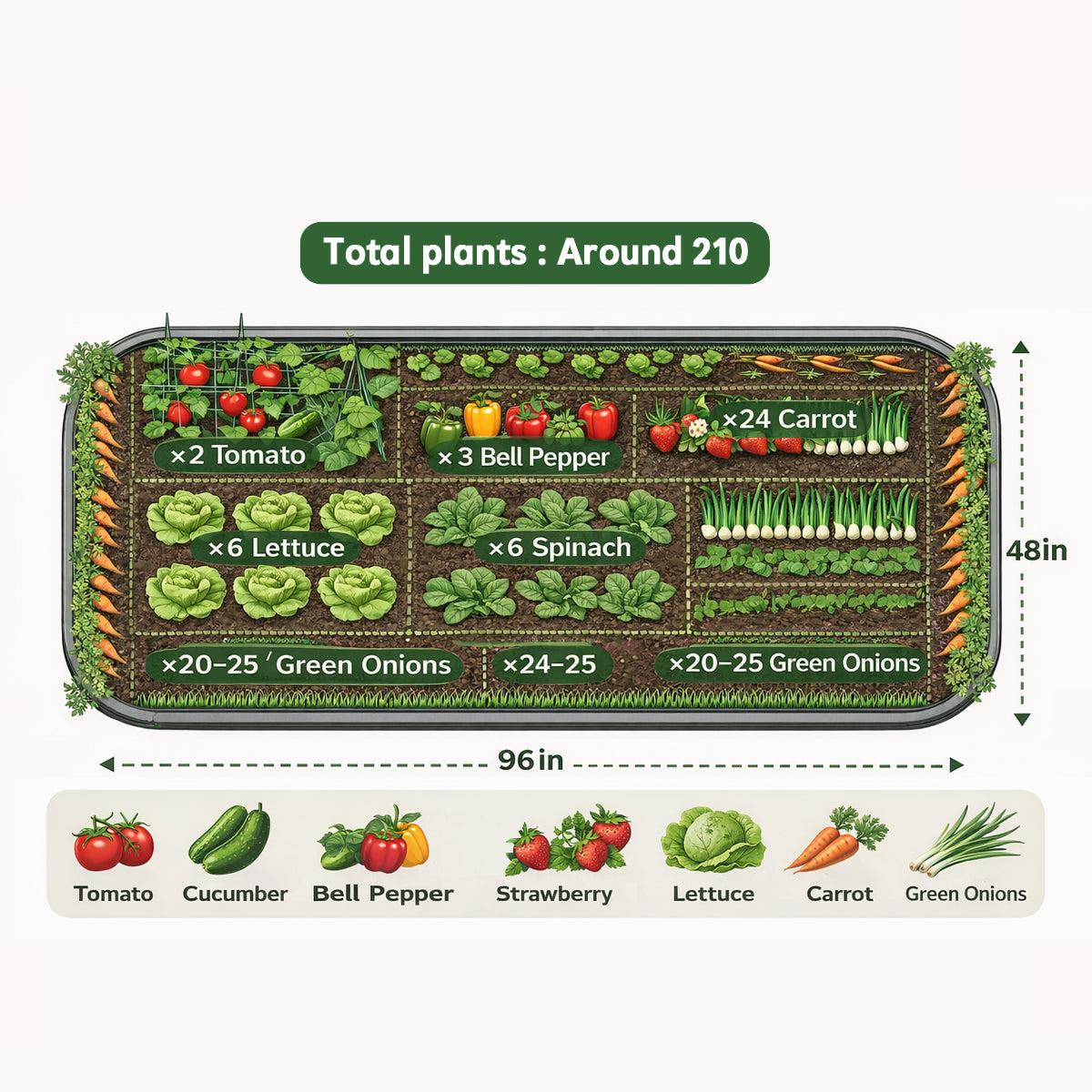
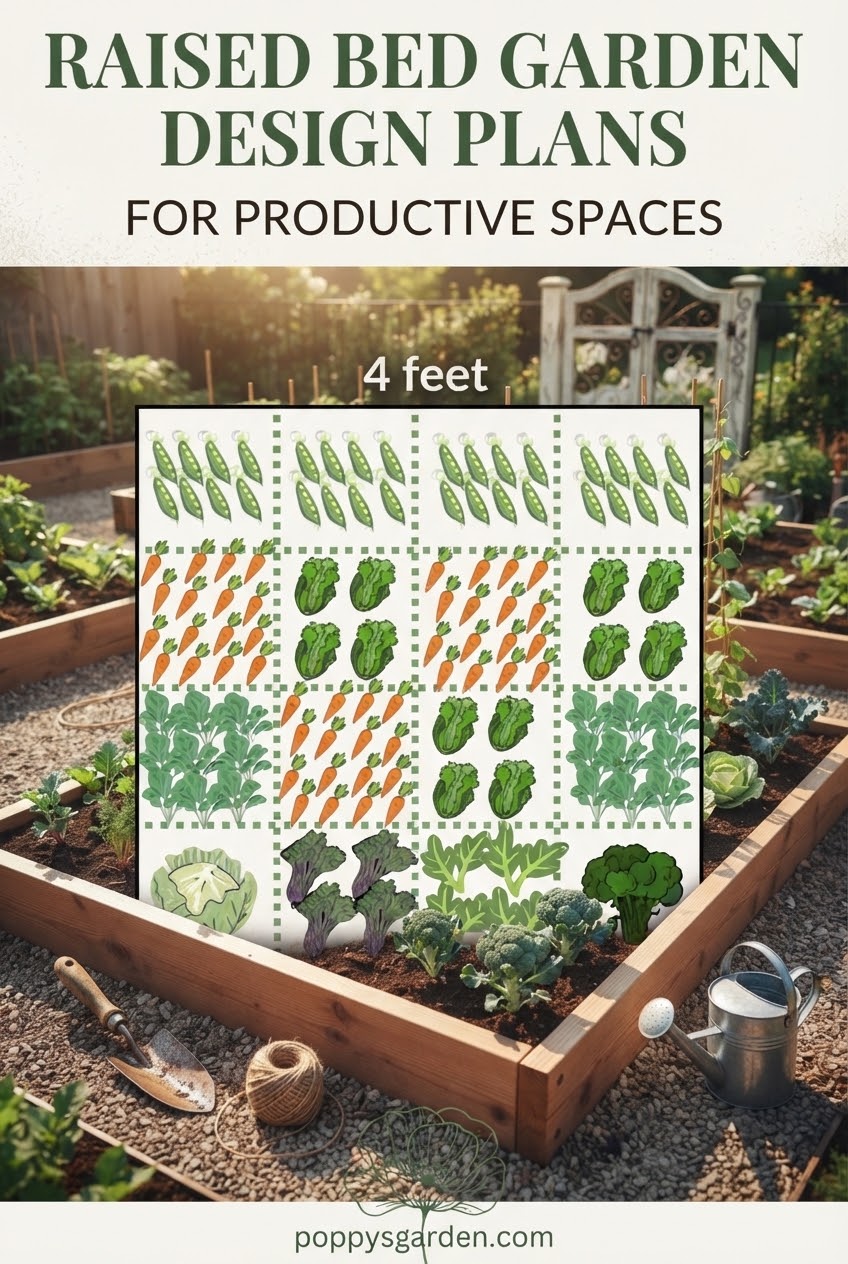
Square Foot Raised Bed Garden Plan
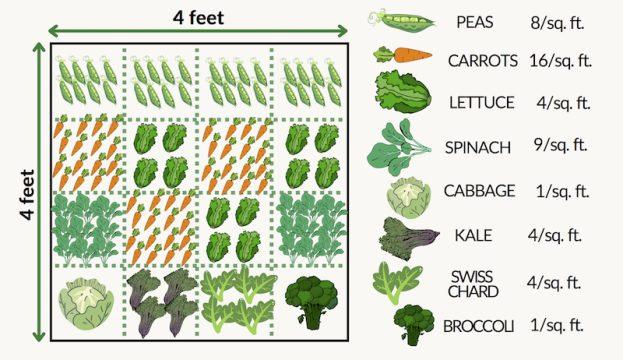
Square-foot gardening appeals to me because it replaces guessing with a map. I divide beds into sections and track what each square produces. Grid planting systems help beginners avoid overcrowding.
My notebook always gets a planting diagram before seeds go in.
Raised Bed Herb Garden Design
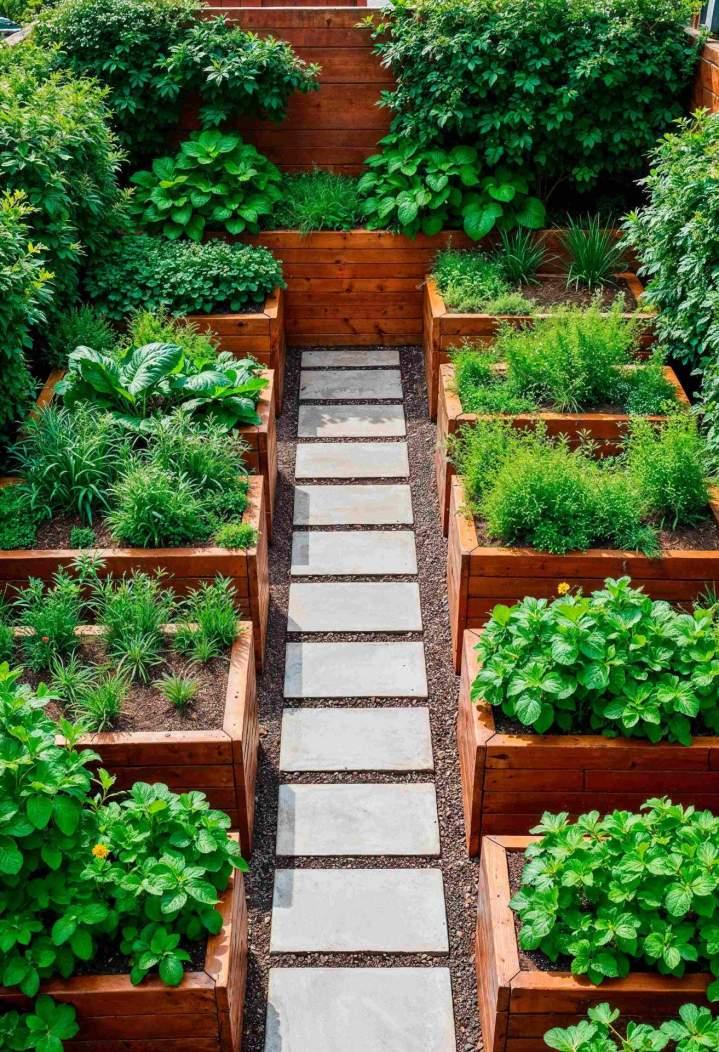
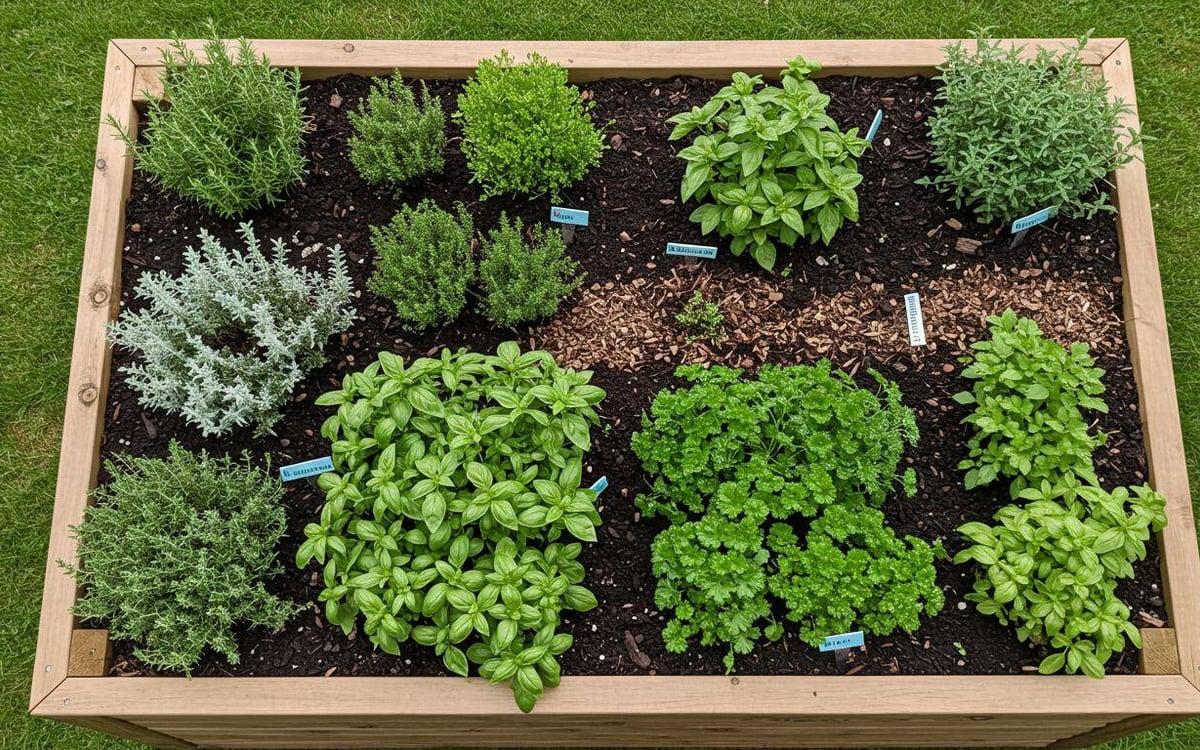
Herbs are ideal for raised beds because I can place them near the kitchen and harvest often. My favorite layout separates spreading herbs from slower-growing plants.
A planned herb bed arrangement prevents aggressive growers from taking over smaller companions.
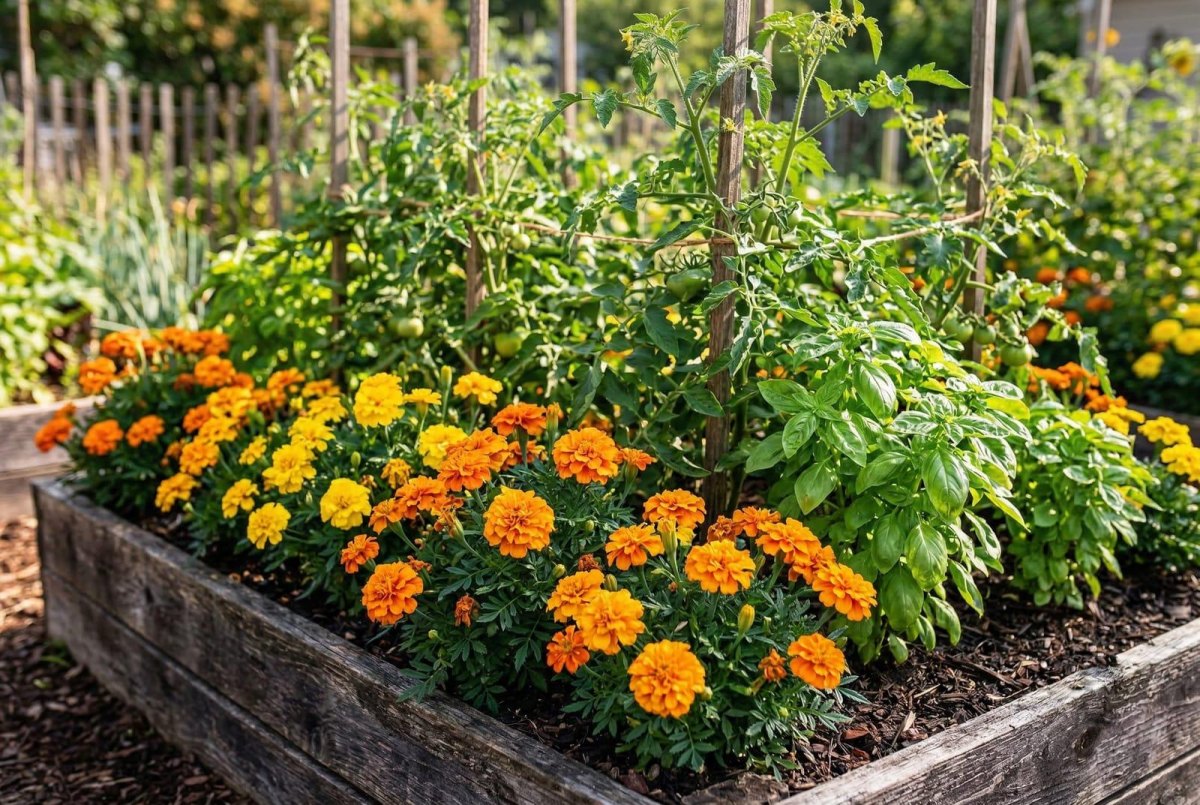
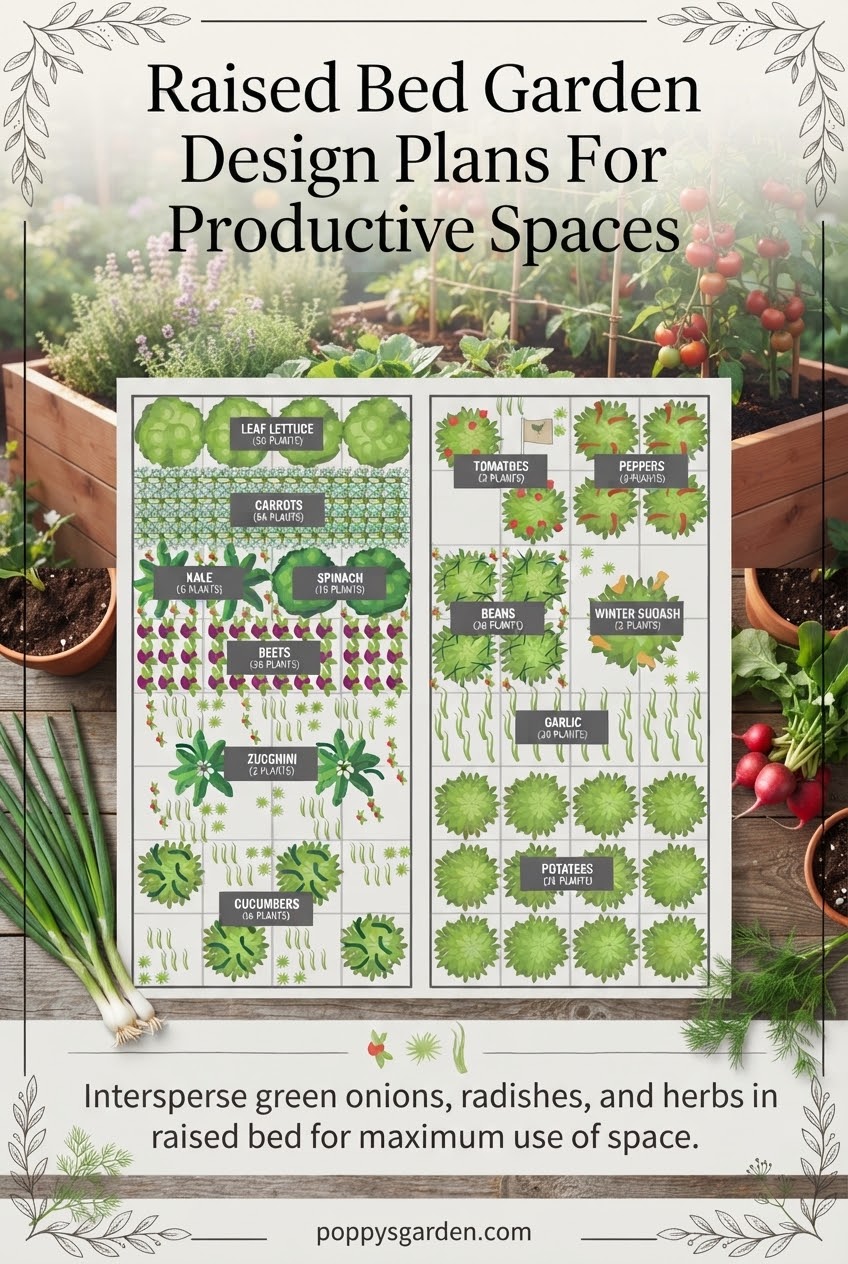
Raised Bed Vegetable Garden With Companion Planting
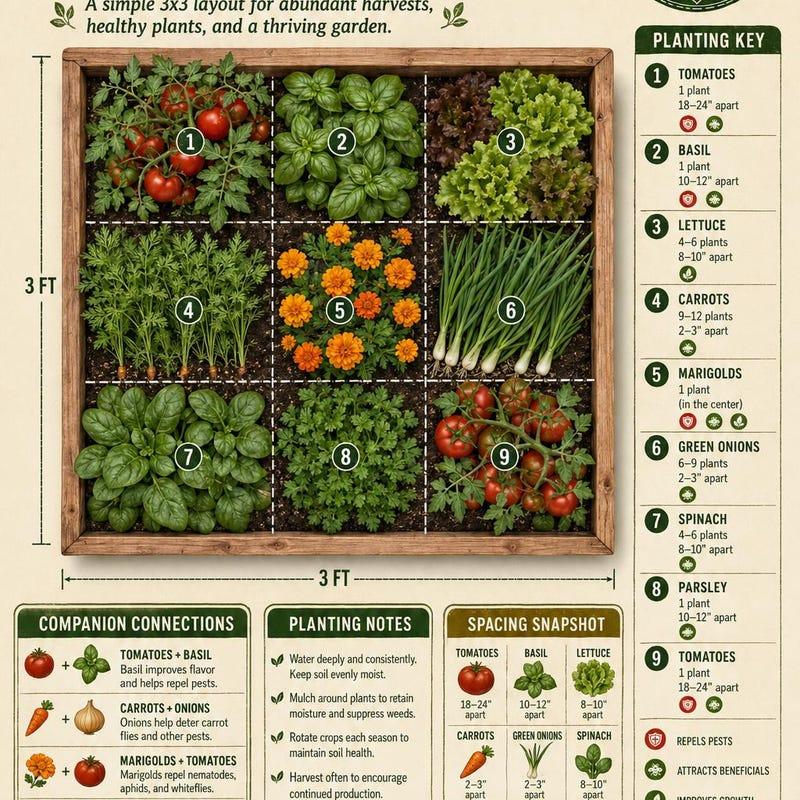
I use companion planting as a planning tool, not a magic trick. Good spacing, healthy soil, and choosing crops that fit together matter most.
I record which combinations actually work in my climate because garden notes beat folklore.
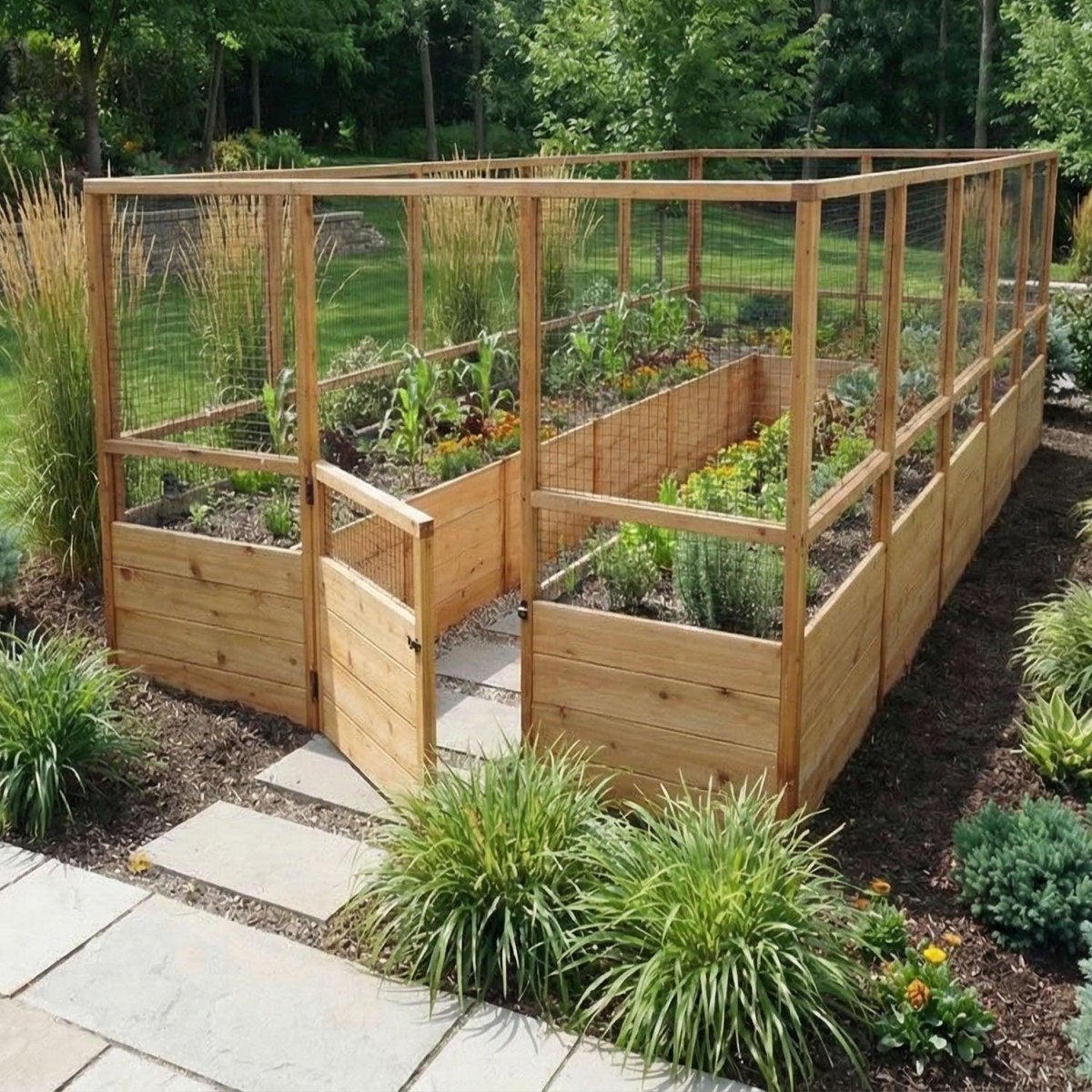
Modern Raised Bed Garden With Wooden Frames
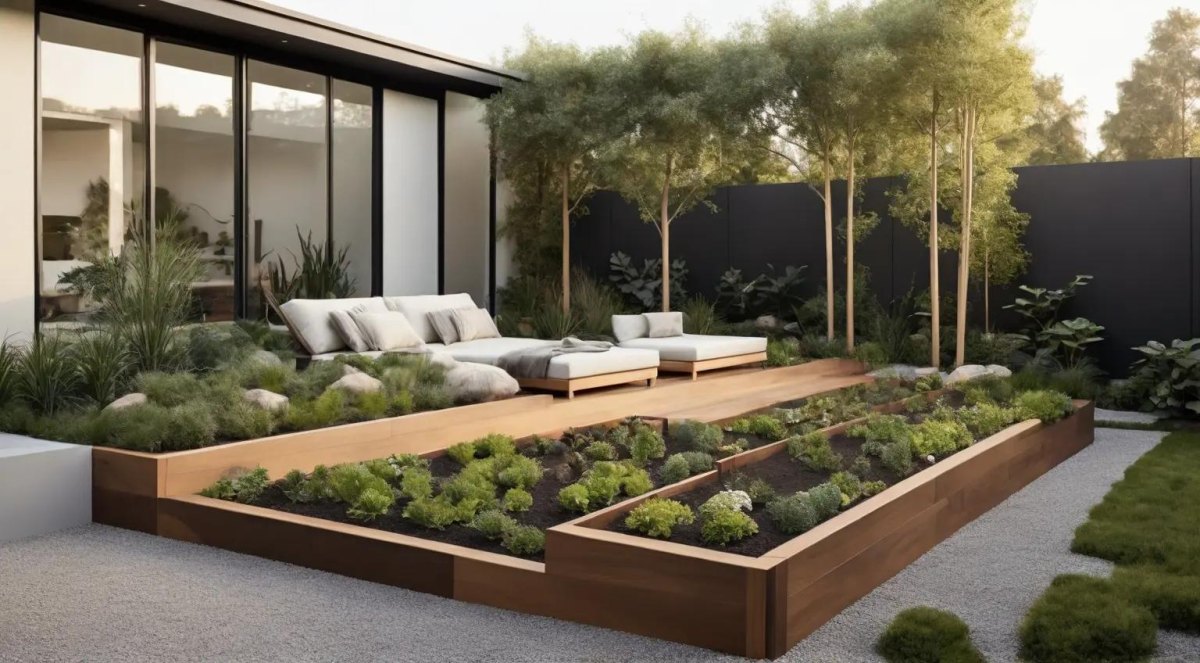
Wood frames create a clean garden structure, but I always consider material safety. I avoid railroad ties, creosote-treated wood, and old unknown lumber for food beds.
Cedar and other suitable materials can create a durable garden frame when chosen carefully.
Raised Bed Garden With Gravel Pathways
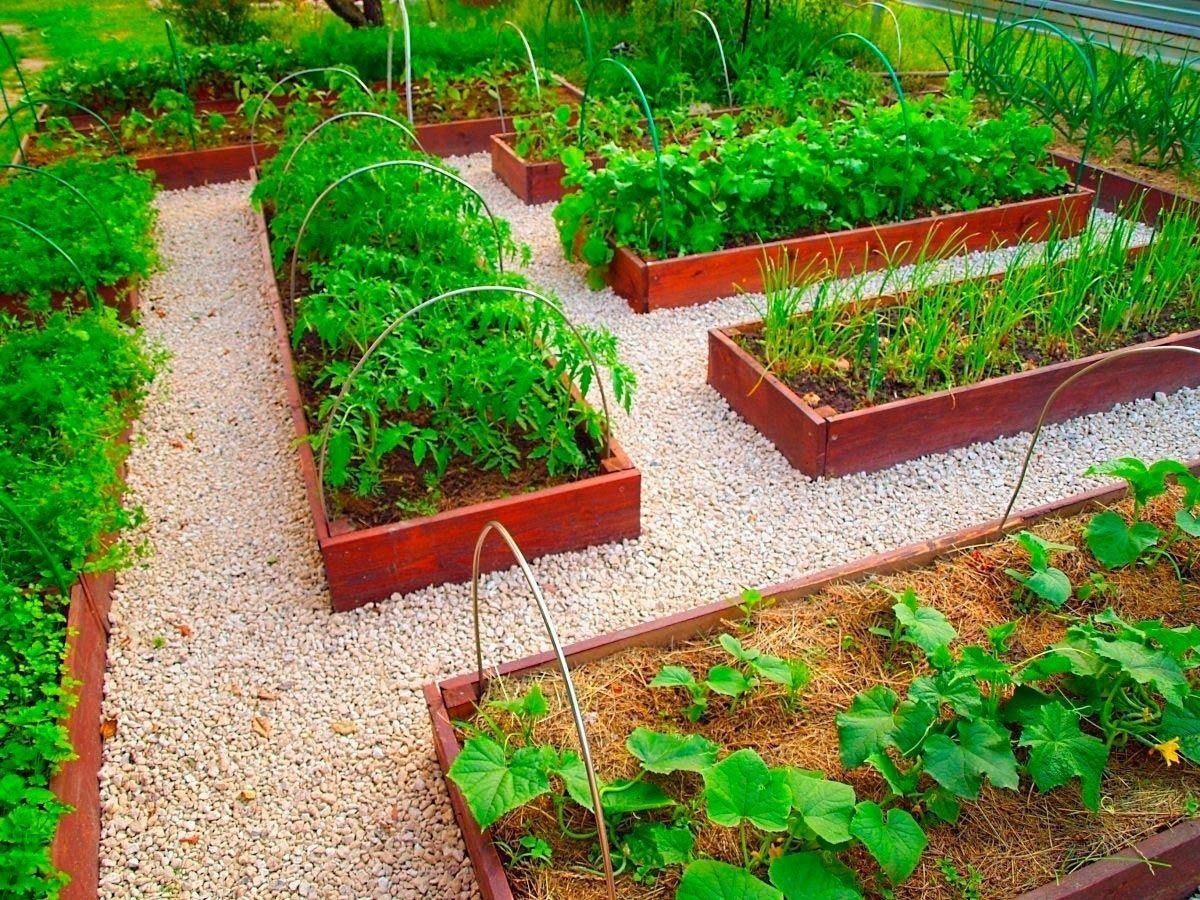
Gravel paths are practical in my dry climate because they handle foot traffic without becoming muddy. I plan paths before beds because moving soil later is miserable.
A good pathway creates easy garden access for watering, harvesting, and maintenance.
Vertical Raised Bed Garden Plan
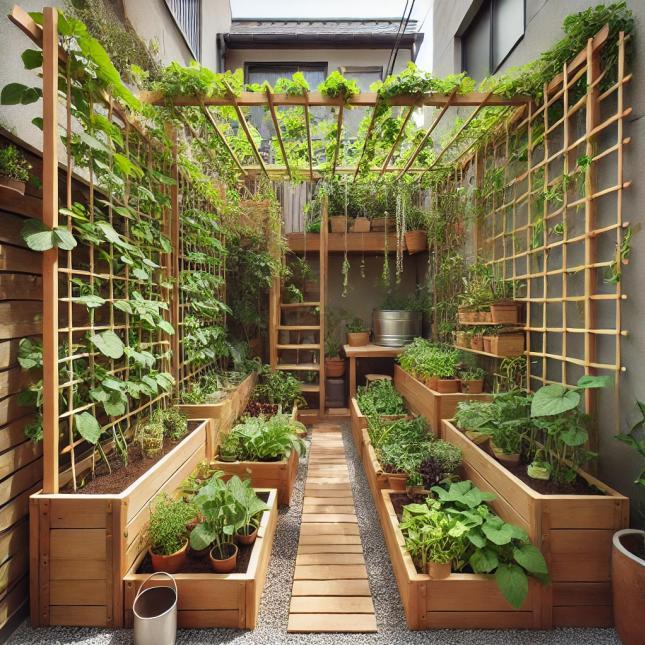
When space is limited, I add height instead of more ground area. Trellises attached to raised beds work well for crops like cucumbers and climbing beans.
Vertical growing is especially useful in small garden footprints where every square foot counts.
Raised Bed Flower Garden Design
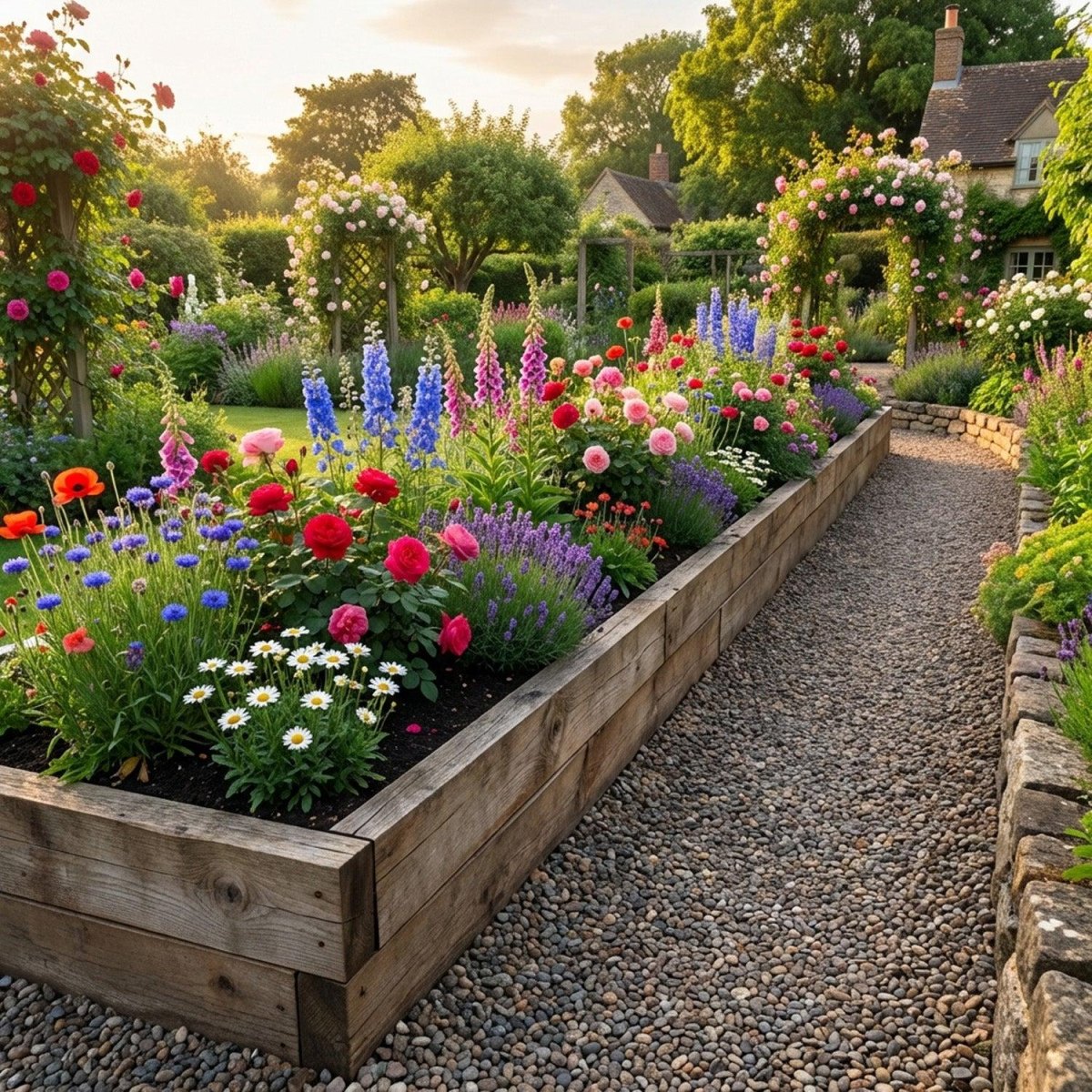
I still use raised beds for flowers because they make cutting and maintenance easier. During my market garden years, dedicated flower beds helped me track which varieties earned their space.
A planned cut flower layout gives steady blooms instead of one overwhelming flush.
Accessible Raised Bed Garden Design
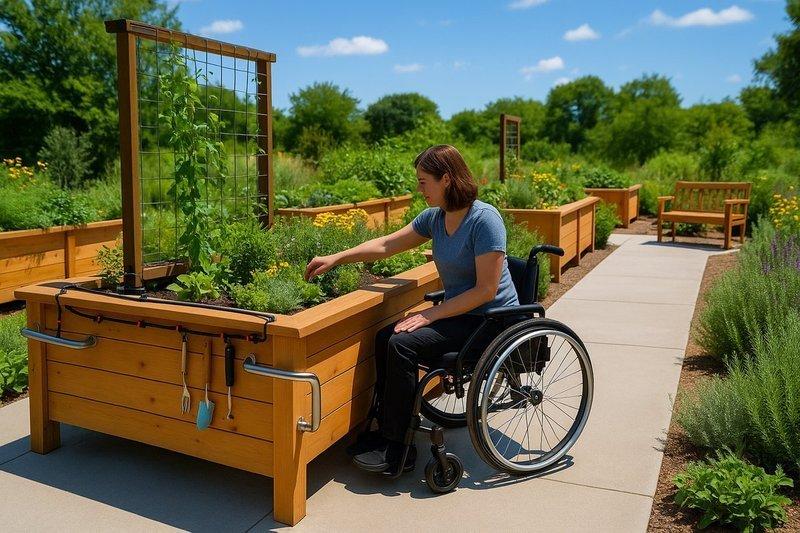
Accessible beds should be designed around the gardener, not a generic measurement. I consider reach, paths, seating, and watering before choosing height.
The best accessible garden plan is one that makes daily tasks comfortable.
Greenhouse Raised Bed Garden Layout
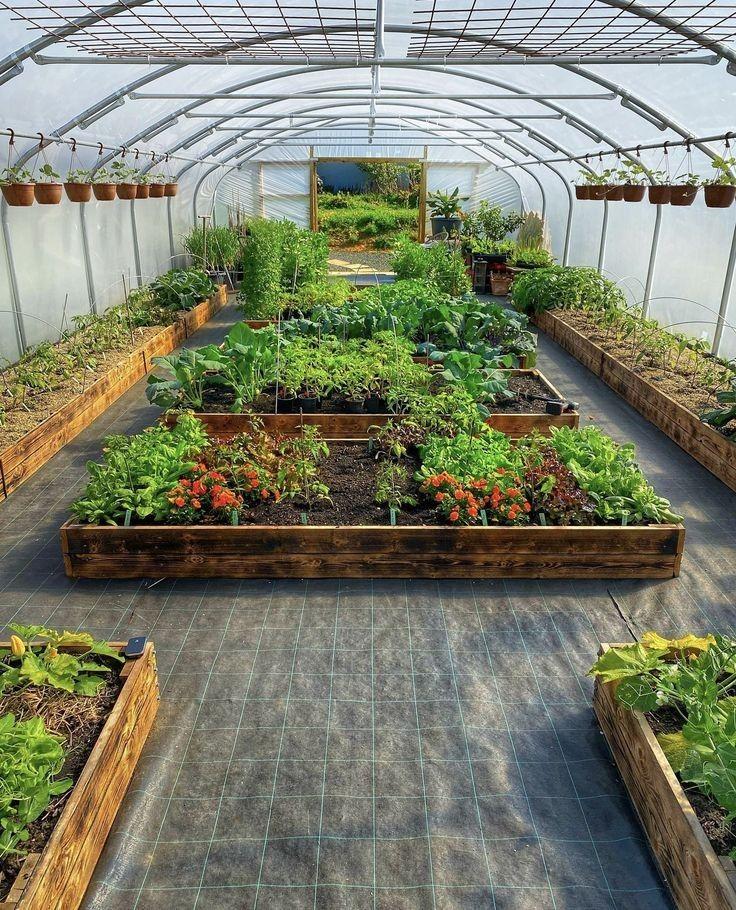
Combining raised beds with a greenhouse extends the season, but I still count from my own frost dates rather than copying a calendar. In Boise, my zone 7a spring can surprise me.
I focus on controlled growing conditions while remembering that ventilation and watering still decide success.
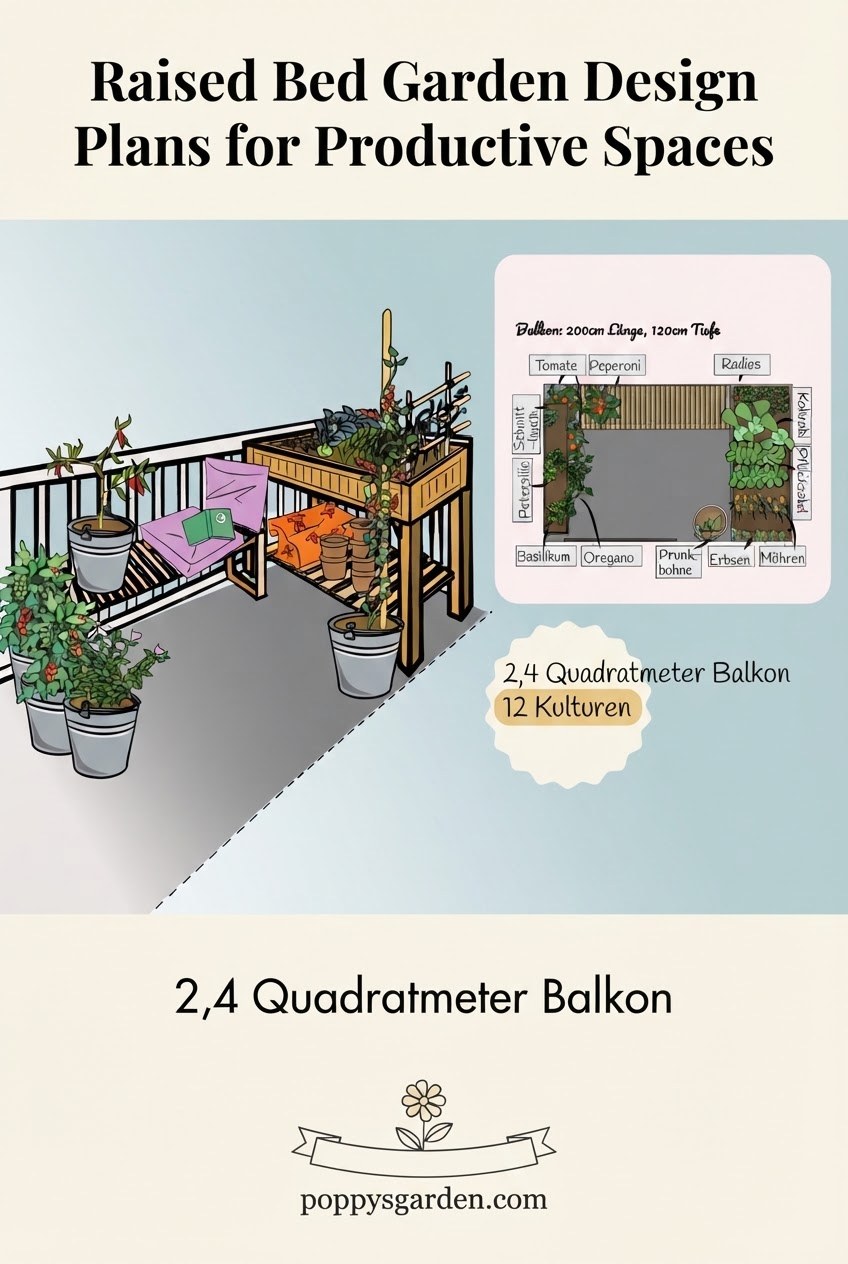
Small Space Raised Bed Garden Plan
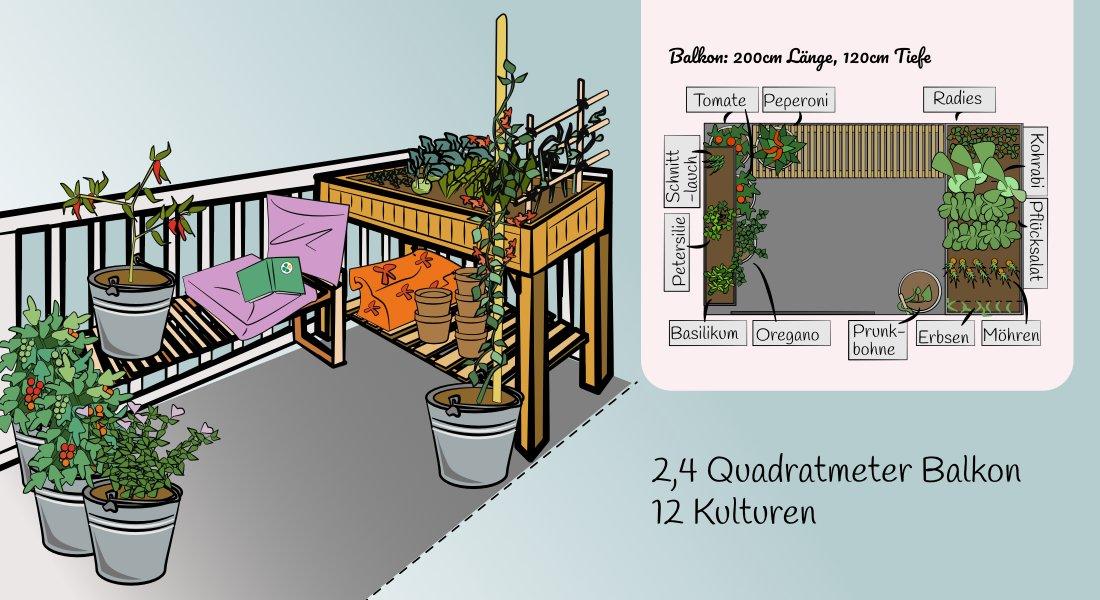
My smallest successful gardens have not been the ones with the most containers; they have been the ones with the clearest plan. Balconies, patios, and tiny yards need realistic crop choices.
A small bed with crops you eat is a worthwhile garden investment, even if the harvest is modest.
More Pinterest Visuals



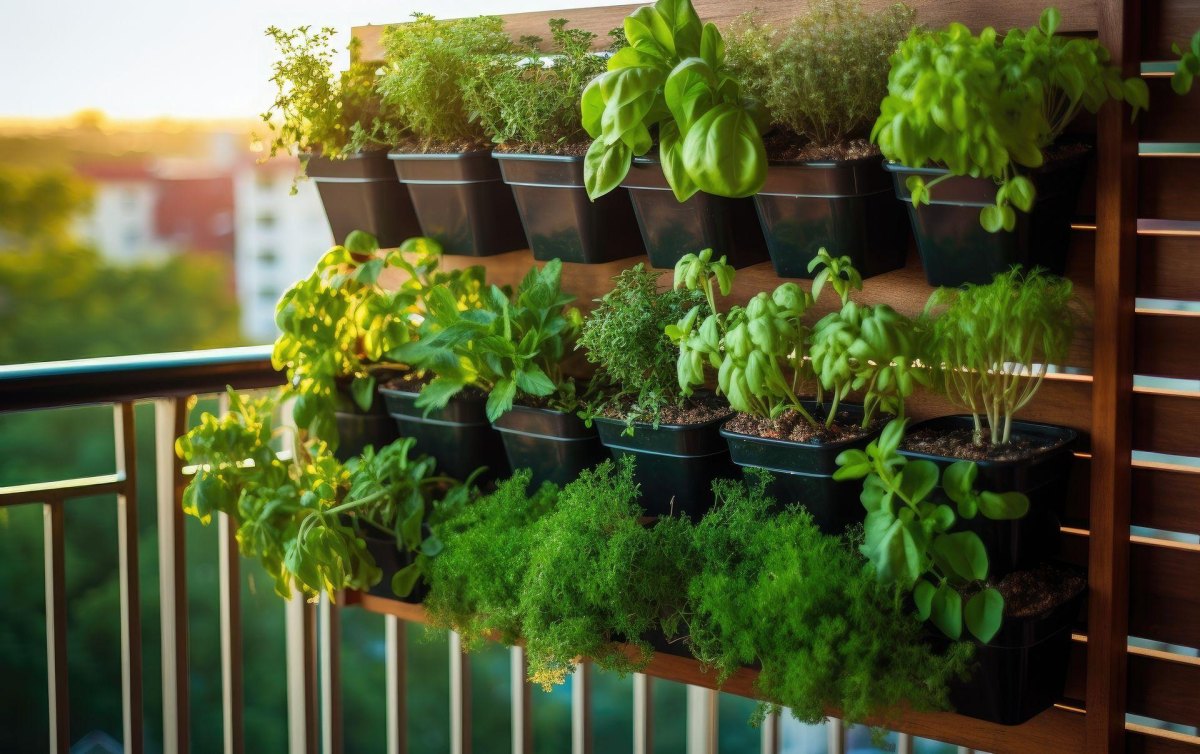 Balcony & Patio GardensSmall Space Garden Ideas That Make Every Inch Count
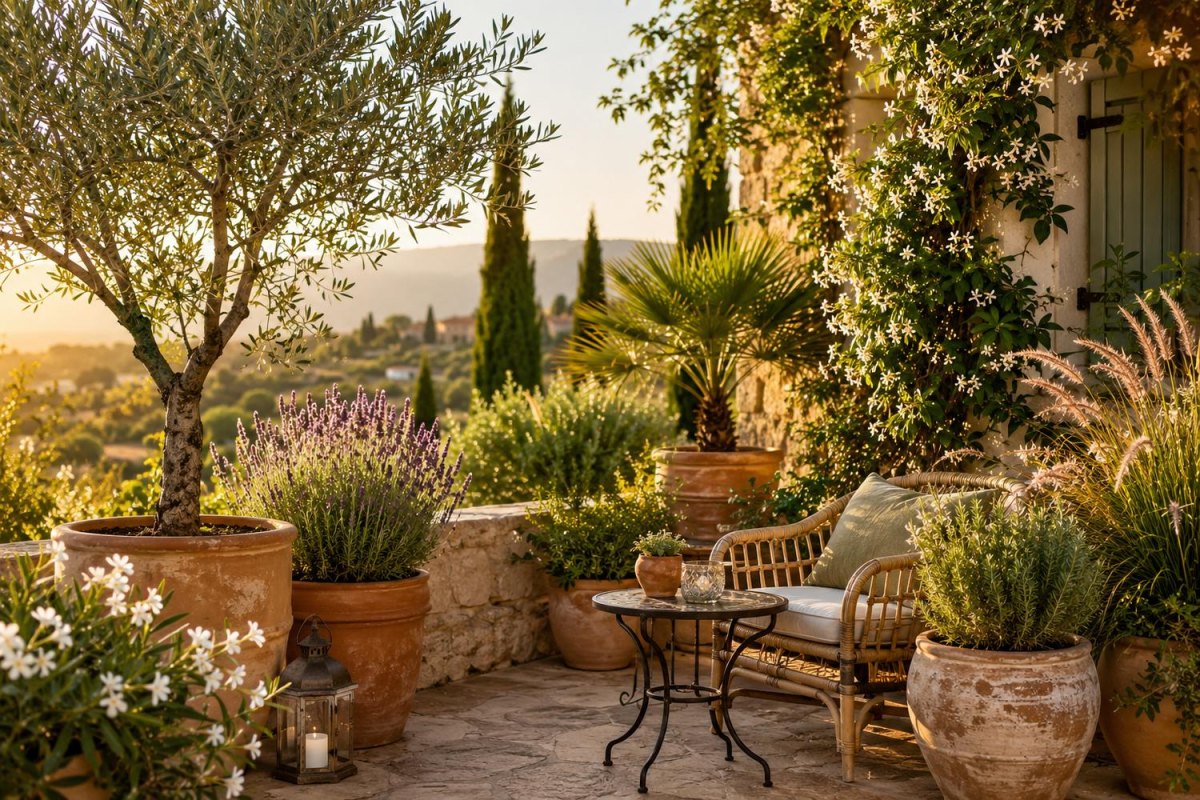 Balcony & Patio GardensKübelpflanzen für die Terrasse – 15 Ideen für ein grünes und blühendes Outdoor-Paradies
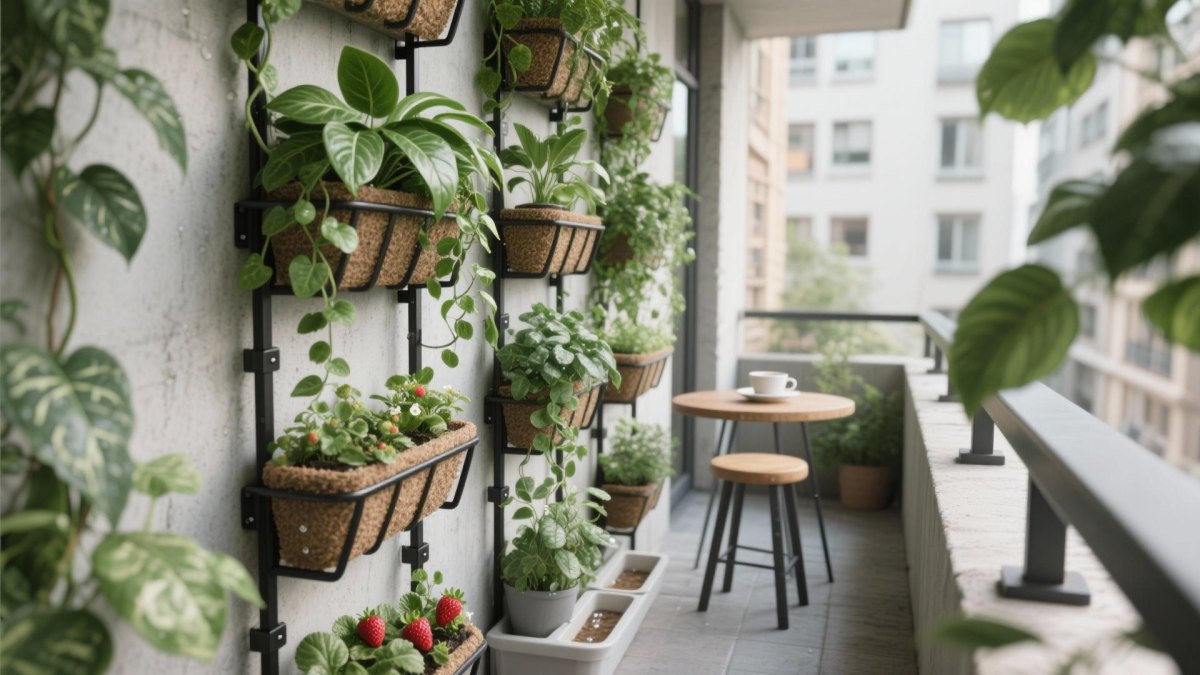 Balcony & Patio Gardens20 Balcony Garden Setup Ideas To Transform Your Outdoor
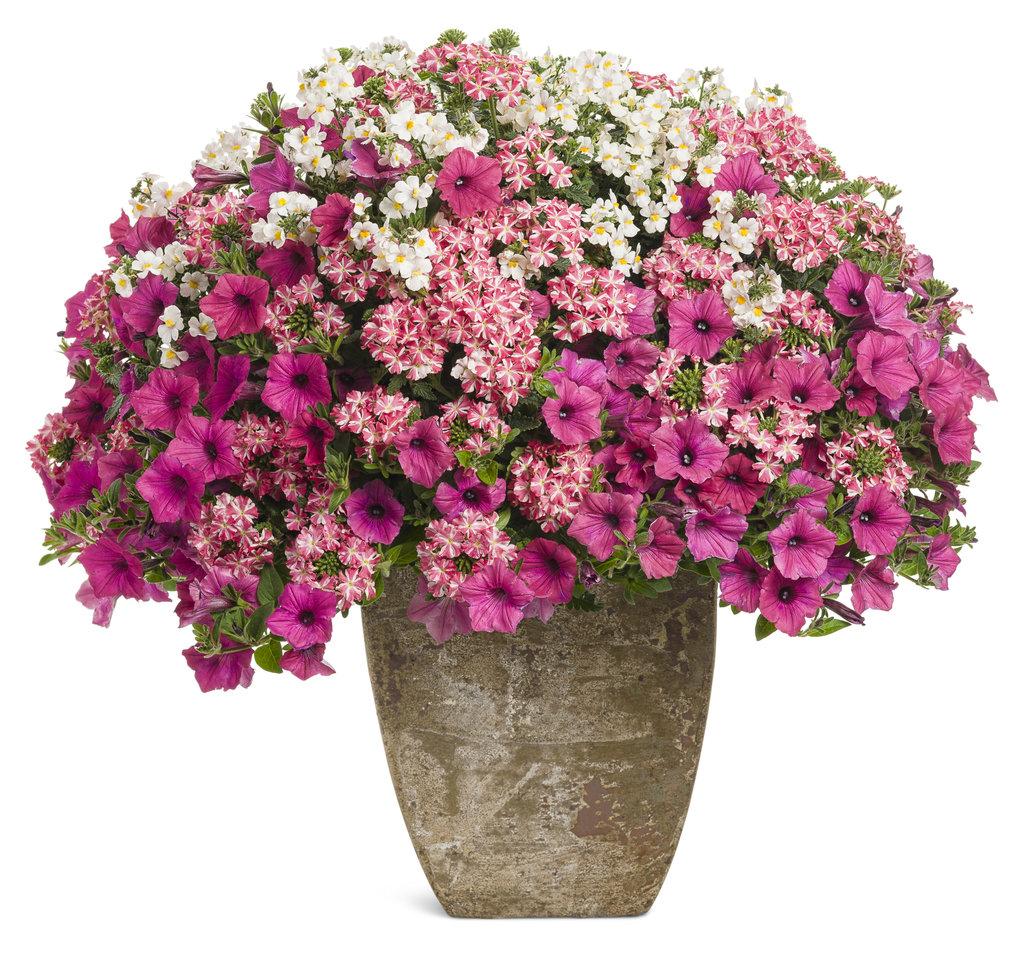 Seasonal & Flower Containers16 Beautiful Container Garden Flower Combinations That Work