
A small outdoor space can grow a surprising amount of greenery, flowers, and even fresh food. I've seen how much potential there is in a narrow patio or an otherwise forgotten balcony. The trick is to stop thinking only about floor space and start using walls, railings, corners, and even furniture.
My garden in Boise, Idaho, sits in USDA zone 7a, where we get roughly 11 inches of annual rainfall, alkaline soil, strong summer heat, and occasional late spring frosts. Those conditions have taught me to pay attention to water, container size, and plant placement. Your climate will have its own challenges, so check your local extension service and use your own frost dates when planning seasonal planting. Here are six small space garden ideas I'd happily recommend to anyone wanting to grow more in less room.
Vertical Garden
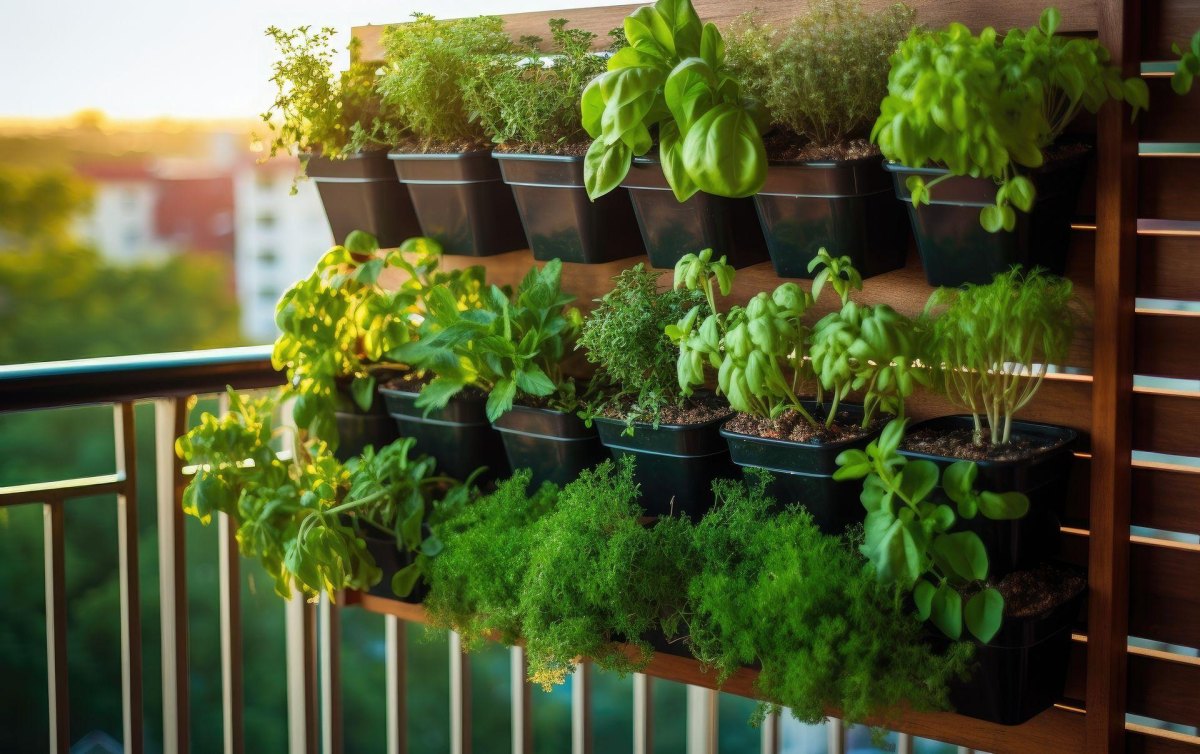
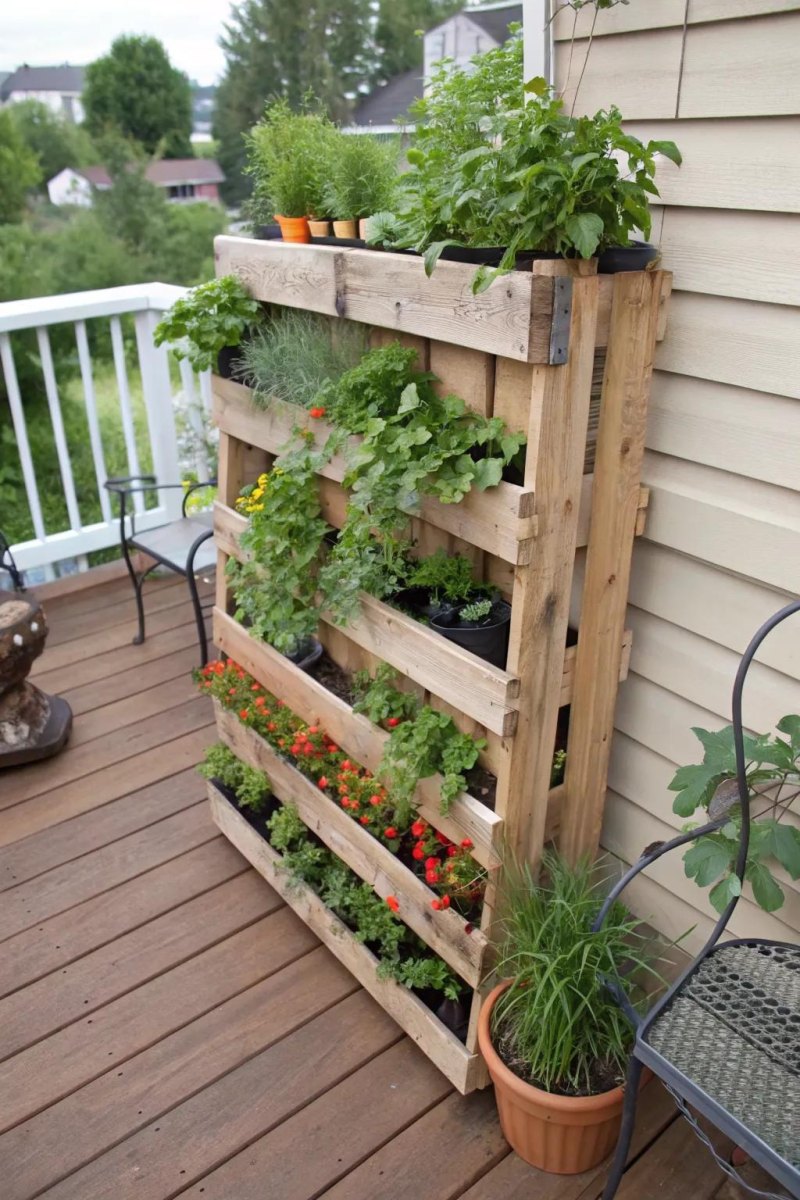
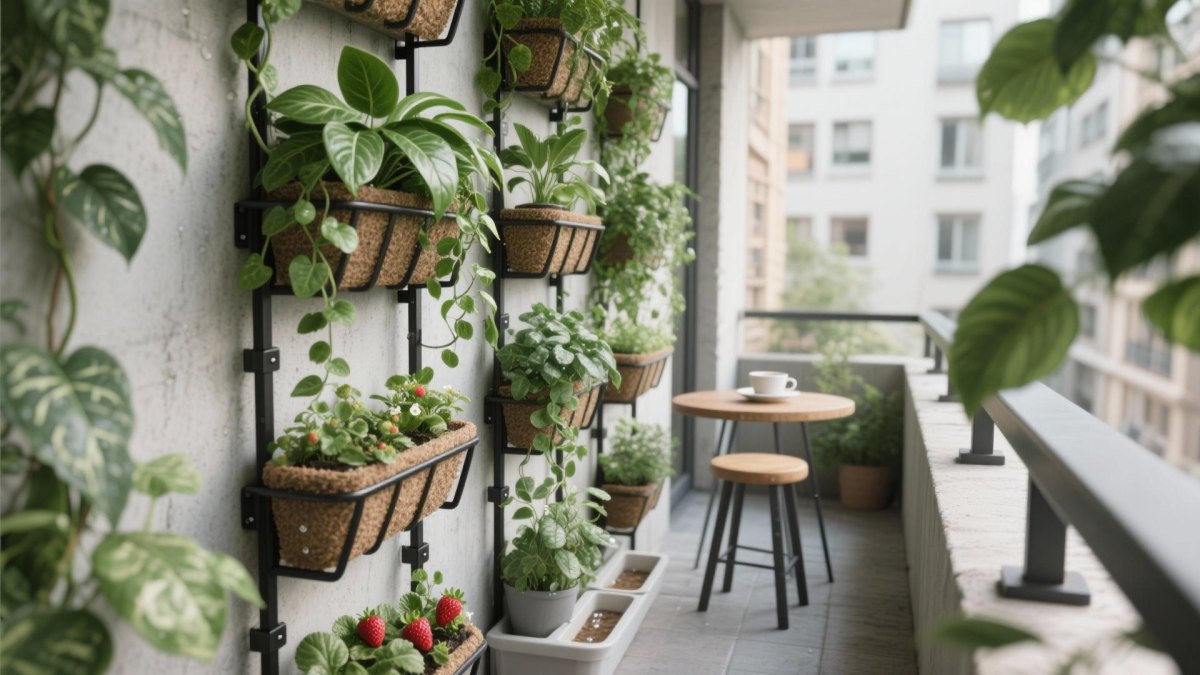
When I run out of room on the ground, I look up. A vertical garden turns a bare wall, fence, or balcony railing into useful growing space without taking up much of the floor. It's one of my favorite approaches for small gardens because it adds greenery at different heights and makes an otherwise plain corner feel alive.
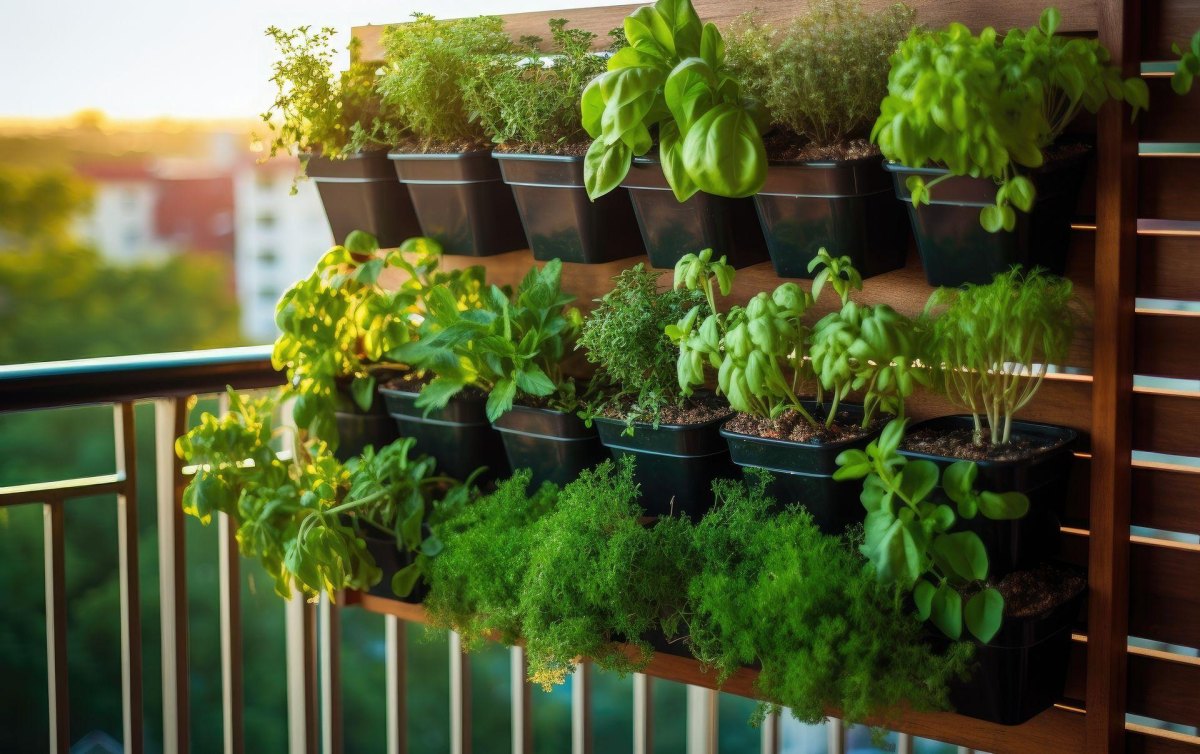
You don't need an expensive living-wall system to get started. A simple trellis, sturdy outdoor shelving unit, or row of individual wall-mounted pots can do the job. I particularly like using a trellis with climbing beans, peas, or compact cucumbers. These plants grow upward rather than spreading across the ground, making them useful choices when every square foot matters. The University of Florida's gardening guidance also recommends trellises, wall brackets, and vertical planting systems for balconies and limited-space gardens.
For a decorative arrangement, I would use herbs and trailing plants in removable wall pots. Parsley, thyme, and compact leafy greens are useful options, provided their light requirements match the location. Keep plants that need frequent watering somewhere you can comfortably reach.
My practical tip
Start with a small trellis or a few removable planters instead of covering an entire wall immediately. Check how much sunlight the area receives and make sure the supports can handle the combined weight of wet containers and mature plants. Plan where excess irrigation water will drain before attaching anything to a wall.One thing I wouldn't overlook is wind. Exposed balconies can turn a lovely vertical arrangement into a collection of overturned pots. Secure the structure properly, keep heavier containers low, and avoid putting delicate plants where they receive constant strong gusts.
Container Gardening
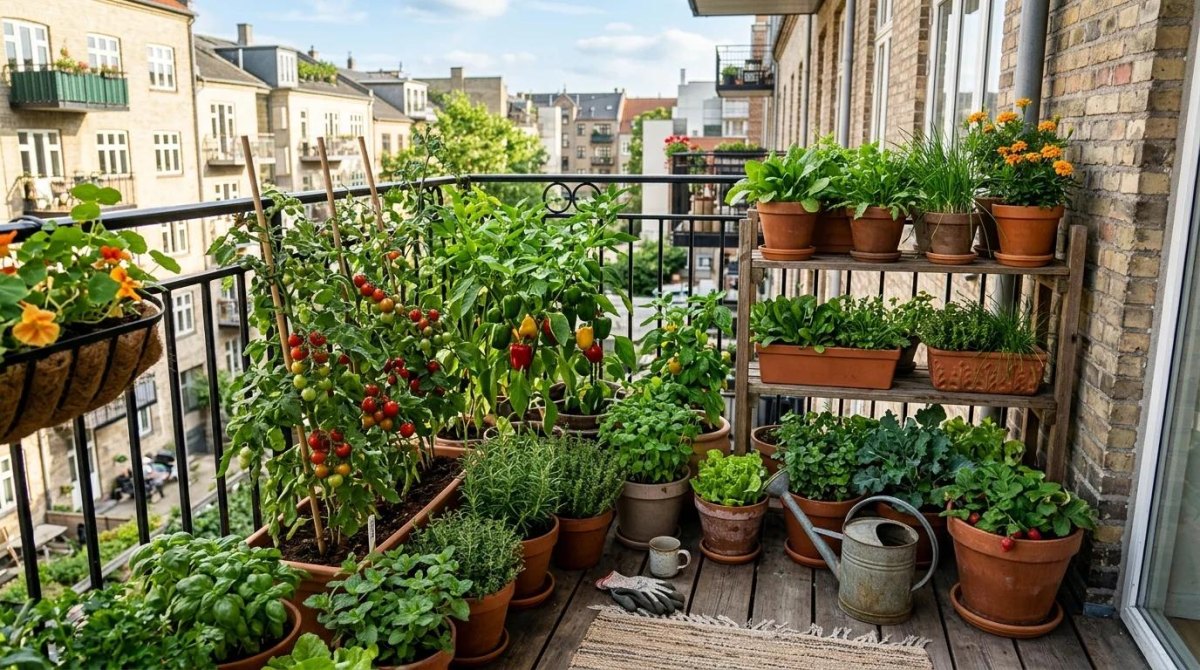
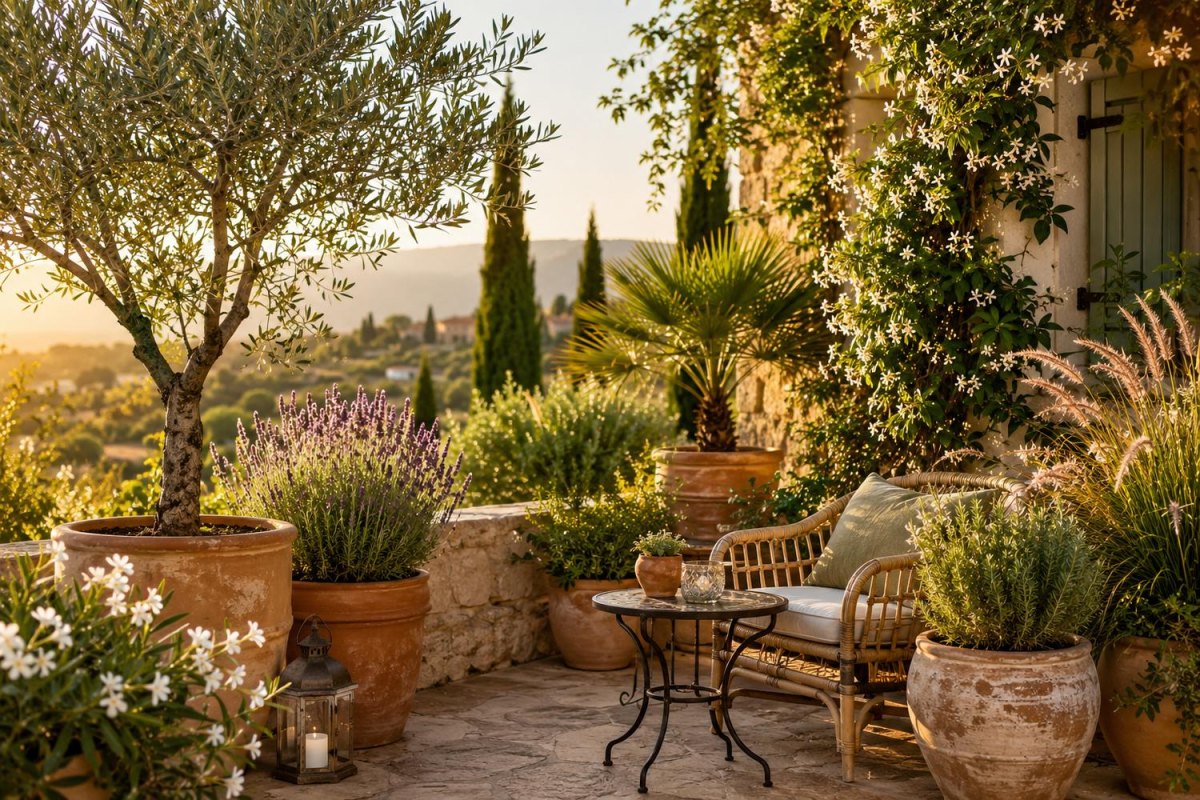
Container gardening is probably the easiest way to begin growing in a small space. I like it because I can move pots around, experiment with different plant combinations, and grow food without needing a traditional garden bed. A collection of well-chosen containers can look just as attractive as a planted border.
My first rule is to choose the right container size before buying the plants. A tiny decorative pot might look charming, but it can become a watering problem once the weather warms up. For a compact tomato, I would start with a container holding around 5 gallons of potting mix, while smaller herbs can often share a larger planter if their water and light needs are compatible. Always check the mature size and root requirements of the variety you're growing. Oregon State University Extension emphasizes adequate root space, suitable growing media, and drainage when selecting containers.
Choose containers with drainage holes and use a quality potting mix rather than filling pots with heavy garden soil. Plastic, terracotta, glazed ceramic, and fabric grow bags can all work. Terracotta tends to dry out faster, while plastic generally holds moisture longer. I use the material as part of my watering plan rather than choosing pots on appearance alone.
| Container idea | Plants to consider | What to watch |
|---|---|---|
| Large pot | Compact tomatoes, peppers | Root space and consistent moisture |
| Medium planter | Basil, parsley, chives | Spacing and drainage |
| Wide shallow pot | Small leafy greens | Faster drying in warm weather |
| Grow bag | Potatoes, compact vegetables | Frequent moisture checks |
Watering is where container gardening can become surprisingly demanding. Here in Boise's hot, dry summers, I pay particular attention to pots along south-facing walls. I check moisture with my finger rather than following a rigid watering calendar. Depending on the weather and pot size, some containers may need water daily or even more often during extreme heat. The Royal Horticultural Society recommends checking moisture regularly and watering thoroughly when needed rather than relying on a fixed schedule.
For a productive little container garden, I'd begin with one tomato, a couple of herb pots, and a container of salad greens. That gives you a useful mix without filling every available inch before you know how much maintenance your space requires.
Hanging Planters
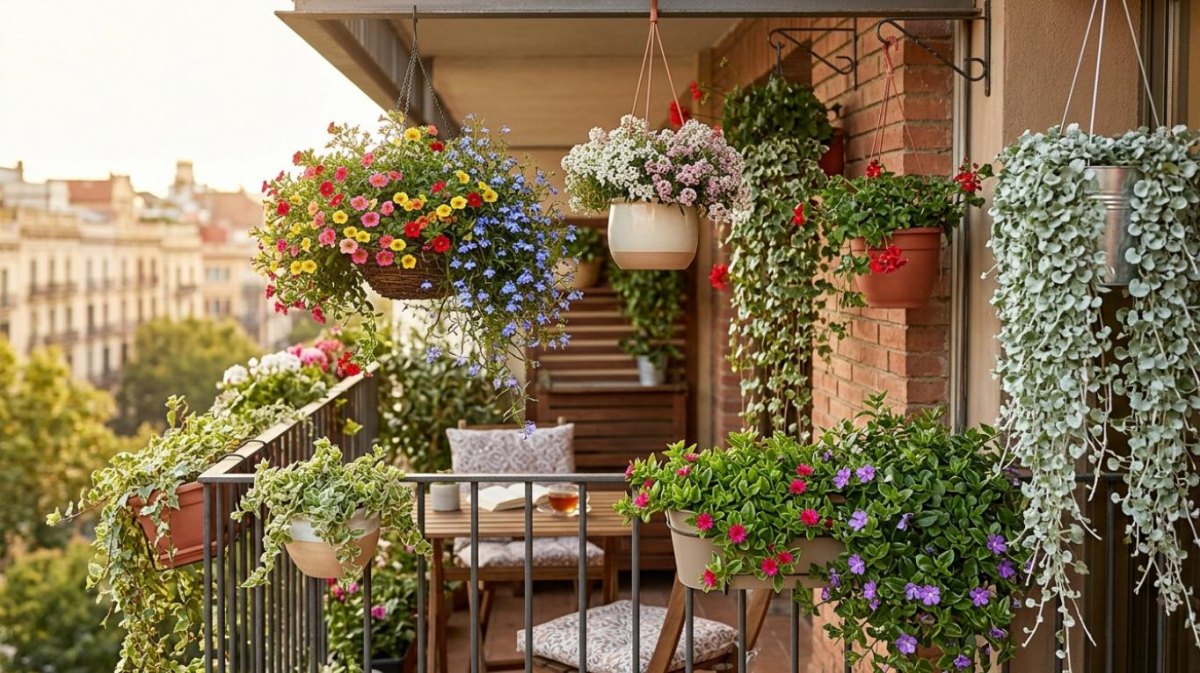
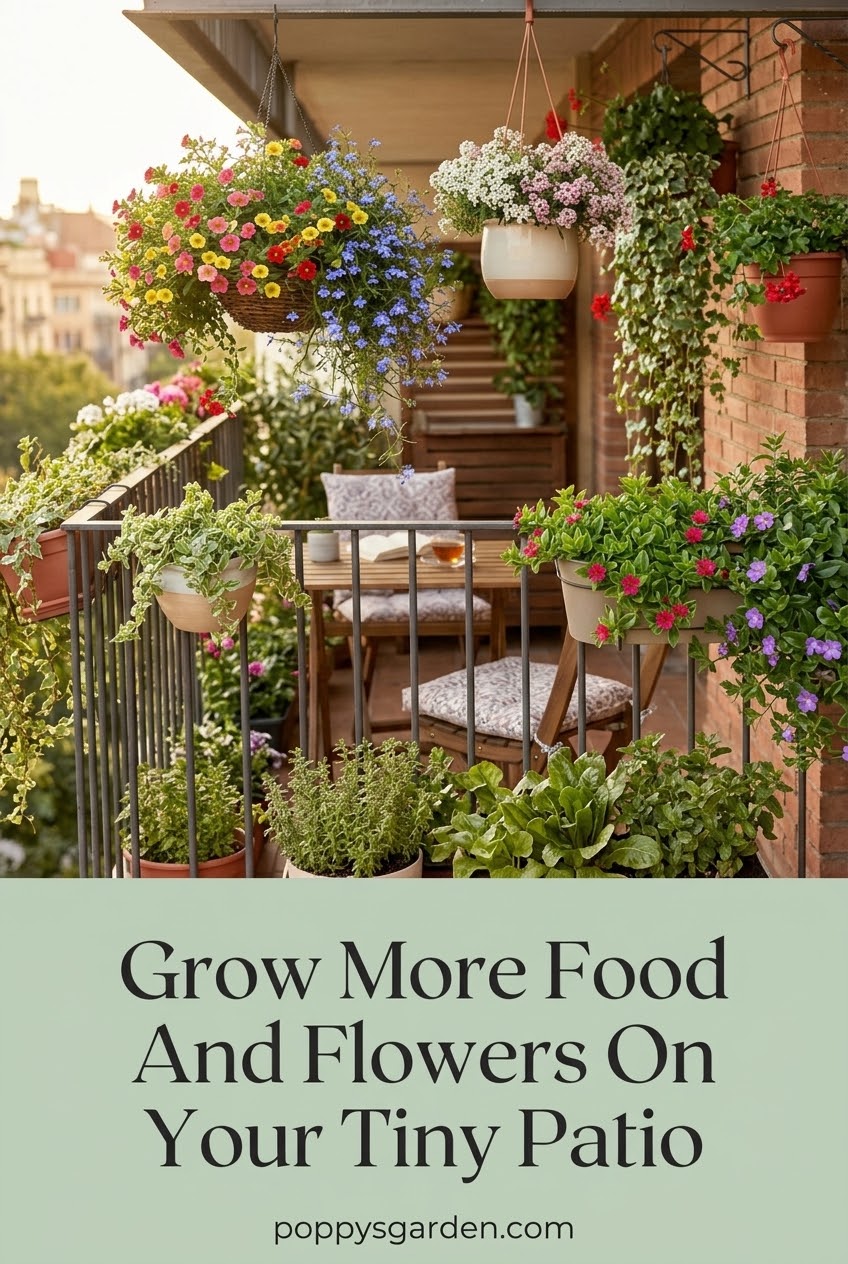
Hanging planters are a lovely solution when the floor is already occupied by chairs, tables, and larger pots. I enjoy using them because they bring flowers and foliage closer to eye level, creating a layered look without sacrificing walking space. A few well-placed baskets can make even a plain balcony feel like a garden.
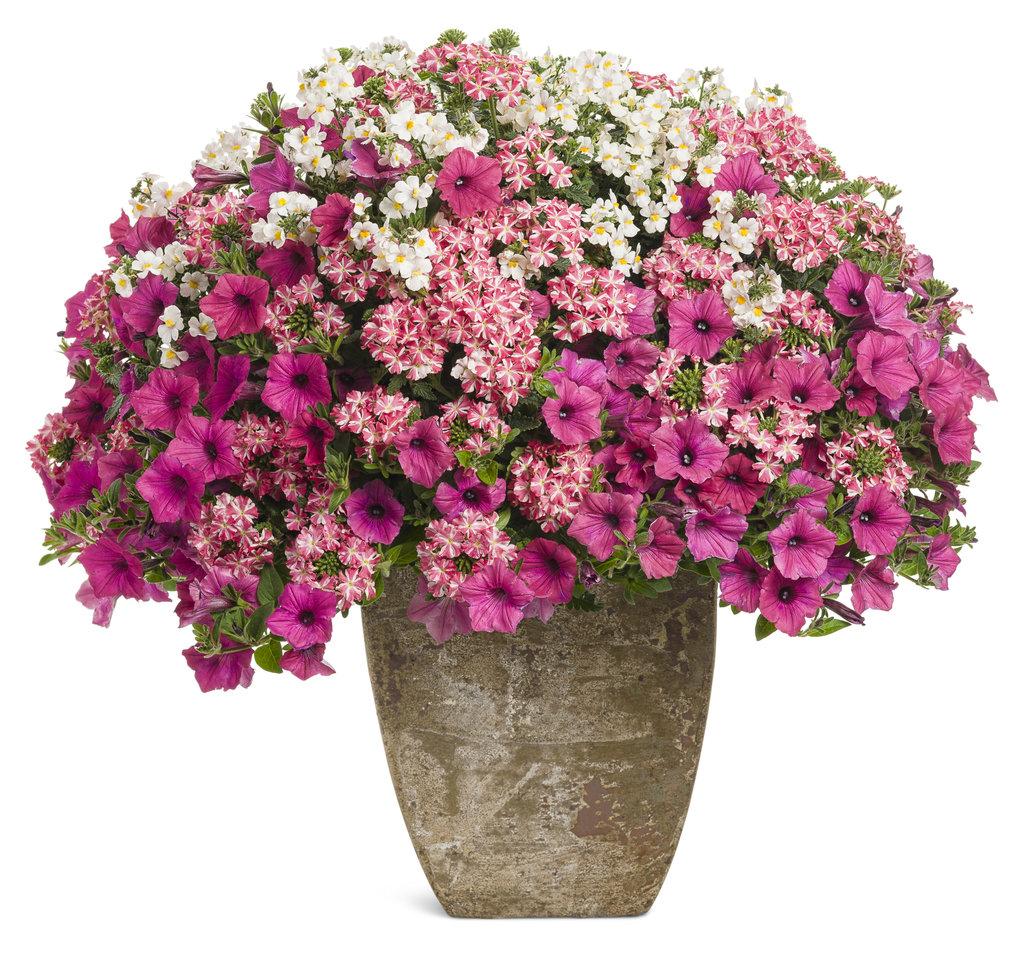
For flowers, I like the combination of upright, bushy, and trailing plants. Gardeners often call this the thriller, filler, and spiller approach. Choose one plant with height or a strong focal point, add compact plants to fill the middle, and finish with trailing varieties that soften the edges. Petunias, lobelia, trailing geraniums, and creeping Jenny are possibilities, depending on your climate and sunlight. The RHS also recommends trailing plants around basket edges to create a fuller display.
I wouldn't limit hanging baskets to flowers, either. Strawberries and trailing herbs can be attractive edible choices. Just remember that baskets usually have less growing medium than large pots, so they dry out quickly. In my high-desert climate, I would be especially cautious about placing them in full afternoon sun without a reliable watering arrangement.
- Choose a suitable basket. Pick a container with enough root space and a dependable liner.
- Prepare the growing mix. Use quality container compost that retains moisture while allowing excess water to drain.
- Arrange the plants. Put taller plants toward the center and trailing varieties around the edges.
- Secure the basket. Use appropriate fixings and check that the support can carry its weight when wet.
- Check moisture regularly. Water when needed and adjust your routine during hot or windy weather.
One mistake I see with hanging baskets is forgetting how much water they need once plants become established. The RHS recommends checking baskets daily during summer, with watering sometimes needed every day in hot, sunny conditions. A small drip-irrigation system can help if you have several baskets, but it still needs regular adjustment.
Before hanging anything overhead, check the strength of the fixing and consider where the water will drip. I would rather have two securely installed baskets than six heavy ones attached to questionable hooks.
Raised Garden Beds
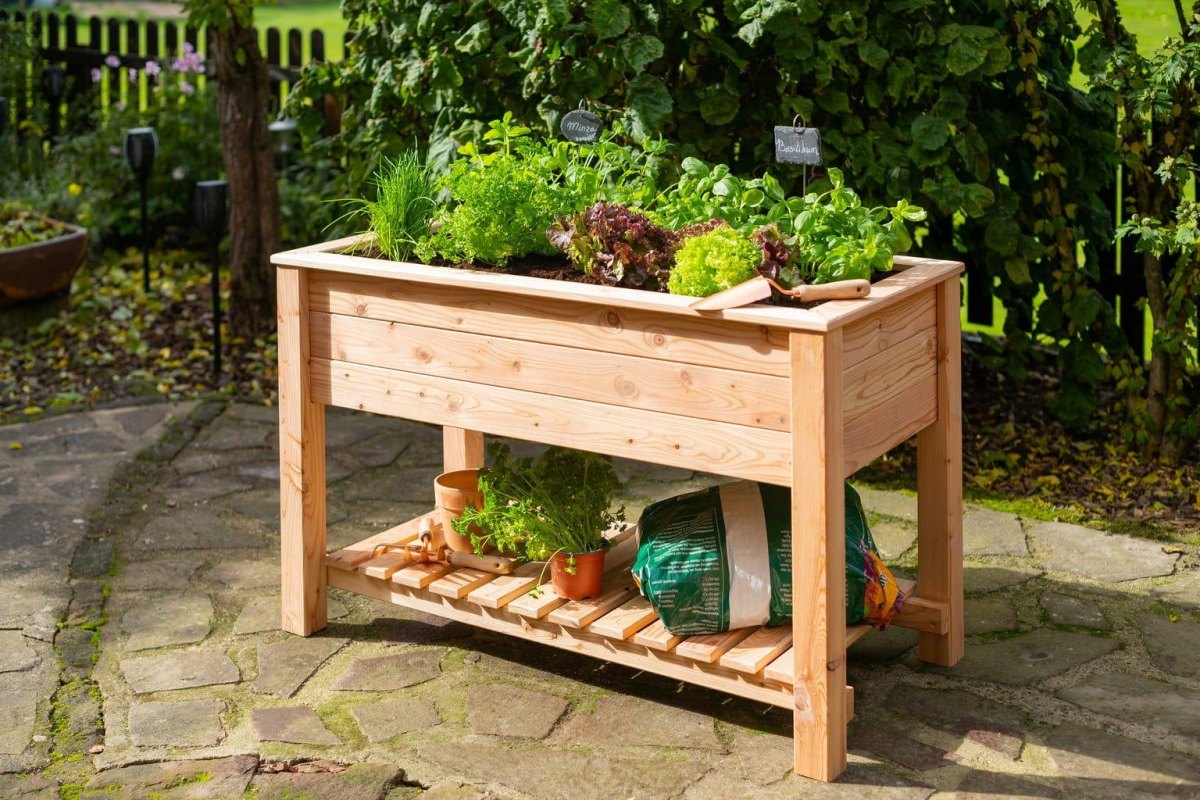
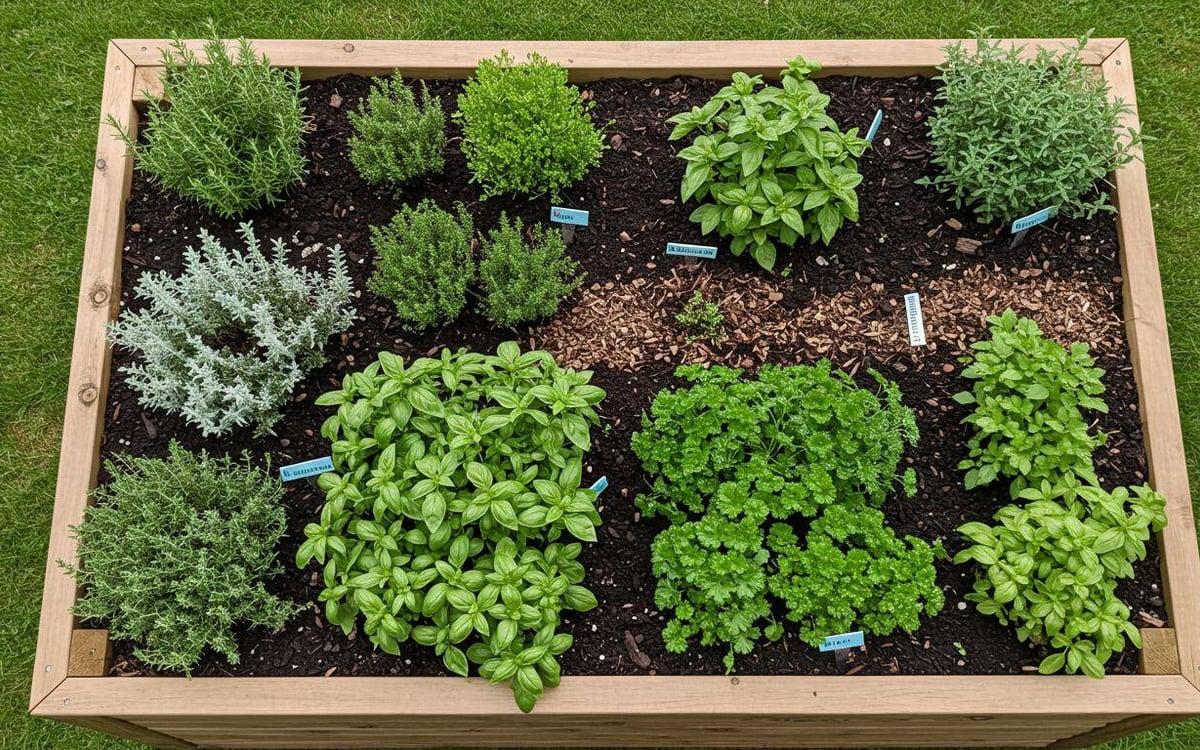
If you have a small yard, courtyard, or even a generous patio, a raised garden bed can provide a surprisingly useful growing area. I like raised beds because they create a defined planting space, make it easier to organize vegetables, and reduce the need to work directly with unsuitable existing soil.
For a small garden, I would consider a narrow rectangular raised bed that can be reached comfortably from the sides. You don't need a huge structure to grow lettuce, radishes, herbs, and compact vegetables. If you're placing a bed against a wall, make sure you can still reach the far side without stepping into the growing area.
Material choice deserves more thought than the appearance of the finished bed. Cedar and redwood are naturally decay-resistant options, while bricks and other suitable masonry materials can provide a long-lasting alternative. Modern pressure-treated lumber is different from older treated timber, but I still prefer choosing materials with a clear intended use and understanding what they contain. Never use railroad ties, creosote-treated wood, or old CCA-treated lumber for food-growing beds. The University of Maryland Extension provides useful guidance on raised-bed material safety and older wood preservatives.
Check the soil before growing food
If your small garden is on an older property, particularly near an old painted building or foundation, test the existing soil for lead before growing edible crops. Contact your local extension service or an accredited soil-testing laboratory for appropriate testing and advice. A raised bed filled with clean growing medium may be a better option where contamination is confirmed.My preferred planting combination for a compact bed would include leafy greens and herbs alongside a few smaller root vegetables. You can harvest outer leaves from many salad crops as they grow, rather than waiting for every plant to reach full maturity. That gives you a more continuous supply from a limited footprint.
Remember that a raised bed is only as productive as its growing medium and watering arrangement. Here in Boise, zone 7a, with alkaline soil, roughly 11 inches of annual rainfall, and intense summer heat, I pay close attention to irrigation and mulch. If you're planning seasonal planting, count backward or forward from your own last and first frost dates rather than copying my Idaho dates. Your local extension service can help you choose suitable crops and varieties.
For a balcony or rooftop, I would also check the building's structural requirements before installing a raised bed. Wet growing medium, containers, and mature plants can become very heavy, and I would never assume a balcony can support a particular load without confirmation.
Window Box Gardens
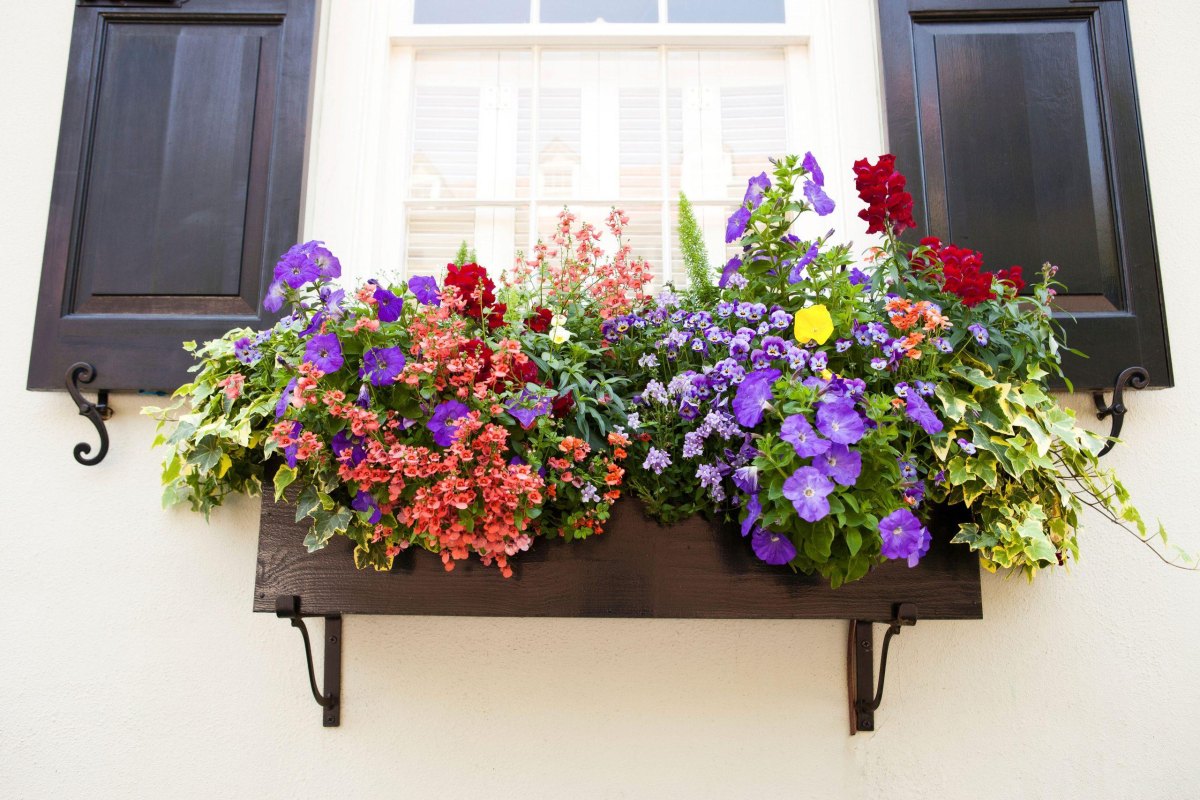
A window box is one of my favorite ways to add a little garden where there isn't room for a traditional planter. It can brighten a kitchen window, soften the appearance of a balcony, or provide a convenient spot for herbs just outside the house. Even a relatively narrow window can become useful growing space with the right container.
I usually start by thinking about sunlight and planting depth. A sunny kitchen window might be suitable for basil, thyme, chives, or parsley, while a shadier position may be better for plants that tolerate lower light. Window boxes are often shallower than ordinary pots, so I wouldn't squeeze in vegetables with large root systems just because they look attractive in a photograph.
For an ornamental display, I like combining compact flowers with trailing greenery. Pansies, petunias, snapdragons, and suitable compact seasonal plants can provide color, while trailing varieties soften the front edge. The University of Florida's window-box guidance recommends choosing low-growing, colorful, cascading plants and matching them to the available soil depth.
When choosing a box, I look for good drainage and sturdy mounting brackets. Water must be able to escape without damaging the building or leaving marks on the exterior. A filled window box can weigh considerably more than an empty one, especially after watering, so the supporting surface and fixings need to be appropriate for the load.
- Measure the window and choose a box that fits securely.
- Check the sunlight exposure before selecting plants.
- Choose plants that suit the available root depth.
- Make sure the box has adequate drainage holes.
- Use secure mounting hardware suitable for the building.
- Check the growing medium regularly during warm weather.
One arrangement I particularly like is a small edible window garden with thyme, parsley, and chives. These herbs are useful in the kitchen, and their different leaf shapes create a pleasing display. I would keep enough room between plants for air circulation rather than planting the box so densely that everything competes for space.
If your window box is exposed to strong afternoon sun, remember that shallow containers can dry much faster than larger pots. I check mine according to the weather and plant needs, not simply because it happens to be watering day.
Multi-Functional Garden Furniture
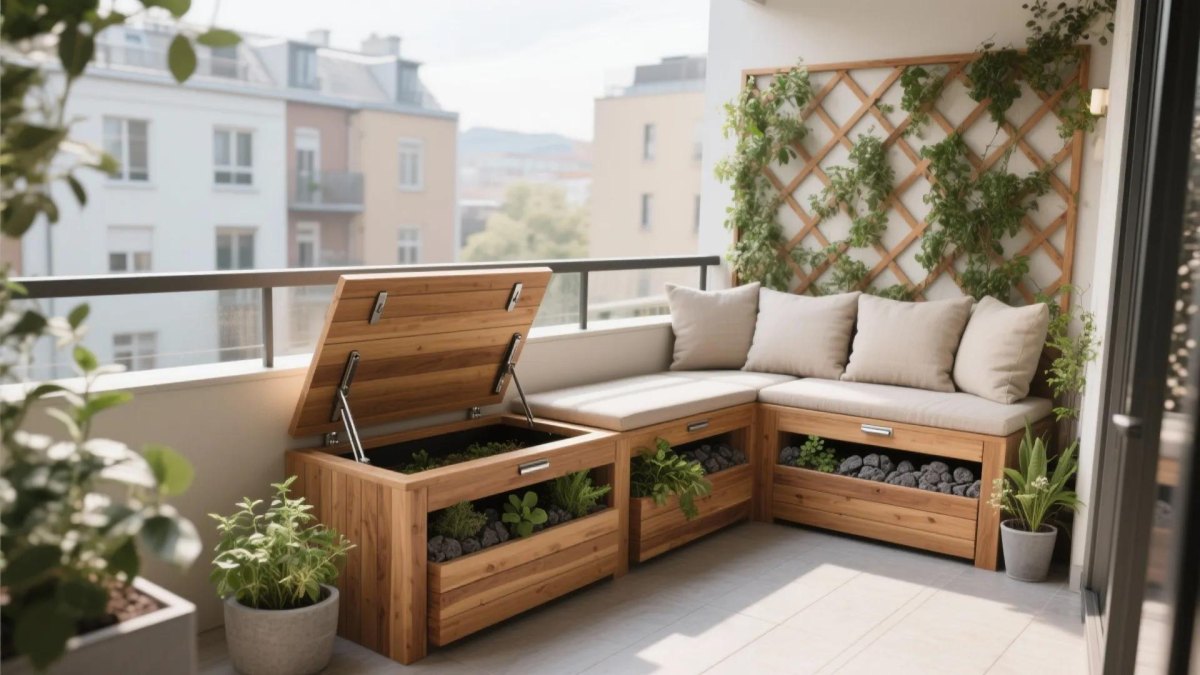
In a very small garden, furniture and plants often compete for the same limited floor space. That's why I like the idea of multi-functional garden furniture. Instead of choosing separate pieces for seating, storage, and planting, look for designs that combine two or more uses.
A wooden bench with built-in planter boxes is a particularly attractive option. It provides somewhere to sit while adding growing space along the edges. You could also choose a storage bench for cushions and gardening supplies, a folding table for occasional potting work, or a compact shelving unit that holds small containers above the floor.
For a tiny balcony, I would prioritize foldable and modular furniture. A folding table can be put away when it isn't needed, while lightweight modular seats can be rearranged to make room for larger plants. IKEA's small-balcony design guidance also highlights storage benches, flexible seating, and modular furniture as ways to make compact outdoor areas more functional.
- Bench with planters: Combines seating and a dedicated place for flowers or compact herbs.
- Storage bench: Keeps tools, empty pots, and outdoor cushions out of sight.
- Folding table: Creates a temporary dining or potting surface without permanently occupying the floor.
- Tiered plant stand: Adds planting levels while keeping the footprint relatively small.
- Modular seating: Lets you rearrange the space depending on how you want to use it.
I would be careful about combining heavy planters with furniture on an elevated balcony. Wet soil, timber, furniture, and people all contribute to the total load. Check the building's balcony requirements and consult the appropriate building professional before adding substantial structures. Also consider wind exposure, drainage, and whether the furniture will remain stable when the planters are full.
For the planting itself, I prefer a restrained arrangement rather than filling every surface. One larger planter at each end of a bench, a few smaller pots on a shelf, and one flowering container can be enough. The goal is to make the space comfortable enough to sit in, not to turn every available surface into another gardening project.
In my experience, the most successful small garden is the one that fits into everyday life. Start with the plants you genuinely want to grow, leave enough room to water and harvest them, and choose furniture that makes the space easier to enjoy. You can always add another planter next season if the first few earn their place.
More Pinterest Visuals


 Balcony & Patio GardensKübelpflanzen für die Terrasse – 15 Ideen für ein grünes und blühendes Outdoor-Paradies
 Balcony & Patio Gardens20 Balcony Garden Setup Ideas To Transform Your Outdoor
 Seasonal & Flower Containers16 Beautiful Container Garden Flower Combinations That Work
 Raised Bed Gardening15 Raised Bed Herb Garden Design Ideas for a Productive Home Garden