
A self-sustaining garden is not a magic patch where I stop working forever. Mine still needs attention, but the goal is to reduce outside inputs by building systems that support each other. I garden in Boise, Idaho, zone 7a, where I get about eleven inches of rain yearly, alkaline soil, fierce summer heat, and wind that can flatten a tomato overnight.
I have learned from fifteen years of notebooks that the best garden is the one that recycles its resources. Compost feeds soil, mulch saves water, flowers bring insects, and saved seeds reduce yearly costs.
Designing a Self-Sustaining Garden Layout
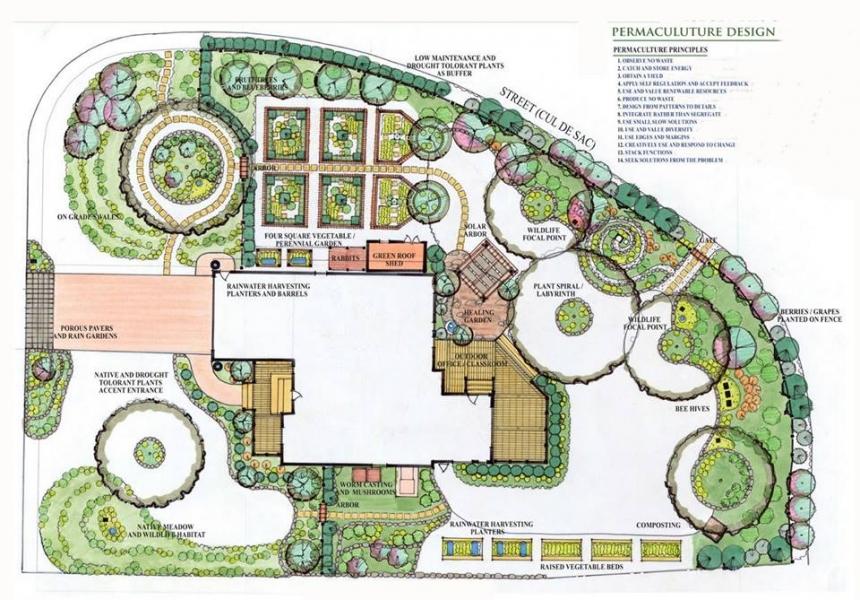
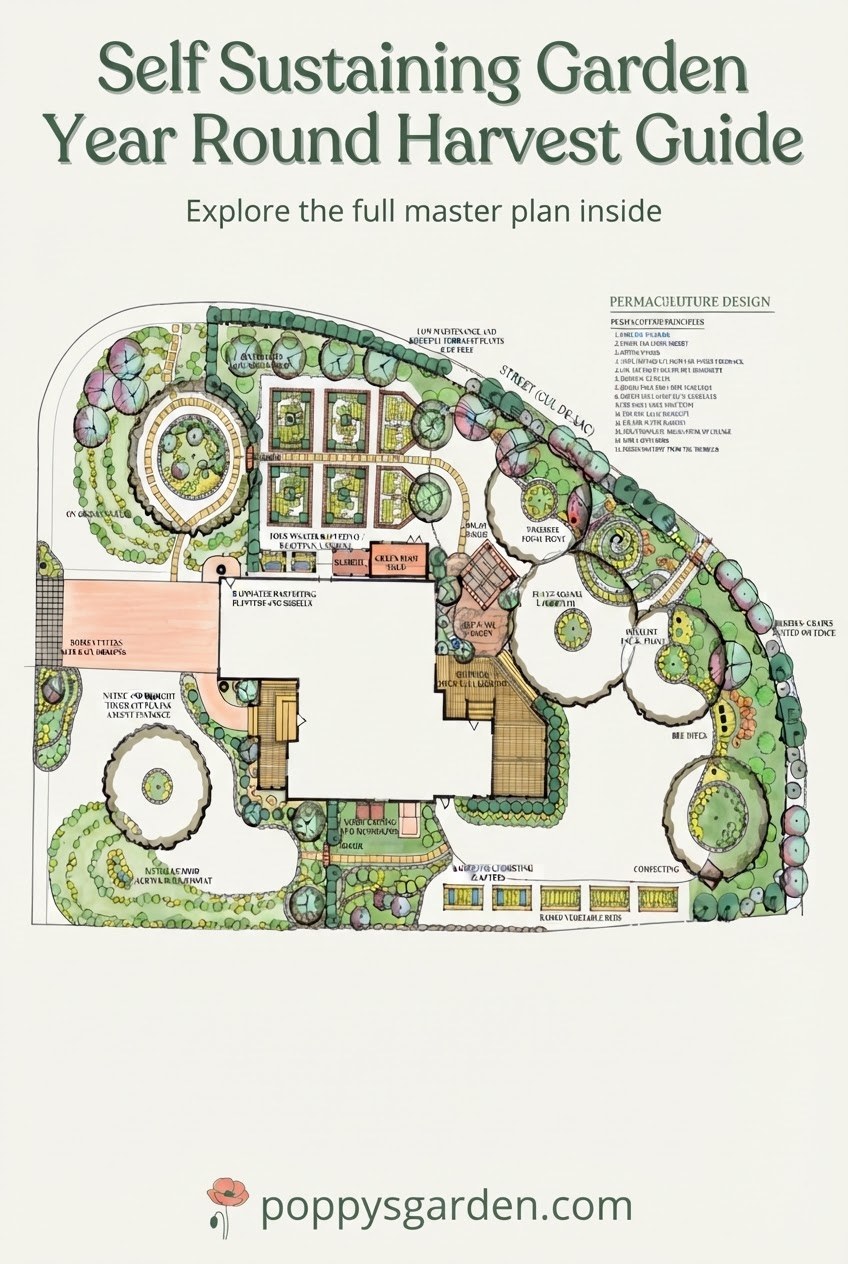
I start with observation before planting. My third-acre garden works because I place thirsty crops near water and permanent plants where they can stay. Sustainable layouts often borrow ideas from layered ecosystems and permaculture design.
I mark sun, wind, paths, and water movement before building beds. My eight raised beds cost less in time because the garden layout prevents unnecessary hauling and watering.
- Map. Record sunlight, frost pockets, and existing resources.
- Group. Place plants with similar needs together.
- Build. Add permanent features slowly.
Building Healthy Soil Through Composting
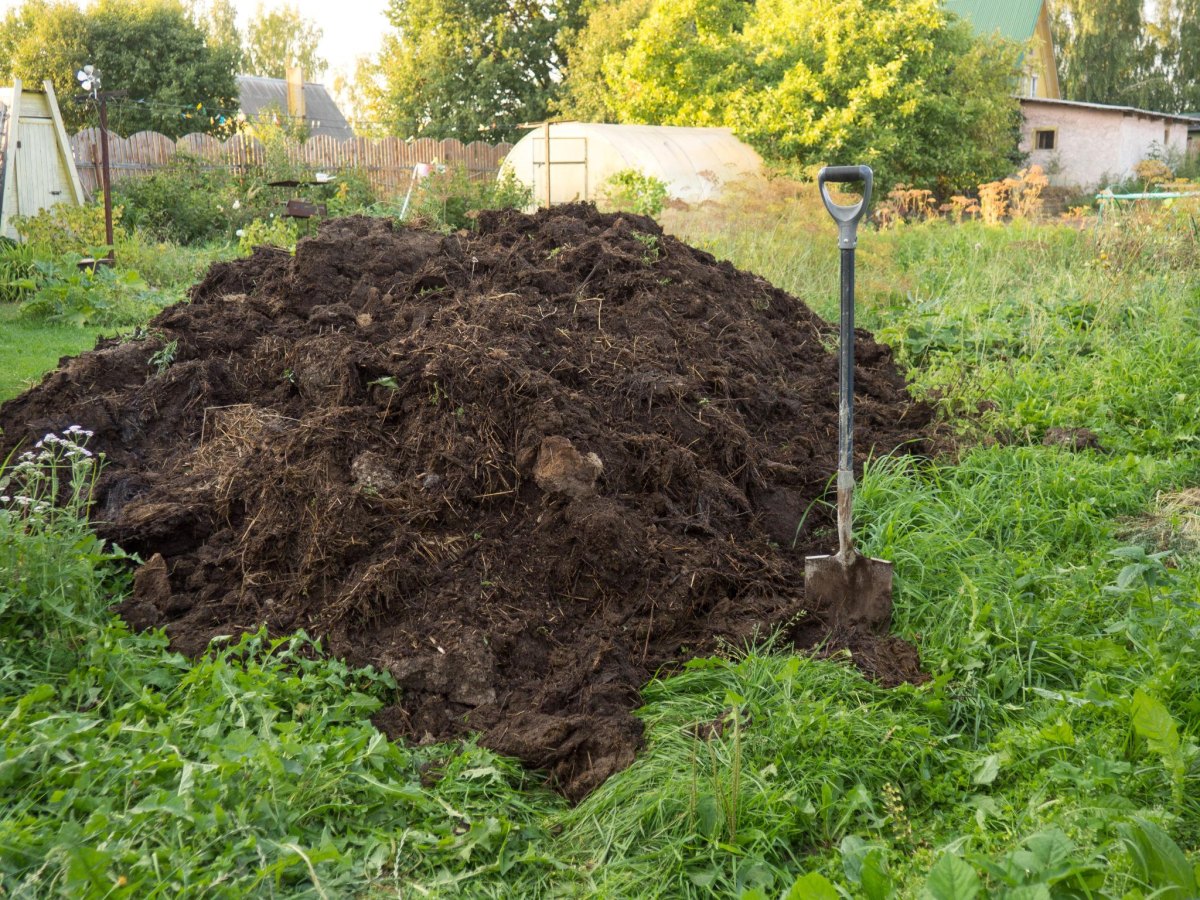
Compost is where my garden savings begin. USDA describes composting as recycling organic materials into a soil amendment that enriches plants.
My two bins handle leaves, vegetable scraps, and garden waste. I keep out meat, dairy, oils, and pet waste because a safe compost pile matters more than a fast one.
My soil note
I add finished compost gradually and test soil when needed instead of guessing what nutrients are missing.
Creating a Rainwater Harvesting System
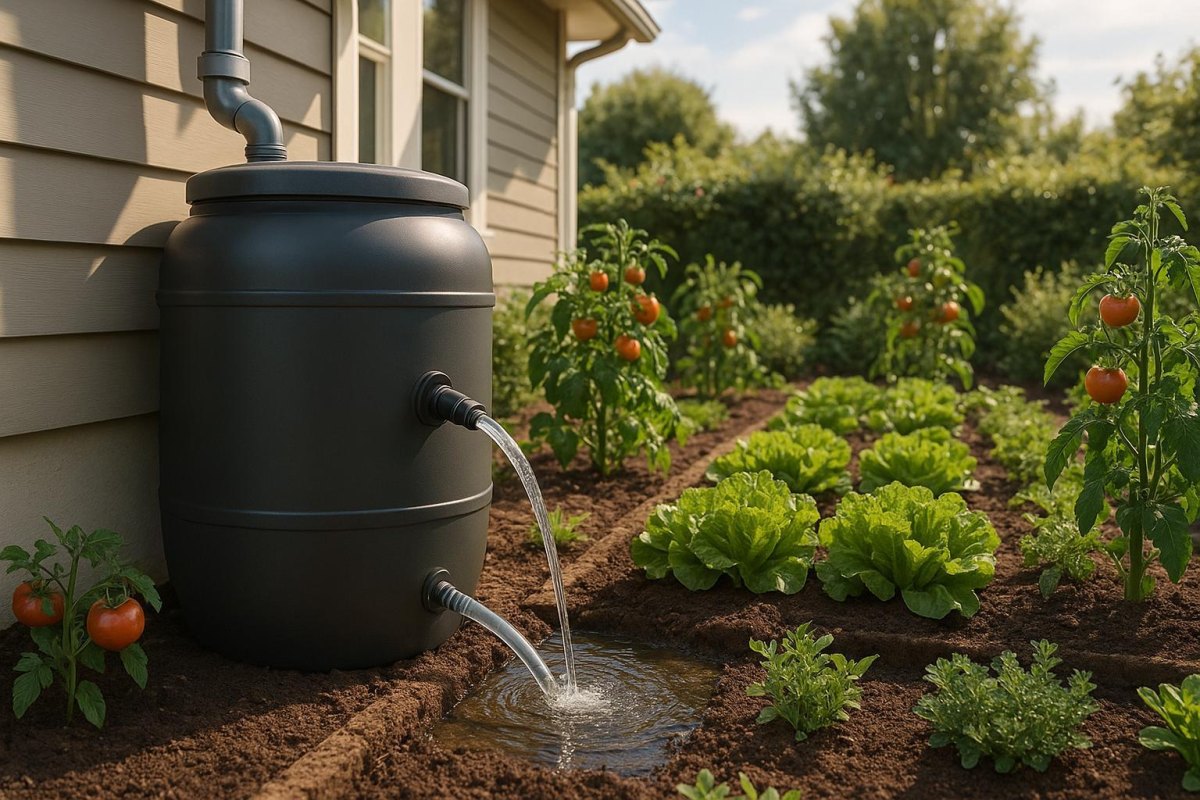
Water is my limiting resource in Idaho, so I design around every drop. Rain barrels and rain gardens can help capture runoff for later garden use.
My goal is not to replace irrigation completely, but to reduce demand with stored rainwater, mulch, and drought-aware planting.
- Check local water rules first.
- Keep stored water covered.
- Direct overflow away from foundations.
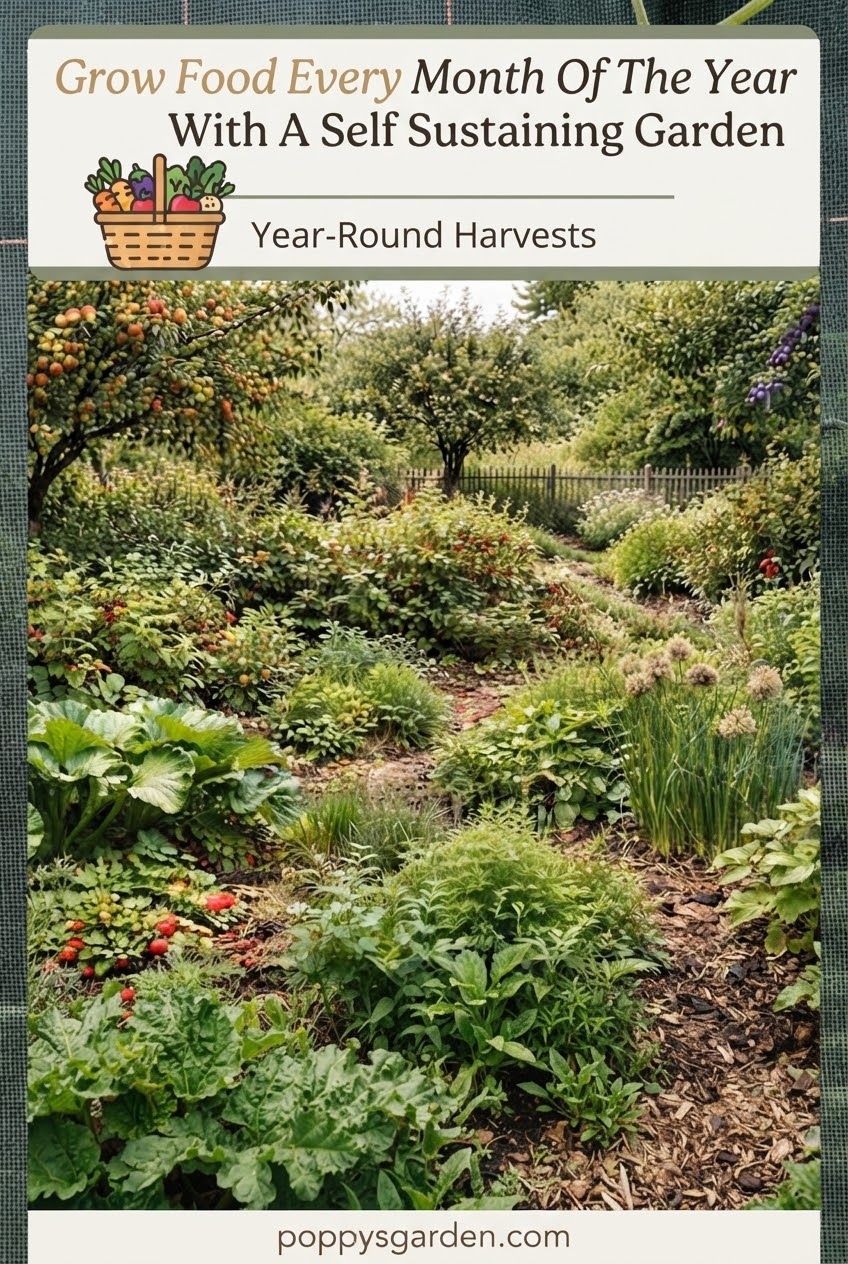
Growing a Diverse Food Forest
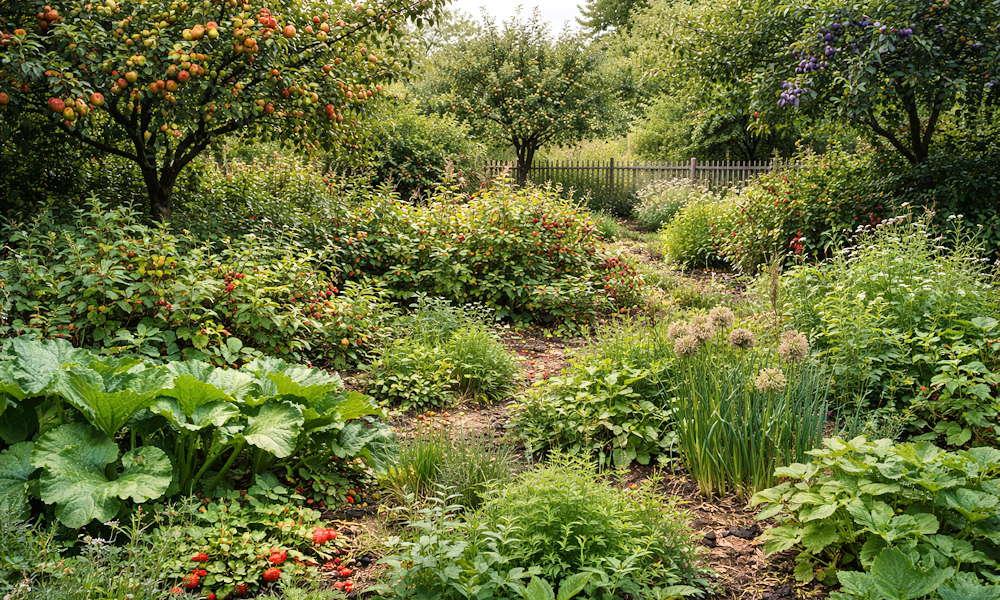
A food forest replaces a single crop mindset with layers of useful plants. Research describes these systems as combinations of trees, shrubs, and perennial plants designed for ecological productivity.
I am slowly adding fruit trees and shrubs because plant diversity makes the garden more resilient.
My approach
I add one permanent plant only when I know its water, light, and harvest needs.
Planting Perennial Vegetables and Herbs
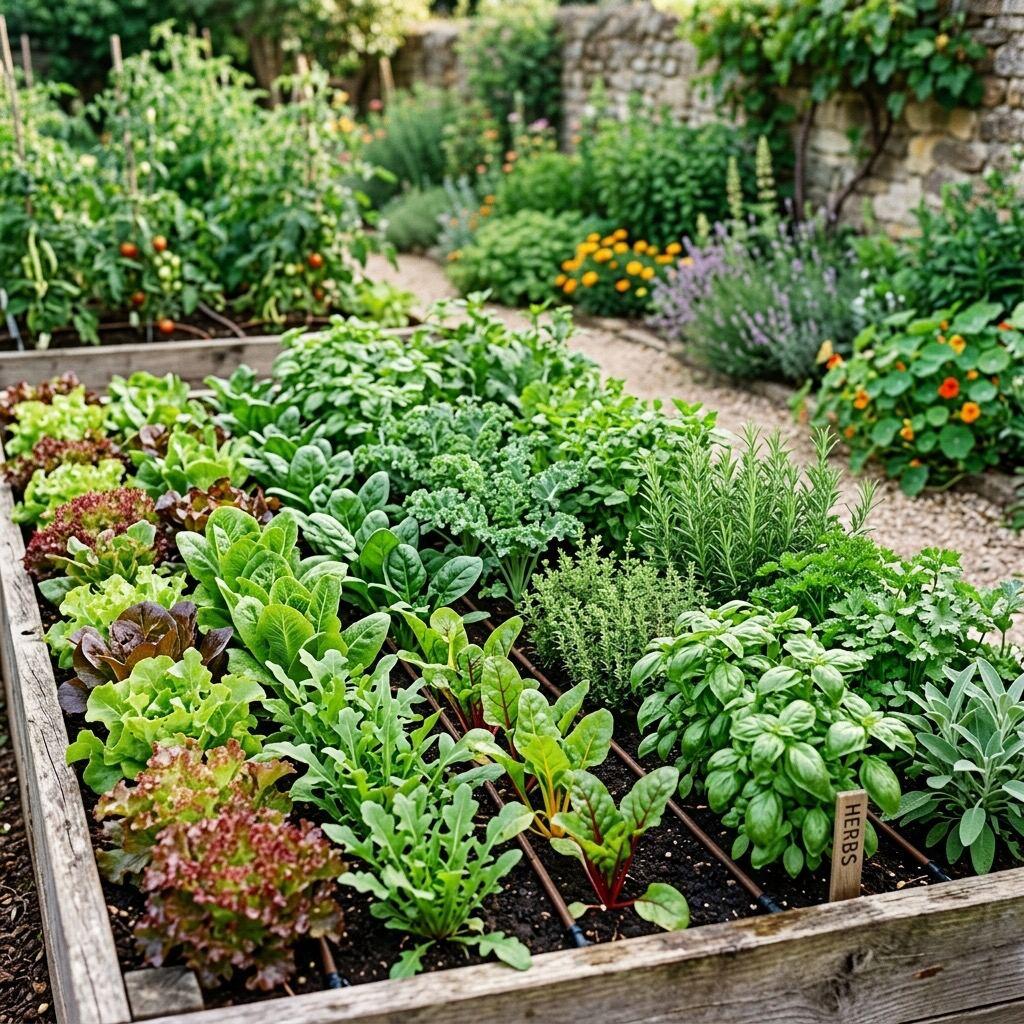
Annual vegetables give quick harvests, but perennials save work over years. I grow herbs and reliable plants that return after winter.
In my short, dry season, I choose plants based on long term value, not just catalogue promises.
| Plant type | Benefit |
|---|---|
| Herbs | Repeated harvests |
| Perennials | Less replanting |
Creating Natural Pest Control Methods
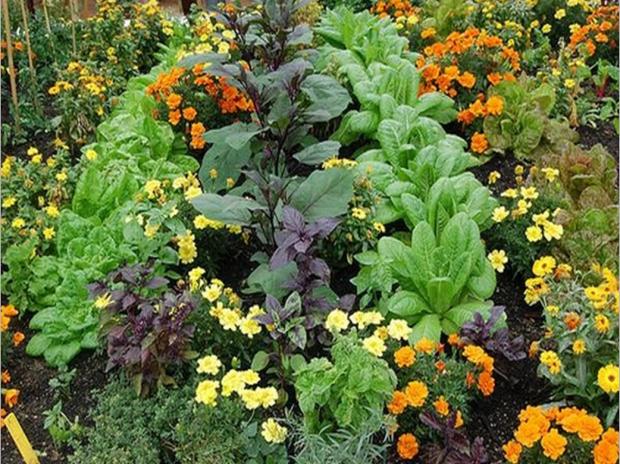
I do not start with sprays. Integrated Pest Management begins with identification, monitoring, prevention, and targeted control.
My first tools are barriers, healthy plants, and beneficial insects. Even natural products can harm pollinators, so I follow labels carefully and avoid treating blooming plants.
Important
Never use homemade unlabelled sprays on food crops.
Using Mulch to Conserve Water and Nutrients
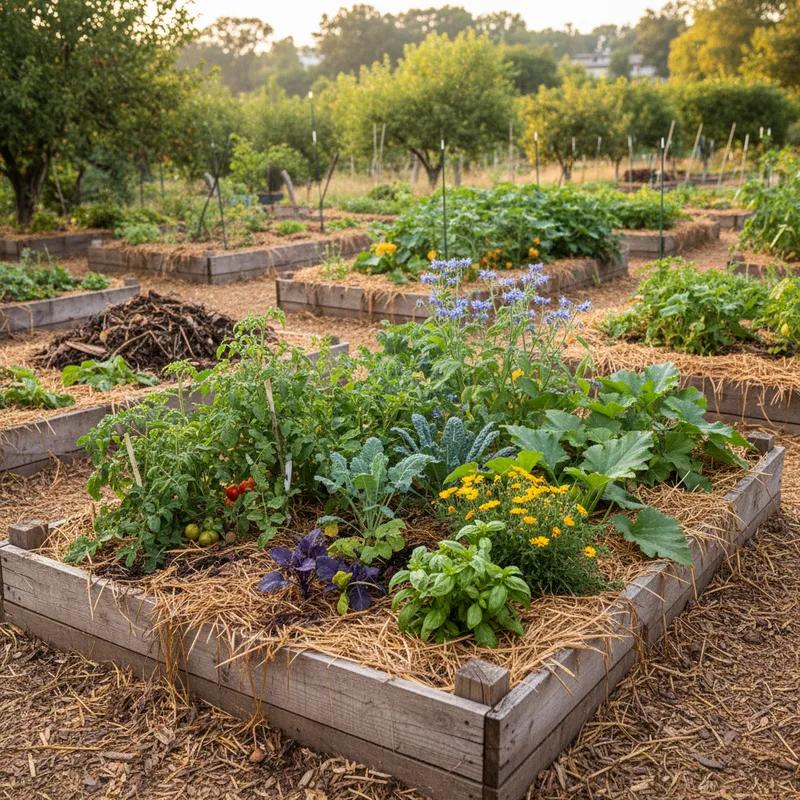
Mulch is one of the cheapest improvements I make every season. It reduces evaporation and protects soil life.
In my high desert climate, water conservation is not optional. I use organic mulches that break down and return material to the soil.
Benefits
- Less watering
- Fewer weeds
Watch for
- Slug habitat in wet climates
- Poor materials
Keeping Bees and Beneficial Pollinators
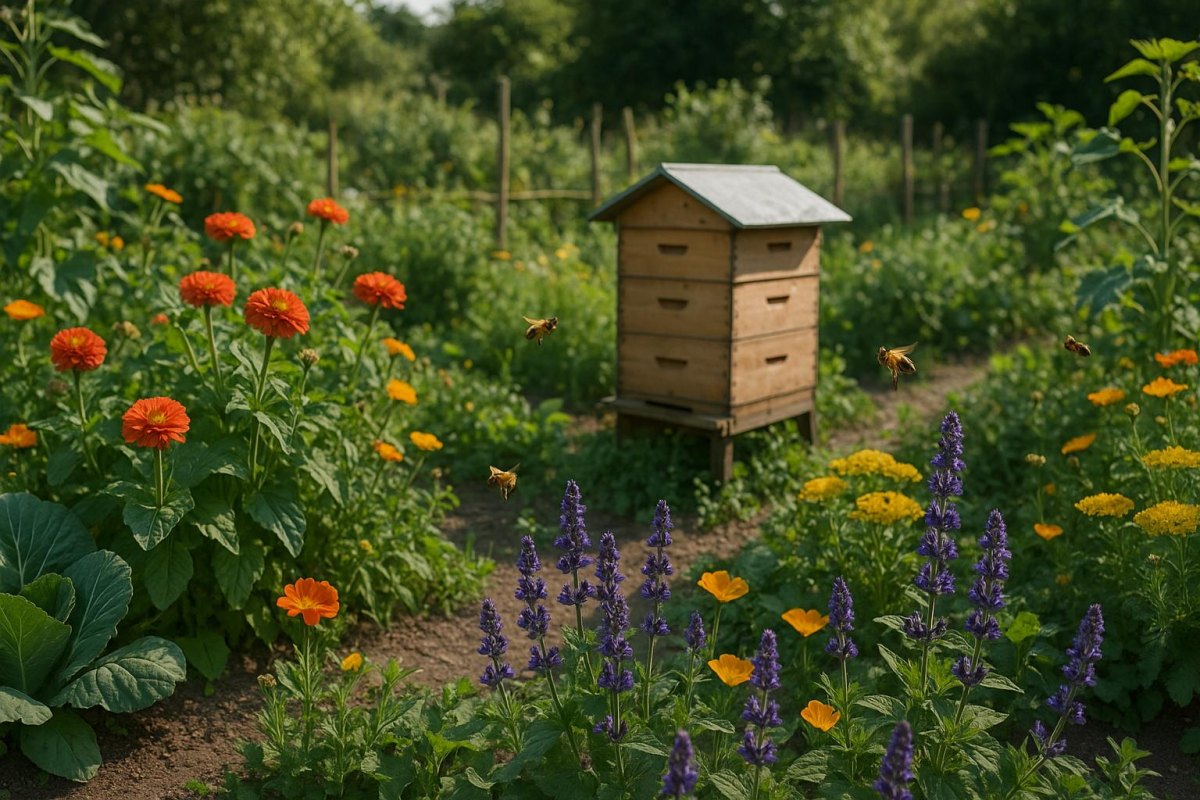
I plant flowers because beauty is nice, but insects are working partners. Pollinator-friendly spaces create habitat and support garden biodiversity.
My cutting garden includes flowers that bloom at different times, creating steady pollinator food.
Raising Chickens for a Closed-Loop Garden System
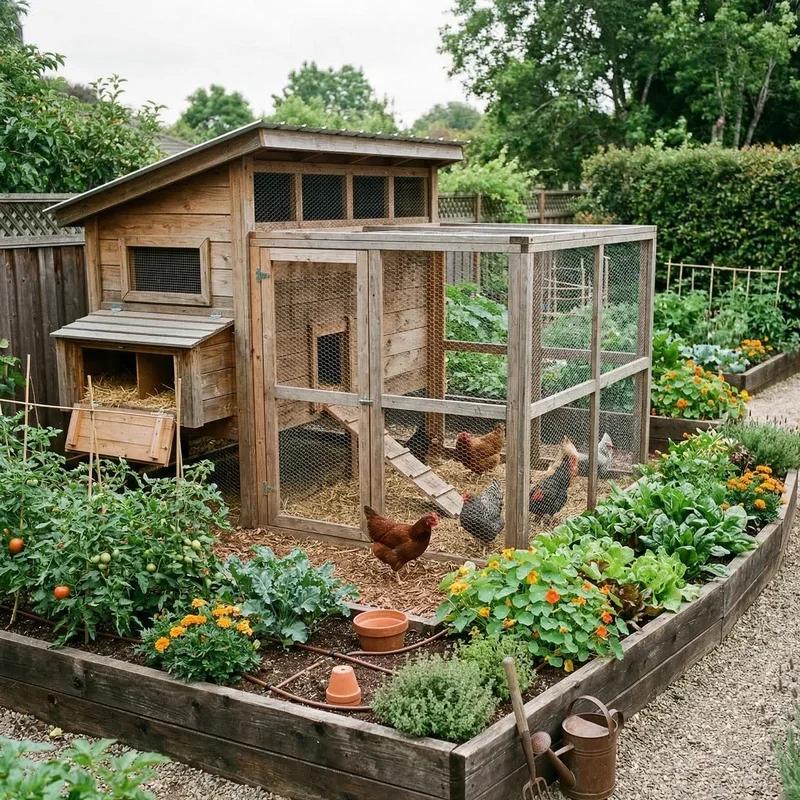
My six chickens contribute manure, eggs, and entertainment, although they also contribute chaos. A closed-loop garden needs careful management, not just more animals.
I compost poultry bedding properly and keep fresh manure away from crops until it is safely managed. Balanced systems are the goal.
Installing Efficient Irrigation Solutions
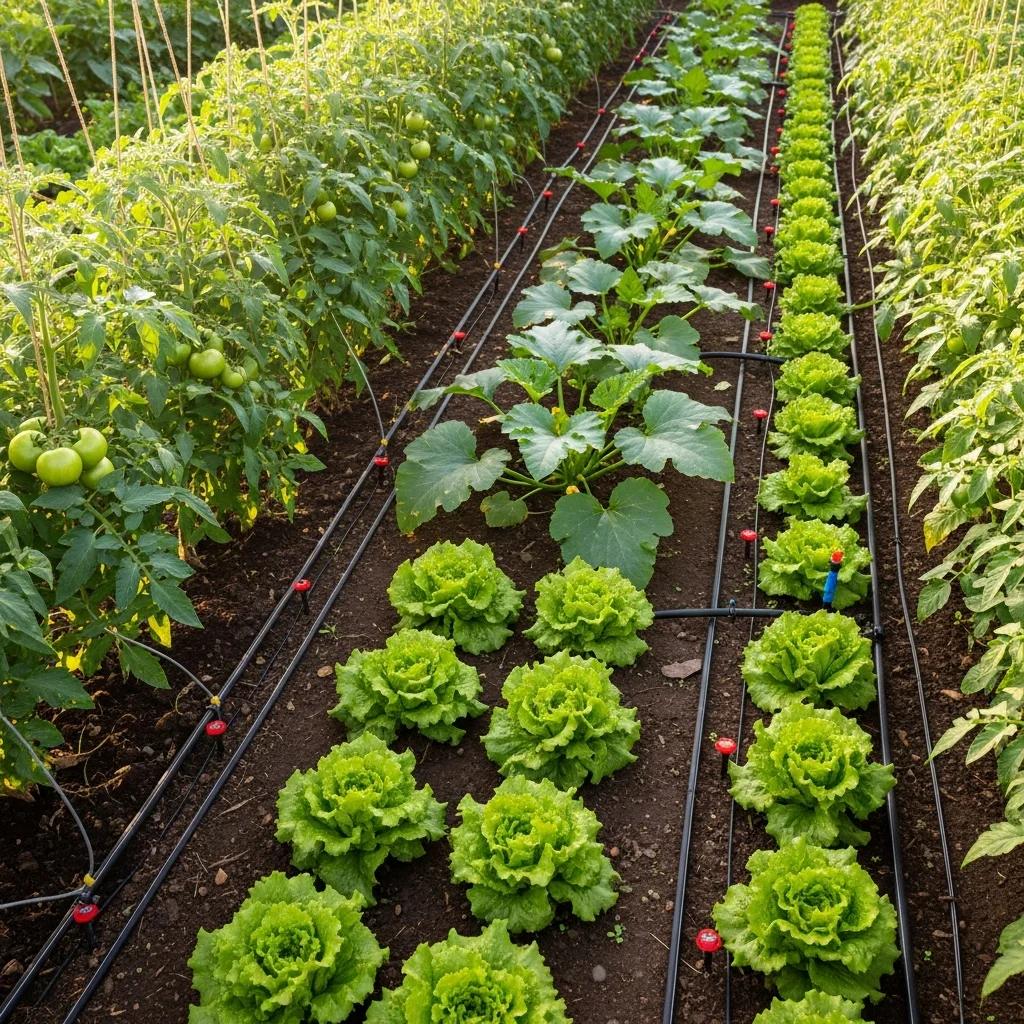
Wes built my drip irrigation correctly the first time because he is a civil engineer and refuses crooked plumbing. Drip systems put water where roots need it.
I still adjust by weather because efficient watering is about observation, not timers alone.
Saving and Storing Garden Seeds
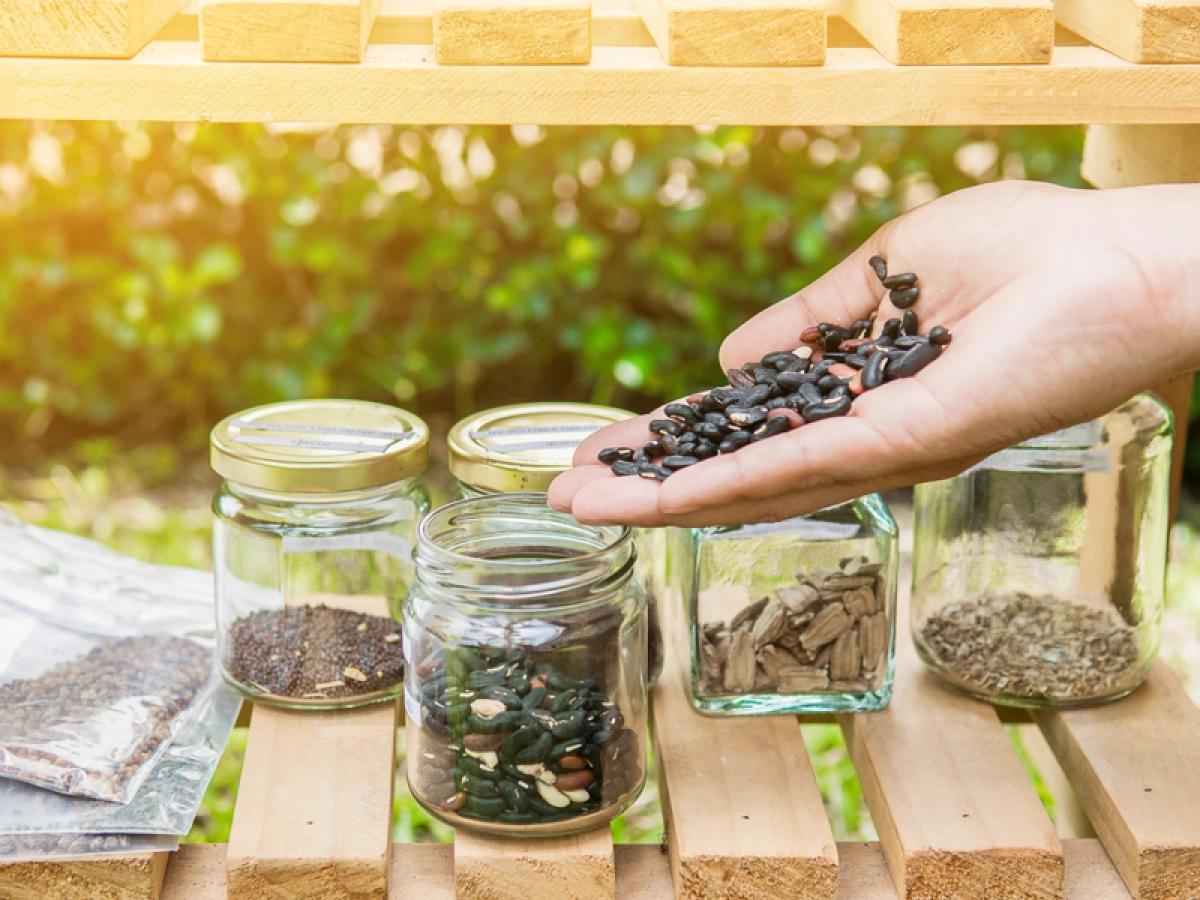
I save seeds from varieties that perform well in my conditions. My old seed tins from Poppy remind me that records matter.
I label every packet with year, variety, and notes because seed records prevent repeating mistakes.
15 years
of garden notes guiding my choices
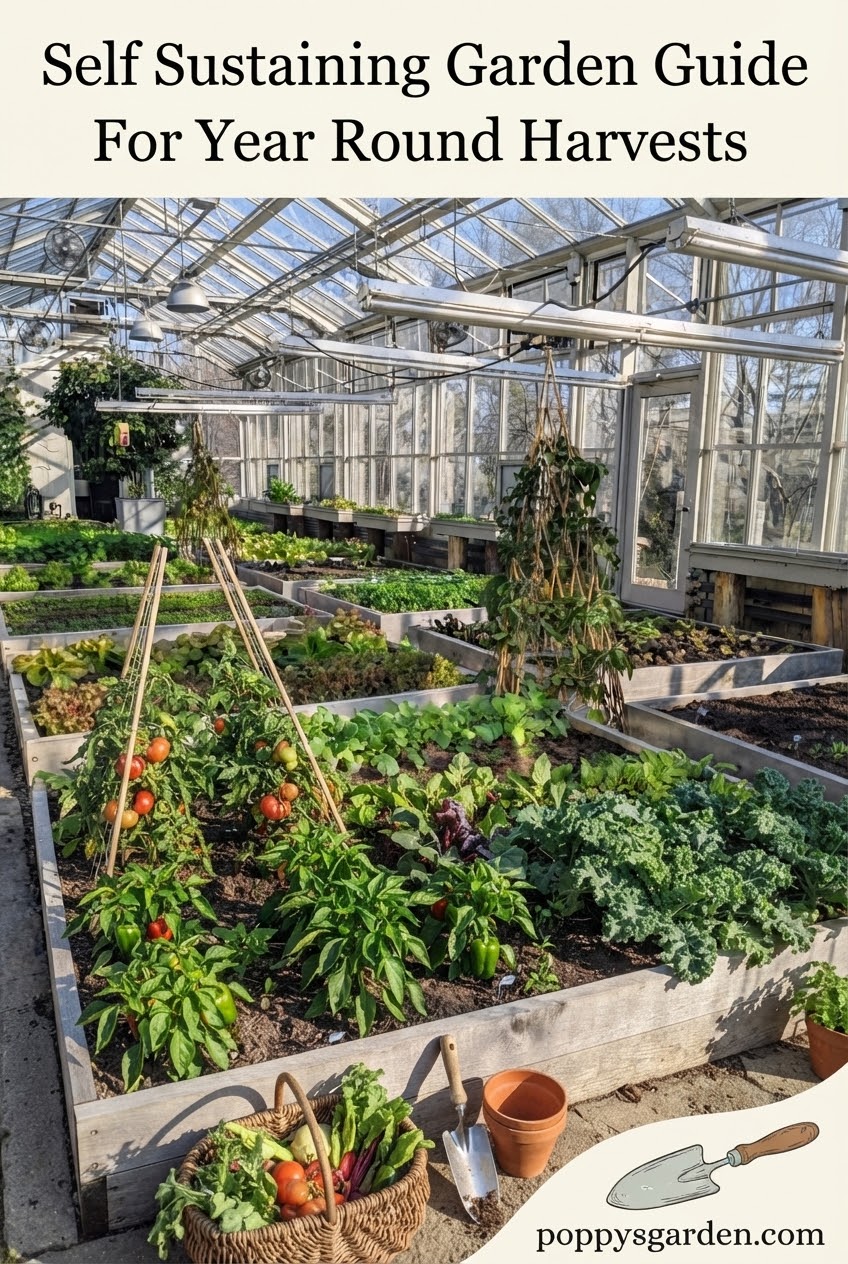
Growing Vegetables Year-Round
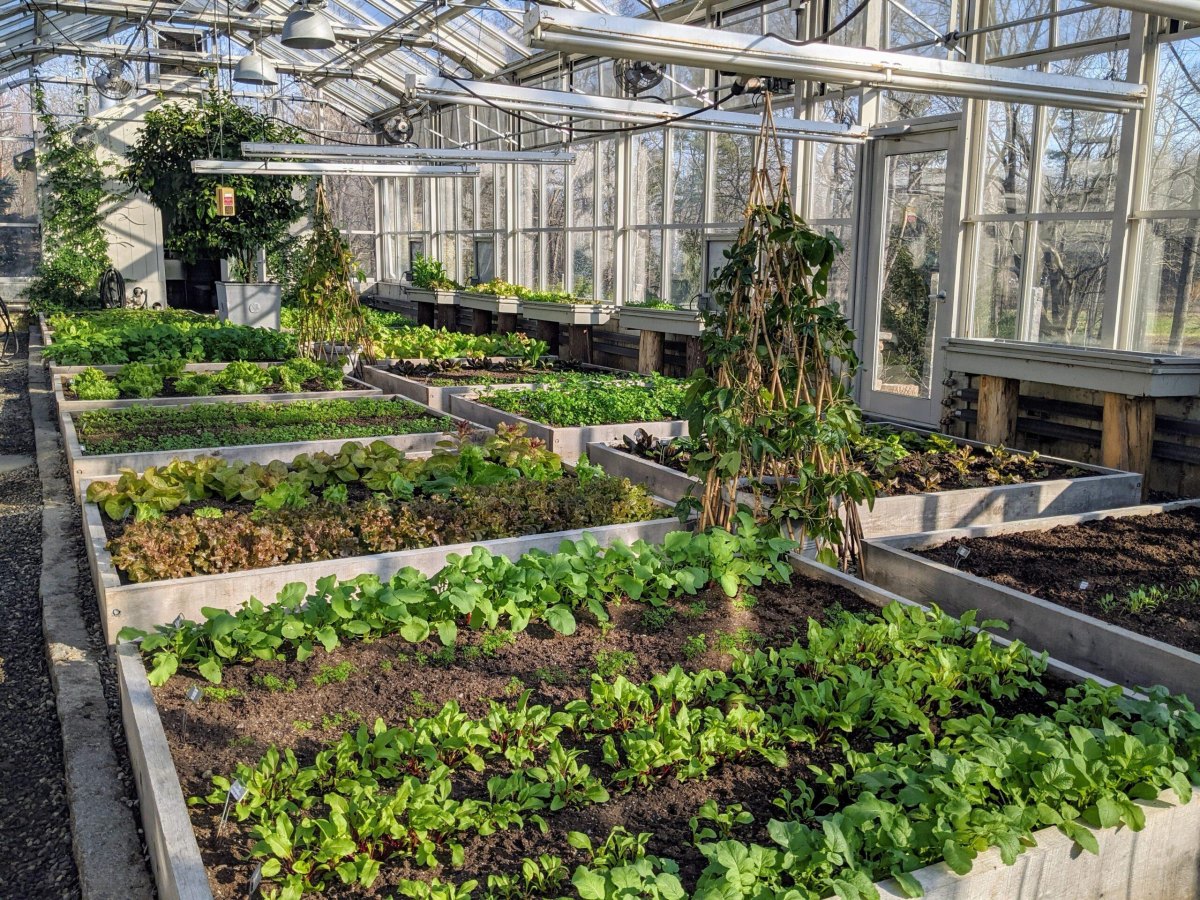
I never copy planting dates from another climate. In zone 7a Boise, I count from my frost dates and encourage readers to check local extension guidance.
Cold crops and season extension tools can stretch harvests beyond summer. Season planning is how I avoid empty beds.
Creating Wildlife-Friendly Garden Spaces
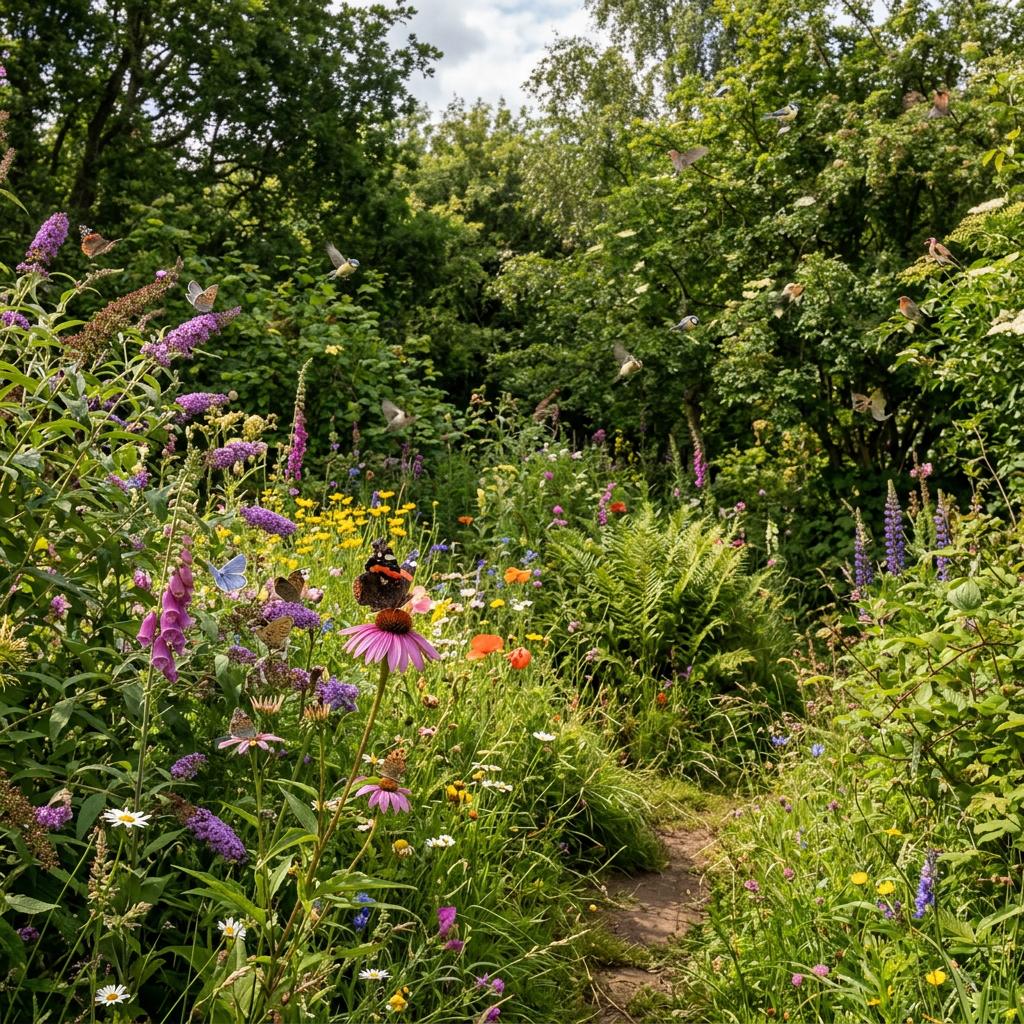
A productive garden is not only vegetables. Small habitats like water areas, native plants, and sheltered corners invite helpful wildlife.
I leave some untidy spaces because wildlife habitat has a job in the garden.
Using Renewable Energy in the Garden
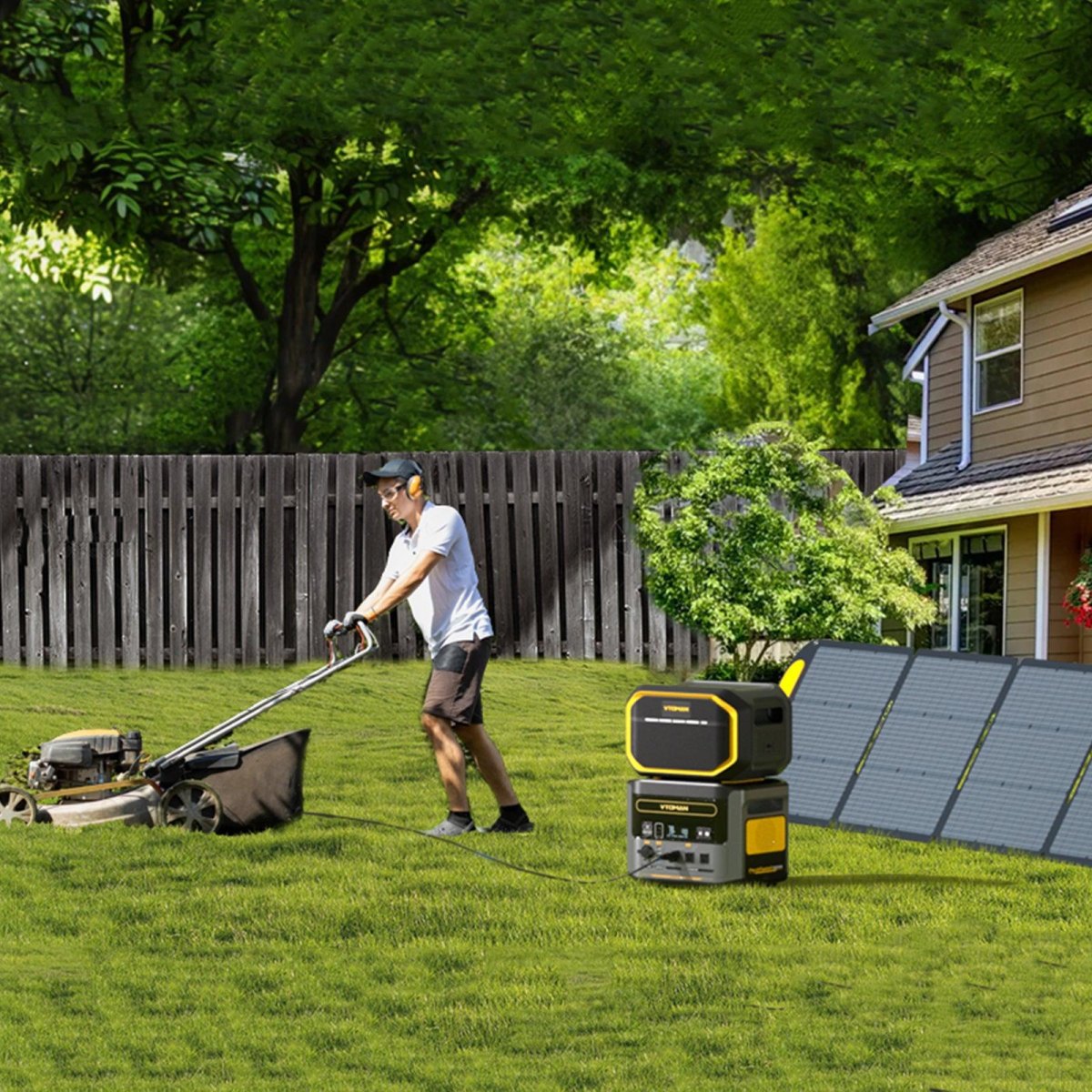
I use simple solutions first, but renewable energy can support garden systems where it makes sense. Solar power can run small pumps, lights, or monitoring equipment.
The goal is reducing inputs while keeping the garden practical and affordable. Small energy choices add up.
Maintaining a Self-Sustaining Garden Ecosystem
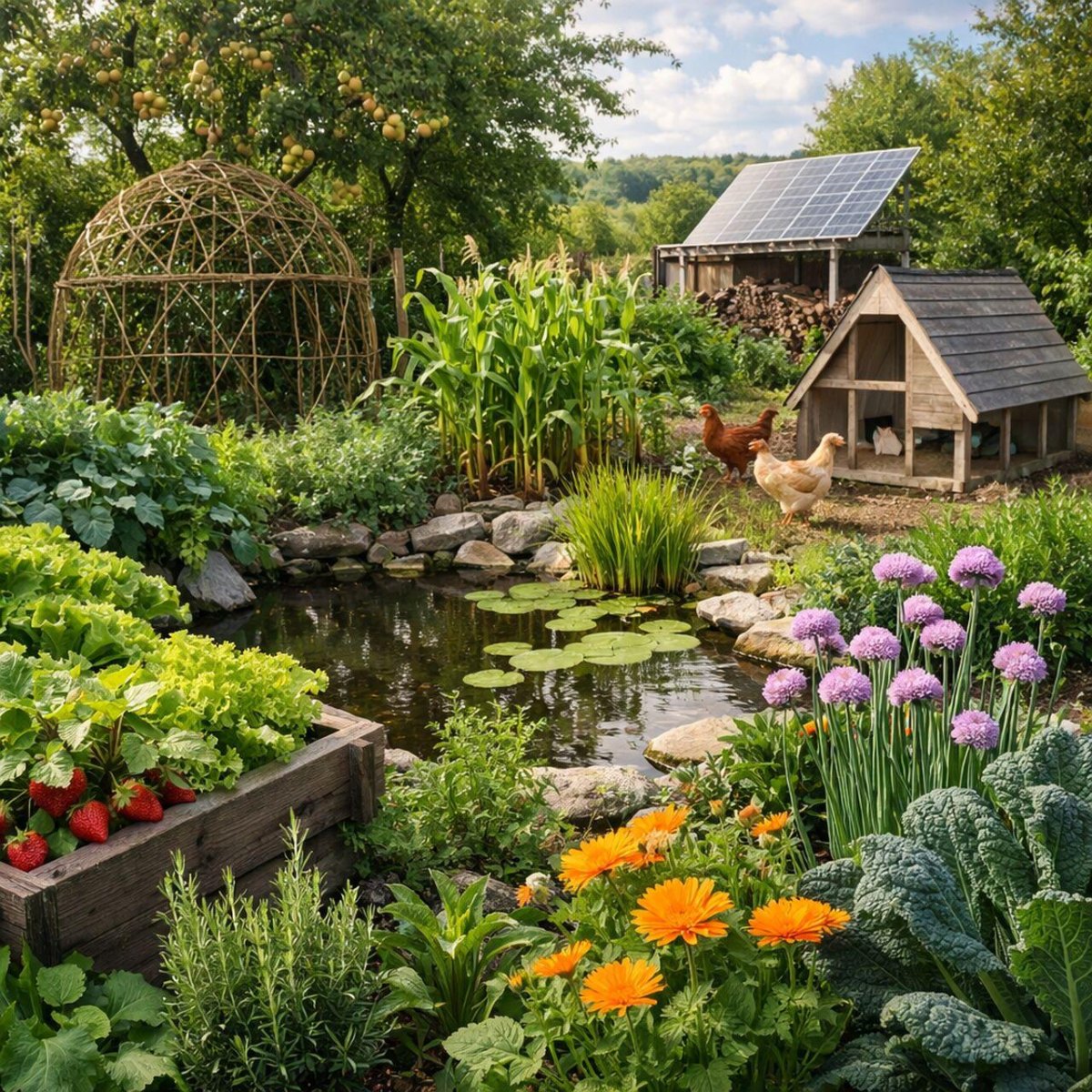
My garden still has failures. The wind has ruined tomatoes, late frosts have ended seasons, and some varieties were simply not worth the space.
Each winter I review my notes and change one thing. A self-sustaining garden grows through careful observation, not perfection.
He never once said green thumb. He said I wrote down what worked.
Poppy's garden notebooks
More Pinterest Visuals



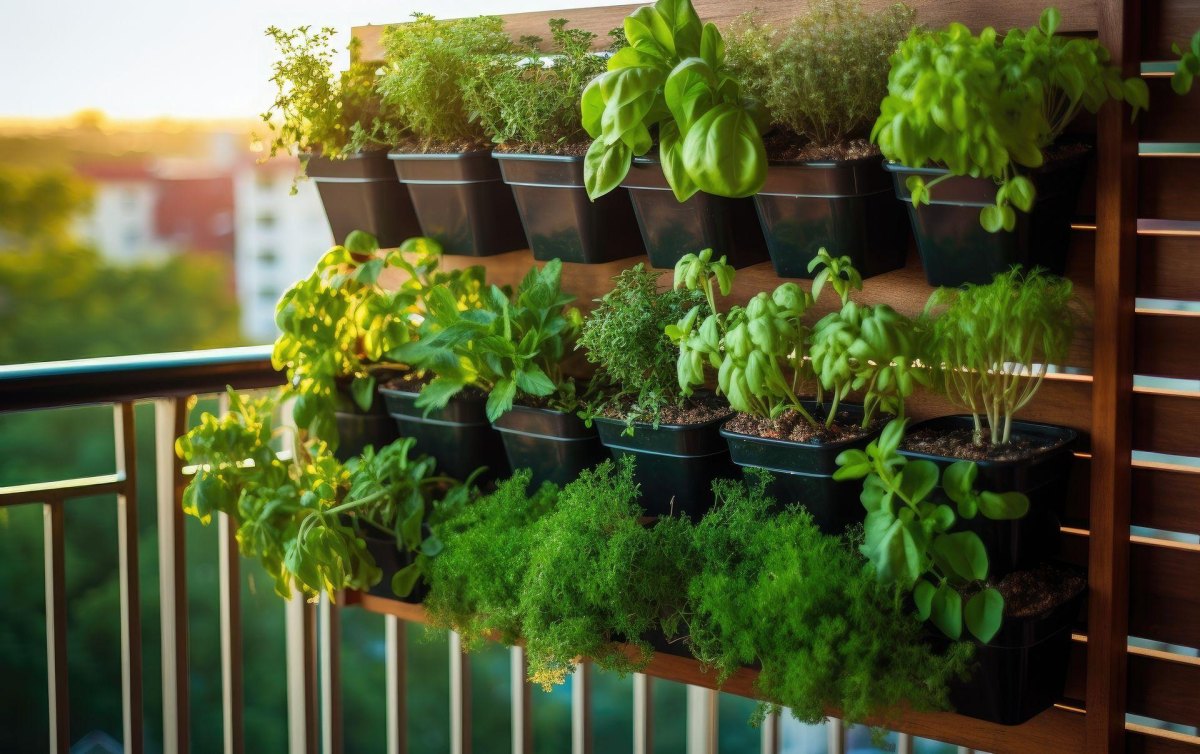 Balcony & Patio GardensSmall Space Garden Ideas That Make Every Inch Count
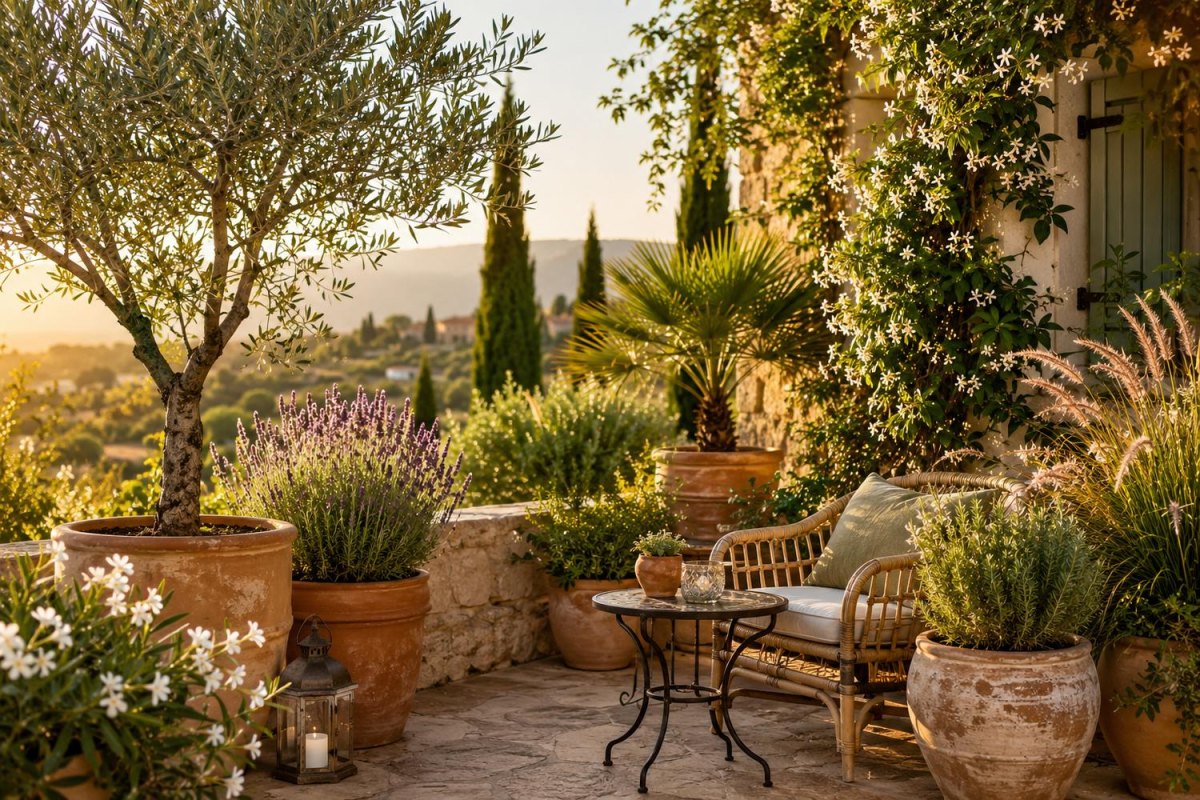 Balcony & Patio GardensKübelpflanzen für die Terrasse – 15 Ideen für ein grünes und blühendes Outdoor-Paradies
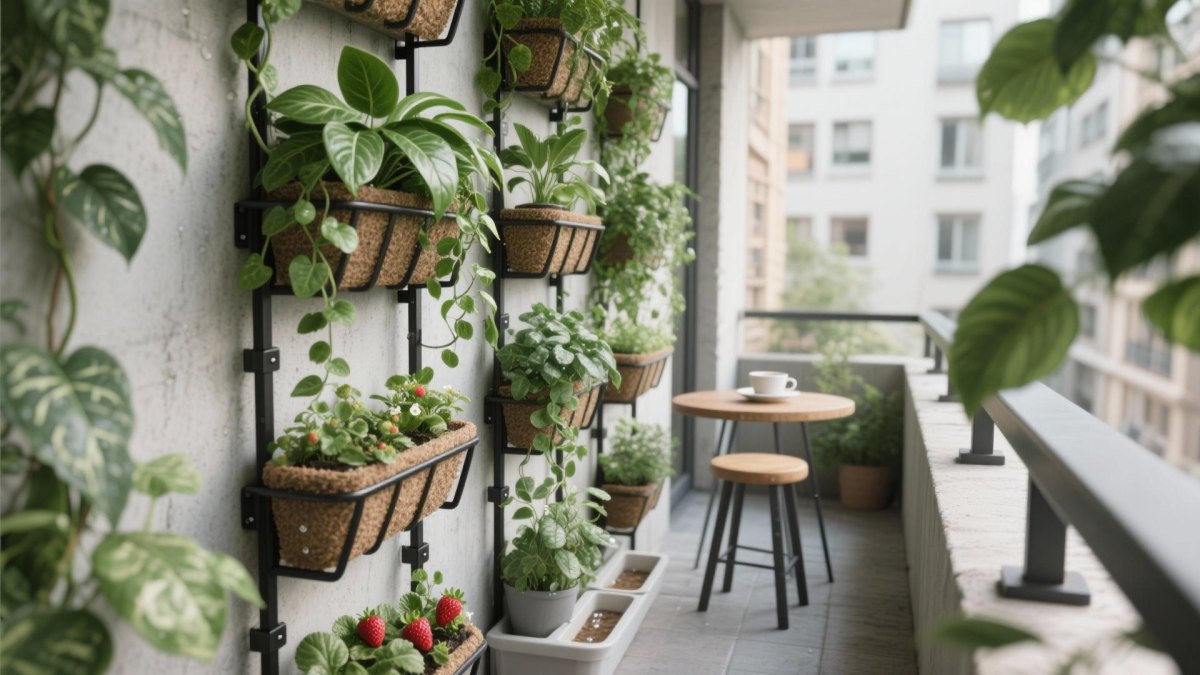 Balcony & Patio Gardens20 Balcony Garden Setup Ideas To Transform Your Outdoor
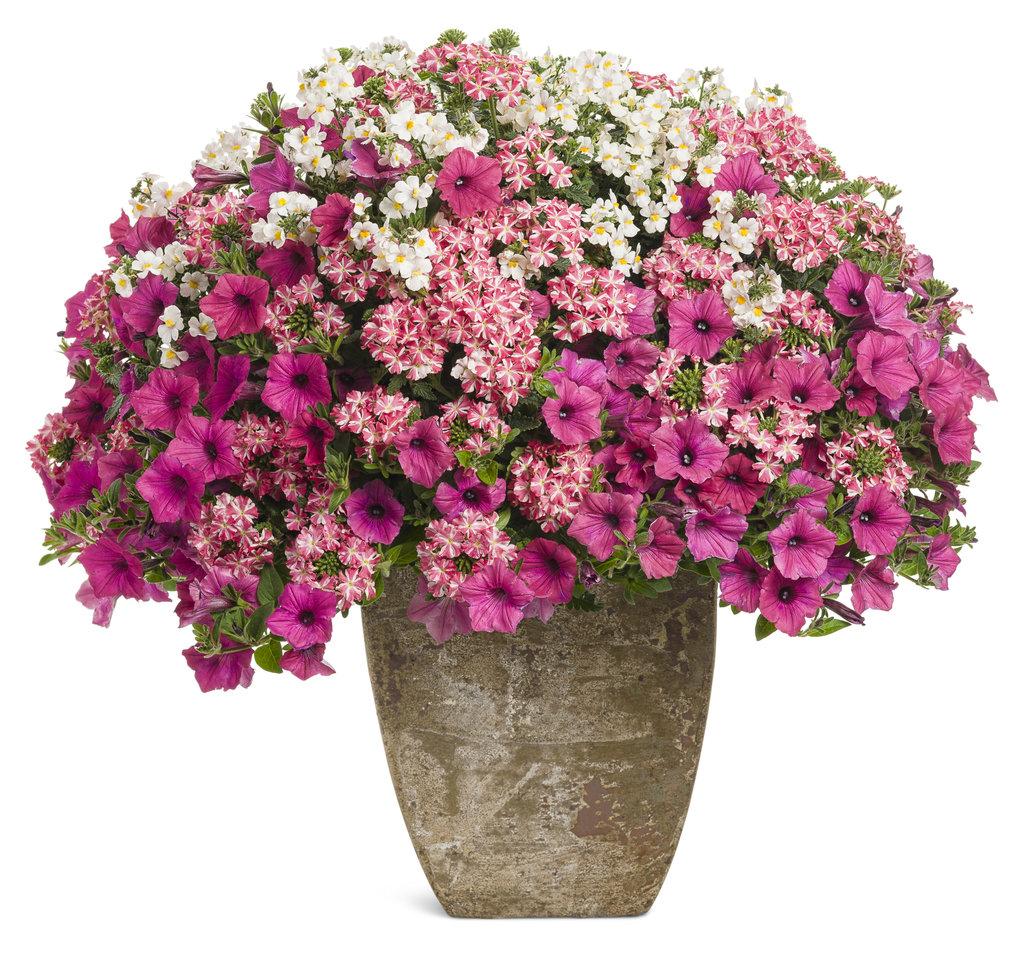 Seasonal & Flower Containers16 Beautiful Container Garden Flower Combinations That Work