

A double barrel compost tumbler earns its place when you want steady compost without managing a traditional pile. I garden in Boise, Idaho, zone 7a, where my eleven inches of annual rain, alkaline soil, and hot summers mean I rely on compost to stretch every bit of organic matter. I have tested compost systems in my own beds, and I look for practical details like capacity, durability, and whether a tool actually saves time.
For this guide, I compared how double barrel tumblers handle everyday kitchen scraps and garden waste, from the two-bin design to the final scoop of finished compost. My goal is simple: help you decide whether this style earns the space in your garden.
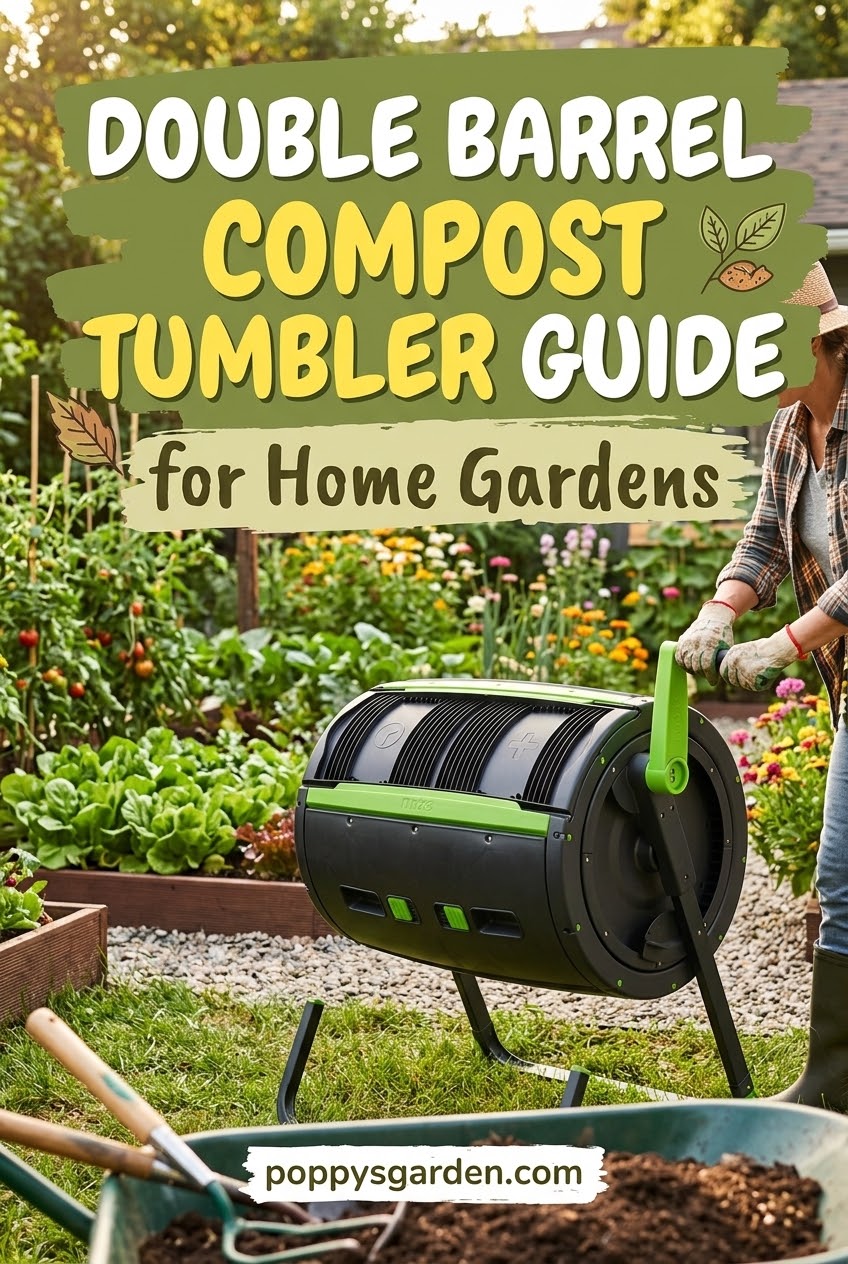
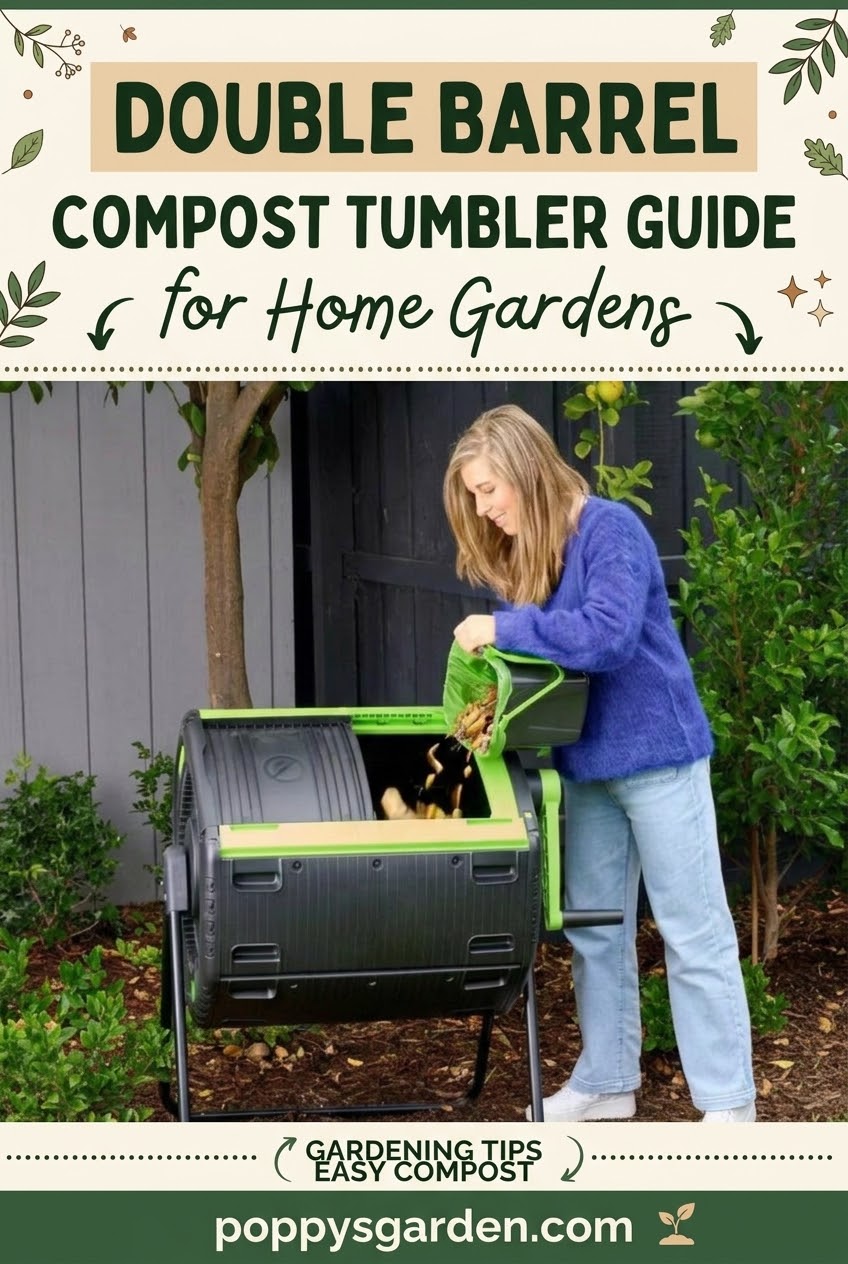
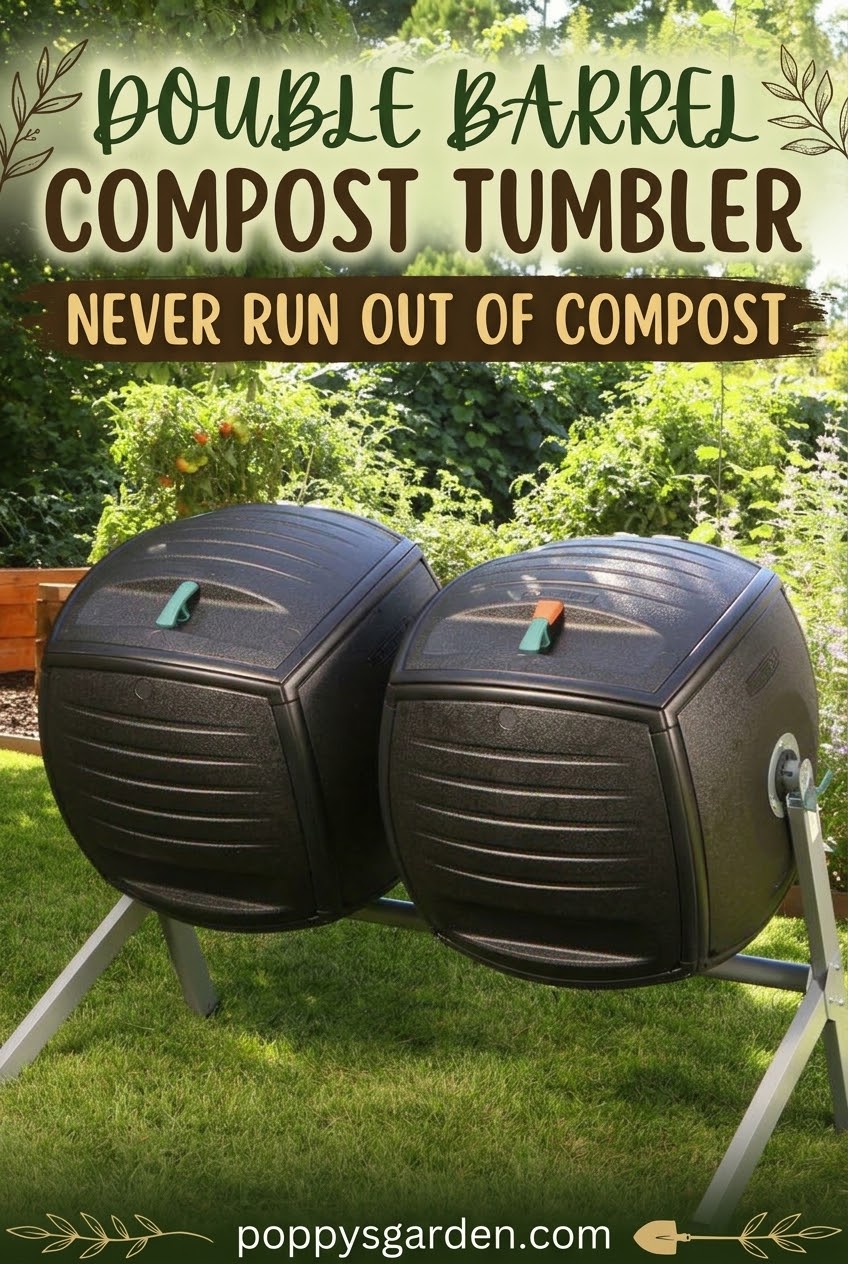
Double Barrel Compost Tumbler Design Overview
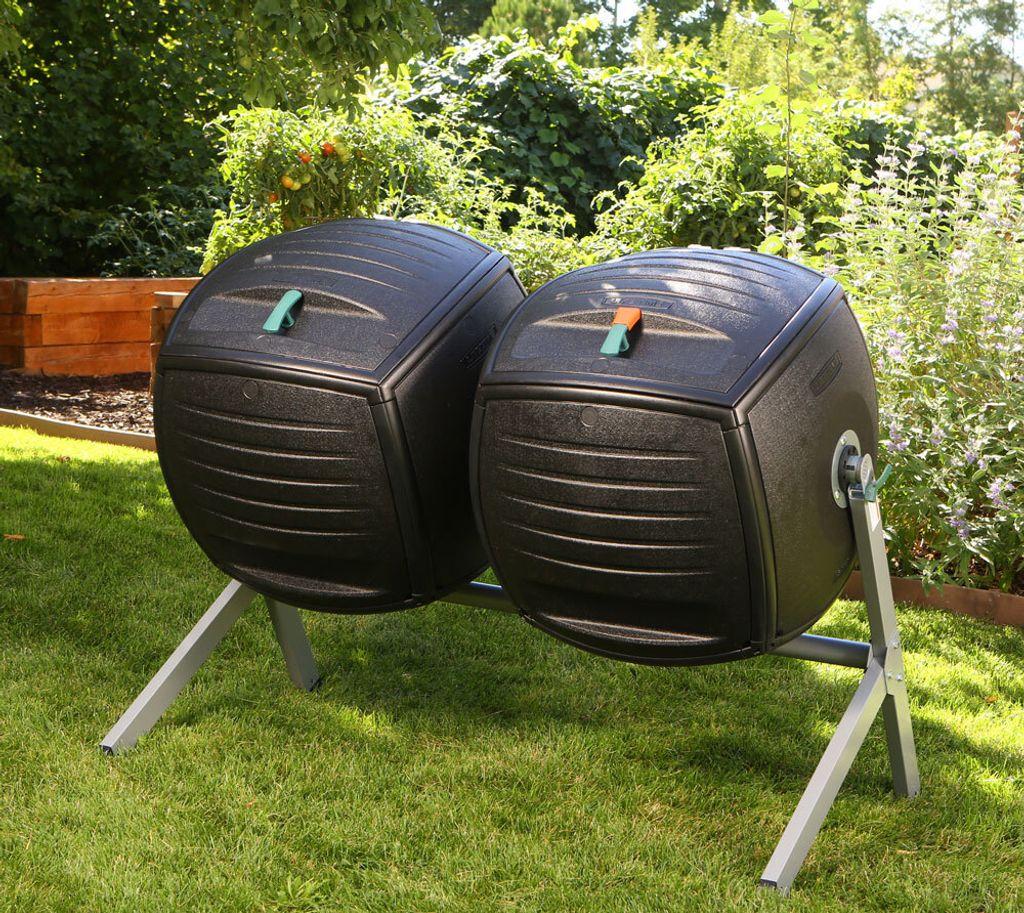
A double barrel compost tumbler uses two separate rotating chambers instead of one large stationary bin. I like this setup because one side can hold fresh scraps while the other side finishes breaking down. Many current models use two chambers in the 30- to 50-gallon range, though larger versions are available.
What I look for in a tumbler
- Two chambers for continuous composting
- Easy rotation without lifting a fork full of material
- Sturdy frame that survives outdoor weather
I do not expect any tumbler to make compost by magic. In my garden, the best results come from balancing greens and browns, keeping moisture like a wrung-out sponge, and writing down what actually worked.
Two-Chamber Composting System
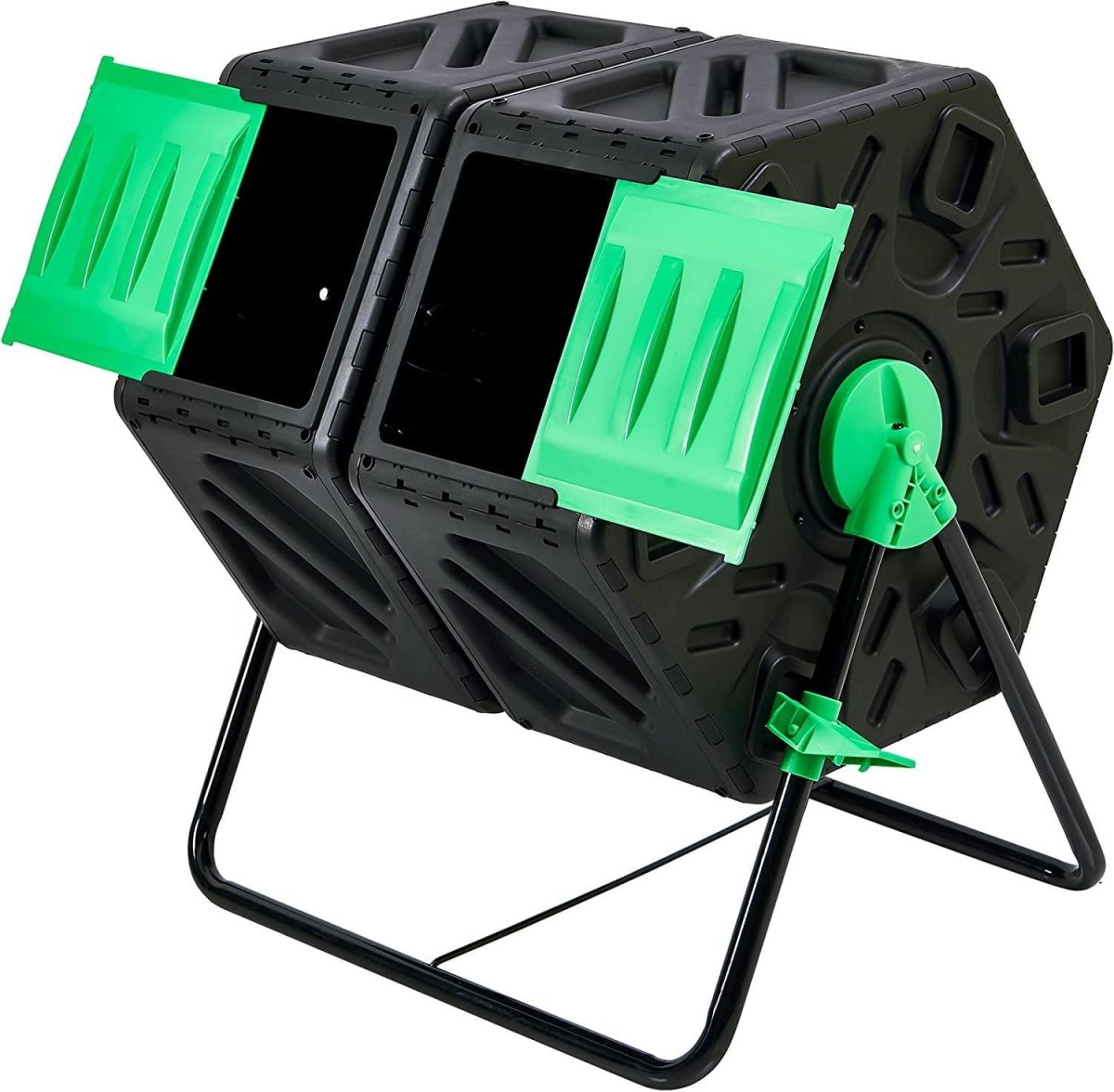
The reason I recommend the two chamber system to many home gardeners is the workflow. Instead of stopping when a single bin is full, I can add new material to one barrel while leaving the other alone to mature. Dual chamber models are specifically designed around this alternating process.
| Chamber | Purpose |
|---|---|
| Active side | Fresh kitchen scraps and garden clippings |
| Resting side | Finishing compost with less disturbance |
In my own beds, compost timing matters because I am always planning the next planting. I count backward from my own frost dates rather than following a generic calendar, and having compost available when I need it is worth the small footprint.
Rotating Drum Mechanism
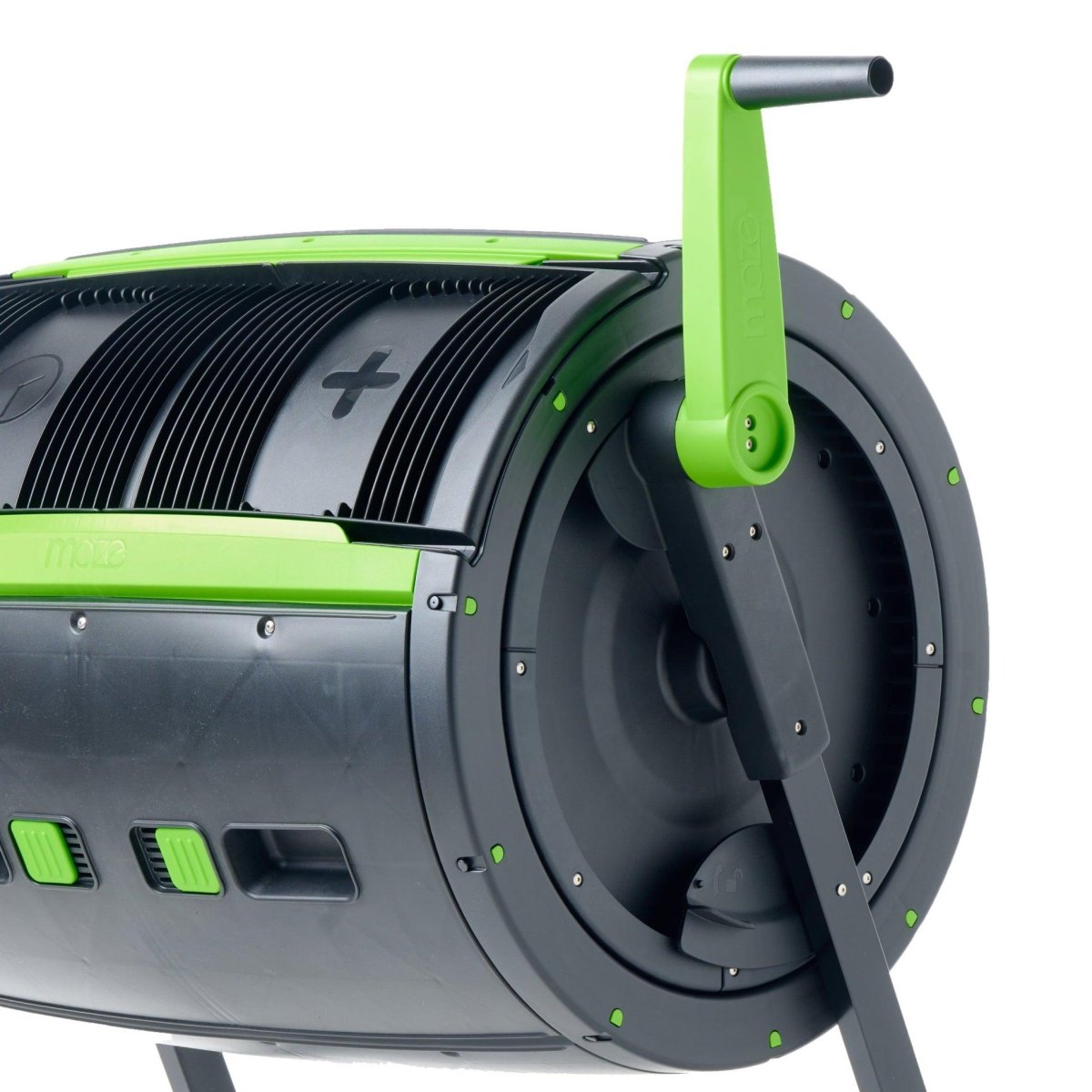
The rotating drum mechanism is the feature that separates tumblers from open piles. Turning the barrel mixes oxygen through the material and avoids the heavy manual turning I remember from my early gardens. Many designs include internal fins or aeration features to improve mixing.
- Load. Add balanced layers of food scraps and dry garden material.
- Rotate. Turn the drum regularly so oxygen reaches the center.
- Monitor. Adjust moisture if the contents dry out or become soggy.
I still check the compost rather than trusting a marketing claim. My old seed trial notebooks taught me that records beat guesses every time.
Compost Tumbler Materials and Construction
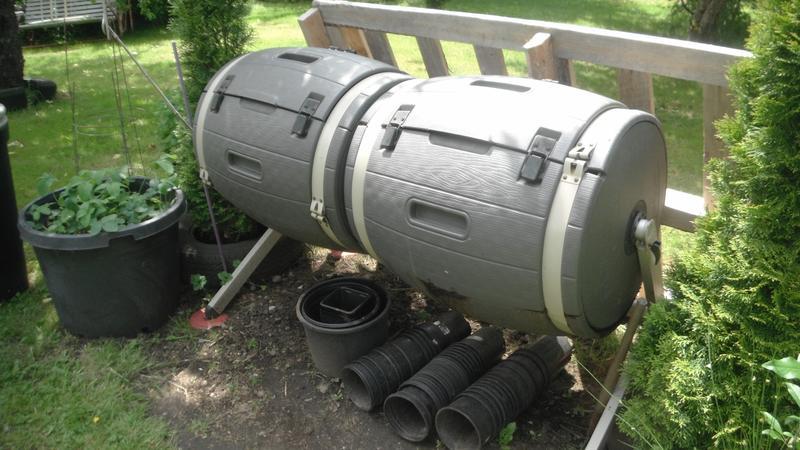
A tumbler lives outdoors, so construction materials matter more than a pretty product photo. Common designs combine plastic chambers with metal frames, including polypropylene or HDPE bodies and steel supports.
What I like
- Cleaner than an open compost pile
- Easier turning for small spaces
- Protected from many garden pests
What I watch for
- Thin plastic can age in strong sun
- Small models fill quickly
- Frames need to resist rust
My Boise garden gets intense summer sun, so I always consider UV exposure and winter durability before buying outdoor equipment.
Loading Organic Waste Efficiently
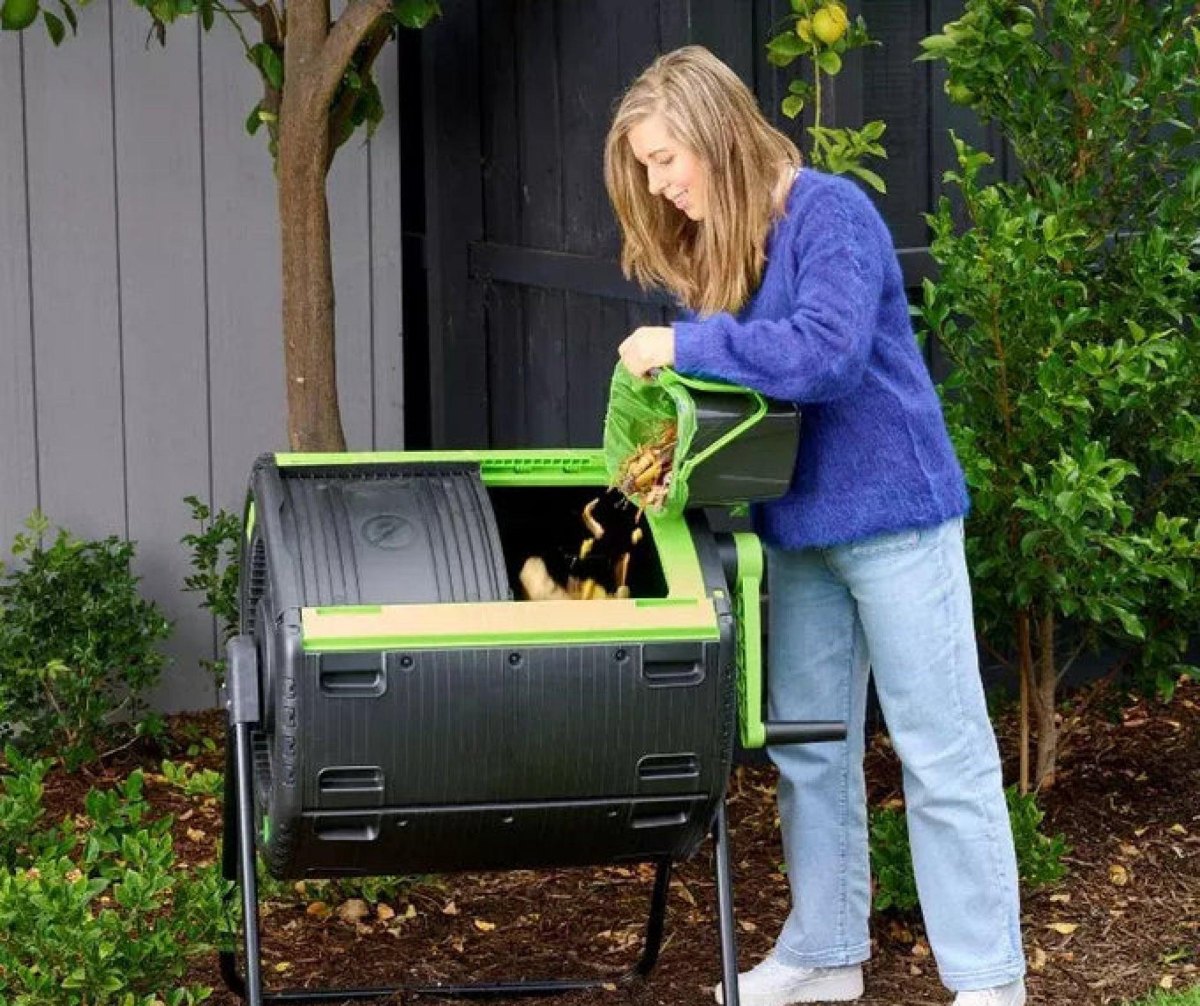
The easiest way to ruin a compost tumbler is loading only one type of material. I add balanced organic waste by mixing kitchen scraps with dry leaves, straw, or finished plant material.
- Vegetable scraps and fruit waste
- Dry leaves and untreated plant debris
- Small amounts of grass clippings mixed with browns
- No meat, dairy, oils, or pet waste
I keep my composting simple and safe. Home compost is not a sterilizer, so I avoid adding materials that create odor problems or unwanted risks.
Turning and Aeration Process
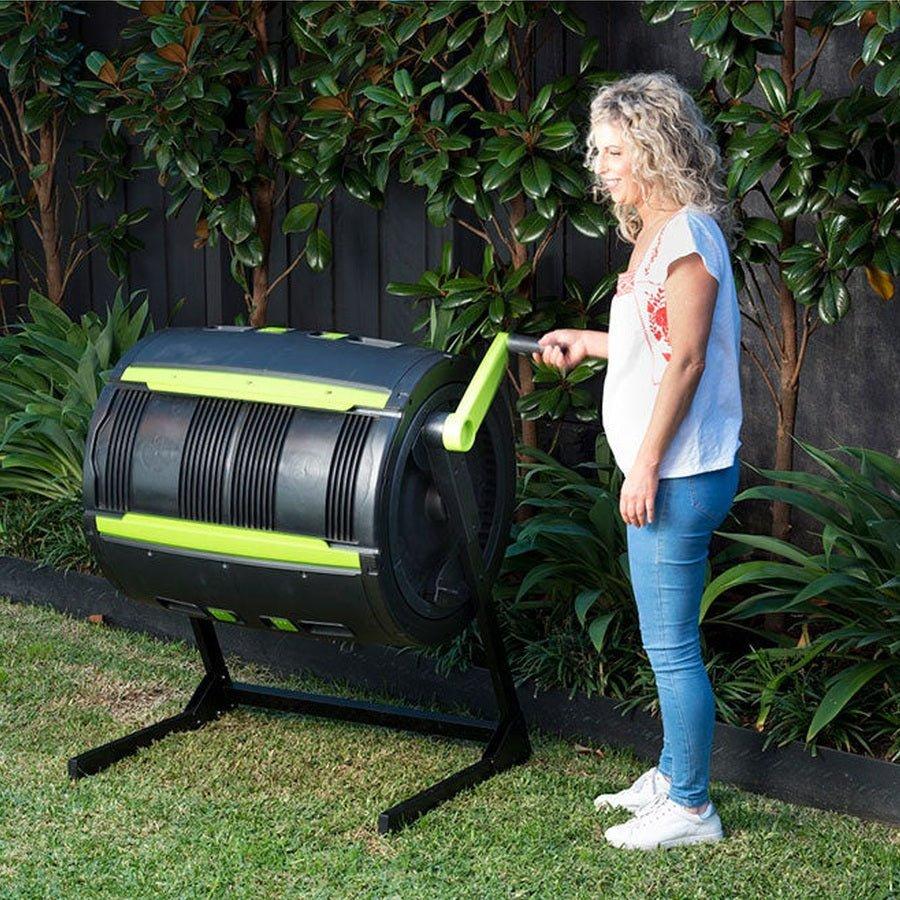
A compost tumbler only works well when I give microbes what they need: oxygen and moisture. Rotating the barrel mixes the contents, but the ingredients still determine the outcome.
My practical tip
If compost smells sour, I usually find too much wet green material and not enough dry brown material. Add dry leaves or shredded paper and give the barrel a few turns.
I do not chase exact compost schedules because weather changes everything. In my high desert garden, summer heat speeds things up, while colder stretches slow the process.
Finished Compost Collection
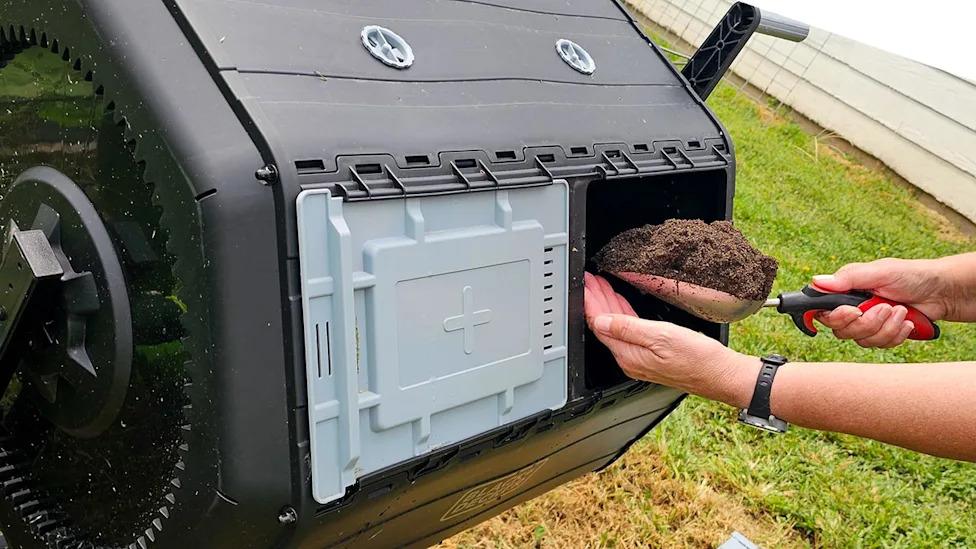
The best moment is opening the hatch and finding dark finished compost that smells like forest soil. A double barrel design makes harvesting easier because I can leave one chamber alone while emptying the other.
- Ready compost: Dark, crumbly material with few recognizable scraps.
- Needs more time: Visible food pieces or strong odors.
- Garden use: Add as a soil amendment around established plants.
I track my compost the same way I tracked flower varieties during my seed company years: what went in, what came out, and whether it earned the space.
Double Barrel Compost Tumbler Placement in Gardens
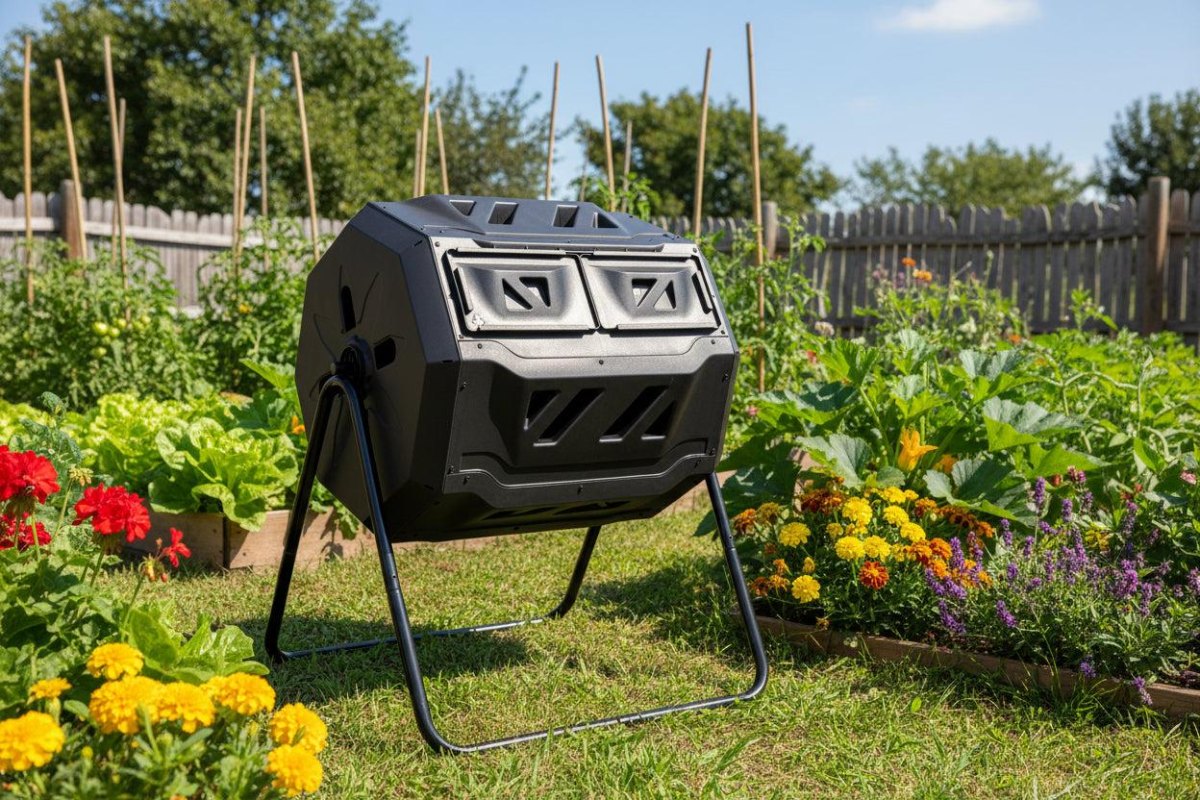
The right location makes a compost tumbler easier to use. I place mine where I can reach it often, because a perfect bin at the back of the yard becomes a forgotten bin.
In my zone 7a Boise garden, I prefer a level spot near my growing area with room to rotate the drum and move finished compost to raised beds. Check your own local conditions, frost dates, and water rules before choosing a permanent spot.
2
separate chambers keep compost moving while one batch rests
A good double barrel tumbler is not about having the fanciest garden tool. It is about making composting easy enough that you actually keep doing it.
More Pinterest Visuals



 Balcony & Patio GardensSmall Space Garden Ideas That Make Every Inch Count
 Balcony & Patio GardensKübelpflanzen für die Terrasse – 15 Ideen für ein grünes und blühendes Outdoor-Paradies
 Balcony & Patio Gardens20 Balcony Garden Setup Ideas To Transform Your Outdoor
 Seasonal & Flower Containers16 Beautiful Container Garden Flower Combinations That Work