
I built my first enclosed raised beds after fighting Boise’s wind, alkaline soil, and eleven inches of yearly rain for years. In my zone 7a garden, the enclosure is not decoration; it is a practical tool for protecting crops and making every square foot earn its keep. I always recommend adjusting timing and materials for your own climate, frost dates, and local extension advice.
Enclosed Raised Bed Garden Design Ideas
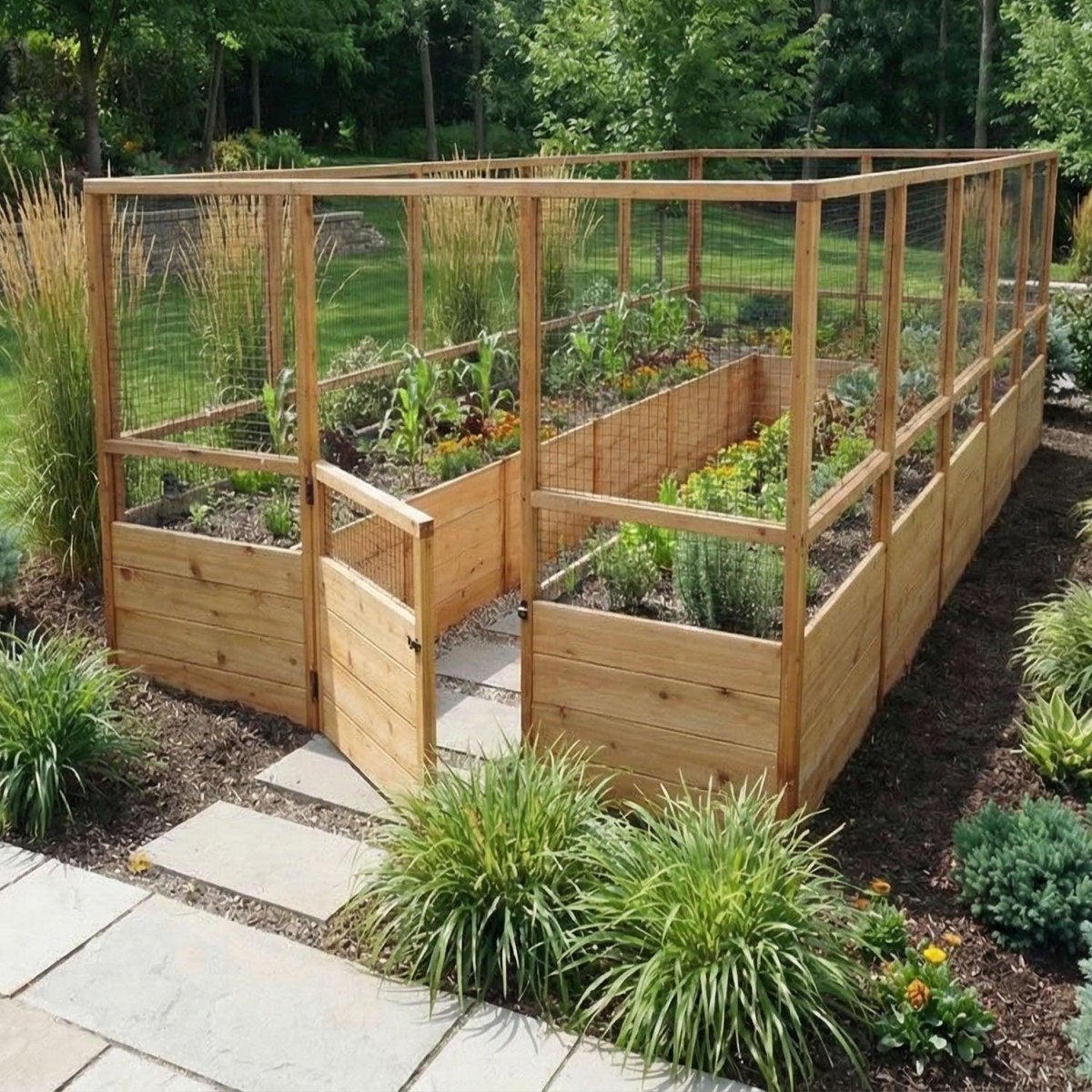
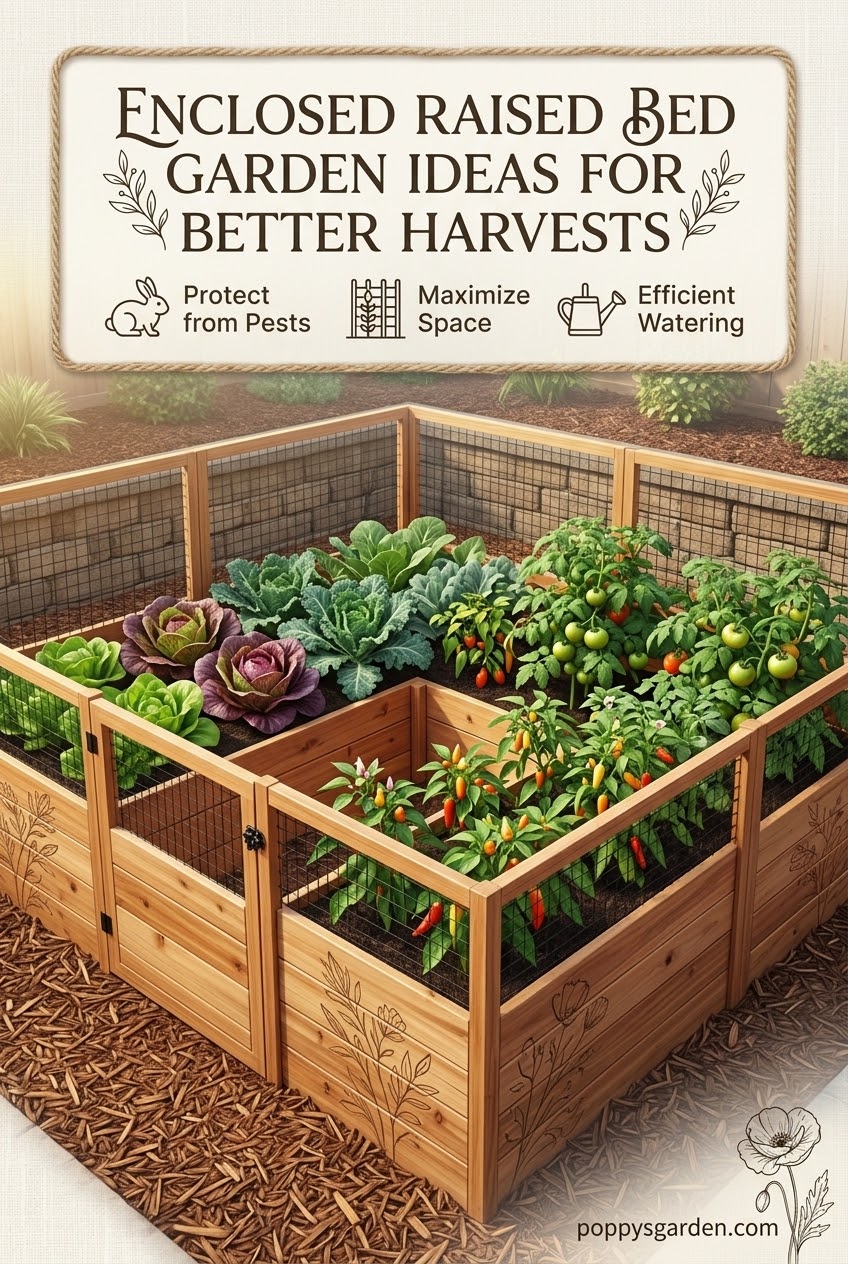
My favorite enclosed raised bed designs are the ones that solve a problem. I have used simple cedar frames, taller walk-in areas, and small fenced boxes because each garden has different needs. Raised beds are commonly built with contained soil areas that improve organization and access.
My design rule is to decide what you are protecting against first: wind, rabbits, pets, or limited space. My own beds are 4 feet wide because I can reach the center without stepping into the soil.
My enclosed bed checklist
- Choose a reachable width before adding height.
- Plan gates and paths before filling with soil.
- Match the enclosure to your biggest garden problem.
Choosing Materials for an Enclosed Raised Bed
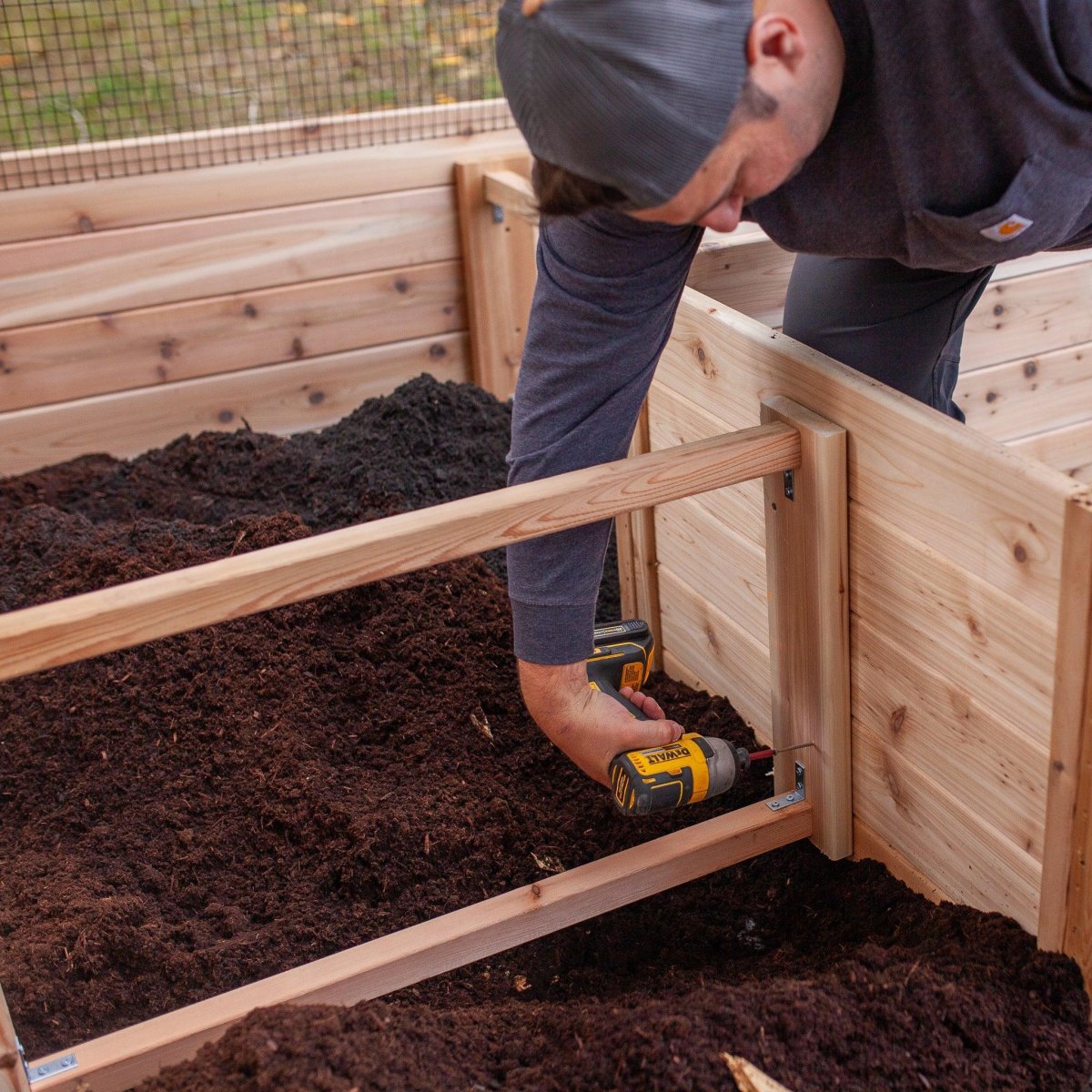
I have replaced enough garden lumber to know that the cheapest board is not always the cheapest bed. Cedar, stone, bricks, and other materials all have different lifespans and costs. Extension resources note that cedar and other decay-resistant materials are common choices, while older treated lumber such as CCA wood should be avoided.
Food garden safety matters more than appearance. I would never use railroad ties or creosote-treated materials, and I recommend checking the history of salvaged wood before it touches edible crops.
| Material | My notes |
|---|---|
| Cedar | Durable and a common food-bed choice. |
| Stone or brick | Long lasting but heavier to install. |
| Modern treated lumber | Research the product and decide what fits your comfort level. |
Building a Secure Garden Enclosure
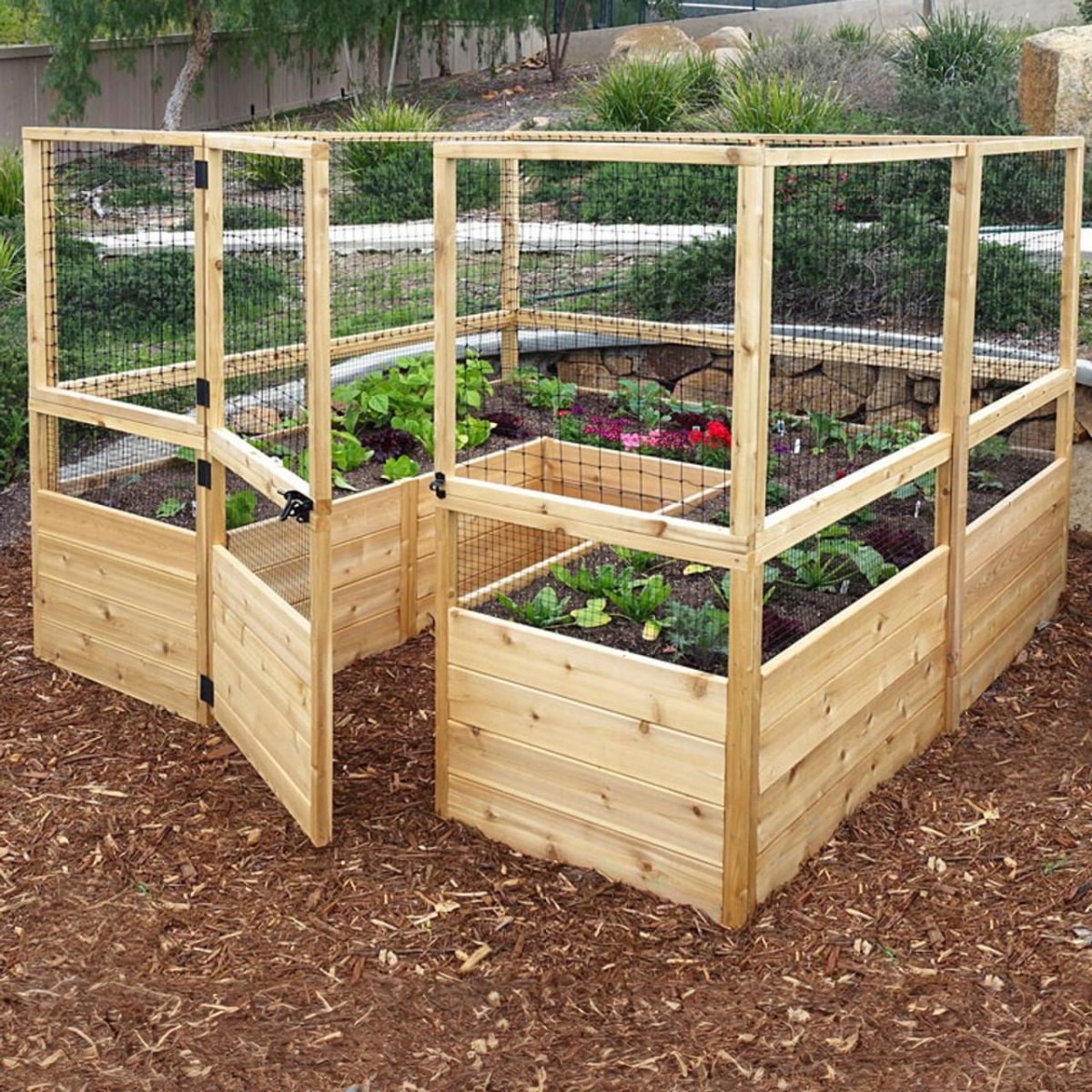
When I enclosed my beds, I learned that a fence only works if it matches the pest. A chicken wire wall will not stop every visitor, and a beautiful gate that leaves gaps defeats the whole project. Secure construction starts with measuring the animals you need to exclude.
For smaller pests, hardware cloth and covered frames are common solutions. Extension guidance recommends matching mesh size and enclosure style to the animals causing damage.
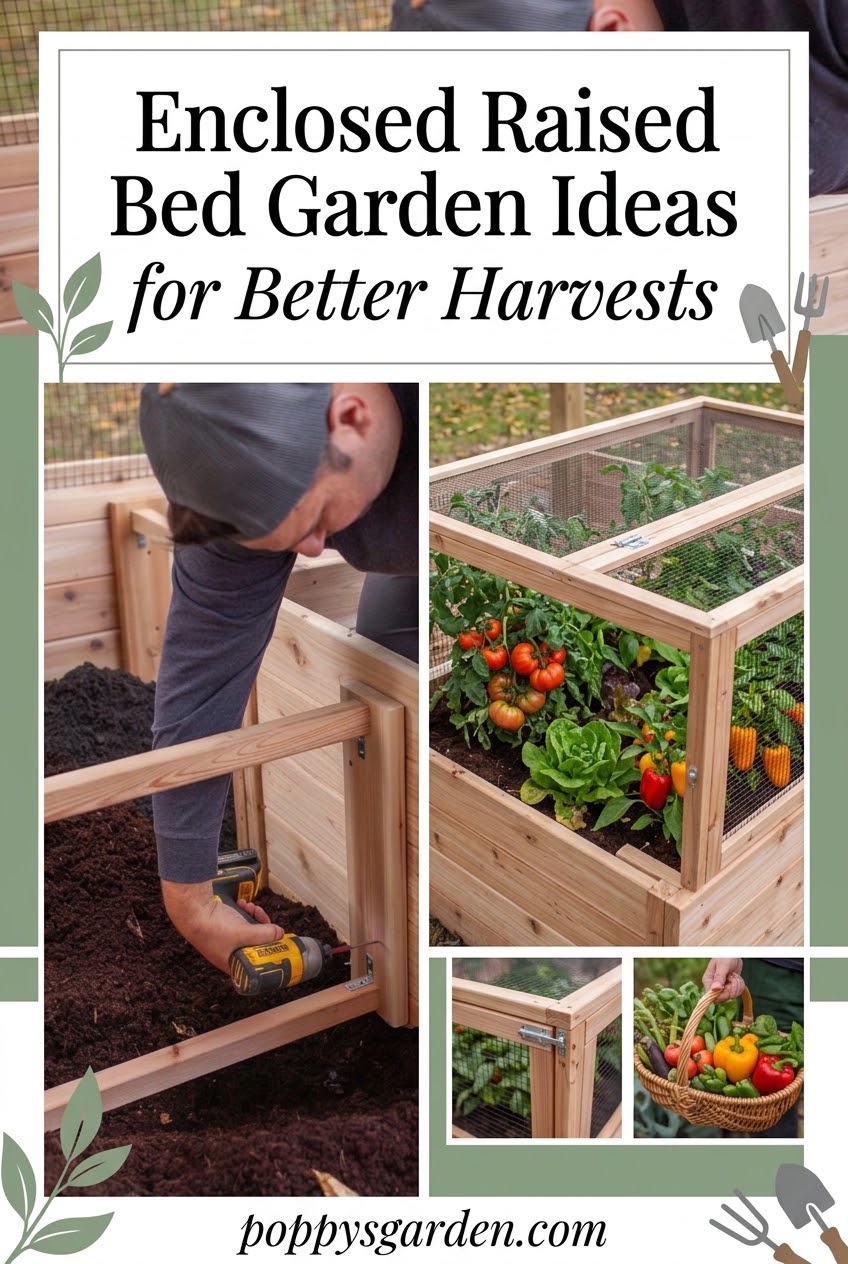
- Measure. Mark the bed dimensions and access points.
- Frame. Build a sturdy structure that will not loosen in weather.
- Cover. Add fencing, netting, or a gate suited to your pest problem.
Soil Preparation for Raised Bed Gardening
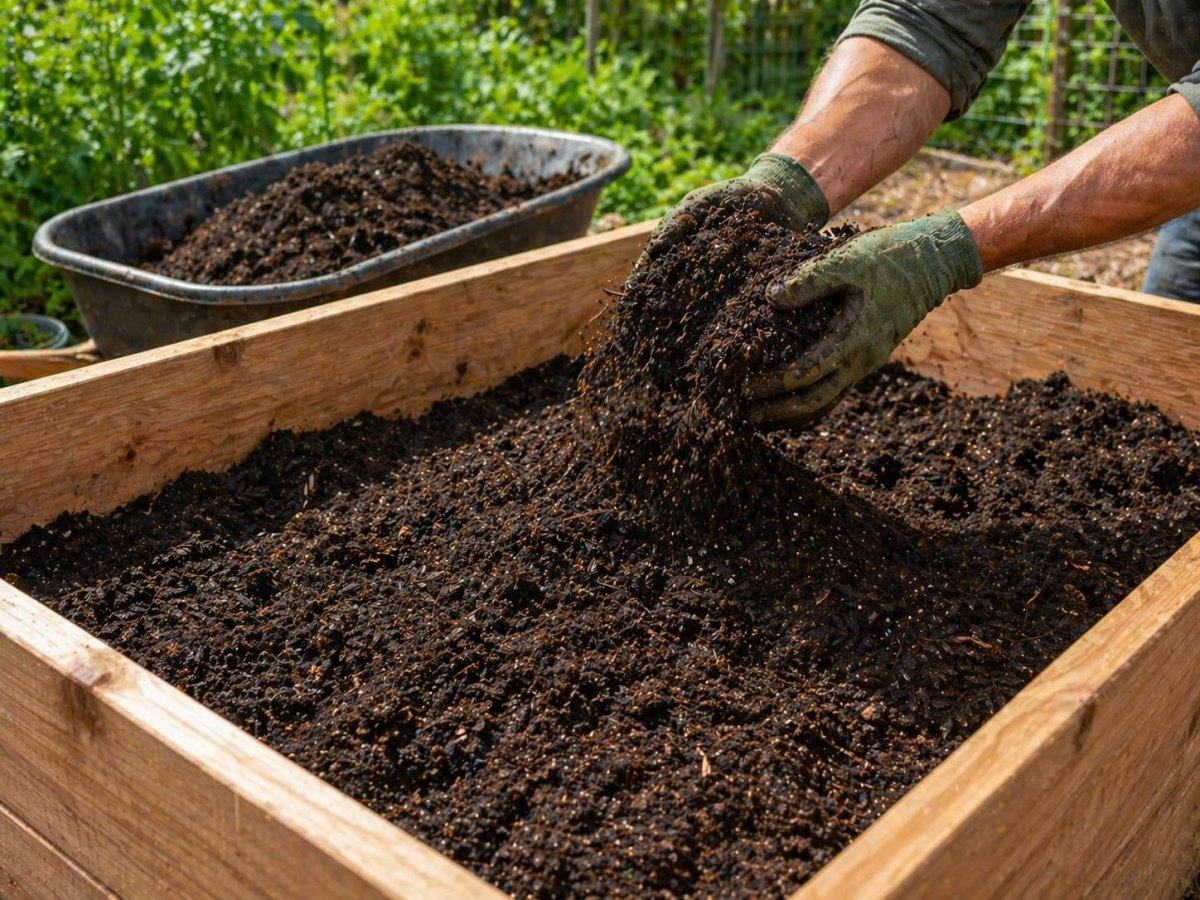
I treat soil as the main investment in every enclosed bed. In Boise’s dry climate, my raised beds need compost additions, mulch, and careful watering because the native soil is not something I can simply ignore. Healthy bed soil gives roots room to grow and makes watering more efficient.
Before building food beds, I also recommend soil testing if you are gardening near older homes, painted structures, or areas with unknown history. A test is cheaper than guessing. Recorded results from your own garden become more useful every season.
- Test questionable soil before planting food crops.
- Add finished compost rather than fresh manure near harvest.
- Track amendments and plant performance each year.
Best Plants for an Enclosed Raised Bed Garden
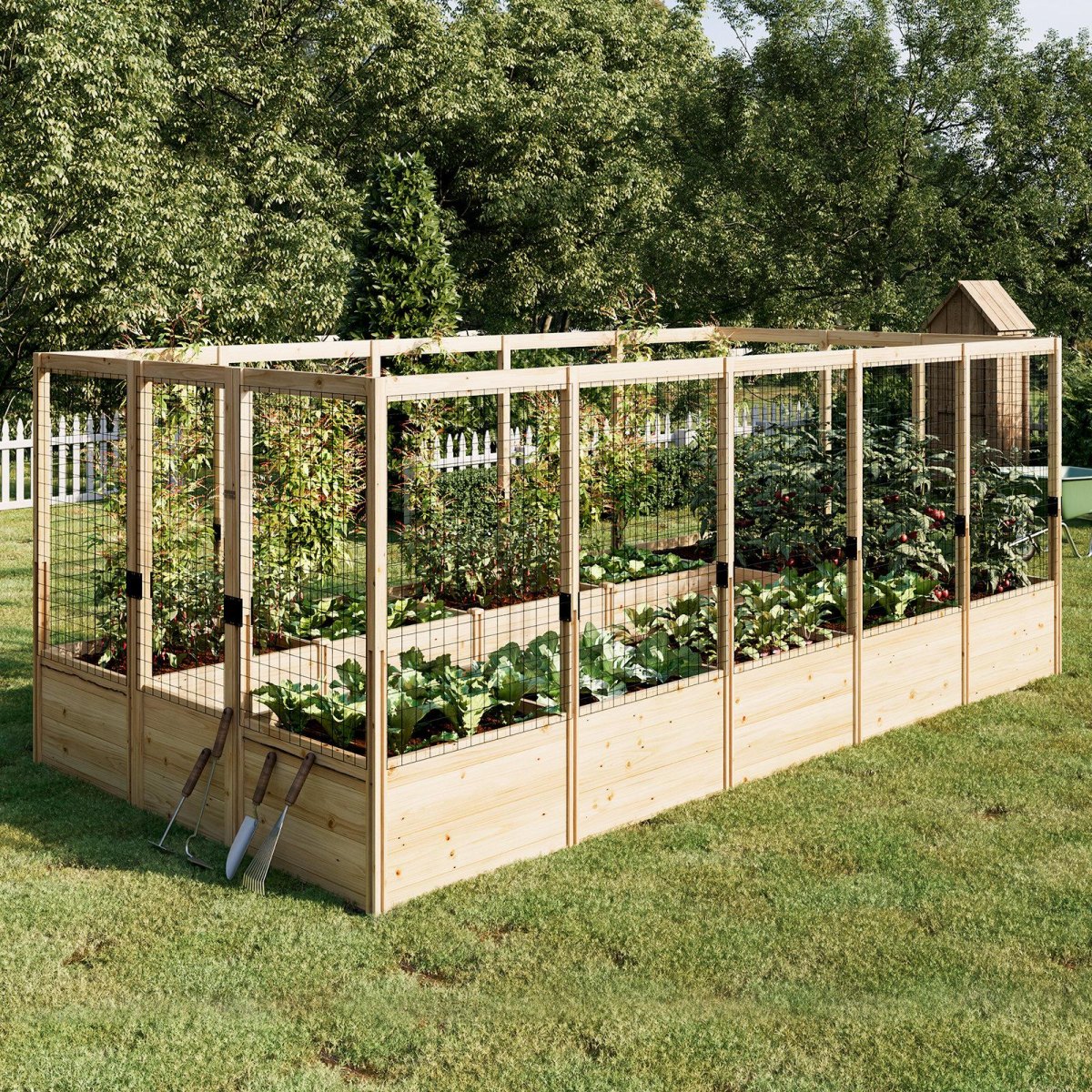
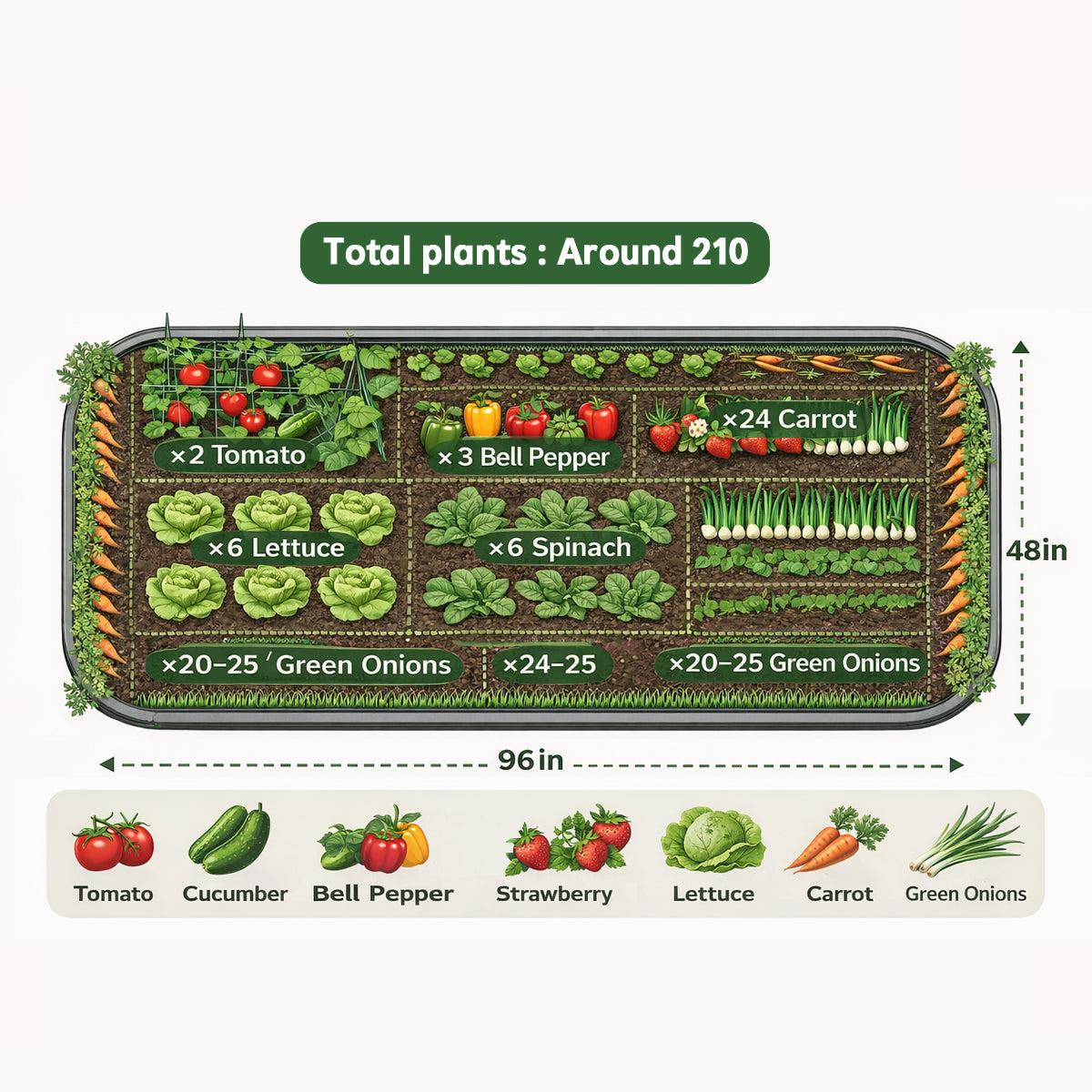
I prefer crops that justify the space because my beds are limited. Lettuce, peas, herbs, beans, tomatoes, peppers, and cucumbers are reliable raised bed choices, although your results depend on your climate and frost dates. Extension recommendations include many of these vegetables for raised beds.
In my garden notes, a productive bed is not the one with the most varieties; it is the one that gives us food we actually eat. June can empty a row of peas before they reach the kitchen, which is a pretty honest harvest test. Worth the space is my favorite measurement.
- Cool season: peas, lettuce, radishes, and greens.
- Warm season: tomatoes, peppers, beans, and herbs.
Irrigation and Maintenance Solutions
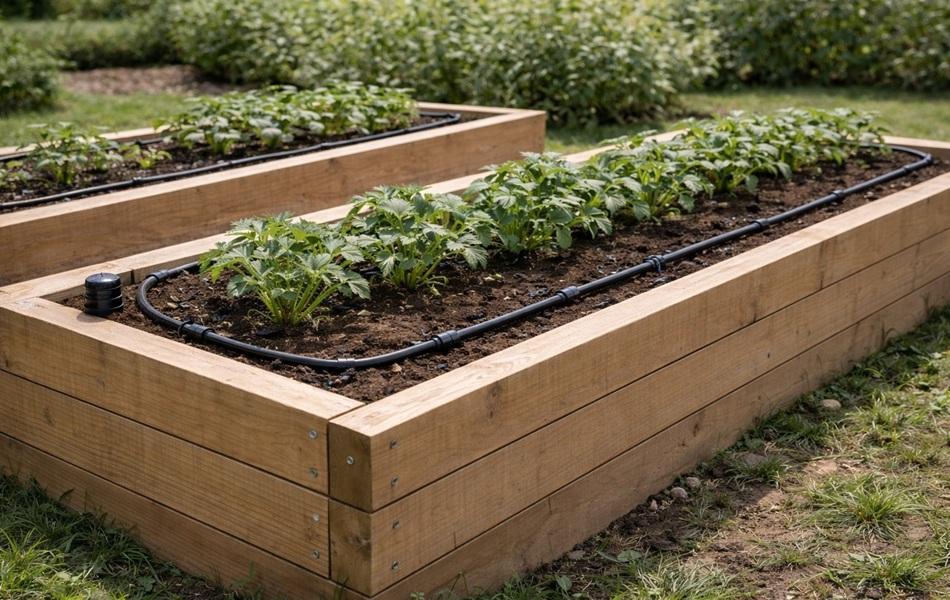
Wes, my civil engineer husband, insists every raised bed plan begins with irrigation. He is usually right. In my eleven-inch-rainfall climate, drip lines and mulch make the difference between a surviving garden and a thriving one.
Maintenance planning saves time later. I leave enough room to inspect plants, repair lines, harvest easily, and notice problems before they become disasters.
Benefits
- More consistent watering.
- Less wasted water on paths.
Challenges
- Initial setup cost.
- Lines need seasonal checking.
Pest Protection for Enclosed Raised Beds
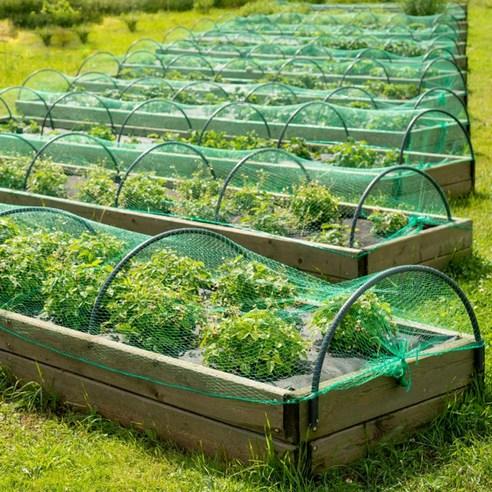
I learned during my market garden years that prevention beats chasing pests after damage appears. Row covers, insect netting, and physical barriers can protect crops while reducing the need for sprays. Extension resources describe row covers as useful tools for pest exclusion and season extension.
I still follow my pest rule: identify first. Natural products are not automatically harmless, and any pesticide used on food crops must match the label, protect pollinators, and be applied according to instructions.
My practical tip
Add removable covers instead of building a permanent roof if you want flexibility through the seasons.
Creative Layouts for Small Enclosed Gardens
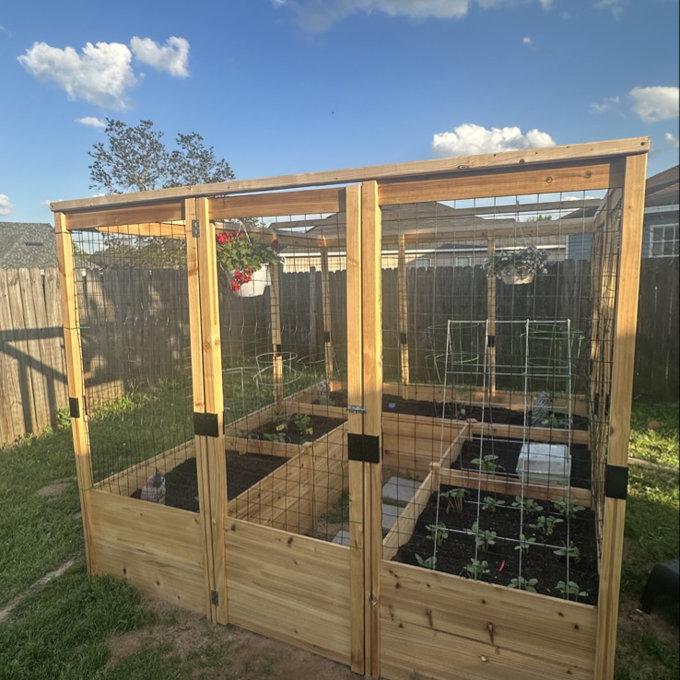
Small gardens benefit from planning more than extra stuff. I have seen tiny spaces outperform large gardens because every path, container, and vertical support has a purpose. Smart layouts begin with sunlight, access, and realistic harvest goals.
For a compact enclosed garden, I would rather have two productive beds than six crowded ones. My own records show that neglected space does not produce more food just because it exists.
A small-space approach
Start with one or two beds, add irrigation early, and expand only after you know what grows well in your conditions.
More Pinterest Visuals



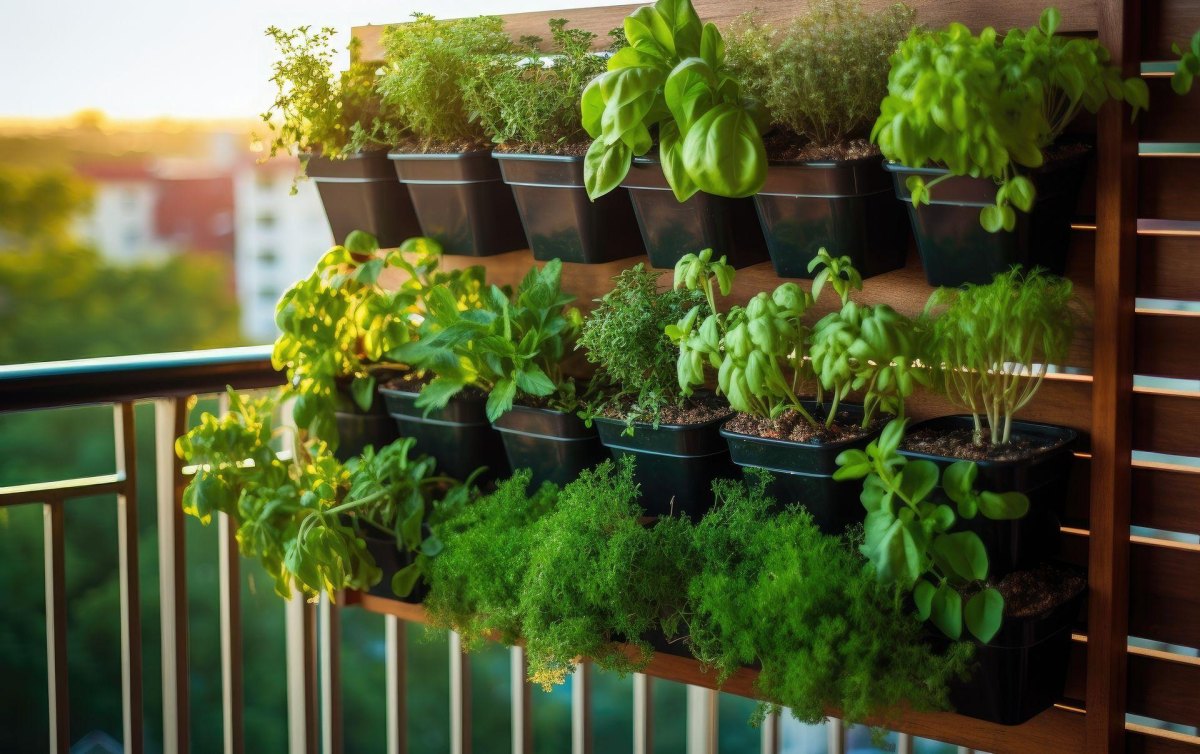 Balcony & Patio GardensSmall Space Garden Ideas That Make Every Inch Count
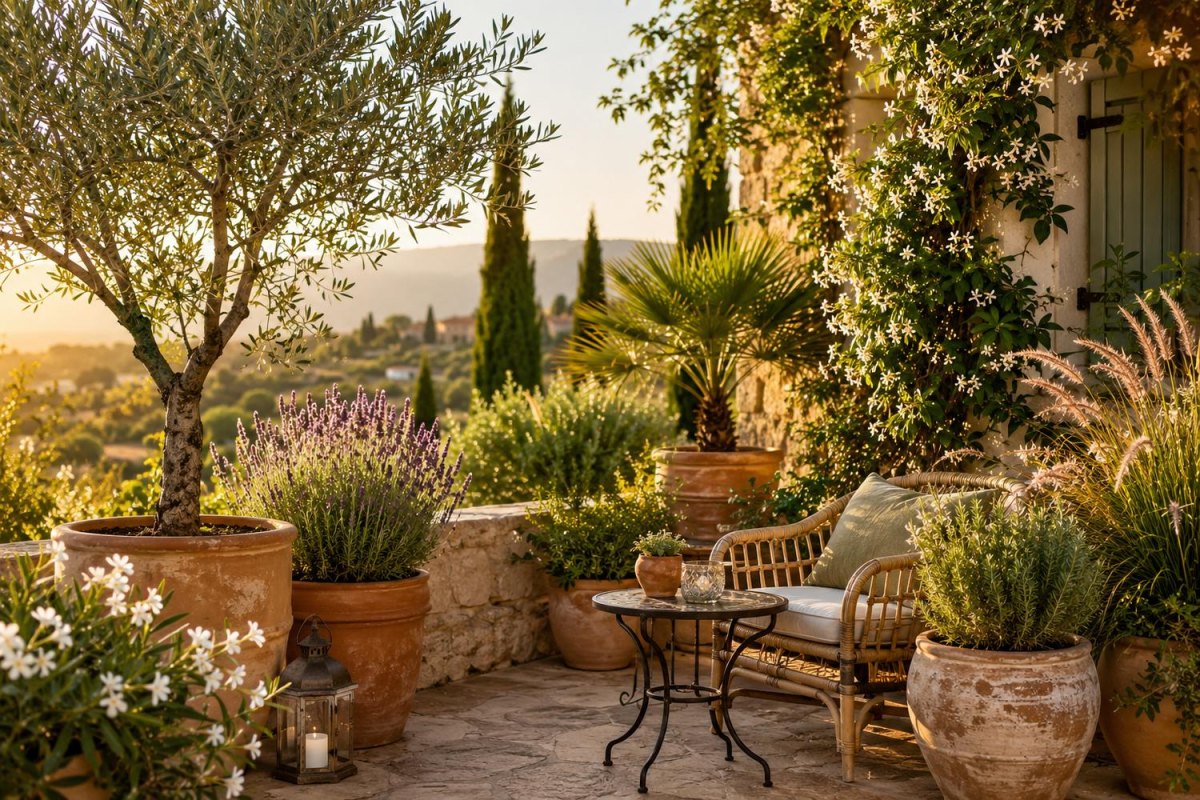 Balcony & Patio GardensKübelpflanzen für die Terrasse – 15 Ideen für ein grünes und blühendes Outdoor-Paradies
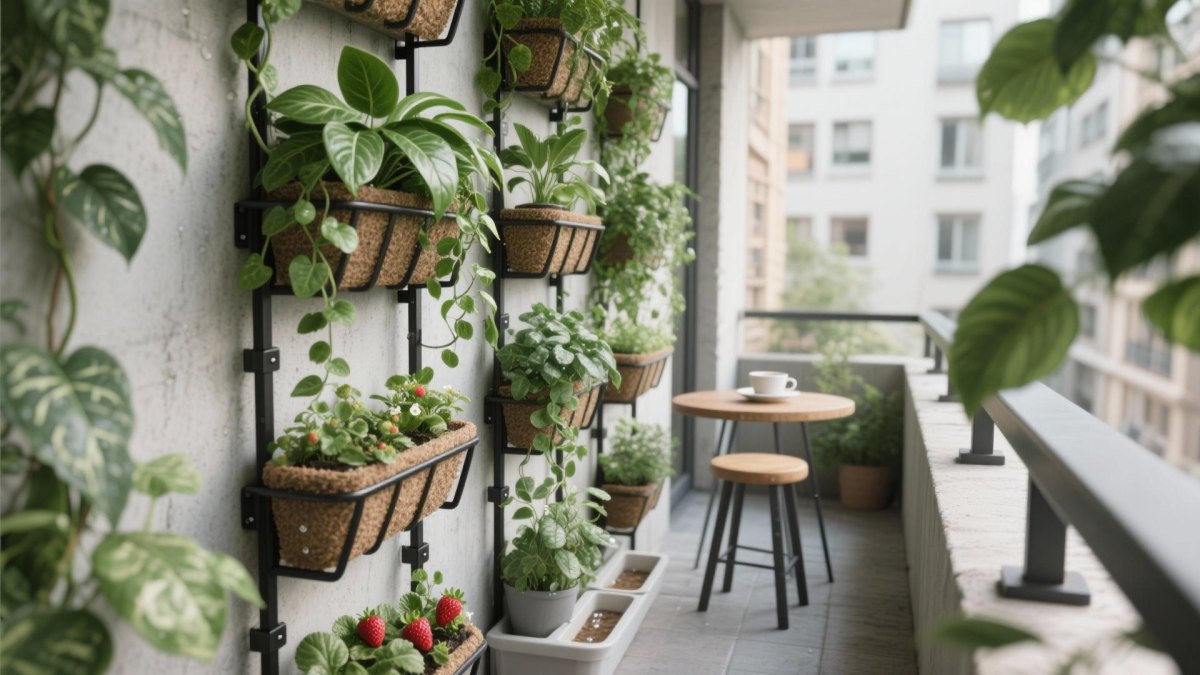 Balcony & Patio Gardens20 Balcony Garden Setup Ideas To Transform Your Outdoor
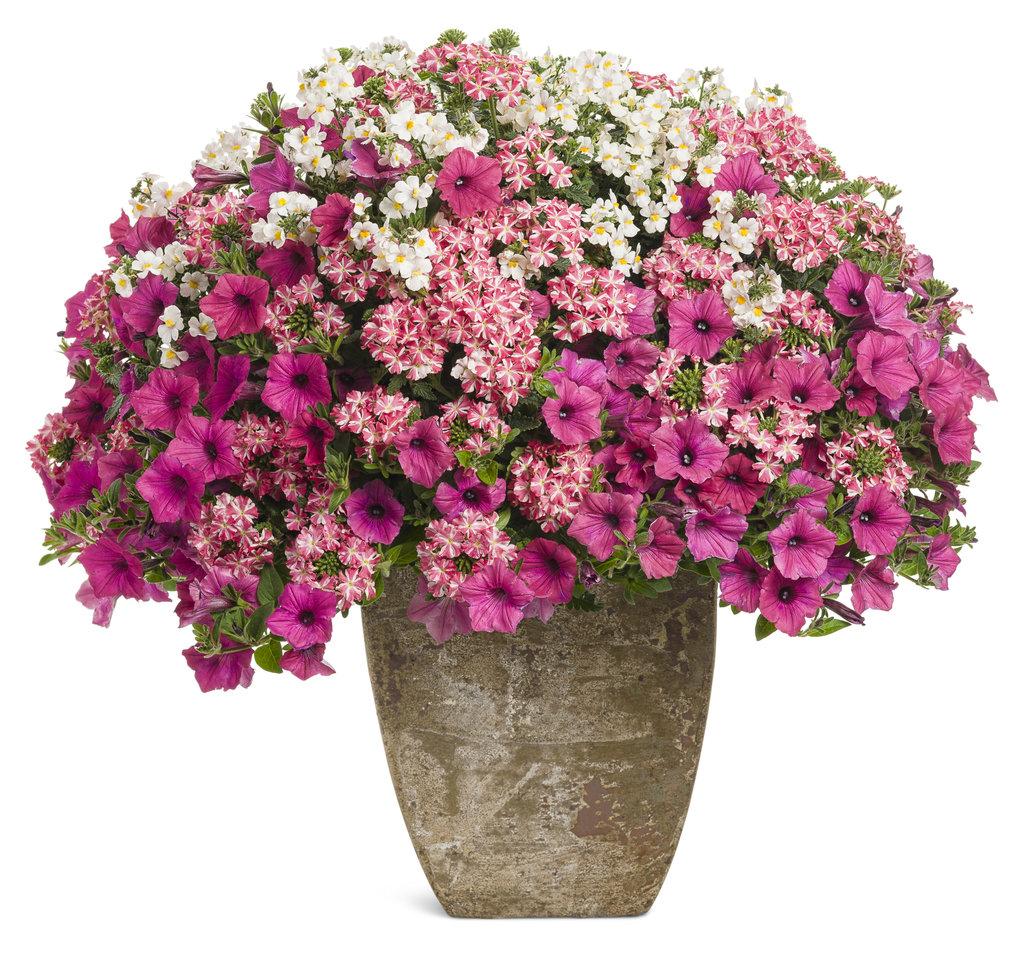 Seasonal & Flower Containers16 Beautiful Container Garden Flower Combinations That Work