

I have spent years rearranging raised beds in my Boise, Idaho zone 7a garden, where dry summers, alkaline soil, and about eleven inches of annual rain make layout choices matter. My best plans come from measuring what worked, what failed, and what earned its space.
These layouts are starting points, not rules. Use your own frost dates, sunlight, soil test results, and local extension advice before copying any planting schedule. A beautiful bed that is difficult to water or harvest is not a successful garden.
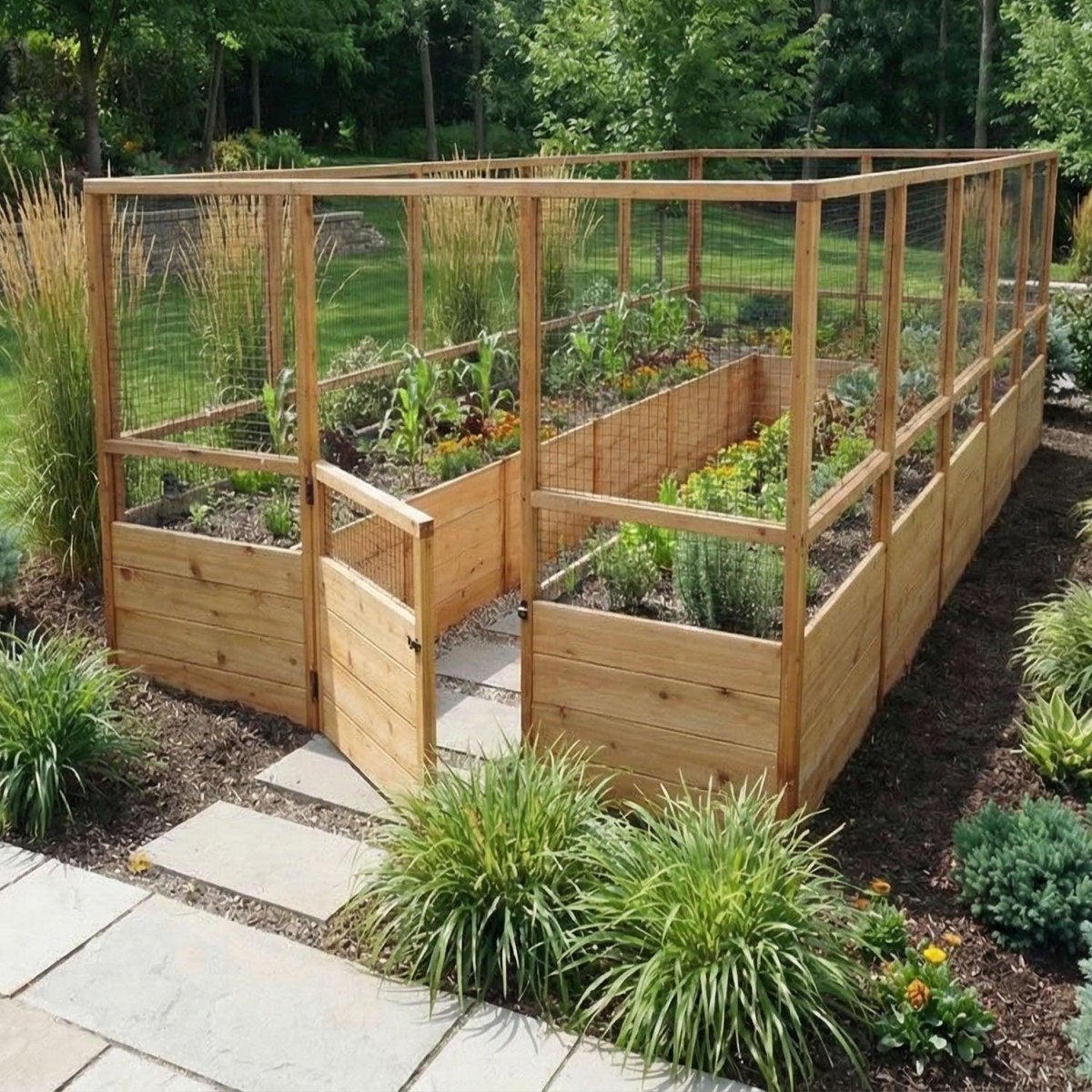
Rectangular Raised Bed Garden Layout
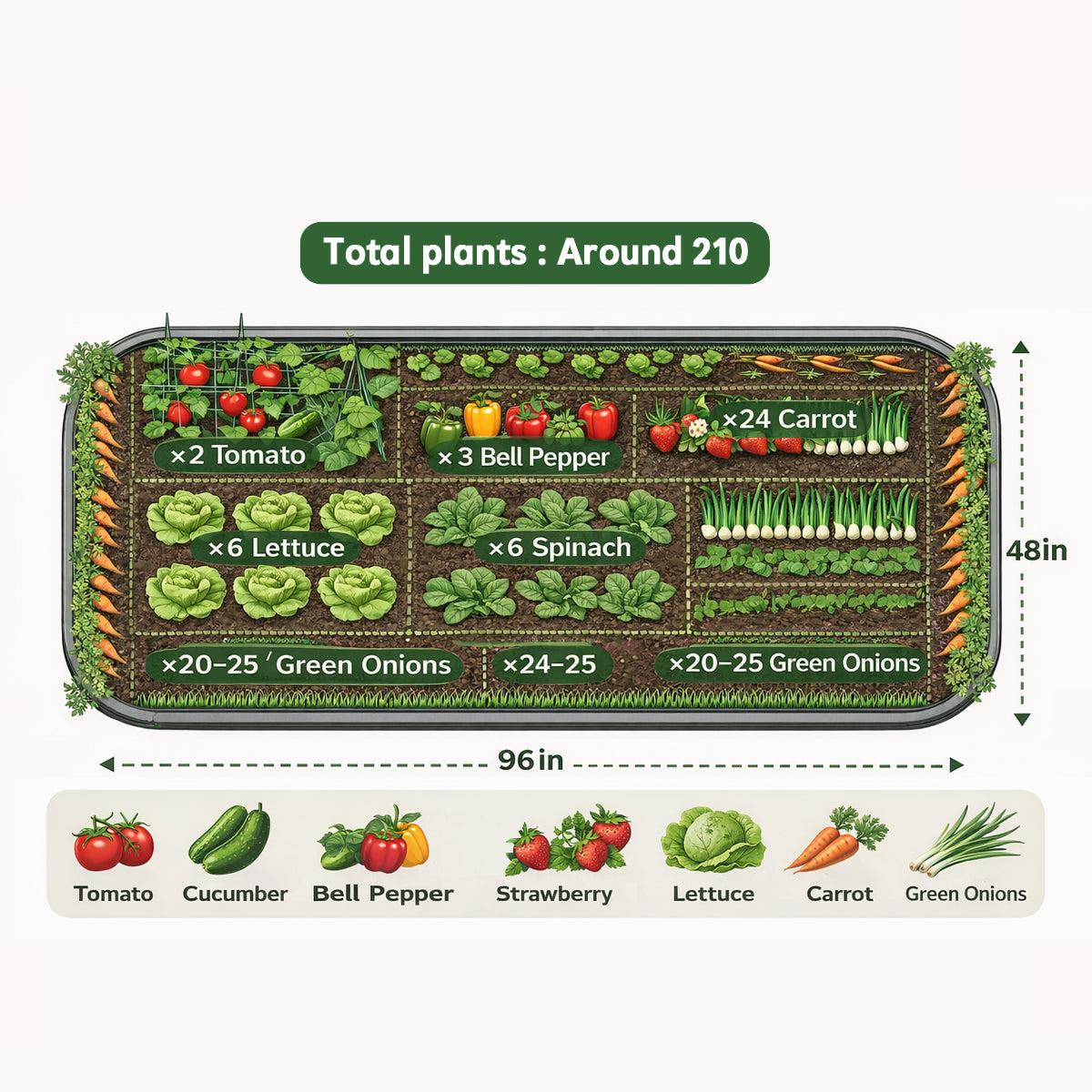
I use rectangular beds because they make irrigation and crop records simple. My beds are usually long rectangles with a width that lets me reach the center without stepping on soil. Four-foot widths are commonly used because they are practical for access.
For my dry Idaho garden, straight beds also make drip lines easier to install. Simple geometry often beats a complicated design when summer watering arrives.
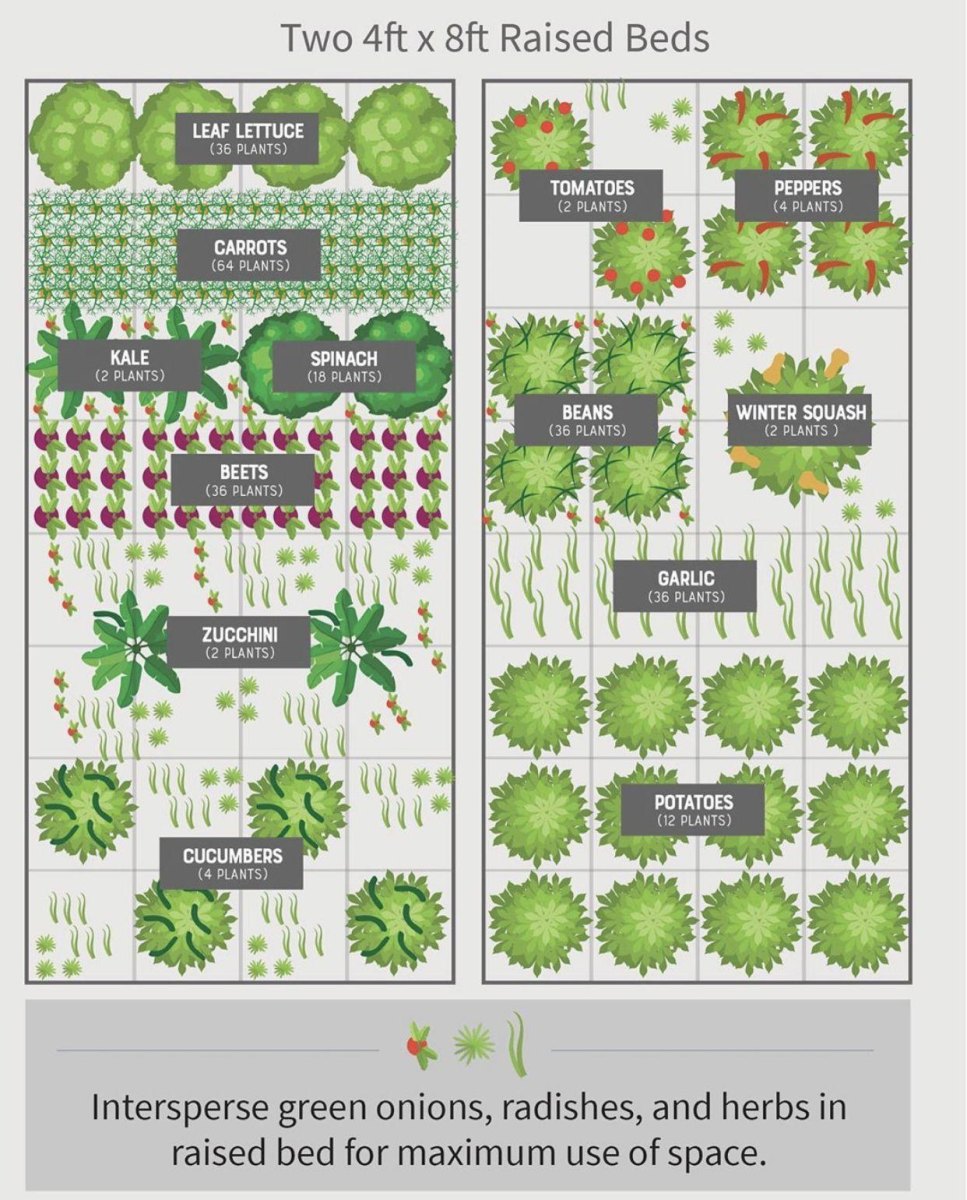
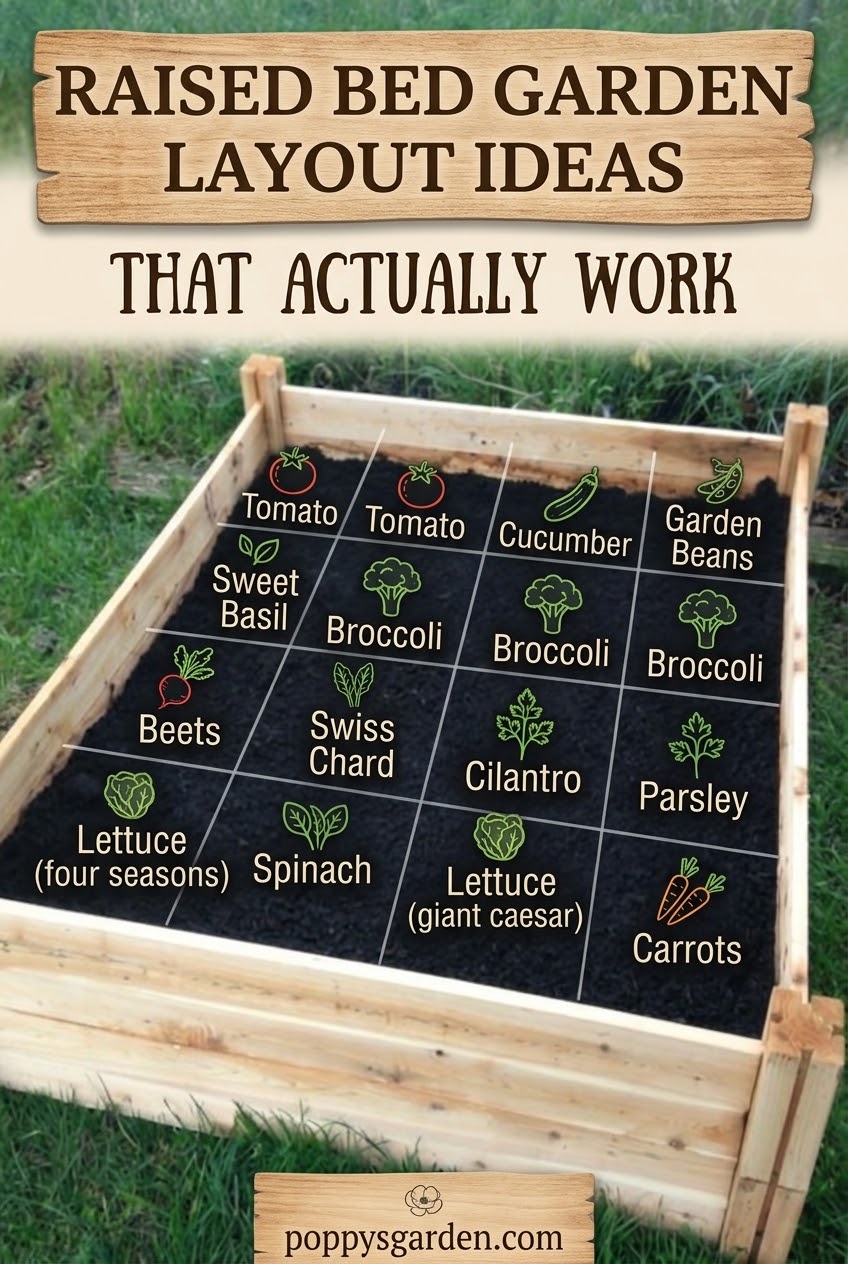
Square Foot Raised Bed Garden Design
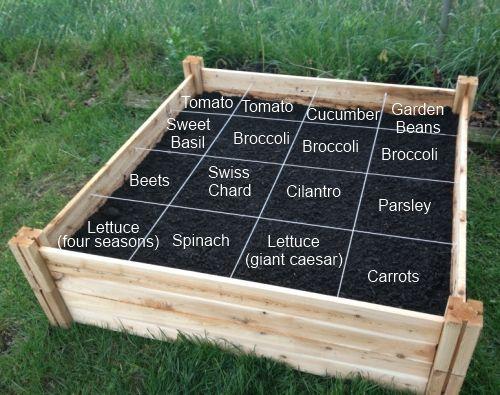
My square foot notes
- Divide the bed into one-foot sections.
- Match spacing to the crop, not the empty space.
I like square foot layouts for beginners because the grid removes guesswork. Extension guidance also uses one-foot squares as a common intensive gardening approach. Measured spacing prevents overcrowding.
I still check seed packets because every variety behaves differently. Trial notes matter more than a pretty diagram.
Small Backyard Raised Bed Layout
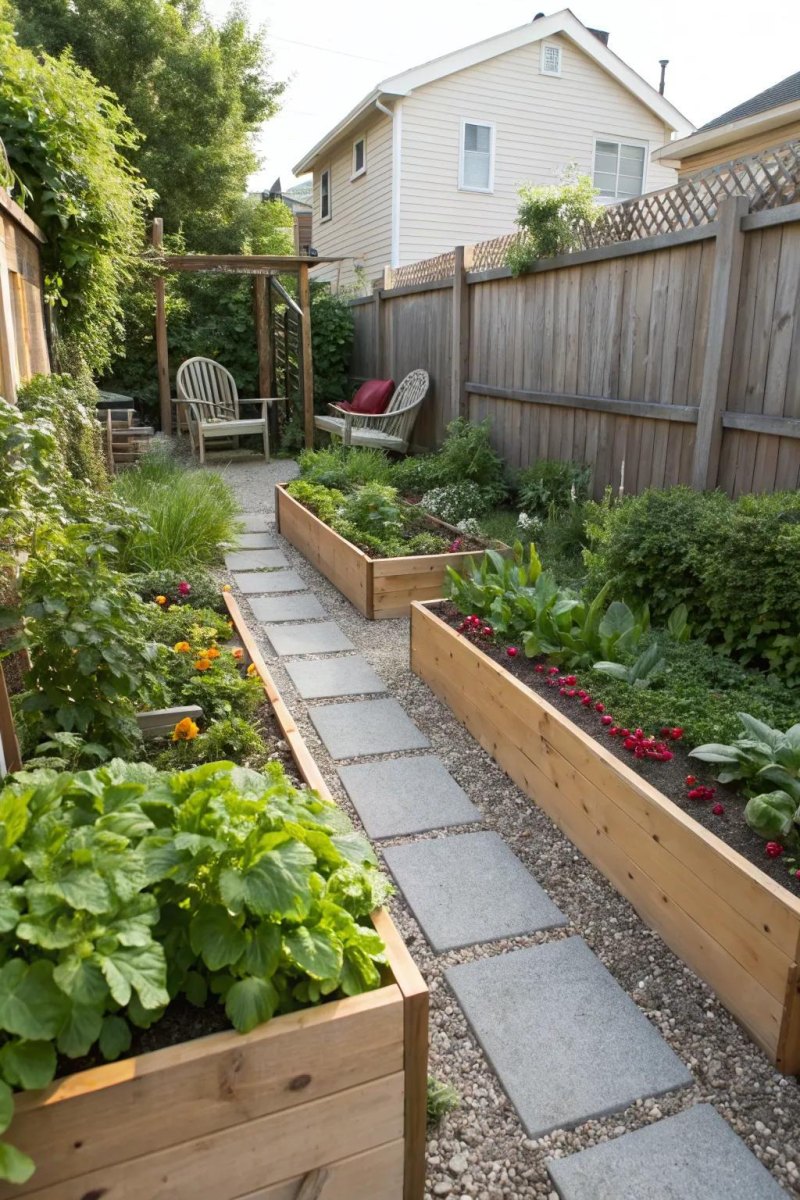
Small gardens reward careful choices. In my notebooks, the crops that disappear quickly from my kitchen are the ones that deserve limited space. High-value crops like herbs, salad greens, and specialty varieties usually win.
Leave room for walking, harvesting, and watering. Accessible paths are part of the garden design, not wasted space.
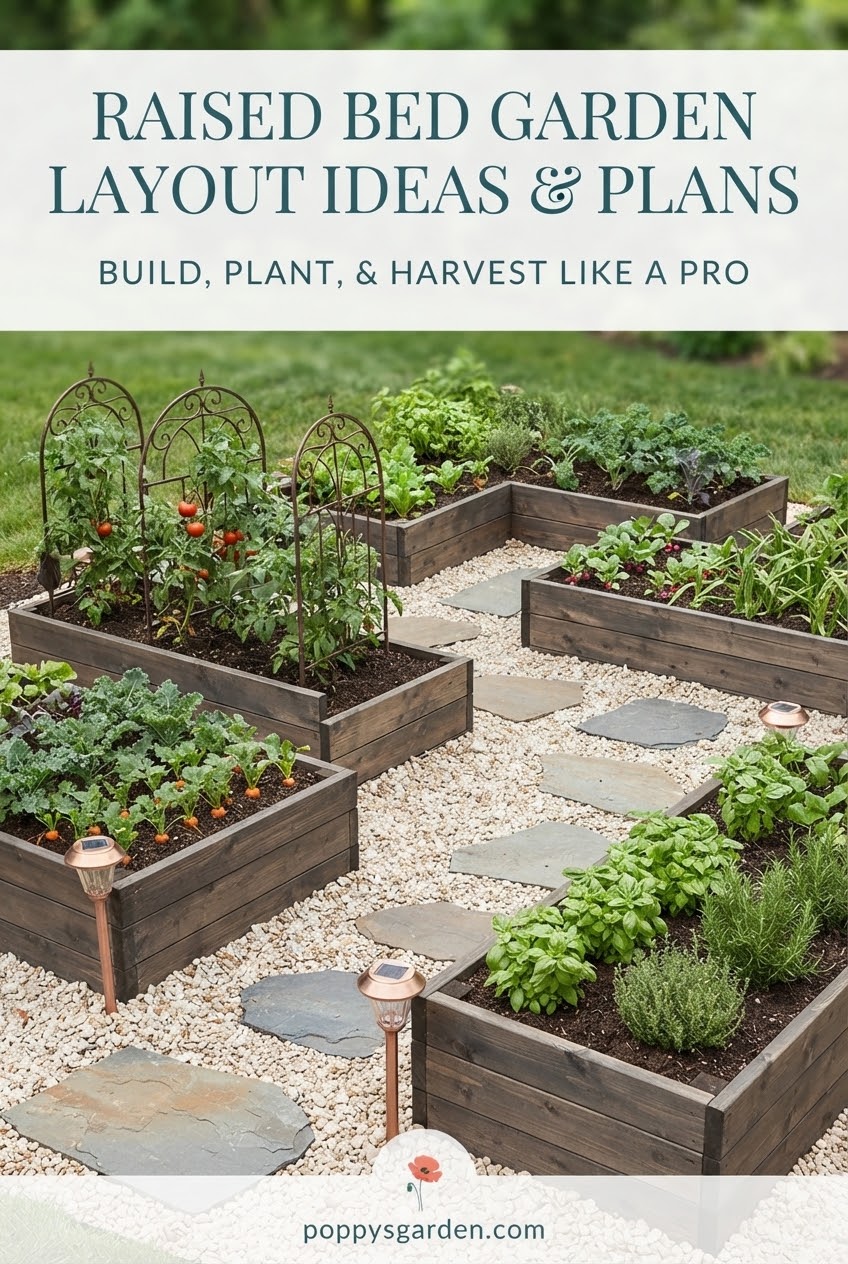
Raised Bed Layout With Pathways
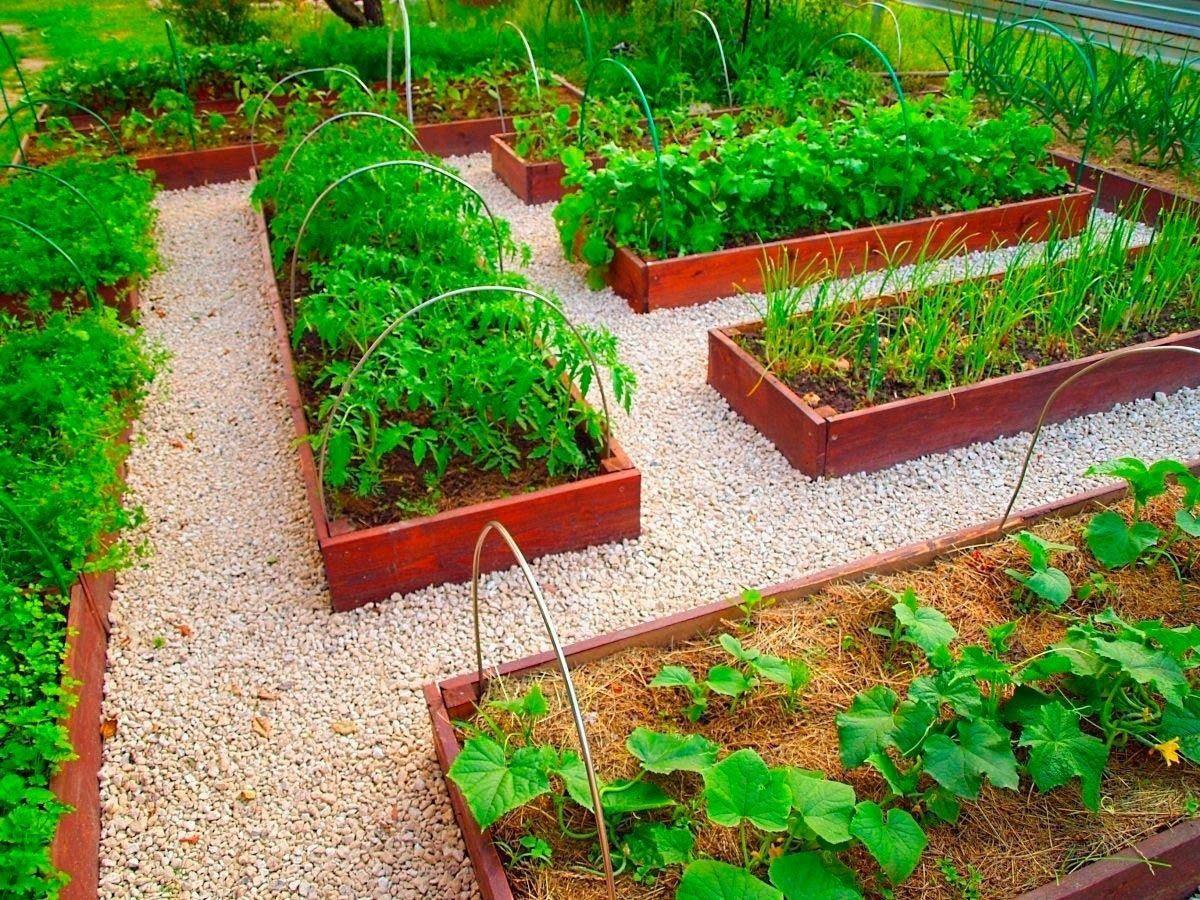
My pathway tip
I plan paths before filling beds because moving full soil boxes is not my idea of fun.
Good pathways make harvesting easier and protect soil structure. Permanent walkways also help me organize irrigation zones.
I often use mulch paths because they are forgiving during the windy, dry parts of my season. Low-maintenance access saves time later.
U-Shaped Raised Bed Garden Layout
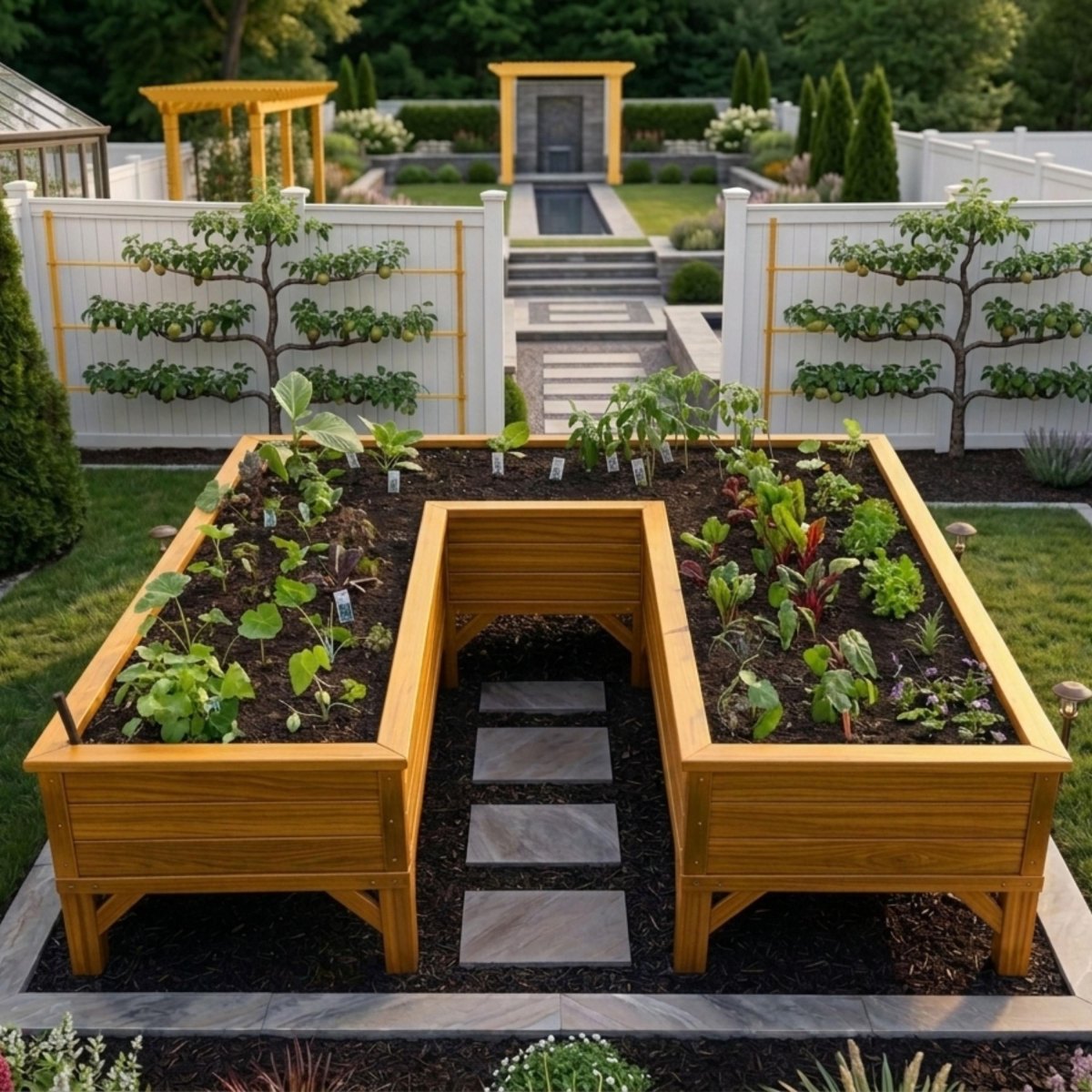
A U-shaped bed is useful when I want lots of growing room without walking around a large block. Central access keeps harvest chores short.
This layout works especially well for herbs and mixed vegetables because everything stays close. Efficient movement is the hidden benefit.
L-Shaped Raised Bed Garden Layout
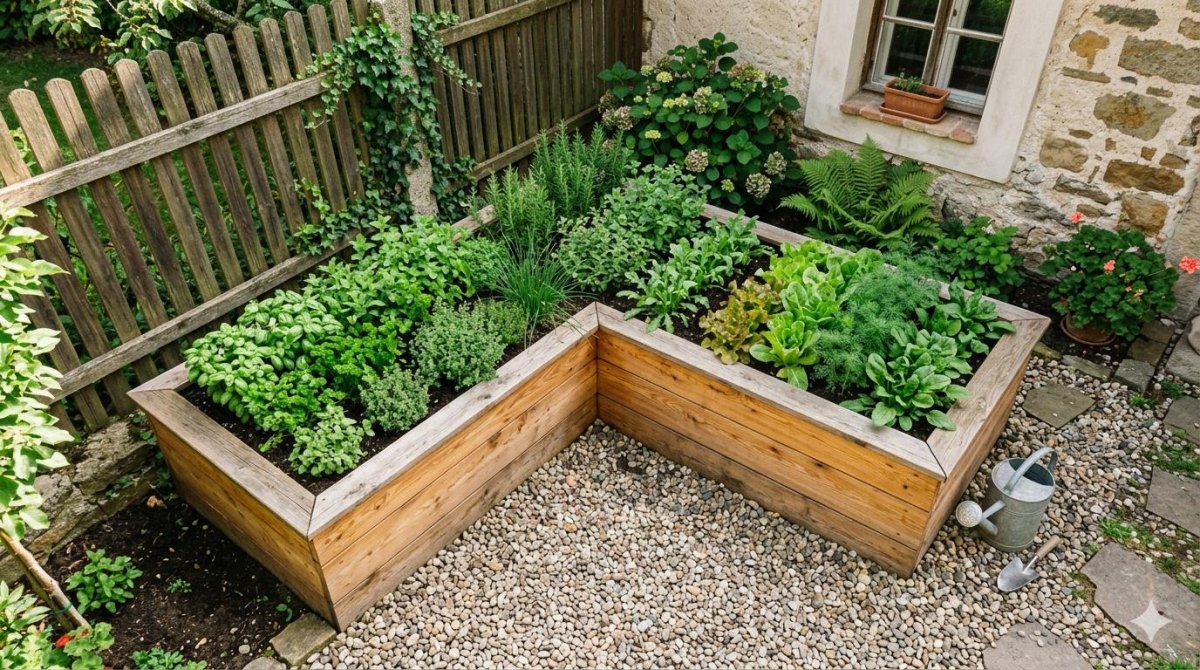
I like L-shaped beds for awkward corners where a rectangle wastes room. Corner gardening can turn unused areas into productive space.
Watch shade patterns before building. Sun mapping is worth a morning with a notebook.
Tiered Raised Bed Garden Layout
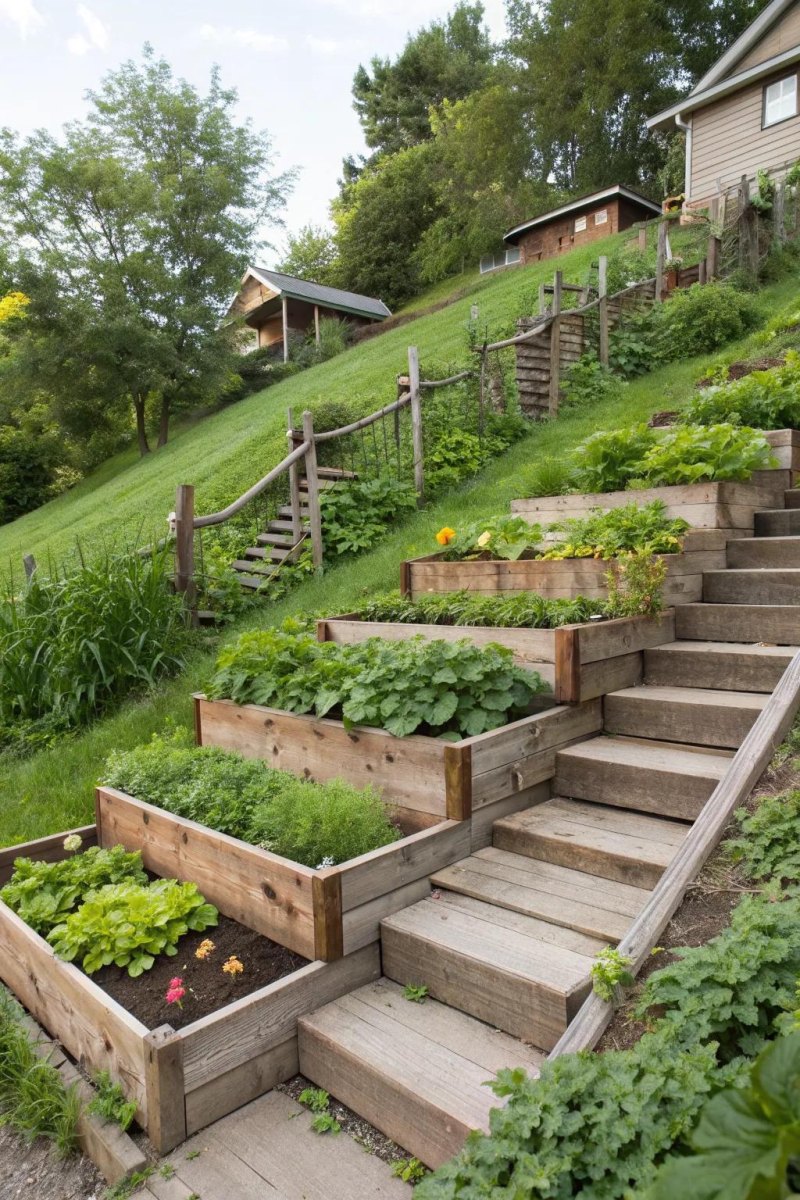
Tiered beds solved a slope problem in gardens I have helped plan. They create level planting areas and reduce awkward maintenance. Terraced growing is especially useful on uneven ground.
Drainage matters on every level. Water movement should be planned before planting.
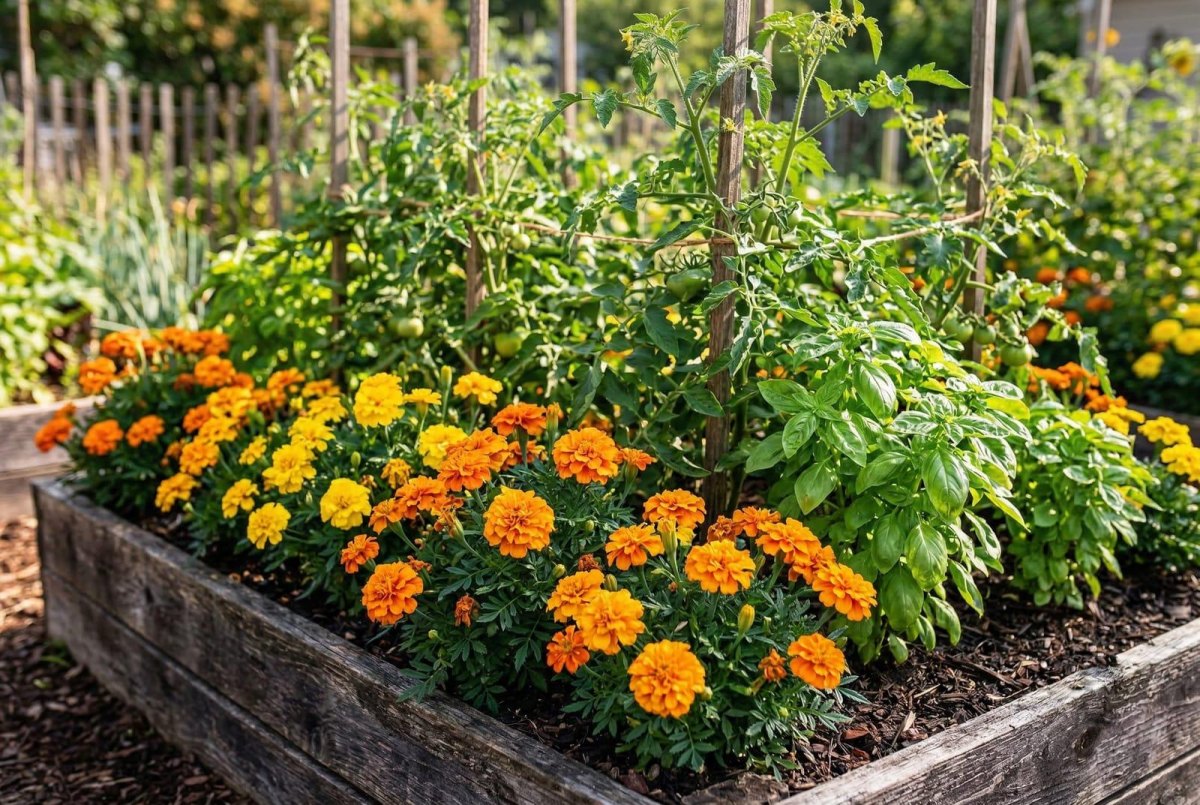
Raised Bed Layout for Companion Planting
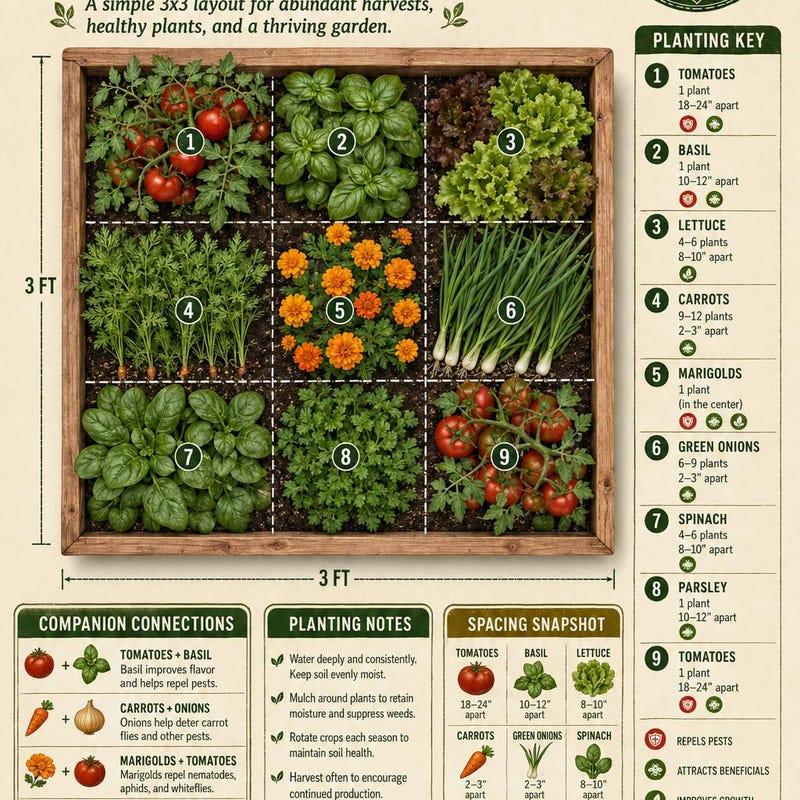
I use companion planting as a planning tool, not a magic formula. Plant partnerships work best when each crop still receives enough light and space.
My records focus on harvest and plant health rather than garden folklore. Observation first keeps expectations realistic.
Raised Bed Layout for Vegetables and Herbs
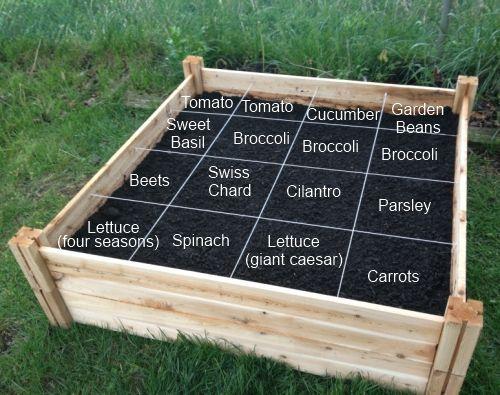
- Back row: Taller crops that need support.
- Front row: Herbs and quick harvest greens.
I arrange beds by harvest habits. Kitchen distance matters when I am picking dinner ingredients.
In my zone 7a garden, timing still depends on local frost dates. Frost-date planning is more reliable than copying a calendar.
Modern Raised Bed Garden Layout
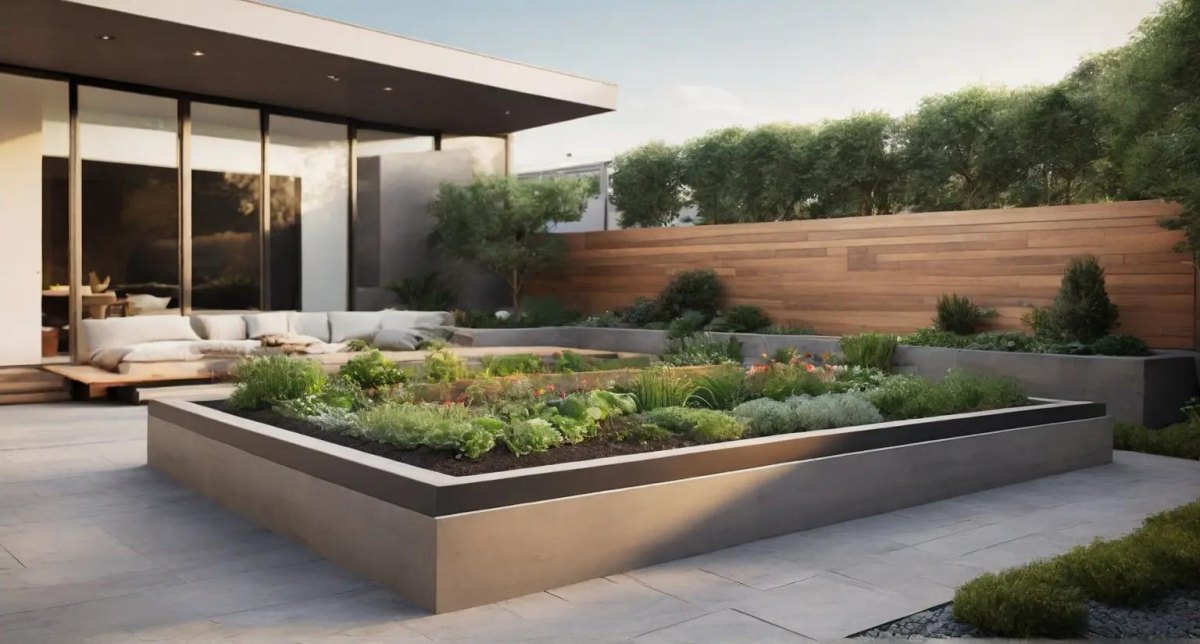
Modern layouts usually focus on clean lines, irrigation, and easy maintenance. Function before decoration is my approach after years of growing.
I still want beauty, but every square foot has to justify itself. Useful design is what keeps me gardening.
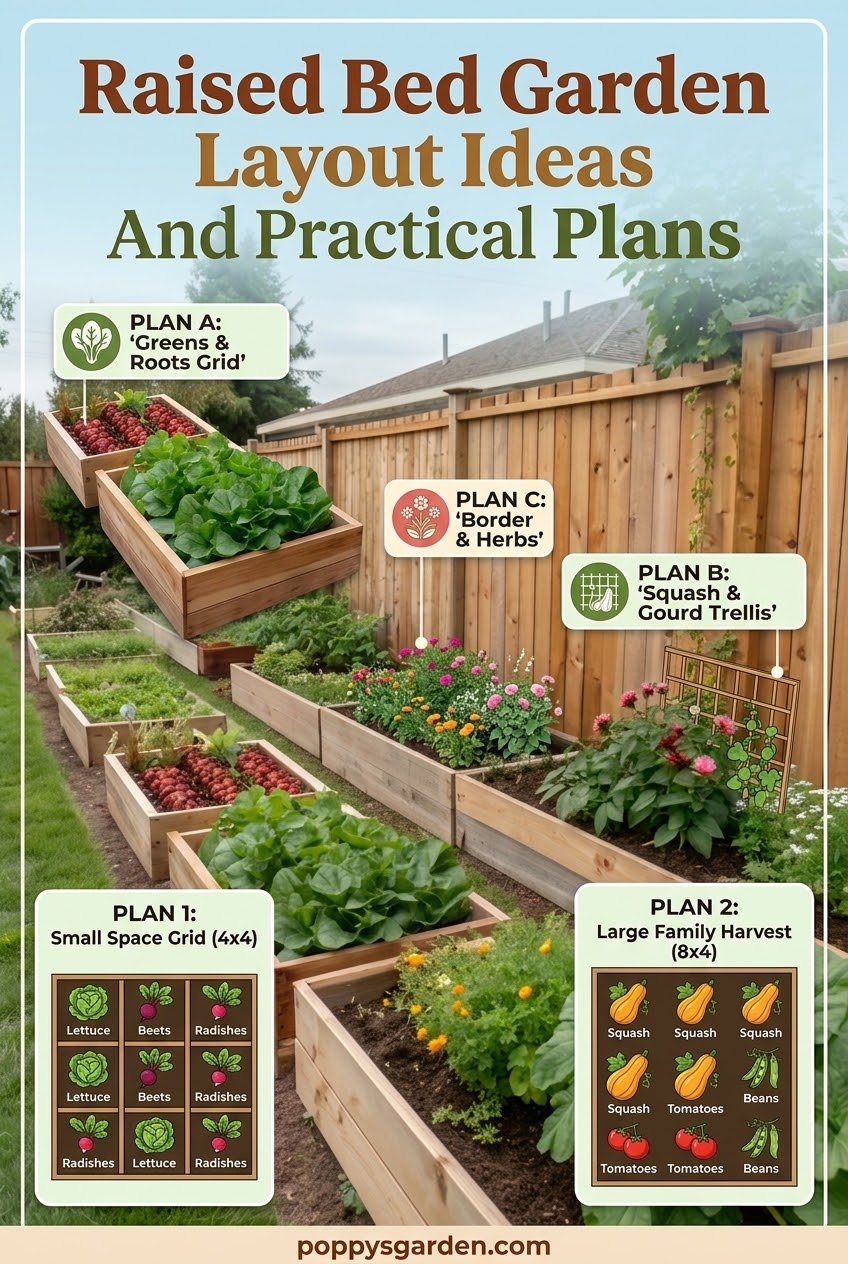
Raised Bed Layout Along a Fence
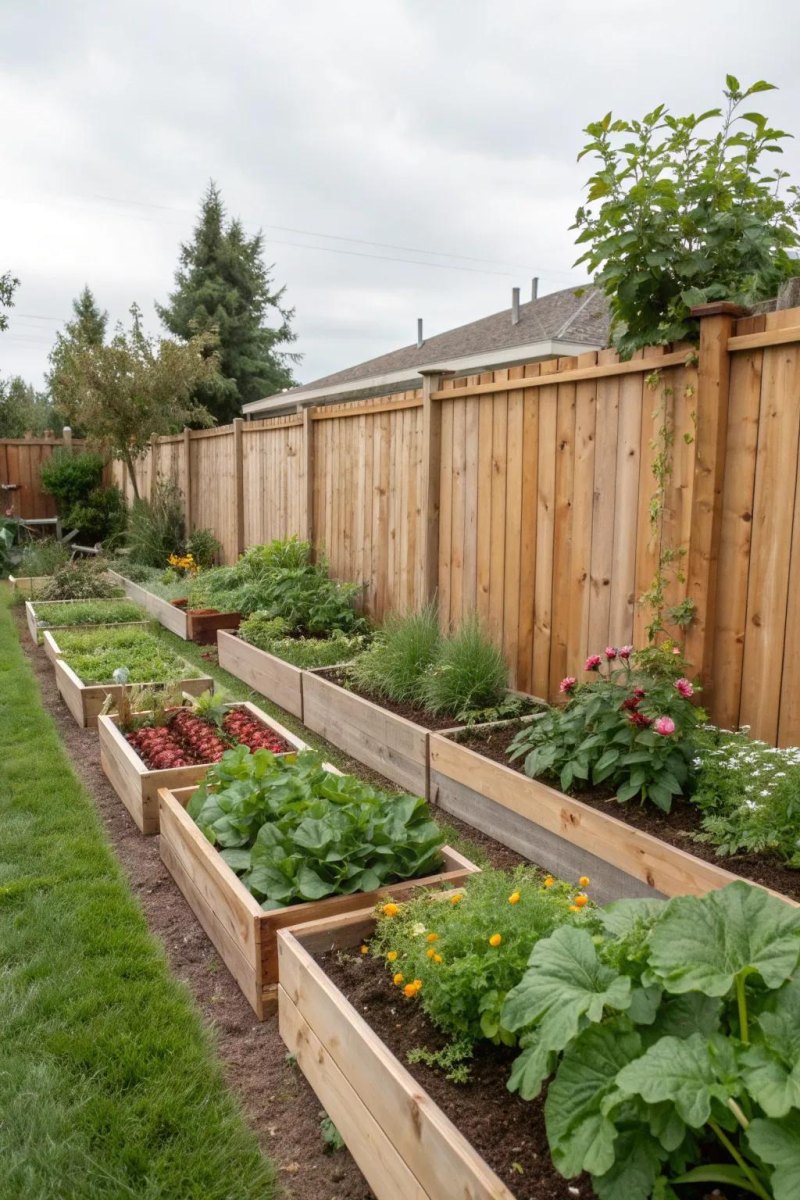
Fence-side beds are excellent for crops that can climb, but I check shadows before planting. Sun exposure decides whether this layout succeeds.
Trellises should go in before vigorous vines take over. Vertical growing can increase yield in small spaces.
Circular Raised Bed Garden Layout
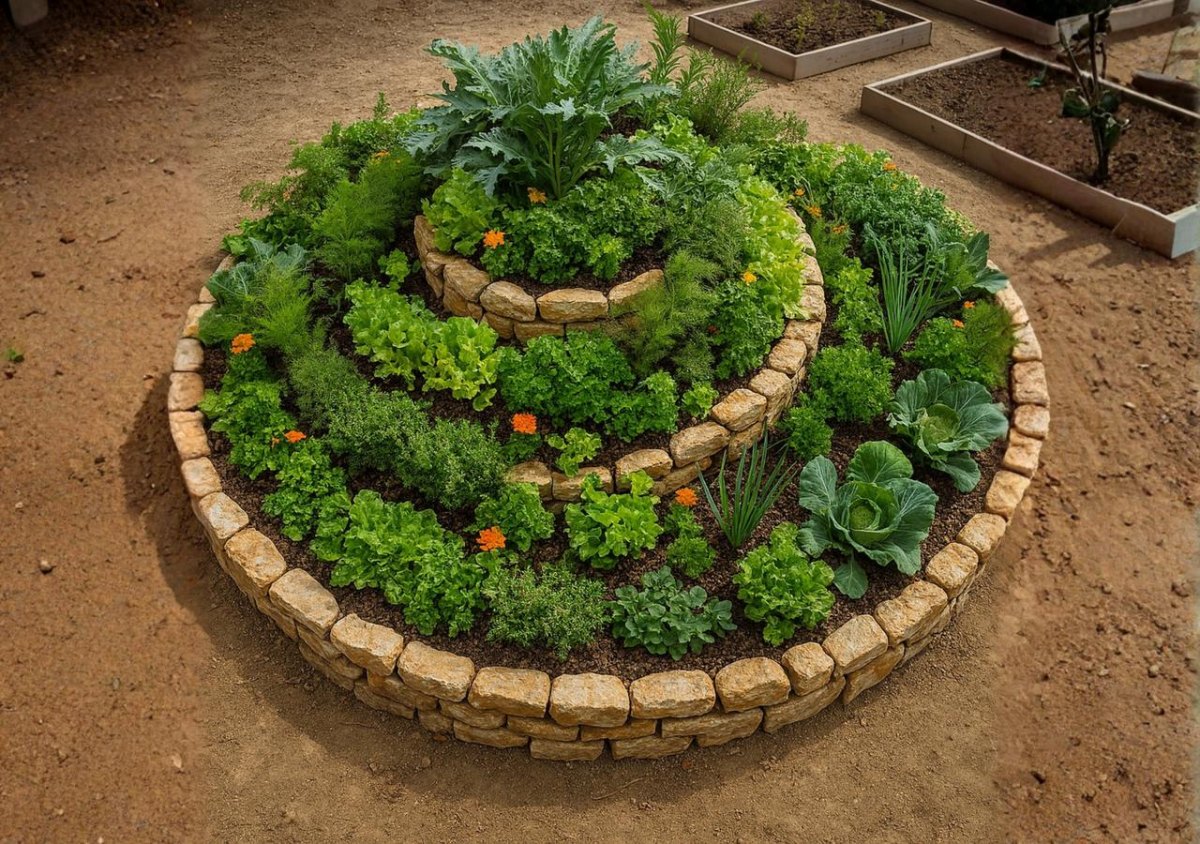
Circular beds can be beautiful focal points, especially for herbs or flowers. Central designs make a garden feel intentional.
I would still prioritize access because reaching every plant matters. Harvest convenience beats novelty.
Raised Bed Layout With Greenhouse Integration
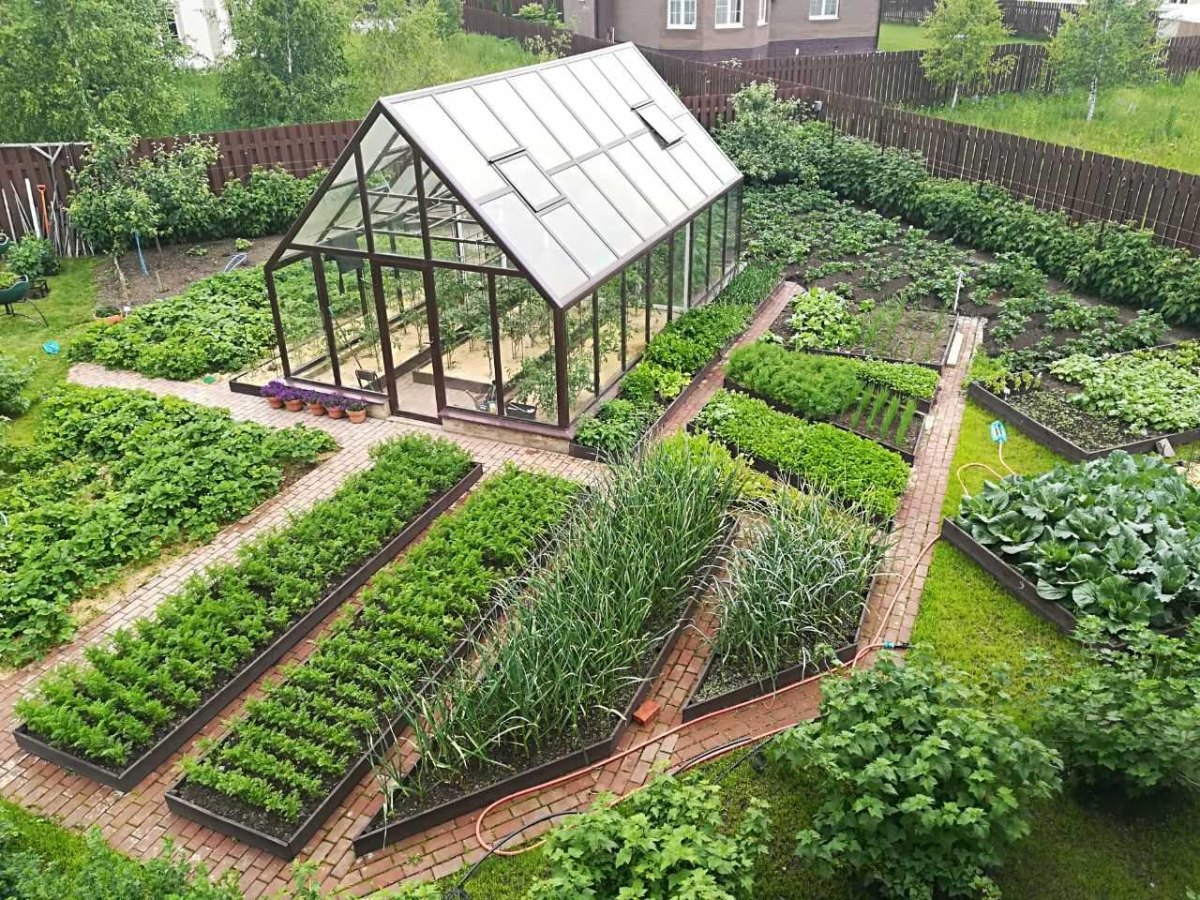
Combining raised beds with a greenhouse extends the season, but my timing still follows frost dates. Season extension does not remove weather risks.
I track starts, transplant dates, and failures in my basement grow-light notes. Garden records improve each year.
Pollinator-Friendly Raised Bed Garden Layout
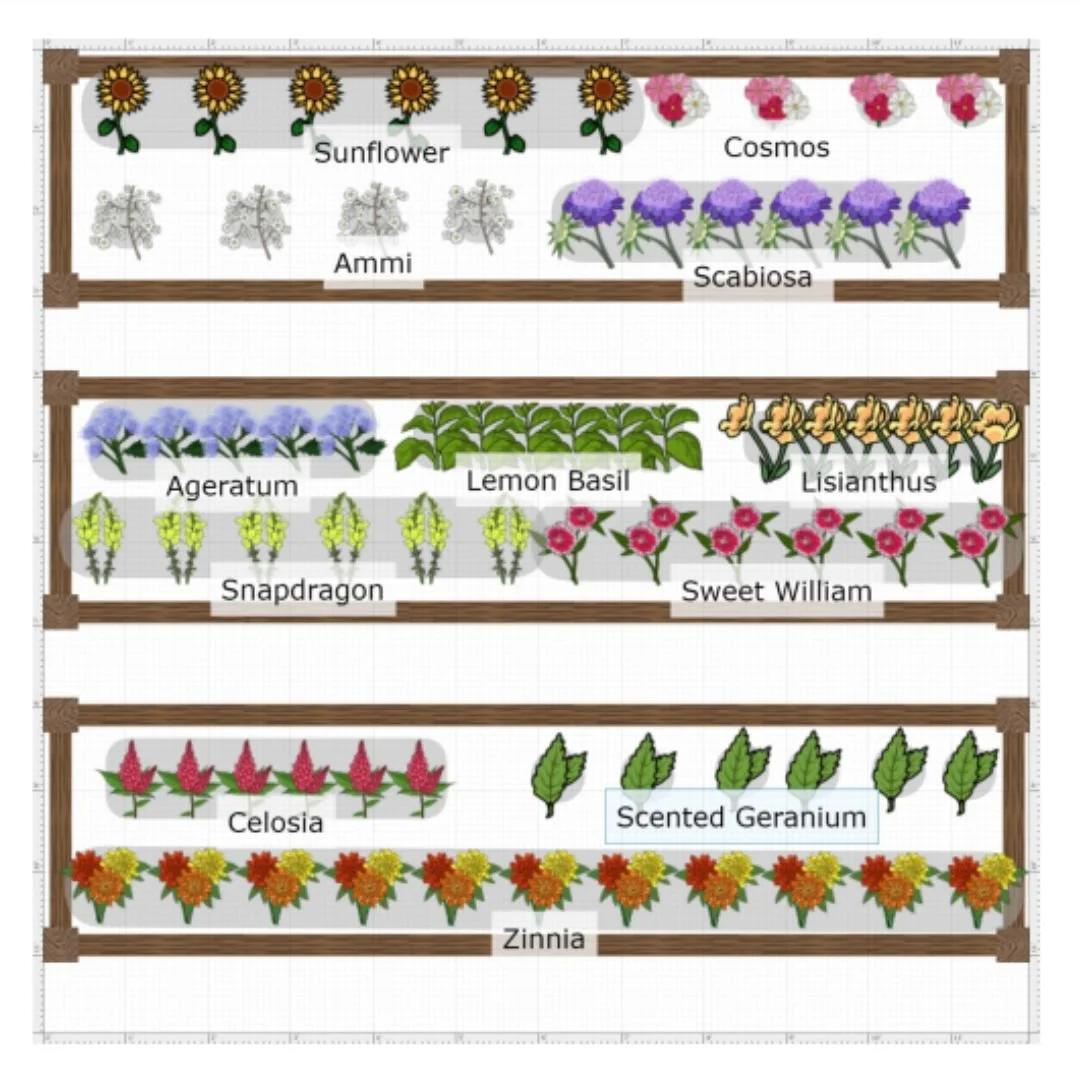
I reserve space for flowers because my vegetable beds benefit from a lively garden. Pollinator planting should include suitable plants for your region.
Avoid applying garden products to blooming plants when pollinators are active. Protecting beneficial insects is part of responsible gardening.
Low-Maintenance Raised Bed Garden Layout
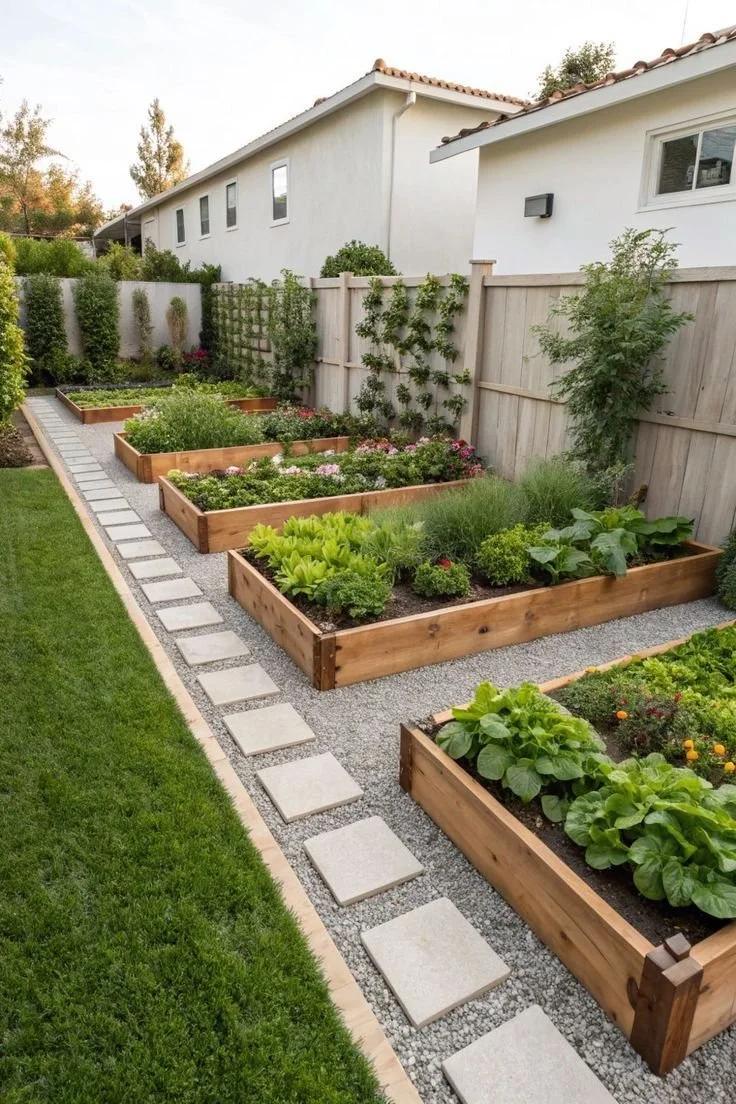
- Plan irrigation before planting.
- Add mulch to reduce evaporation.
- Choose crops you actually eat.
My easiest beds are not empty of work; they are designed to prevent repeated work. Smart planning saves hours in summer.
After eight raised beds, my biggest lesson is simple: build the layout you will actually maintain. Realistic gardens produce more than perfect sketches.
More Pinterest Visuals



 Balcony & Patio GardensSmall Space Garden Ideas That Make Every Inch Count
 Balcony & Patio GardensKübelpflanzen für die Terrasse – 15 Ideen für ein grünes und blühendes Outdoor-Paradies
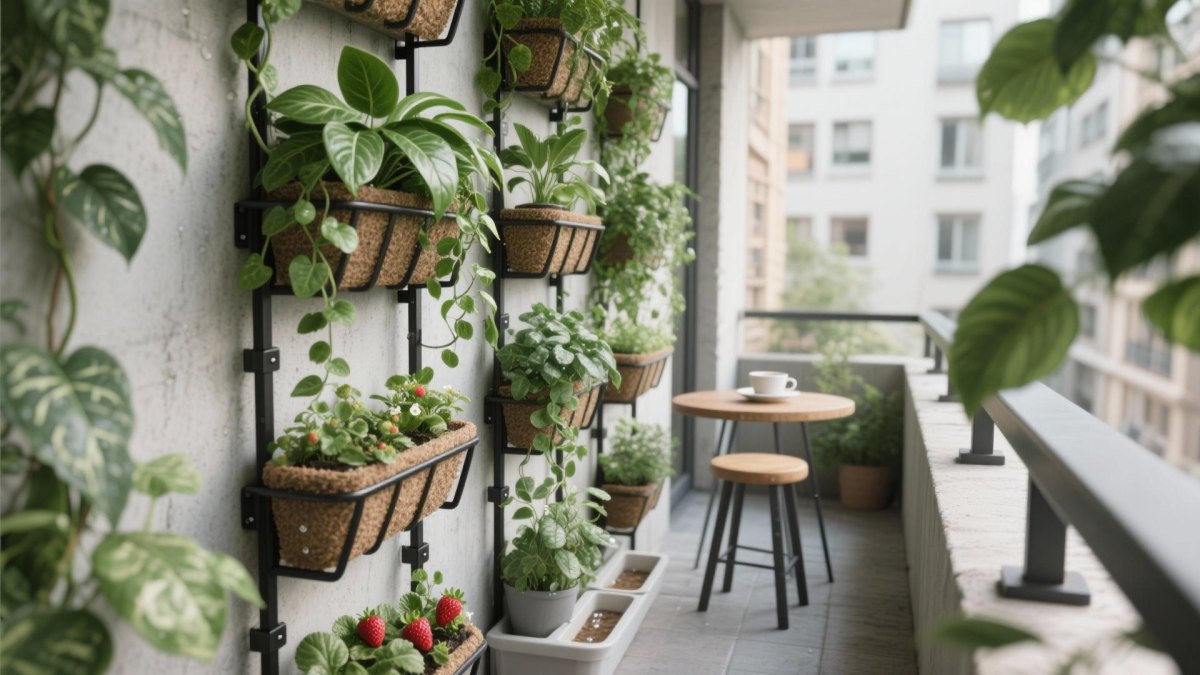 Balcony & Patio Gardens20 Balcony Garden Setup Ideas To Transform Your Outdoor
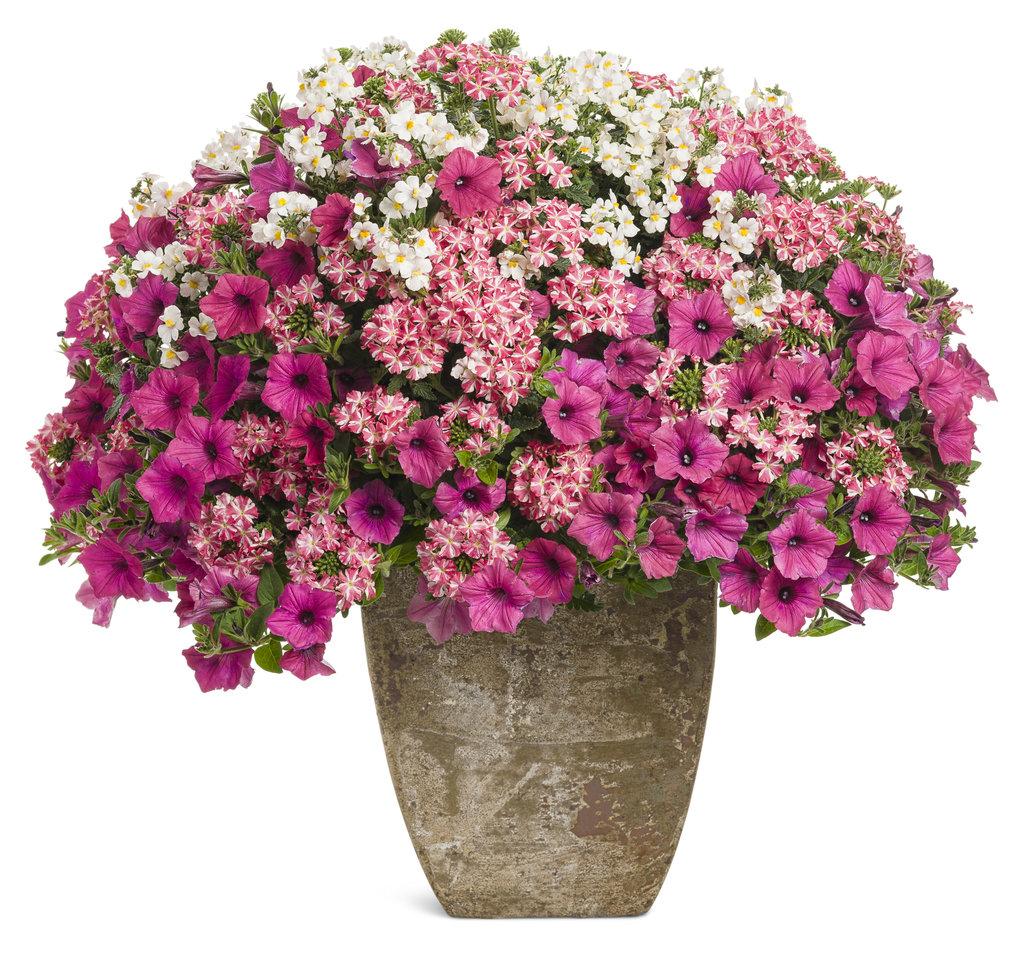 Seasonal & Flower Containers16 Beautiful Container Garden Flower Combinations That Work