

My eight raised beds sit in Boise, Idaho zone 7a, where eleven inches of yearly rain, alkaline soil, hot summers, and wind make pest management a balancing act. I have learned that natural pest control starts with observation, not a spray bottle.
I keep notes from every season, including what failed, and these are the methods I return to when I want healthier raised beds without knocking out the helpful insects that keep my garden working.
Companion Planting for Pest Control in Raised Beds
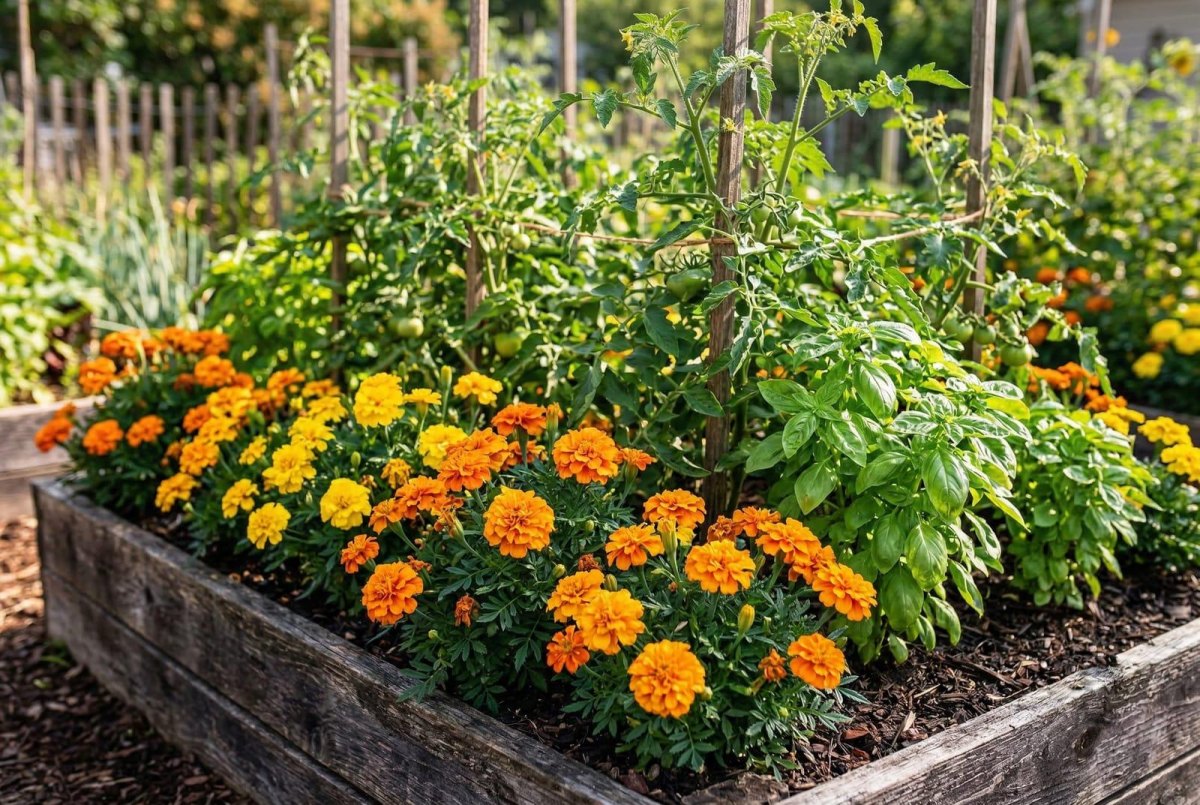
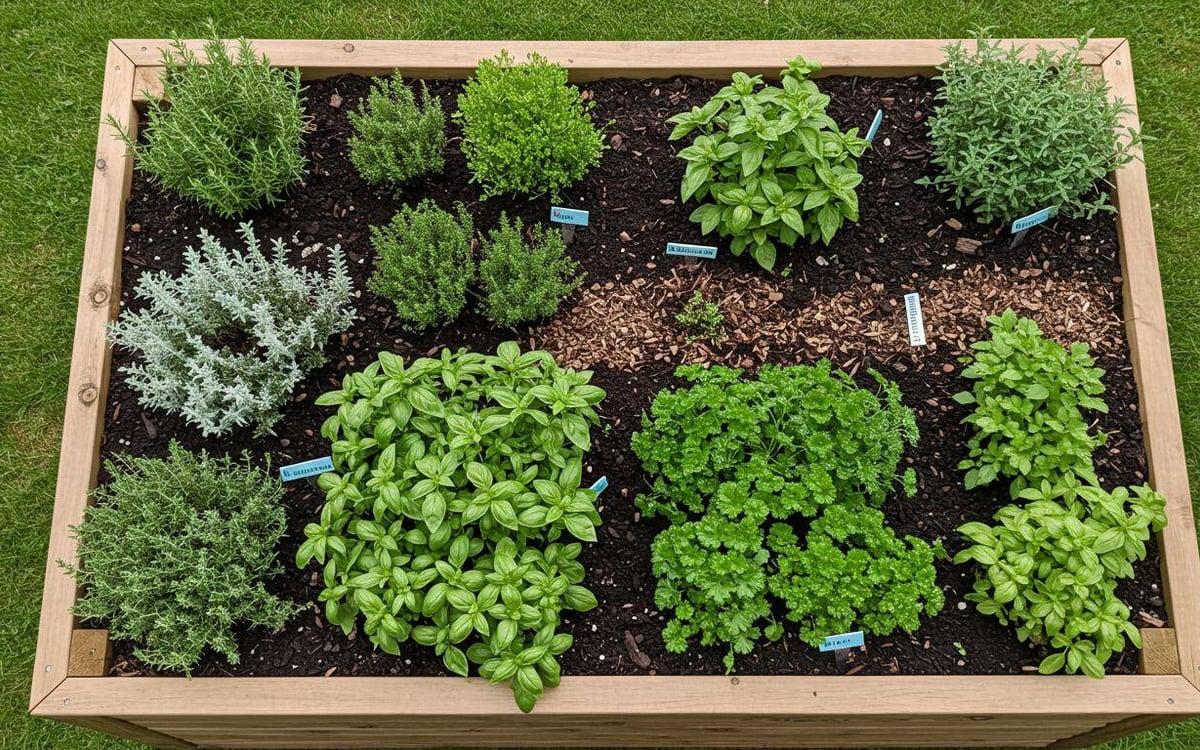
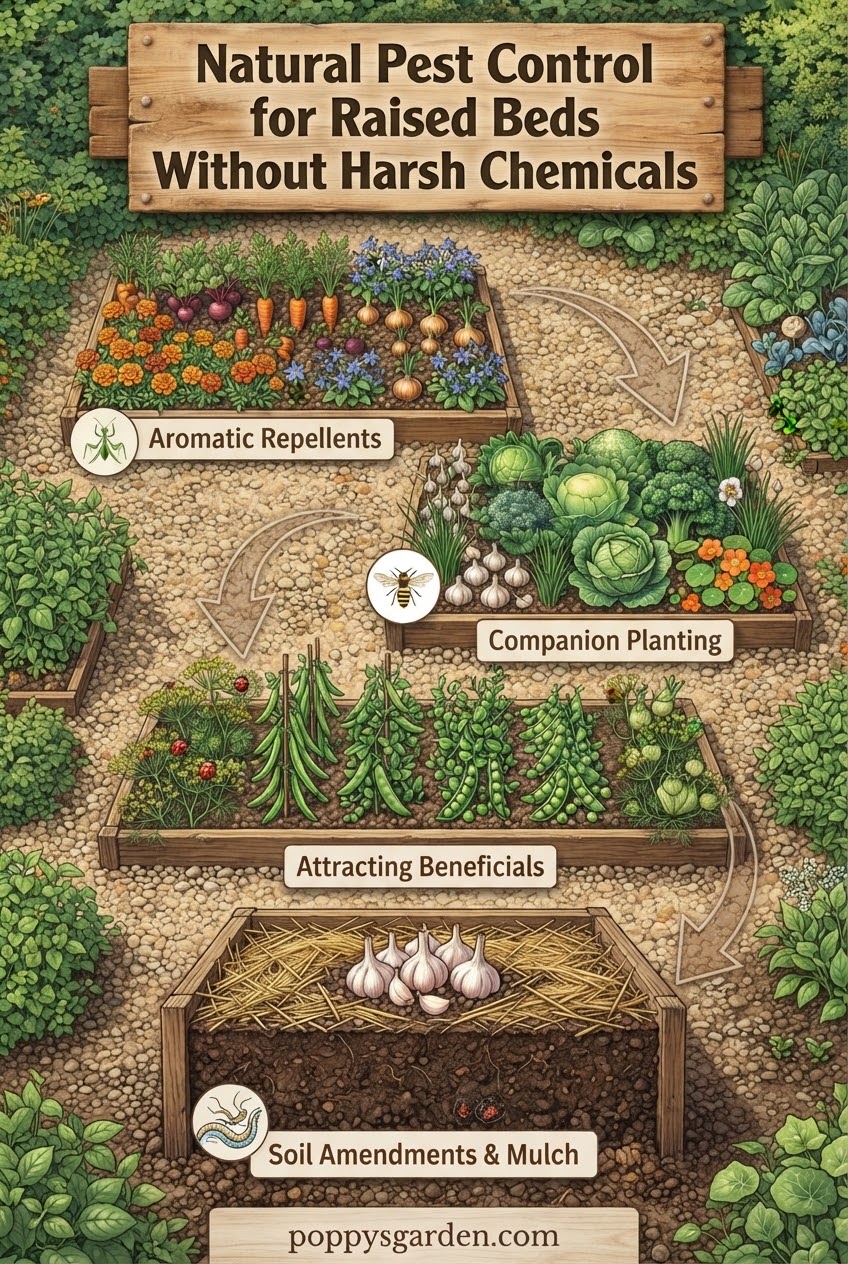
I have planted marigolds, herbs, and flowers among vegetables for years, but I treat companion planting as one tool rather than magic. The strongest results usually come from plant diversity that attracts beneficial insects and makes it harder for pests to spread.
In my beds, basil beside tomatoes and flowers around vegetables earn their space because they support the whole garden system. I still check leaves weekly because garden scouting beats any single planting trick.
Beneficial Insects That Protect Raised Bed Crops
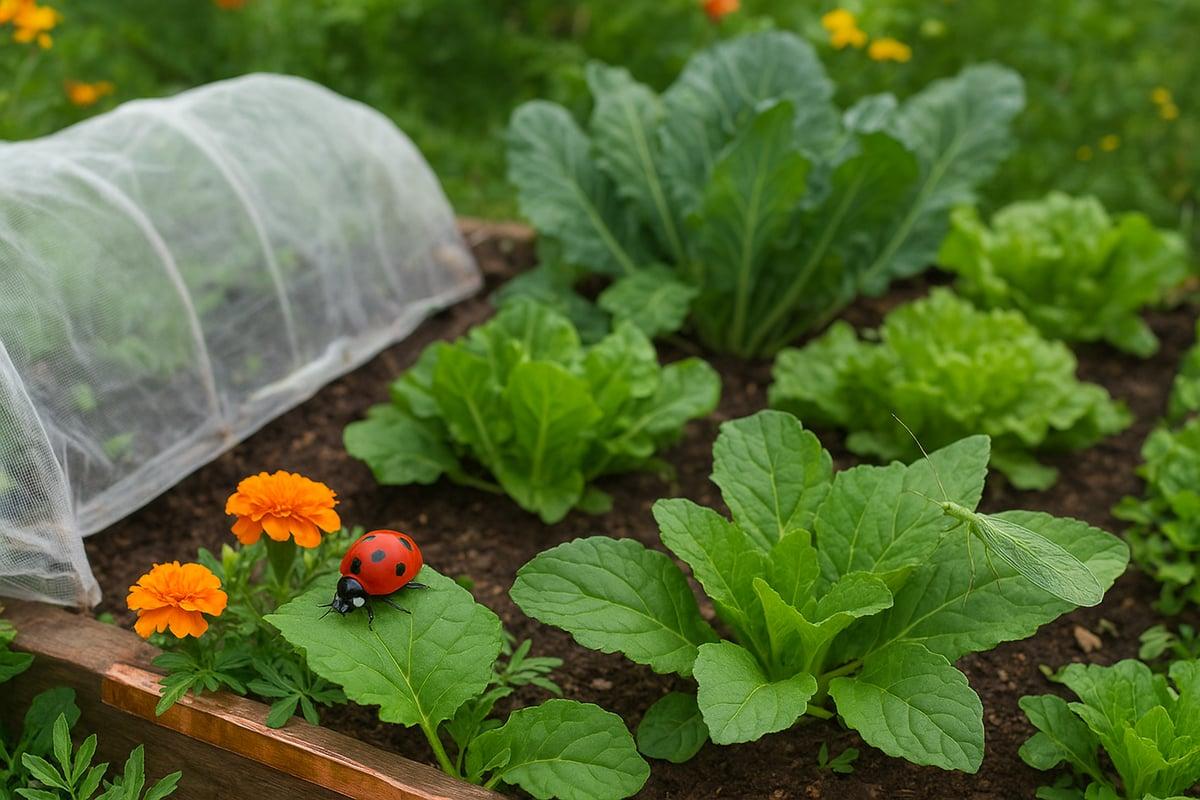
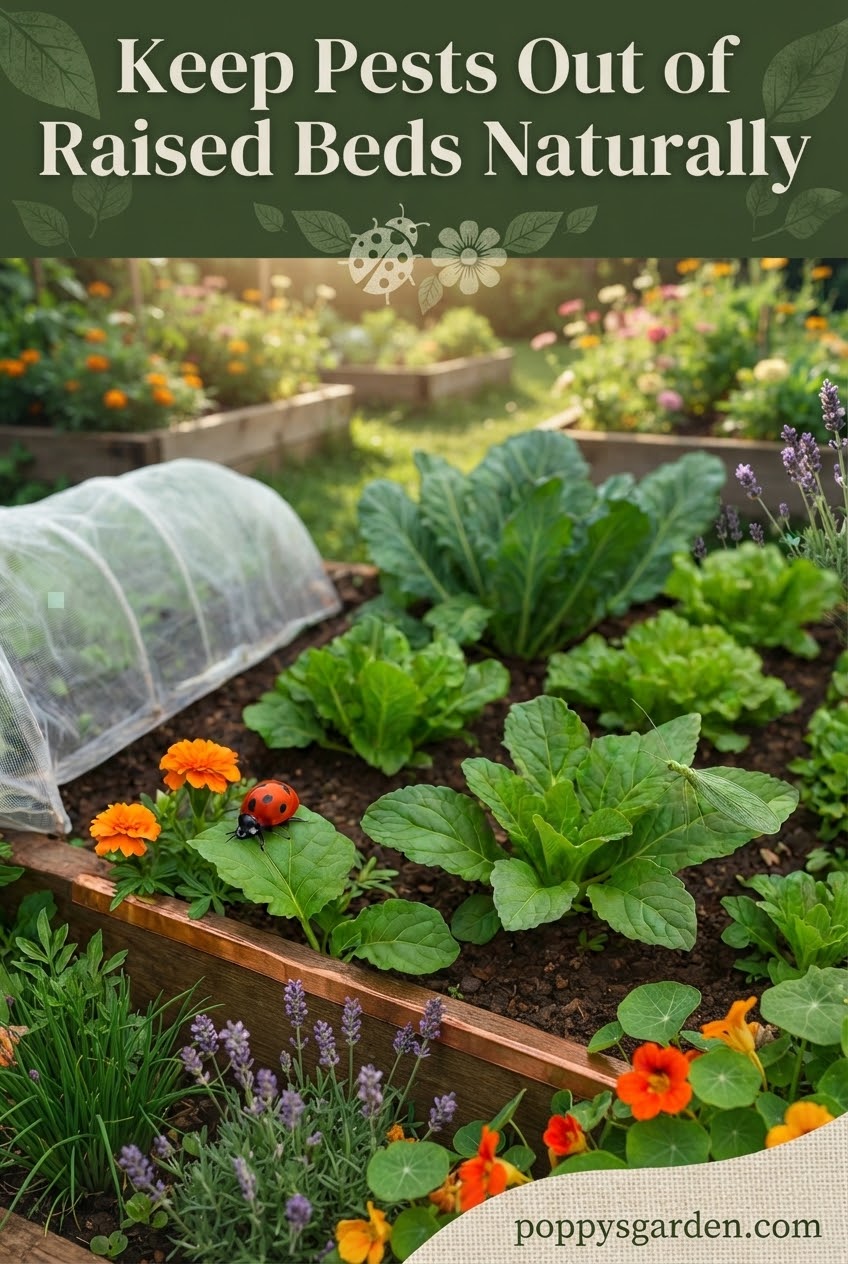
Lady beetles, lacewings, and other predators are regular helpers in my garden. I avoid broad sprays because protecting beneficial insects often prevents bigger pest problems later.
I add flowering plants and allow some harmless insects to remain because my goal is not an empty garden. It is a balanced garden ecosystem where pests rarely get the upper hand.
Organic Mulches That Repel Garden Pests
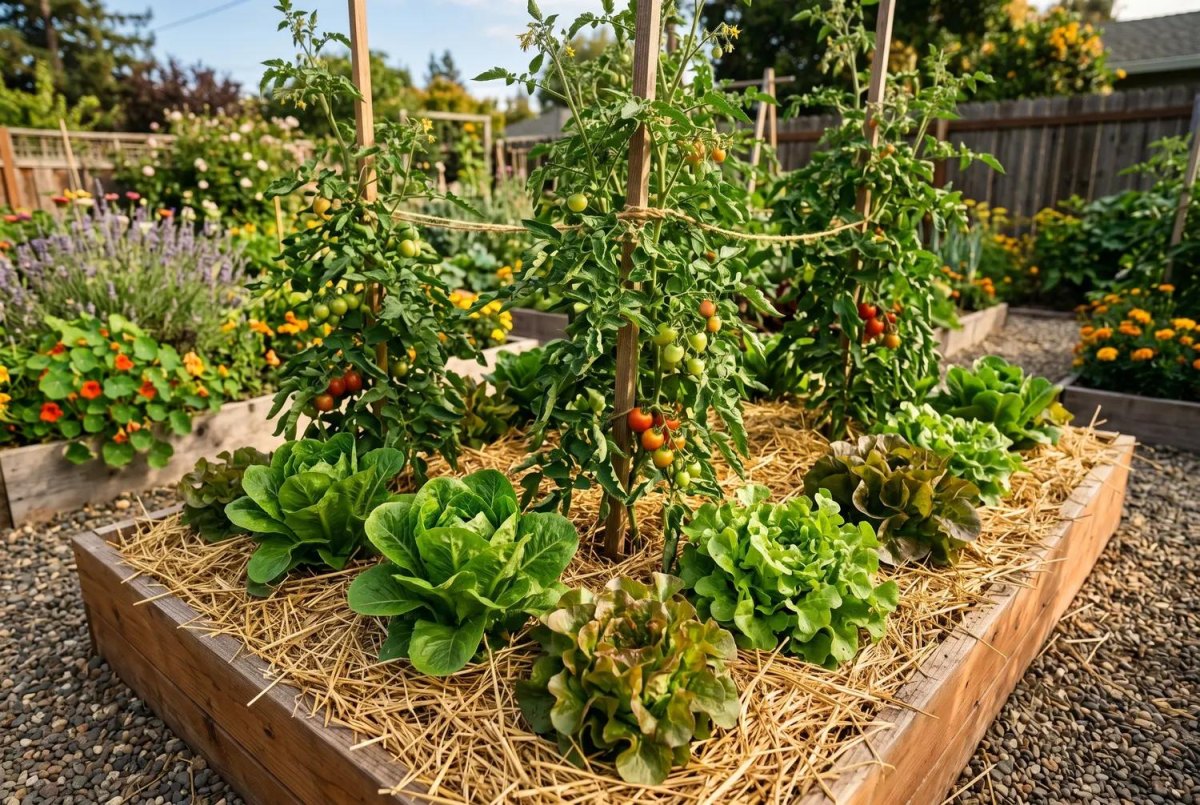
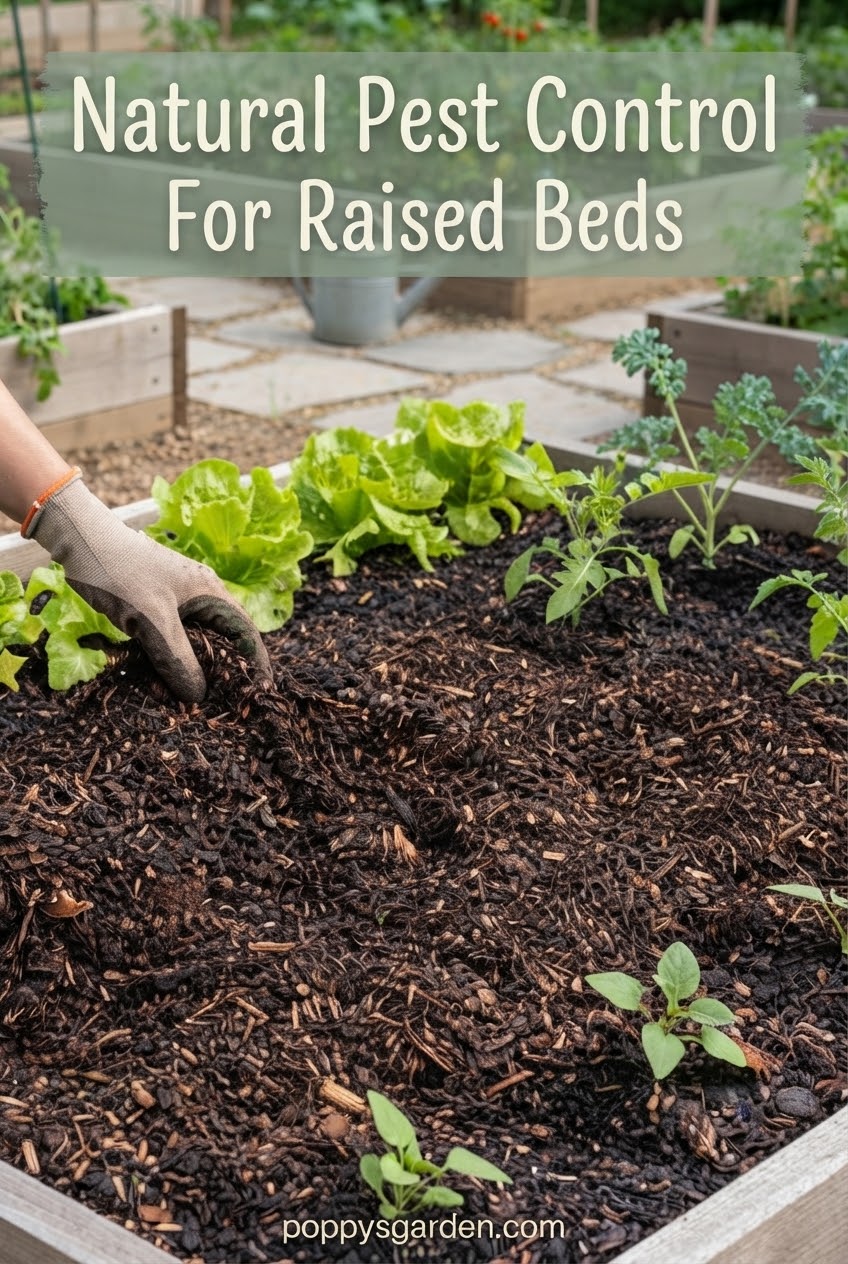
Mulch has saved my raised beds from drying out in Idaho heat, but I choose materials carefully. Straw and leaf mulch help conserve moisture and reduce weeds, while thick wet layers can sometimes create hiding places for slugs.
I usually spread a measured layer and watch the bed afterward. Smart mulching means adjusting rather than assuming every mulch works everywhere.
Natural Pest Barriers Around Raised Beds
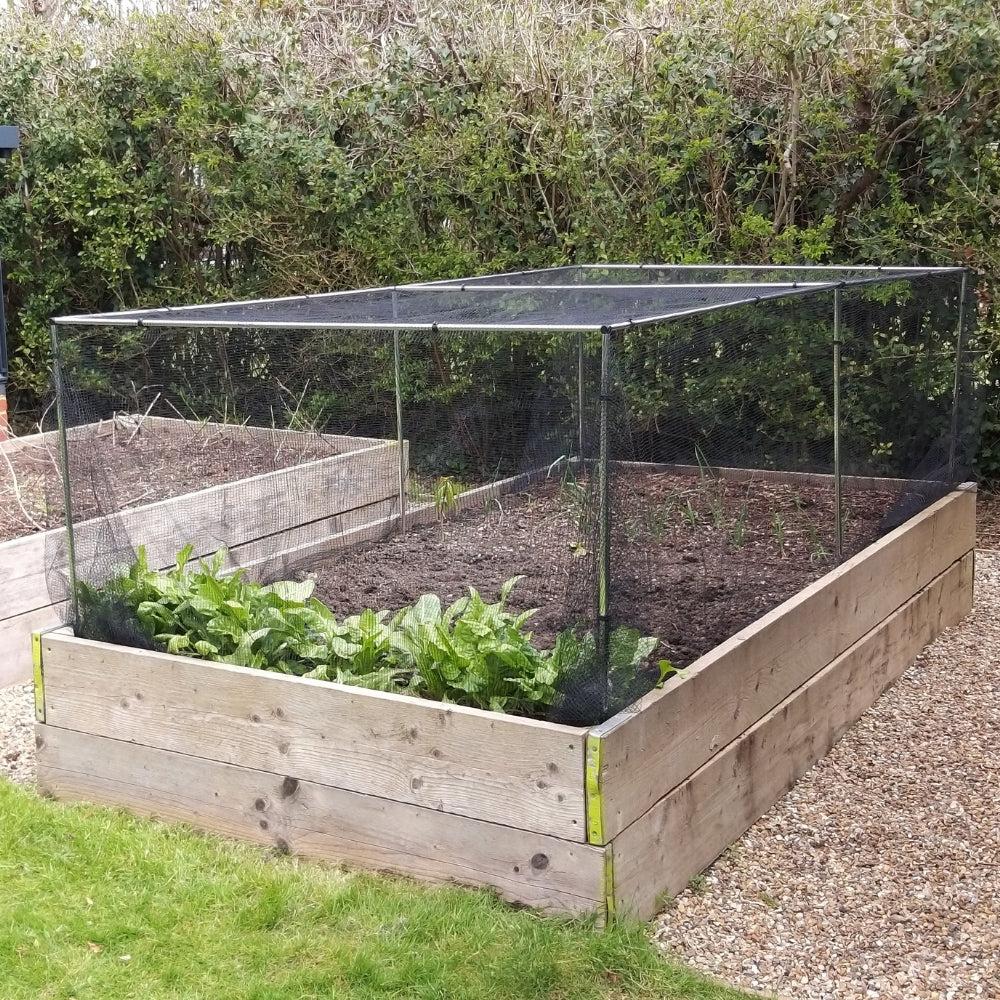
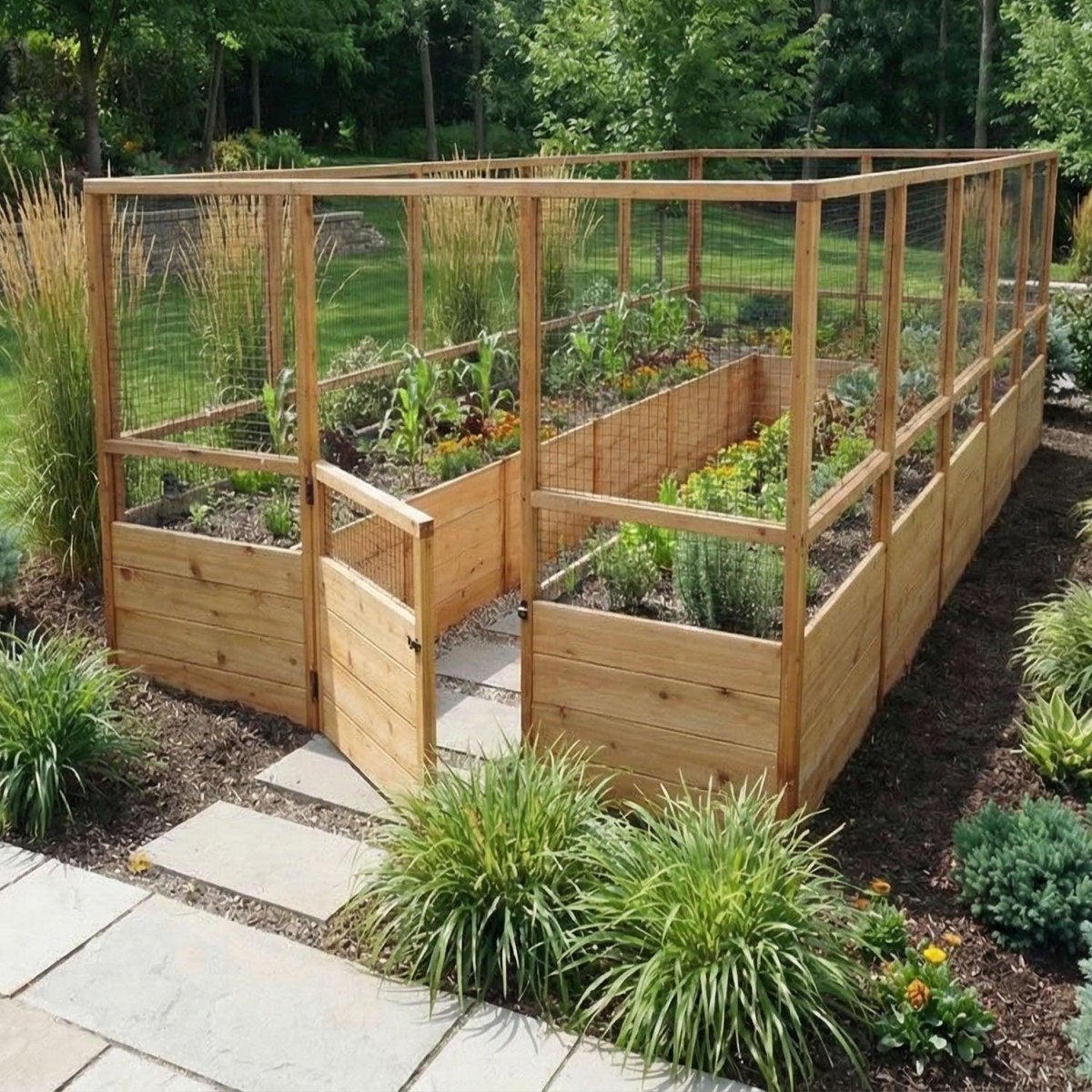
Physical barriers are some of my favorite pest controls because they work without asking me to identify every insect. Row covers, mesh, and collars provide simple protection for young plants.
I use barriers especially for seedlings, when one hungry pest can remove a week of growth overnight. The small effort of early protection has saved many crops.
Using Neem Oil Safely in Raised Gardens
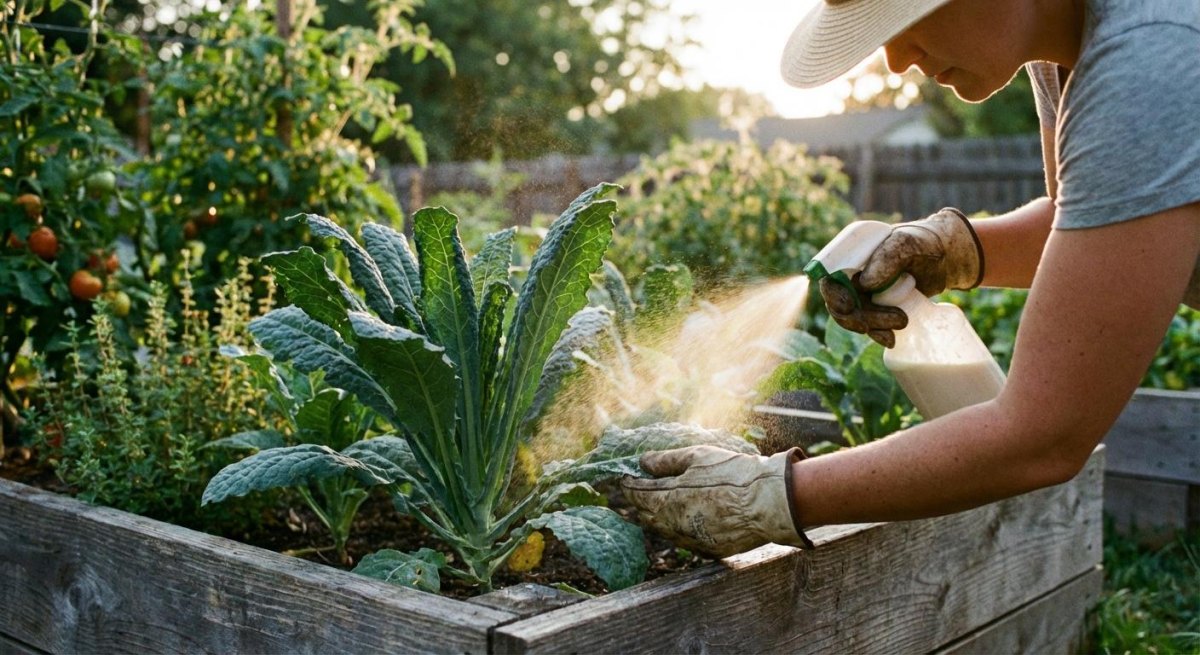
I keep neem oil in the category of targeted tools, not routine garden insurance. Even products approved for organic gardening need correct labels, timing, and care around pollinators.
Before using any product, I identify the pest first and check the label for edible crops and harvest timing. Responsible neem use matters because natural does not automatically mean harmless.
Homemade Garlic and Chili Pest Sprays
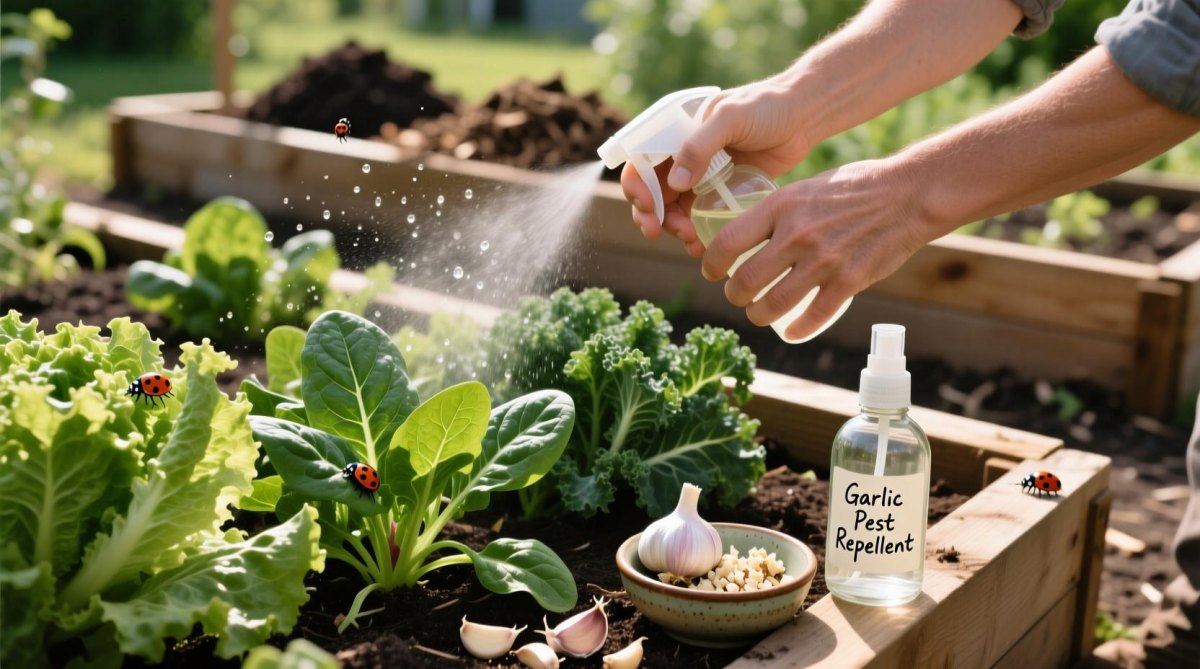
I understand the appeal of kitchen-made sprays, but I avoid untested mixtures on food crops. Soap, bleach, or random recipes can damage plants or create problems without solving the pest issue.
My first choices are hand removal, water sprays, covers, and approved products when needed. Low-risk methods usually solve small problems before they become expensive ones.
Attracting Birds and Wildlife for Pest Management
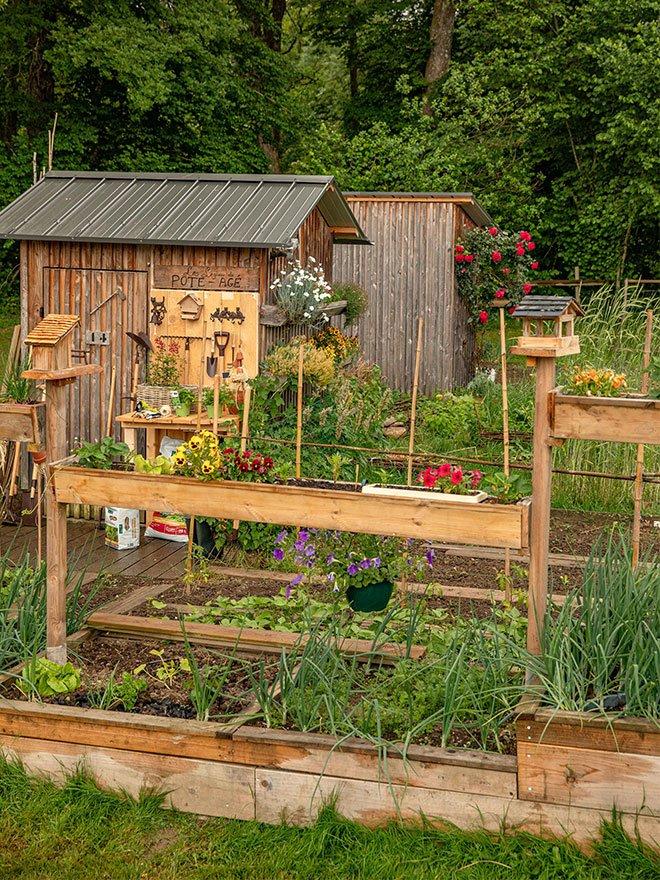
Birds, spiders, and predatory insects are part of my pest management plan. I add habitat rather than trying to control every creature that enters the garden because natural predators provide ongoing help.
My raised beds are surrounded by flowers and shelter areas that encourage wildlife. A garden with more biodiversity is usually more resilient.
Controlling Slugs and Snails Naturally
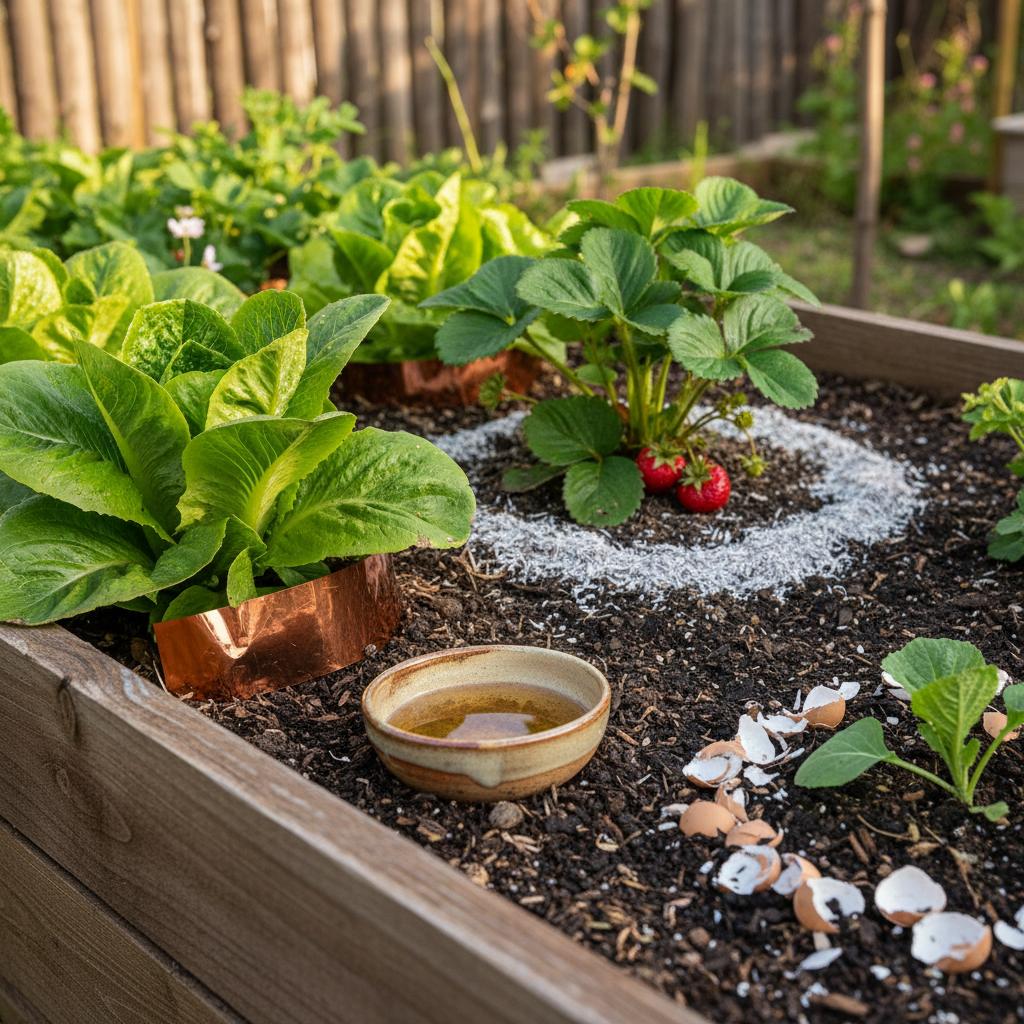
Slugs are one of the few pests I actively patrol for after dark. They hide in damp areas and can destroy seedlings quickly, so I reduce hiding places and avoid unnecessary moisture.
My routine includes checking leaves, removing shelters, and using physical controls first. Slug prevention is easier than replacing damaged seedlings.
Preventing Aphids Without Chemical Pesticides
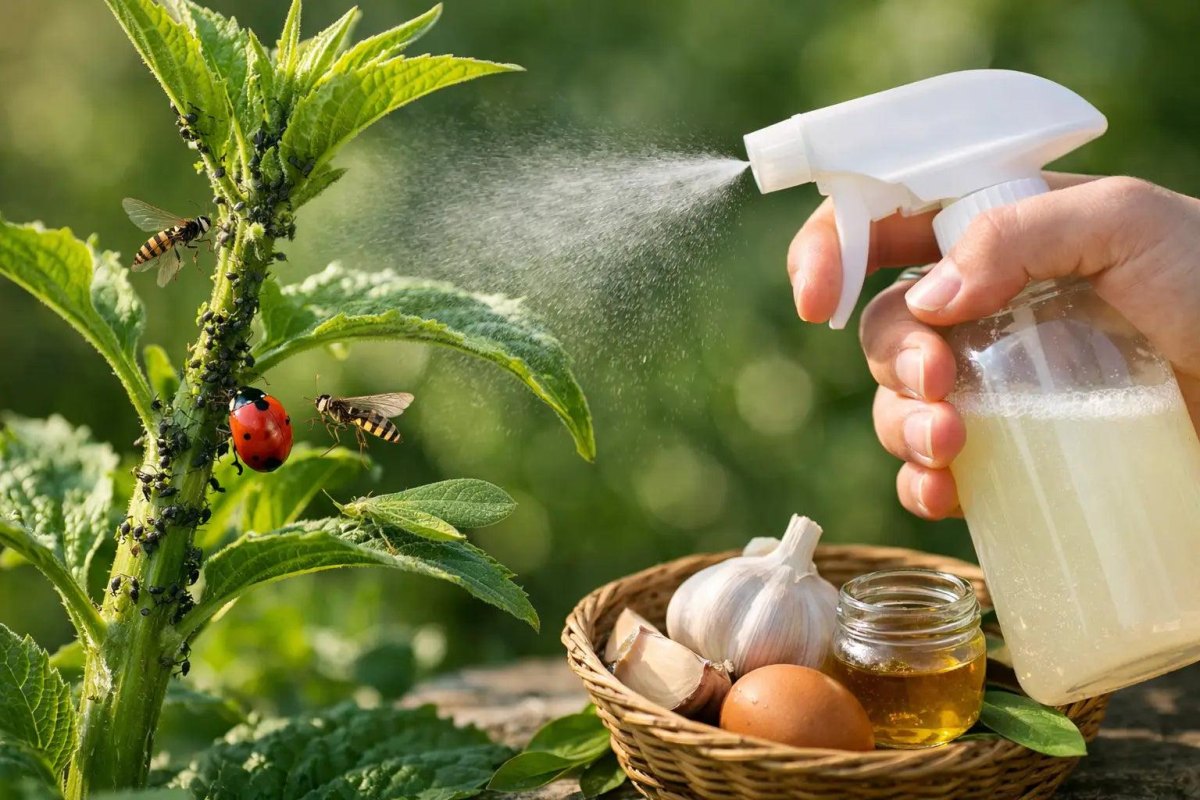
Aphids are common visitors in my garden, especially on soft new growth. I start with inspection and simple controls like a strong water spray before considering anything else.
I also watch nitrogen levels because overly lush growth can attract more aphids. Aphid prevention begins with healthy plants and regular checks.
Healthy Soil Practices for Pest Resistance
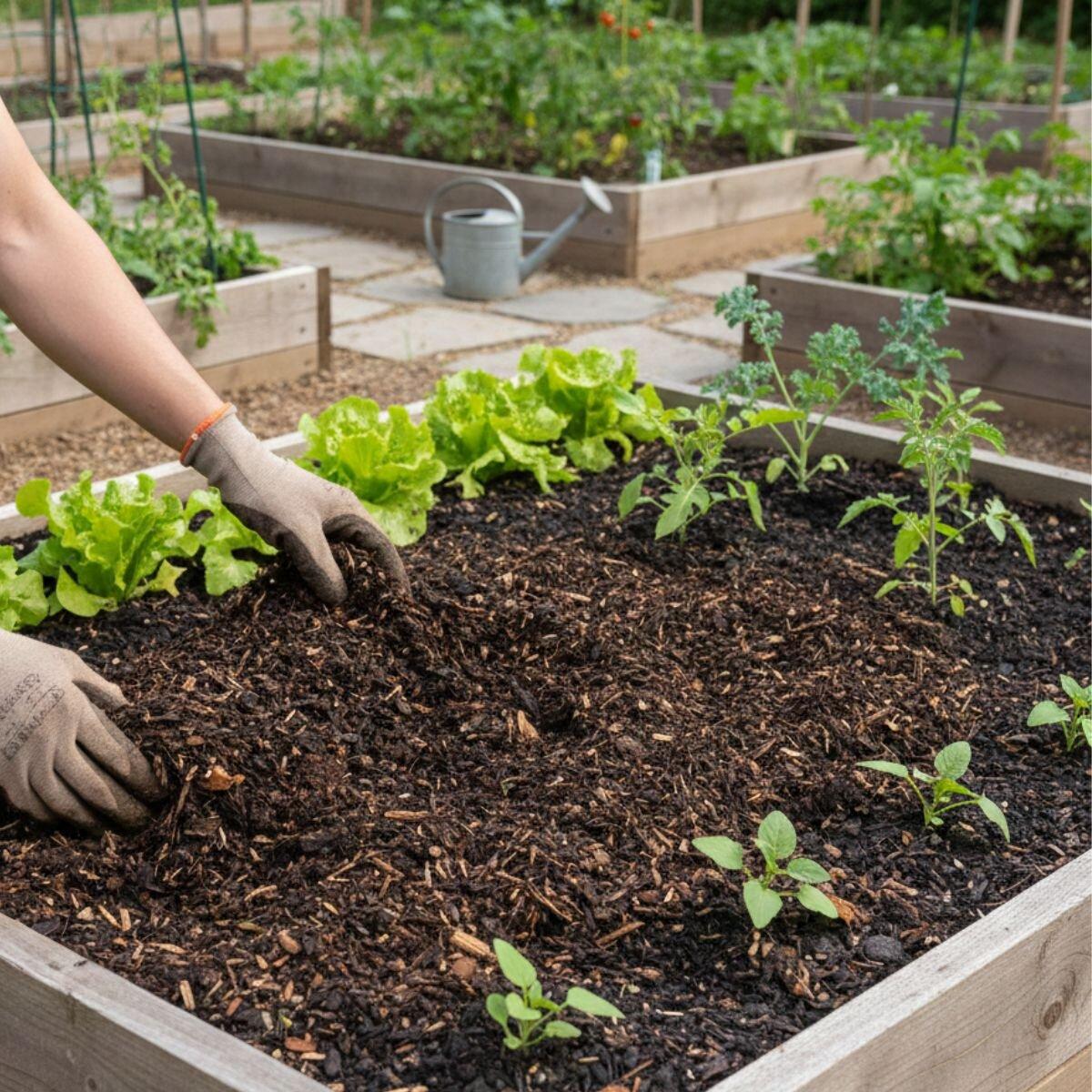
Healthy soil does not make pests disappear, but it helps plants recover. After years of improving my alkaline soil, I have seen that strong plant growth is one of the best defenses.
I use compost carefully, keep beds clean, and test soil when needed, especially in older properties where contamination can be a concern. Soil testing is worth doing before growing food near old structures.
Crop Rotation Strategies for Raised Beds
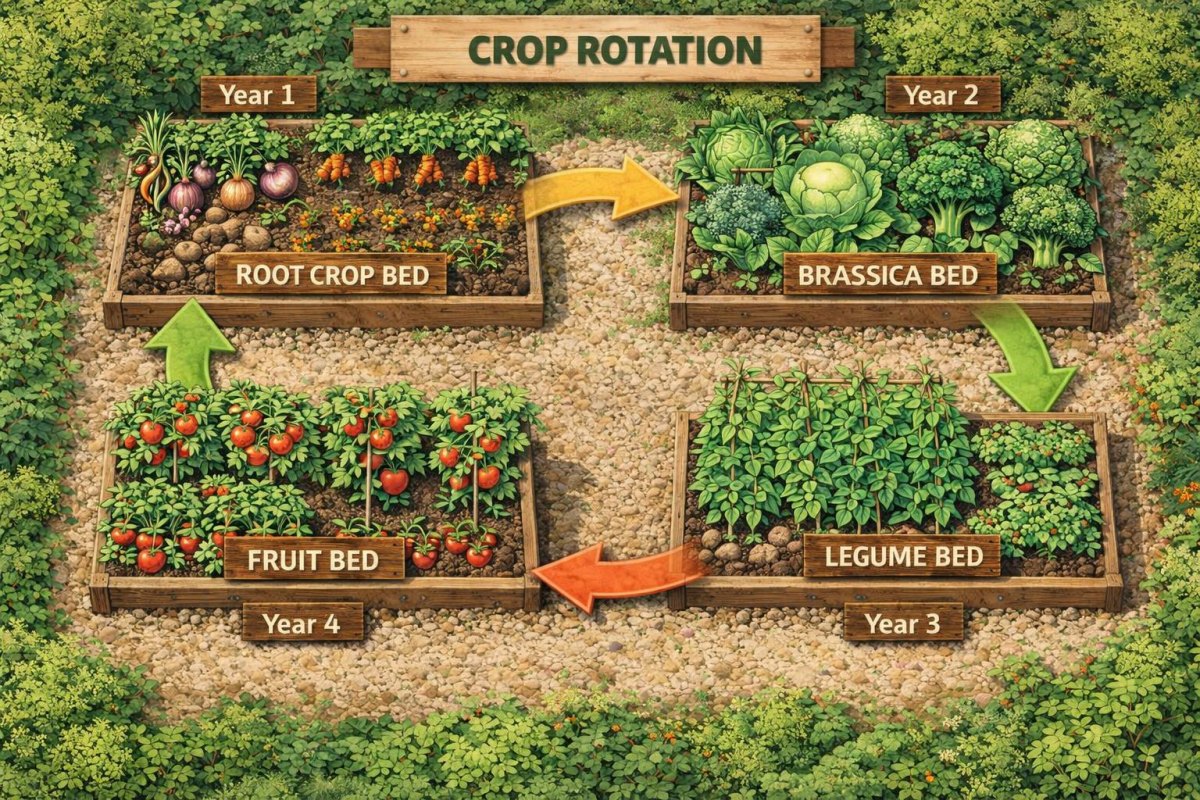
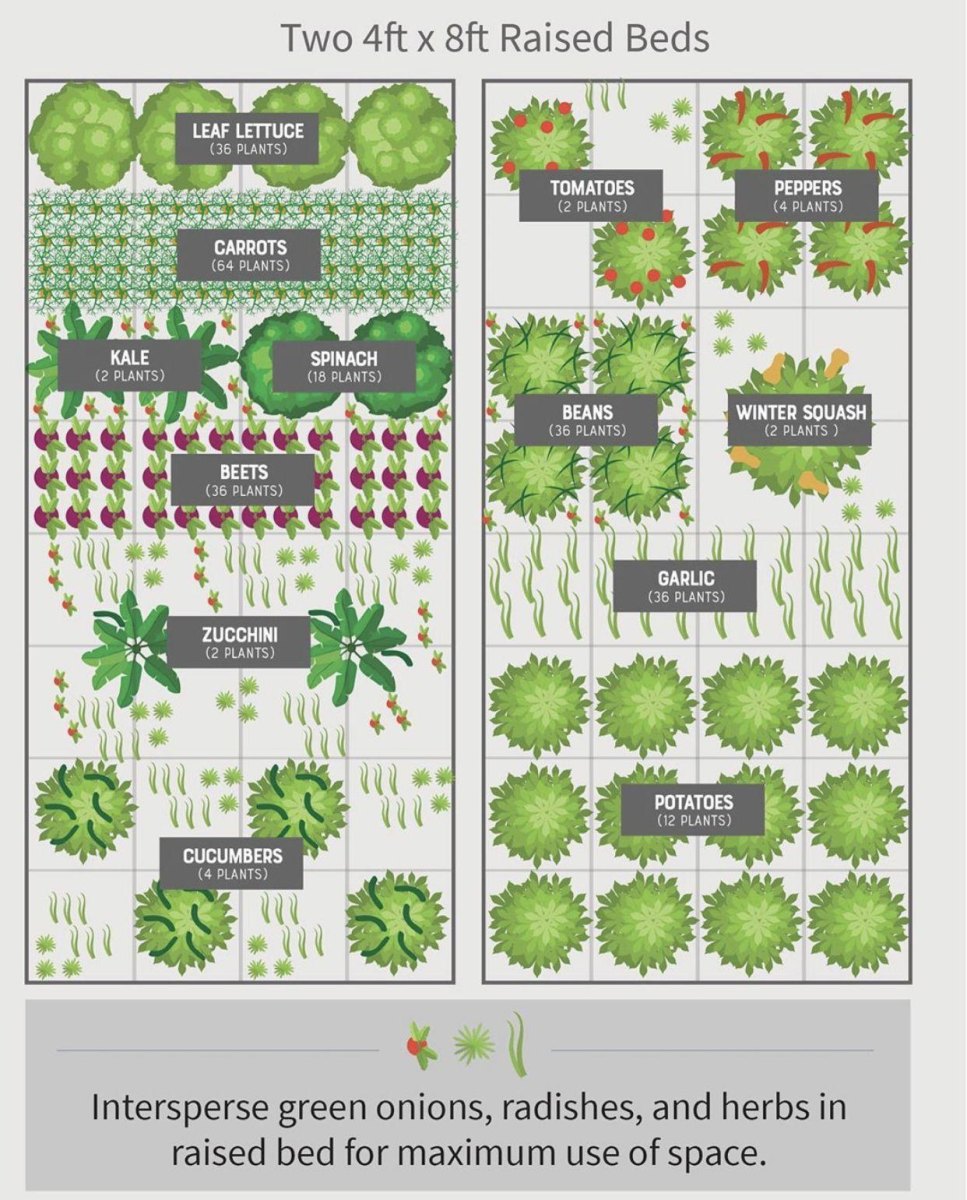
I rotate crops between my raised beds because planting the same families repeatedly can encourage recurring pest and disease problems. Changing locations helps interrupt those cycles.
My notebook tracks where tomatoes, beans, and brassicas grow each year. Simple rotation records save me from guessing next season.
Diatomaceous Earth for Natural Pest Control
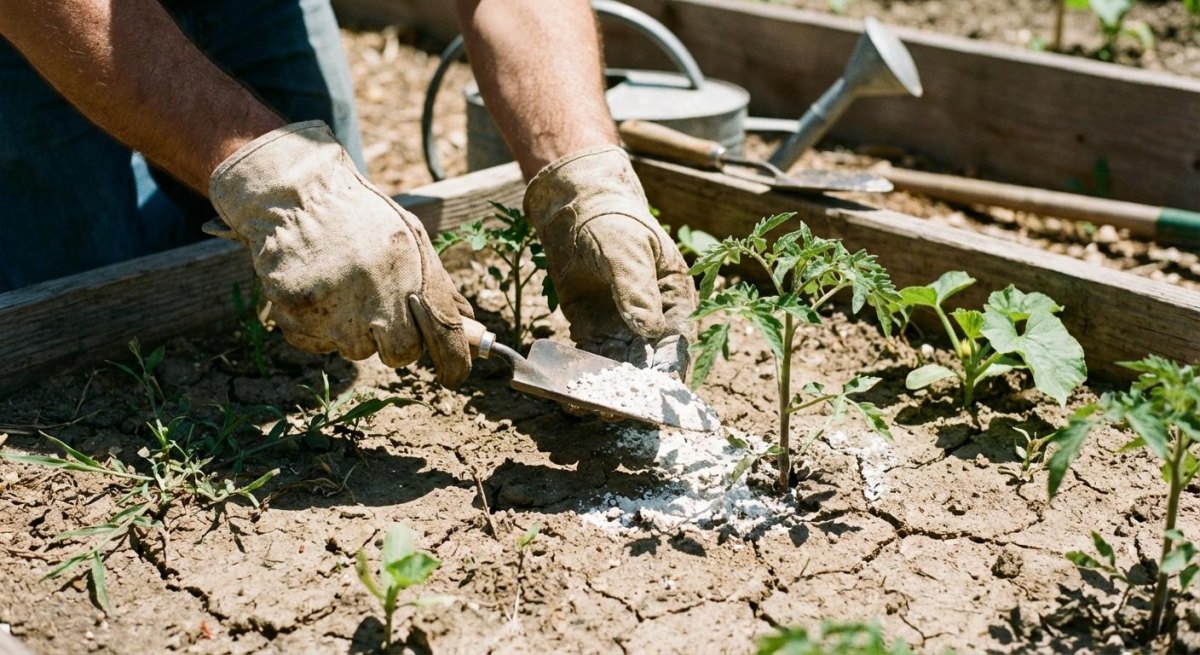
Diatomaceous earth can be useful against some crawling pests, but I use it carefully because it is not selective. It can affect beneficial insects too, especially when dusty applications reach areas where they work.
I apply only when identification supports the choice and follow product directions. Targeted application is always better than covering an entire bed.
More Pinterest Visuals



 Balcony & Patio GardensSmall Space Garden Ideas That Make Every Inch Count
 Balcony & Patio GardensKübelpflanzen für die Terrasse – 15 Ideen für ein grünes und blühendes Outdoor-Paradies
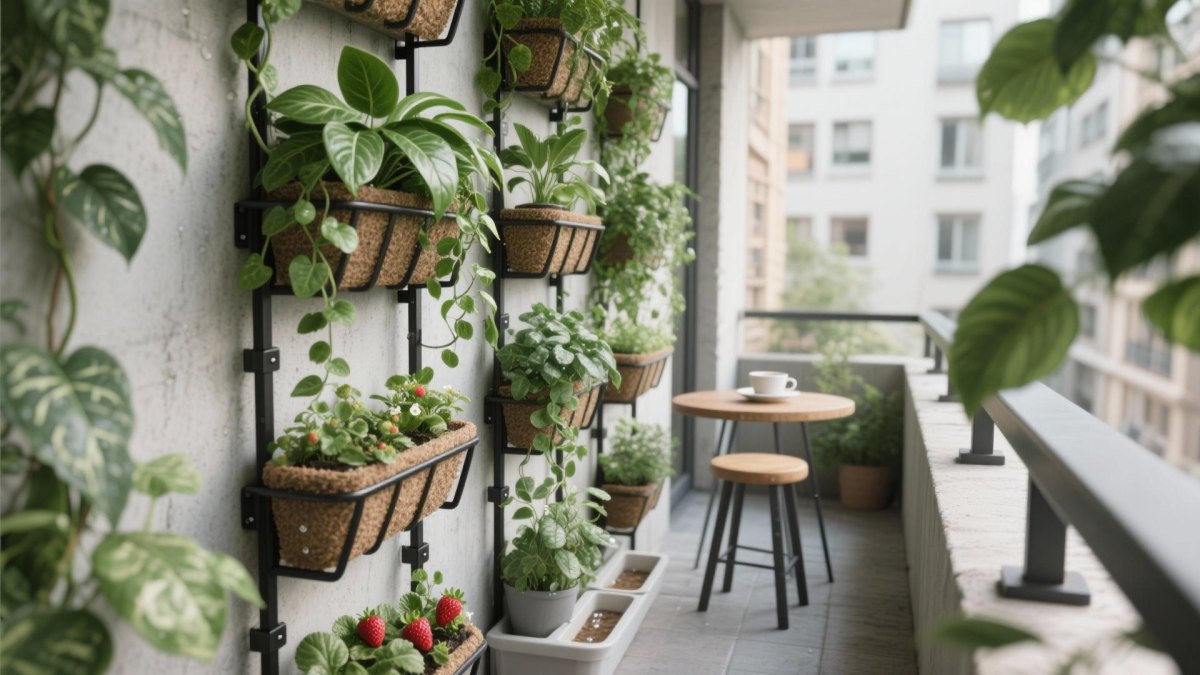 Balcony & Patio Gardens20 Balcony Garden Setup Ideas To Transform Your Outdoor
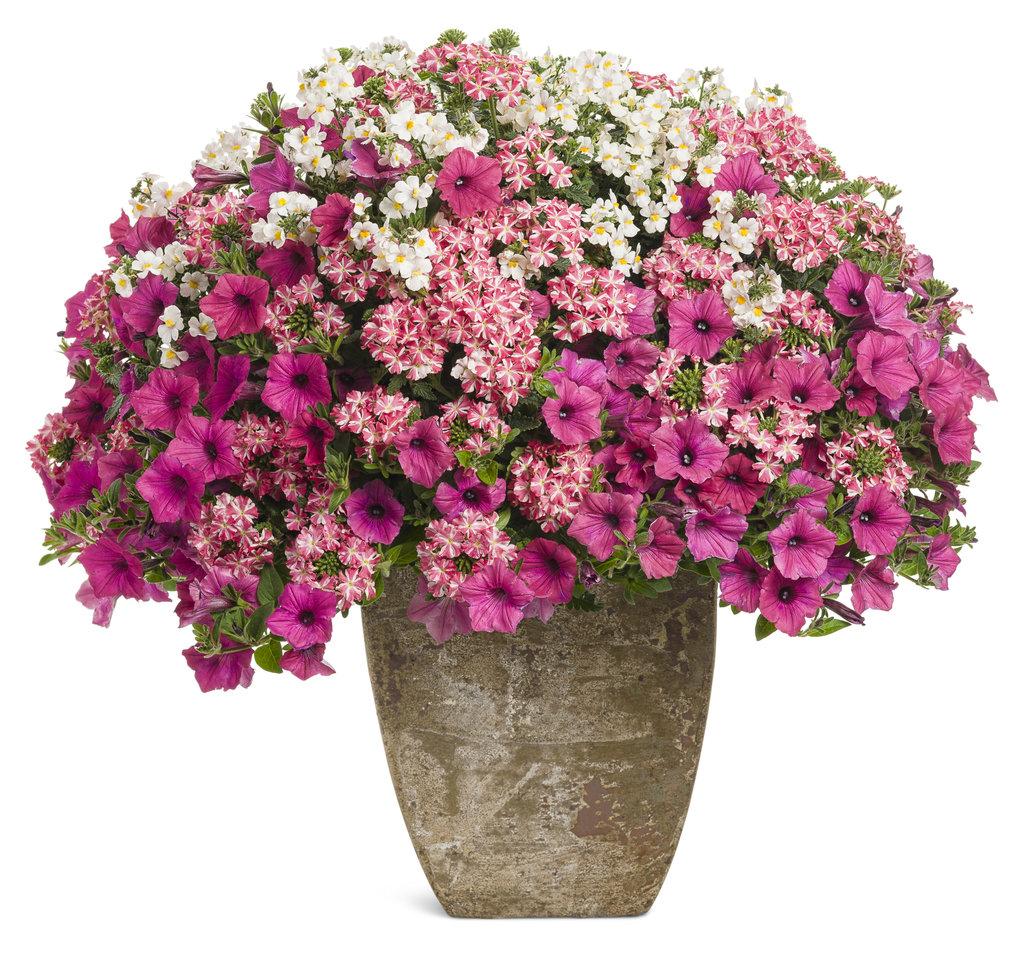 Seasonal & Flower Containers16 Beautiful Container Garden Flower Combinations That Work