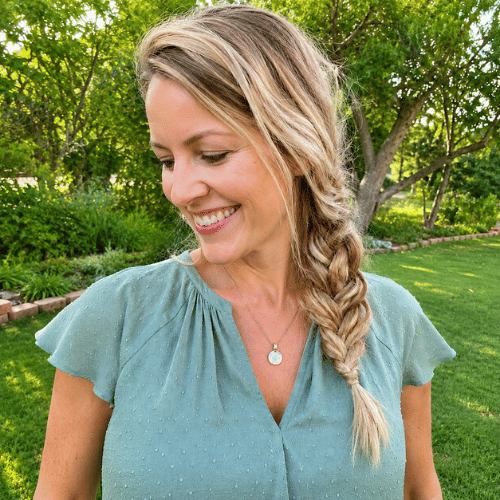
A garden that blooms all year is not built by luck; it is built by matching plants to your climate, frost dates, and the space you actually have. I garden in Boise, Idaho, zone 7a, where we get about eleven inches of rain, alkaline soil, hot summers, and surprise frosts, so I plan from my own last and first frost dates rather than copying a calendar. Seasonal planning is what keeps my cutting beds productive.
After years of trial beds, market flower growing, and notebooks full of what worked and failed, I now design gardens around reliable bloom windows. This plan shows how I would build a flower garden that has something happening in spring, summer, autumn, and winter.
Designing a Four-Season Flower Garden Layout
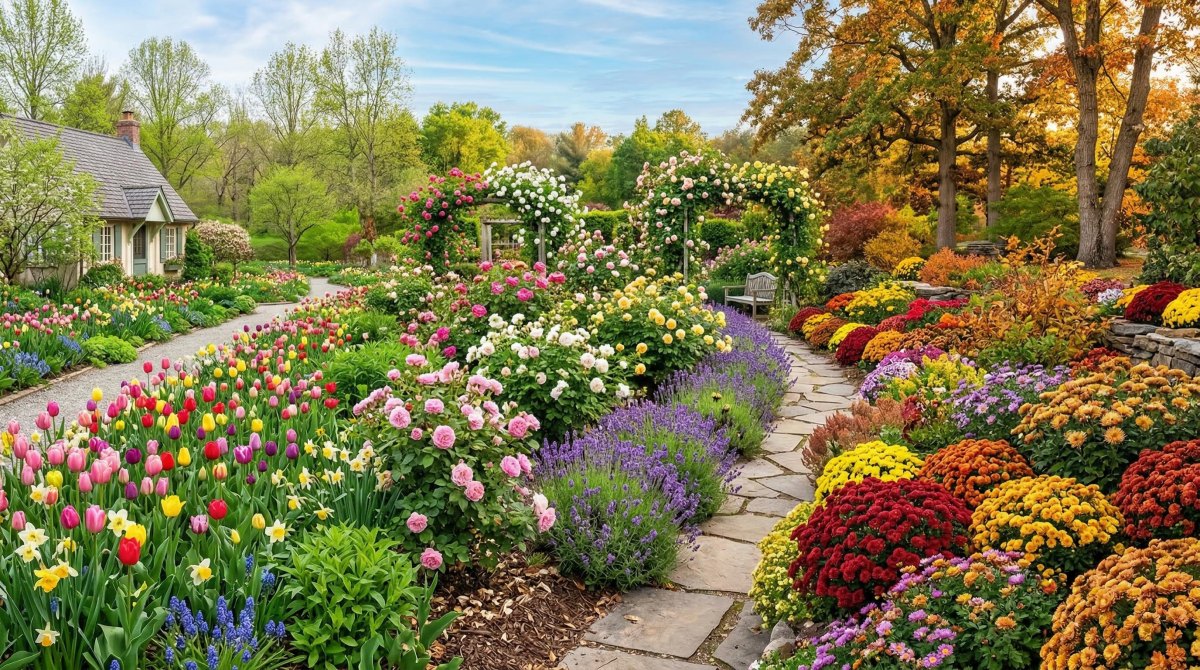
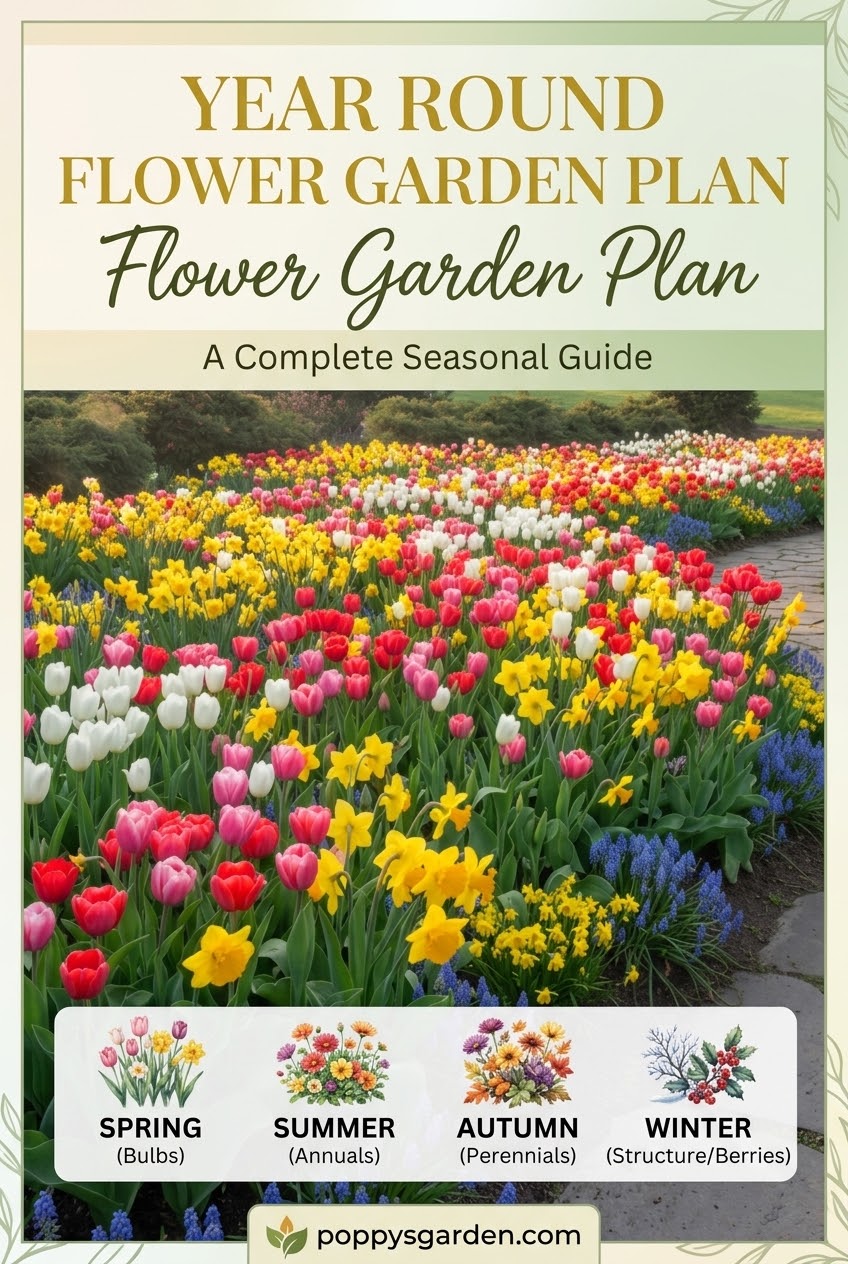
I start a year round garden by mapping bloom periods before buying seeds. My own beds combine early bulbs, summer performers, autumn flowers, and winter structure because continuous color requires overlapping plants. I also leave room for irrigation lines because dry climates punish beautiful plans that ignore water.
My four-season layout priorities
- Spring bulbs and early perennials
- Summer cutting flowers
- Autumn seed heads and late blooms
- Evergreen winter structure
Choosing Spring-Blooming Flowers for Early Color
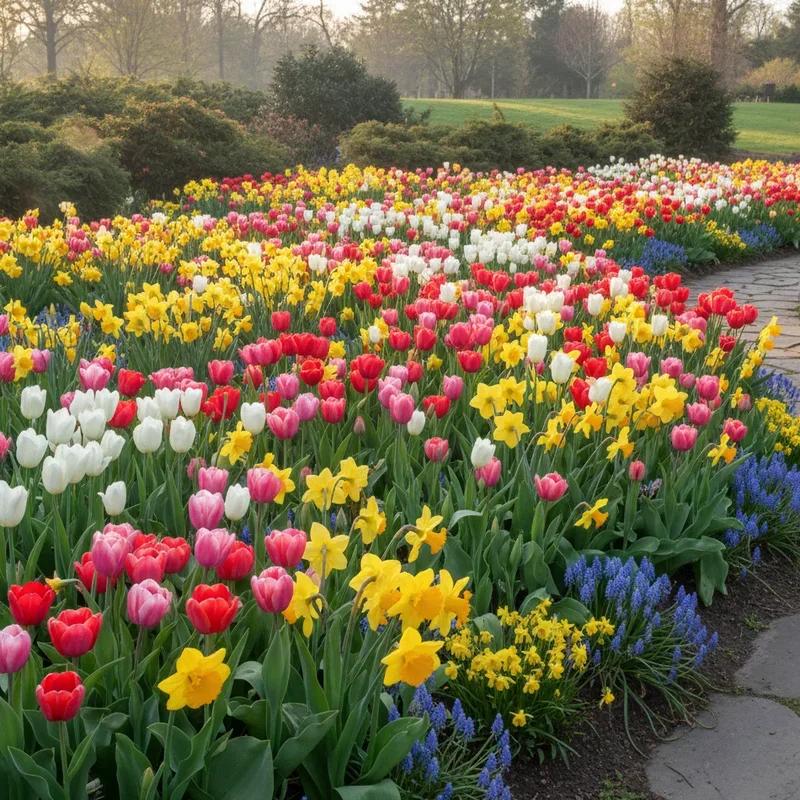
Spring is when I want the garden to wake up quickly, especially after winter. I use bulbs and hardy perennials that can handle my zone 7a conditions, but I still tell readers to count backward from their own frost dates because local timing matters.
My trial garden notes remind me that a pretty catalogue photo does not always equal a dependable plant. Garden records save money.
Planning Summer Flowers for Continuous Garden Blooms
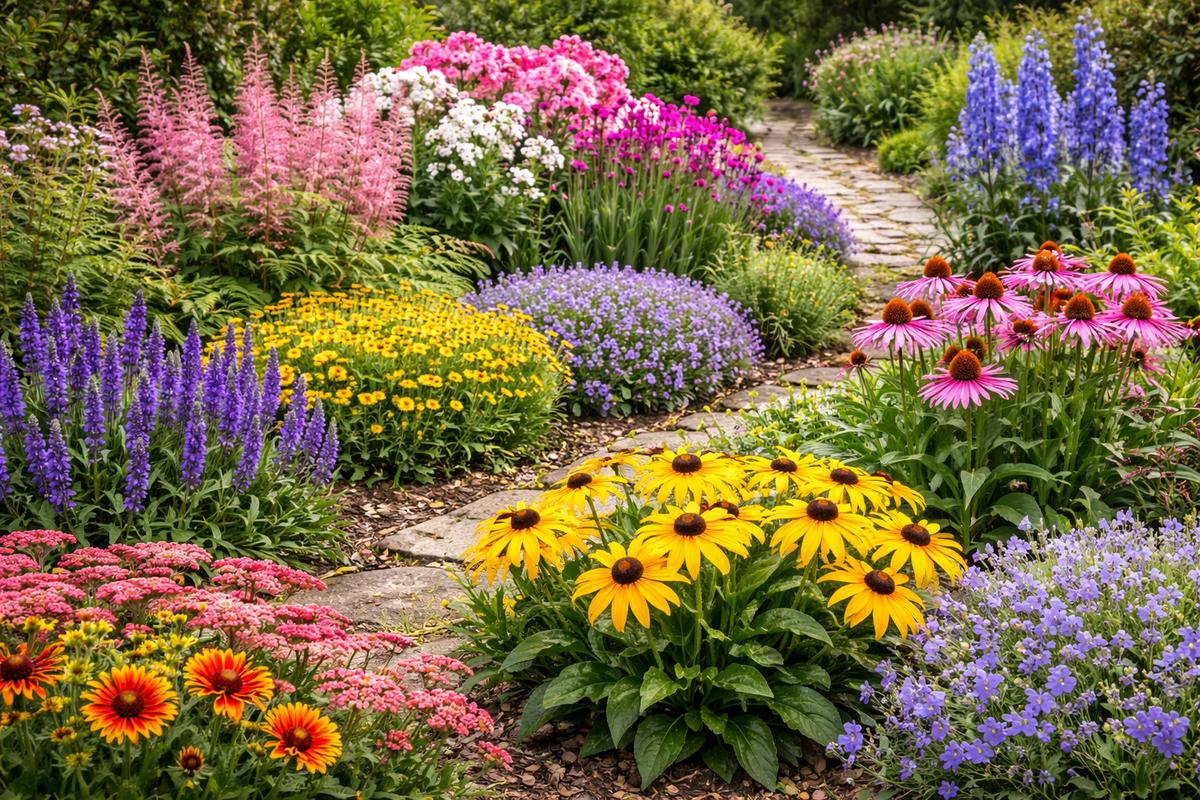
Summer is where my cutting garden earns its space. During my market years, I learned that a few dependable varieties planted in succession beat one huge flush of flowers. Succession planting spreads harvest instead of creating one overwhelming week.
| Flower group | Planning approach |
|---|---|
| Annuals | Repeat sowing for fresh blooms |
| Perennials | Use as reliable anchors |
Selecting Winter Flowers and Evergreen Companions
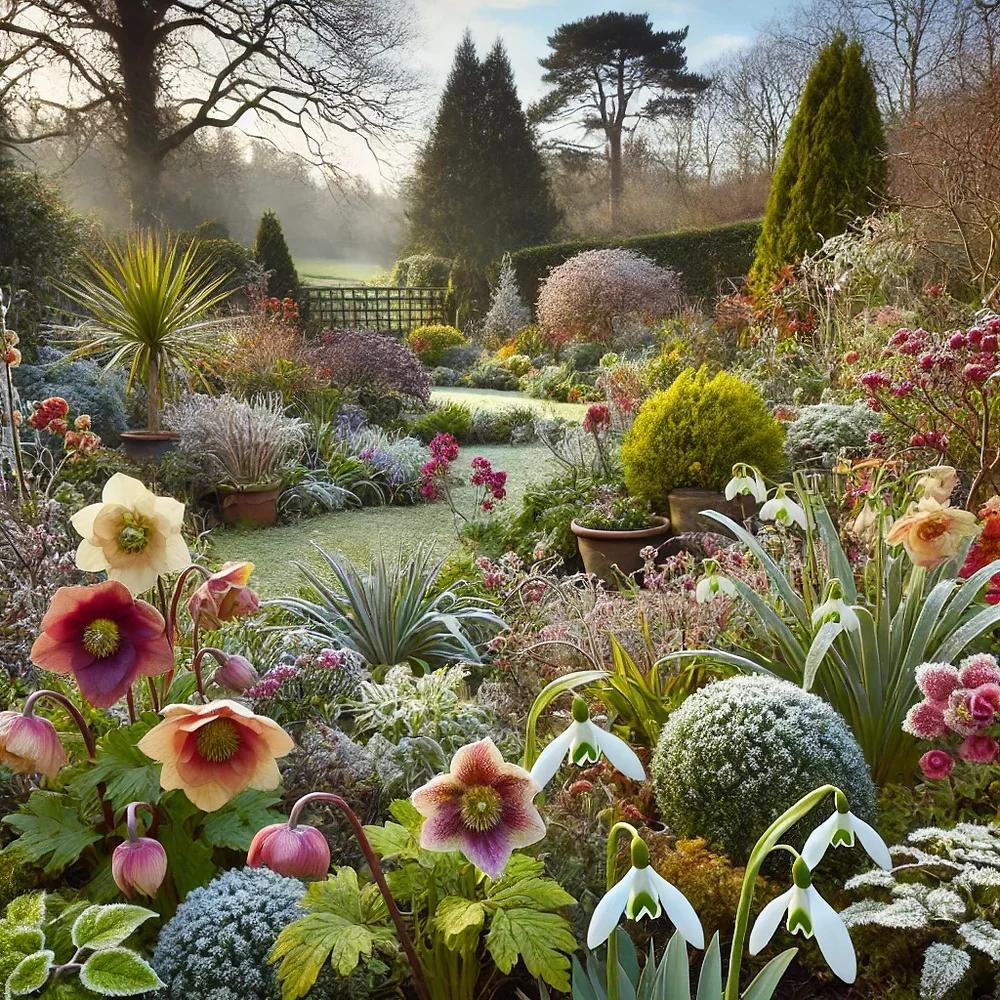
Winter gardens need structure more than a long list of flowers. I combine evergreen plants with cold-season bloomers where possible because winter interest prevents the garden from becoming an empty view.
A practical winter tip
Leave some seed heads standing when appropriate. They add texture and provide habitat while you wait for spring.
Creating Flower Beds with Layered Plant Heights
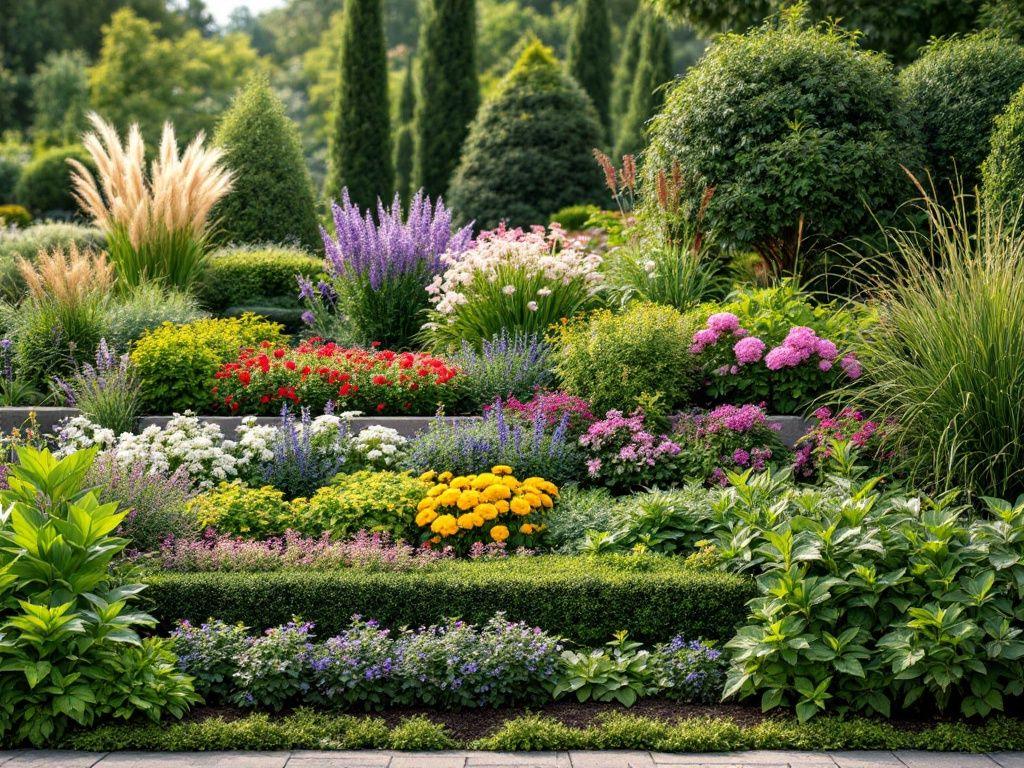
I design beds like a small landscape, placing tall flowers behind medium plants and low growers at the edge. This simple method improves visibility and makes every plant count in limited space.
Combining Annuals and Perennials for Year-Round Blooms
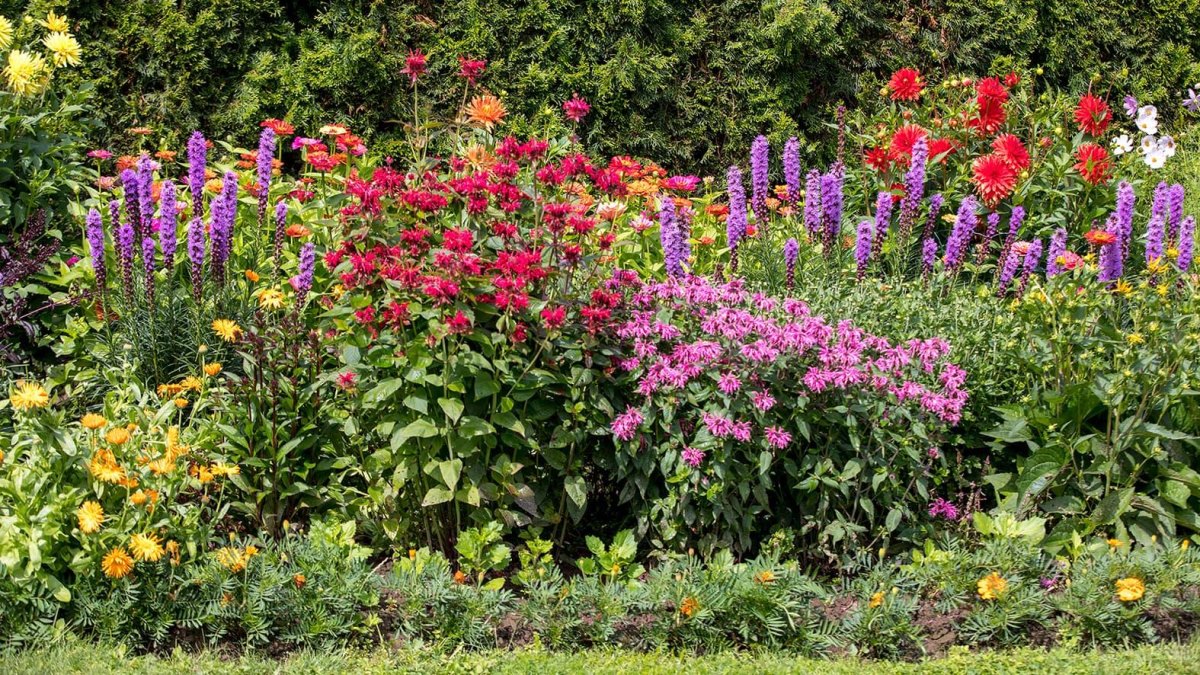
I do not choose between annuals and perennials. Annuals give me flexibility, while perennials create the backbone of the garden. My favorite beds use both because balanced planting reduces empty periods.
Benefits
- Longer bloom seasons
- More planting options
Challenges
- More planning
- Different maintenance needs
Designing Pollinator-Friendly Flower Garden Areas
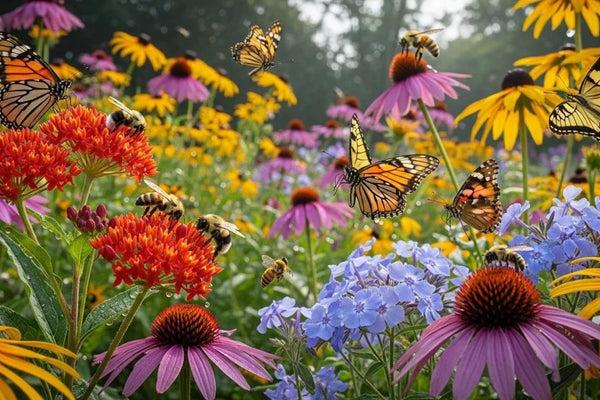
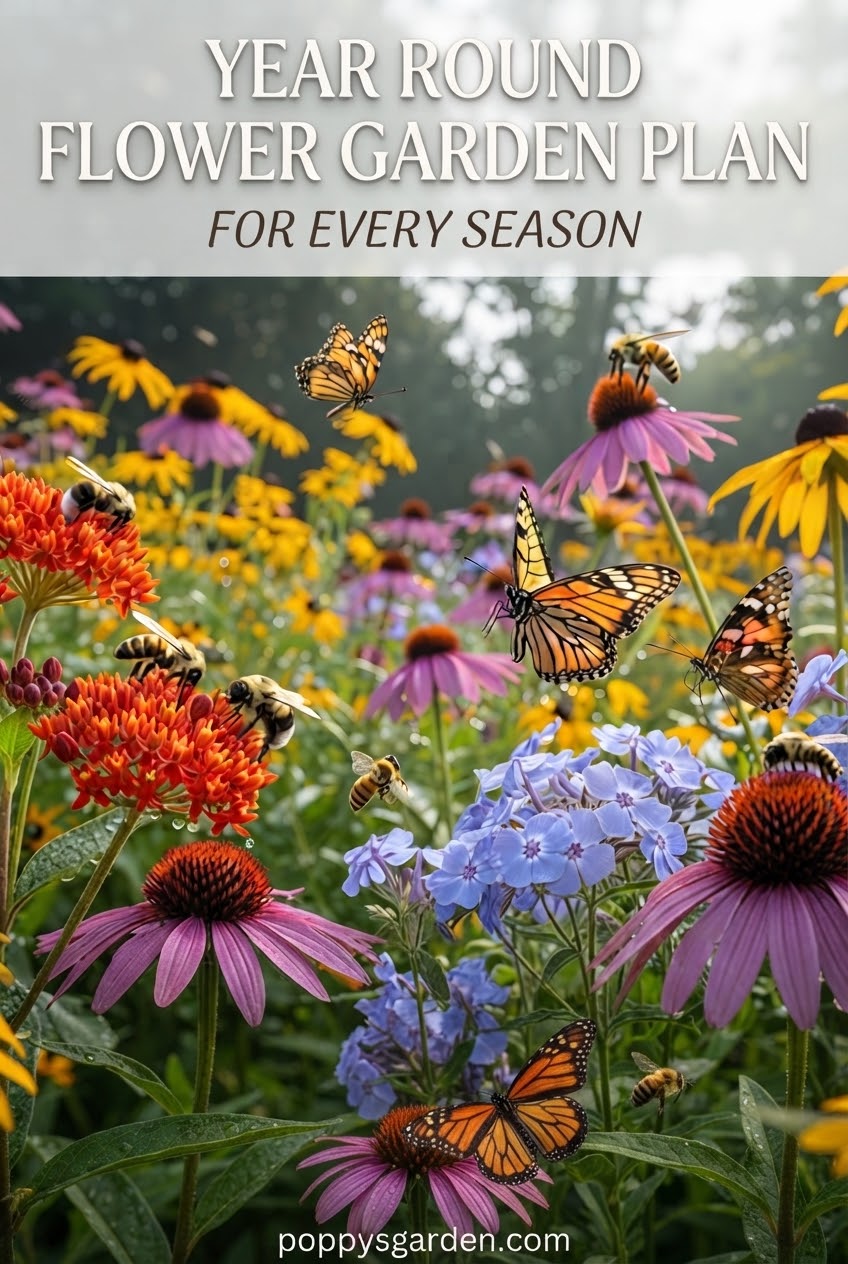
A flower garden should work for more than the person holding the watering can. I include varied bloom shapes and flowering periods because pollinator support depends on having resources available across the season.
My pollinator rule
I avoid treating blooming plants when pollinators are active and always follow product labels when intervention is necessary.
Using Color Themes Throughout the Gardening Year
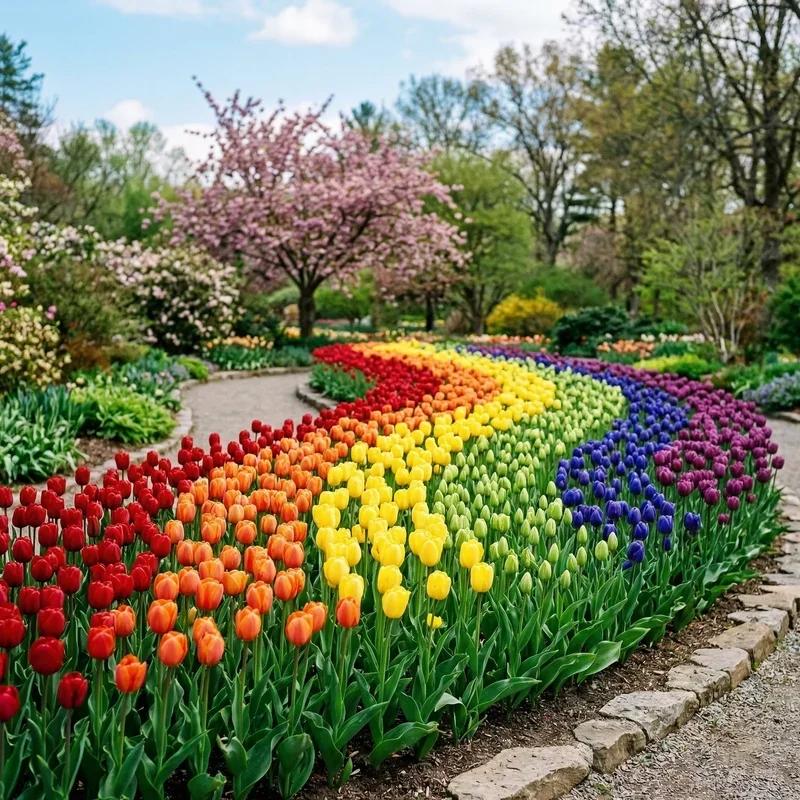
Color planning keeps my garden from feeling accidental. I choose a few repeating colors, then adjust plants by season so the garden feels connected. Color repetition is one of the cheapest design tools available.
Planning Garden Maintenance by Season
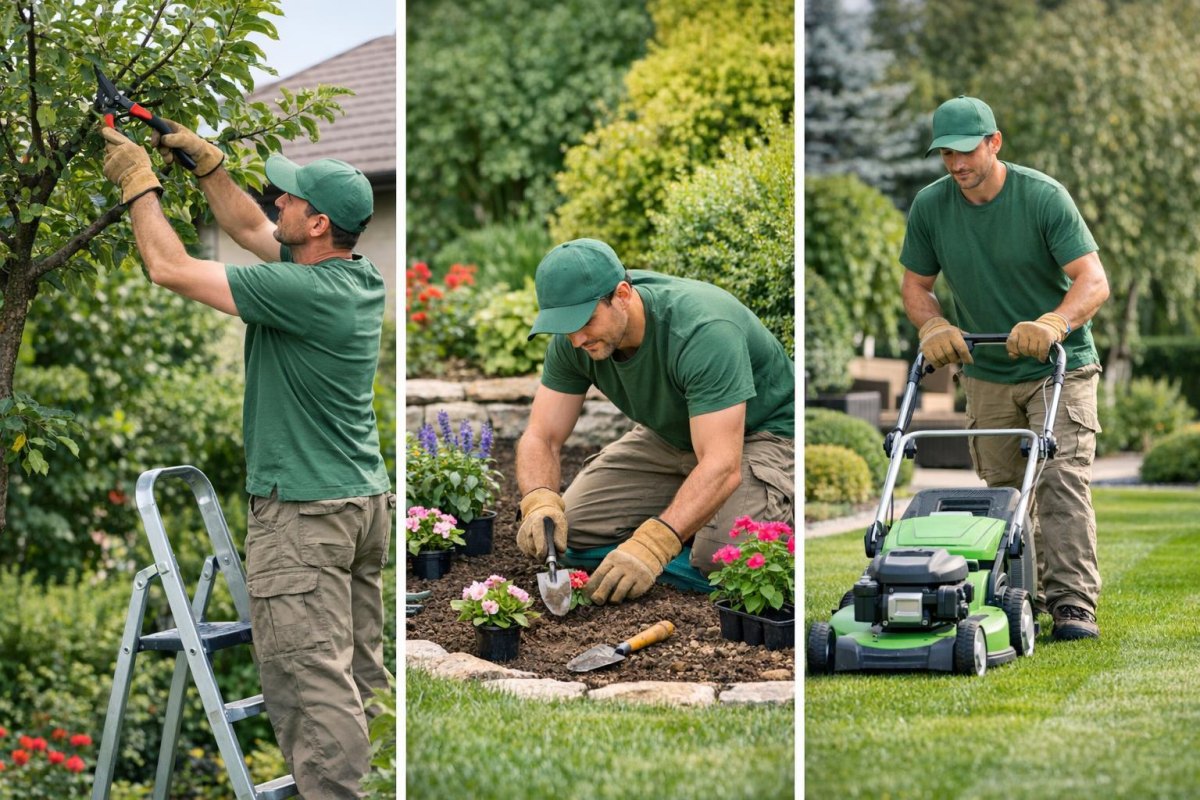
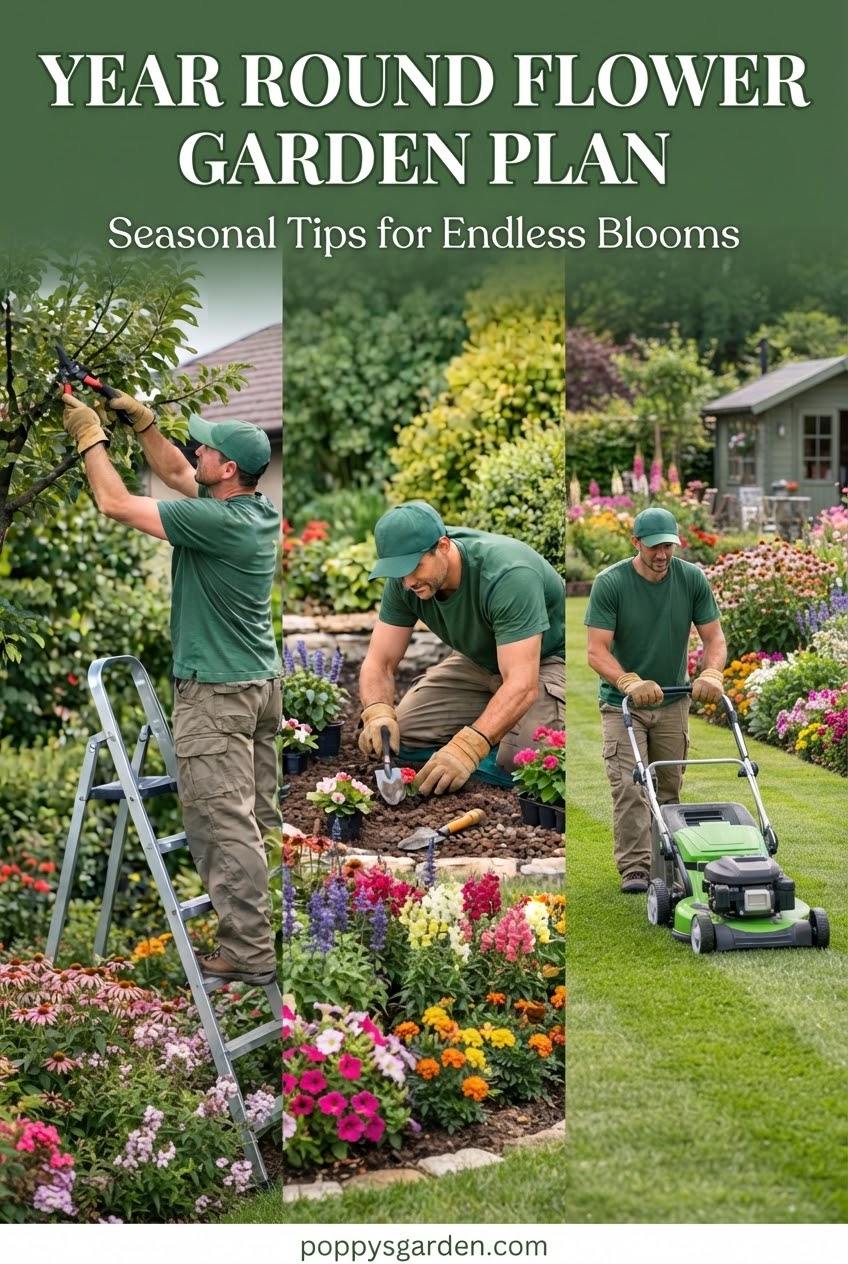
Maintenance is easier when I attach jobs to seasons instead of waiting for problems. In my dry climate, mulch and irrigation checks matter as much as planting. Seasonal routines keep small tasks from becoming weekend disasters.
15 years
of garden notes I use for better decisions
For any preserving from the garden, I use tested recipes only. Low-acid foods require proper pressure canning methods because botulism risk is real.
Adding Paths, Containers, and Garden Features
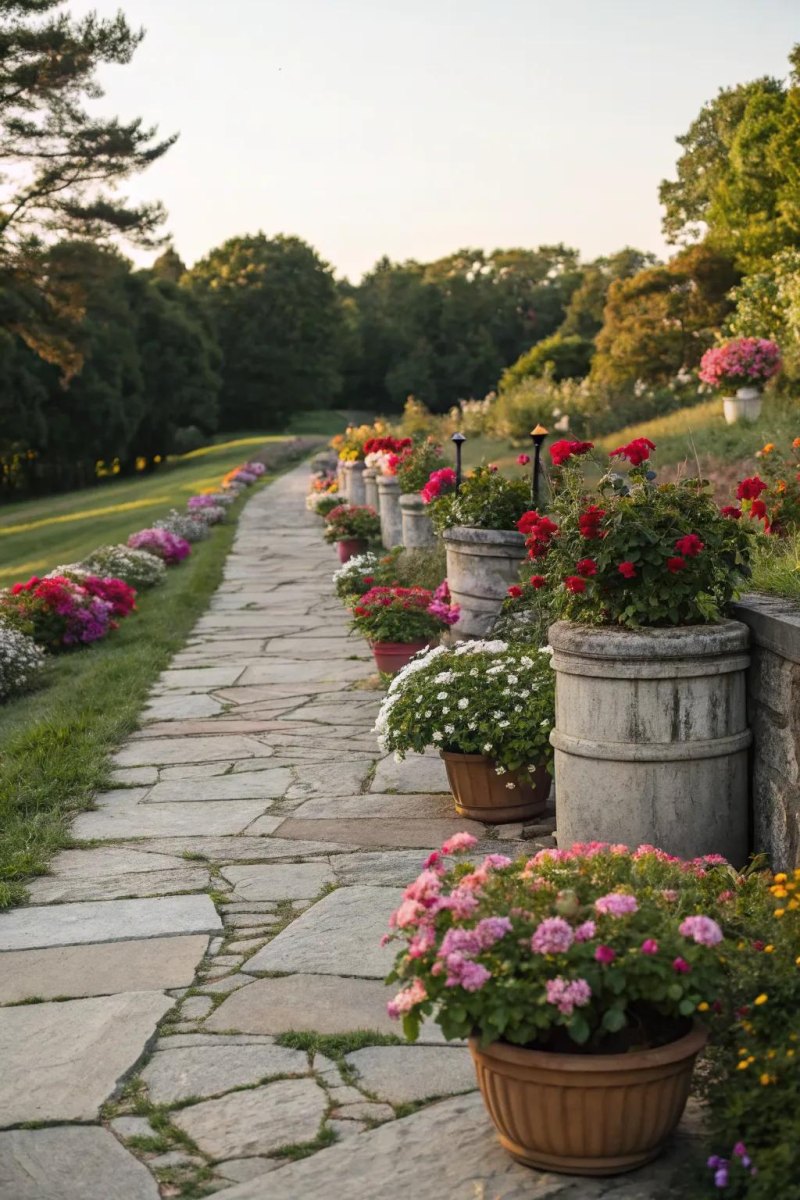
Paths and containers are not just decoration; they change how often I actually use a garden. I grow flowers in containers along my hot south wall, but I use large pots because container volume matters.
Avoid this mistake
Tiny containers dry out quickly in hot weather. Choose a pot size that matches the plant and your watering routine.
Building a Long-Lasting Year-Round Flower Garden Plan
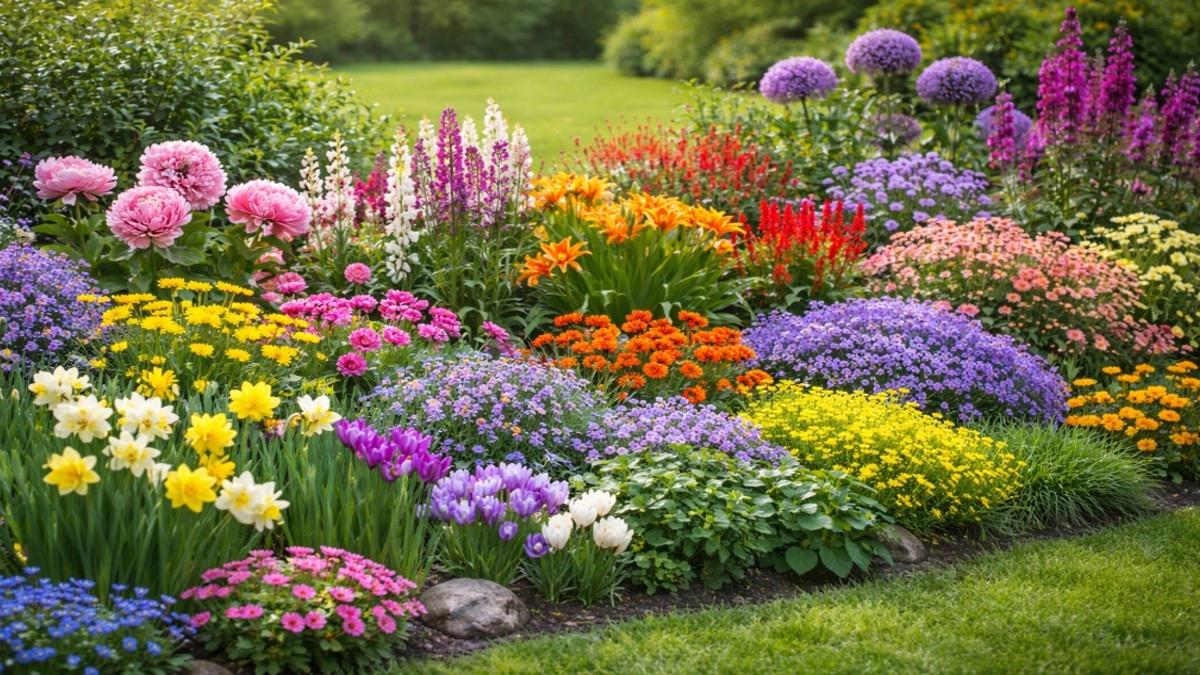
The best garden plan is the one you can repeat and improve. I keep notes on bloom dates, failures, costs, and plants that truly earned their space. Written observations have improved my garden more than any trendy plant list.
A year round flower garden is not finished in one season. It becomes dependable one observation at a time.
More Pinterest Visuals



 Balcony & Patio GardensSmall Space Garden Ideas That Make Every Inch Count
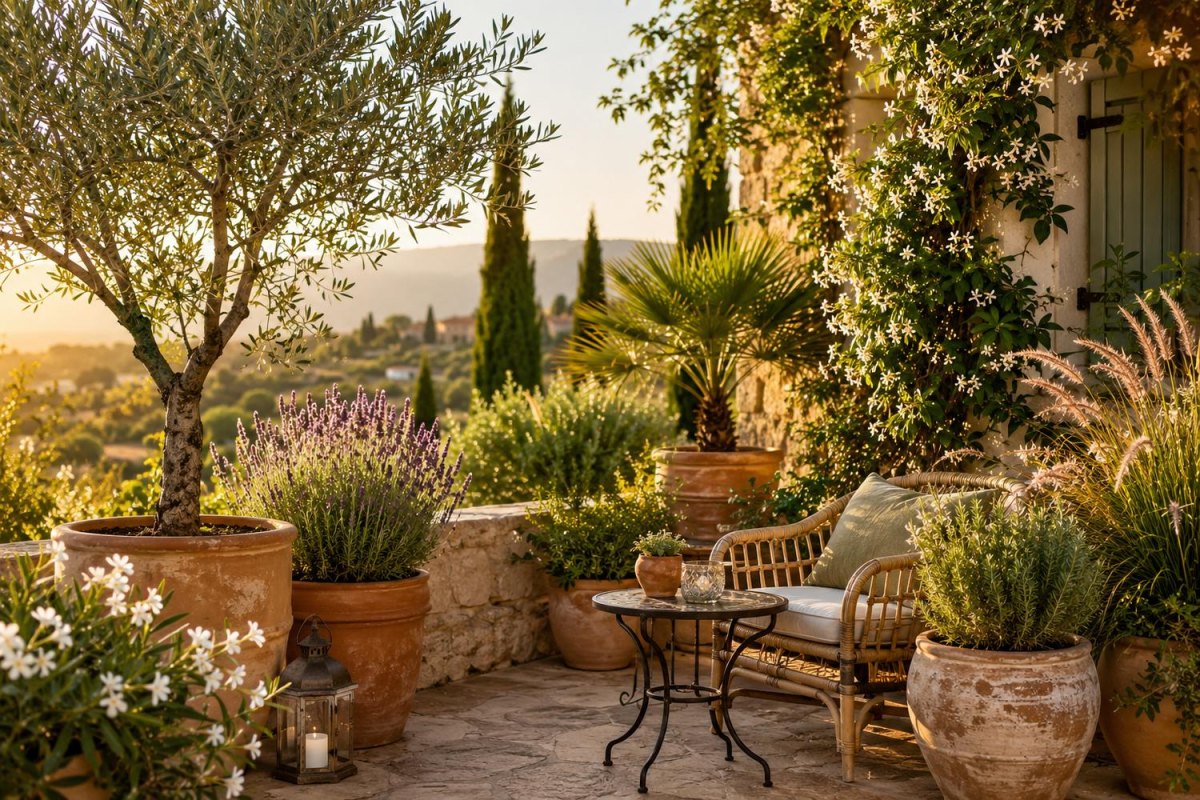 Balcony & Patio GardensKübelpflanzen für die Terrasse – 15 Ideen für ein grünes und blühendes Outdoor-Paradies
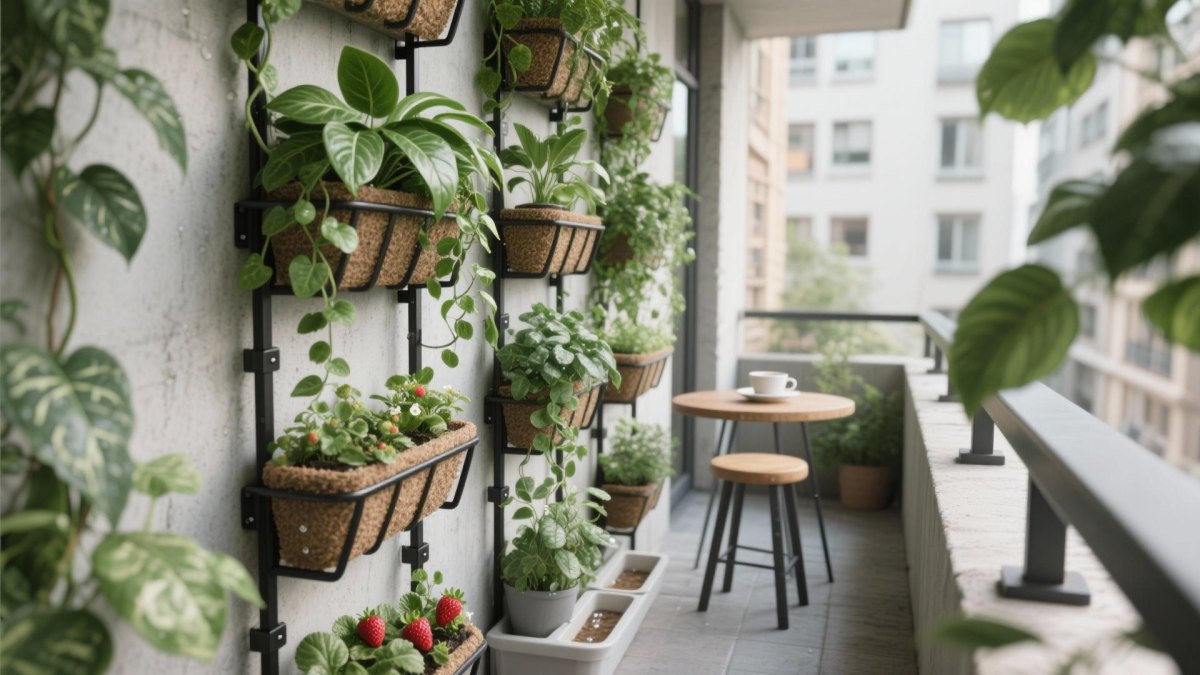 Balcony & Patio Gardens20 Balcony Garden Setup Ideas To Transform Your Outdoor
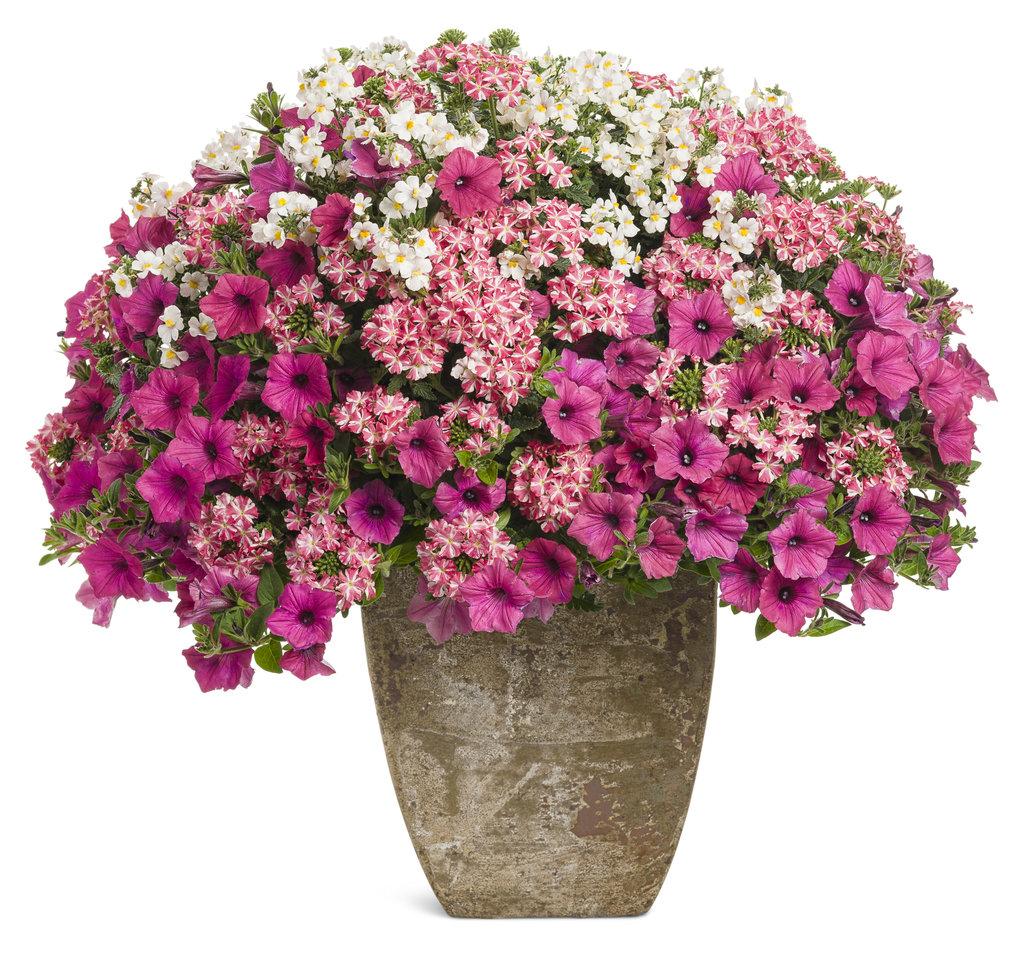 Seasonal & Flower Containers16 Beautiful Container Garden Flower Combinations That Work