

What I have learned from backyard composting
- I have built and tested simple systems in my Boise, Idaho zone 7a garden, where dry summers and alkaline soil make finished compost especially valuable.
- The best compost bin is the one you will actually use, whether it costs nothing or takes a weekend to build.
- I always keep meat, dairy, oils, and pet waste out of my home compost because a backyard pile is not a garbage disposal.
I have kept compost notes alongside my garden notebooks for years, and the pattern is pretty clear: consistent compost habits beat fancy equipment every time. My garden receives only about eleven inches of rain a year, so adding organic matter has been one of the biggest improvements I have made.
Building a Simple Wooden Compost Bin
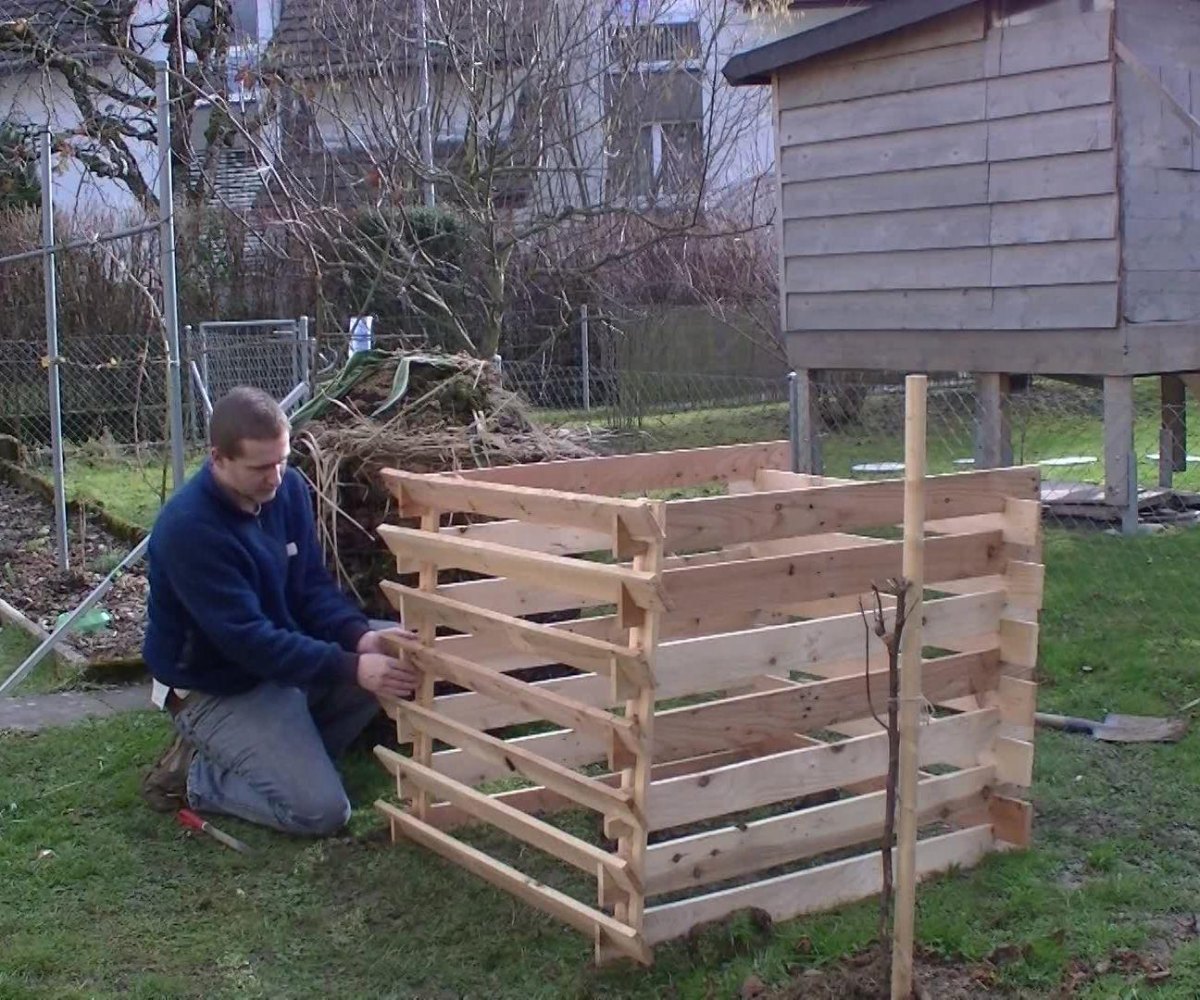
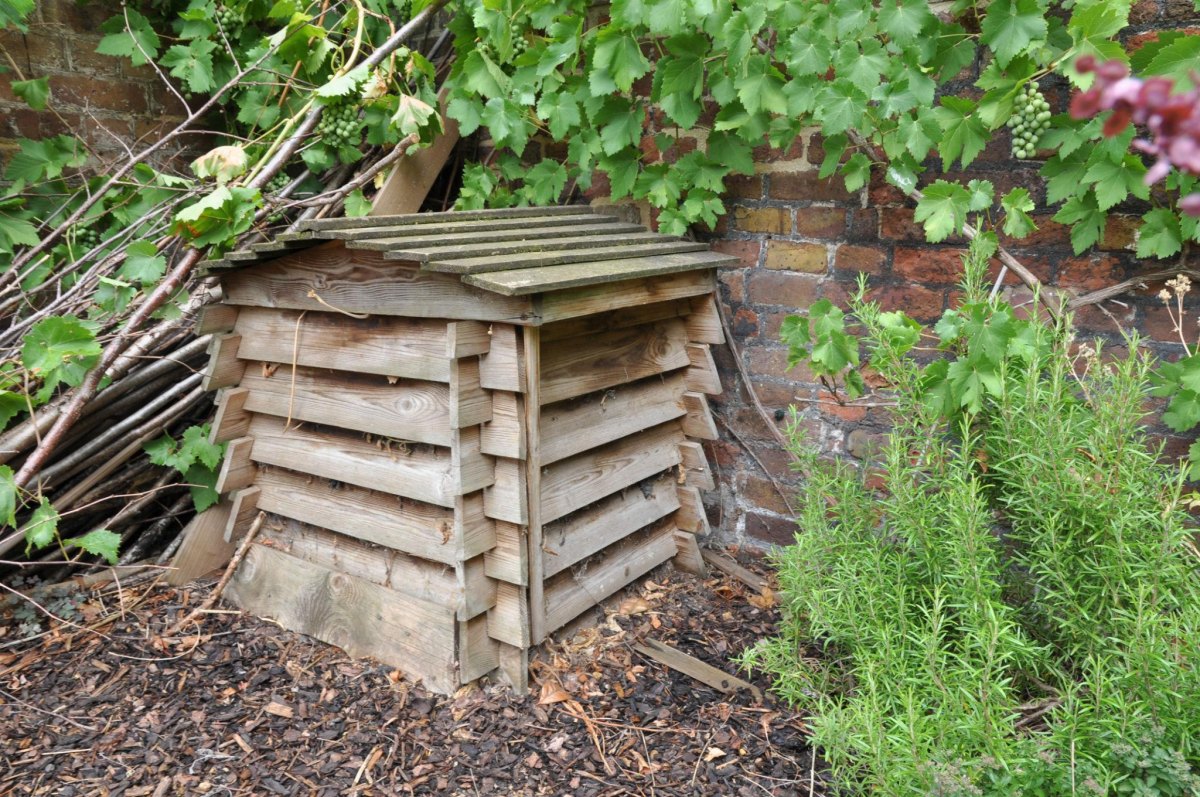
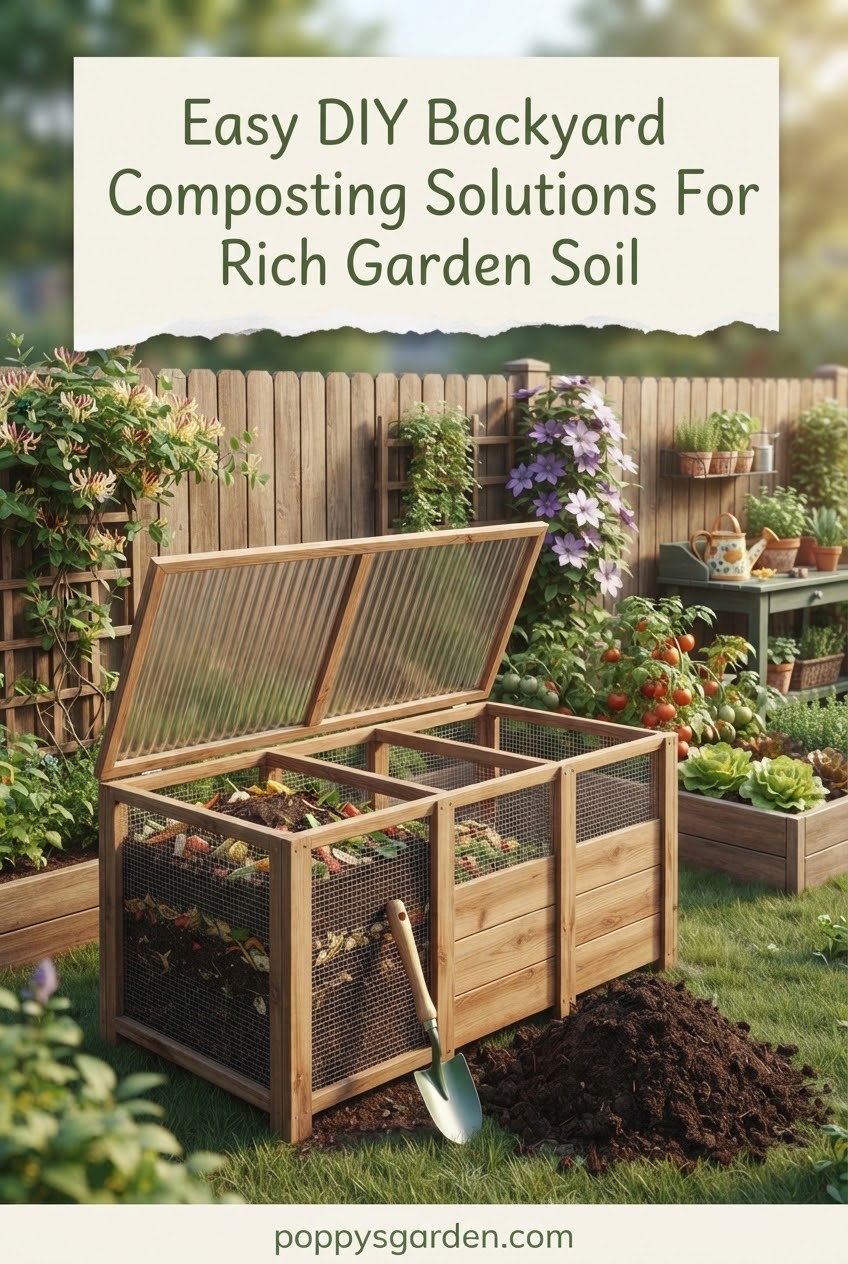
I built my first wooden compost bin because I wanted something sturdy enough for years of kitchen scraps and garden cleanup. A basic wooden frame gives me good airflow while keeping the pile contained. DIY wooden bins are a common backyard option because they can be built in many sizes and materials.
- Choose. Pick a level location with enough room to turn the pile.
- Build. Use weather-resistant materials and leave gaps for oxygen.
- Fill. Alternate green scraps with brown materials like dry leaves.
I would skip treated lumber of unknown history for food-growing areas and choose safer materials instead. Material safety matters more than saving a few dollars.
Creating a Compost Tumbler from Recycled Materials
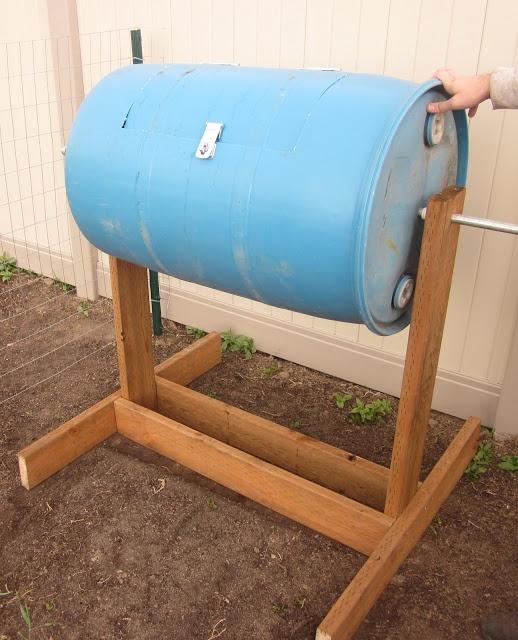
A recycled barrel or container can become a compost tumbler when you add ventilation and a way to rotate it. I like this approach when turning a pile with a fork is inconvenient. DIY tumbler designs often focus on easier compost aeration through rotation.
Pros
- Easy to turn without digging.
- Keeps many pests away.
Cons
- Smaller capacity than large bins.
- Can dry out quickly in hot climates.
Setting Up a Wire Mesh Compost Enclosure
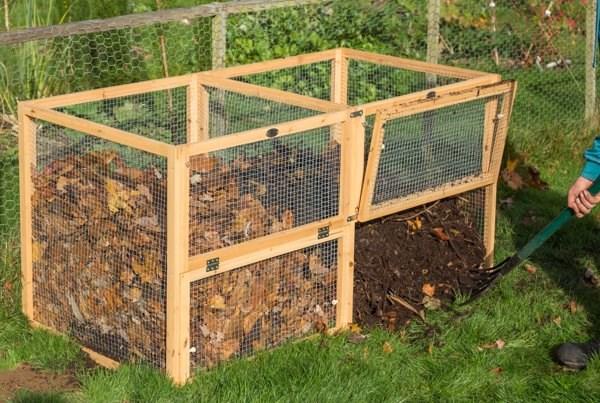
Wire mesh is one of the simplest compost solutions I recommend for beginners. I have used similar open systems when I needed a quick place for leaves and garden debris. Extension resources include wire mesh composters among practical DIY designs.
- Select sturdy mesh that will hold its shape.
- Make the enclosure wide enough for a useful pile.
- Keep moisture similar to a wrung-out sponge.
The advantage is cost and airflow. The tradeoff is that open compost piles need more attention in windy or dry gardens like mine.
Designing a Small-Space Apartment Garden Compost System
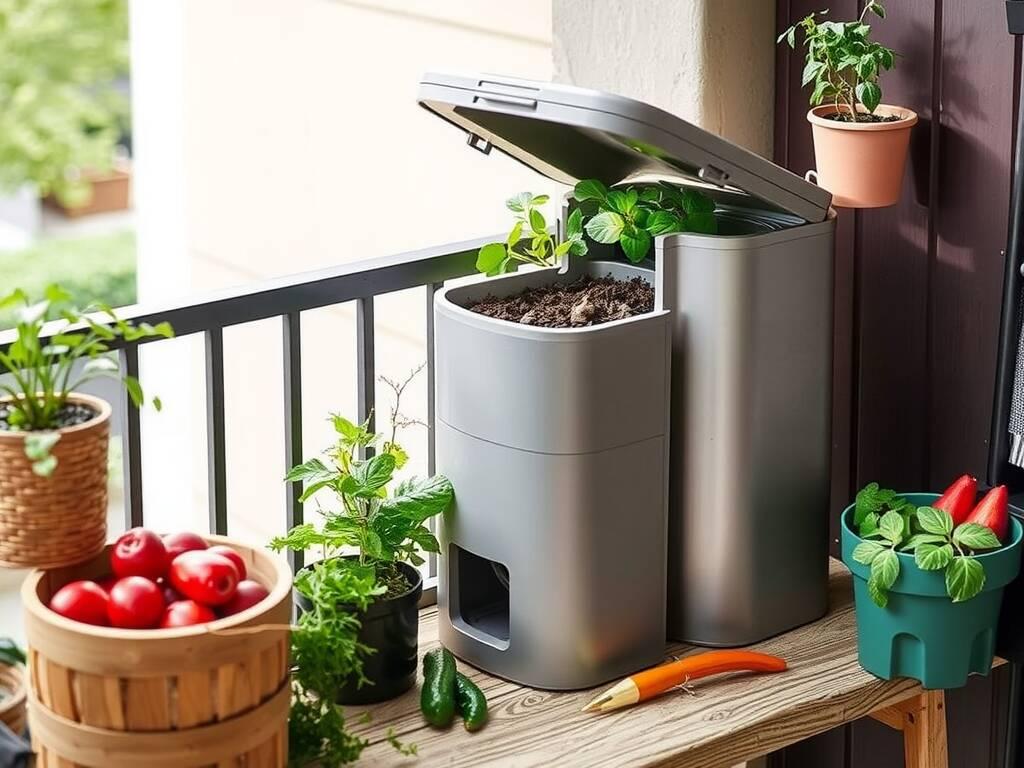
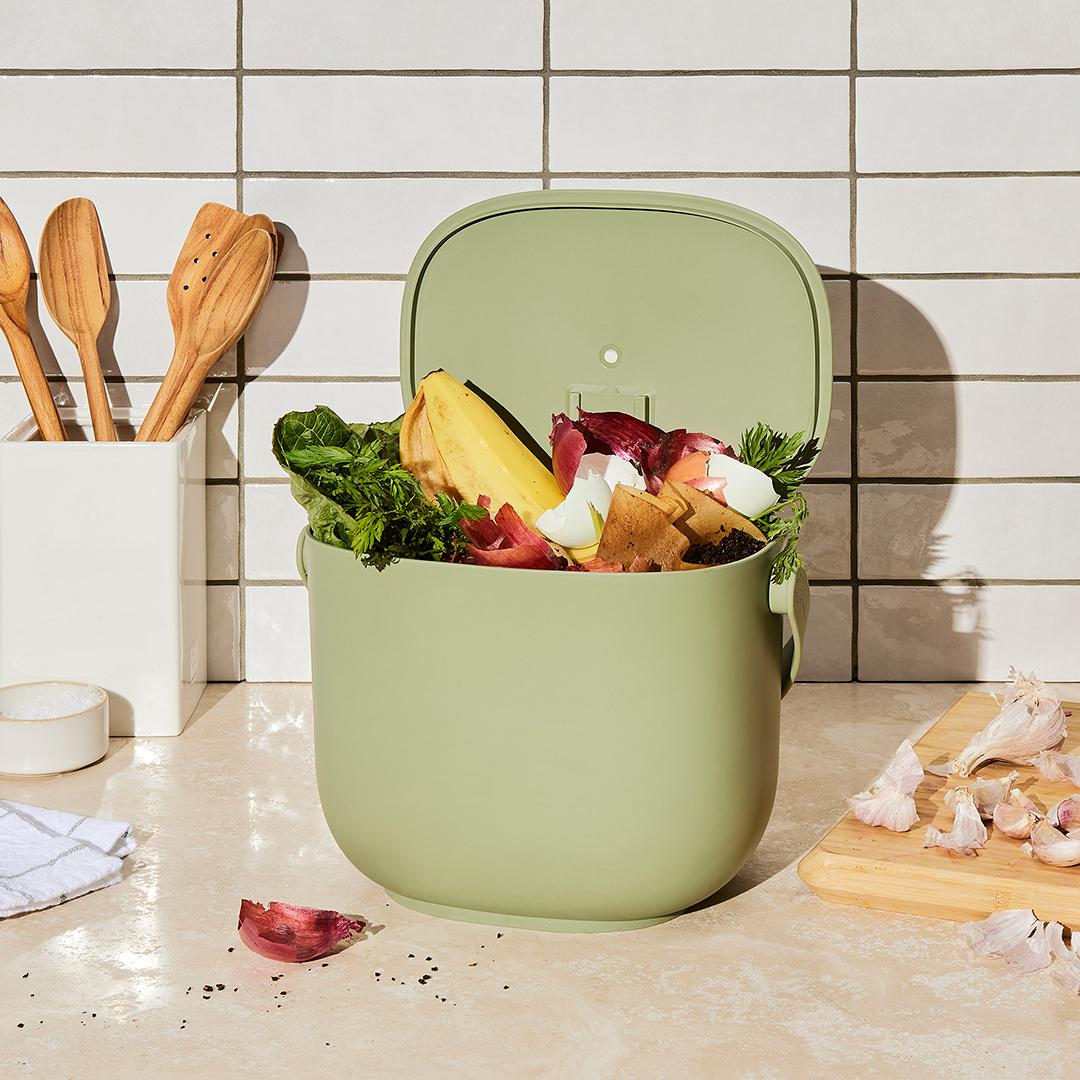
Small gardens can compost too. When I lived with less space, I learned that a compost system has to fit daily routines. A balcony or patio setup works best when it uses compact containers and realistic expectations.
My tip
Do not start with a giant system if you only produce a small bowl of scraps each week. A manageable bin will get used more often.
For apartments, I focus on odor control, drainage, and keeping the system balanced rather than trying to create huge amounts of compost.
Starting a Vermicomposting Bin with Worms
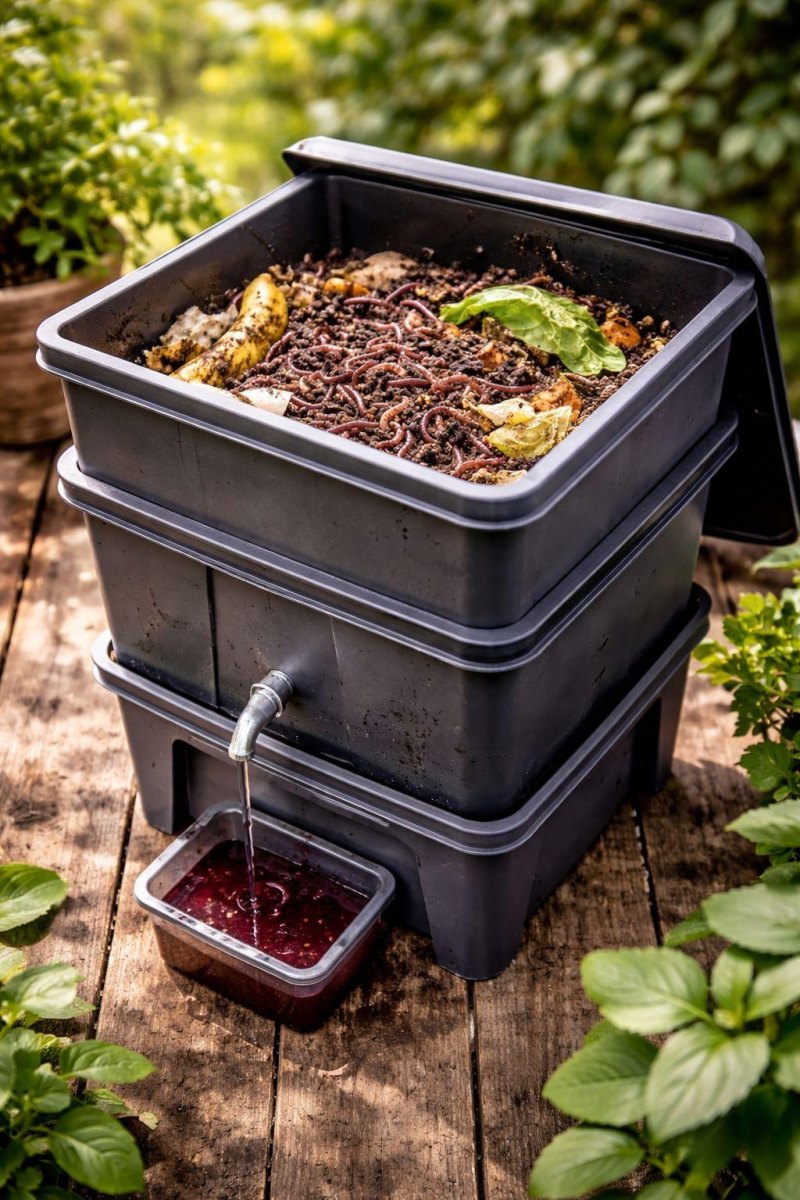
My son Otto takes responsibility for our worm bin, and he checks it like it is a science experiment. Vermicomposting turns food scraps into rich castings using worms, making it a useful option for small households.
I keep the bin out of extreme temperatures because worms are not a replacement for a regular compost pile. They are a different tool.
Making a Pallet Compost Station for Large Yards
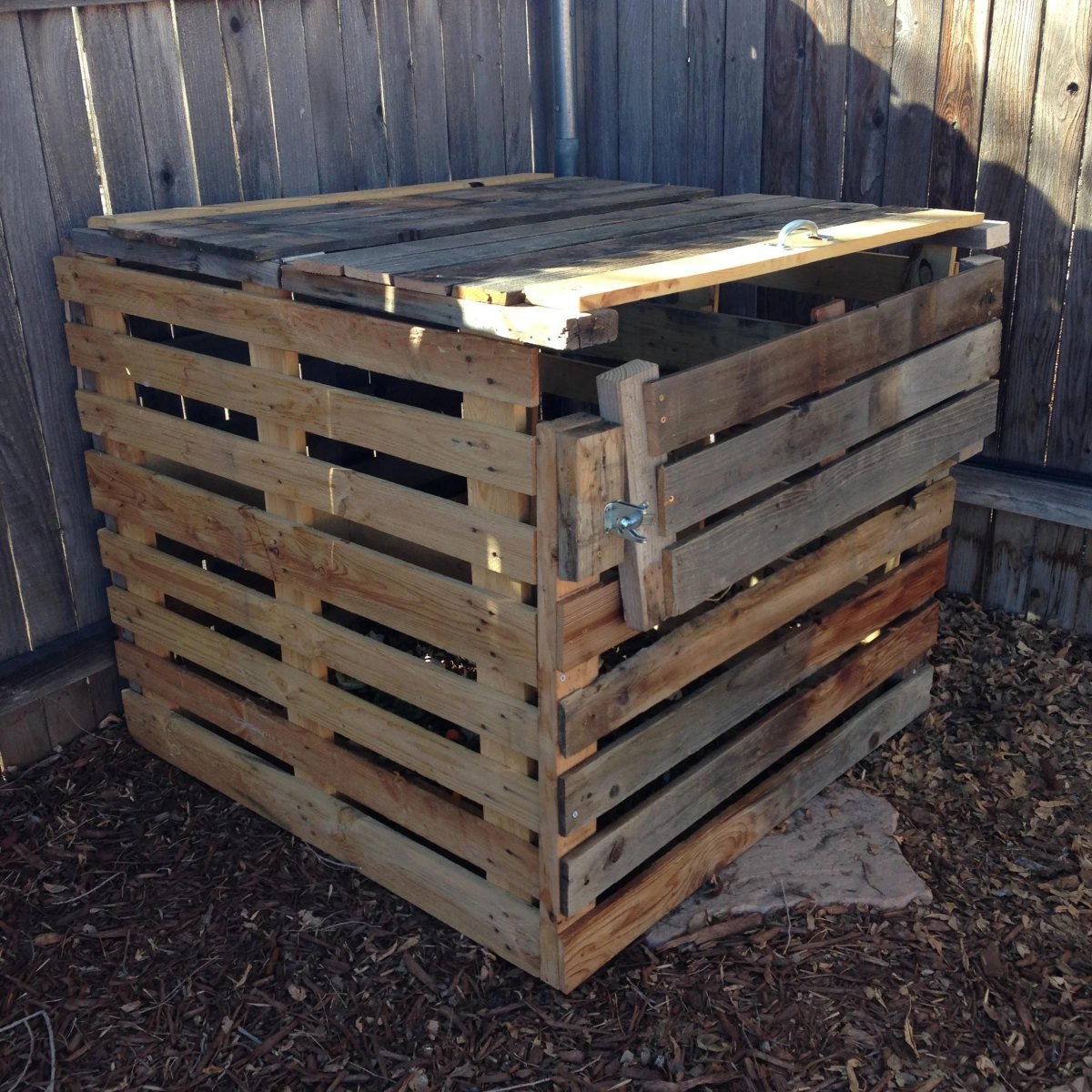
Pallet compost bins remain one of my favorite low-cost options for big garden cleanups. A few pallets can create a roomy enclosure for leaves and plant debris. Extension guides describe pallet composters as a simple DIY approach with minimal building skills.
8–10
30-gallon bags of yard material can fit in some pallet designs
I like pallet systems because they handle large garden volume without requiring expensive materials.
Building a Compost Trench for Direct Soil Enrichment
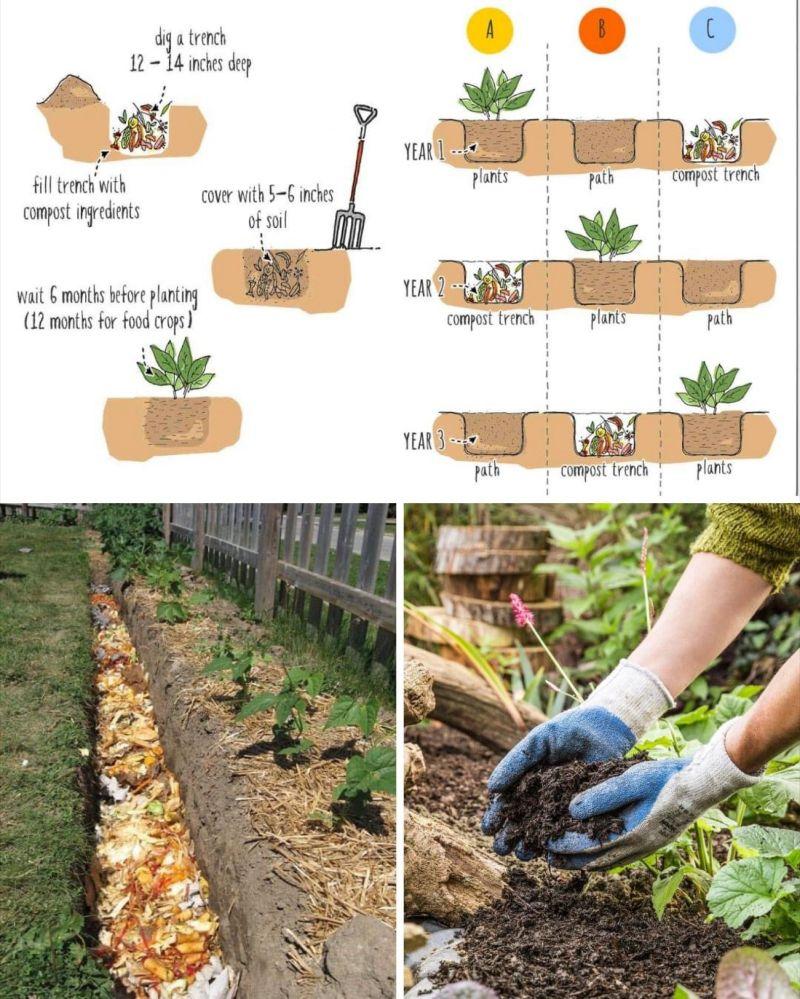
A compost trench is the quietest compost system I have used because the work happens underground. I bury plant scraps in garden areas where roots will eventually benefit from the added organic matter.
Avoid this mistake
Do not bury meat, dairy, oils, or pet waste. Backyard composting works best with plant-based materials.
This method suits gardeners who want direct soil improvement without managing a visible pile.
Creating a Leaf Composting Area for Autumn Waste
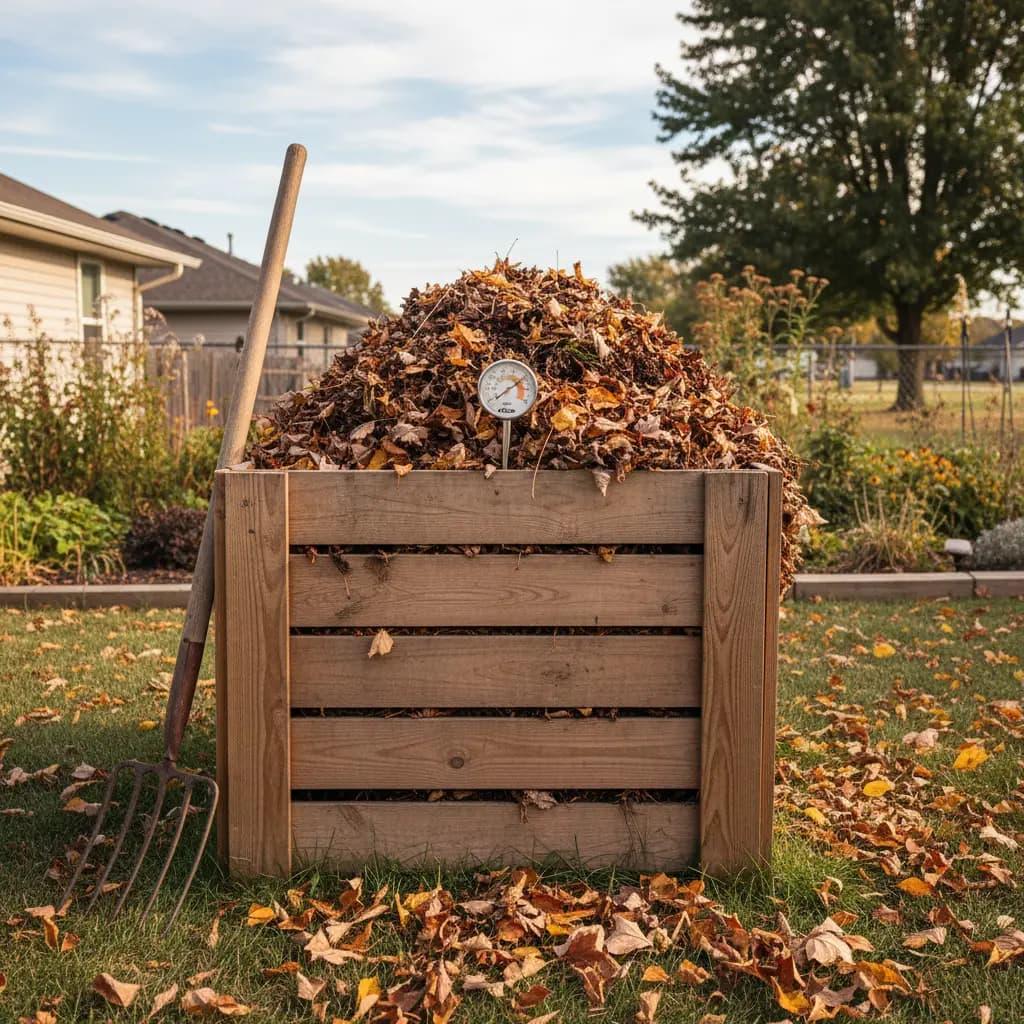
Leaves are one of my favorite free compost ingredients. Every fall I save them because they become valuable brown material instead of a bagged waste problem. Leaf composting works best when leaves are balanced with other materials and kept from forming thick mats.
| Material | Role |
|---|---|
| Dry leaves | Carbon source |
| Kitchen scraps | Nitrogen source |
My biggest improvement was shredding leaves before adding them because smaller pieces break down faster.
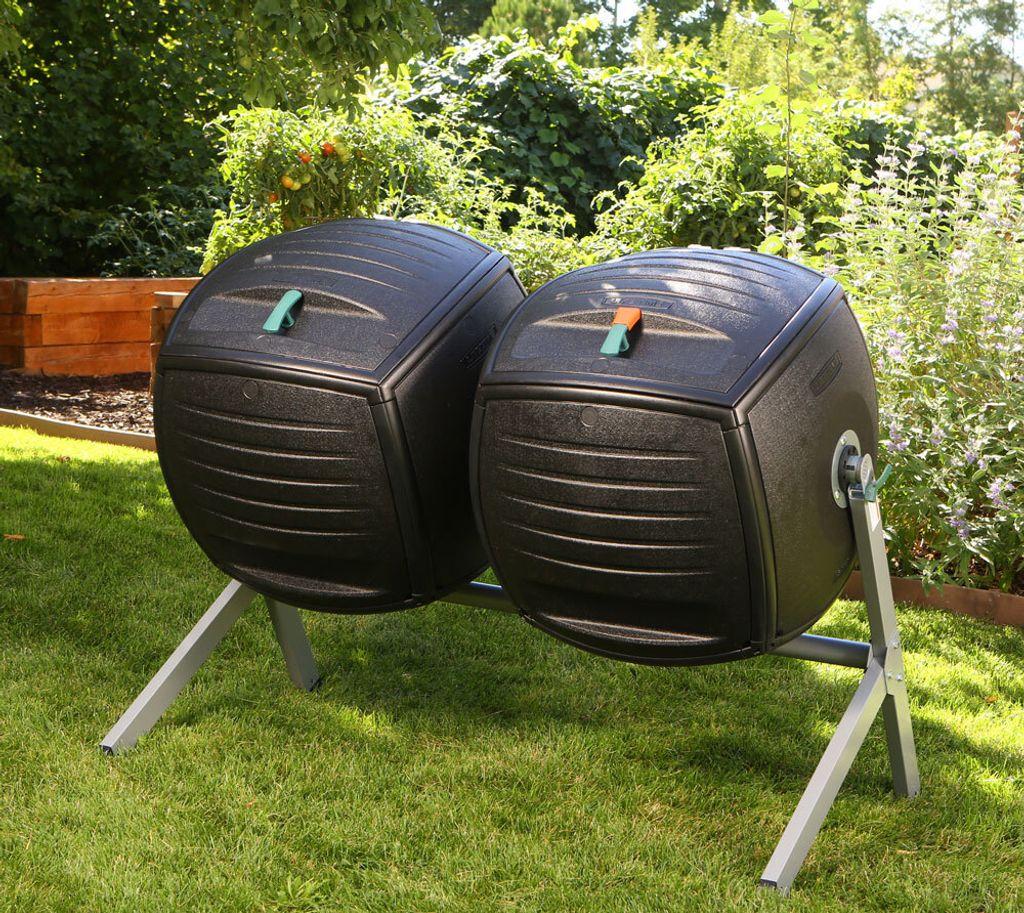
Installing a Rotating Drum Compost System
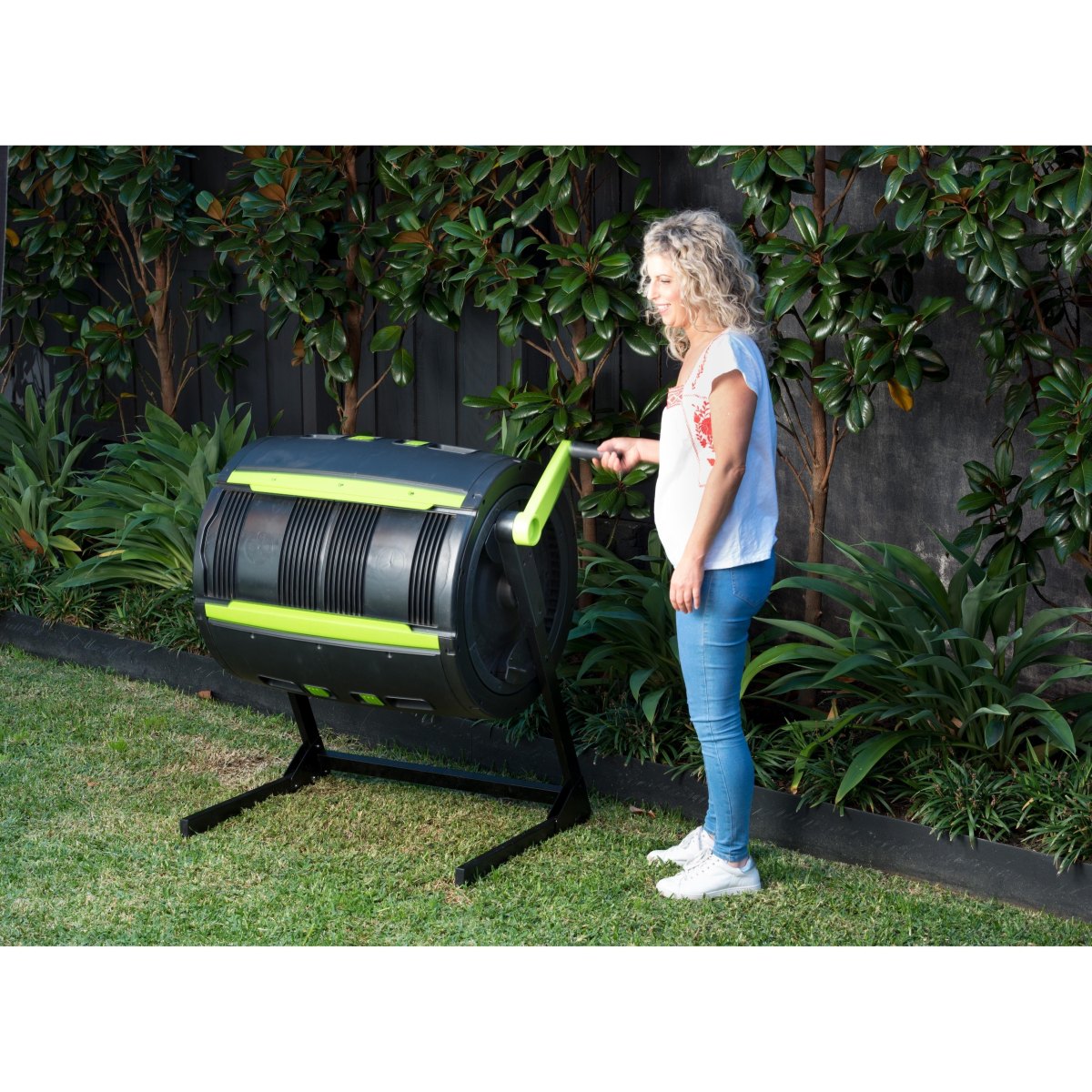
A rotating drum compost system is useful when you want a contained setup that mixes materials quickly. The spinning action helps with regular mixing and can reduce the effort of manual turning.
- Position. Place the drum where it is easy to reach.
- Balance. Add a mixture of greens and browns.
- Rotate. Turn regularly to introduce oxygen.
In my dry climate, I check moisture often because enclosed systems can lose water faster than expected.
Using Repurposed Containers for Homemade Compost Bins
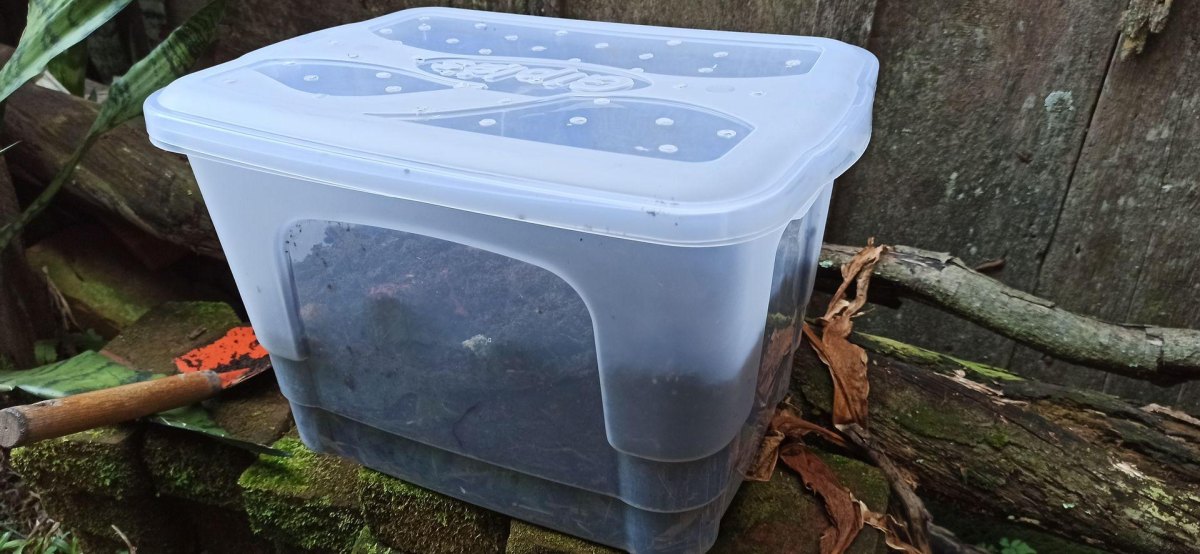
I have always liked garden projects that reuse what is already available. Old containers can become compost bins when they provide enough space, drainage, and airflow. Reusing containers is one way gardeners reduce waste through creative projects.
A practical test
If a container holds moisture but allows oxygen in, it may have compost potential.
I still avoid containers that previously held chemicals because clean materials matter for anything near my garden.
Creating a Three-Bin Composting Setup
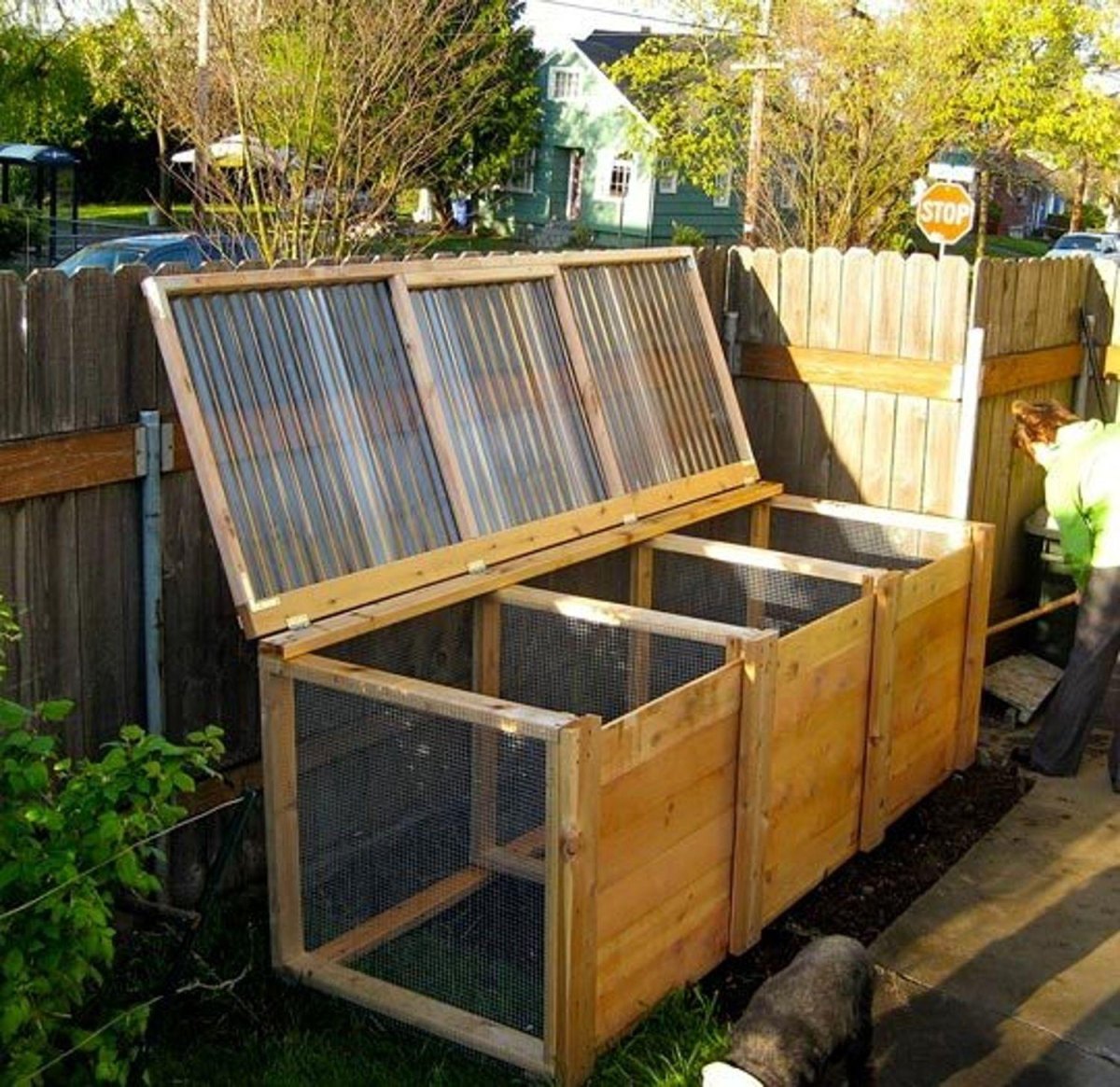
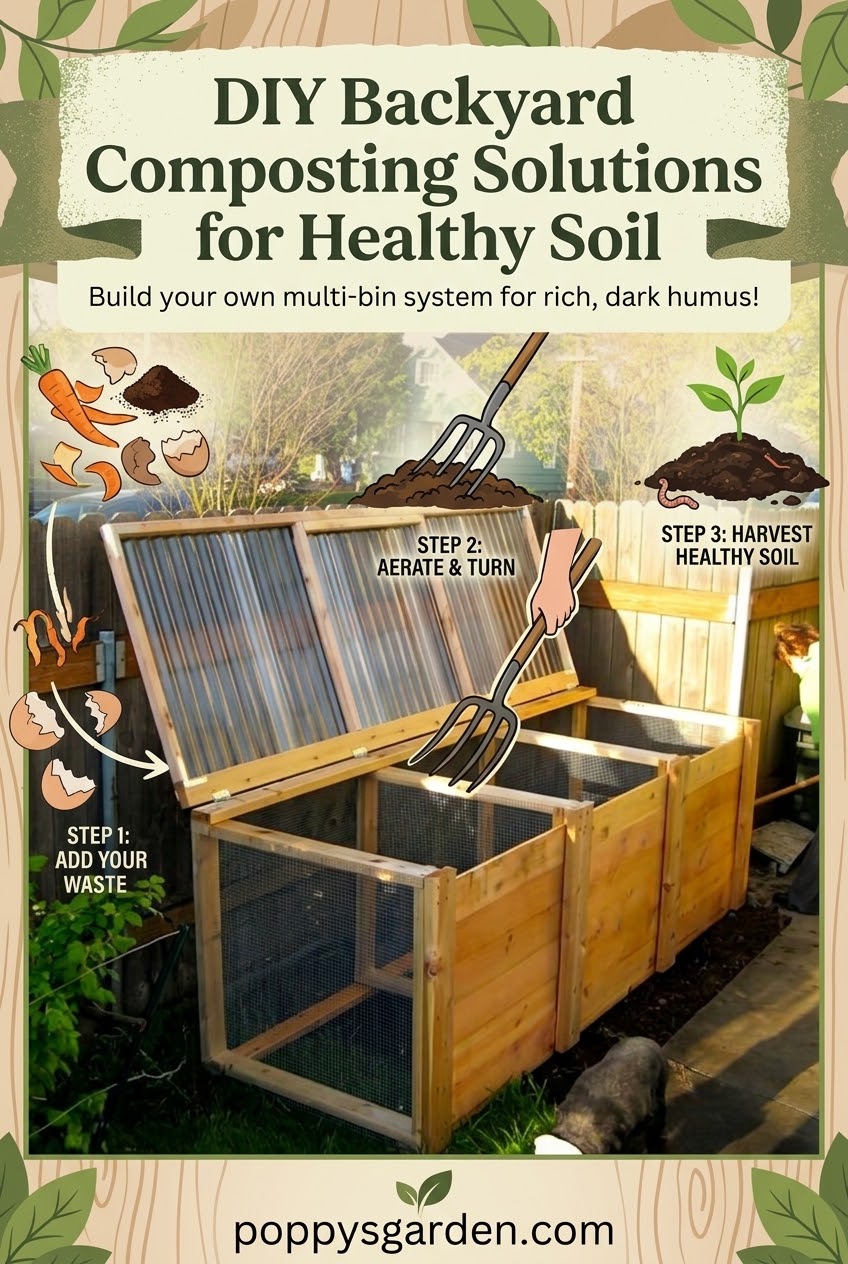
My favorite larger-scale compost design is a three-bin system because it creates a workflow: new scraps in one area, active compost in another, and finished material ready for the garden. Extension instructions describe three-bin systems as useful for managing larger compost volumes.
This setup earns its space when you have enough yard material to keep multiple batches moving.
Adding Composting Features to a Sustainable Backyard Garden
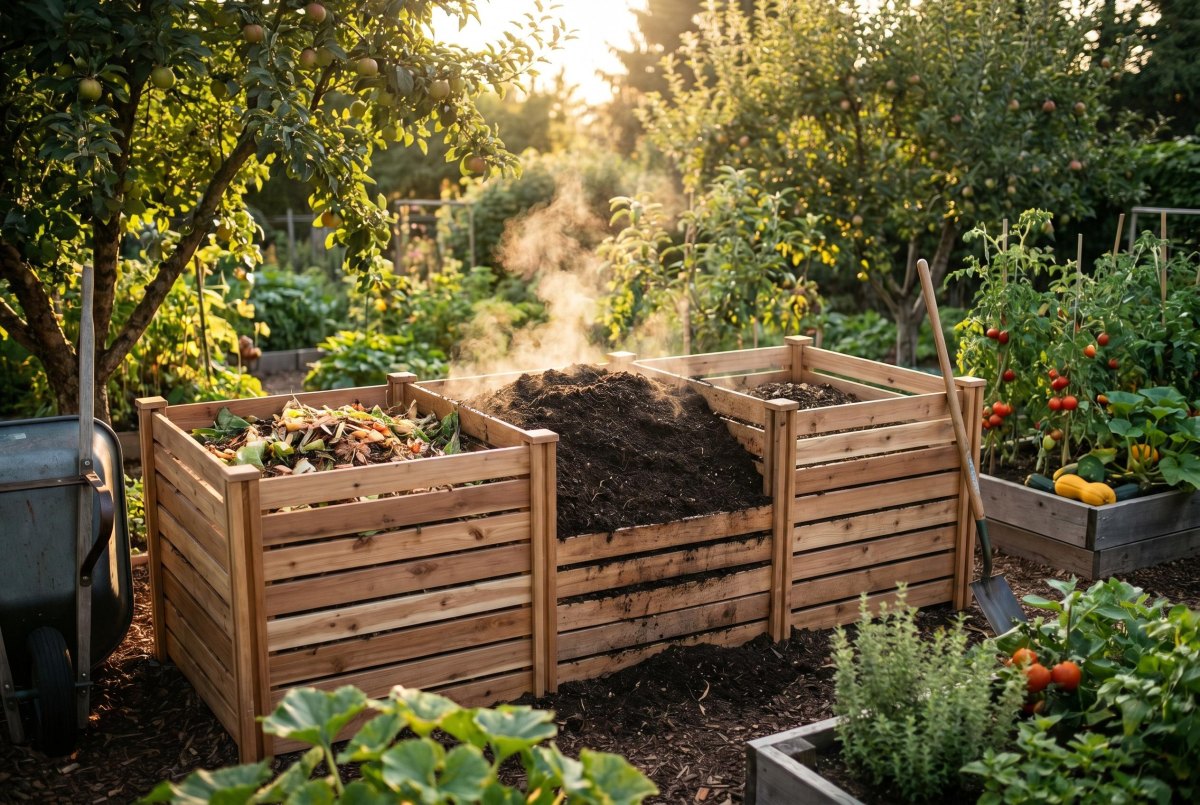
Compost works best when it becomes part of the whole garden system. In my yard, it connects raised beds, leaf storage, kitchen scraps, and soil improvement into one cycle.
After years of tracking my garden results, I have found that healthy soil habits are built from small repeated actions.
More Pinterest Visuals



 Balcony & Patio GardensSmall Space Garden Ideas That Make Every Inch Count
 Balcony & Patio GardensKübelpflanzen für die Terrasse – 15 Ideen für ein grünes und blühendes Outdoor-Paradies
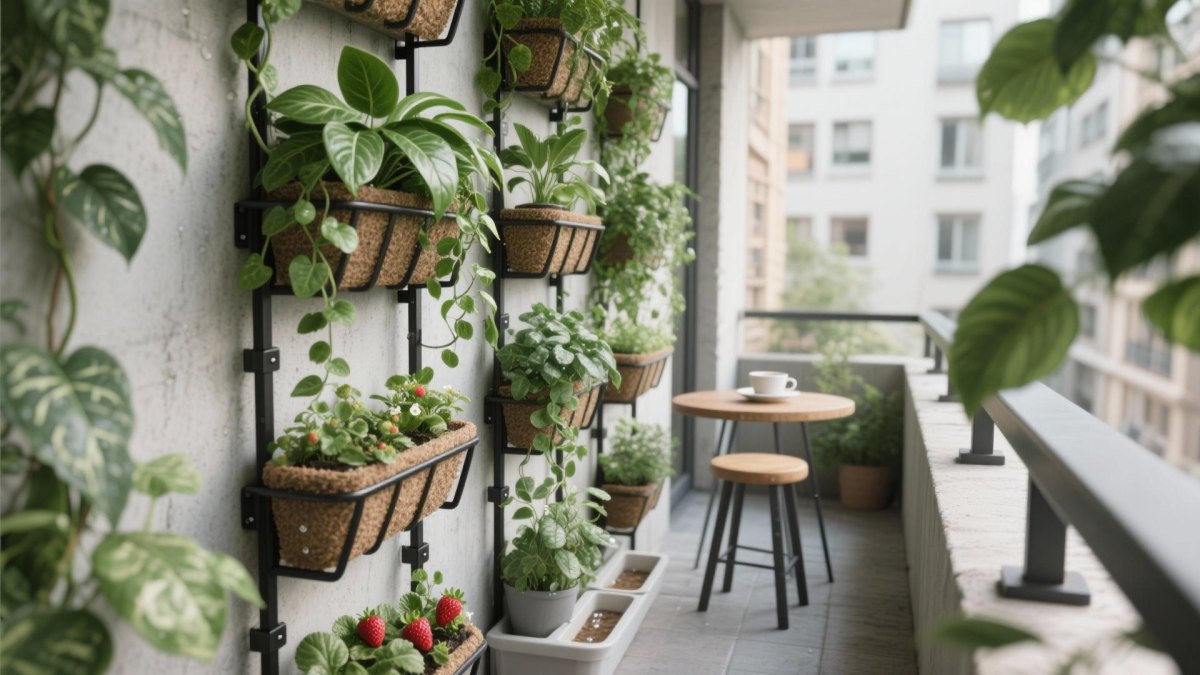 Balcony & Patio Gardens20 Balcony Garden Setup Ideas To Transform Your Outdoor
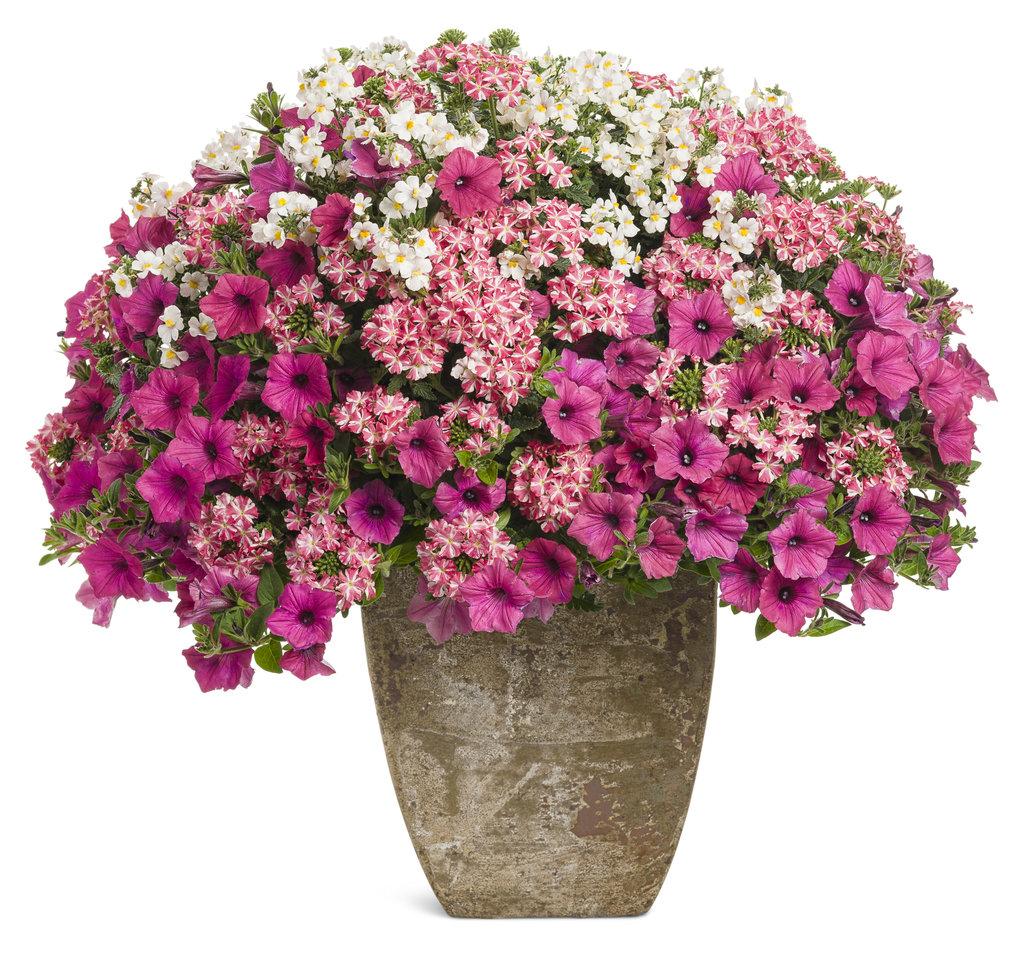 Seasonal & Flower Containers16 Beautiful Container Garden Flower Combinations That Work