
A compost bin works best when it is placed where you will actually use it. I garden in Boise, Idaho, zone 7a, with dry summers, alkaline soil, about eleven inches of yearly rain, and plenty of wind, so I have learned that location matters as much as the bin. The right spot keeps moisture manageable, makes kitchen scraps less of a chore, and helps the pile finish.
I keep two compost bins behind my house and still move them around mentally every spring. My rule is simple: put the bin where adding scraps is easy and using the finished compost is easier.
Backyard Corner Compost Bin Placement
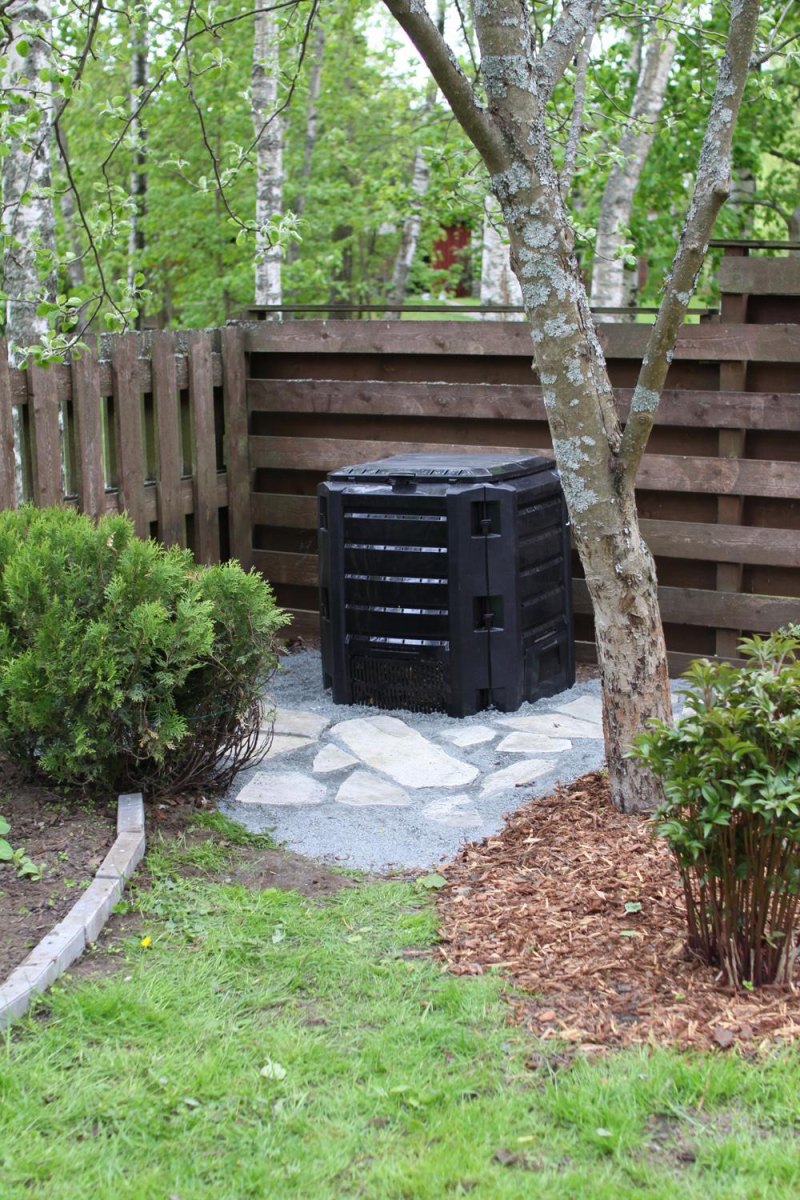
A backyard corner is often the first place gardeners consider, and it can work beautifully if the spot has airflow and some protection. I avoid stuffing my bins into a forgotten dark corner because easy access keeps compost active.
Choose a place with enough room to turn materials, add browns, and remove finished compost. A path of a few stepping stones can make a huge difference after a rainy week.
Compost Bin Near the Vegetable Garden
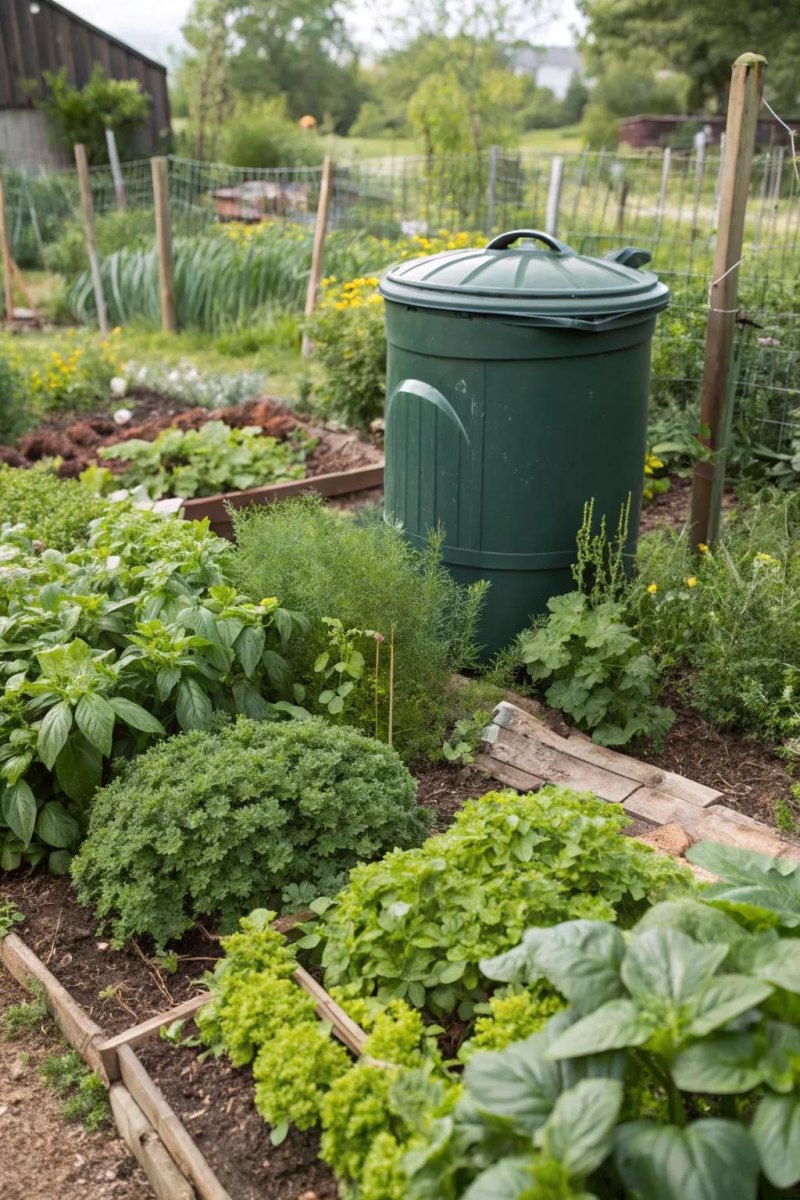
I like keeping compost near my raised beds because the finished material has a short trip. My eight beds have taught me that reducing hauling distance saves effort, especially when compost is ready in spring.
Keep the bin close enough to use but not so close that plant roots or garden paths become crowded. Compost should support the garden, not take over its growing space.
| Placement | Best use |
|---|---|
| Beside beds | Quick compost spreading |
| Garden edge | More space for bins |
Shaded Area Under Trees for Composting
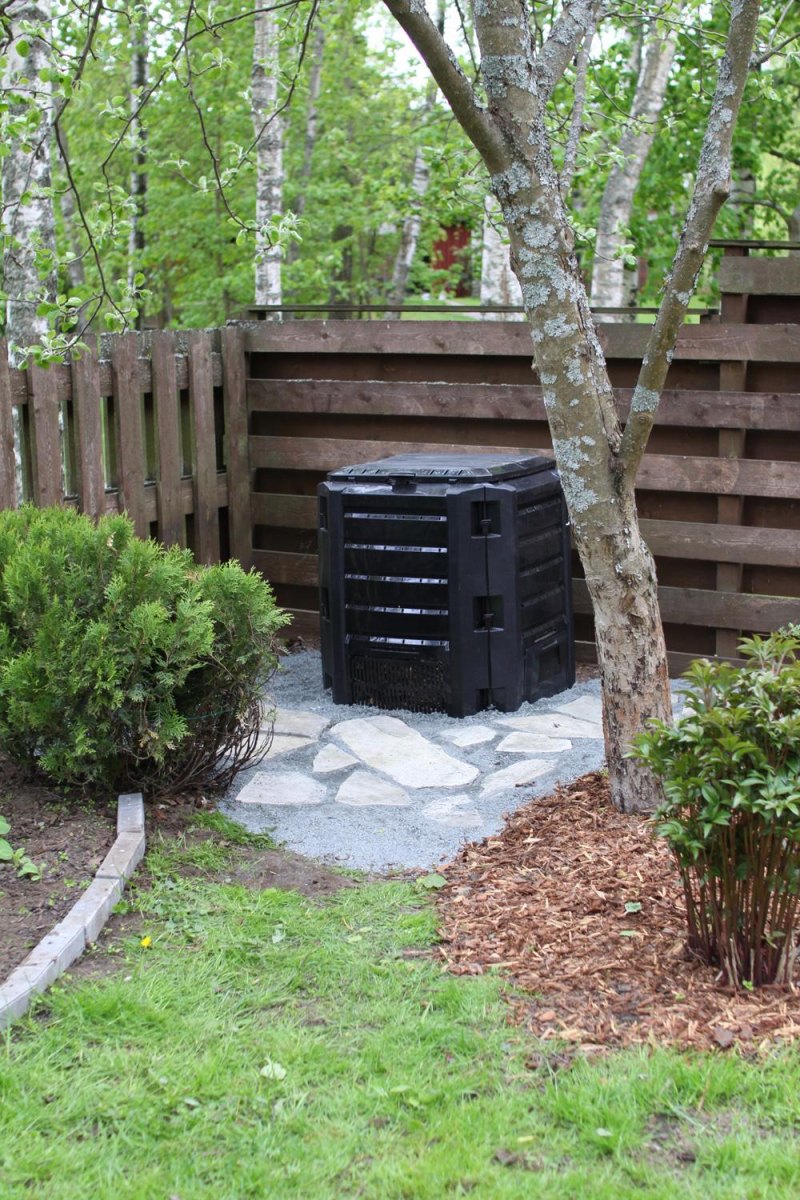
Shade is especially helpful in hot climates like mine. Boise summers can bake a compost bin, so I look for partial shade instead of full sun.
A tree area can work well, but I avoid spots where falling leaves create a constant mess or where roots make access difficult. The goal is protection without inconvenience.
My tip
Partial shade helps prevent compost from drying too quickly while still allowing airflow.
Compost Bin Along a Fence Line
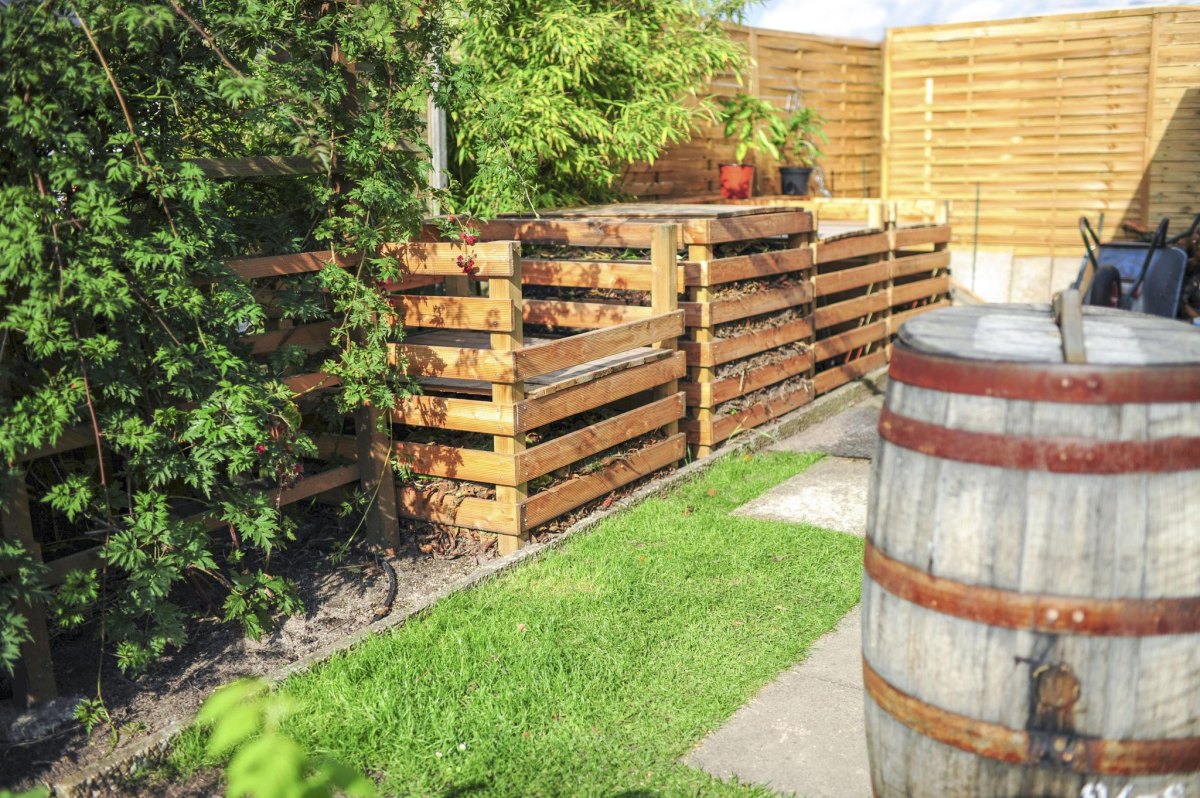
A fence line uses space that might otherwise sit empty. I have used edges of my garden for storage and compost because vertical boundaries save room.
Leave enough space around the bin for air circulation and maintenance. I do not press compost directly against wooden structures because constant moisture can shorten their lifespan.
Compost Bin Beside a Garden Shed
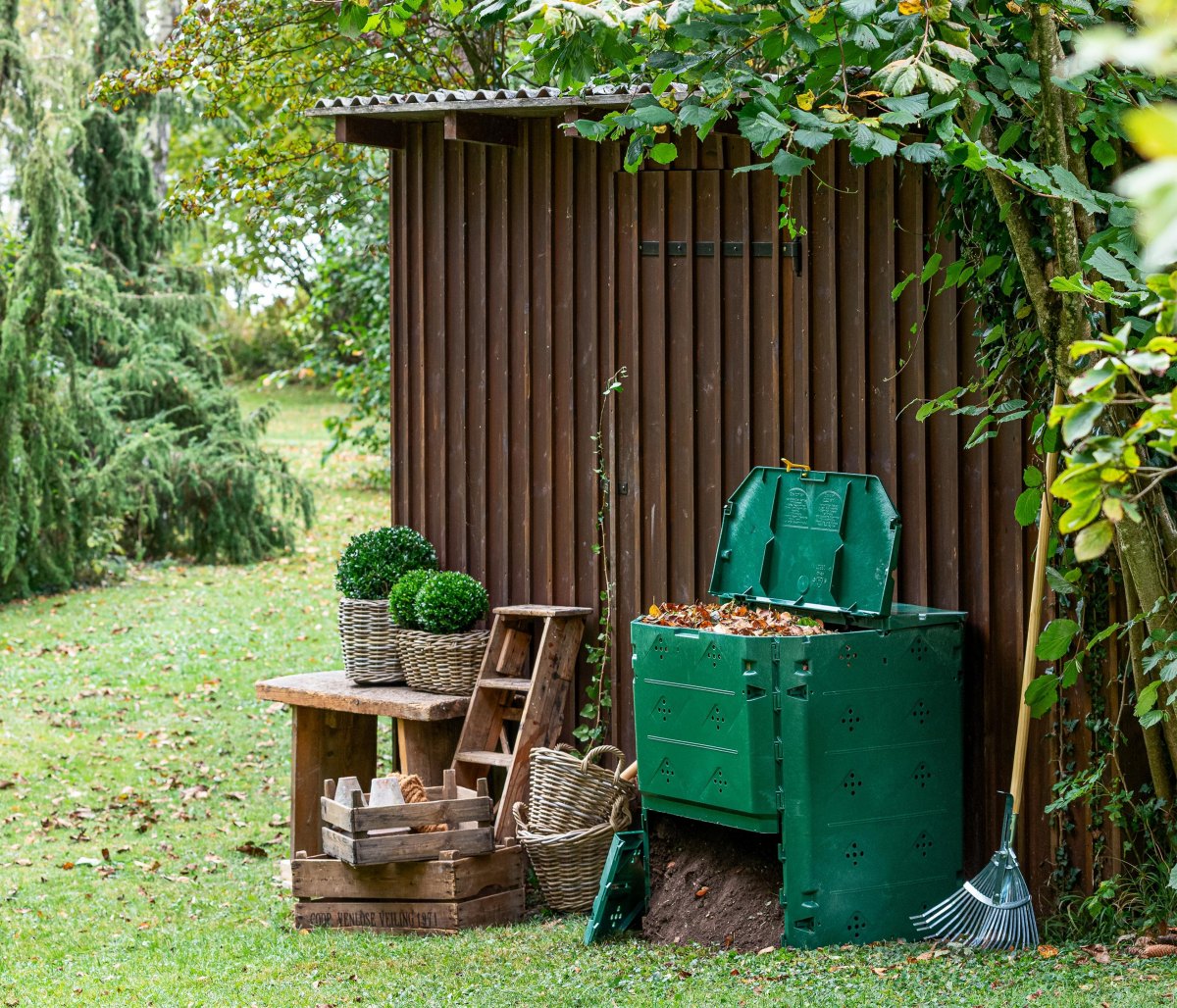
A shed location is convenient because tools, gloves, and compost supplies are already nearby. My garden shed setup works best when everything has one practical station.
I keep a small container of shredded cardboard nearby because compost needs both green materials and brown materials. Convenience makes it easier to maintain the balance.
Small-Space Balcony Compost Bin Setup
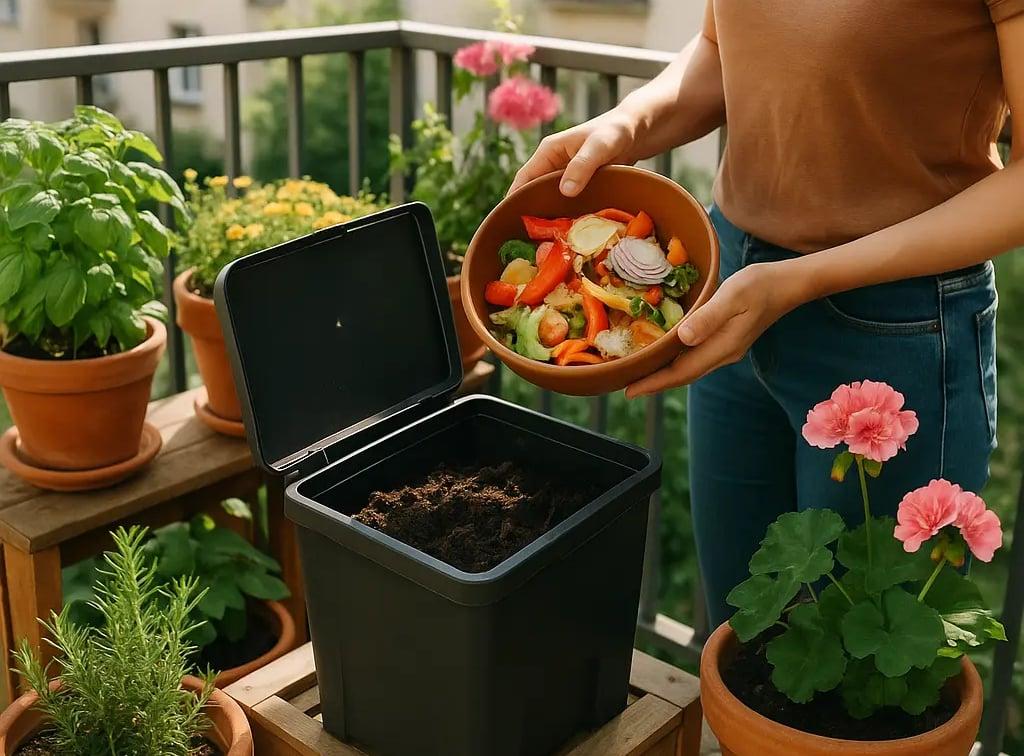
Balcony composting is possible, but the bin has to match the space. A small worm bin or compact system is usually more realistic than a full backyard pile. Footprint matters on balconies.
For small spaces, I focus on shade, drainage, and neighbor-friendly placement. A tray underneath can protect surfaces from moisture.
Pros
- Works for apartment gardeners
- Keeps scraps close
Cons
- Less volume
- Needs careful moisture control
Compost Bin Near a Kitchen Door
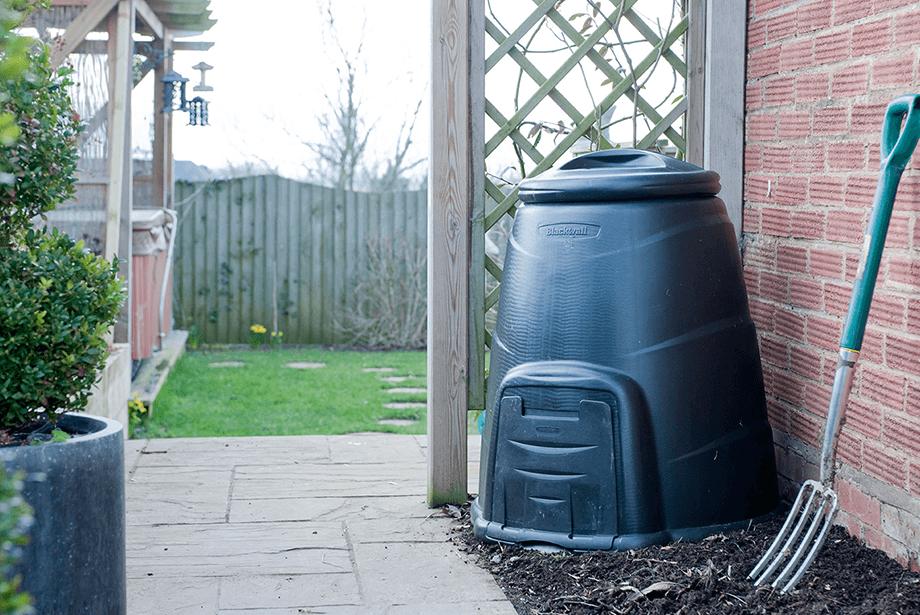
The best compost bin is often the one you actually use. A spot near the kitchen door reduces excuses during winter and makes daily scrap collection simple.
I still keep a small countertop container inside, then make the short trip outside. The outdoor bin should be convenient without creating a traffic problem.
Compost Bin Hidden Behind Garden Plants
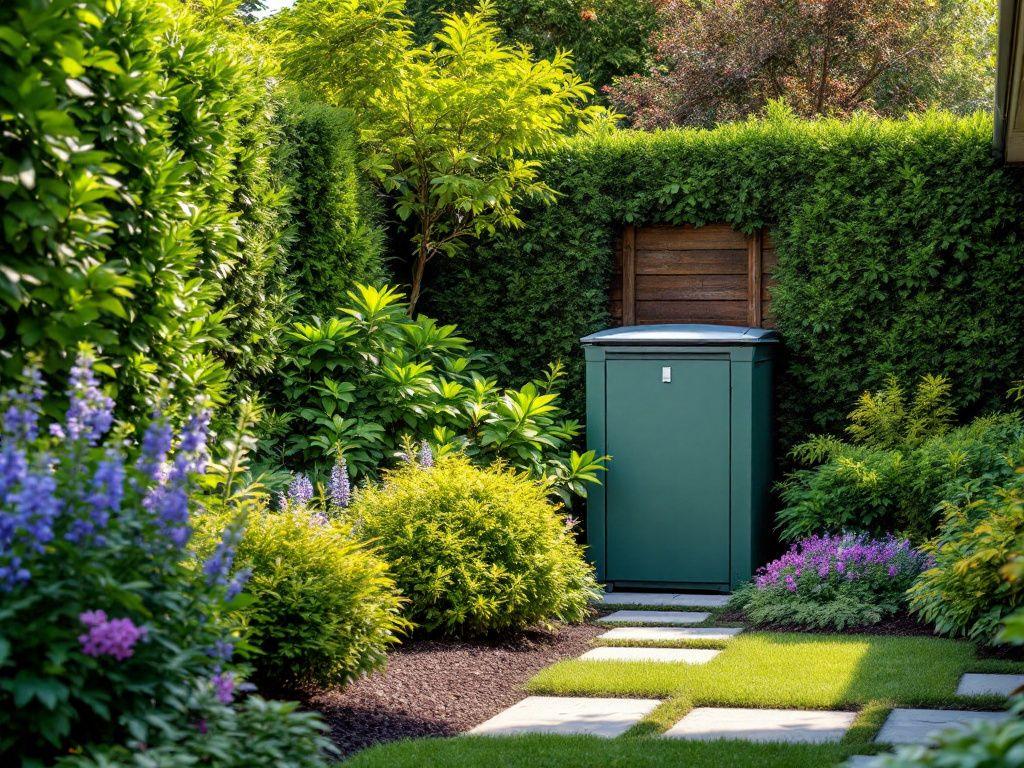
Plants can soften the appearance of a compost area without hiding it completely. I prefer a setup where the bin stays reachable but blends into the garden.
Leave room to open lids, turn material, and remove compost. A hidden bin that becomes annoying to reach usually gets neglected.
Compost Bin on a Level Ground Surface
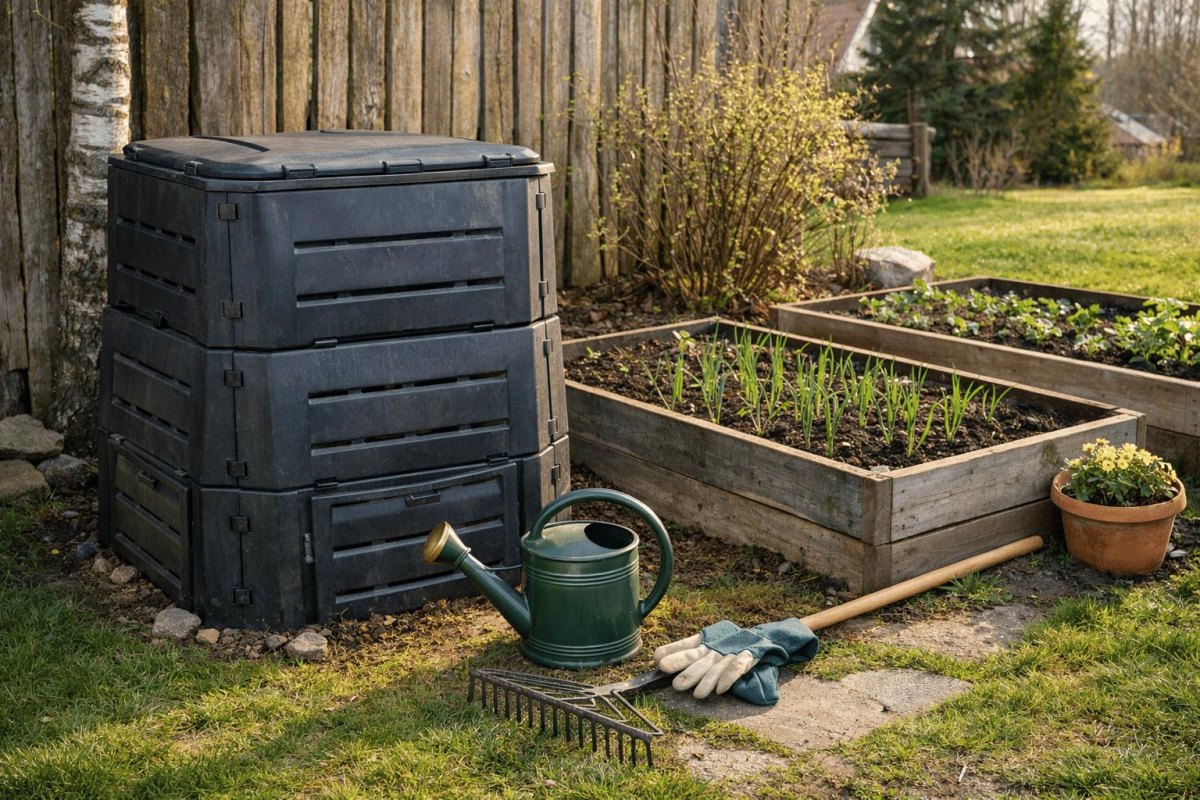
A level surface prevents tipping and makes turning safer. I have learned from years of moving garden materials that stable ground saves your back.
Bare soil is often ideal for traditional compost systems because drainage and natural organisms can work together. Avoid low areas where water collects.
Compost Bin Near Rainwater Collection Areas
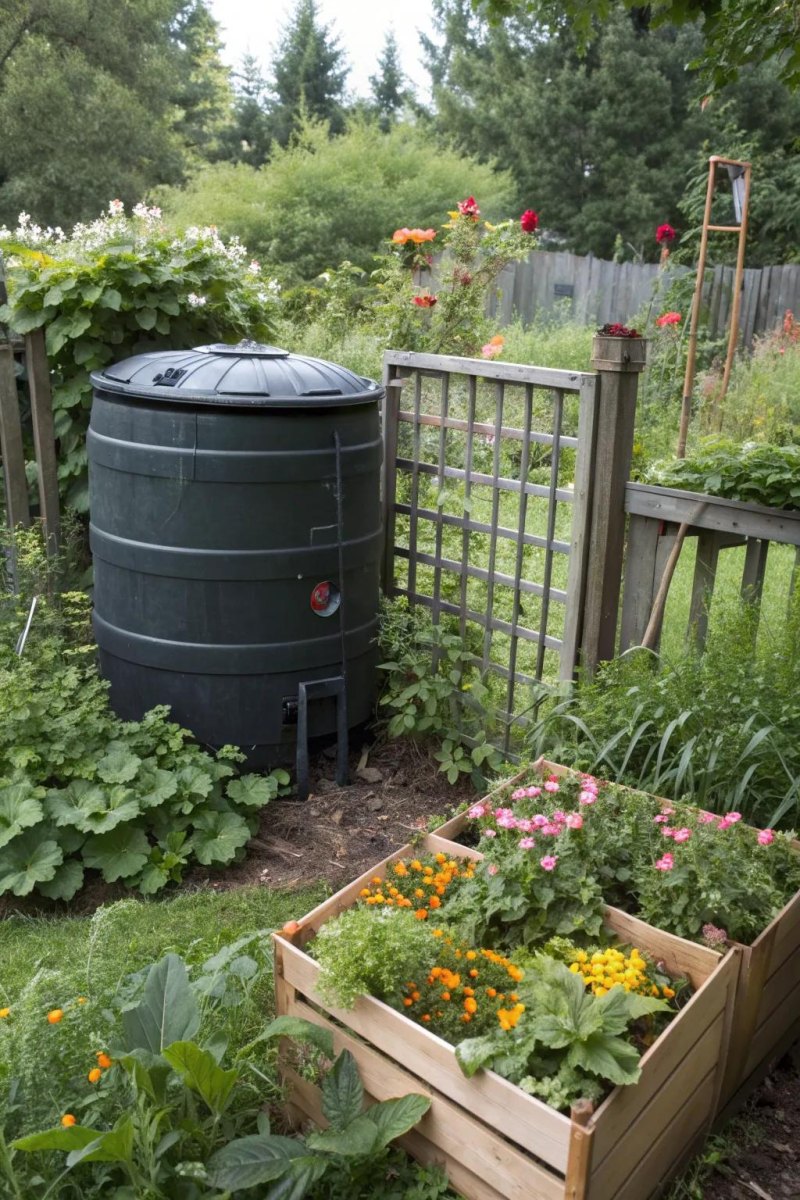
Compost needs moisture, and placing a bin near a rain barrel can make watering easier. In my dry Idaho garden, I pay attention to every drop because water access changes compost success.
Keep enough distance to prevent spills or contamination issues, and remember that local water rules vary.
Compost Bin in a Community Garden Space
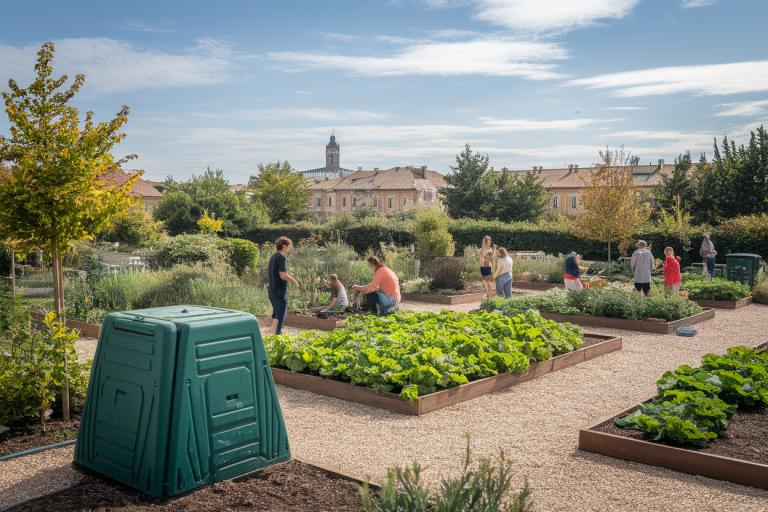
Community gardens need compost locations that work for many people. Shared bins should be easy to reach, clearly managed, and placed where many gardeners can participate.
In shared spaces, labels matter. Everyone should know what belongs in the pile and what does not, including no meat, dairy, oils, or pet waste.
Important
Clear compost rules prevent pests and contamination in shared gardens.
Compost Bin Placement for Easy Wheelbarrow Access
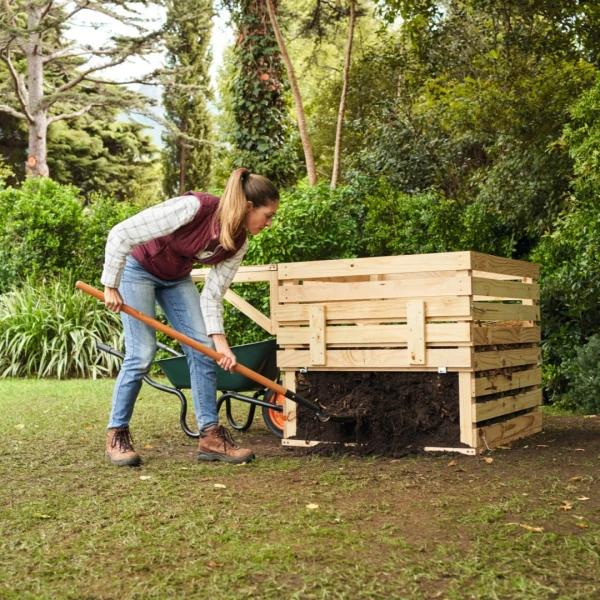
After years of hauling compost, I have strong opinions about paths. A wheelbarrow-friendly location saves time when moving finished material. Good access is worth planning.
Leave a clear route wide enough for your tools and avoid placing bins behind obstacles. Compost is meant to return to the garden, not become a chore.
My placement checklist
- Can I reach it in bad weather?
- Can I remove finished compost easily?
- Can I add materials without extra trips?
More Pinterest Visuals



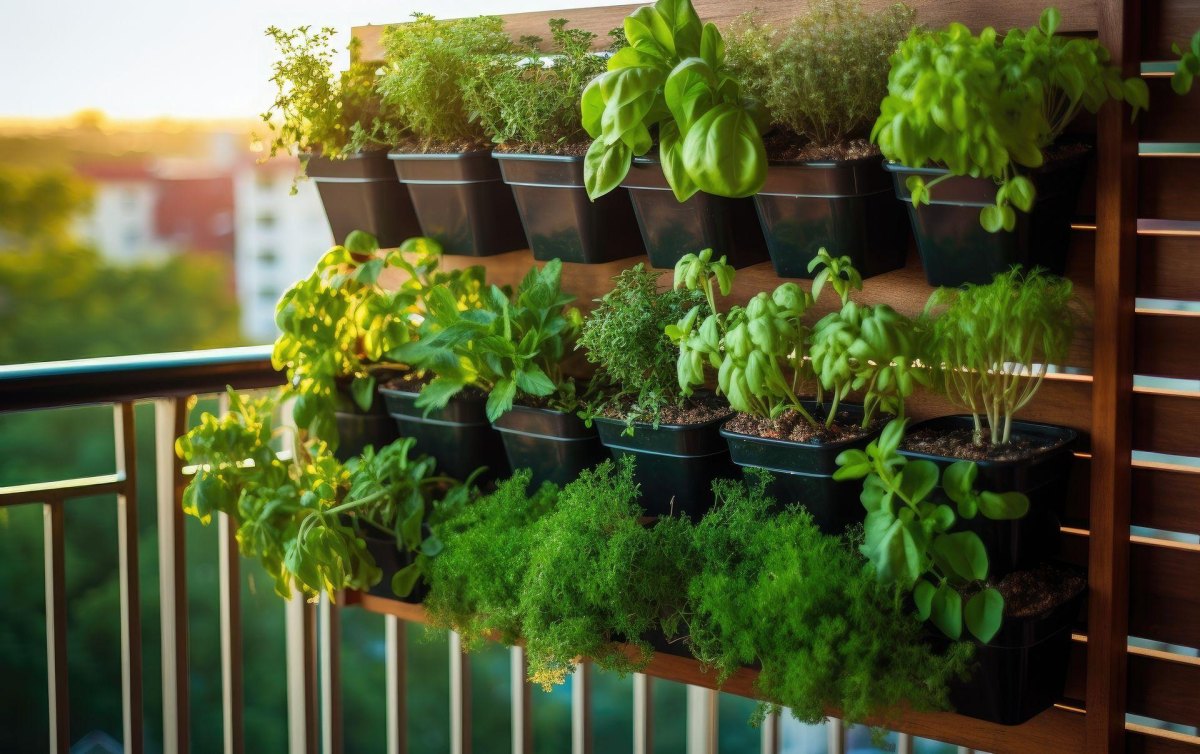 Balcony & Patio GardensSmall Space Garden Ideas That Make Every Inch Count
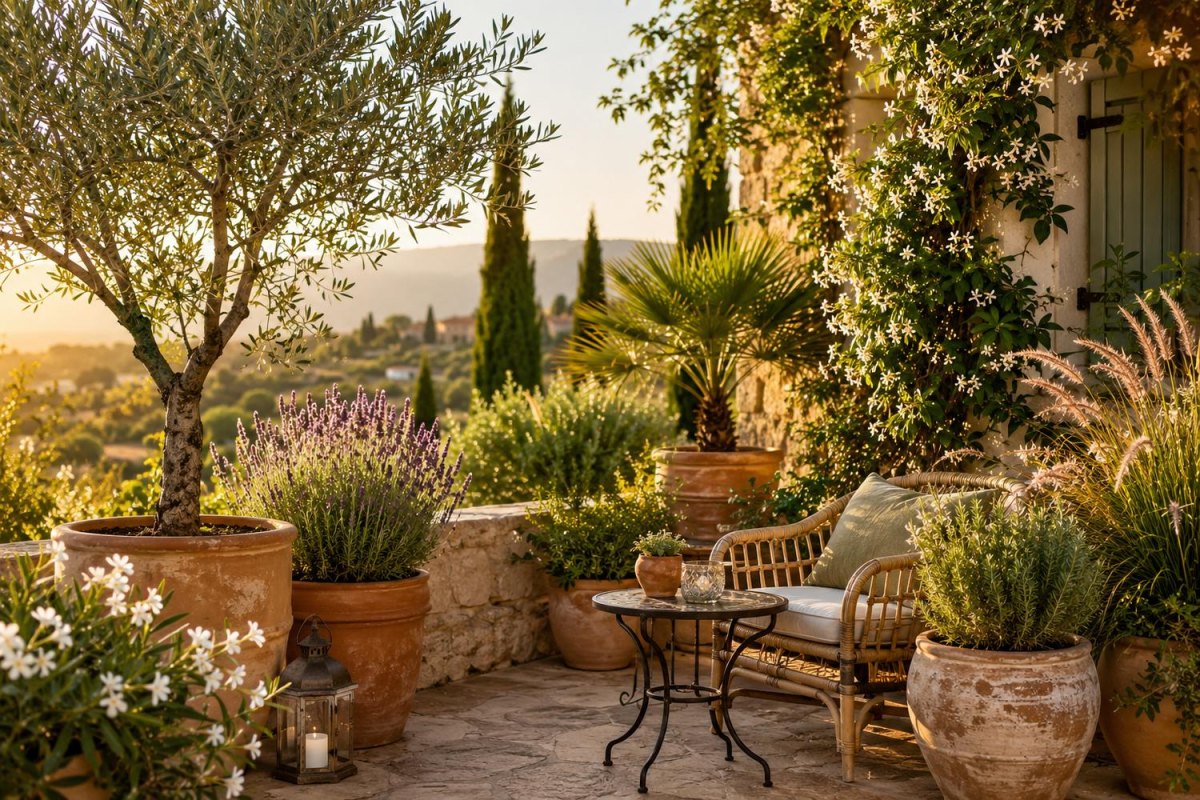 Balcony & Patio GardensKübelpflanzen für die Terrasse – 15 Ideen für ein grünes und blühendes Outdoor-Paradies
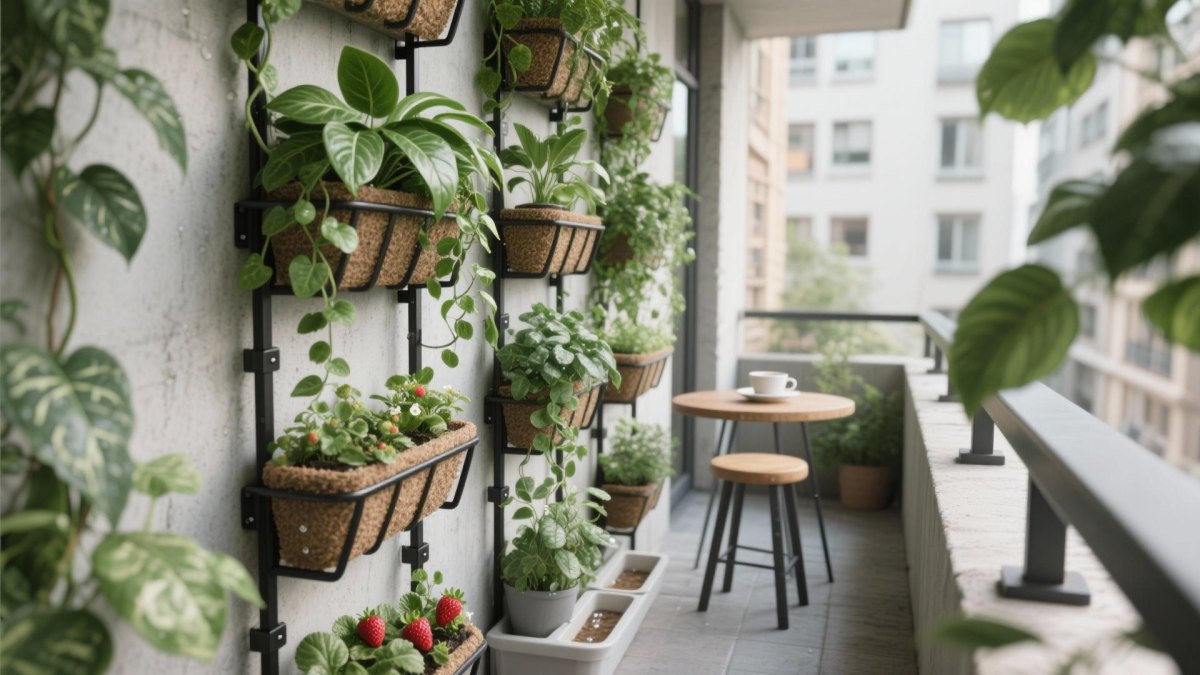 Balcony & Patio Gardens20 Balcony Garden Setup Ideas To Transform Your Outdoor
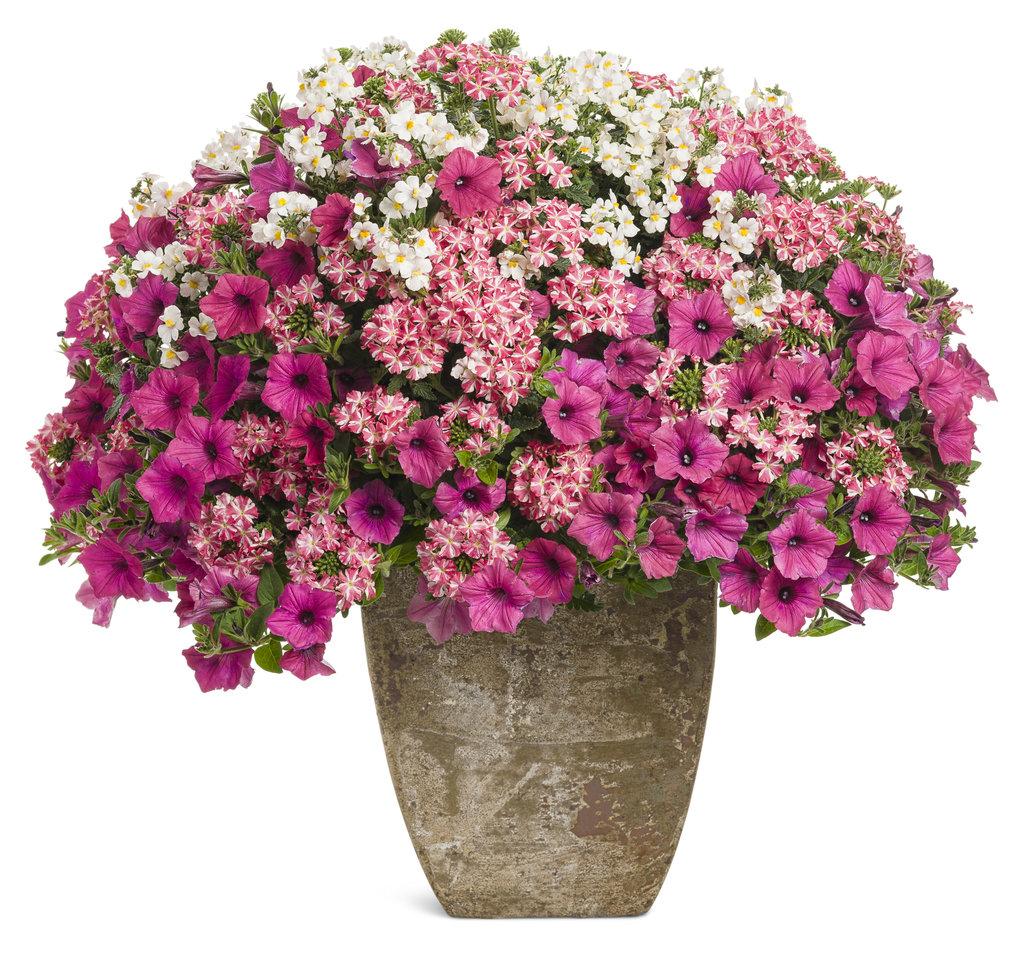 Seasonal & Flower Containers16 Beautiful Container Garden Flower Combinations That Work