
A bouquet can hold a surprising amount of history. I still have dried flowers tucked into old notebooks from my cutting garden years, and they remind me of specific mornings more than any photograph does. I grew flowers in Boise, Idaho, zone 7a, where our dry air, alkaline soil, eleven inches of yearly rain, and intense summer heat taught me that preservation starts with handling blooms at the right moment.
After growing roughly 3,000 cut stems a season for my market garden, I learned that flower preservation method matters as much as the bouquet itself. These are the techniques I return to when I want petals, colors, and memories to last beyond the vase.
Air-Drying Flower Bouquets
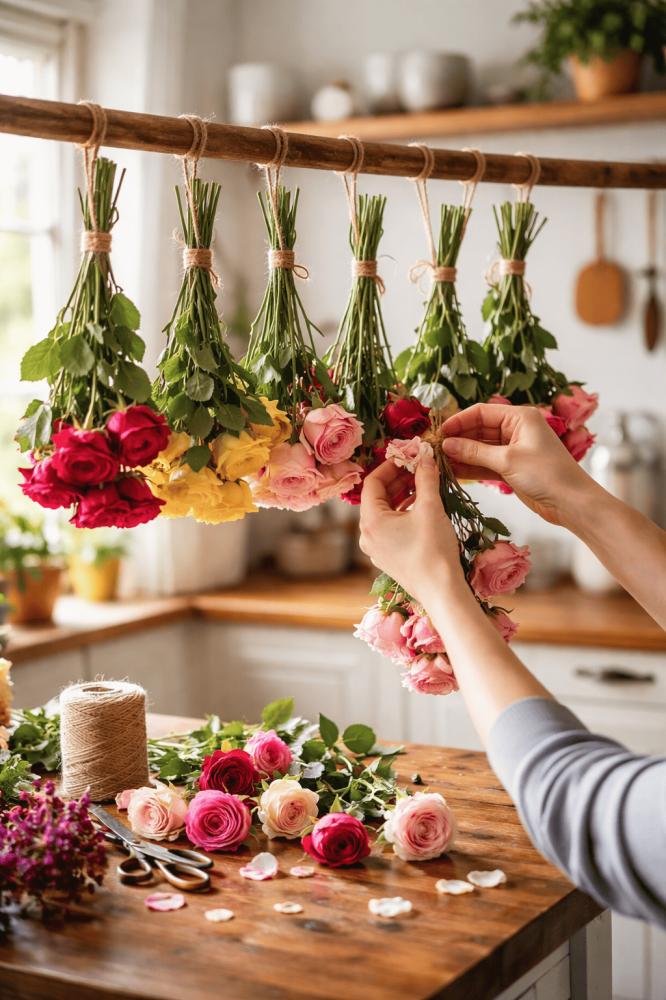
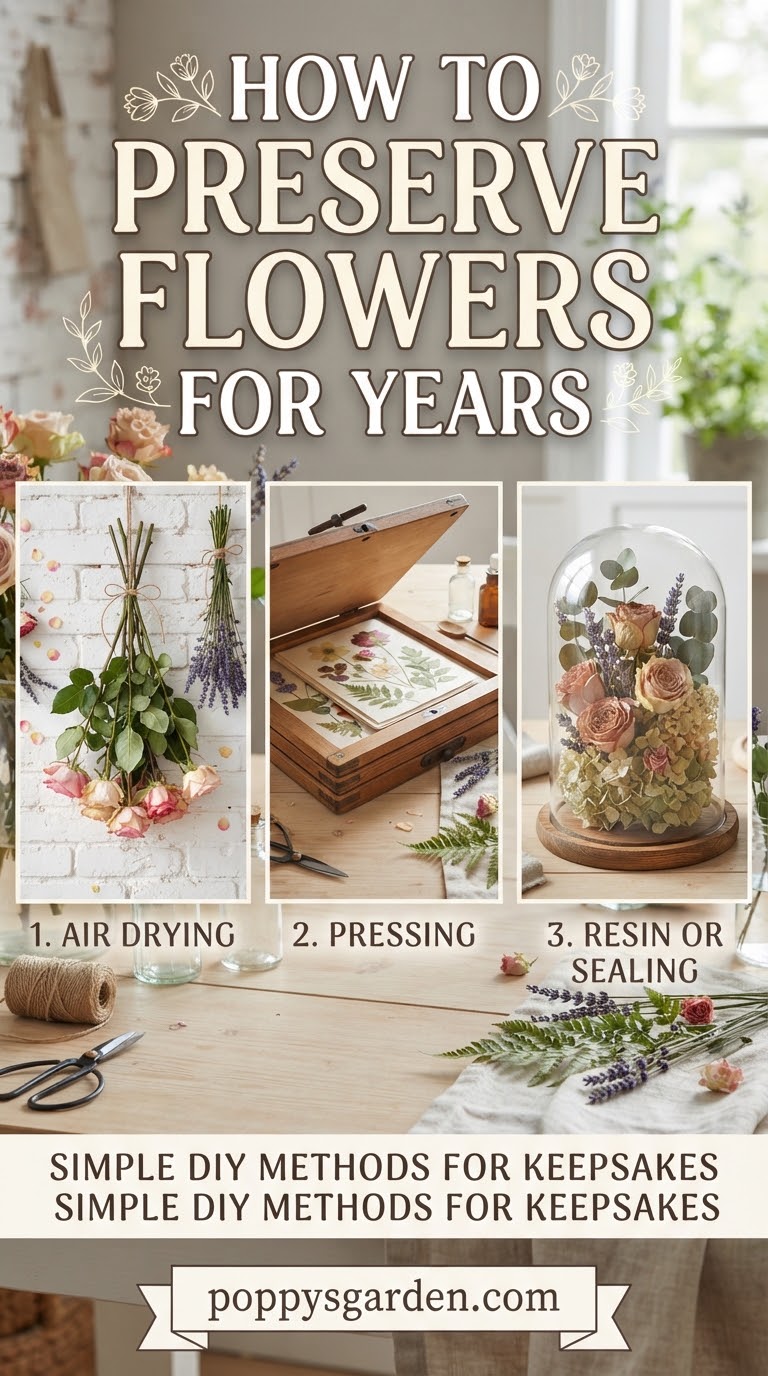
Air drying is the method I recommend most often because it is inexpensive, simple, and forgiving. I used it frequently with strawflowers, statice, lavender, and some zinnias from my cutting beds. The key is choosing flowers that are already fairly sturdy before they begin to fade.
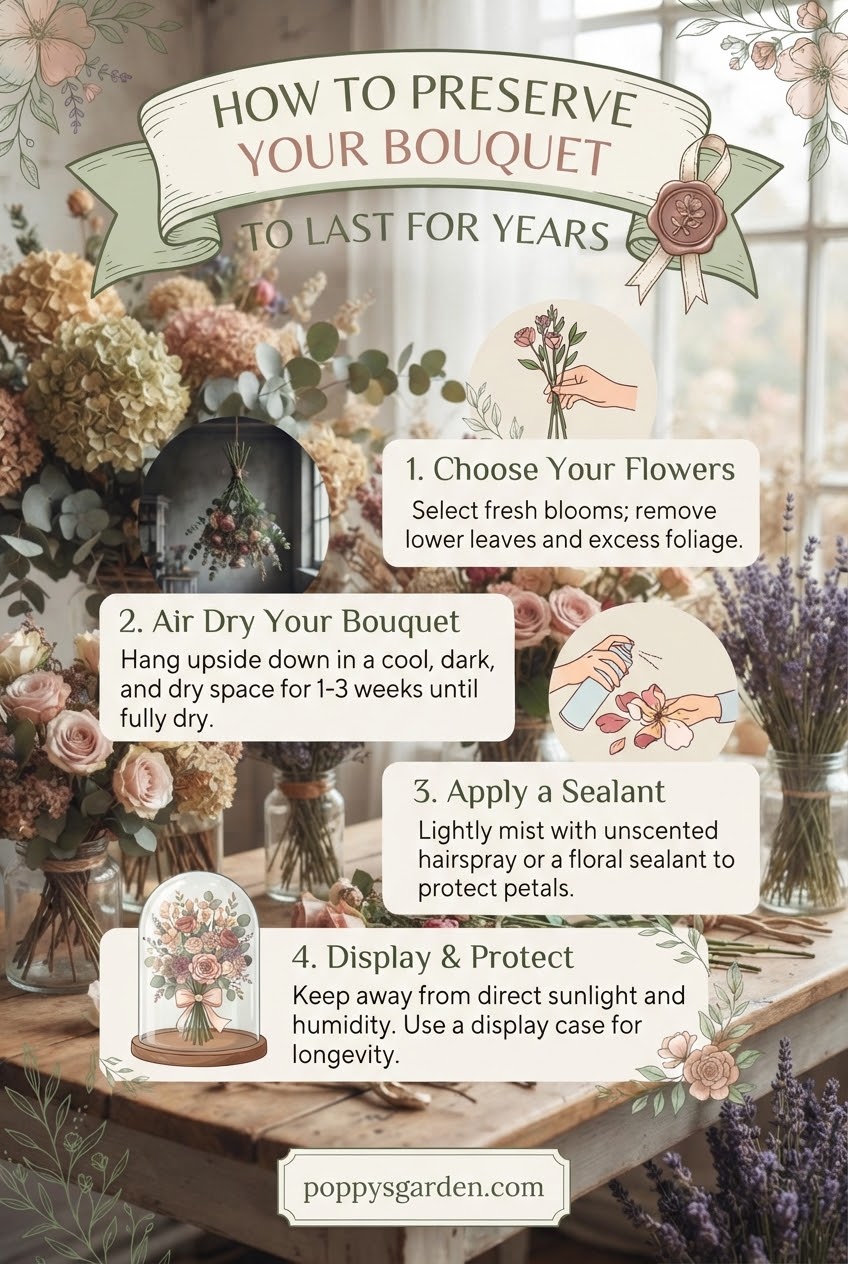
For air-dried bouquets, I remove extra leaves, tie small bundles, and hang them upside down in a dark, dry space with good airflow. My basement seed-starting area works well when it is not being used for seedlings because it stays cooler and protected from direct sun.
My practical tip
Do not wait until petals are collapsing. Flowers preserved near their peak shape keep much better structure.
Pressing Flowers for Flat Keepsakes
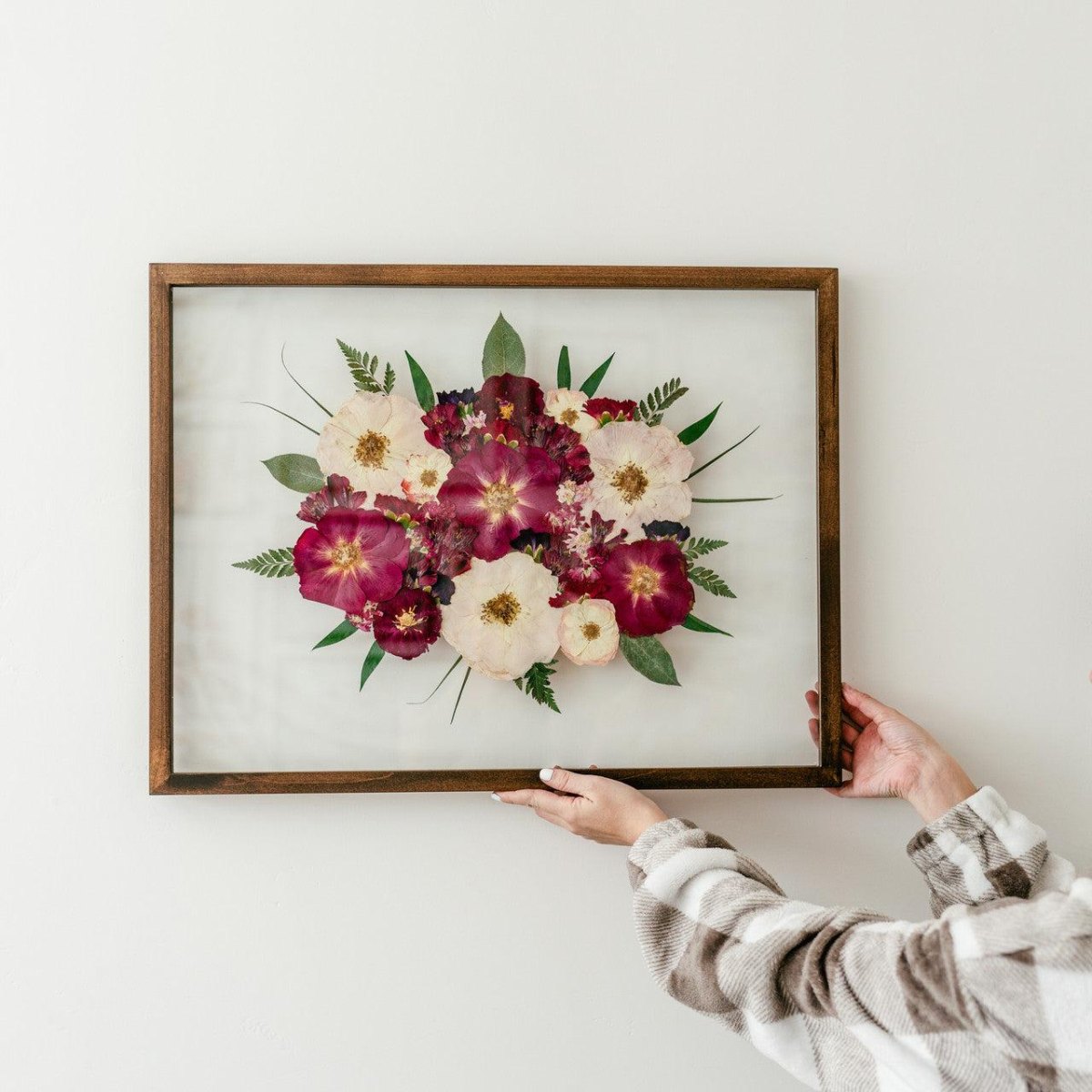
Pressed flowers are my favorite option when I want a small memory instead of a full bouquet. I have used pressed cosmos and pansies in cards, frames, and garden journals because they keep the story of a season without taking much space.
The best pressed flower keepsakes come from blooms with thinner petals. I place flowers between absorbent paper, add weight evenly, and leave them alone for several weeks. Rushing this step usually leads to uneven drying or brown edges.
Silica Gel Flower Preservation
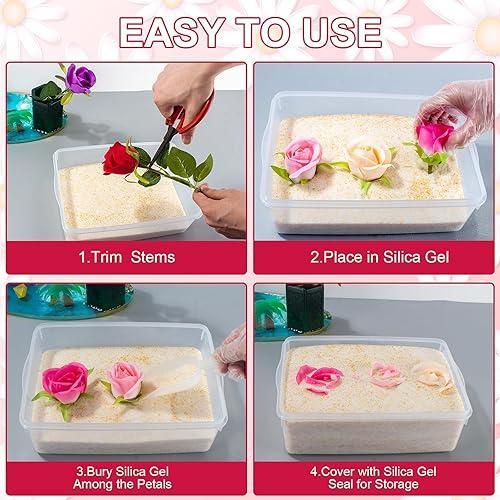
When preserving flowers with detailed shapes matters, silica gel is the method I reach for. During my market garden years, I saw how quickly delicate flowers lost their form, and silica gel helped protect blooms that would not survive simple hanging.
This process surrounds flowers with crystals that pull out moisture while helping maintain their original appearance. Silica gel drying works especially well for roses, dahlias, and flowers with many petals.
Important note
Keep silica gel away from children and pets, and follow the product directions rather than guessing at drying times.
Resin Encapsulation of Flowers
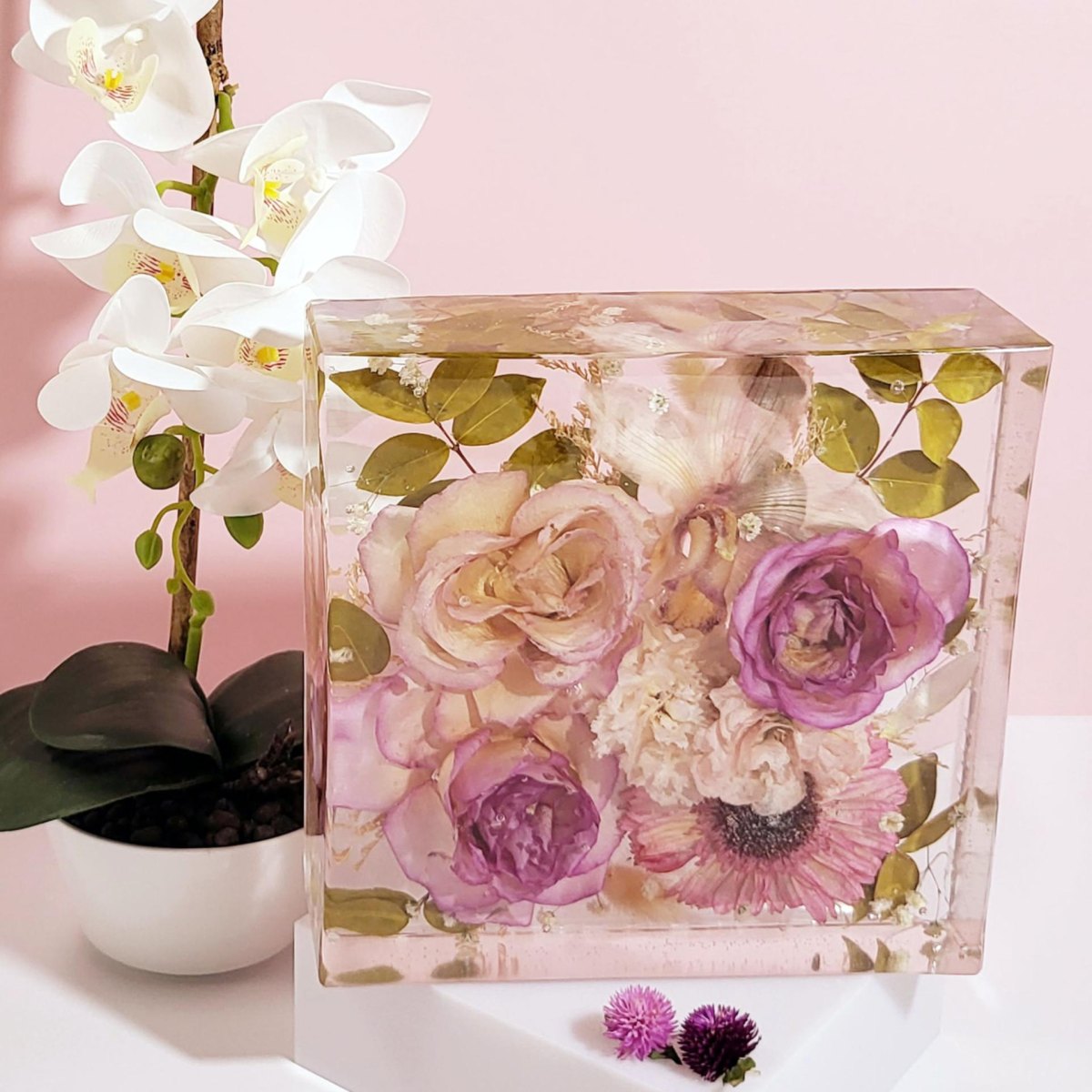
Resin preservation turns flowers into permanent decorative pieces, from paperweights to jewelry. I like this option for a few special blooms rather than an entire bouquet because it changes the flower into a keepsake object.
The most successful resin flower preservation projects begin with completely dry flowers. Any trapped moisture can create cloudiness or damage inside the resin, so patience matters more than speed.
A mistake I avoid
I never seal flowers before they are fully dry. A beautiful bloom can become a disappointing project if moisture is locked inside.
Wax-Dipped Flower Preservation
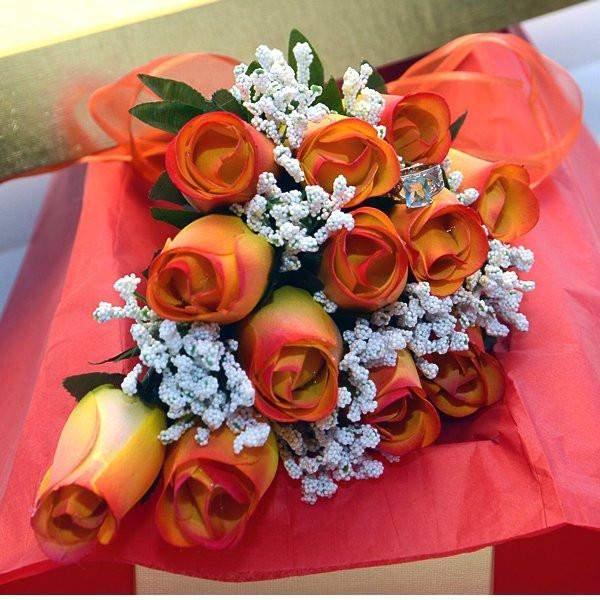
Wax dipping is a charming way to temporarily extend the beauty of fresh flowers. I have used it for decorative stems rather than long-term archival pieces because the finish is lovely but not permanent.
The wax dipped flower technique creates a protective coating that can help petals hold their shape for displays and special occasions. It works best when the flowers are fresh and handled carefully.
Why gardeners like it
- Quick decorative result
- Keeps natural flower shape
Things to know
- Not a permanent preservation method
- Requires careful temperature control
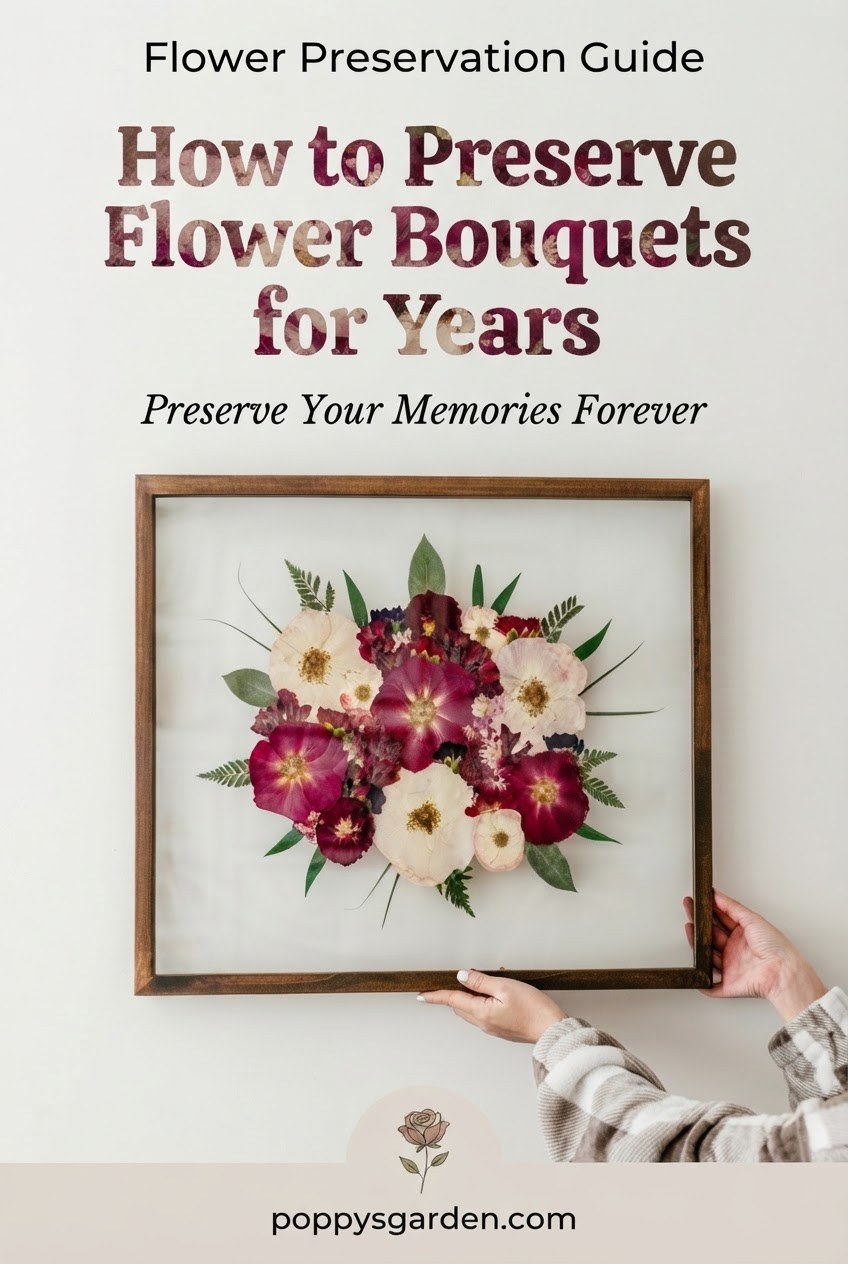
Flower Bouquet Shadow Box Display
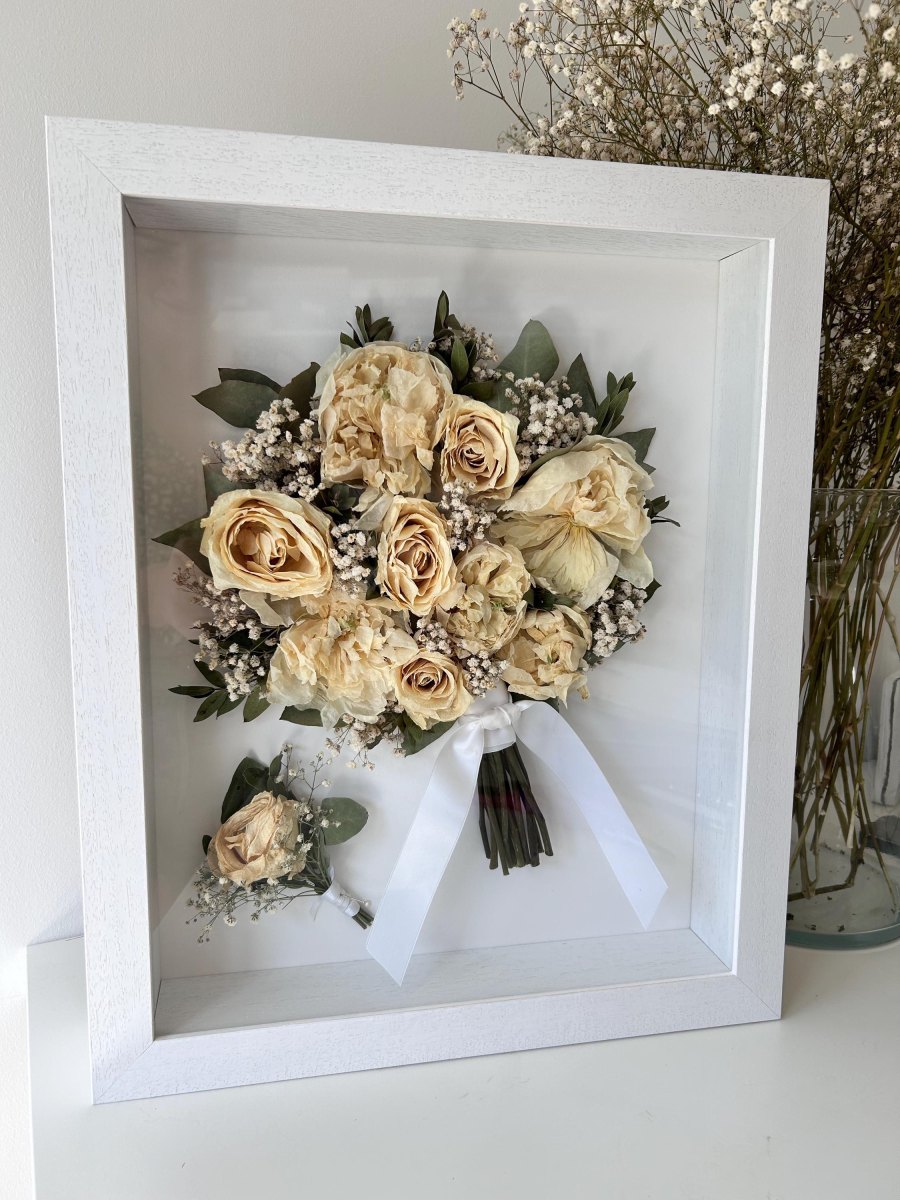
A shadow box is one of the best ways to preserve an entire bouquet while still enjoying it visually. I especially like this approach for wedding flowers because the arrangement can stay connected to the memory of the day.
For a bouquet shadow box display, I usually dry flowers first, then arrange stems, ribbons, and small details inside a deep frame. The final piece becomes garden art rather than something hidden away.
Freeze-Drying Flower Bouquets
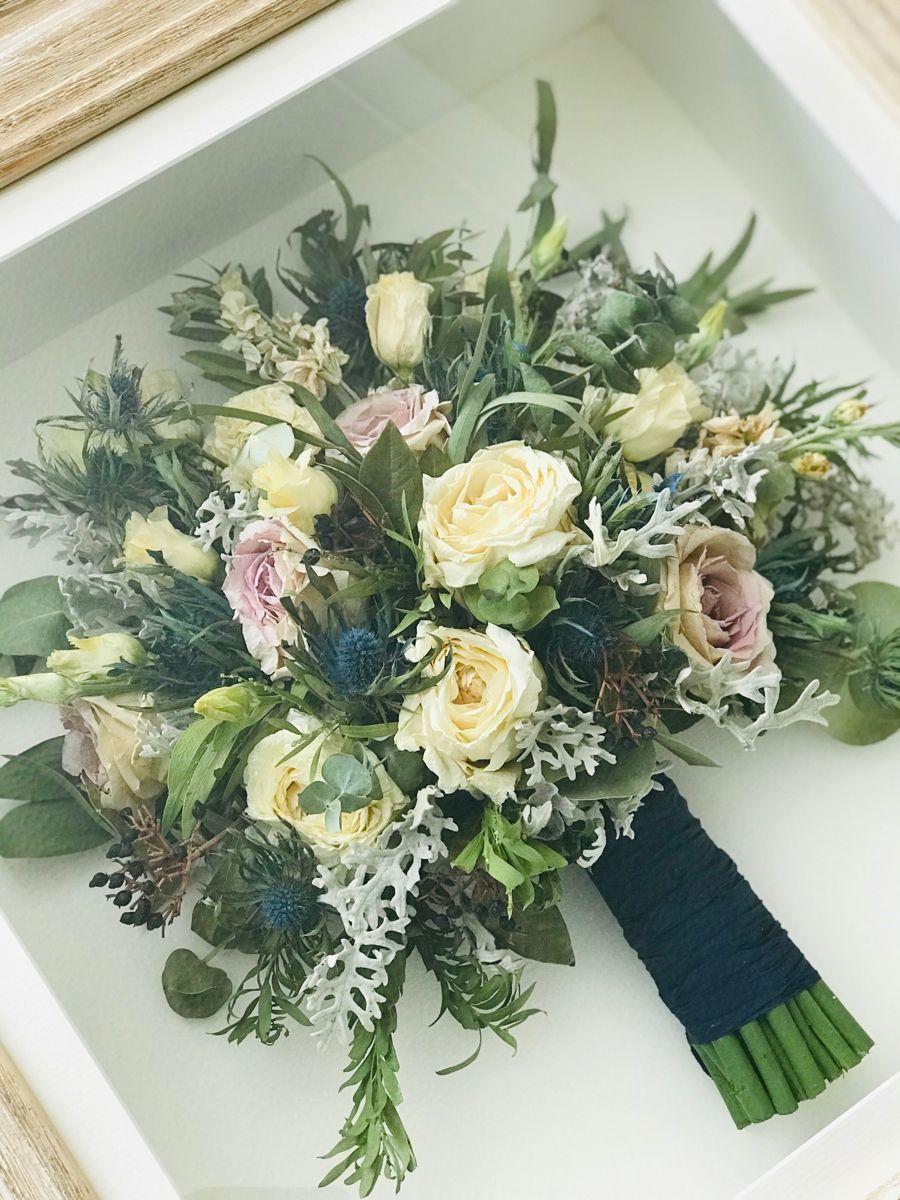
Freeze drying is the method closest to keeping a bouquet looking like the original. Professional services use specialized equipment to remove moisture while preserving shape, color, and texture.
I have not purchased a freeze dryer for my home garden setup because the equipment cost does not make sense for my yearly flower volume. For special bouquets, though, freeze dried flowers can be worth considering.
| Method | Best use |
|---|---|
| Freeze drying | Important bouquets needing maximum detail |
| Air drying | Simple home preservation |
Creating Dried Flower Arrangements
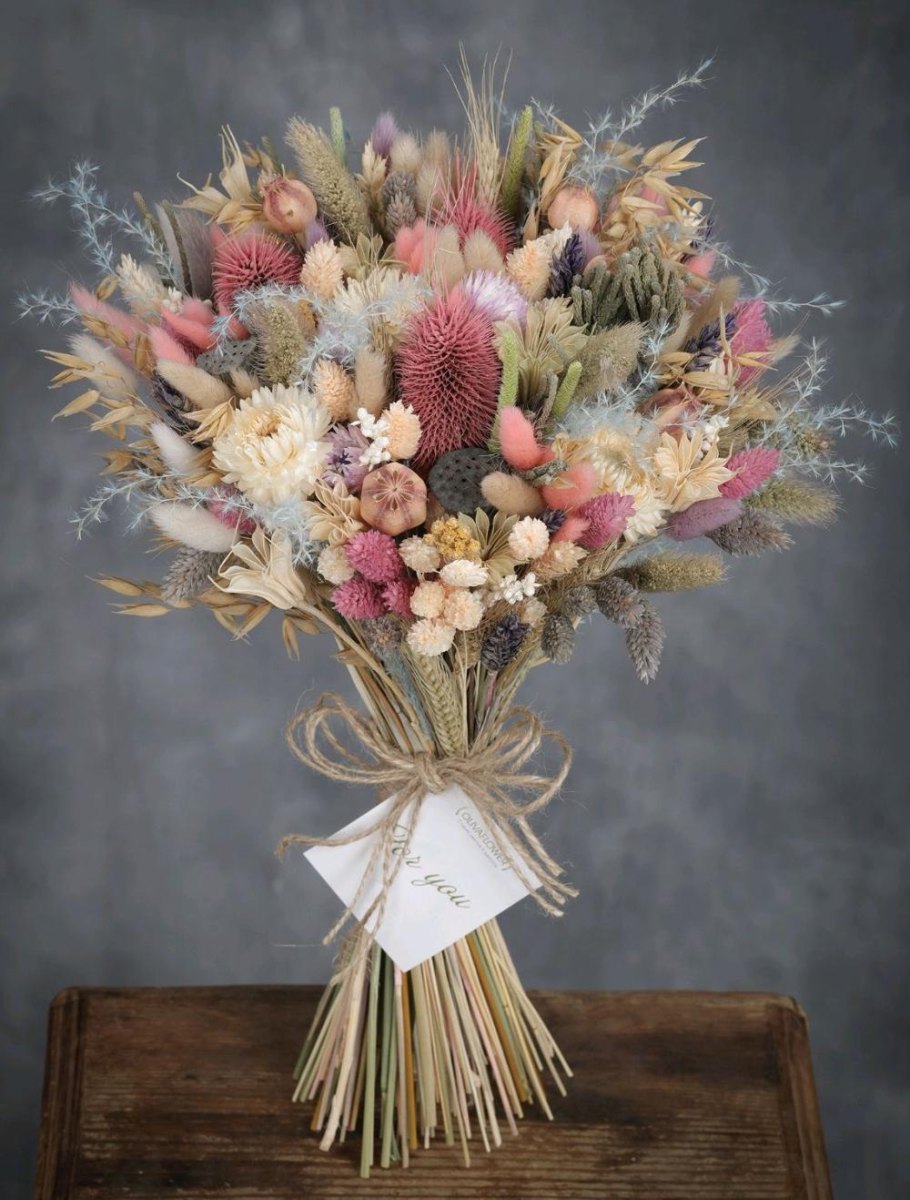
Once flowers are dried, they do not have to stay as a single bouquet. I enjoy turning preserved stems into smaller arrangements that last through multiple seasons. Some of my dried flowers have moved from shelf to shelf for years.
Creating dried flower arrangements is also a good way to use imperfect stems. In my garden notes, I often mark flowers that were not ideal for fresh bouquets but became excellent dried material later.
A useful takeaway
Choose the preservation method based on what you value most: natural texture, original color, a display piece, or a small everyday reminder.
More Pinterest Visuals



 Seasonal & Flower Containers6 Fast Growing Flowers for Containers That Bring Quick, Colorful Blooms
 Balcony & Patio Gardens16 Small Garden Ideas for Renters That Save Space and Look Beautiful
 Herb Gardening9 Beautiful Herb Garden Design Ideas That Are Practical and Easy to Grow
 Raised Bed Gardening10 Best Vegetables for Raised Garden Beds That Are Worth Growing