
 01.11.2026
A small rental garden can be surprisingly productive without a single permanent change to the property. I've seen how much growing space a few well-chosen containers, a freestanding plant stand, and a sunny corner can provide. You don't need a backyard, expensive landscaping, or permission to dig up the lawn to grow flowers, herbs, and vegetables.
My approach is to spend money on things I can take with me when I move. Portable planters, removable vertical supports, lightweight furniture, and reusable containers make it possible to build a garden that changes with your circumstances. I garden in Boise, Idaho, USDA zone 7a, where we receive roughly 11 inches of annual precipitation and deal with alkaline soil, strong winds, and hot summers. Your climate and frost dates may be quite different, so check your local extension service before choosing plants or planning seasonal planting. Here are 16 practical ideas I'd consider for making even the smallest rental space feel green and useful.
Create a Cozy Balcony Garden with Space-Saving Planters
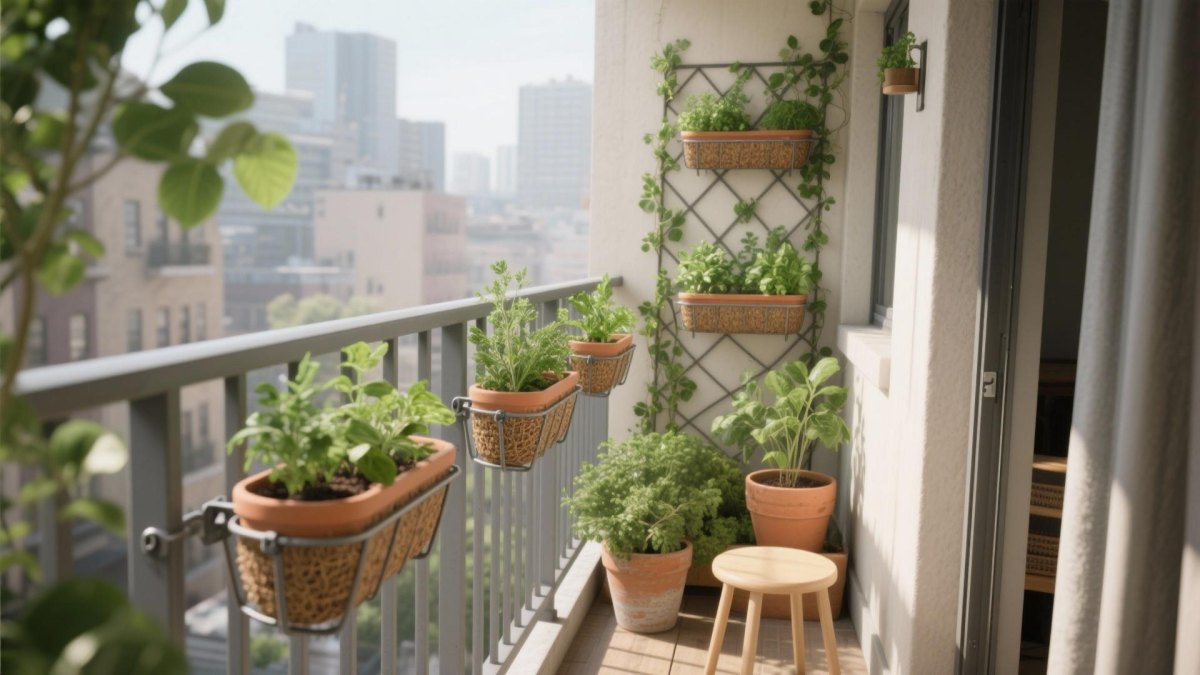
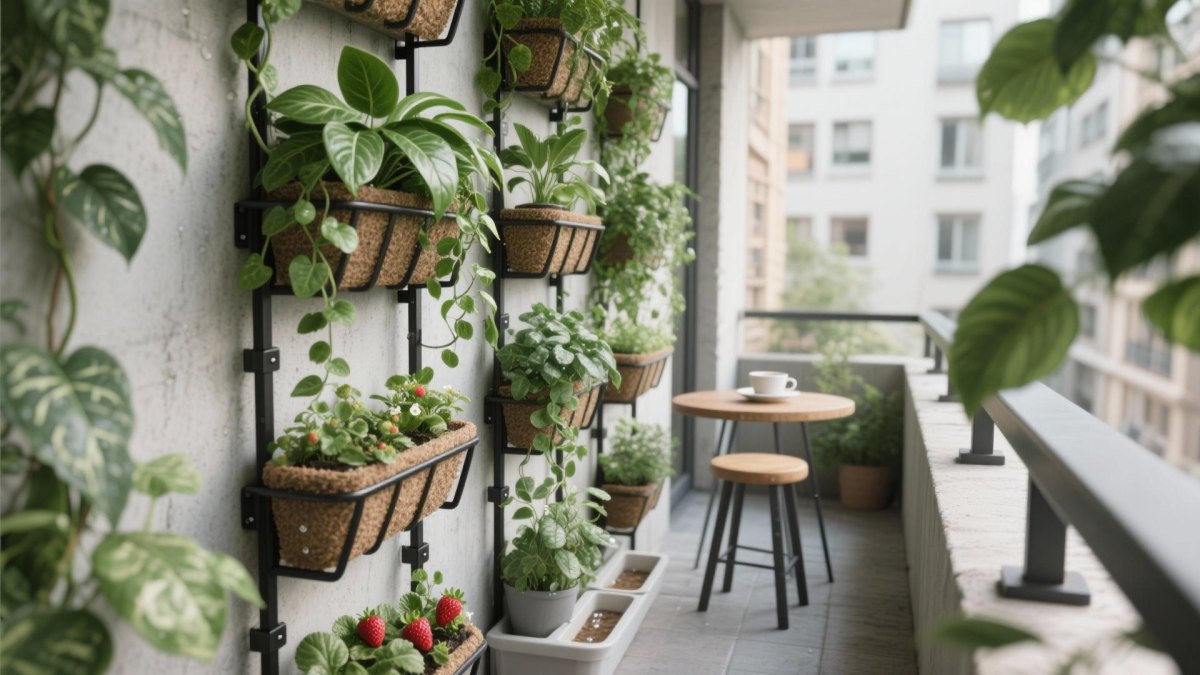
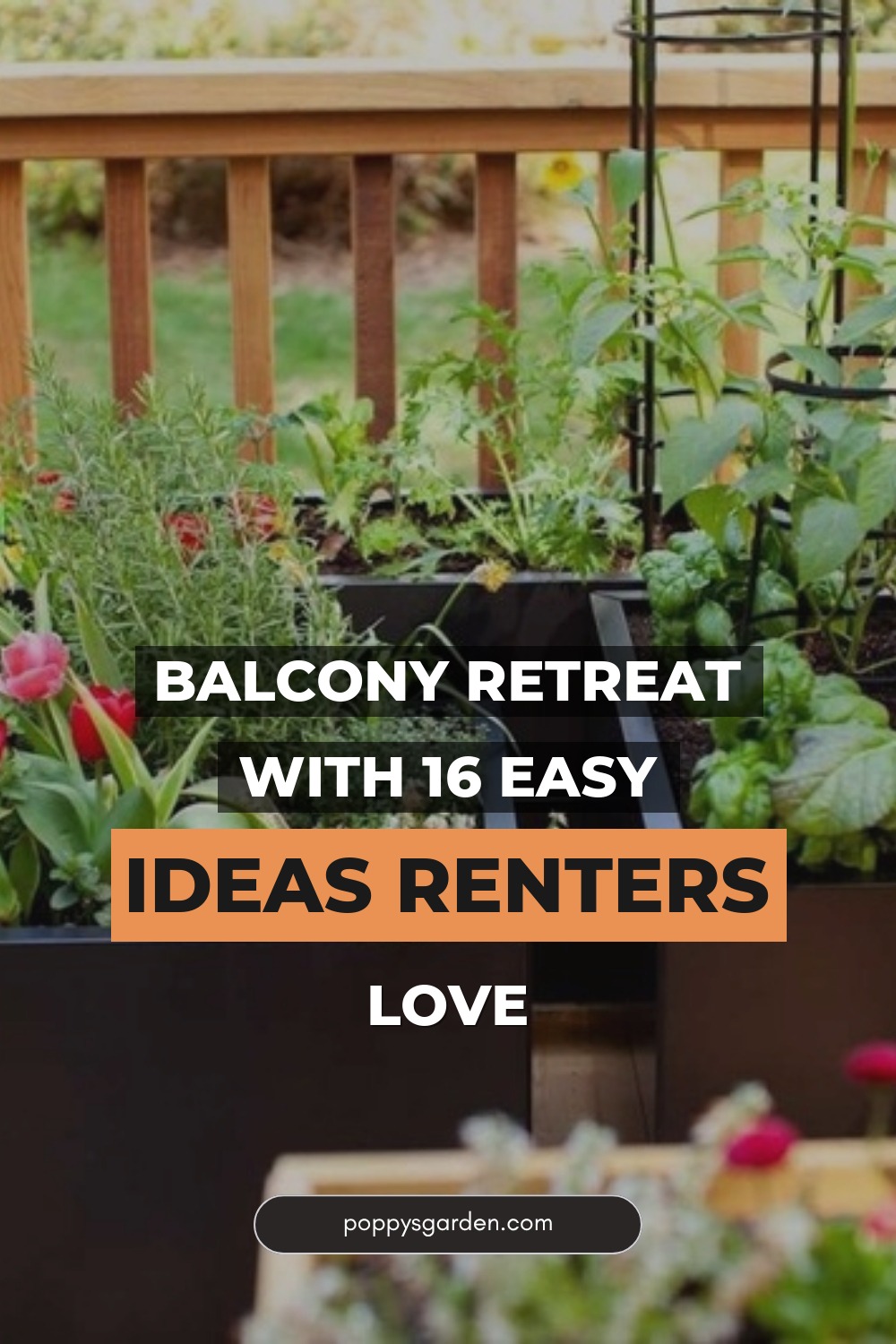
A balcony is one of the easiest places to start a rental garden. I would begin with two or three compact rectangular planters along a sheltered wall rather than filling every available inch with individual pots. They create a tidy appearance, make watering easier, and leave enough room for a chair or a small table. Leaf lettuce, parsley, compact flowers, and trailing nasturtiums are useful choices, depending on available sunlight.
Before buying anything heavy, check your lease and building regulations. Wet potting mix weighs considerably more than dry mix, and balconies have structural load limits. I prefer lightweight resin or plastic containers, with drainage holes and saucers to catch excess water. Check wind exposure, too, and secure everything appropriately without attaching anything to the building without permission. Keep the balcony entrance and drainage outlets clear. A small garden should make the space more enjoyable, not harder to use. Bunnings' renter-friendly balcony advice also highlights the importance of checking building rules and conditions before planting. [Source](https://www.bunnings.com.au/diy-advice/garden/garden-design/get-your-balcony-blooming-with-renter-friendly-gardening-ideas)
Grow a Vertical Garden to Maximize Limited Space
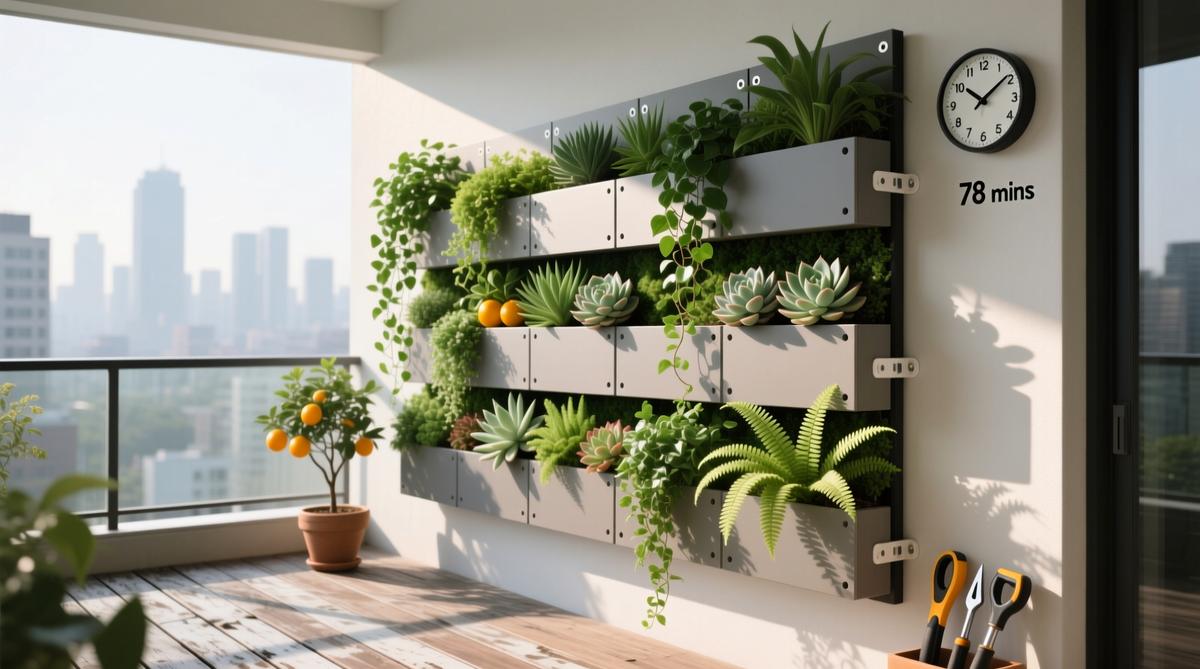
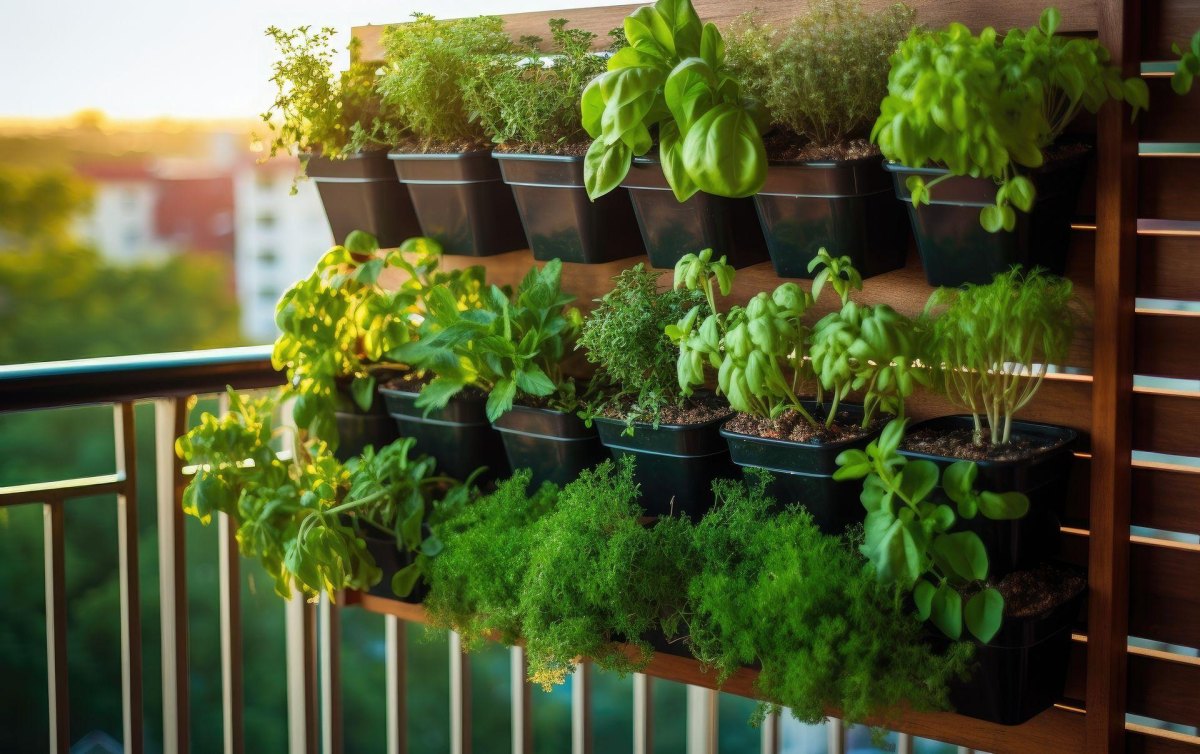
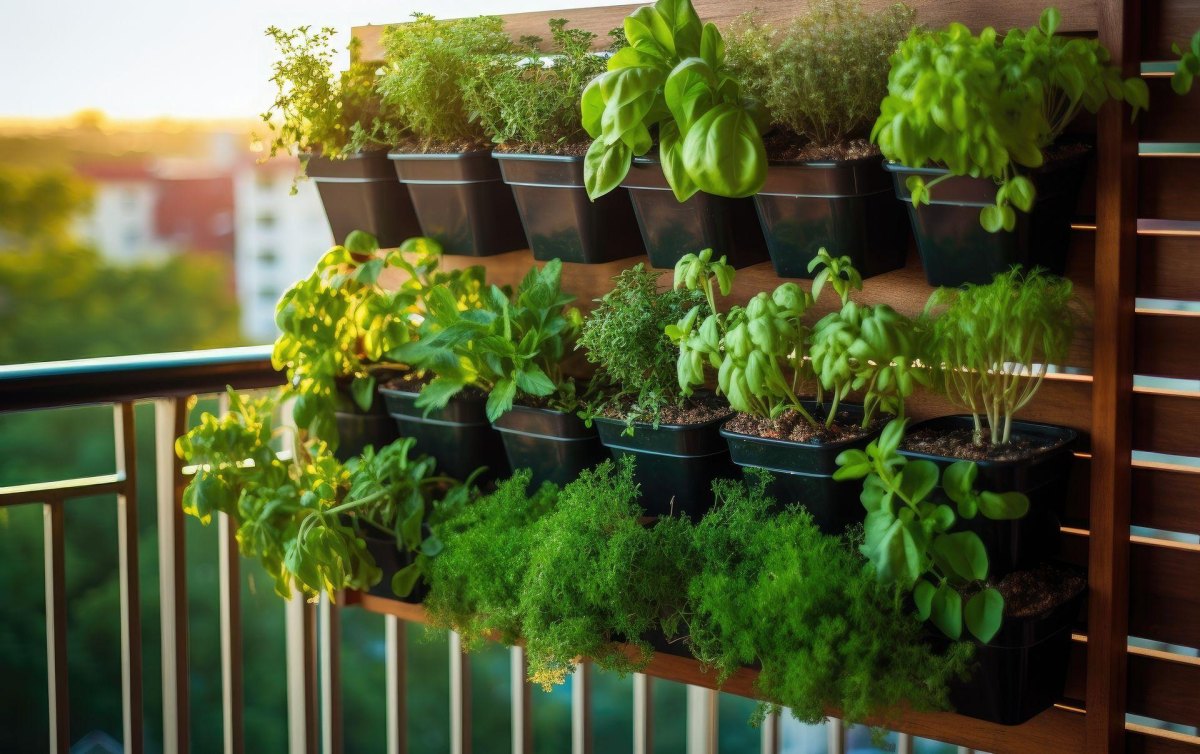
When floor space is limited, I start looking upward. A freestanding vertical garden can hold several small pots while keeping the walking area relatively clear. A wooden ladder shelf, portable plant rack, or freestanding trellis can provide different growing levels without drilling holes into rental walls.
For an edible display, try shallow-rooted lettuce, parsley, chives, and compact herbs in appropriately sized containers. Trailing flowers can soften the edges and make the arrangement look less like a collection of pots. I would place sun-loving plants where they receive the most light and shade-tolerant varieties on lower shelves if the light conditions suit them. Check stability and drainage before filling every level. Water from upper containers can drip onto plants below, so arrange the shelves to avoid creating a soggy mess. Portable garden ideas for renters offer additional inspiration for no-drill supports and movable planting structures.
Use Portable Container Gardens for Flexible Planting
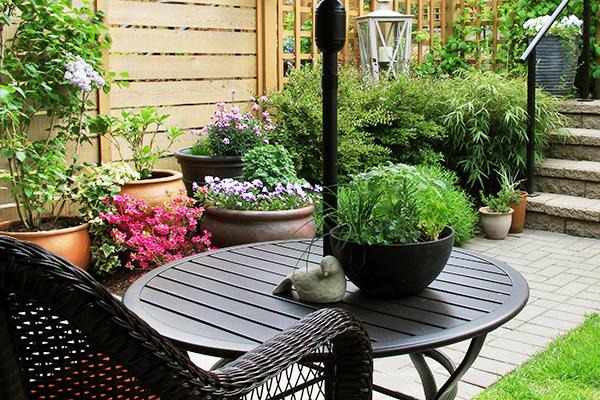
Containers are my first choice for rental properties because they are flexible, reusable, and easy to rearrange. I like combining different pot sizes and heights instead of buying an identical set. A few large containers provide room for productive plants, while smaller pots accommodate herbs and seasonal flowers.
Choose container sizes according to the mature plants rather than the size of the seedlings at the garden center. For example, a full-sized tomato generally needs around 5 gallons of growing medium, while lettuce can grow in much smaller containers. Every pot needs adequate drainage and a suitable potting mix. I avoid using ordinary garden soil in containers because it can become compacted and drain poorly. The Royal Horticultural Society explains why larger containers generally retain moisture longer than smaller ones. More root space usually means less frantic watering, particularly during hot weather. RHS container gardening guidance is a useful reference. [Source](https://extension.umd.edu/resource/growing-vegetables-containers-and-salad-tables)
My container rule
Buy pots with drainage holes first and decorative covers second. A beautiful container cannot compensate for waterlogged roots.
Transform a Small Patio into a Green Outdoor Retreat
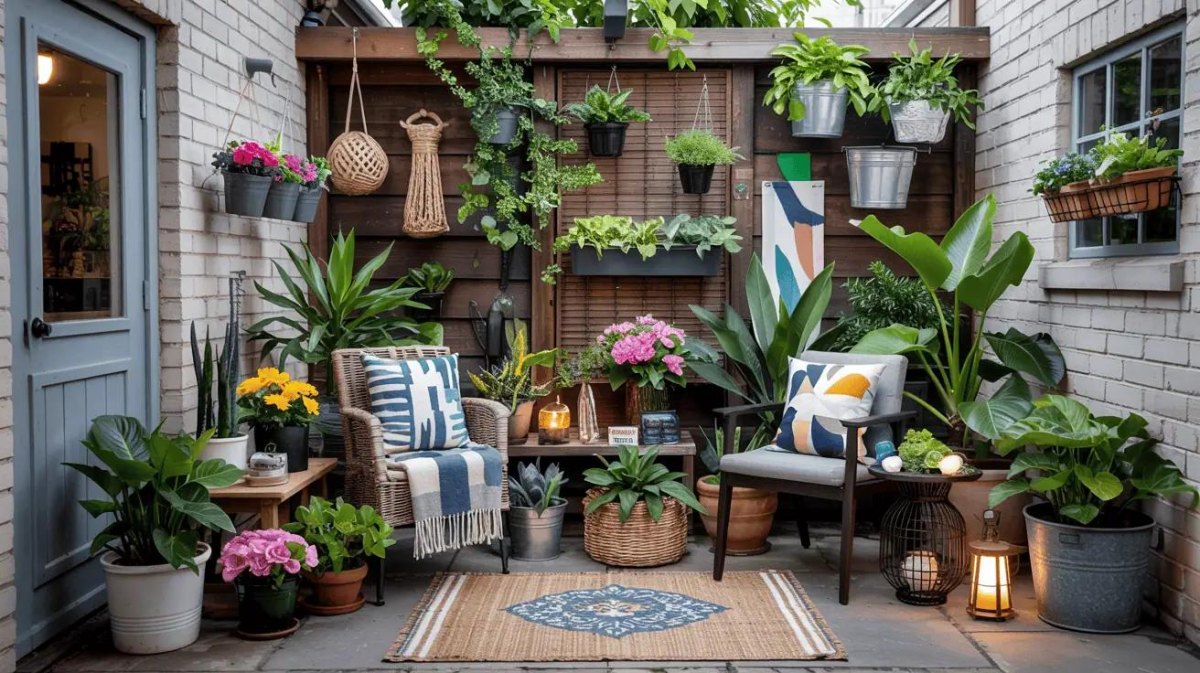
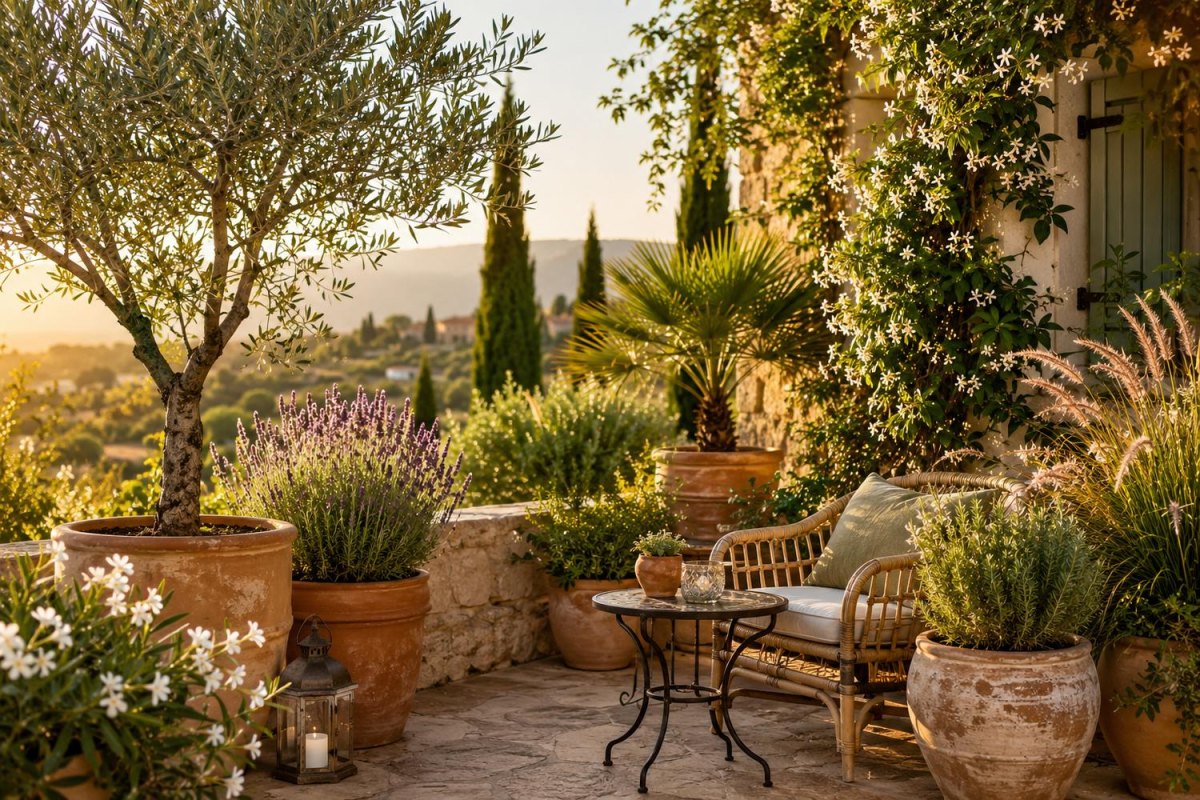
A small patio doesn't need much furniture to feel like an outdoor room. I would create three simple zones: a comfortable seating area, a planting area, and a clear walkway. Grouping containers together makes a bigger visual impression than scattering single pots around the patio.
For a practical arrangement, place one larger foliage plant in a corner, add a few medium-sized flowering pots nearby, and use a narrow planter along an available wall. A folding chair and a small side table complete the arrangement without permanently changing the property. I also like using a removable outdoor rug to make a concrete patio feel warmer. Choose plants according to actual sunlight, not simply the direction the patio faces. Observe how many hours of direct sun it receives before buying plants, and remember that walls can reflect additional heat onto containers.
Add Hanging Baskets for Beautiful Space-Saving Greenery
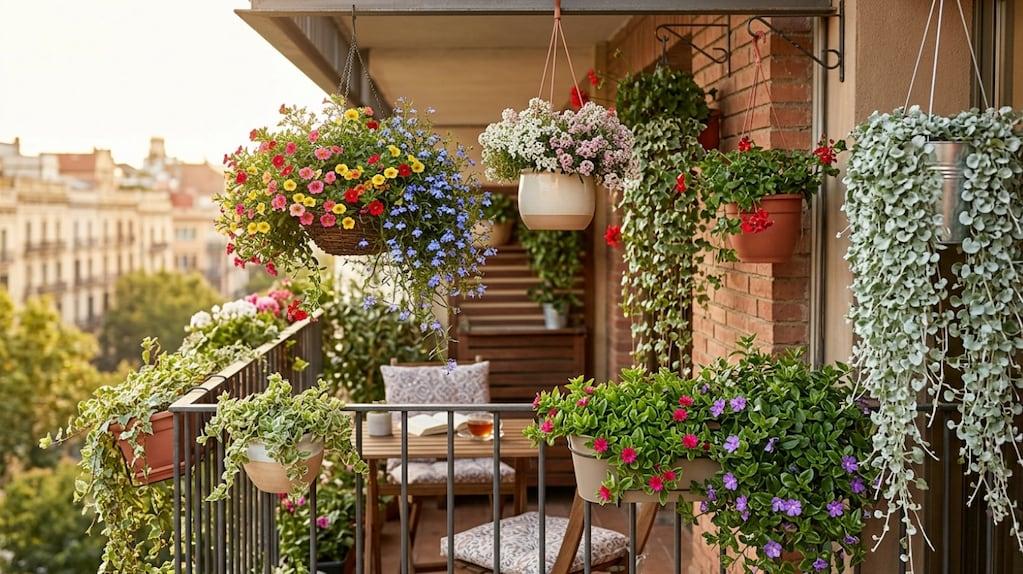
Hanging baskets are an excellent way to add flowers without using valuable floor space. I particularly like combinations of upright and trailing plants because they create a full display from a relatively small container. Petunias, bacopa, trailing verbena, and suitable foliage plants can all work, depending on sunlight and local growing conditions.
However, hanging baskets need more attention than many people expect. They dry out quickly, especially in sunny or windy positions. The Royal Horticultural Society recommends checking baskets regularly and watering when necessary; during warm summer weather, daily watering checks may be needed. Use a lightweight basket with a suitable liner and make sure it drains properly. Renters should choose freestanding hanging supports or existing approved fixtures rather than drilling into ceilings or railings without permission. Also check the weight of a fully watered basket and make sure it cannot fall onto people below. The RHS hanging basket guide has useful planting and maintenance advice. [Source](https://yardandgarden.extension.iastate.edu/how-to/creating-and-growing-hanging-baskets)
Check the fixing before hanging
Never assume a hook or balcony railing can support a heavy, waterlogged basket. Follow the building rules and use a properly rated, stable support.
Build a Mini Herb Garden on a Sunny Windowsill
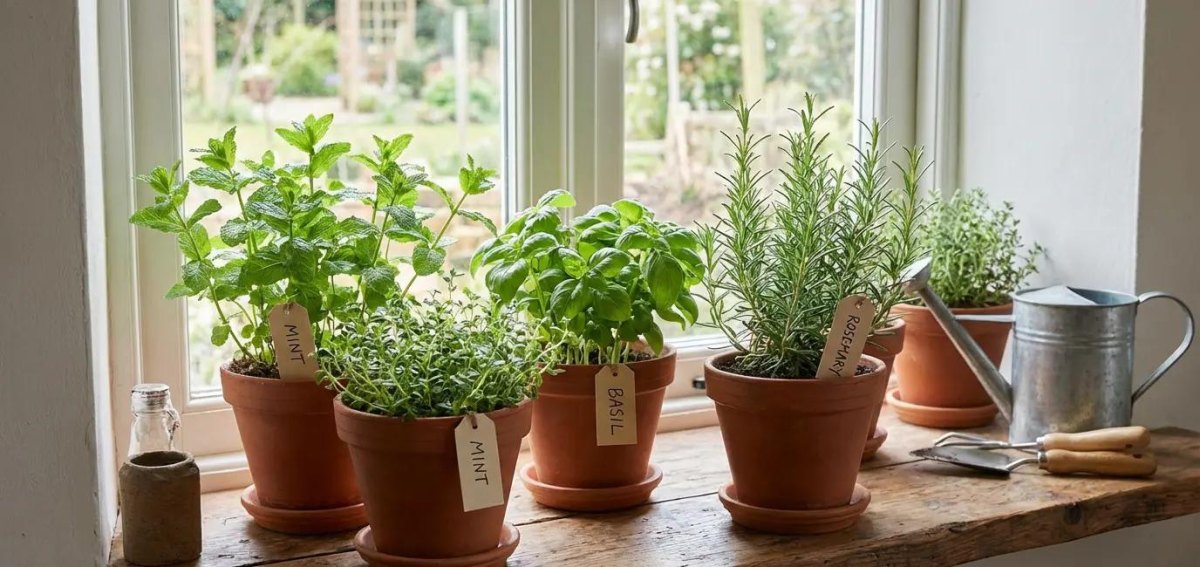
Not every rental garden needs to be outdoors. A sunny windowsill can become a productive little herb garden, and I particularly recommend it to beginners who want something useful to harvest. Basil, parsley, chives, thyme, and mint are familiar choices, although their light and moisture requirements differ.
Light is usually the limiting factor indoors. Iowa State University Extension notes that many herbs need approximately eight hours of direct sunlight daily. A south-facing window can be a good starting point, although local conditions and window exposure matter. I would use individual pots with drainage holes rather than placing every herb in one container. Mint deserves its own pot because it spreads aggressively. Rotate the containers occasionally so plants receive more even light. If the windowsill is too dim, a small grow light is more dependable than hoping the plants will thrive in a dark corner. Harvest small amounts regularly without removing too much foliage at once. Iowa State's indoor herb-growing guide explains the light and watering requirements in more detail.
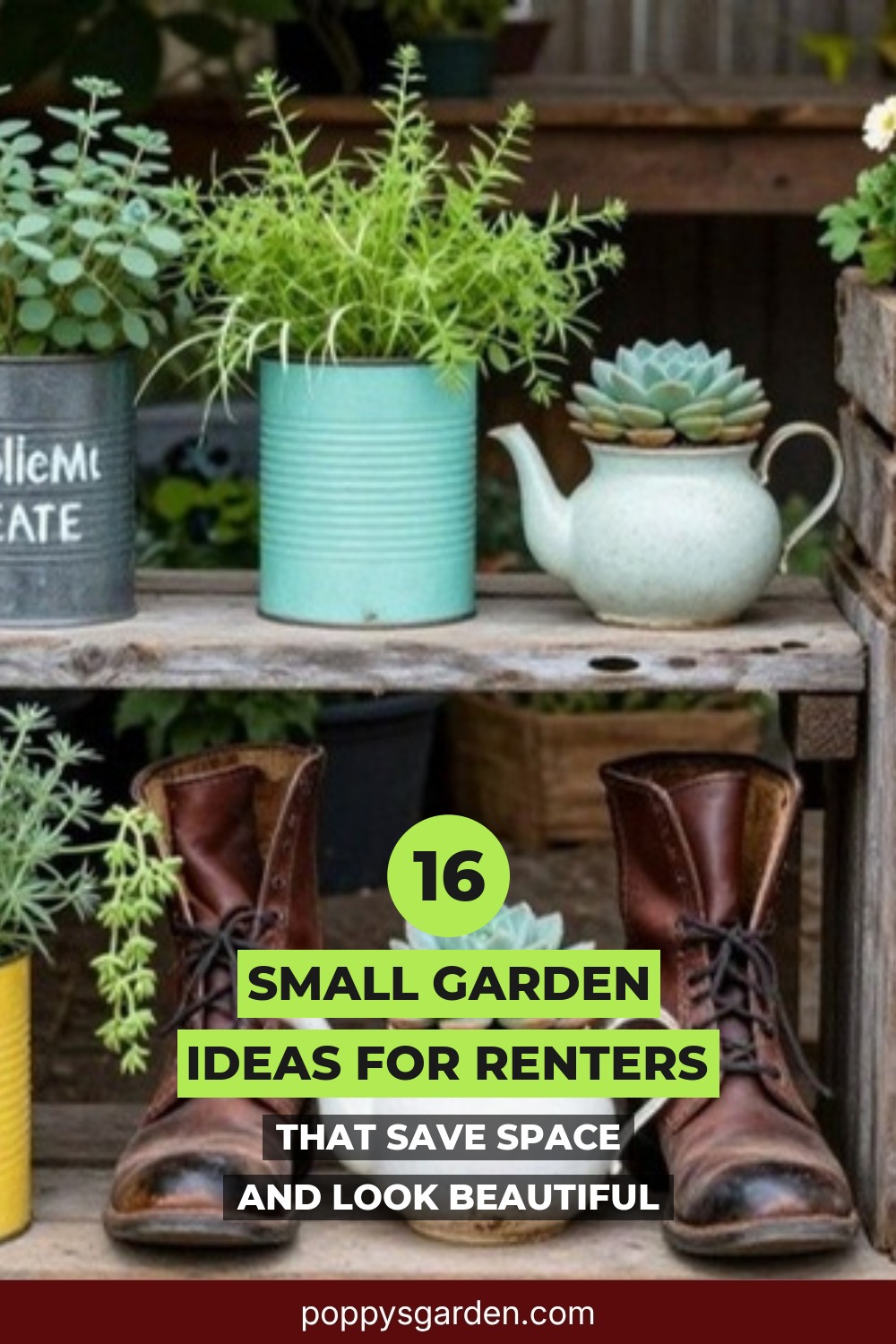
Decorate Your Rental Garden with Recycled Planters
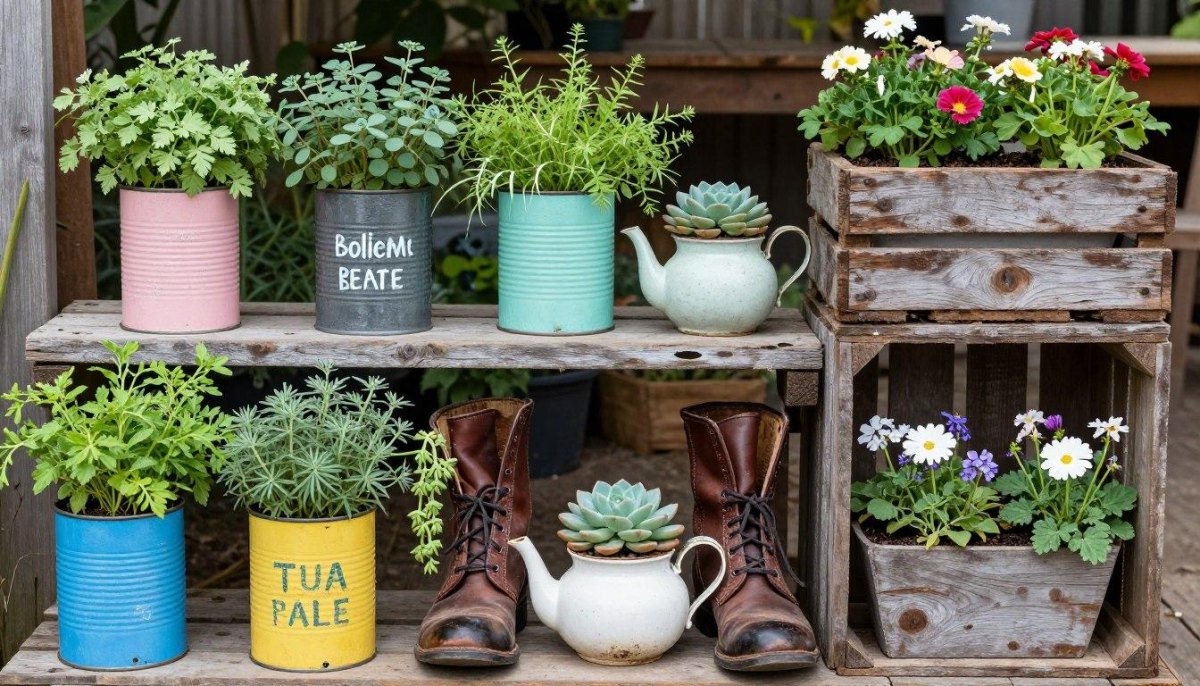
Some of my favorite container displays use inexpensive items that already have a second life waiting for them. Wooden crates, suitable old baskets, food-safe buckets, and sturdy recycled containers can all become attractive planters. Reusing containers saves money and gives a small garden a more personal appearance.
Before planting, check what the container previously held. Never grow edible plants in containers that stored pesticides, chemicals, paint, or other toxic substances. Make sure the material is suitable for outdoor use, add adequate drainage holes, and smooth any sharp edges. A basket that cannot hold potting mix directly can accommodate a removable nursery pot. I also recommend placing a waterproof saucer underneath indoor containers to protect rental flooring. The RHS lists several creative upcycled container options, including crates and old household items. Safe materials matter more than appearance, particularly when growing food. See the RHS guide to container gardening.
- Wooden crates: Line appropriately and use an inner pot if the crate is not designed to hold wet soil.
- Food-grade buckets: Useful for herbs and vegetables when properly cleaned and drained.
- Old baskets: Suitable for decorative displays with a removable planting container.
- Nursery pots: Reuse sturdy pots inside attractive decorative covers.
Use Tiered Plant Stands to Create More Growing Space
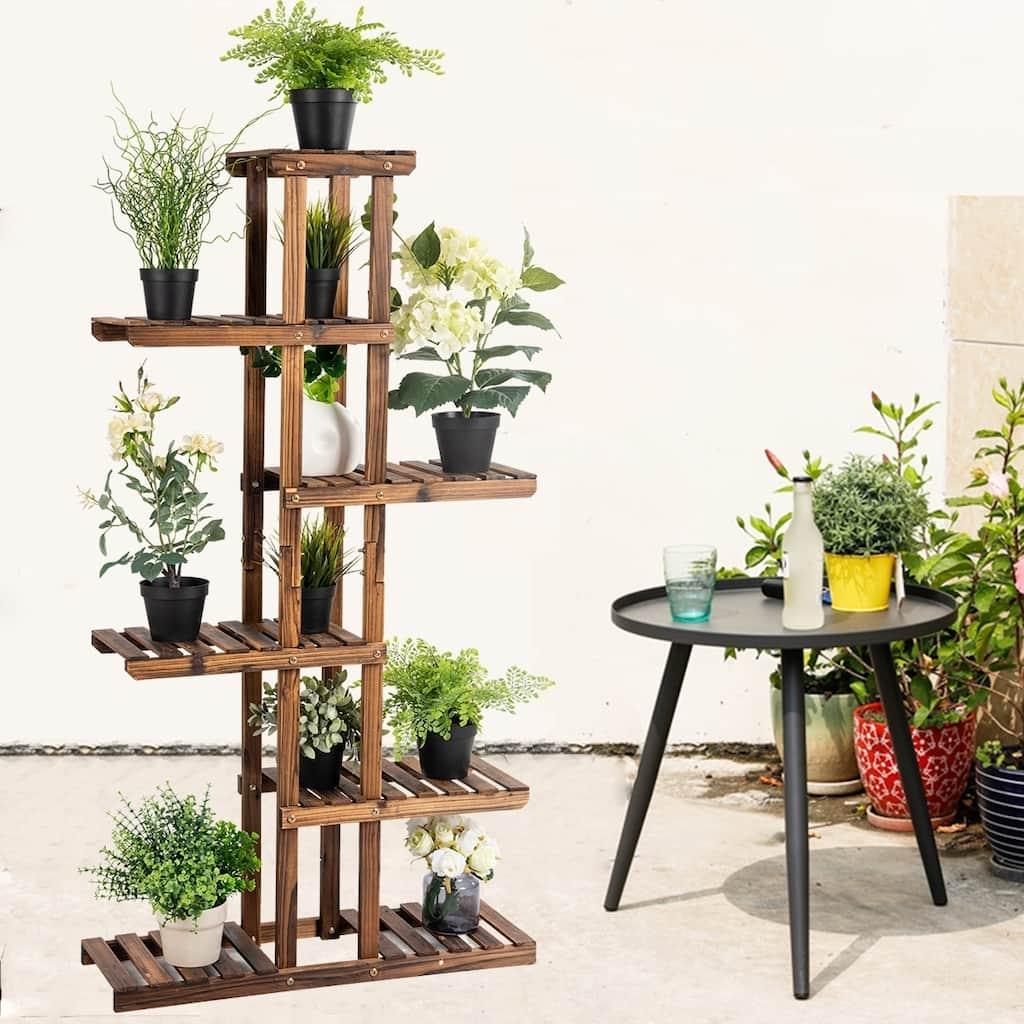
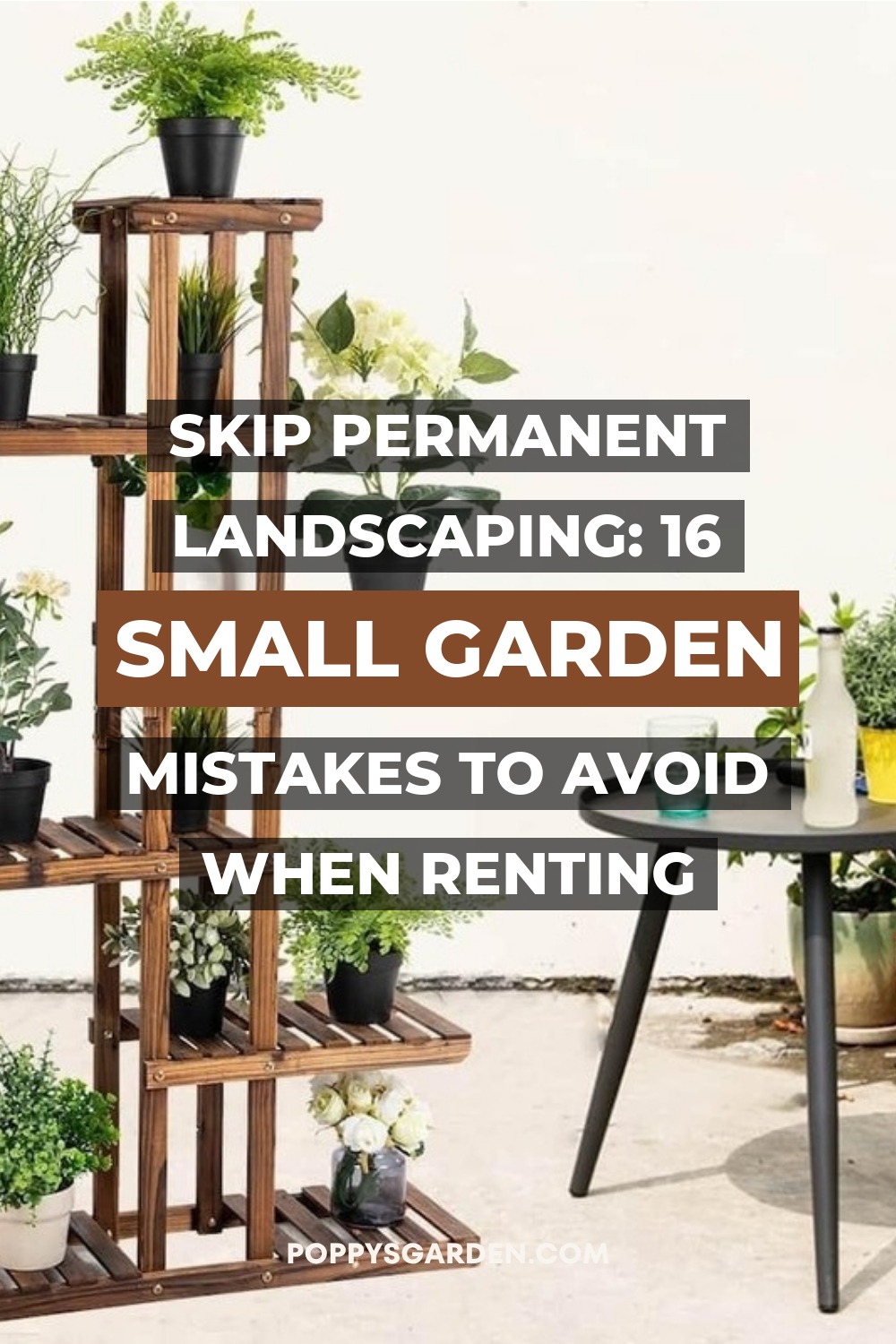
A tiered plant stand is one of the simplest ways to make a small garden look fuller without expanding its footprint. I would choose a narrow, freestanding wooden or metal stand that can be moved when necessary. Three growing levels are often enough to display a useful collection of plants without making the arrangement feel crowded.
Put taller plants on the lower level and smaller pots where they can receive adequate light. Check the mature size of each plant because a tiny nursery pot can become a surprisingly large plant by midsummer. I would also make sure water from upper pots cannot collect on the lower shelves. Use saucers where appropriate and avoid blocking drainage holes. Keep the heaviest pots low down to improve stability, particularly if the stand is exposed to wind. A tiered stand works especially well for combining herbs, small flowering plants, and trailing foliage.
Create a Low-Maintenance Garden with Hardy Plants
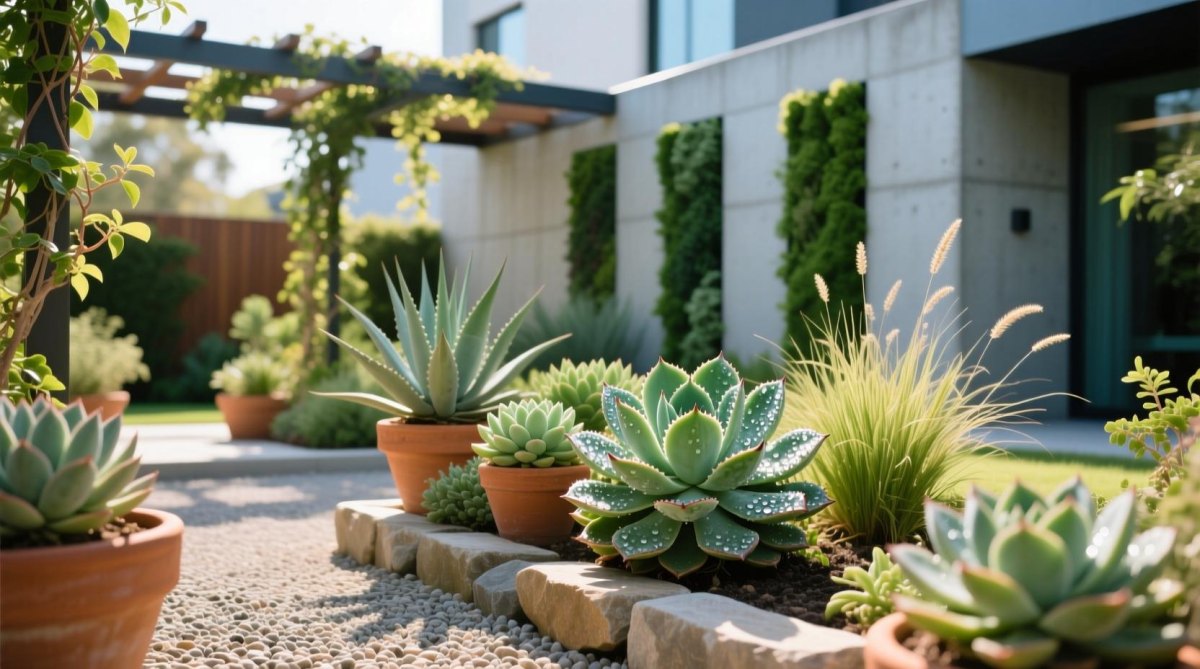
I am a firm believer that a garden should fit the amount of time you actually have available. If daily watering and constant pruning sound like a second job, choose plants suited to your local climate and containers that hold enough moisture for their roots.
For sunny, well-drained positions, I would investigate suitable sedums, sempervivums, and drought-tolerant ornamental plants. In partly shaded locations, consider appropriate hardy foliage plants or compact perennials. These are examples to research rather than a universal planting list: winter temperatures, humidity, and local conditions determine which varieties will survive. I garden in Boise, USDA zone 7a, with dry summers, around 11 inches of annual rainfall, alkaline soil, and strong winds. A plant that performs well in my high-desert garden may struggle in a humid or much colder region. Match plants to your own hardiness zone and check your local extension service for regional recommendations. The RHS also provides a useful selection of drought-tolerant plants suitable for pots. Explore drought-tolerant container plants.
Why I like hardy plants
- Generally less demanding once established.
- Useful for sunny, exposed positions when properly selected.
- Many can provide attractive foliage throughout the season.
What to remember
- Container plants still need regular moisture checks.
- Hardiness varies by variety and climate.
- Small pots can dry out quickly even with drought-tolerant plants.
Add a Portable Raised Garden Bed for Vegetables
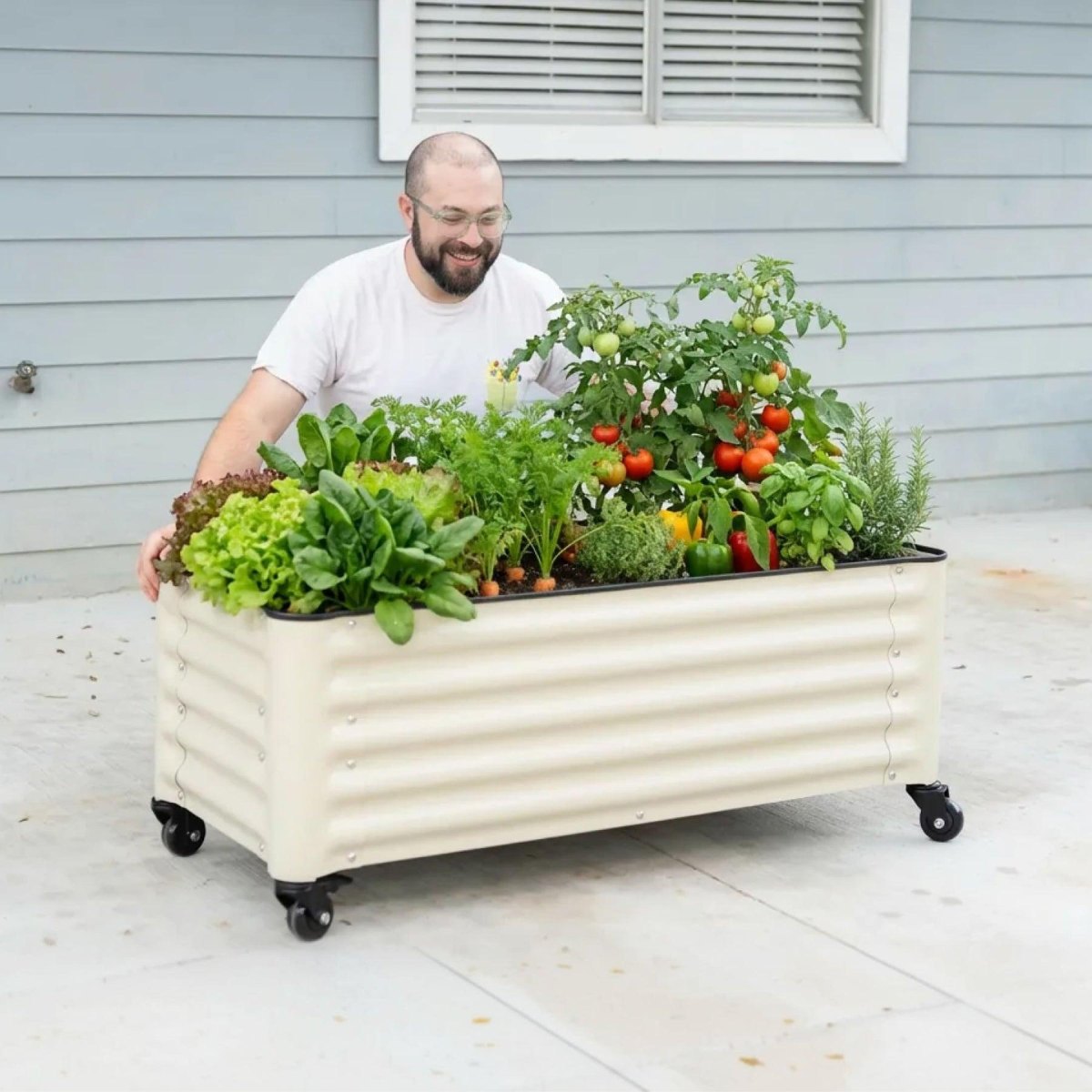
If your rental has a patio or a small paved area, a portable raised bed can provide room for more vegetables than several scattered pots. I like compact, freestanding raised planters because they create a defined growing area and can often be dismantled or moved when a tenancy ends.
Choose a bed with sufficient depth for the crops you intend to grow, and make sure it has appropriate drainage. A shallow bed is suitable for many leafy greens, while tomatoes, peppers, and other larger crops need considerably more root space. For a useful comparison, a tomato commonly needs a container of around 5 gallons or more, depending on the variety. I would also check the total weight of the filled bed before placing it on a balcony. Test questionable soil before growing food, particularly around older buildings where lead contamination may be present. A portable raised bed filled with clean, suitable growing medium is a better option than using untested soil from an old rental garden. University of Maryland Extension's vegetable container guide provides practical advice on drainage and growing volumes.
A note about raised-bed materials
Use materials intended for garden or food-growing applications. Avoid railroad ties, creosote-treated timber, and old CCA-treated lumber. If the property has a history of industrial use or old painted structures, arrange appropriate soil testing before growing edible crops.
Make a Tiny Garden Feel Bigger with Mirrors
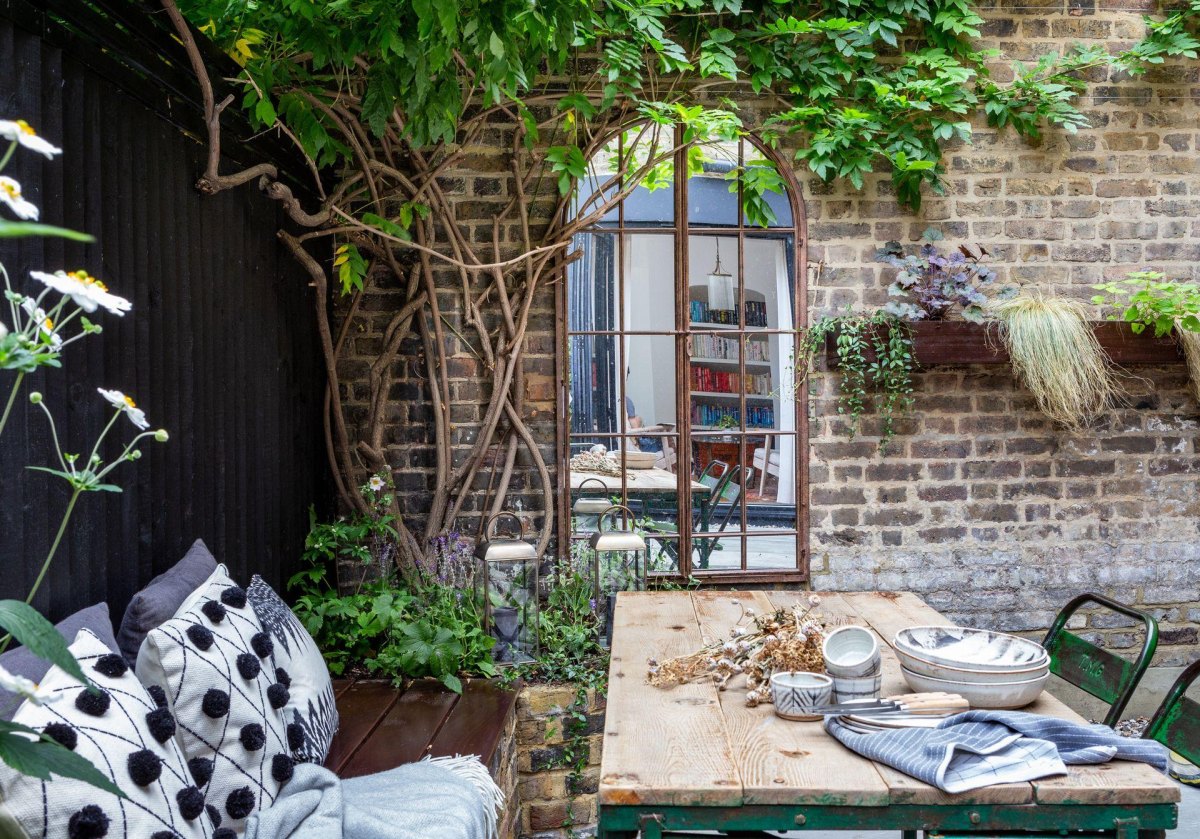
A well-placed outdoor mirror can make a small courtyard or patio feel more open. I like the idea of using a weather-resistant mirror to reflect greenery, a flowering container, or a particularly attractive corner. Reflecting plants creates visual depth without taking up additional growing space.
For a rental property, I would use a freestanding garden mirror or a securely supported removable design rather than drilling into a wall. Position it where it reflects foliage rather than an uninteresting storage area. Check that the mirror is designed for outdoor conditions and cannot topple in strong wind. Avoid positioning reflective surfaces where sunlight could create an unwanted glare or concentrated heat. Keep the arrangement simple: one well-positioned mirror generally looks more convincing than several small decorative ones. This is a design trick rather than a gardening necessity, but it can make a meaningful difference in a narrow courtyard.
Create Privacy with Tall Potted Plants and Grasses
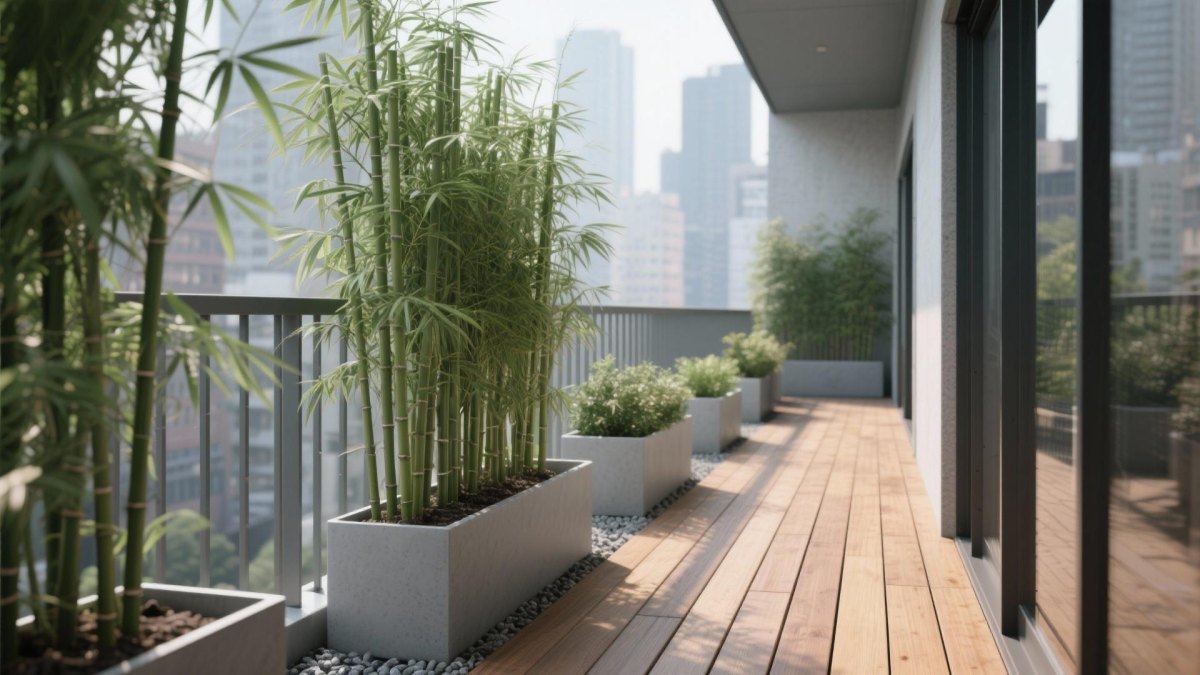
Privacy is often missing from rental balconies and patios, especially when neighboring windows overlook the space. Tall potted plants can provide a softer alternative to permanent fencing. I would use upright ornamental grasses or compact shrubs in stable, sufficiently large containers to create a green screen.
Choose plants according to your climate and available sunlight. Clumping ornamental grasses can be useful where suitable, while compact evergreen shrubs may provide year-round structure in appropriate regions. Avoid assuming that every bamboo is a good privacy plant: running varieties can become difficult to control, and even clumping types need adequate space. Use broad, stable containers rather than tall narrow pots that can tip over in wind. Keep the overall weight and balcony loading restrictions in mind, and do not attach screening to railings without approval. A staggered arrangement of two or three containers can provide a degree of privacy without making a small space feel boxed in.
Design a Charming Garden with Budget-Friendly Accessories
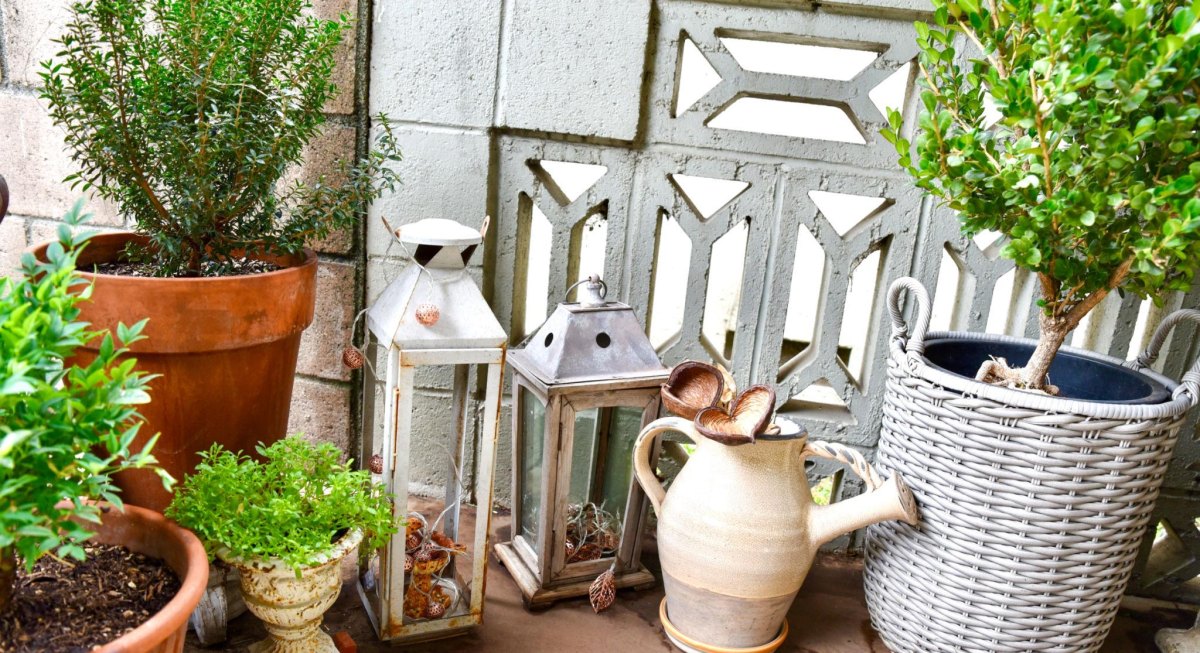
I would rather put the garden budget into good growing medium and healthy plants than spend it all on decorative accessories. Fortunately, a few inexpensive details can make a rental garden feel thoughtfully designed. Matching colors and repeating materials are two simple tricks that help different containers look like a coordinated collection.
Try grouping terracotta-colored pots, using a small wooden crate as a display stand, or adding a removable outdoor cushion to a folding chair. Plant labels, simple watering cans, and reusable trays can be both practical and decorative. I also like combining leafy green plants with a few flowers in complementary colors rather than buying lots of unrelated decorations. Reuse what you already own before purchasing anything new. A garden does not need expensive furniture or elaborate ornaments to be inviting. Spend first on containers with adequate drainage, appropriate potting mix, and plants suited to the available light.
Brighten Up Your Rental Garden with Solar Lighting
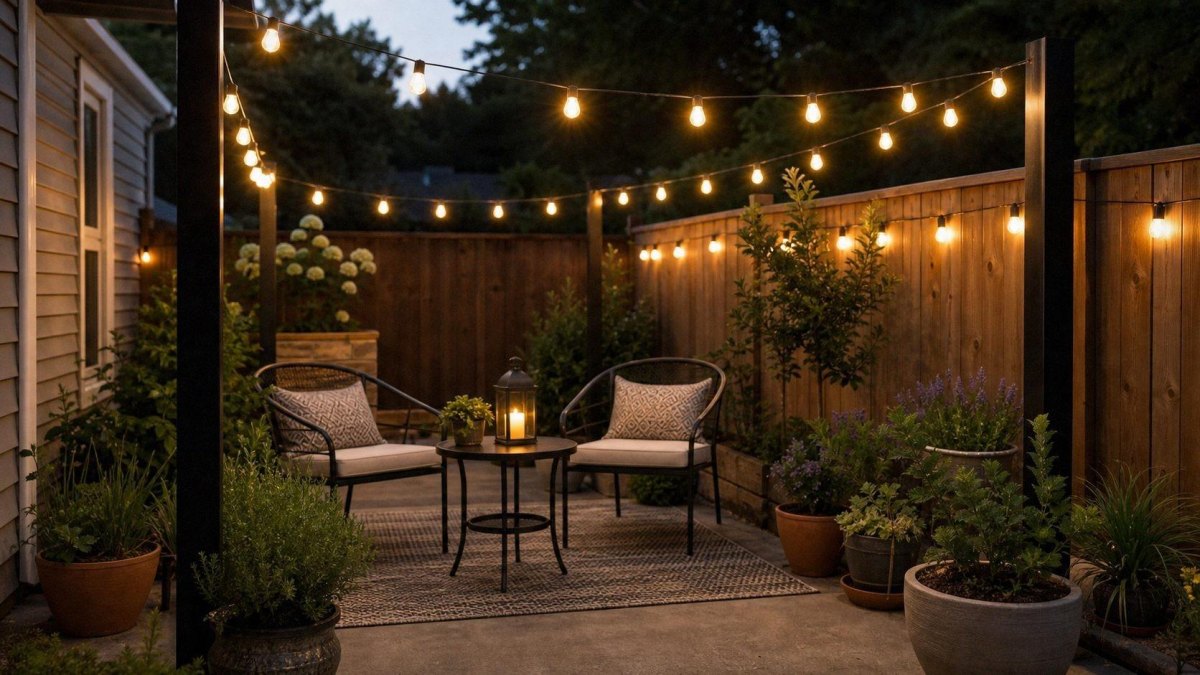
Solar lighting can make a tiny patio feel welcoming after sunset without requiring permanent electrical work. I particularly like solar stake lights and portable lanterns placed around container groups or along a clear walkway. Warm lighting adds atmosphere while allowing the plants to remain the main feature during the day.
Choose lights with solar panels that receive enough direct sunlight to recharge. A shaded balcony may not provide sufficient exposure, so check the manufacturer's charging requirements before purchasing. Solar string lights can also work well when supported by an approved freestanding structure. I would avoid drilling into rental walls or attaching heavy fittings to balcony railings without permission. Keep cables and lights away from standing water, and select outdoor-rated equipment suitable for the conditions. Lighting should improve visibility rather than create obstacles around the entrance or walking area.
Use Rolling Planters for Easy Garden Rearrangement
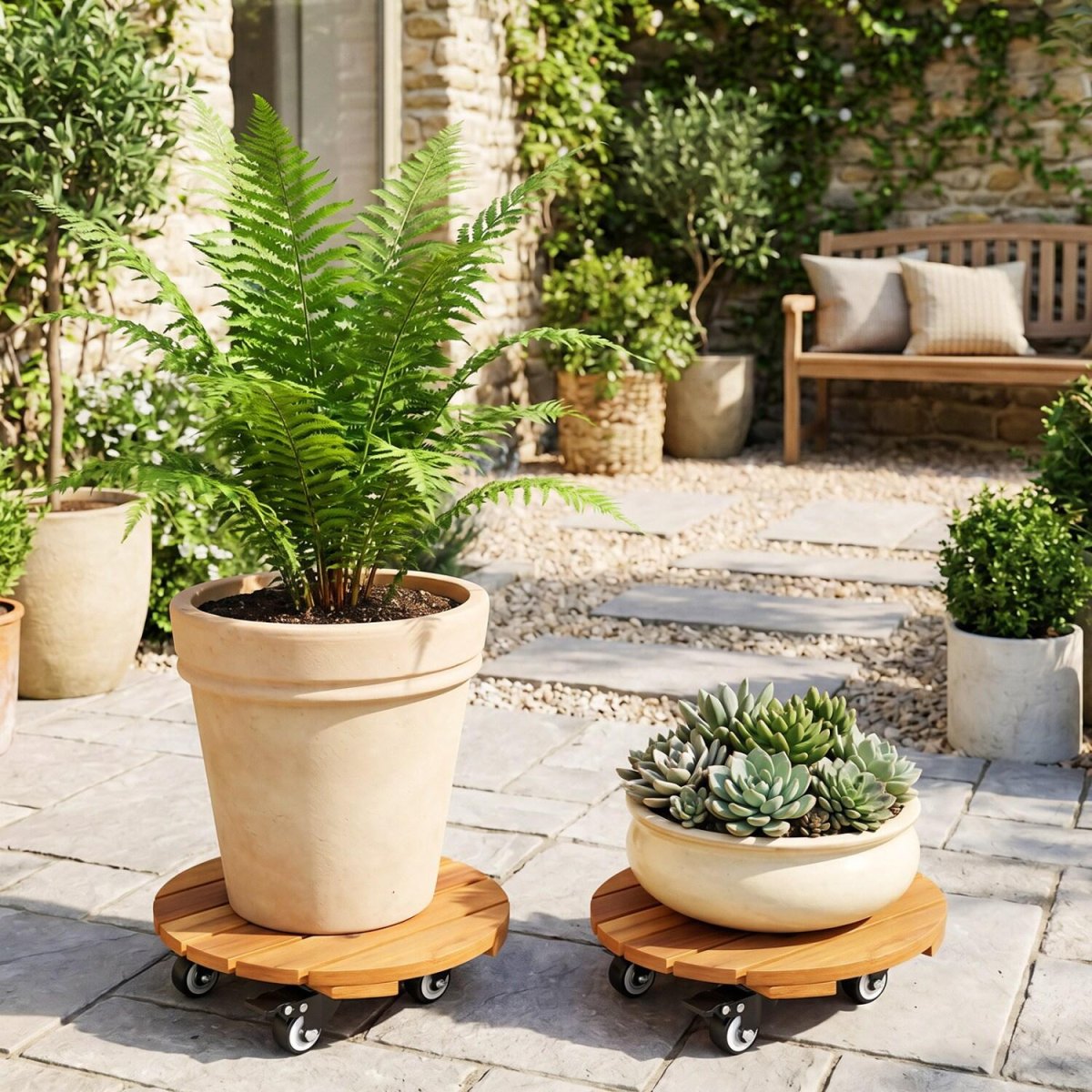
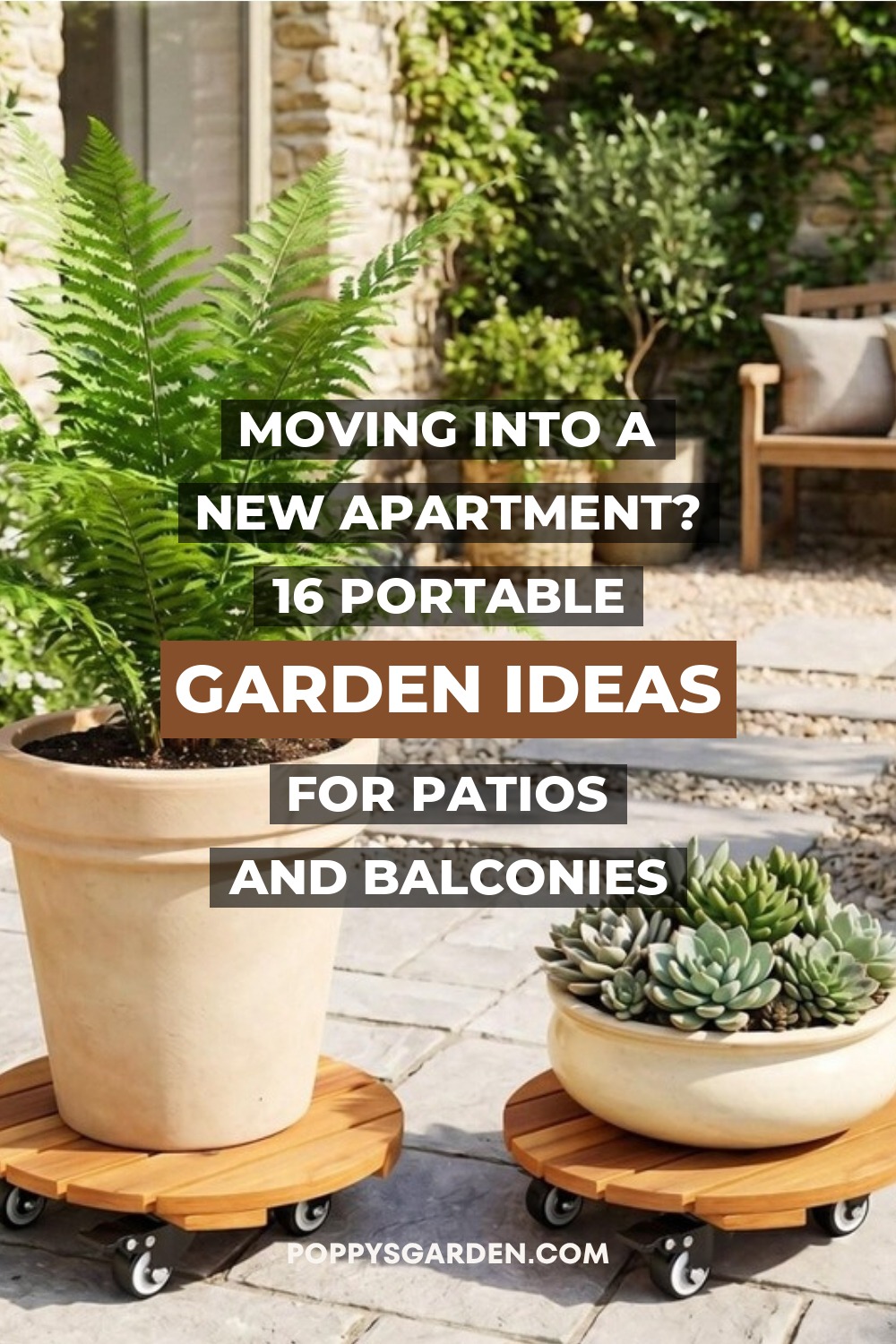
Rolling planters are particularly useful when a rental garden needs to serve several purposes. A large pot on a sturdy plant trolley can be moved to follow the sunlight, make room for outdoor seating, or protect a plant from particularly harsh weather. Wheeled plant caddies provide flexibility without requiring permanent fixtures.
Choose a trolley with a weight rating suitable for the fully watered container, not just the empty pot. Lockable wheels are helpful, especially on smooth patios or slightly sloping surfaces. I would also check that the trolley does not obstruct drainage and that water can escape from the container. Larger pots are often easier to maintain because they hold more moisture, but they become very heavy once watered. Move heavy containers gradually and avoid attempting to lift them alone. Colorado State University Extension recommends planning for container weight and considering wheeled dollies when large pots need to be moved. See its container gardening recommendations.
Create a Beautiful No-Dig Garden You Can Take When You Move
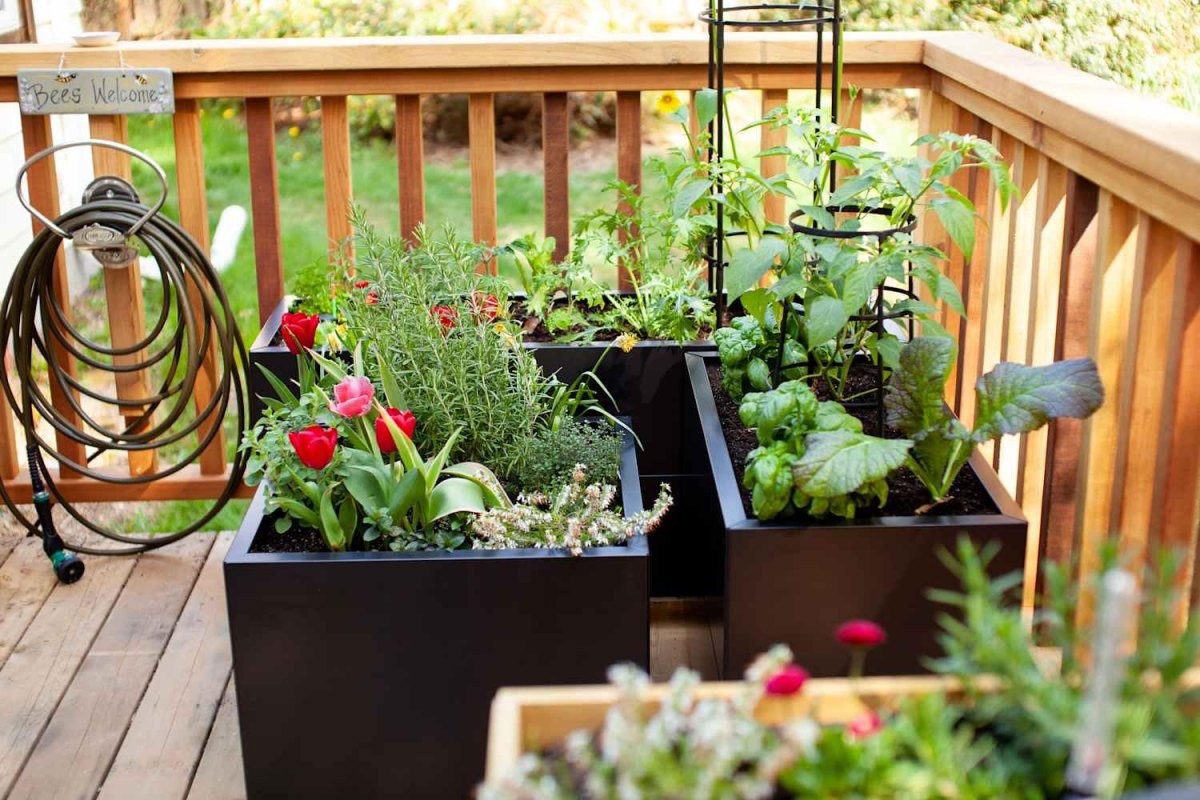
This is the approach I would recommend to anyone who knows they will not stay in their rental property forever. Instead of planting directly into the ground, create a completely portable garden using individual pots, grow bags, removable plant supports, and freestanding shelving. Every major component can move with you.
I would start with a few reusable containers, quality potting mix, and plants that suit the space. Grow herbs in smaller pots, leafy vegetables in wider containers, and larger fruiting crops in appropriately sized grow bags or planters. Keep a simple record of which containers receive the most sunlight and how quickly they dry out. If you want to grow food in an older rental property, use clean growing medium in suitable containers rather than assuming the existing ground soil is safe. Keep the garden independent of the building by avoiding permanent fixtures, drilling, and changes to existing landscaping. Portable supports, removable trays, and lightweight containers make moving day much less complicated.
- Measure the space. Record the usable floor area, sunlight, wind exposure, and available water access.
- Check the rental rules. Confirm what is allowed on balconies, patios, windowsills, and shared outdoor areas.
- Choose portable containers. Select appropriate sizes with drainage holes and suitable materials.
- Match plants to conditions. Check your local hardiness zone, seasonal frost dates, and plant requirements.
- Arrange for easy moving. Use trays, plant trolleys, freestanding supports, and reusable growing containers.
I would also take photographs of the original outdoor area before setting up the garden. When it is time to move, remove the containers, clean the space, and return any borrowed or rearranged items to their original positions. A portable garden is an investment you can keep growing, even when your address changes.
More Pinterest Visuals



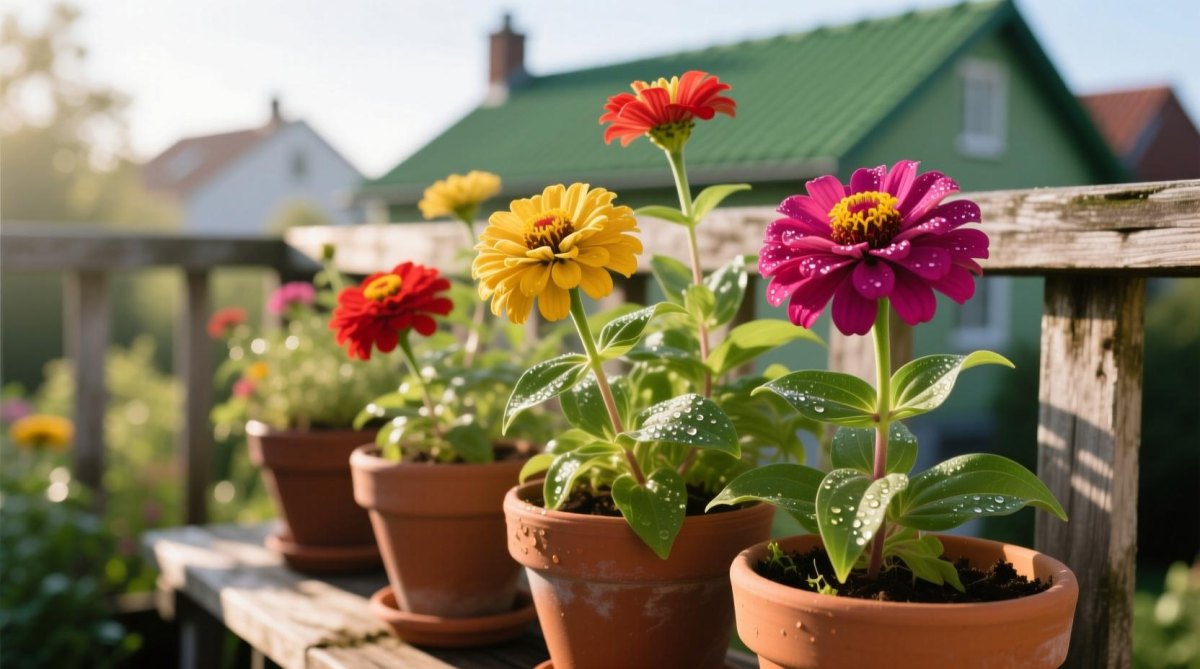 Seasonal & Flower Containers6 Fast Growing Flowers for Containers That Bring Quick, Colorful Blooms
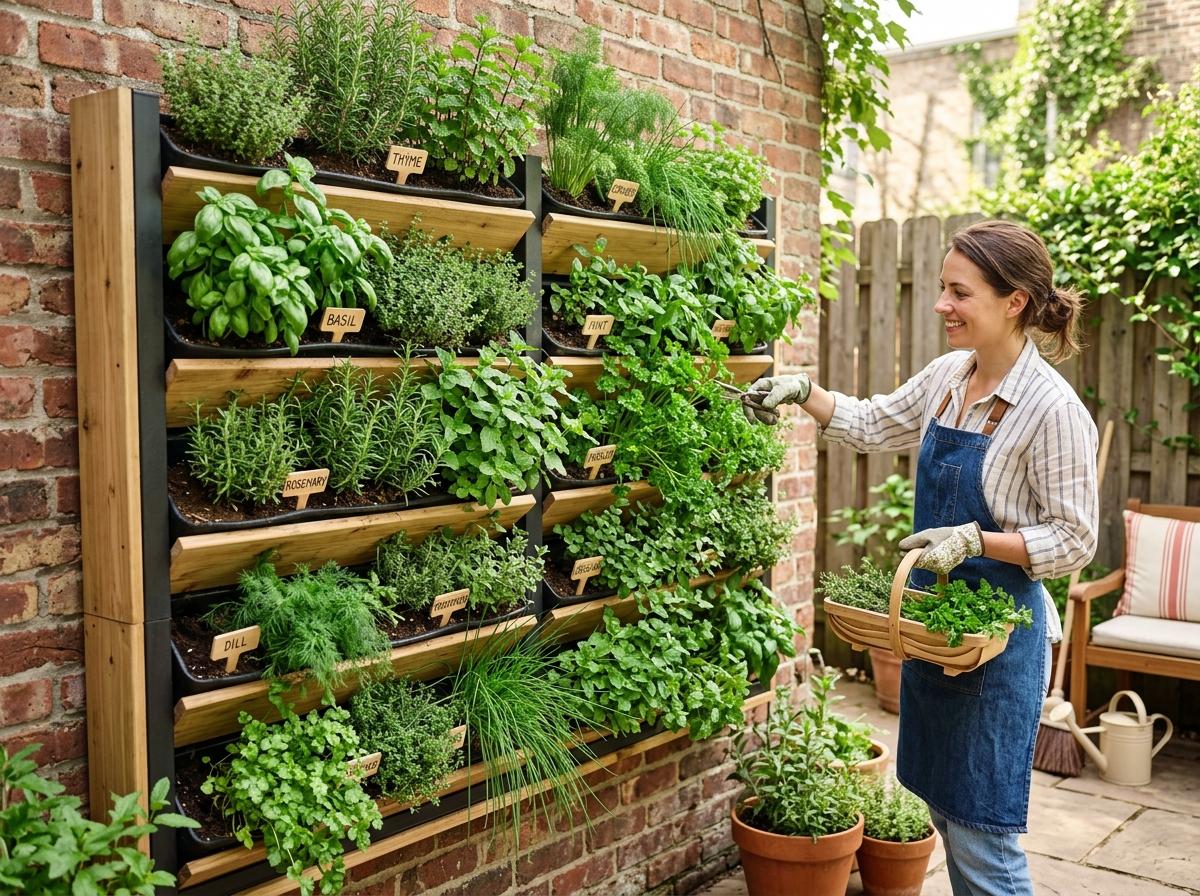 Herb Gardening9 Beautiful Herb Garden Design Ideas That Are Practical and Easy to Grow
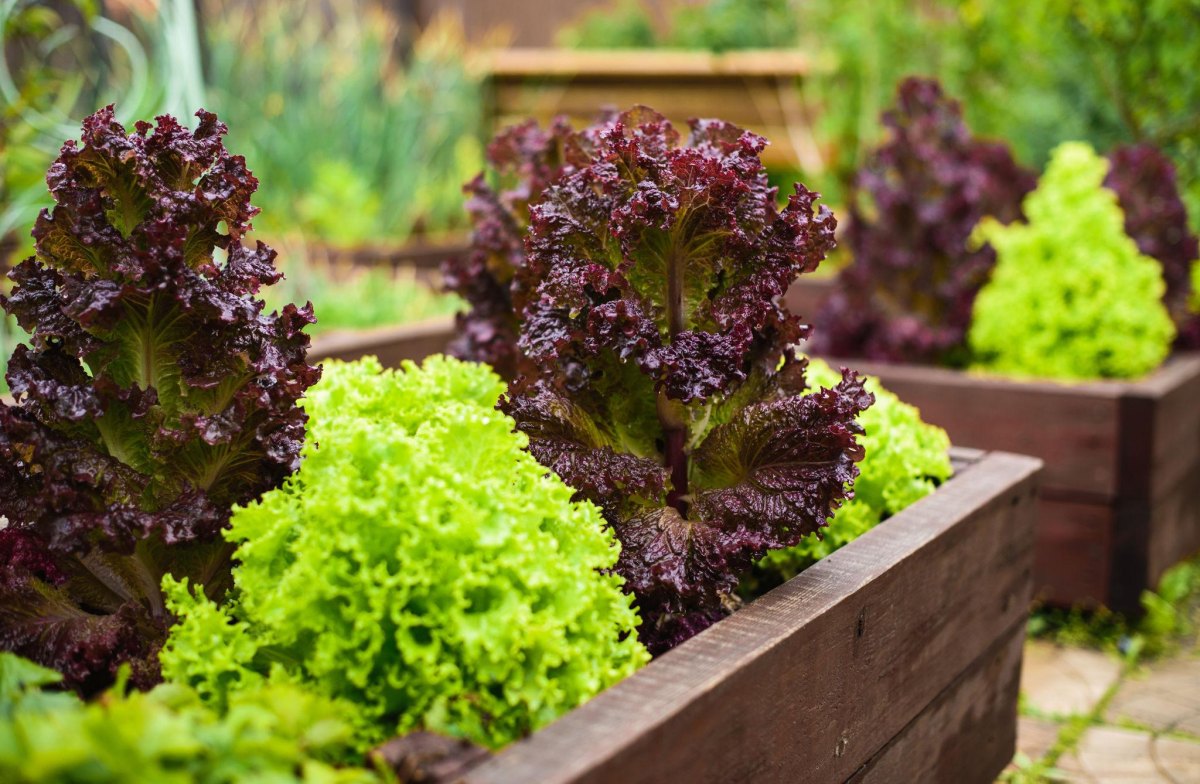 Raised Bed Gardening10 Best Vegetables for Raised Garden Beds That Are Worth Growing
 Seed StartingSeed Starting Supplies List – 11 Essentials for Growing Healthy Seedlings at Home