
 31.10.2026
A good herb garden should look lovely, smell wonderful, and make it easy to grab a handful of fresh leaves while cooking dinner. I have always preferred gardens that earn their space, and herbs are particularly good at doing two jobs at once. They can soften a patio, fill an awkward corner, attract pollinators, and provide fresh ingredients throughout the growing season.
My own gardening experience in Boise, Idaho (USDA zone 7a), has taught me that design needs to account for more than appearance. We get approximately 11 inches of annual rainfall, alkaline soil, strong winds, and summer temperatures that can make small containers dry out surprisingly quickly. Those conditions influence where I place herbs and how I group them. Your local climate, soil, and last and first frost dates should guide your planting schedule, so check your local cooperative extension recommendations before choosing planting dates.
Whether you have a generous backyard, a narrow balcony, or just a sunny doorstep, these herb garden design ideas offer ways to make the most of your growing space. I have included practical planting combinations, layout suggestions, and a few lessons about materials and watering that can save you trouble later.
Vertical Herb Gardens for Small Spaces
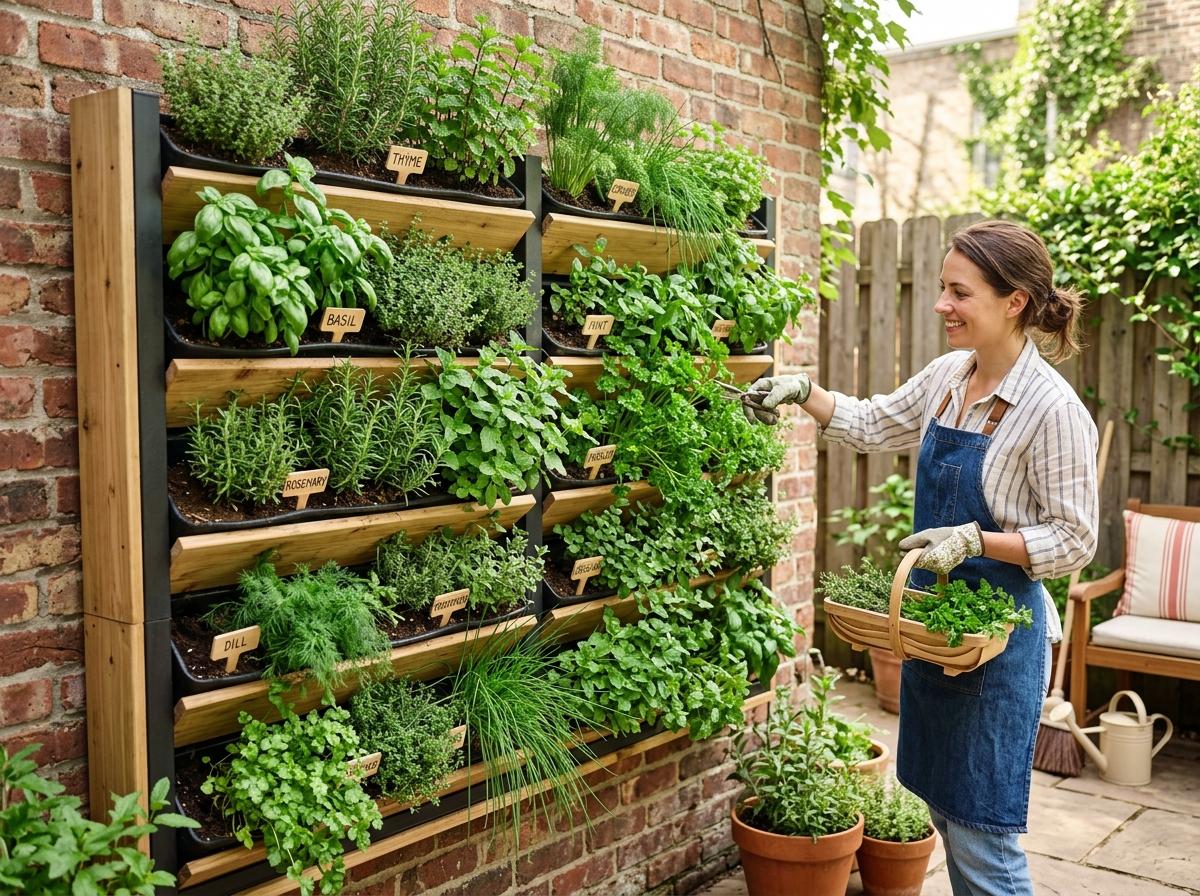
When ground space is limited, I like to think upward rather than trying to squeeze another planter onto the patio. A vertical herb garden can turn a bare fence, balcony wall, or sturdy trellis into a productive growing area. Individual pots attached to a wooden frame are particularly useful because I can remove them for watering, harvesting, or replacing plants.
For a practical arrangement, I would start with basil, parsley, compact thyme, and oregano. Put taller or more demanding plants where they will not shade smaller ones, and check how much direct sunlight reaches each level. A wall that receives afternoon sun can become extremely hot, especially in dry climates. Small containers also lose moisture faster than larger ones, so I would rather use fewer generously sized pots than cram ten tiny ones into a decorative frame. Plant California's vertical gardening guidance provides a useful starting point for trellis-based designs. See its vertical herb garden guide. 【】
- Upper level: Compact oregano and trailing thyme, provided they receive enough light.
- Middle level: Parsley, basil, and other frequently harvested herbs.
- Lower level: Moisture-loving herbs such as mint, preferably in their own removable pot.
- Structure: A secure trellis or freestanding rack with removable containers.
My biggest caution is weight and drainage. A wall-mounted garden becomes much heavier after its pots are filled and watered. Check the wall or railing's load capacity, and make sure water cannot drip onto neighboring balconies or damage the structure. I would also keep the herbs within comfortable reach. A garden that requires a ladder to harvest parsley is not particularly useful.
Rustic Wooden Raised Herb Beds
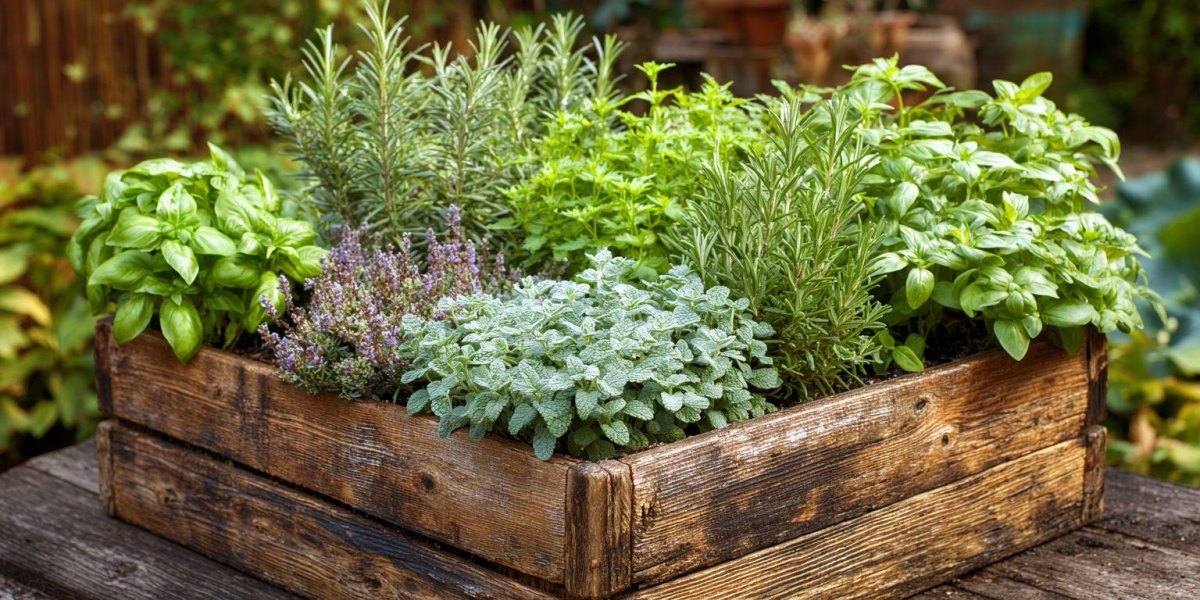
There is something wonderfully practical about a wooden raised herb bed. I like the way natural timber frames create an organized growing area without making a garden feel overly formal. They are also easier to maintain than sprawling ground-level planting, particularly when the existing soil is compacted, rocky, or unsuitable for herbs.
For most home gardeners, I recommend a rectangular bed that can be reached comfortably from both sides. A width of approximately 3 to 4 feet is a useful starting point, although the best dimensions depend on your reach and available pathways. I would group rosemary, sage, thyme, and oregano together because they generally appreciate sunny positions and well-drained soil. Keep mint in a separate container so it does not spread through the bed. Clemson Cooperative Extension also recommends considering sunlight, drainage, and convenient access when positioning raised beds. 【】
Choose raised-bed materials carefully
For edible herb beds, I avoid railroad ties, creosote-treated timber, and old CCA-treated lumber. Cedar, suitable untreated timber, stone, and other appropriate materials are alternatives. Modern pressure-treated wood has different formulations, so check current local extension guidance and the manufacturer's information before using it. If you have an older property, test the soil for lead before growing food, particularly near painted structures and foundations.One detail I would not overlook is the soil mixture. Mediterranean herbs dislike sitting in saturated soil, so I would not fill an entire raised bed with dense, moisture-retaining compost. Instead, I would use a suitable mineral-rich, well-draining growing medium and adjust it to the plants being grown. The Royal Horticultural Society provides useful guidance on raised-bed construction and drainage. 【】
For the appearance, I would add a simple gravel path around the bed, a few terracotta markers, and a small wooden sign. That is enough decoration for me. Easy harvesting and healthy roots matter much more than expensive garden accessories.
Mediterranean-Style Herb Garden
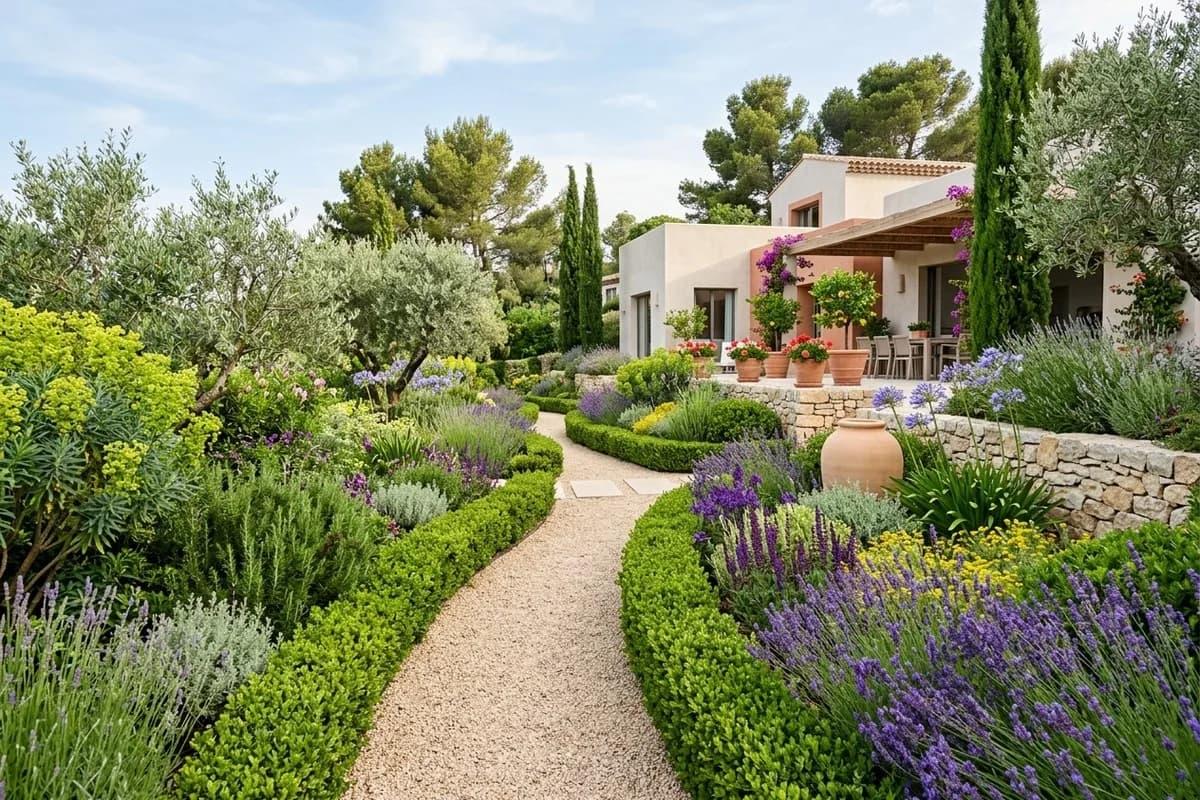
If I wanted an herb garden that looked attractive even when I was not harvesting, a Mediterranean-inspired layout would be high on my list. I love the combination of silvery foliage, fragrant leaves, terracotta containers, pale gravel, and natural stone. It has a relaxed appearance, but the planting choices are also practical for sunny gardens.
I would build the planting around rosemary, culinary sage, thyme, and lavender. These plants provide different heights, textures, and shades of green and silver. Rosemary can provide a taller evergreen structure, while low-growing thyme softens the edges of a pathway. Lavender adds flowers and fragrance, and its blooms are attractive to bees and other pollinating insects. The RHS recommends sunny, well-drained conditions for many Mediterranean-style plants, including rosemary and sage. 【】【】
In my Boise garden, USDA zone 7a, the dry climate and alkaline soil make this style particularly appealing. We receive only around 11 inches of precipitation annually, so I already plan around irrigation rather than relying on rainfall. That does not mean every Mediterranean herb is automatically drought-proof. Newly planted rosemary, for example, needs regular moisture while establishing roots. I also check the hardiness of individual lavender and rosemary varieties before leaving them outdoors through winter.
| Herb | Design role | Growing preference |
|---|---|---|
| Rosemary | Tall evergreen structure | Sun and excellent drainage |
| Thyme | Low edging and ground cover | Sun and relatively lean soil |
| Sage | Textured foliage | Sun and free-draining soil |
| Lavender | Flowering focal point | Sun and good drainage |
For finishing touches, I would use terracotta pots, gravel, and natural stone rather than brightly colored plastic decorations. Repeat the same materials throughout the space to make the design feel cohesive. A small bench or simple seating area can turn the garden into somewhere I actually want to spend time, not just somewhere I visit to cut rosemary for dinner.
Container Herb Gardens for Patios and Balconies
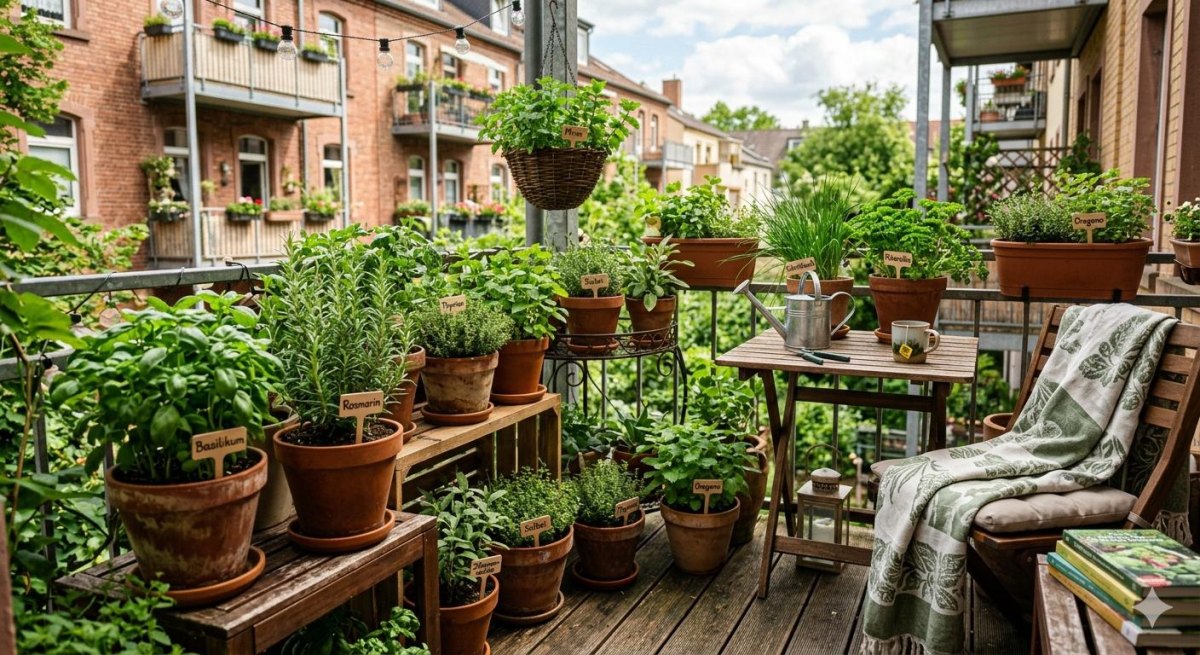
Container gardening is one of my favorite ways to grow herbs because it works in almost any outdoor space. A patio, apartment balcony, front step, or sunny corner can become a useful little kitchen garden. I also appreciate being able to move individual pots when the weather changes or when a plant needs a different position.
The trick is choosing containers according to the plants rather than buying pots based only on appearance. I generally recommend starting with 3- to 5-gallon containers for larger herbs such as rosemary and sage, with appropriately sized pots for smaller thyme and oregano plants. Mint deserves its own container because it spreads aggressively. Basil and parsley can share a larger planter if their watering requirements and available root space are suitable.
Drainage holes are essential. I never assume a decorative pot will drain properly, and I do not put a layer of gravel at the bottom as a substitute for drainage holes. A well-draining potting mix and a suitable container size make a much bigger difference. The RHS confirms that larger containers generally retain moisture longer and that outdoor container plants need regular watering during the growing season. 【】【】
My practical container starting list
I would begin with one larger pot for rosemary, a separate container for mint, and a mixed planter for basil and parsley. Add a smaller thyme pot if you have room. This gives you a useful collection without creating a dozen individual watering jobs.
Container material matters, too. Terracotta looks lovely but dries faster than many plastic or glazed pots. Dark containers can become particularly hot in direct summer sun, so I prefer lighter-colored pots where afternoon temperatures are intense. If you garden in a windy location, choose heavier, stable containers instead of tall, narrow ones that can tip over. 【】【】
In my zone 7a high-desert garden, a small pot can need attention every day during hot, windy periods. That is not a universal watering schedule, though. I check the moisture in the growing medium and water deeply when needed. Pot size, drainage, and realistic watering will determine whether this design stays productive long after the first week.
Spiral Herb Gardens for Creative Landscaping
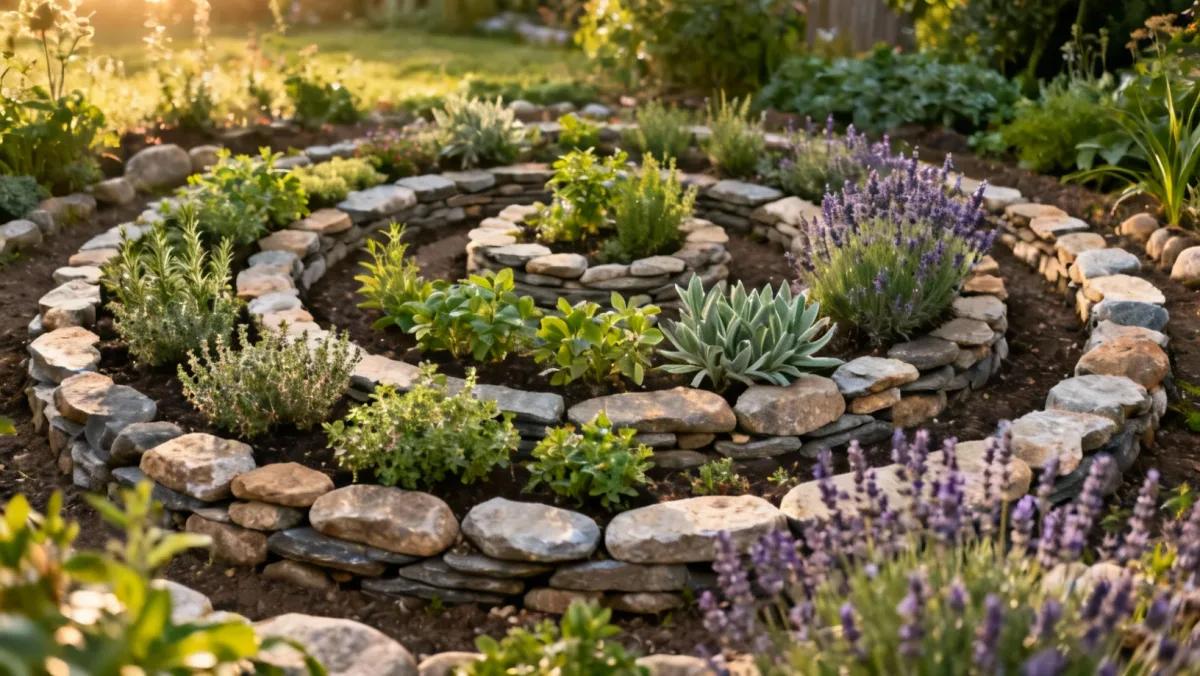
An herb spiral is one of those garden features that looks decorative but has a genuine growing purpose. Instead of planting everything on one flat surface, I would build a raised spiral using stone, bricks, or suitable reclaimed materials. The resulting changes in height, exposure, and moisture can create several small growing environments within one compact footprint.
I particularly like this idea for gardeners who want to combine different herbs without giving every plant a separate raised bed. The upper, sunnier sections can suit herbs that prefer excellent drainage, while lower planting areas can provide slightly cooler or moister conditions. The exact pattern depends on the spiral's orientation, local sunlight, and construction. Kansas State University Extension explains how changes in elevation and exposure create microclimates, including the drier upper portions of herb spirals. 【】
For the structure, I would mark out a circle first, then arrange bricks or stones into a spiral that rises toward its center. Build a stable foundation, leave enough room for planting pockets, and make sure I can reach every section without stepping into the growing area. The University of Florida IFAS Extension has a helpful spiral garden tutorial covering materials and construction. 【】
- Mark the footprint. Choose a sunny location with enough surrounding space to access the entire structure.
- Lay the materials. Arrange bricks or stones into a gradually rising spiral, making sure the walls are stable.
- Prepare the growing medium. Use a suitable mixture that drains well, adjusting it for the plants in each section.
- Group the herbs. Place rosemary and thyme in suitable drier positions and parsley or basil where moisture can be maintained.
- Test the watering. Check that water reaches the planting pockets without causing erosion or waterlogging.
My preferred planting combination would include rosemary, thyme, oregano, parsley, and basil. I would keep mint in a separate pot rather than letting it occupy the spiral. A spiral is also a good place to use leftover bricks from another landscaping project, provided they are suitable for garden use. It can be a little more work to construct than a flat bed, but the finished feature makes excellent use of vertical space.
Kitchen Herb Gardens Near the Back Door
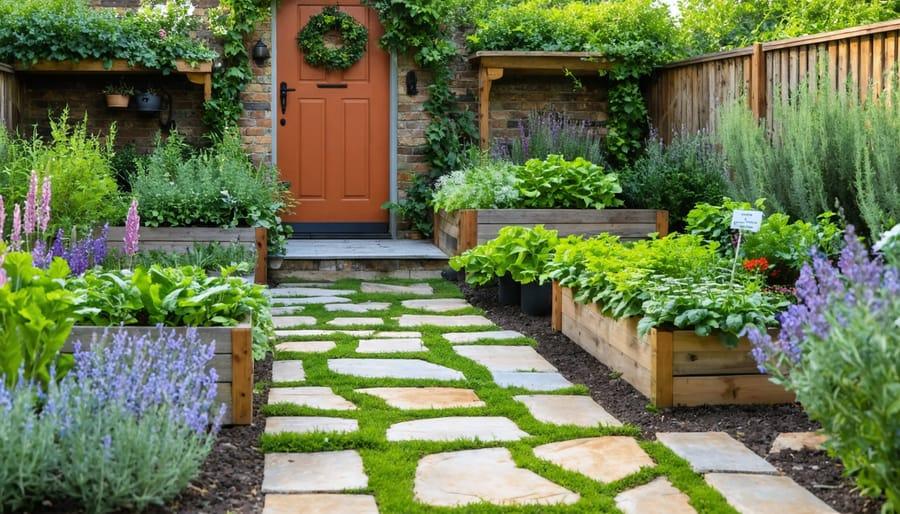
There is a practical reason I like growing herbs close to the kitchen. If I have to walk across the entire garden to collect a few leaves of parsley, I am less likely to do it on a busy evening. A small planting area near the back door makes fresh herbs part of everyday cooking rather than something I remember only when the weather is perfect.
I would start by checking how much direct sunlight the location receives throughout the day. Most culinary herbs grow best with plenty of light, although some leafy herbs tolerate a little less. A sunny wall can also reflect heat, so I would observe the area before choosing permanent planting positions. Convenience and suitable growing conditions need to work together. The University of New Hampshire Extension recommends choosing locations that provide adequate direct sunlight and water for container-grown edible plants. 【】
For a simple kitchen garden, I would use a narrow raised bed or a row of containers. My essential selection would be basil, parsley, chives, thyme, and rosemary. I would keep mint separate and put the herbs I use most often closest to the door. If the available area is partly shaded, I would prioritize suitable leafy herbs rather than forcing sun-loving rosemary into a poor location.
- Measure the available sunlight before purchasing plants.
- Choose a location within easy reach of the kitchen.
- Keep a watering can or accessible drip-irrigation connection nearby.
- Use individual pots for herbs with different moisture requirements.
- Leave enough space to harvest without crushing neighboring plants.
- Keep pathways clear and surfaces easy to clean.
One additional detail I would consider is water access. In my Boise garden, with its approximately 11 inches of annual rainfall, I do not expect a kitchen herb bed to manage on rain alone. I prefer a simple drip line or carefully managed hand watering. Your local water restrictions and climate will determine the best approach.
A few attractive plant labels and a small pair of harvesting scissors are enough to finish the design. I would rather have five healthy herbs within arm's reach than twenty plants scattered around the yard where I forget to harvest them.
Modern Minimalist Herb Garden Designs
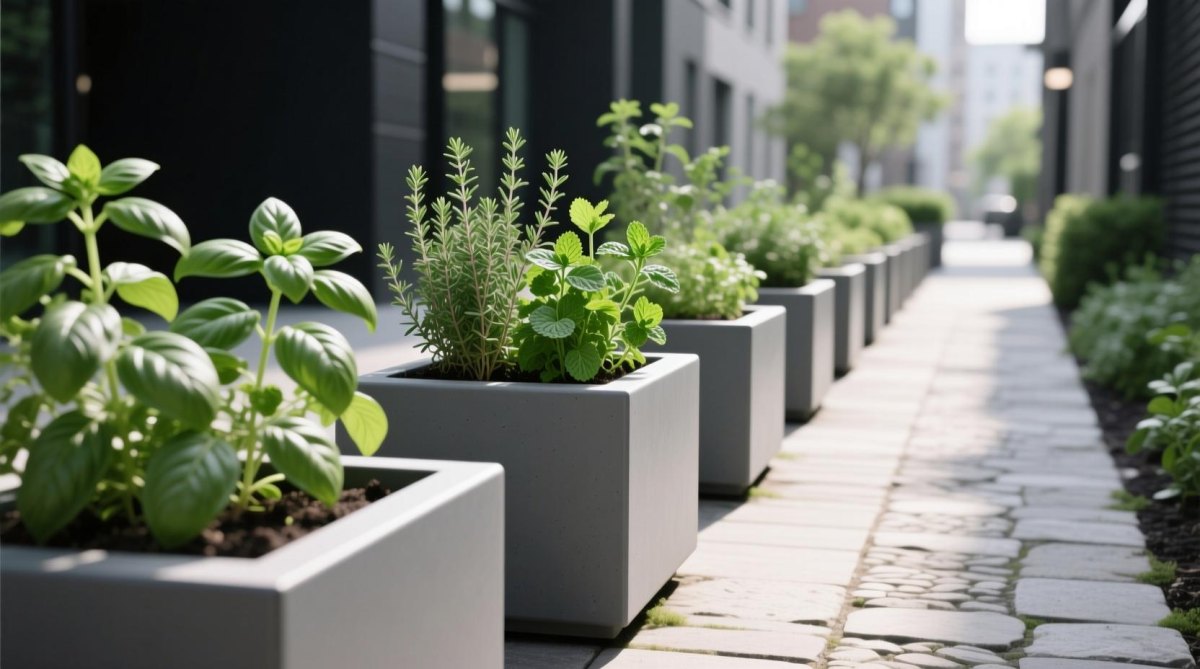
For anyone who prefers clean lines and uncluttered outdoor spaces, a modern minimalist herb garden can be a beautiful solution. I would use a limited color palette, matching containers, simple geometric shapes, and a small selection of herbs with contrasting foliage. The result can look intentional without requiring elaborate landscaping.
My favorite approach would be to line up three or four rectangular planters along a sunny wall. A combination of rosemary, sage, thyme, and compact oregano gives plenty of variation in leaf shape and height while keeping the overall layout consistent. Repeated shapes and a restrained planting palette help create a unified appearance. University of Florida IFAS Extension recommends using repetition, varied plant textures, and organized pathways when designing edible ornamental landscapes. 【】
I would choose concrete-look planters, galvanized containers designed for edible gardening, or simple neutral-colored pots. Before planting in a metal container, I would consider how much direct sun it receives and how quickly the growing medium might heat up. Drainage is still essential, regardless of how attractive the planter looks.
What I like
- Easy-to-organize planting arrangements.
- Matching containers create a cohesive appearance.
- Simple layouts make harvesting and maintenance straightforward.
- A small number of plants can still provide useful harvests.
What needs attention
- Matching containers can become expensive.
- Small decorative pots may restrict root growth.
- Minimalist layouts can look bare between growing seasons.
- Uniform containers do not necessarily suit every herb's moisture needs.
To keep the garden interesting, I would vary plant heights rather than using identical plants everywhere. One upright rosemary plant can anchor the arrangement, while low-growing thyme and softer parsley foliage provide contrast. A narrow gravel strip or simple paving stones can finish the space.
The main thing I would avoid is buying beautiful but impractical containers. Good drainage and sufficient root space should come before a matching finish. The plants will be doing most of the decorating once they fill out.
Cottage-Style Herb Gardens with Flowers
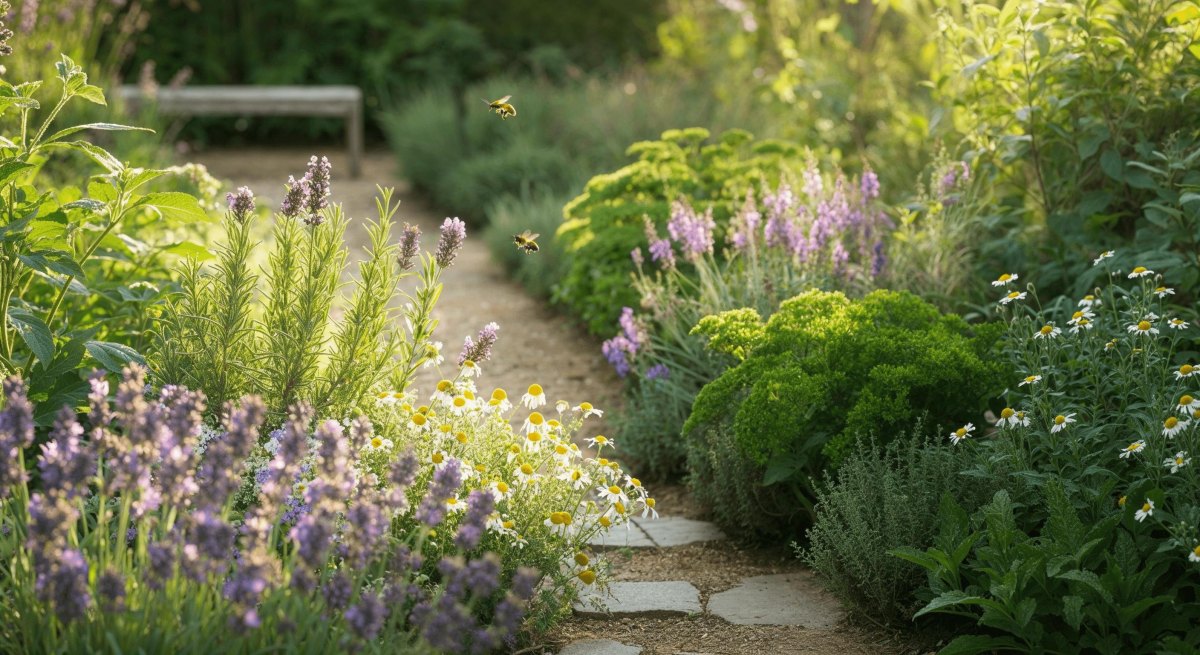
A cottage-style herb garden is a little less orderly than my raised beds, and that is part of its appeal. I like the mixture of flowering plants, soft foliage, winding paths, and herbs spilling gently over bed edges. It creates a garden that feels established and welcoming rather than arranged in perfectly straight rows.
I would combine culinary herbs with flowering plants that bring additional color and support pollinators. Lavender, chamomile, calendula, chives, and flowering thyme are attractive possibilities, alongside parsley, sage, and oregano. Flowers and herbs can share a productive landscape when their light, moisture, and spacing requirements are compatible. Delaware Cooperative Extension discusses how herbs such as basil, coriander, rosemary, lavender, and dill can contribute to diverse garden habitats and support beneficial insects. 【】
For structure, I would plant lavender and larger sage plants toward the back, with smaller herbs and flowering plants closer to the path. Repeating a few varieties throughout the garden makes the planting look connected, even when individual plants grow at different rates. I would also leave enough room to harvest without trampling the flowering areas.
In Boise, USDA zone 7a, our dry summers and approximately 11 inches of annual rainfall mean I need to plan irrigation carefully. Lavender is well suited to sunny, free-draining positions once established, but young plants still need attention. I also check variety hardiness against local winter conditions and use my own last and first frost dates when planning annual flowers. Readers in other climates should consult their local extension service before following the same planting schedule. 【】
Leave some flowers in the garden
It is tempting to harvest every flowering herb, but I like leaving some blooms for visiting pollinators. I avoid applying pesticides to blooming plants when pollinators are active. If pest problems arise, I identify the insect first and prioritize physical and cultural controls before considering any targeted product. Always follow the product label and edible-crop restrictions.One thing I would not do is let the romantic appearance become an excuse for overcrowding. Mint, lemon balm, and other spreading plants can quickly dominate smaller companions. I would grow aggressive spreaders in containers and keep the main beds for plants that behave themselves. A relaxed design still needs sensible spacing if I want the garden to look good next season.
Recycled and Upcycled Herb Garden Ideas
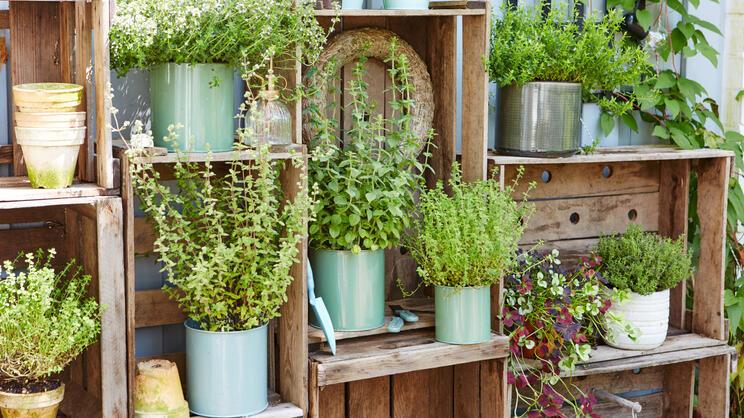
Some of my favorite garden containers are not particularly fancy. An old wooden crate, a suitable food-safe bucket, or a sturdy nursery pot can become a perfectly useful home for culinary herbs. Reusing materials can reduce the cost of setting up a garden, and it gives a small outdoor space a more personal appearance.
I would start by looking around for materials that are suitable for growing edible plants. Wooden crates can work if they are clean and have enough structural strength. Food-grade plastic buckets can also be useful when they have adequate drainage. I would avoid containers that previously held paint, detergents, pesticides, solvents, or other chemicals, even if they appear clean. Material safety matters more than the container's appearance when I am growing something intended for the kitchen. University of Maryland Extension provides detailed advice about food-safe plastics and reused containers. 【】
Here are a few ideas I would consider for a low-cost herb garden:
- Wooden crates: Use clean, untreated crates with a suitable liner that allows drainage, and check their previous use.
- Food-grade buckets: Choose new or known food-grade buckets and add appropriate drainage holes.
- Old nursery pots: Reuse sturdy pots after cleaning them thoroughly.
- Wooden planter boxes: Use suitable untreated timber and ensure the box drains freely.
- Repurposed metal containers: Check their previous contents, condition, stability, and suitability for growing edible plants.
I am particularly careful with older timber and painted containers. I would not use railroad ties, creosote-treated wood, or old CCA-treated lumber for edible growing beds. If I am using recycled wood, I want to know what it was previously used for. For an older urban property, I would also arrange soil testing for lead before planting herbs directly into existing ground.
There is another important detail about recycled plastic. University of Maryland Extension identifies food-grade plastics such as HDPE, LDPE, and polypropylene as suitable options under its container guidance, while advising against several other plastic types and containers previously used for chemicals. Plastic intended for indoor use can also deteriorate outdoors under sunlight. 【】【】
A recycling project is not automatically food-safe
Never assume that a container is suitable for herbs simply because it can hold soil. Avoid old chemical buckets, containers of unknown origin, degraded plastics, and materials with potentially harmful coatings. When in doubt, buy a planter intended for edible gardening instead.For a finished look, I would group containers of different heights together, add simple wooden labels, and keep the planting palette consistent. A recycled crate filled with parsley, thyme, and oregano can look just as appealing as a costly garden-center planter. Spend your money on healthy plants and suitable growing medium before buying decorative extras.
More Pinterest Visuals



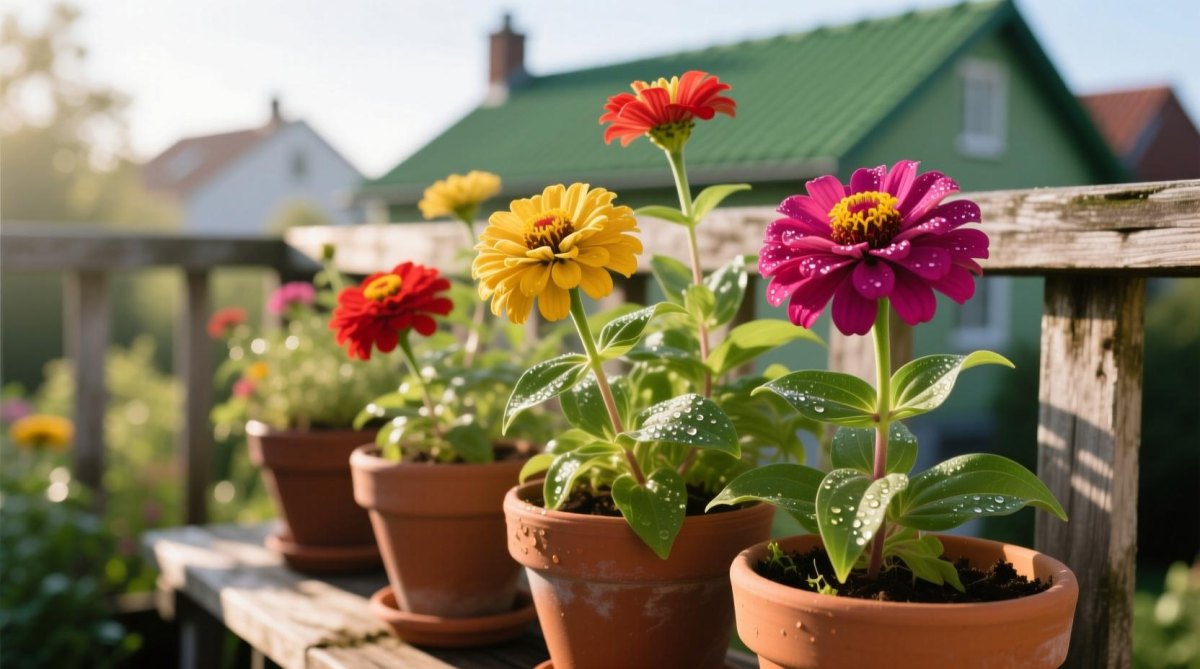 Seasonal & Flower Containers6 Fast Growing Flowers for Containers That Bring Quick, Colorful Blooms
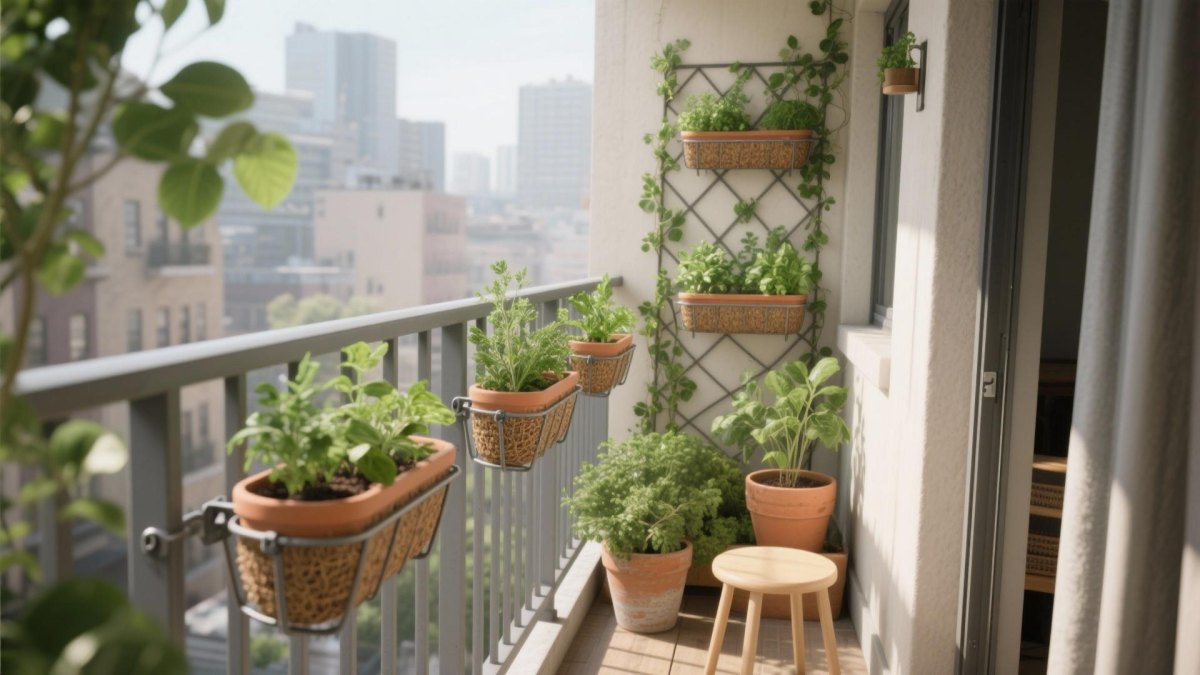 Balcony & Patio Gardens16 Small Garden Ideas for Renters That Save Space and Look Beautiful
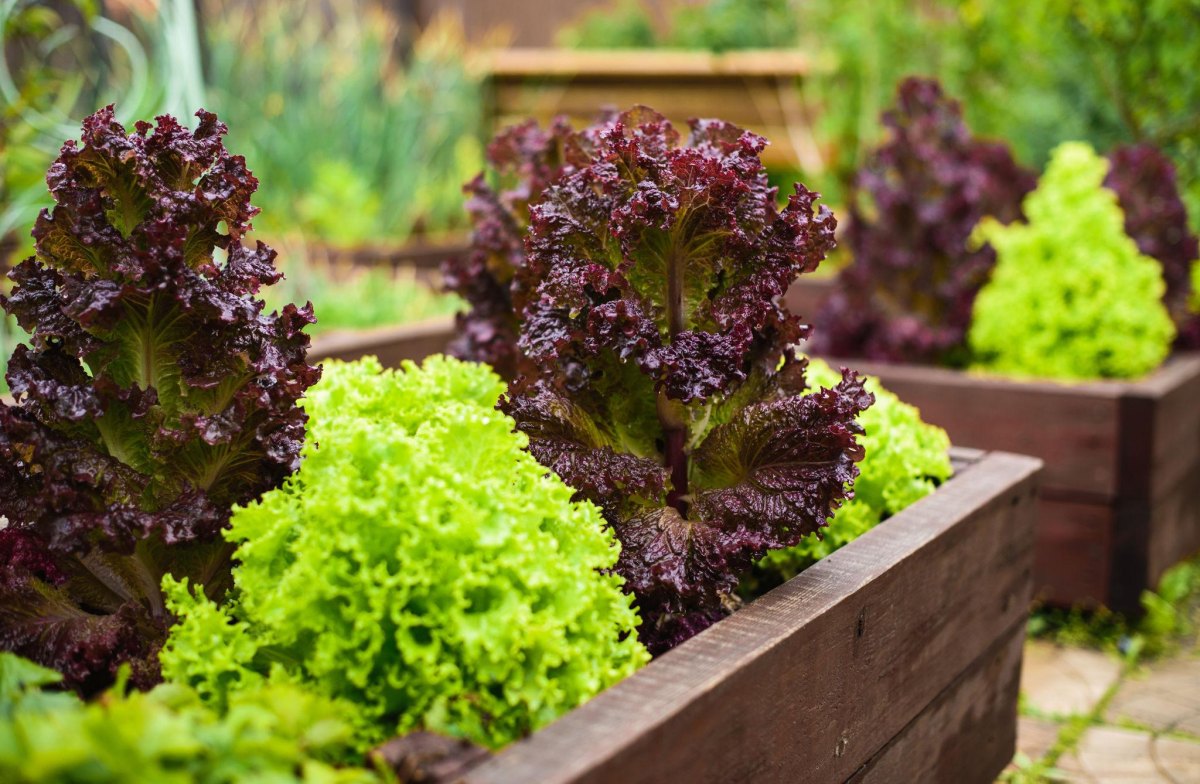 Raised Bed Gardening10 Best Vegetables for Raised Garden Beds That Are Worth Growing
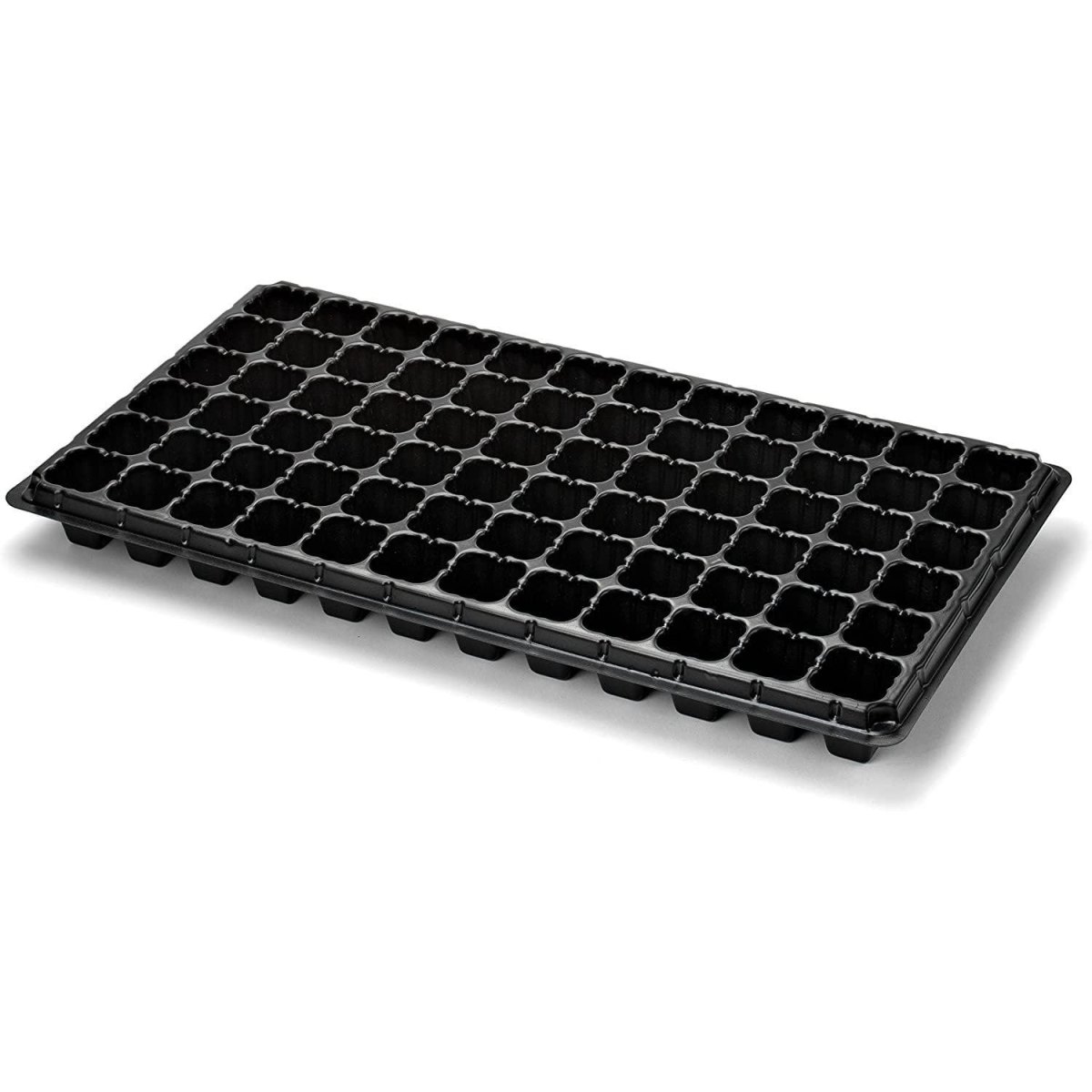 Seed StartingSeed Starting Supplies List – 11 Essentials for Growing Healthy Seedlings at Home