

I have emptied plenty of kitchen scraps into my compost bins here in Boise, Idaho, where my high-desert garden gets about eleven inches of rain a year and every drop matters. Compostable trash bags sound simple, but the label hides important details: where they break down, what they are made from, and whether your local system accepts them.
I compared the practical details I look for in my own garden setup: certifications, durability, storage, and whether a bag actually fits the job. My recommendation is always to match the bag to your composting system rather than buying the greenest-looking package.
What Are Compostable Trash Bags?
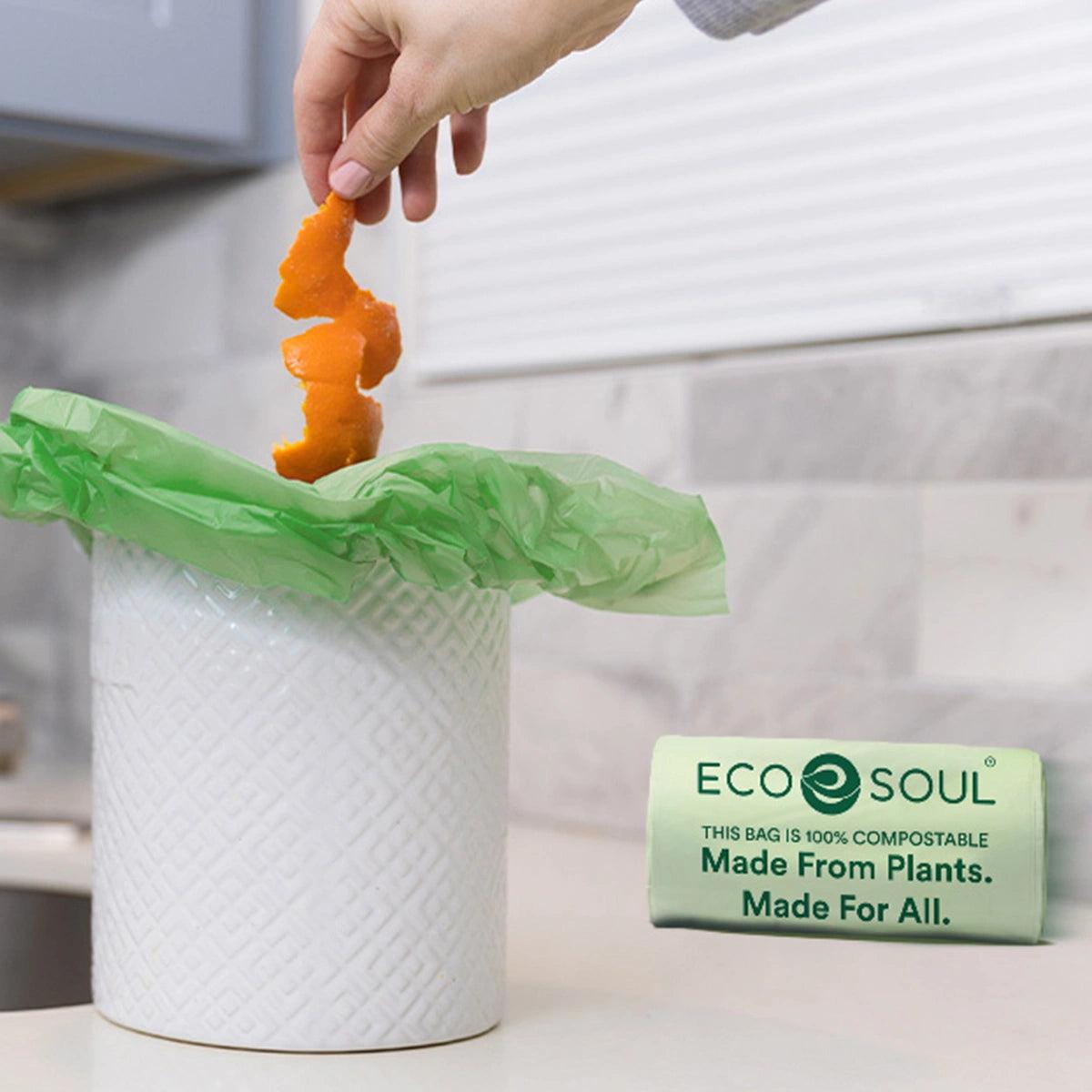
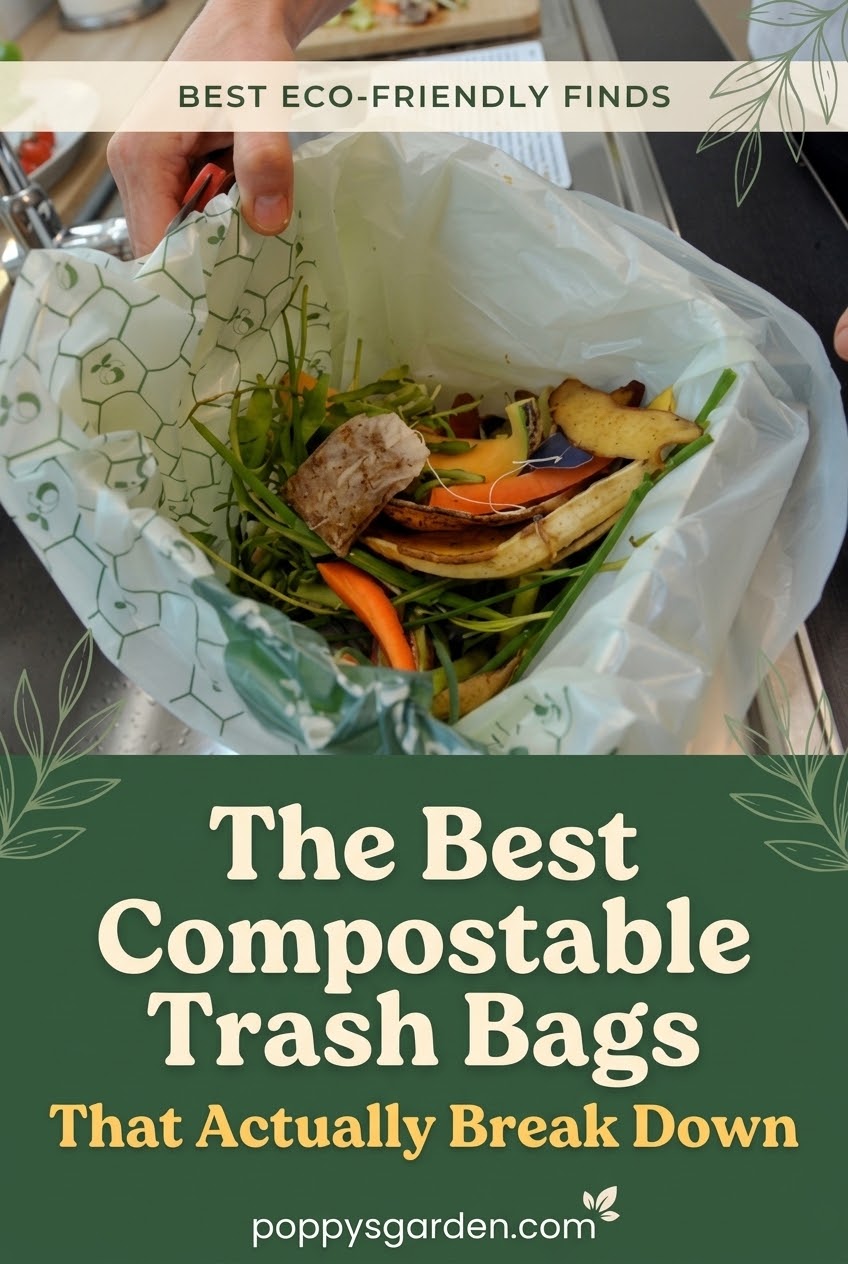
I think of compostable trash bags as temporary tools for moving organic waste, not magic plastic replacements. Certified bags are designed to break down into composting environments under specific conditions.
How Compostable Trash Bags Break Down
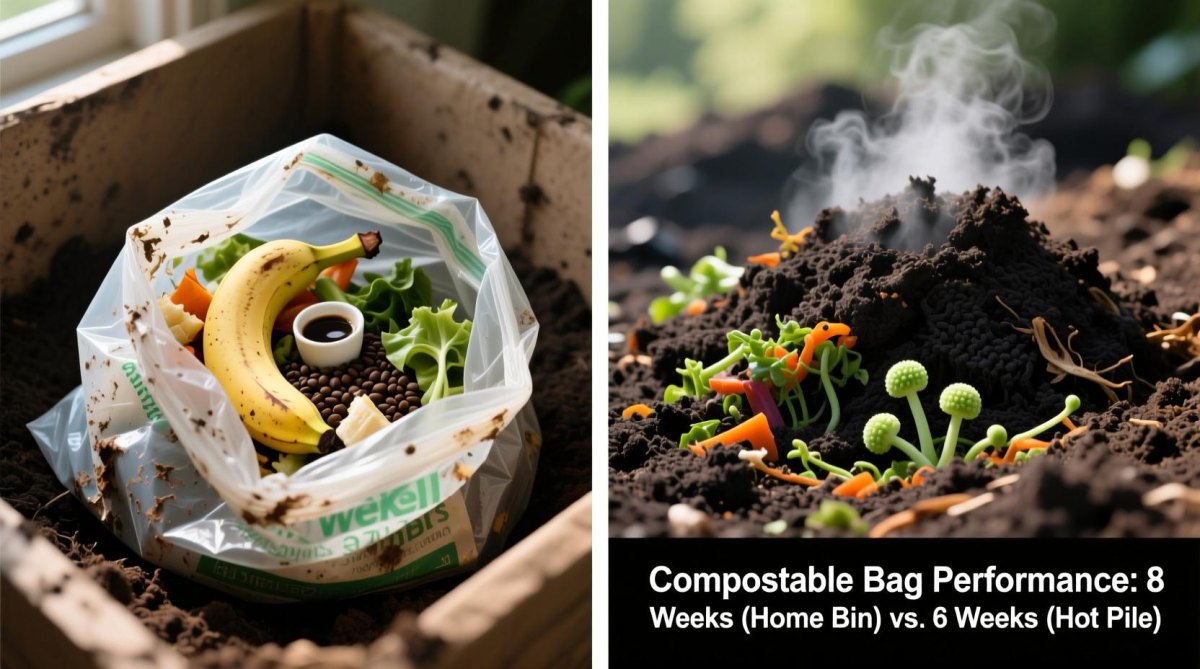
The breakdown process depends on heat, moisture, oxygen, and microbes. I learned not to assume every bag disappears in my backyard bin because many are designed for commercial facilities.
Materials Used in Compostable Trash Bags
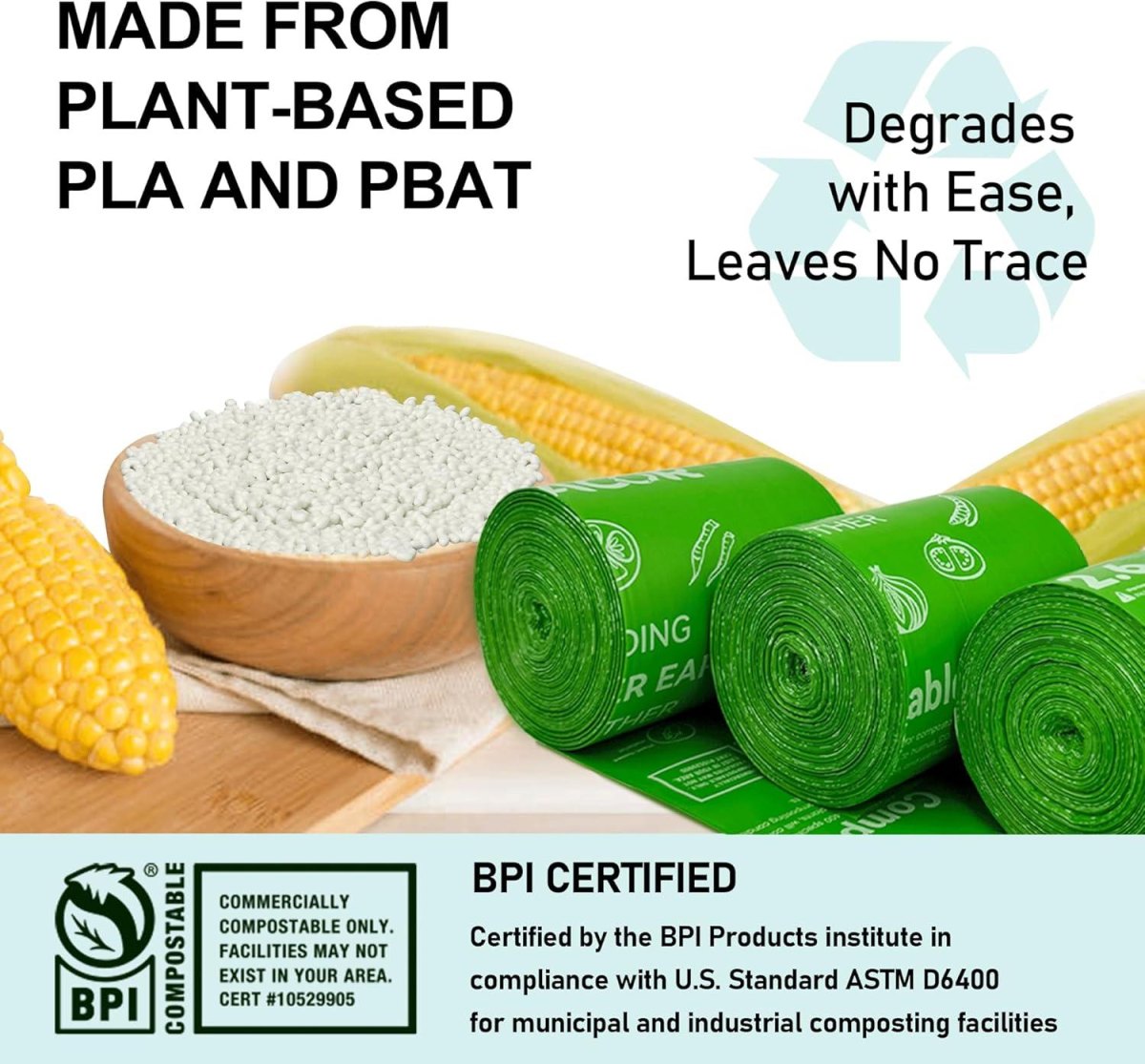
Most bags use blends such as PLA, PBAT, and starch because manufacturers need flexibility and strength together.
- PLA: Adds structure and stiffness.
- PBAT: Adds flexibility and tear resistance.
Compostable vs Biodegradable Trash Bags
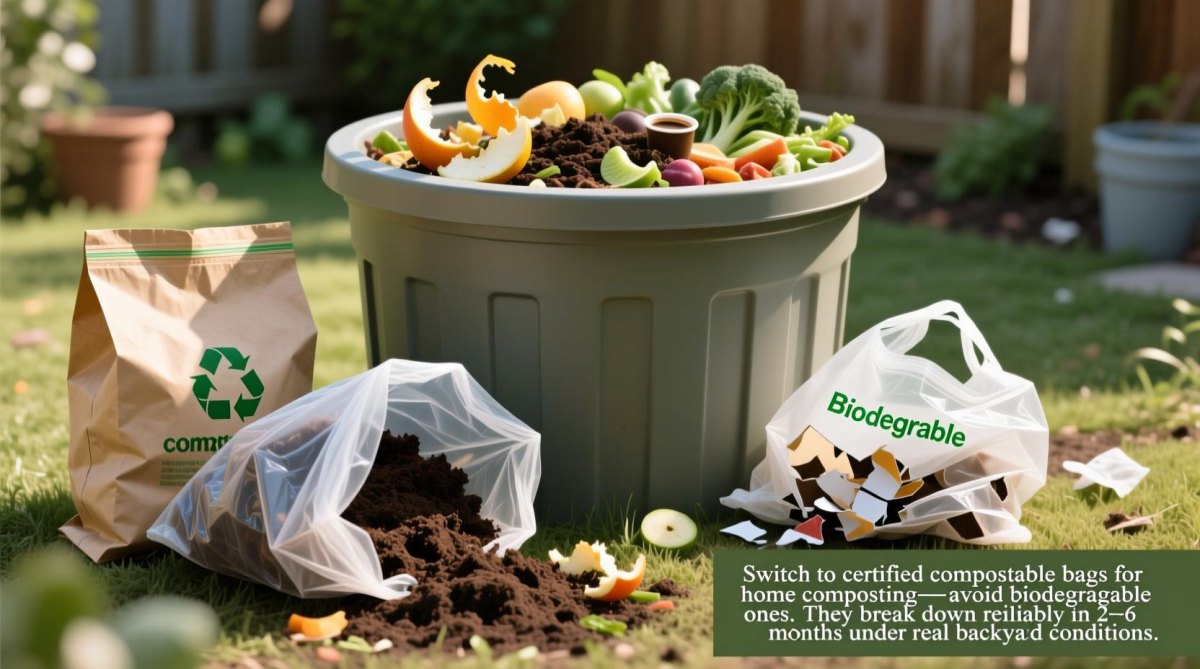
I pay close attention to wording here. Compostable is specific; biodegradable can describe many different breakdown claims without the same composting requirements.
Benefits of Using Compostable Trash Bags
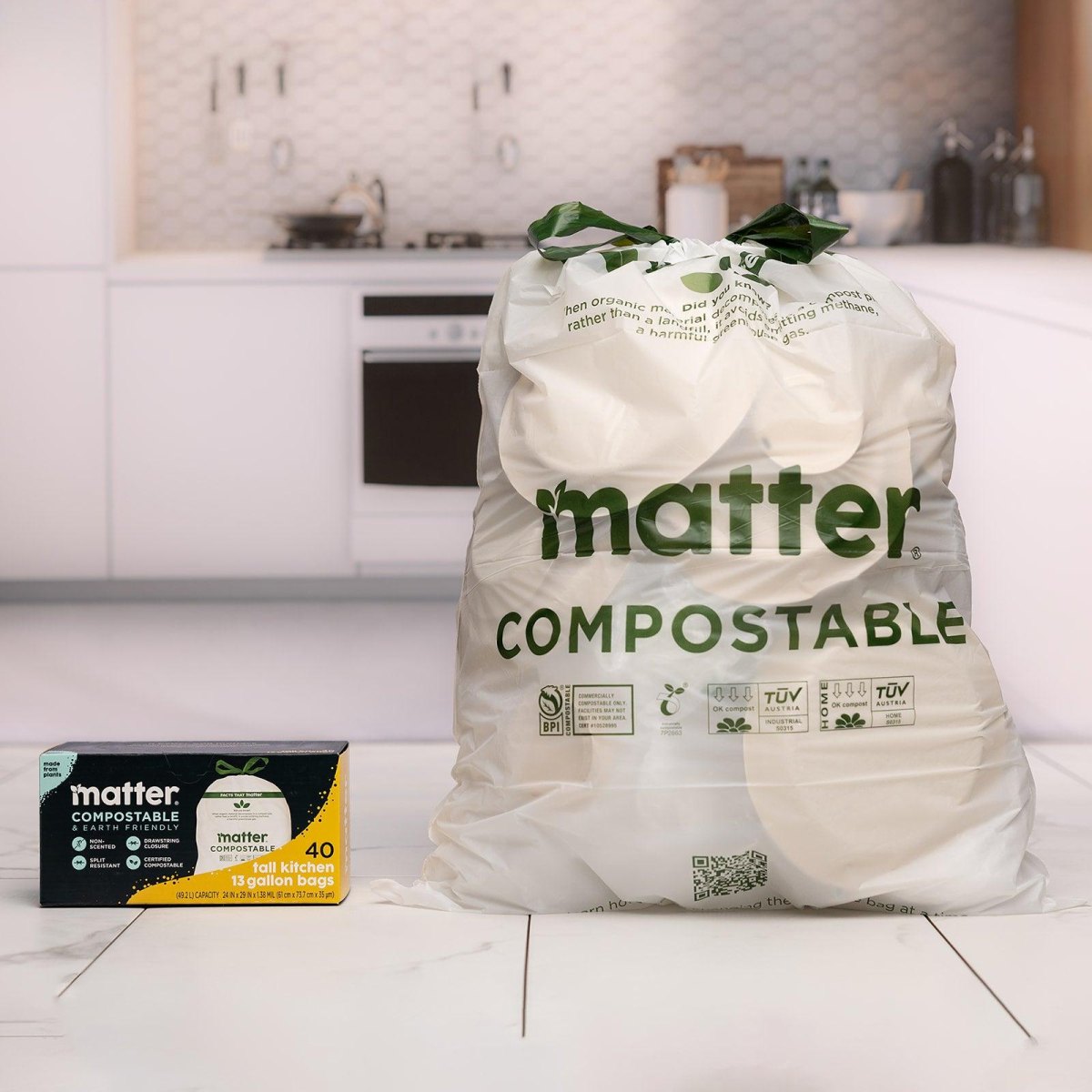
The biggest benefit I see is cleaner collection of food scraps. A good bag keeps my kitchen bucket manageable while supporting organic waste programs that accept certified liners.
Pros
- Cleaner food scrap handling.
- Less conventional plastic use.
Cons
- Higher cost than plastic.
- Requires correct disposal.
Certified Compostable Trash Bag Standards
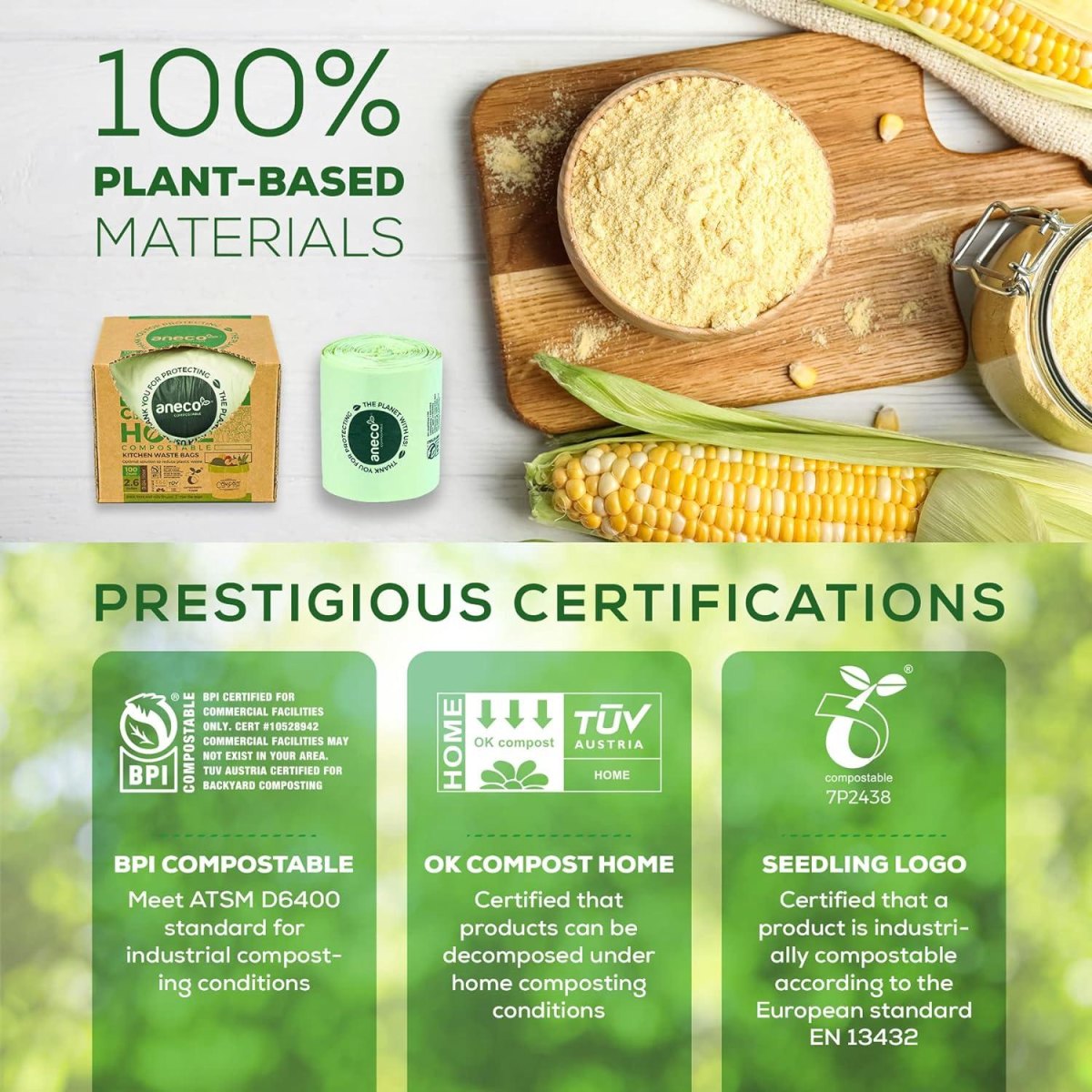
I look for recognized certifications rather than marketing words. Standards such as ASTM D6400 and certification programs help verify compostability claims.
Compostable Trash Bags for Kitchen Waste
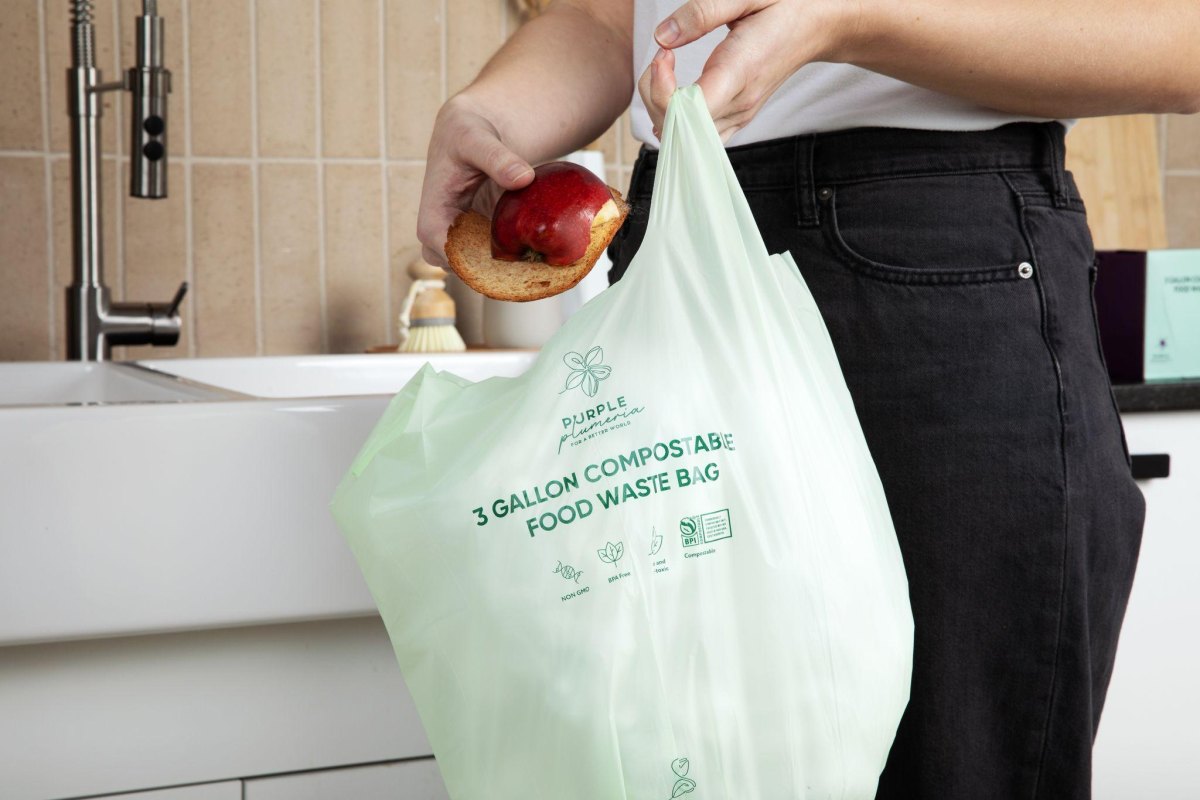
My kitchen setup uses small liners because food scraps get heavy quickly. I prefer a bag size that fills before moisture becomes a problem.
- Fits your countertop bin.
- Handles wet scraps.
- Matches local collection rules.
Compostable Trash Bags for Food Scraps
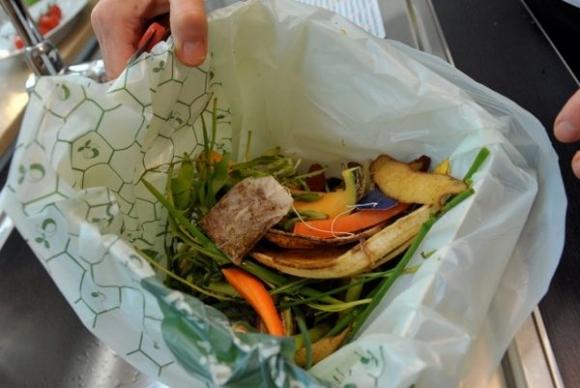
Food scraps are where these bags make the most sense. I use them for vegetable trimmings, coffee grounds, and garden leftovers that belong in compost.
Compostable Trash Bags for Home Composting
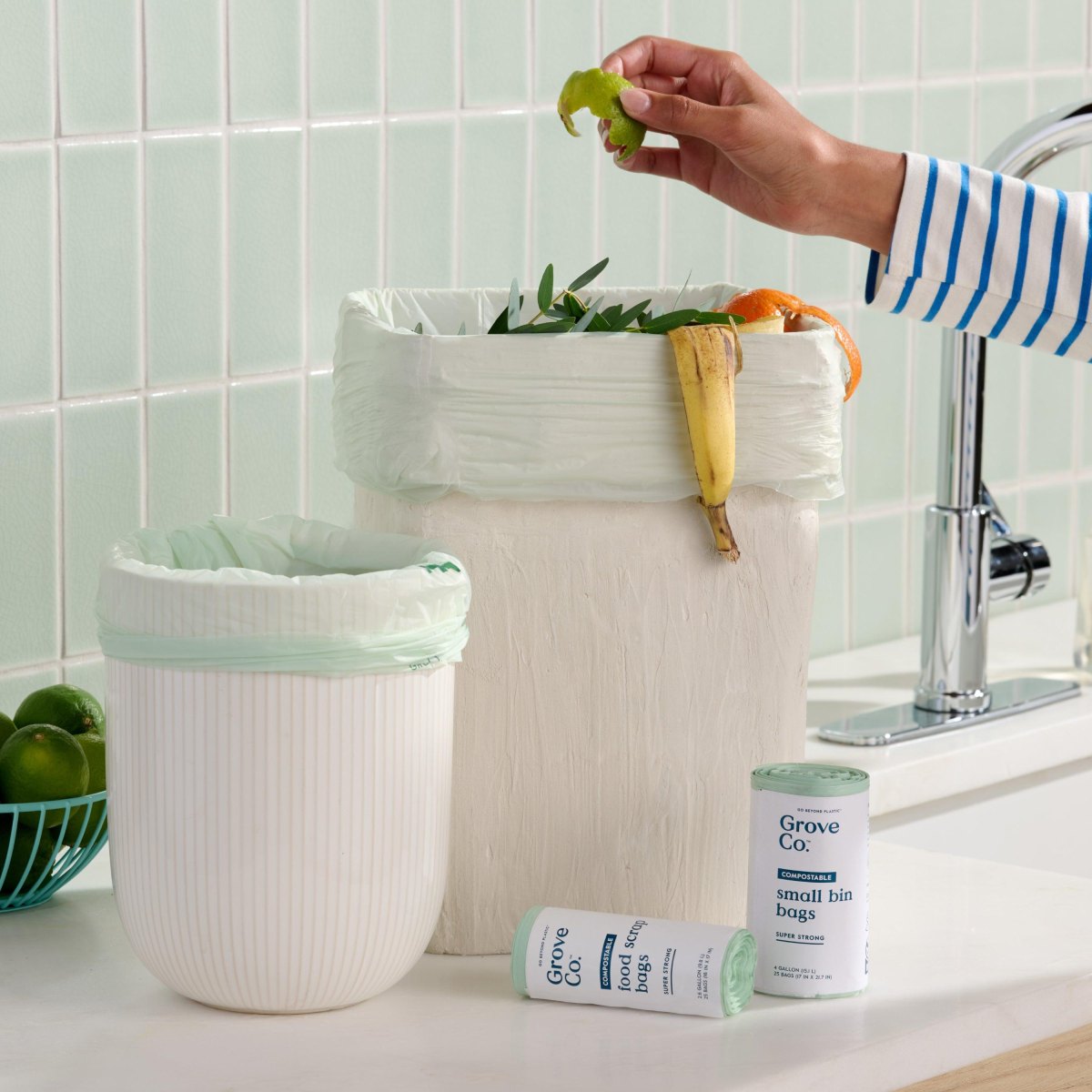
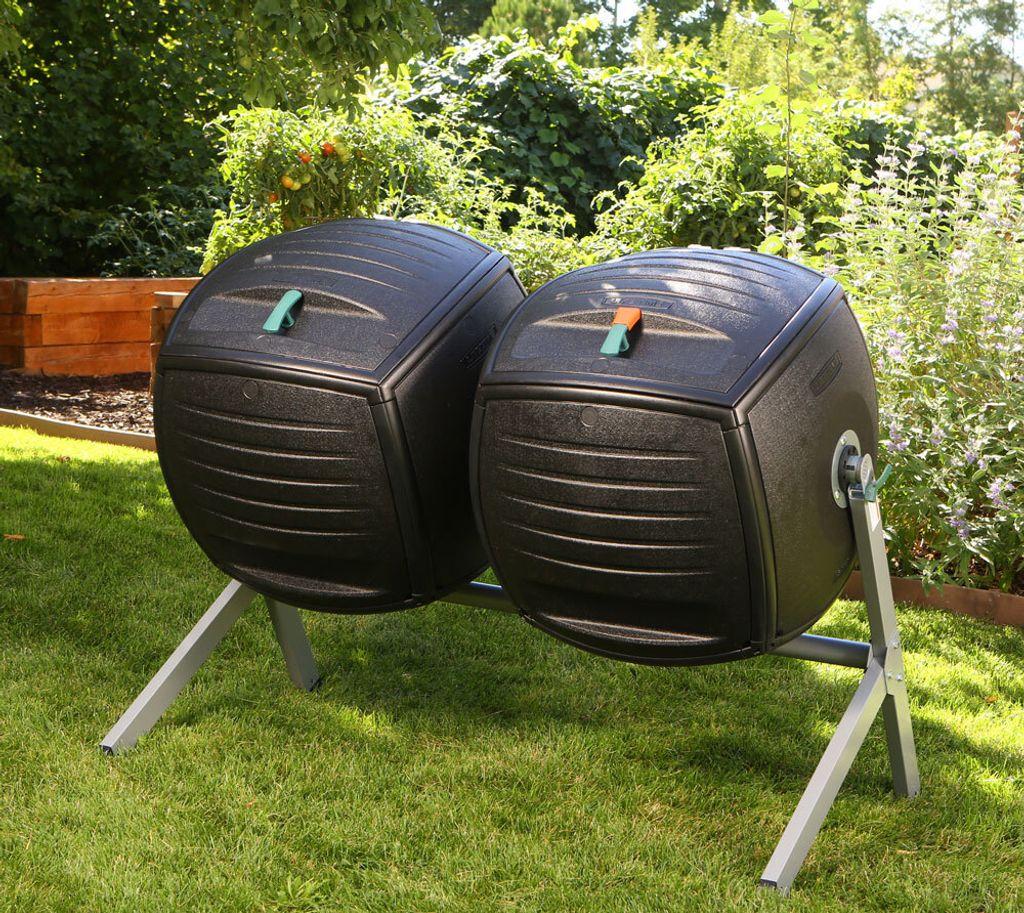
My own bins remind me to check labels carefully. Some certified bags are meant for industrial composting, not a backyard pile that never reaches those temperatures.
Compostable Trash Bags for Commercial Composting
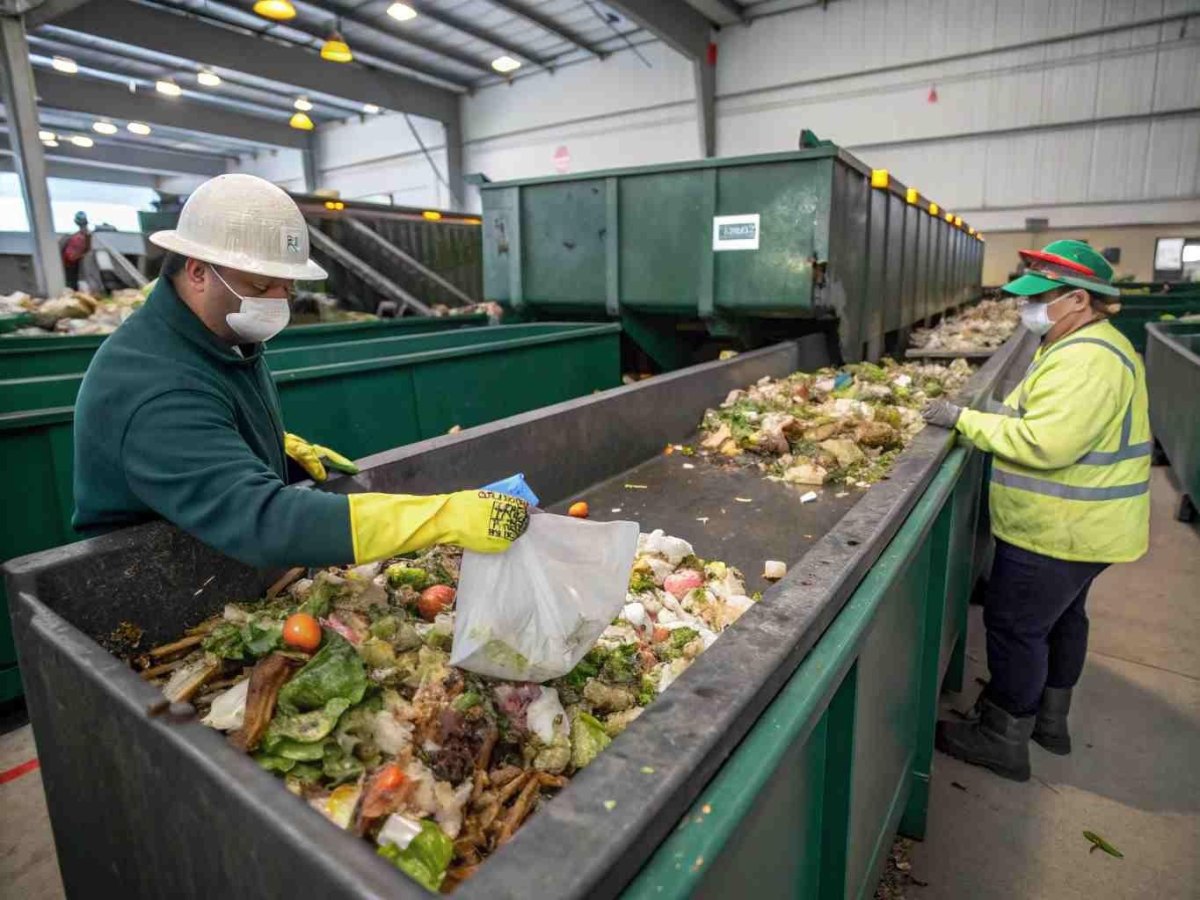
Municipal and commercial composting programs often have specific accepted materials. I always check local rules before sending a bag of scraps away.
Choosing the Right Compostable Trash Bag Size
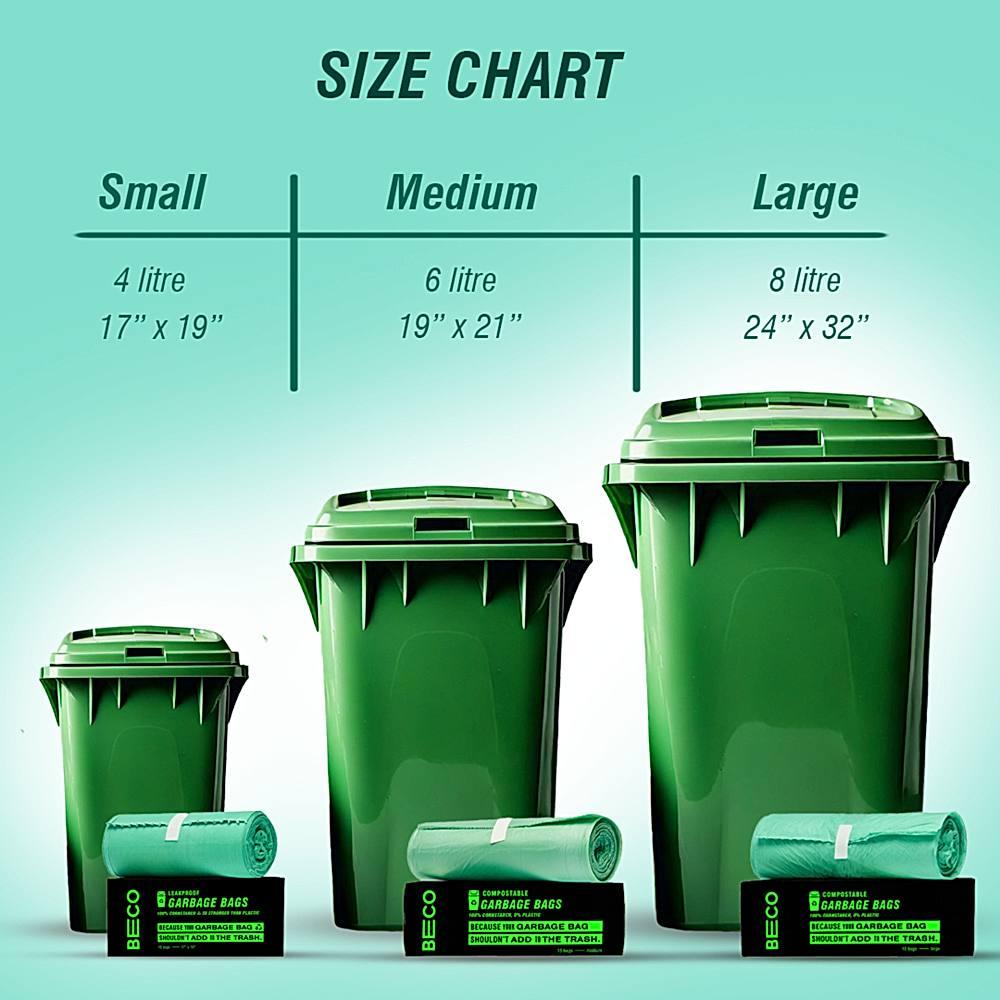
I choose size by volume, not by the number printed on the box. A small kitchen pail, a yard waste container, and a commercial bin need completely different bags.
| Use | Typical choice |
|---|---|
| Kitchen | Small liner |
| Garden | Larger bag |
Strength and Durability of Compostable Trash Bags
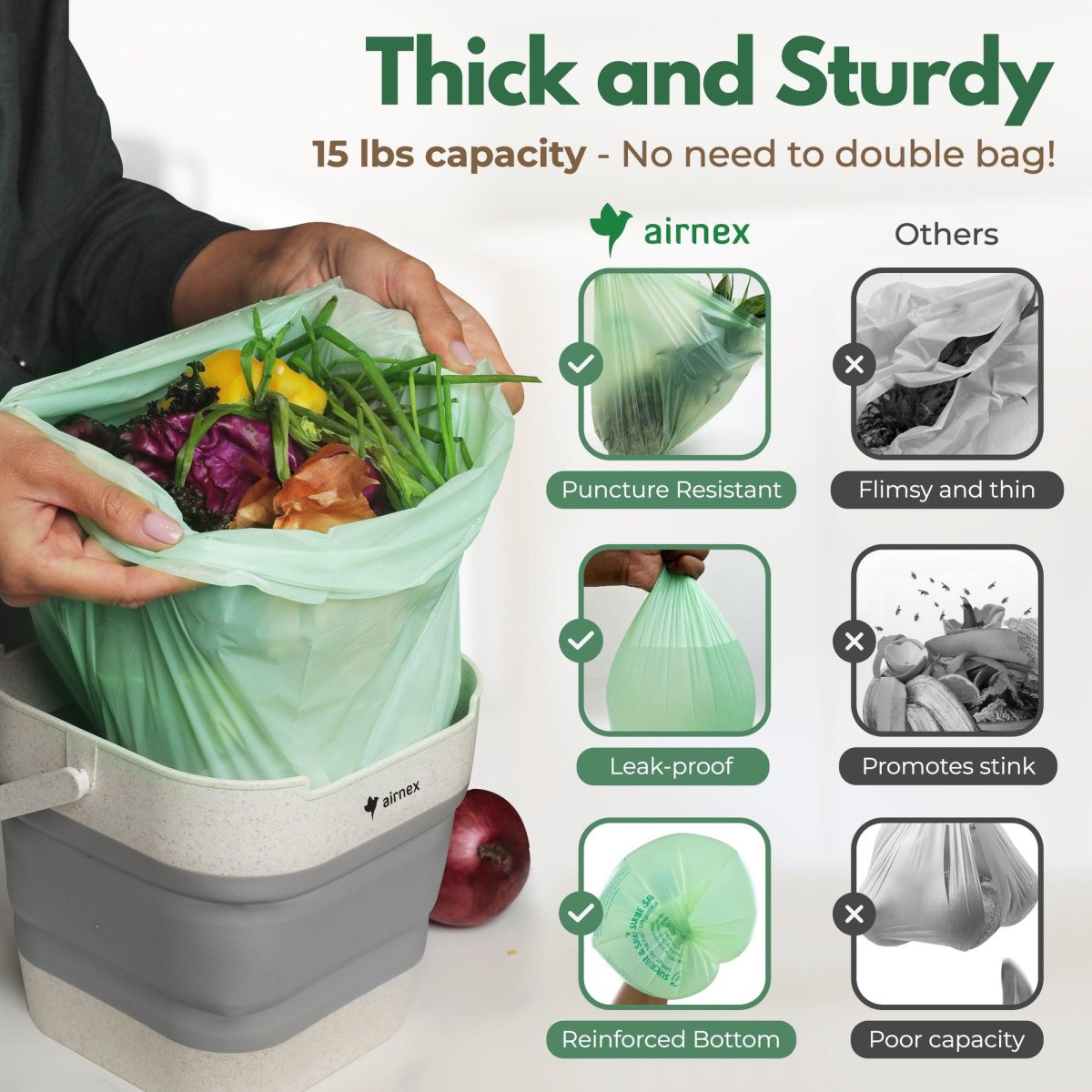
I test bags the same way I test seed varieties: by using them. A compostable bag still needs real carrying strength before it reaches the compost pile.
How to Store Compostable Trash Bags
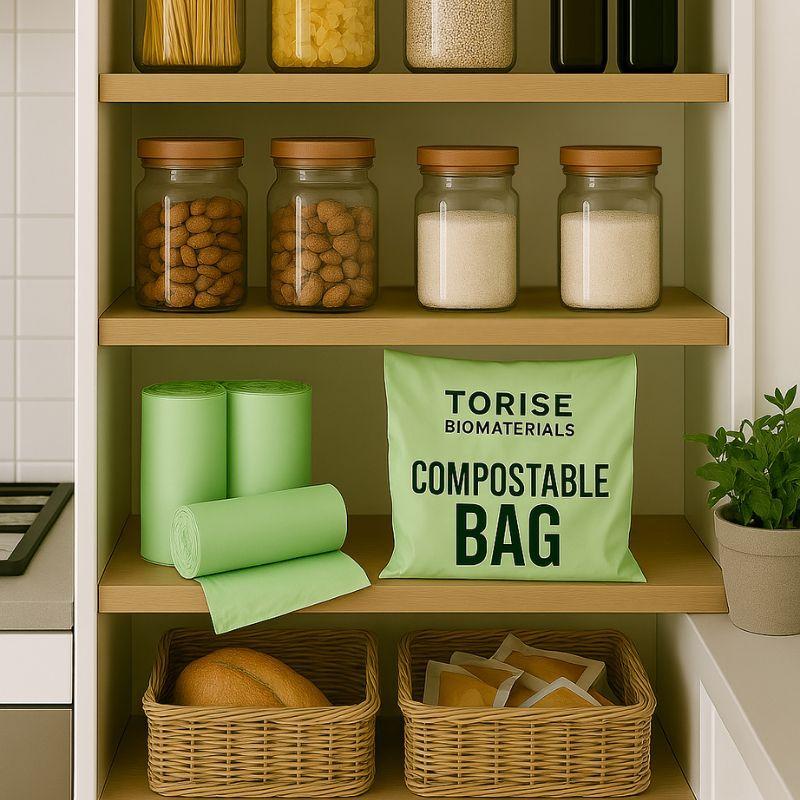
I keep rolls in a dry cabinet because moisture and heat can shorten storage life. My basement seed-starting area taught me that storage conditions matter for many plant-based products.
Common Mistakes When Using Compostable Trash Bags
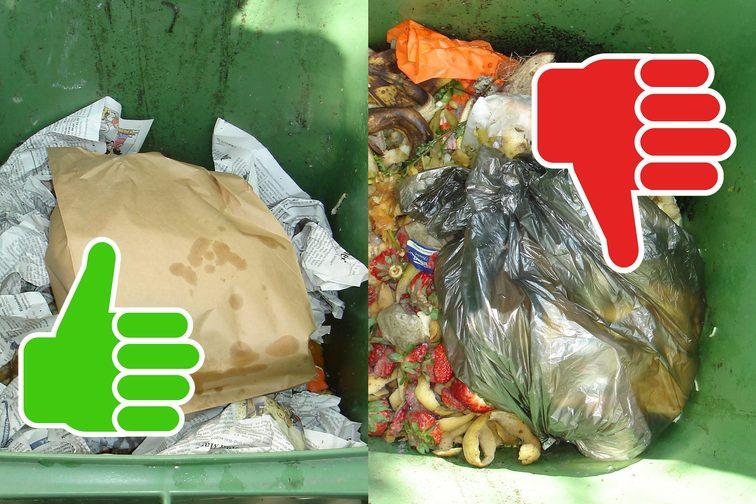
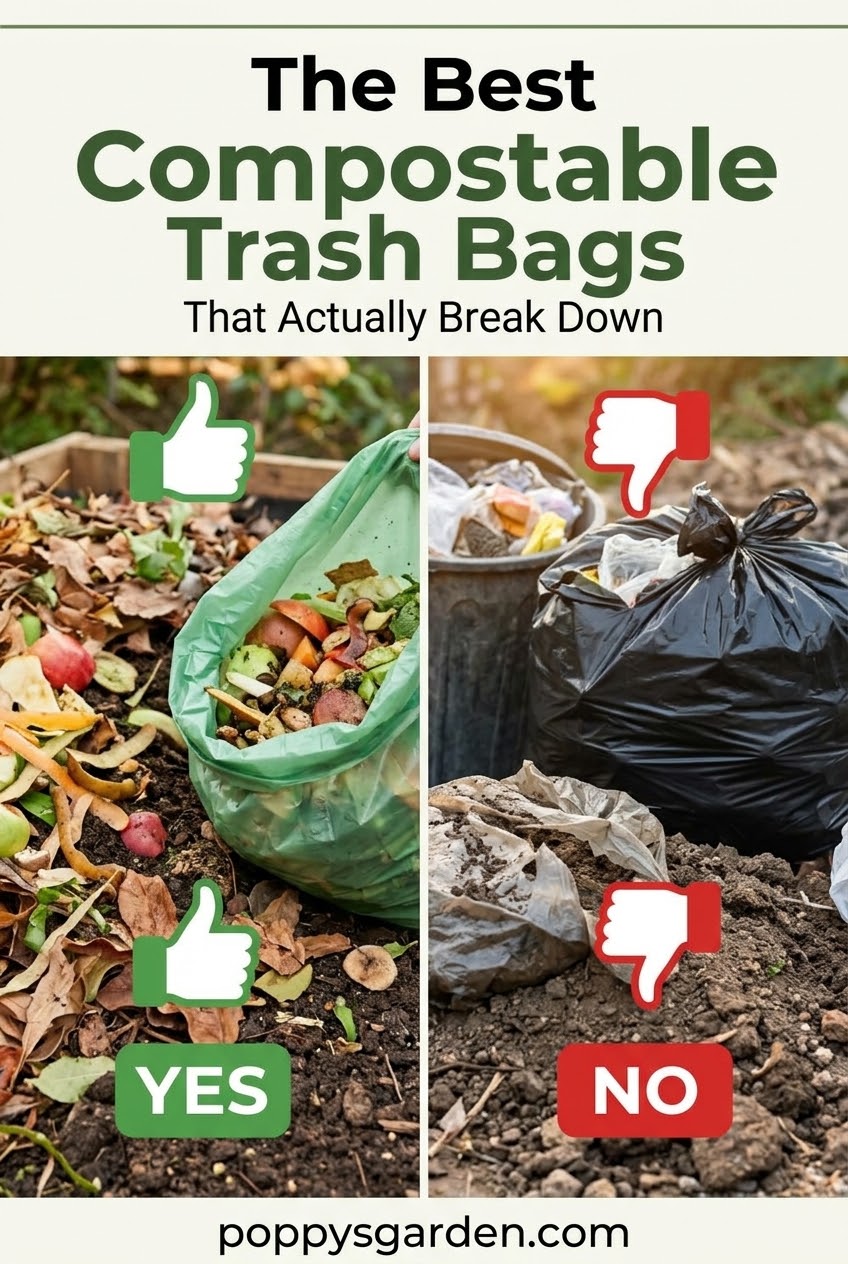
The biggest mistake I see is assuming every green-colored bag is compostable. Check certification, disposal instructions, and accepted waste streams first.
Common mistake
Putting certified bags into recycling creates contamination problems.
Compostable Trash Bags and Plastic Waste Reduction
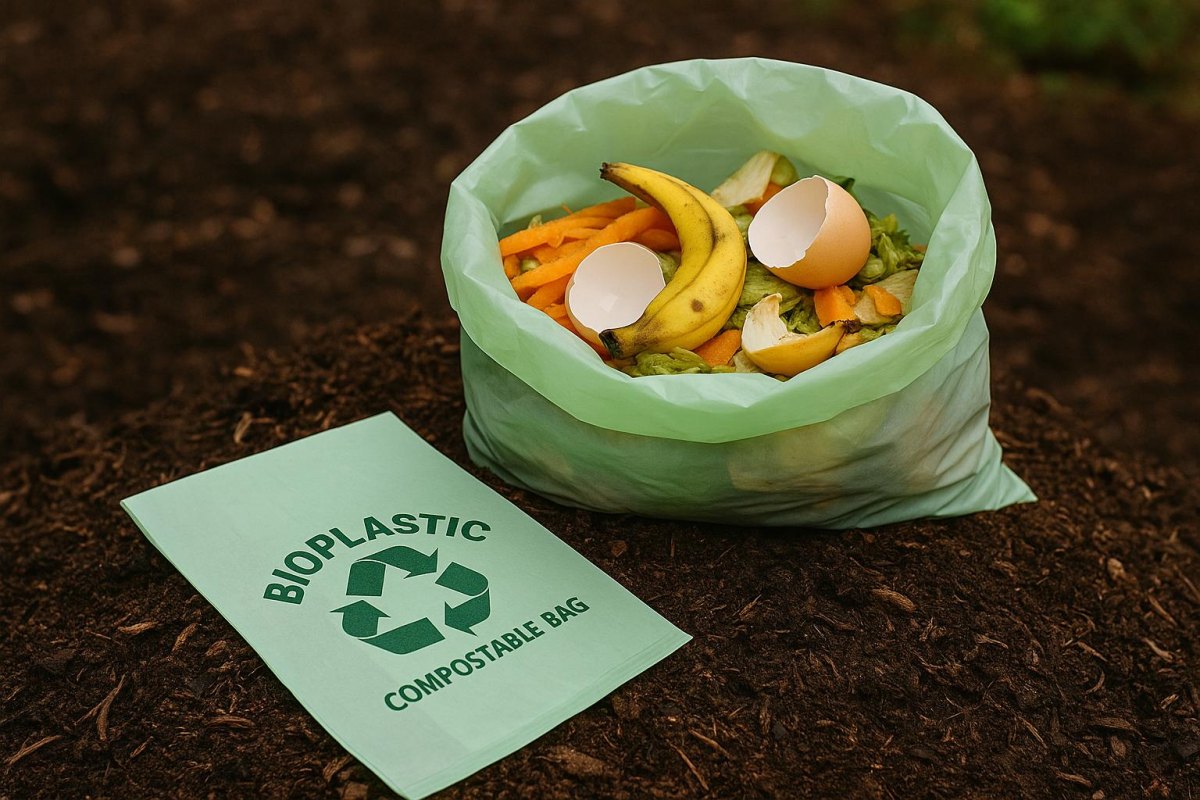
Switching bags is one small part of reducing plastic waste. I still focus most on preventing unnecessary waste before it reaches any bin.
Compostable Trash Bags in Sustainable Businesses
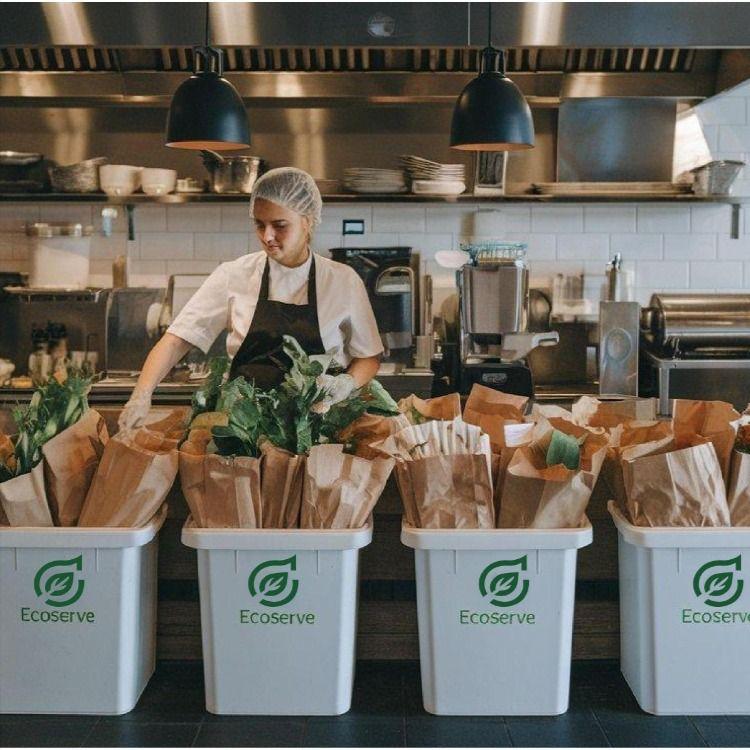
Restaurants, cafes, and offices can benefit when their compost collection system accepts certified liners. The key is matching the bag to the local program.
Environmental Impact of Compostable Trash Bags
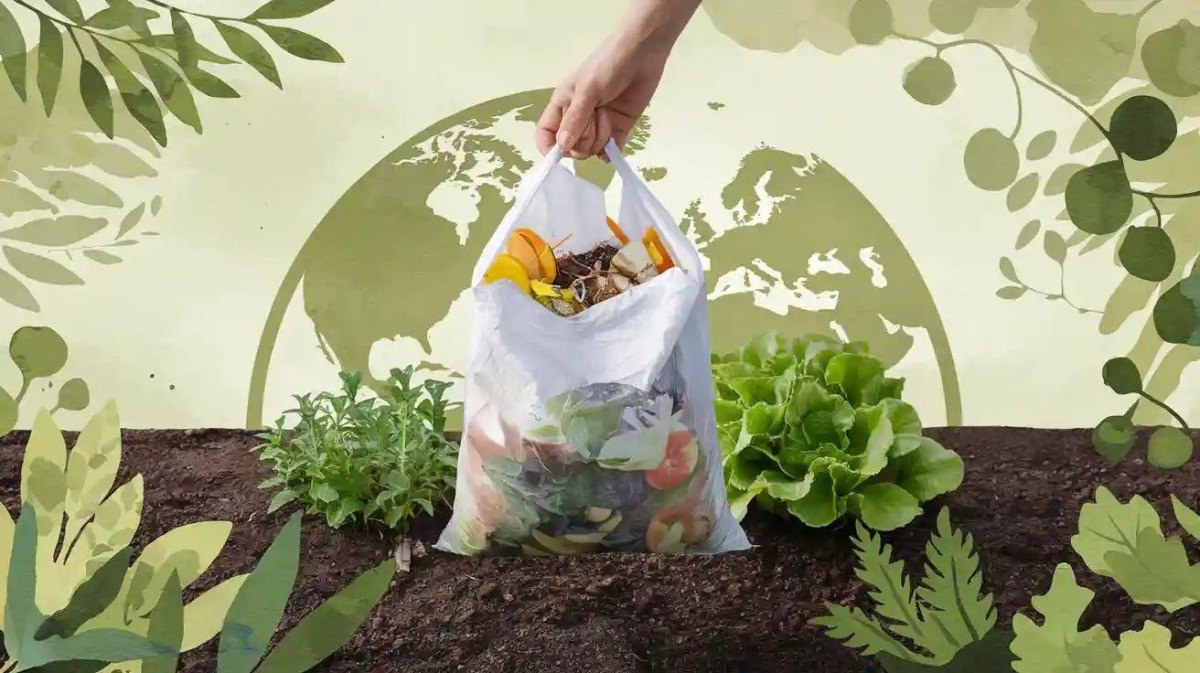
I avoid simple claims that one product solves everything. Research shows that material type and disposal conditions strongly influence composting outcomes.
1 rule
Always match the bag to the compost system.
How to Dispose of Compostable Trash Bags Properly
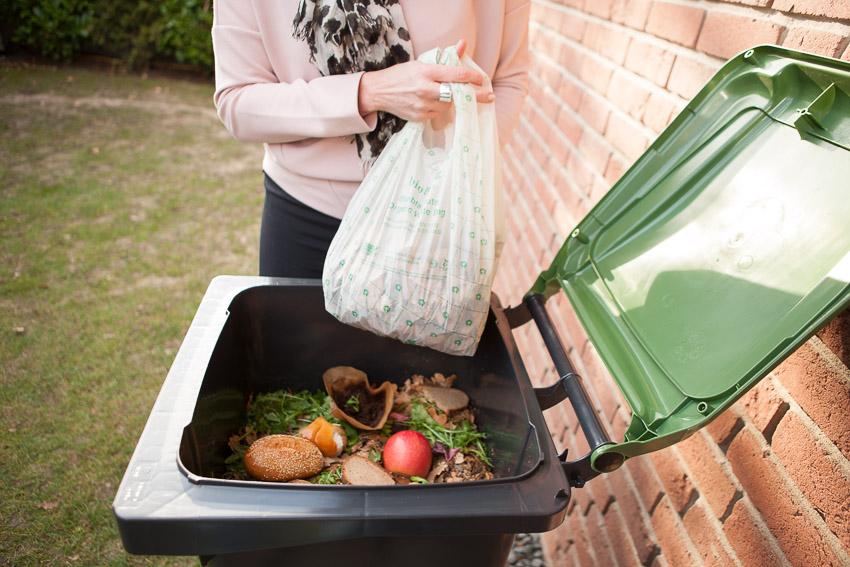
My disposal checklist is simple: confirm acceptance, remove contamination, and follow local instructions. A certified bag only works when it enters the right stream.
- Check. Verify your compost provider accepts the bag.
- Dispose. Place it in the correct organic waste bin.
Future Trends in Compostable Trash Bags
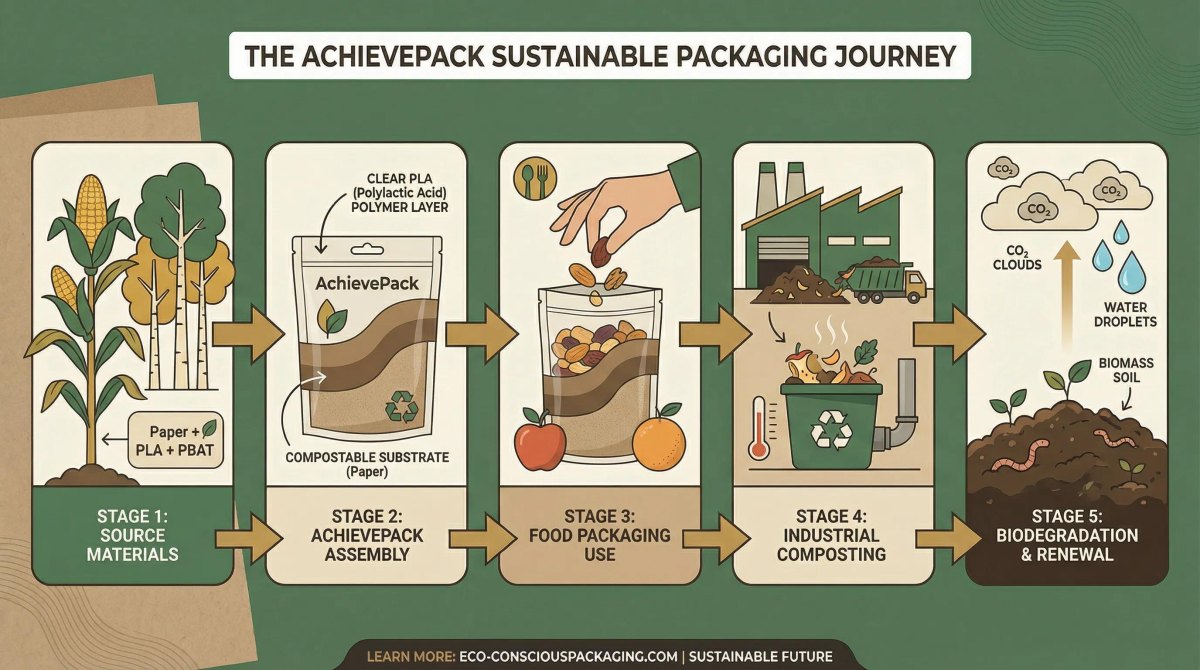
I expect better materials and clearer labels to matter more in the future. The industry is moving toward stronger standards and better transparency for buyers.
My buying rule
I choose the bag with verified claims, the right size, and a disposal path I can actually use.
More Pinterest Visuals



 Balcony & Patio GardensSmall Space Garden Ideas That Make Every Inch Count
 Balcony & Patio GardensKübelpflanzen für die Terrasse – 15 Ideen für ein grünes und blühendes Outdoor-Paradies
 Balcony & Patio Gardens20 Balcony Garden Setup Ideas To Transform Your Outdoor
 Seasonal & Flower Containers16 Beautiful Container Garden Flower Combinations That Work