
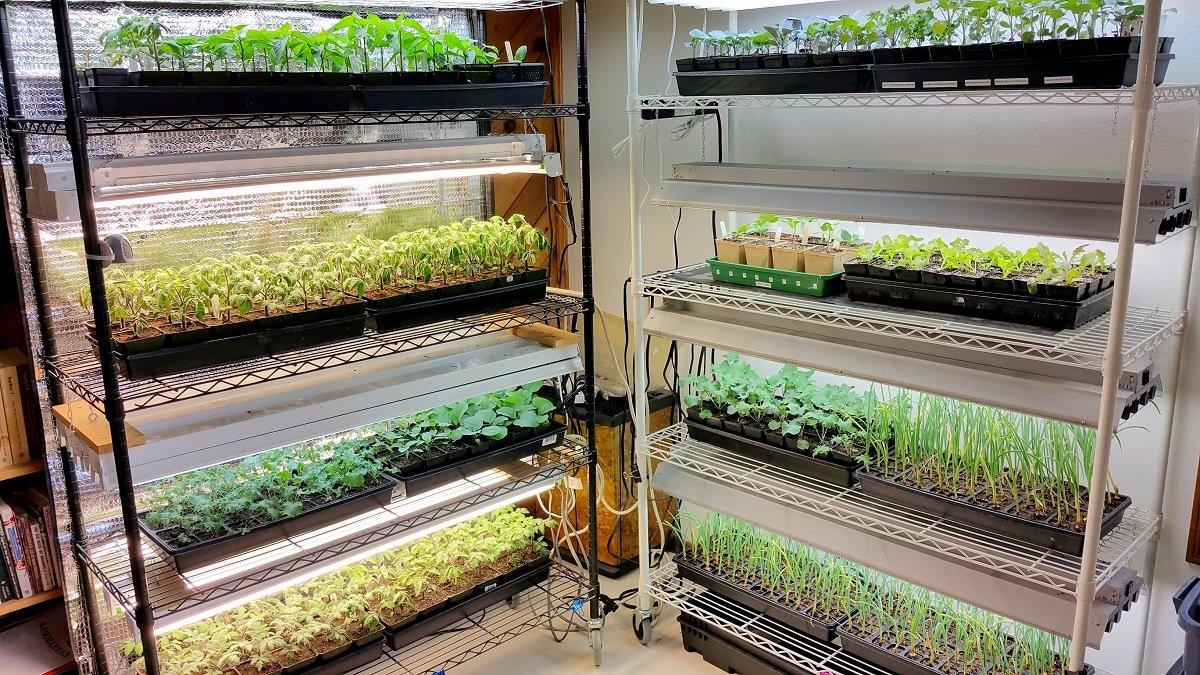
I start seeds indoors because my Boise, Idaho zone 7a garden has a short, dry season and a habit of throwing late frosts at me. I count backward from my own last frost date rather than trusting a calendar, and I tell readers to do the same with their local extension guidance. My basement lights have saved many seasons, especially for crops that need extra weeks before summer arrives.
Indoor seed starting basics
- Start slow-growing warm crops early.
- Use strong light instead of relying on a windowsill.
- Move seedlings outside gradually through hardening off.
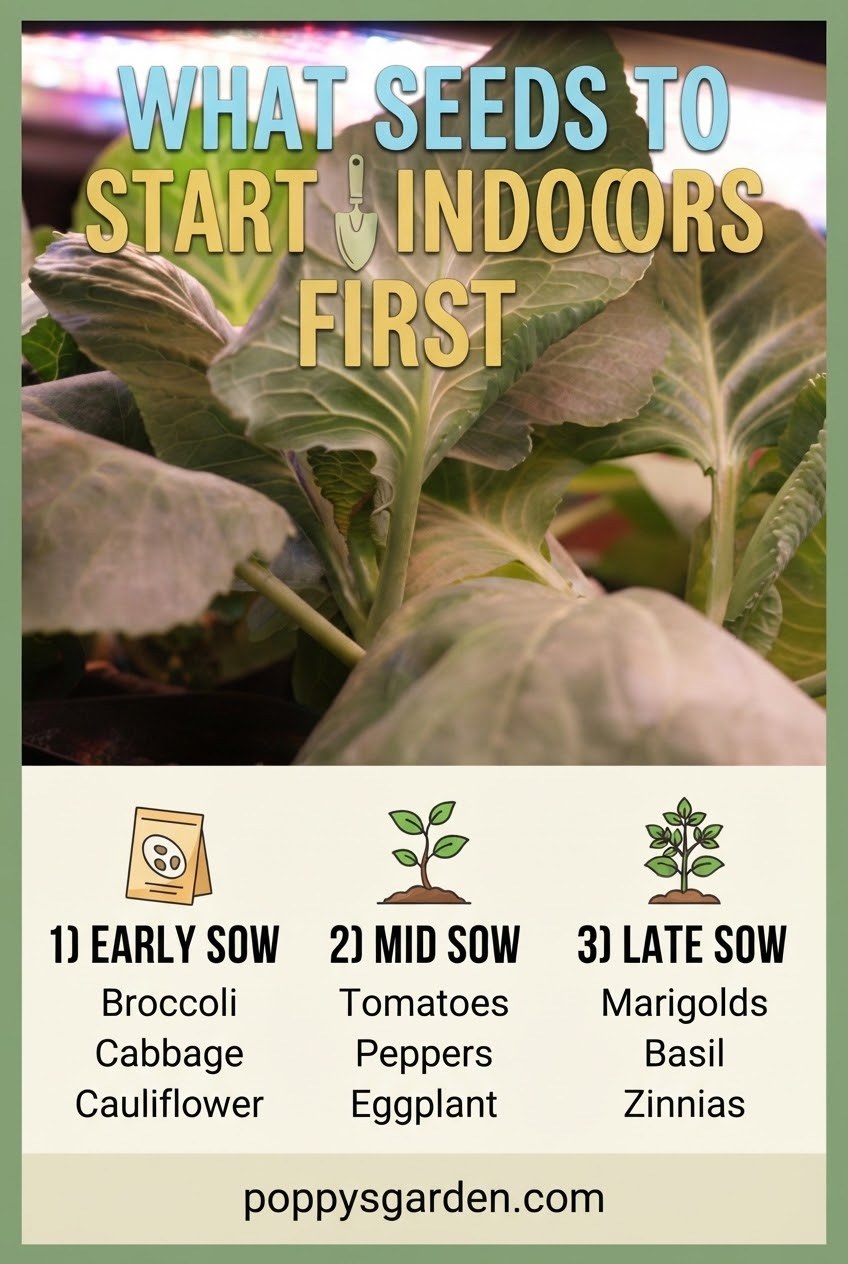
Tomatoes to Start Indoors
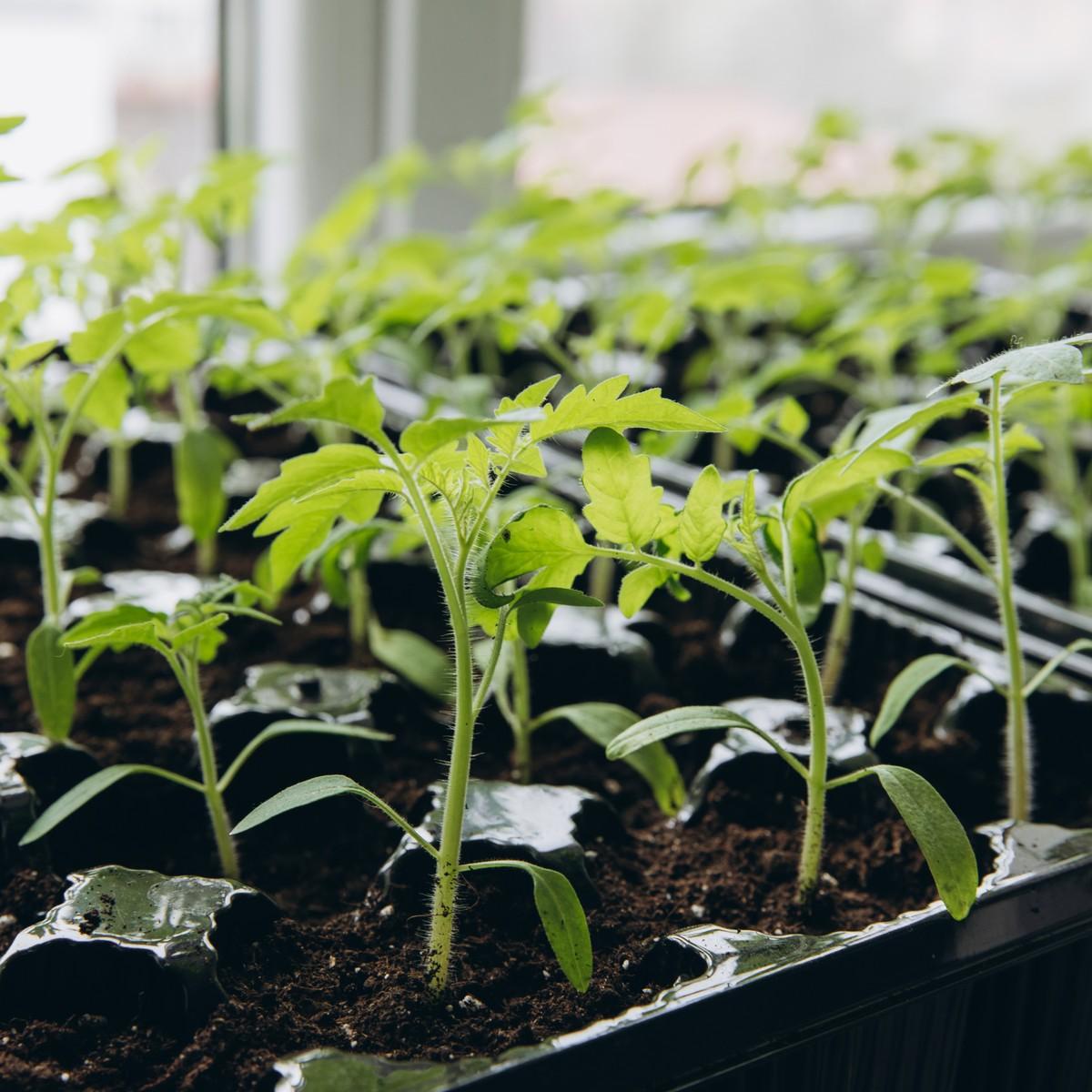
Tomatoes are my favorite reason to start seeds indoors because my trial notes show they need a head start in my high-desert spring. I usually sow them about 5 to 7 weeks before transplanting, then harden them off before they face Idaho wind. Tomato seedlings grown under lights give me more variety choices than garden-center starts.
Peppers to Start Indoors
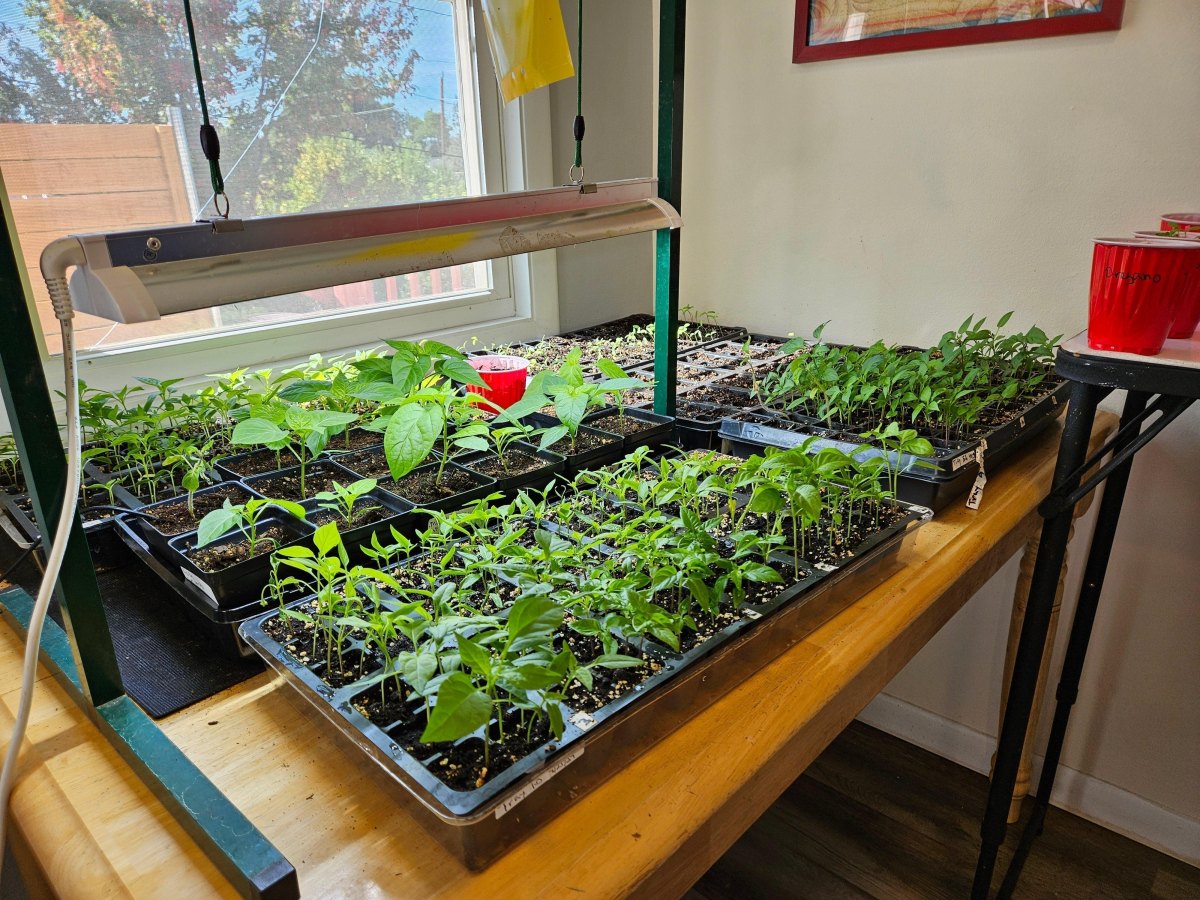
Peppers earn their basement space every year because they are slow from seed. I give them roughly 8 to 10 weeks before moving outside after frost danger passes. Pepper transplants reward patience, especially in climates where summer heat arrives late.
Eggplants to Start Indoors
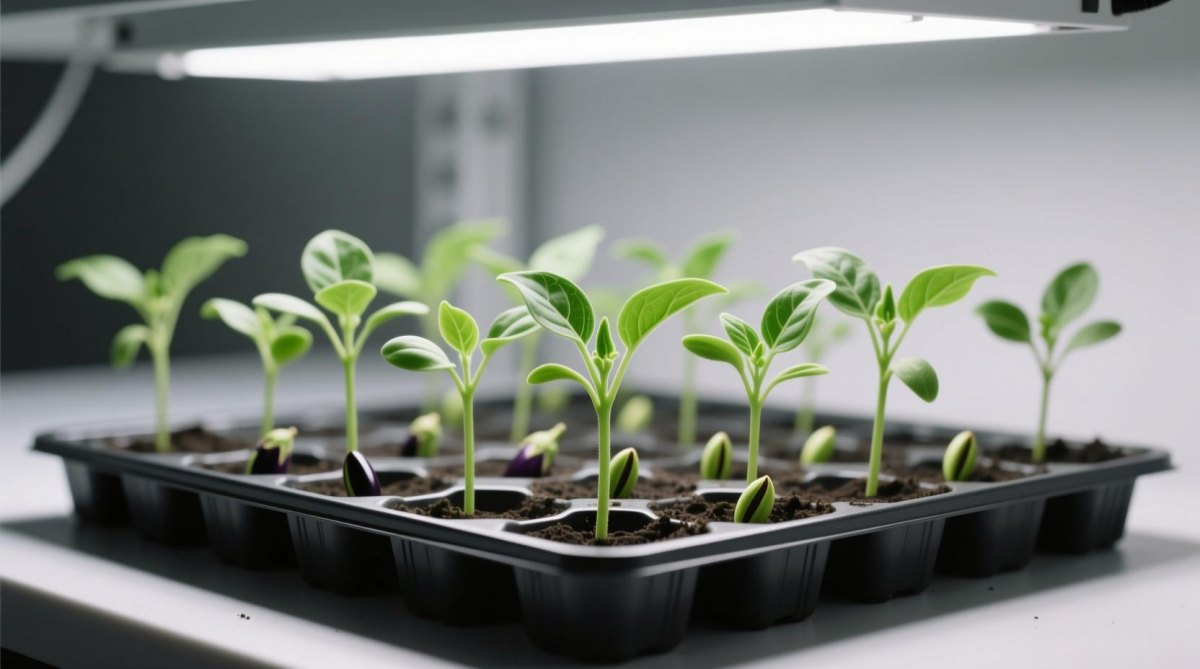
Eggplants need a long warm season, which makes indoor starting practical in my garden. I start them several weeks before planting outside and choose varieties based on real performance rather than catalogue promises. Eggplant starts are worth the effort when the season is short.
Broccoli to Start Indoors
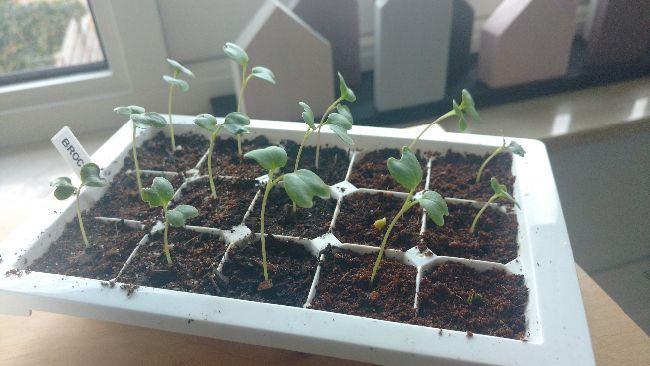
Broccoli is one of the cool-season crops I prefer indoors because it can mature before summer heat stresses the plants. I usually plan transplants around my frost dates, not a fixed month. Broccoli seedlings give me a reliable spring crop.
My timing tip
Count backward from your planting date because every climate handles spring differently.
Cauliflower to Start Indoors
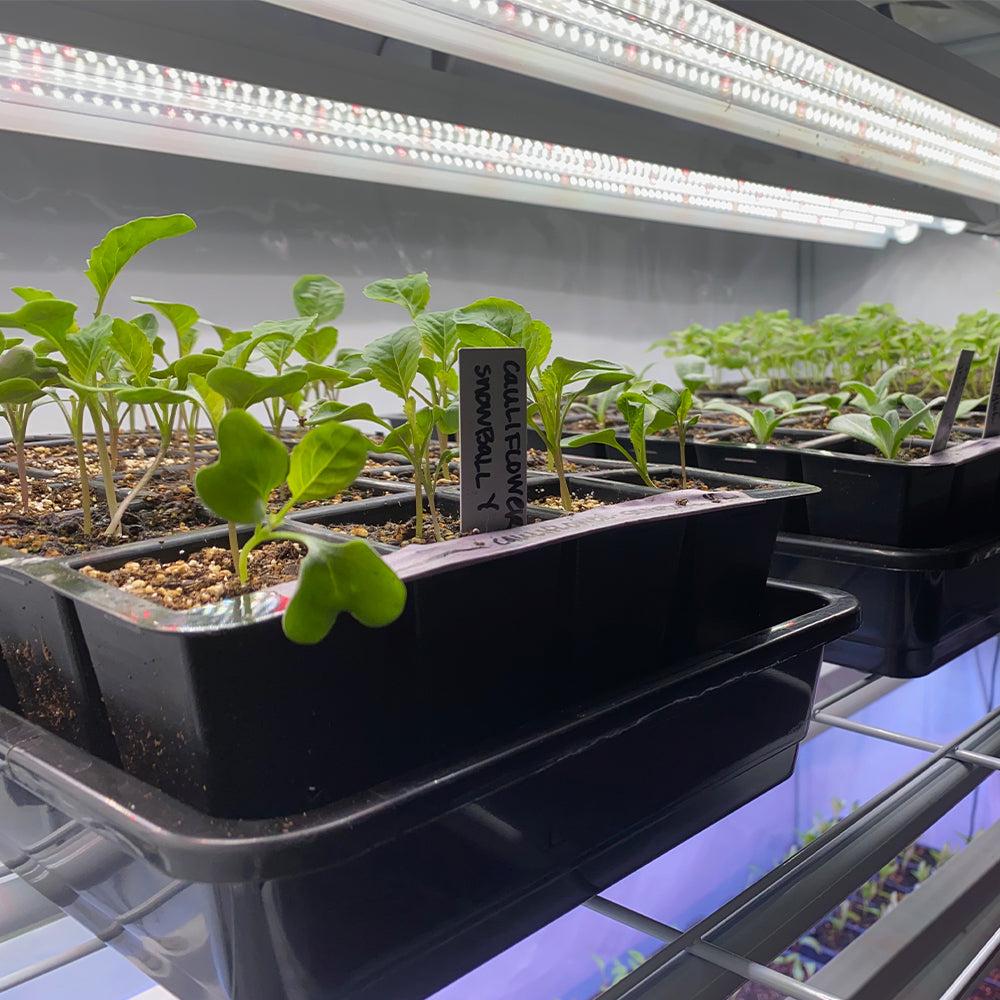
Cauliflower gets indoor treatment in my garden because it is fussy about timing and dislikes heat arriving too soon. I give seedlings several weeks indoors before transplanting. Cauliflower transplants help me squeeze harvests into a narrow spring window.
Cabbage to Start Indoors
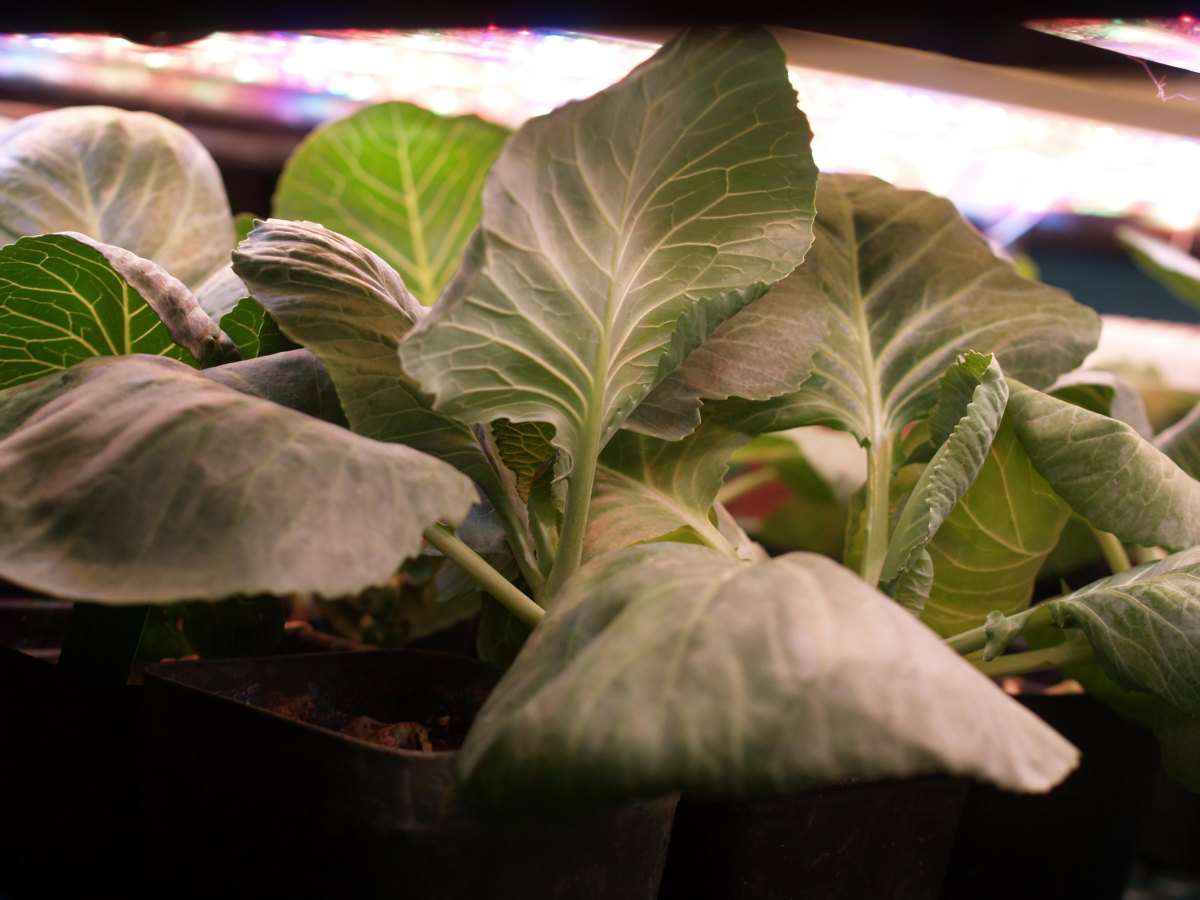
Cabbage has been one of my steadier indoor crops because it handles transplanting well. I like having sturdy plants ready when the weather settles. Cabbage seedlings are a good choice for gardeners wanting an early harvest.
Lettuce to Start Indoors
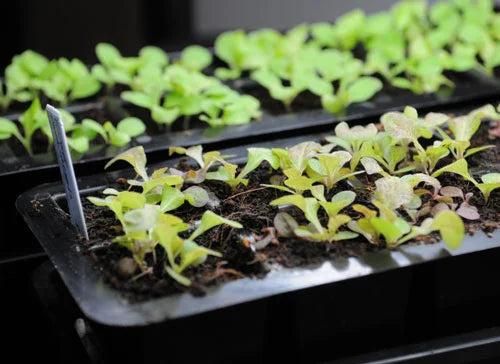
Lettuce is quick compared with tomatoes, so I use indoor sowing to fill gaps in my planting plan. In my dry climate, protecting young seedlings from temperature swings helps. Lettuce starts make succession planting easier.
Celery to Start Indoors
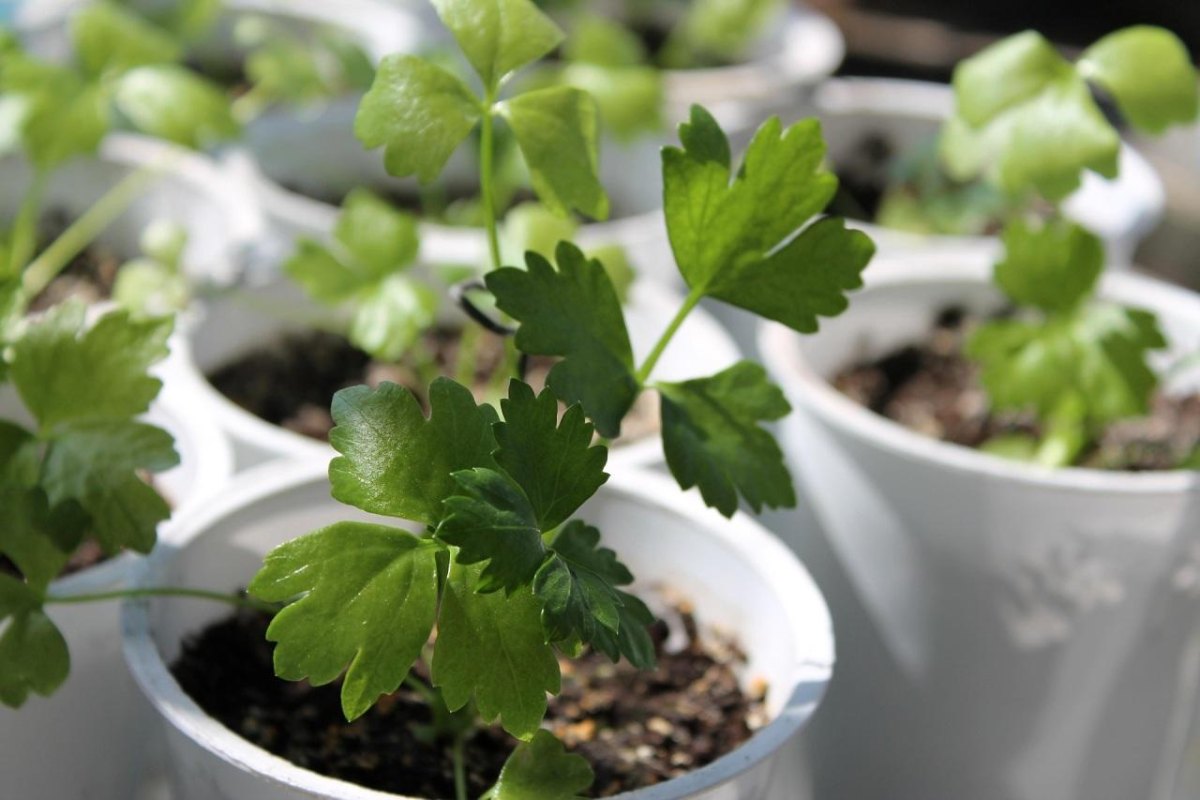
Celery is a slow grower, and I would not give it prime garden space without planning ahead. I start it early because it needs a long runway before harvest. Celery seedlings are patience plants, not instant crops.
| Crop | Indoor time |
|---|---|
| Celery | About 10 to 12 weeks |
Onions to Start Indoors
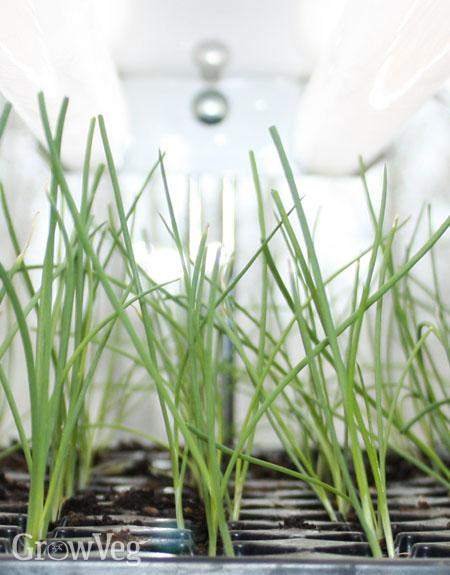
Onions are one of the first seeds I consider when planning my basement trays. They need a long growing period, especially for large bulbs. Onion seedlings let me grow varieties I cannot always find locally.
Leeks to Start Indoors
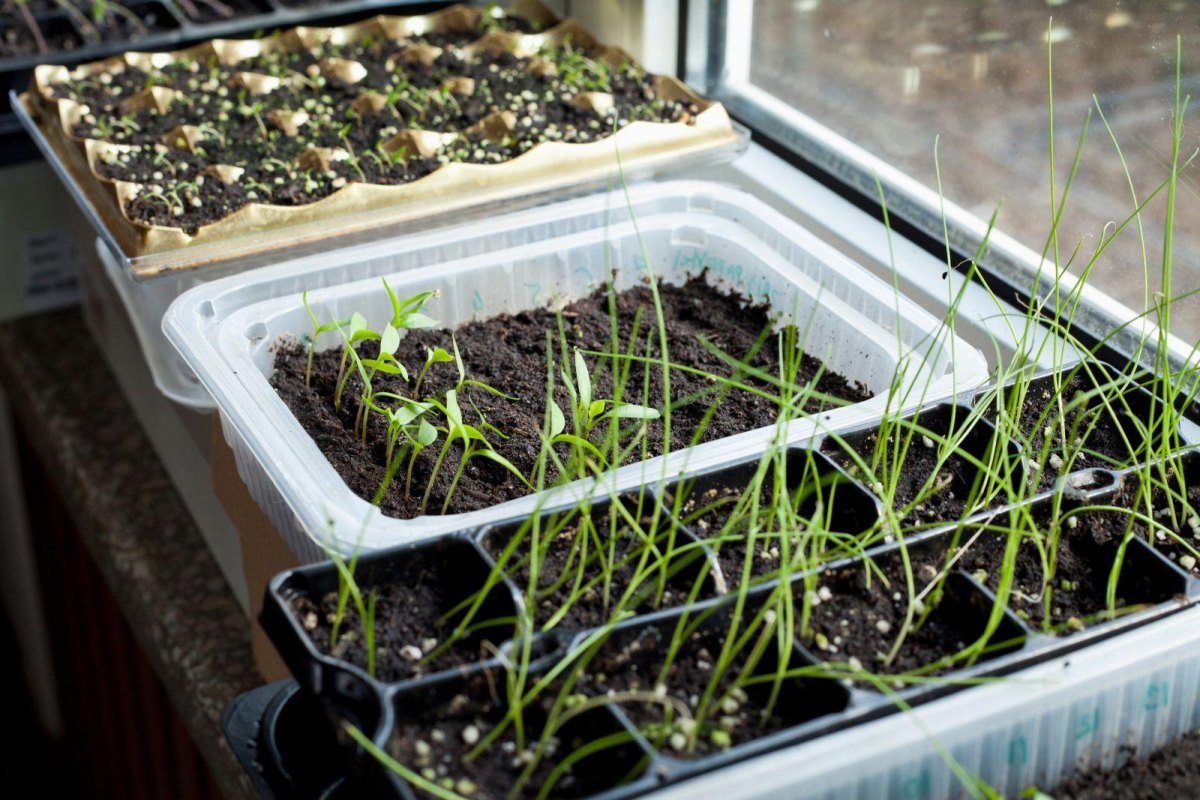
Leeks are another slow crop where indoor starting gives me control over the season. I like growing them from seed because they are rarely the first plant people think to try. Leek seedlings are small at first but become sturdy garden plants.
Herbs to Start Indoors
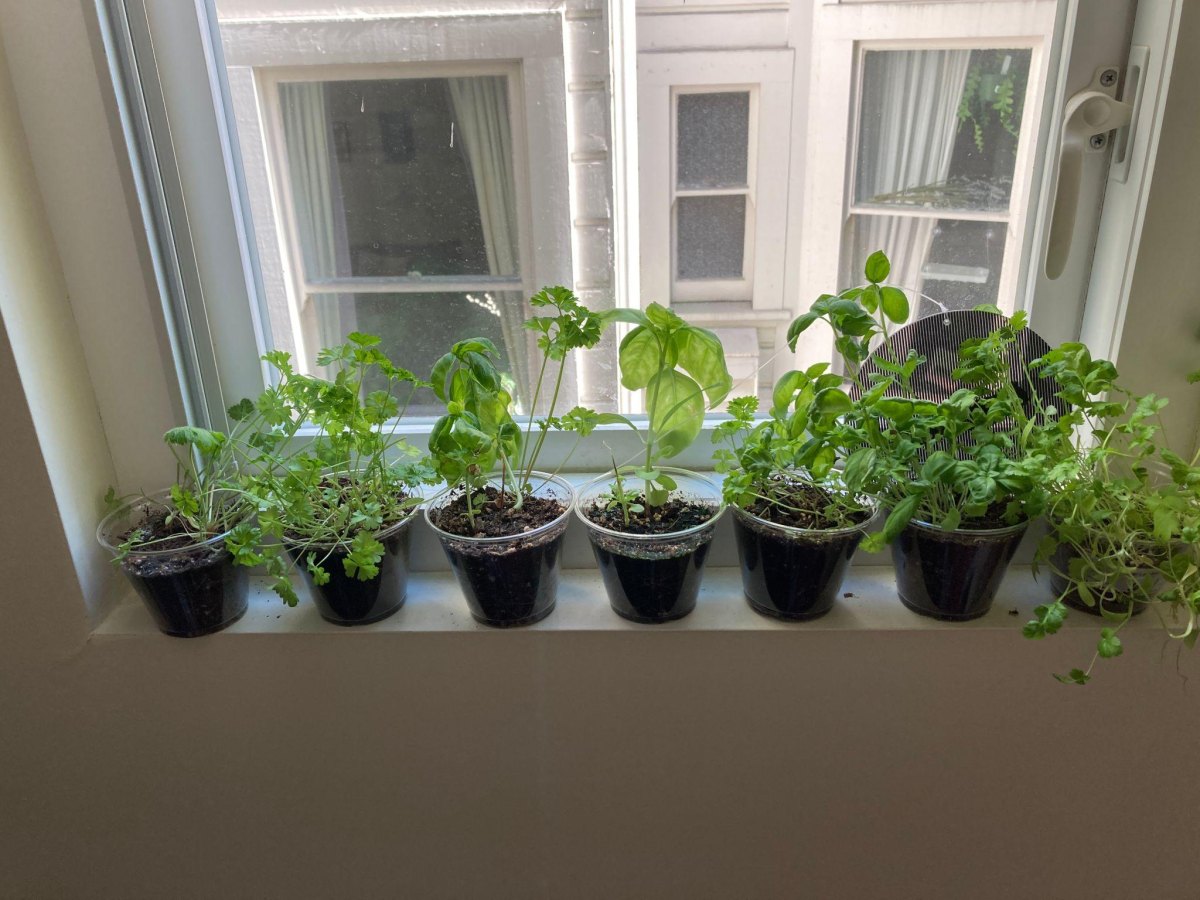
I start herbs indoors when I want specific varieties rather than whatever the nursery happens to carry. Basil, parsley, and other herbs can benefit from early attention. Indoor herb seedlings also fit beautifully into containers.
Flowers to Start Indoors
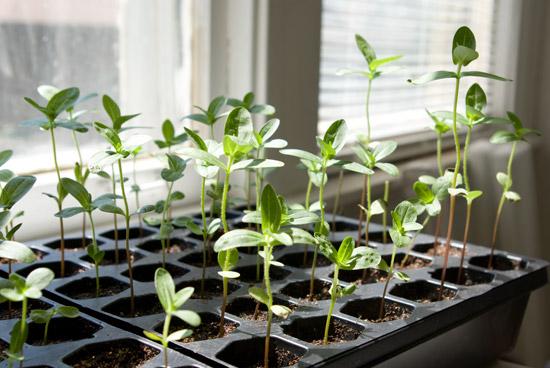
My old market garden taught me that flowers deserve planning just like vegetables. Starting flowers indoors helps me control bloom timing and choose unusual varieties. Flower seedlings give cutting gardens a stronger beginning.
Cucumbers to Start Indoors
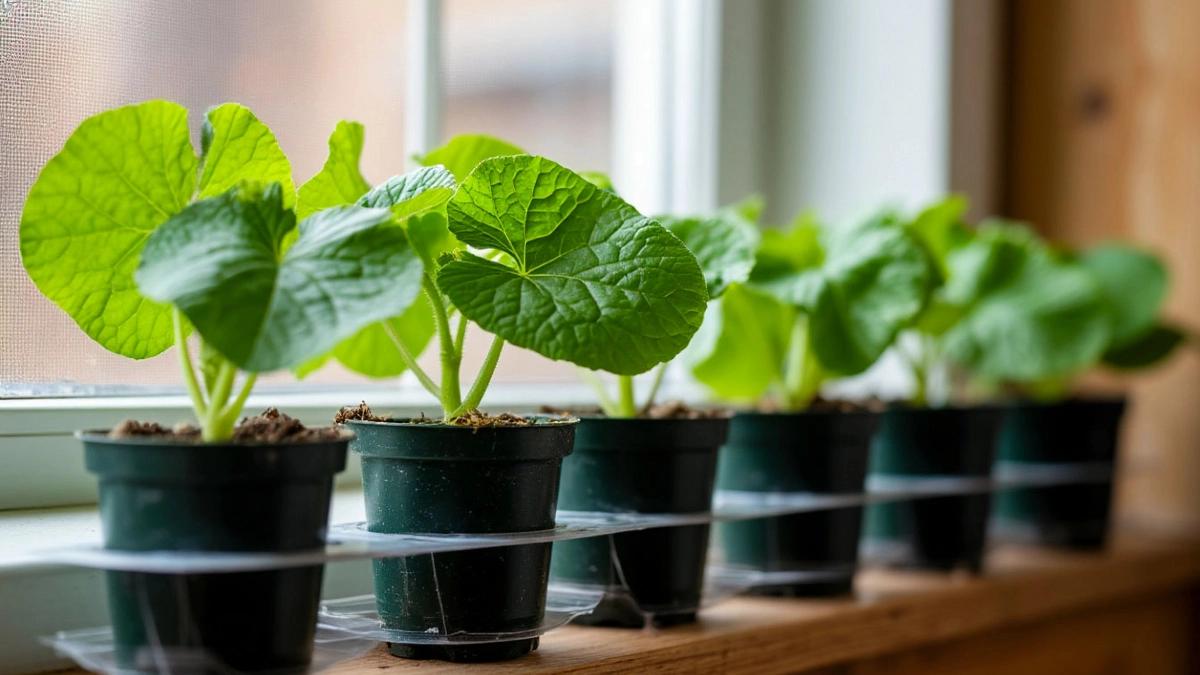
Cucumbers can be started indoors, but I handle them gently because their roots dislike disturbance. I only give them a short indoor stay before planting outside. Cucumber transplants work best when moved carefully.
Squash to Start Indoors
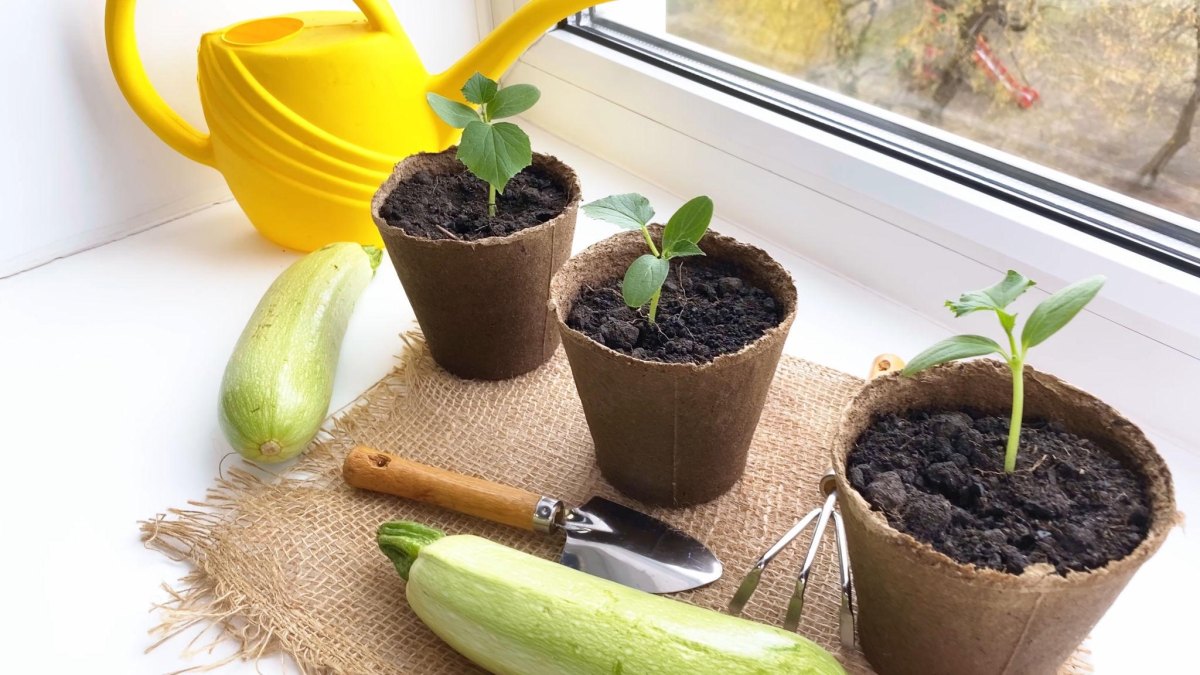
Squash is not always my first choice for indoor trays because it grows quickly and dislikes root disturbance. When I need an early harvest, I start it in individual containers. Squash seedlings should not sit indoors too long.
Avoid this mistake
Overgrown squash plants often struggle after transplanting.
Melons to Start Indoors
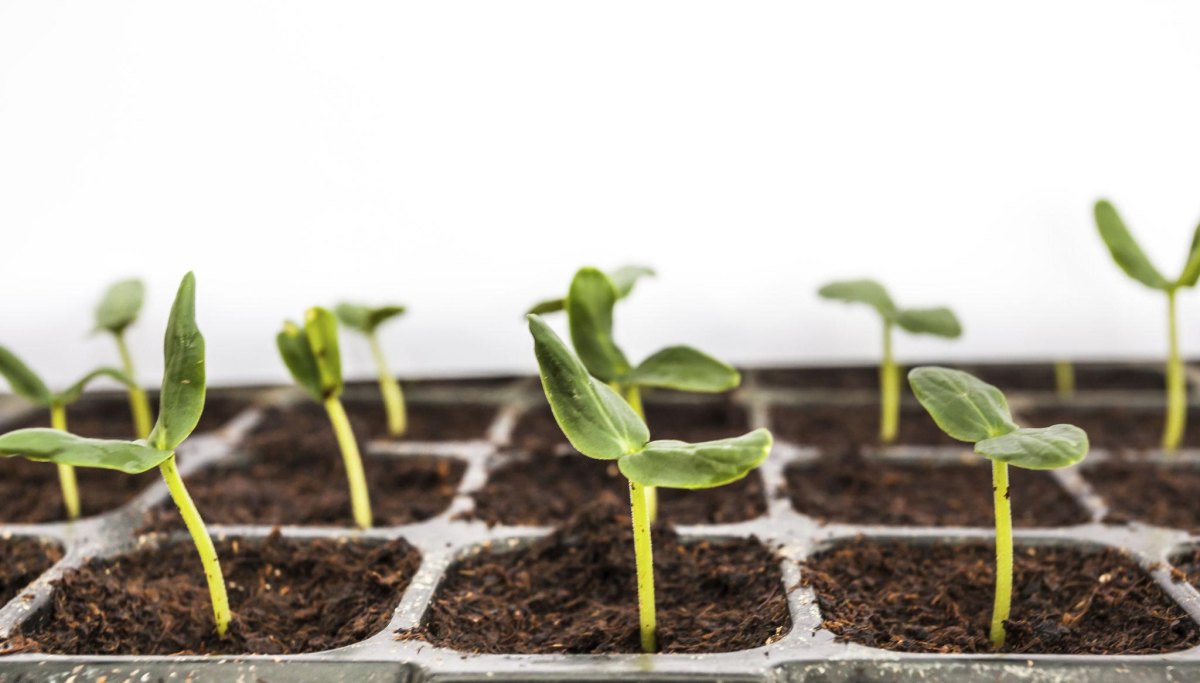
Melons get an indoor head start in my cooler spring because every extra warm week matters. I start them only a few weeks before planting outside. Melon seedlings can help short-season gardeners harvest ripe fruit.
More Pinterest Visuals



 Balcony & Patio GardensSmall Space Garden Ideas That Make Every Inch Count
 Balcony & Patio GardensKübelpflanzen für die Terrasse – 15 Ideen für ein grünes und blühendes Outdoor-Paradies
 Balcony & Patio Gardens20 Balcony Garden Setup Ideas To Transform Your Outdoor
 Seasonal & Flower Containers16 Beautiful Container Garden Flower Combinations That Work