

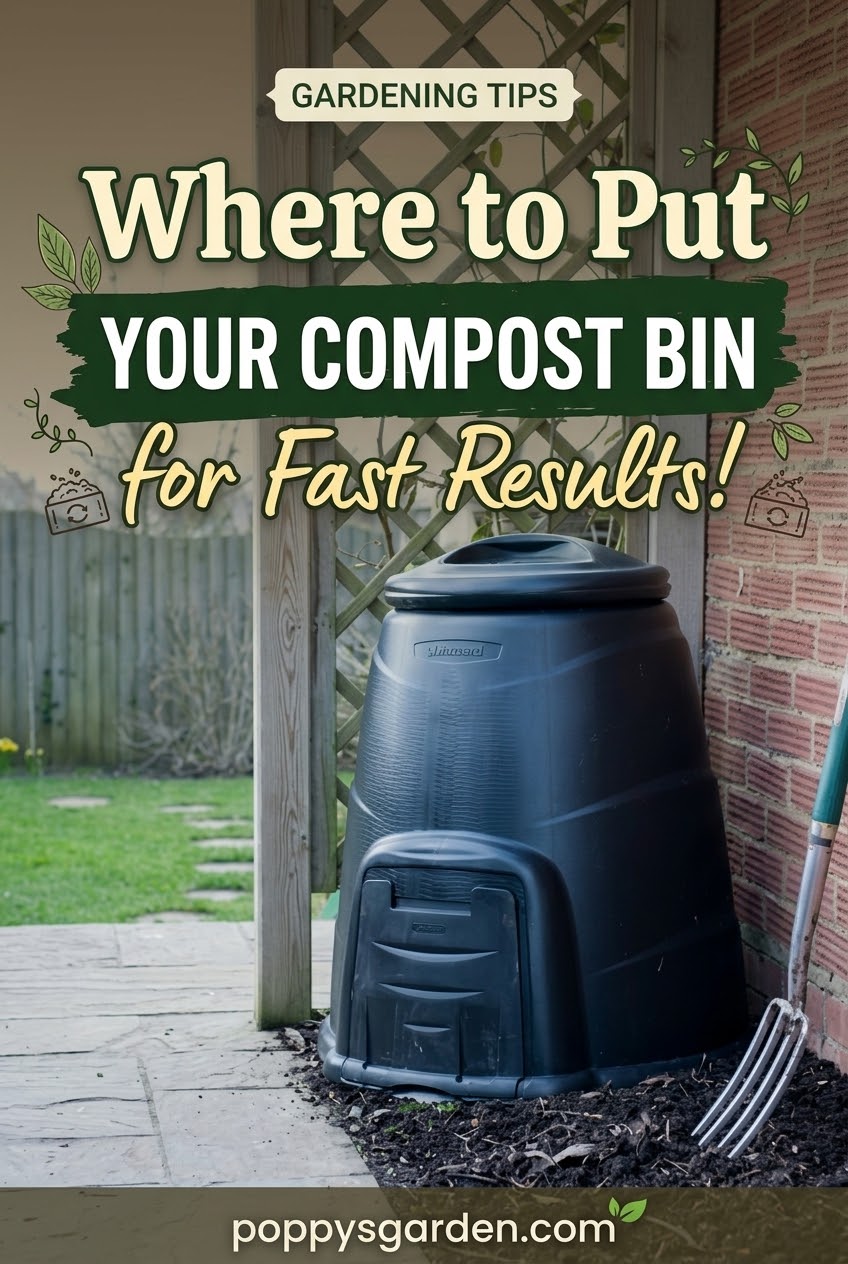
The best place for a compost bin is the spot you will actually use. After years of composting in my Boise, Idaho zone 7a garden, where I deal with about eleven inches of annual rain, alkaline soil, and hot dry summers, I have learned that convenience matters as much as the bin itself. I look for partial shade and easy access, then adjust for my own conditions rather than copying someone else's yard. Extension gardening guidance also consistently points to sheltered, accessible sites with good moisture control.
I keep two compost systems because my raised beds and garden waste produce enough material to justify them. The location decisions below are the same ones I use when deciding whether a compost spot is worth keeping.
Backyard Corner with Partial Shade
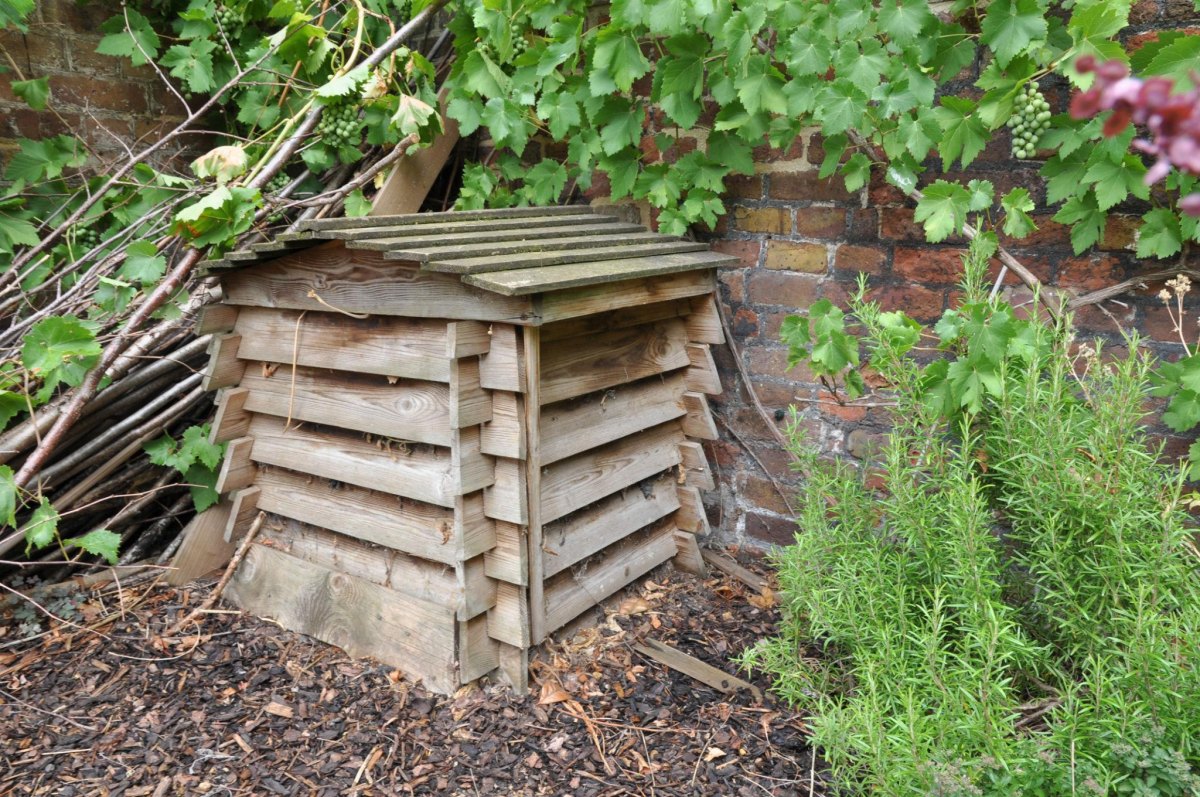
A backyard corner with partial shade is usually my first choice for a compost bin. In my high-desert garden, full summer sun can turn a pile into a dry leaf pile overnight, so I prefer a place with afternoon protection and enough light to avoid staying constantly soggy. Research from gardening extensions notes that shade helps retain moisture while sun can increase drying.
I would not hide a compost bin so far away that I forget it exists. My rule is that I should be able to reach it with a bucket of kitchen scraps without making it a whole project. Regular attention beats perfect placement every time.
Near the Vegetable Garden Beds
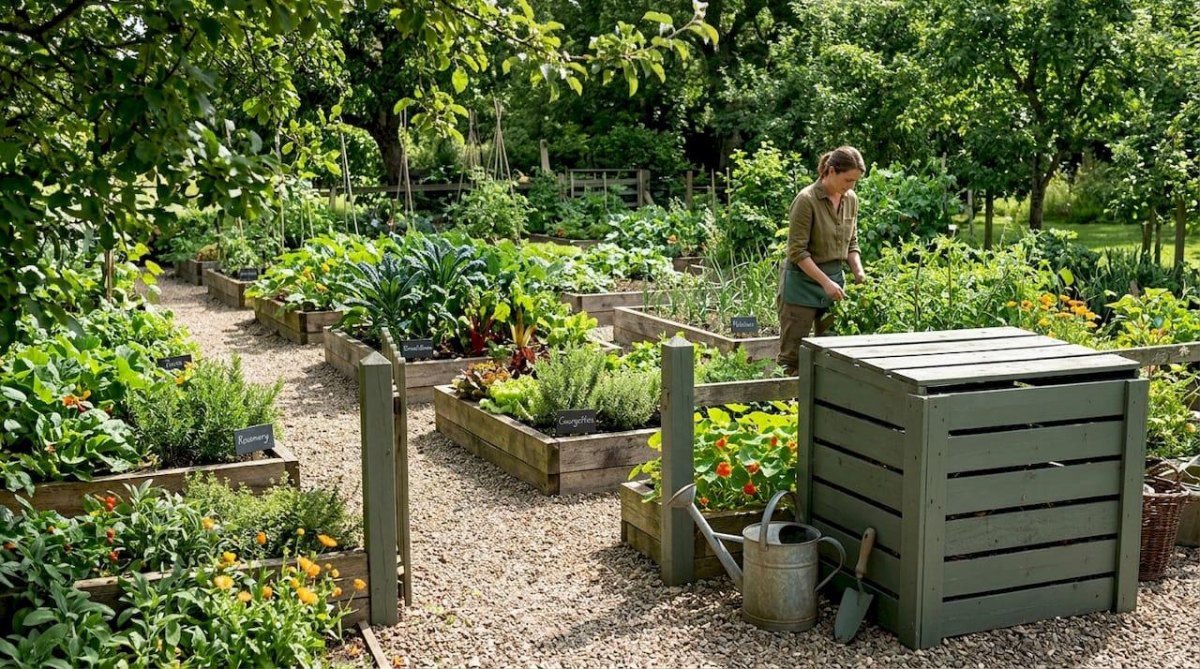
Placing a compost bin near vegetable beds saves my back when finished compost is ready. I have moved wheelbarrows of compost across my garden enough times to know that every extra step adds friction. A nearby location makes it easier to return nutrients where they belong.
| Location choice | My experience |
|---|---|
| Beside beds | Fast access when amending soil |
| Far corner | More hauling and less frequent use |
I still keep a path around the bin because turning compost and removing finished material requires room. Convenient harvest access matters just as much as the composting process itself.
Close to the Kitchen for Easy Food Scrap Disposal
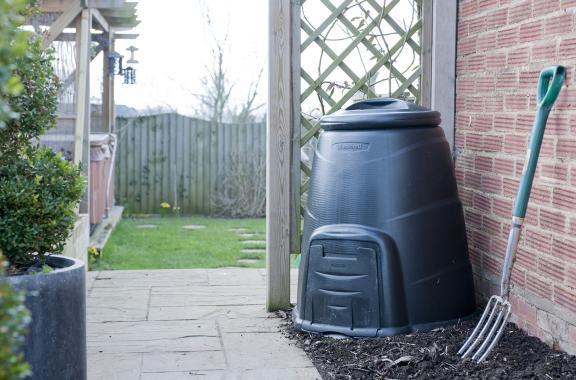
A compost bin near the kitchen wins because kitchen scraps are the material most likely to be skipped when the bin is inconvenient. My family learned this quickly; Otto takes worm bin duties seriously, but even enthusiastic composters need a practical setup. Guidance from home composting experts recommends choosing a location that is easy to reach year-round.
I do not need the bin directly outside the kitchen window. I need it close enough that food scraps become a habit, not a chore.
Under Trees or Natural Cover
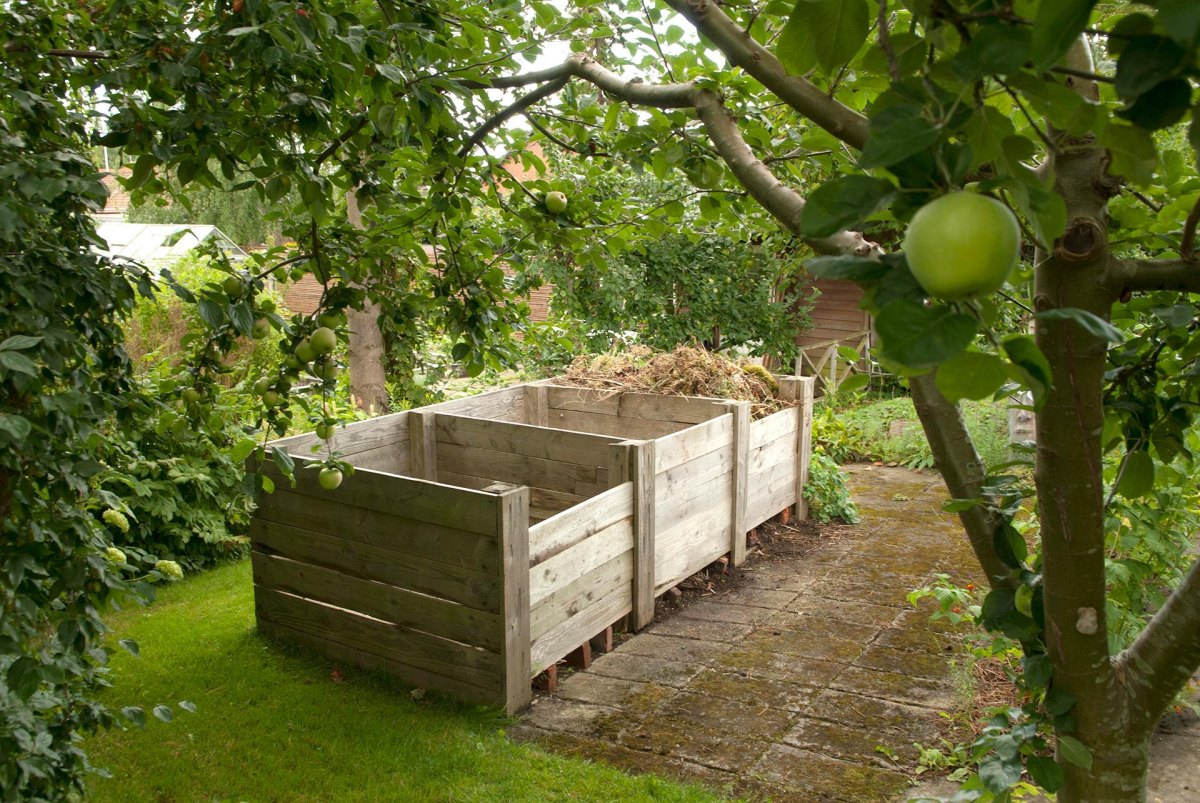
Under trees or natural cover can create a comfortable composting environment, especially in climates like mine where summer heat is intense. I look for dappled shade rather than a dark, wet corner. A protected spot can reduce moisture loss, but I avoid placing bins directly over aggressive tree roots because they can make removal difficult.
My placement tip
Check the area after rain. A beautiful shady location is not useful if water pools there for days.
The best cover is one that balances temperature and airflow, not simply the shadiest place available.
On a Level, Well-Drained Ground Area
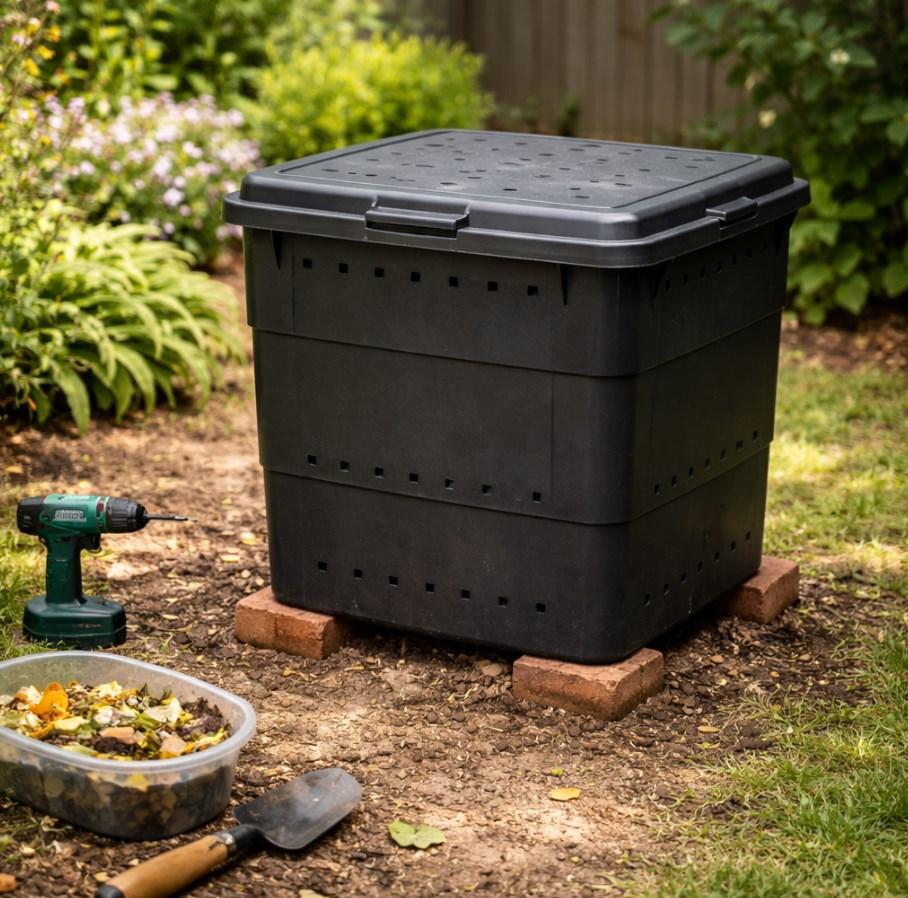
I always check the ground before placing a compost bin. A level, well-drained area prevents a pile from becoming a wet, airless mess. Compost needs moisture and oxygen, and poor drainage can upset that balance.
Good site features
- Flat ground for stable bins
- Soil contact for drainage
- Nearby water access
Poor site features
- Flood-prone corners
- Standing water
- Hard-to-reach slopes
My compost area sits where a hose can reach it because moisture management is one of the few tasks I cannot ignore.
Hidden but Accessible Side Yard Space
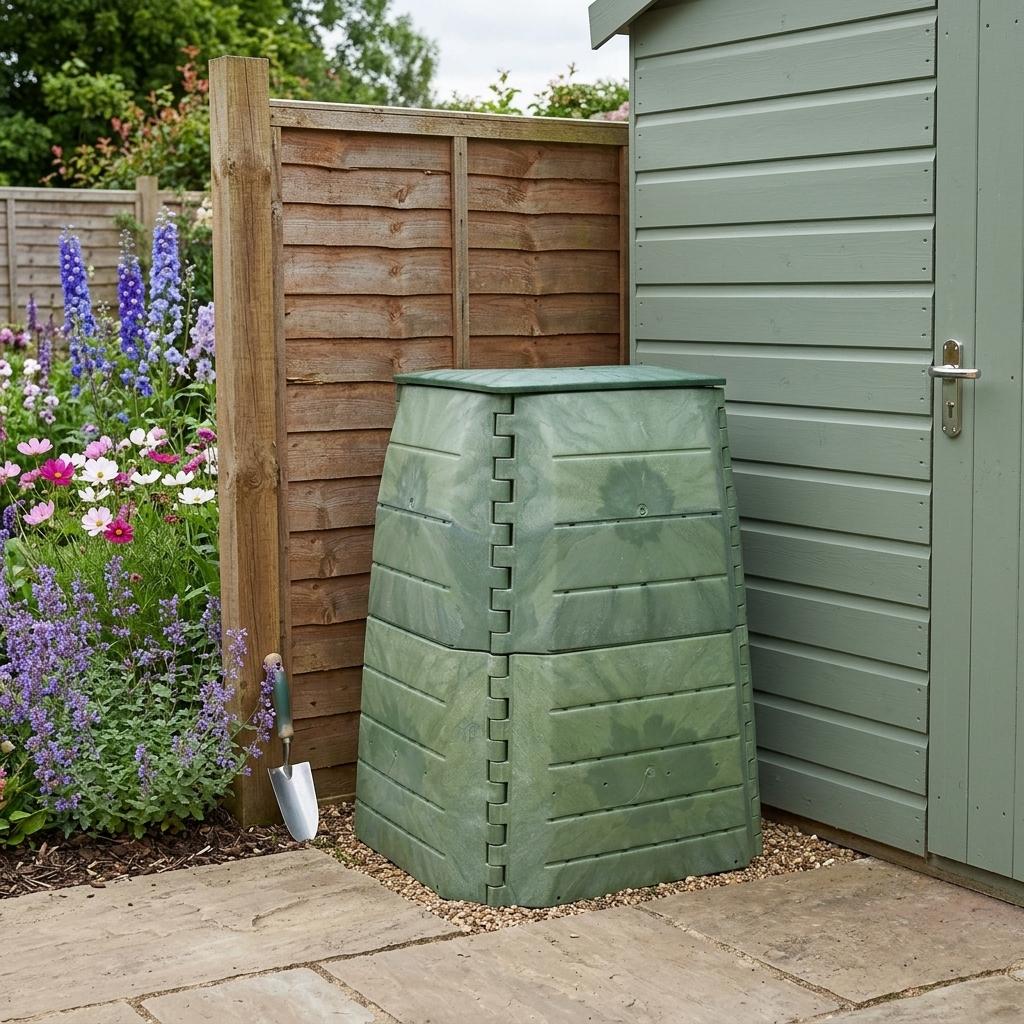
A side yard is often the sweet spot for gardeners who want compost without making it the centerpiece of the landscape. I like a location screened by shrubs or fencing, but I keep enough room to turn the pile and remove finished compost. Compost bins can be tucked away while remaining functional.
What I look for in a hidden compost spot
- Easy access with a wheelbarrow
- Protection from drying winds
- No conflict with outdoor living areas
The goal is not to hide compost because it is unpleasant. The goal is to create a working garden system that fits naturally into the yard.
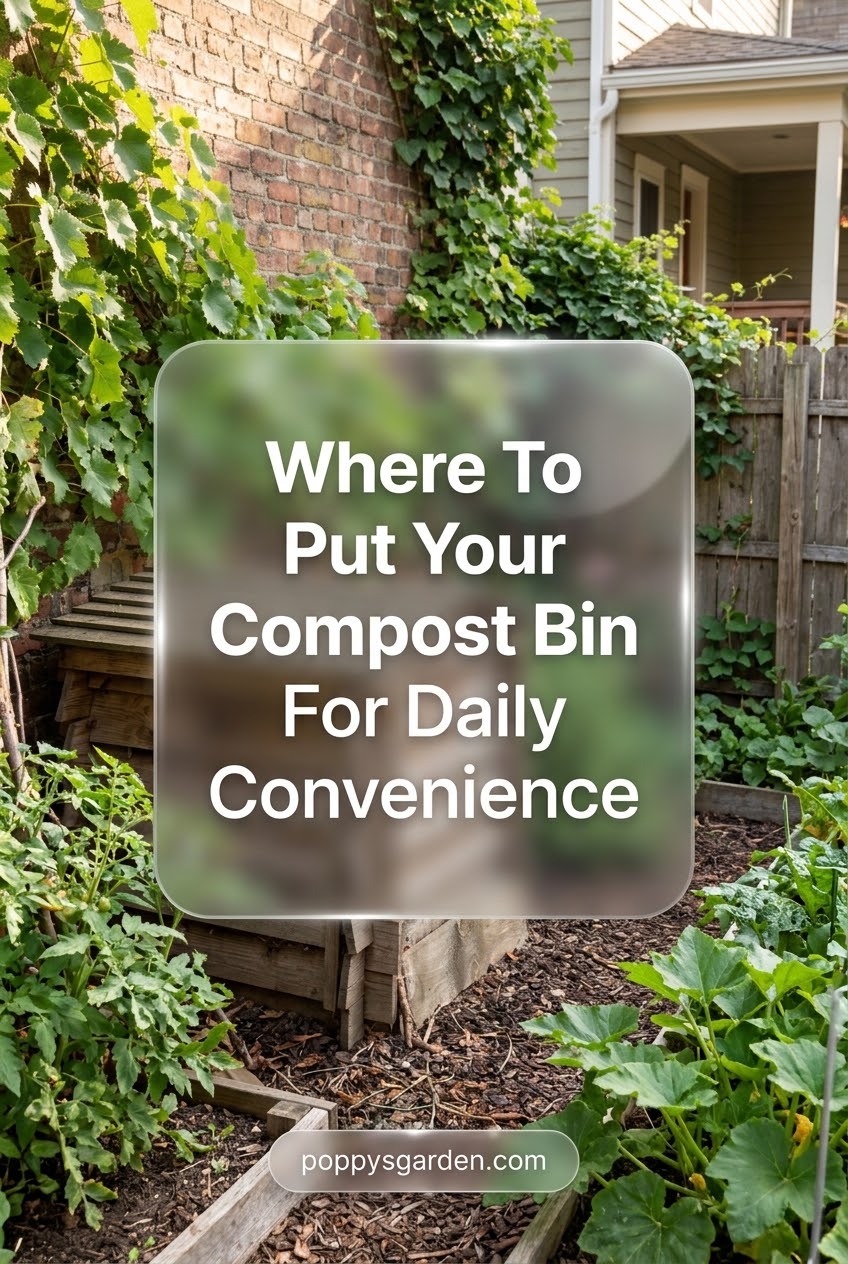
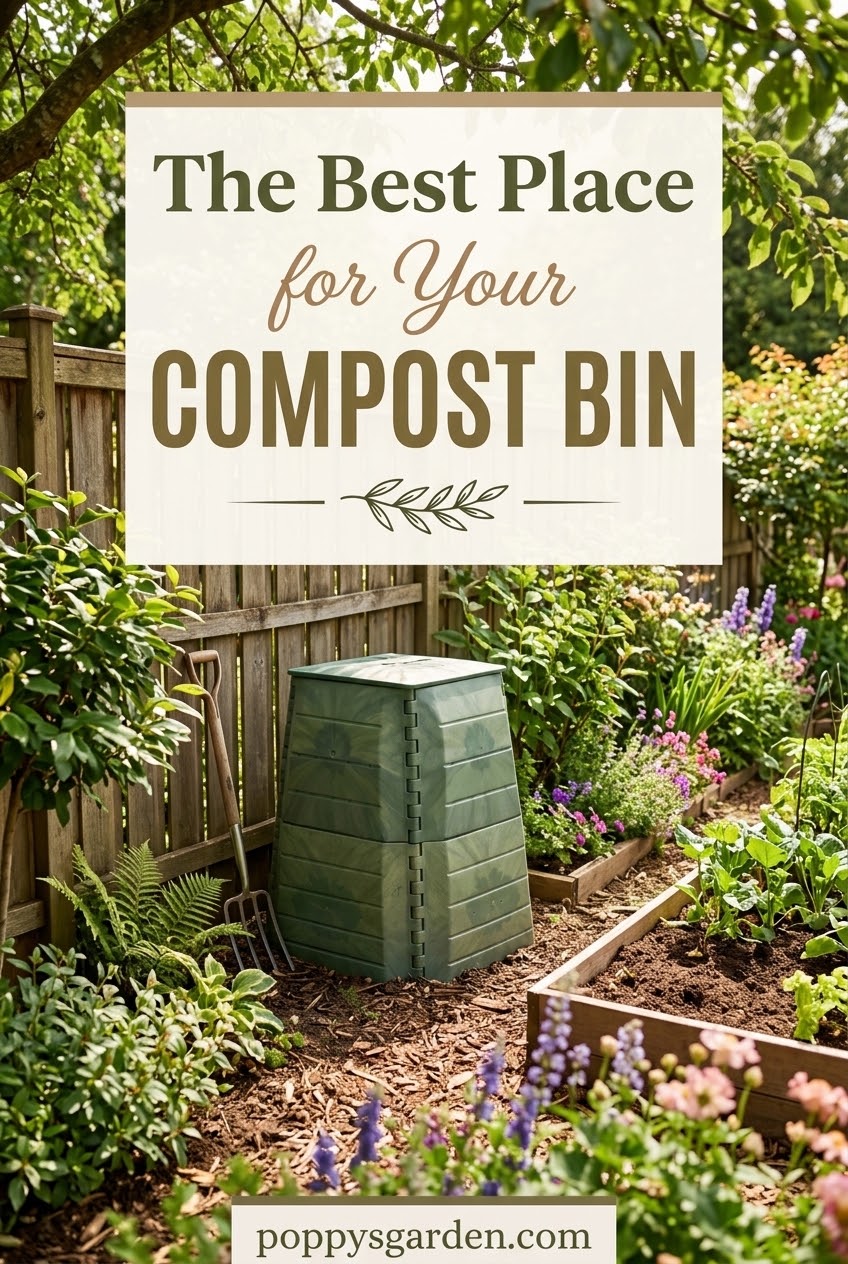
More Pinterest Visuals



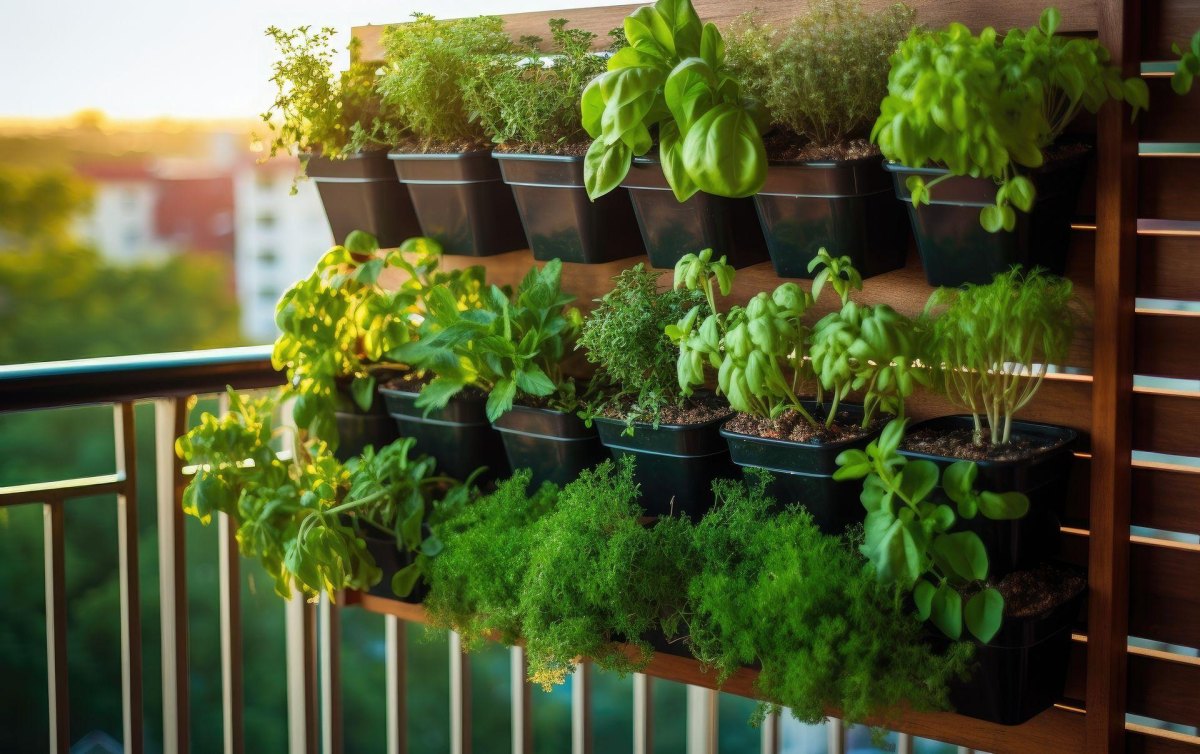 Balcony & Patio GardensSmall Space Garden Ideas That Make Every Inch Count
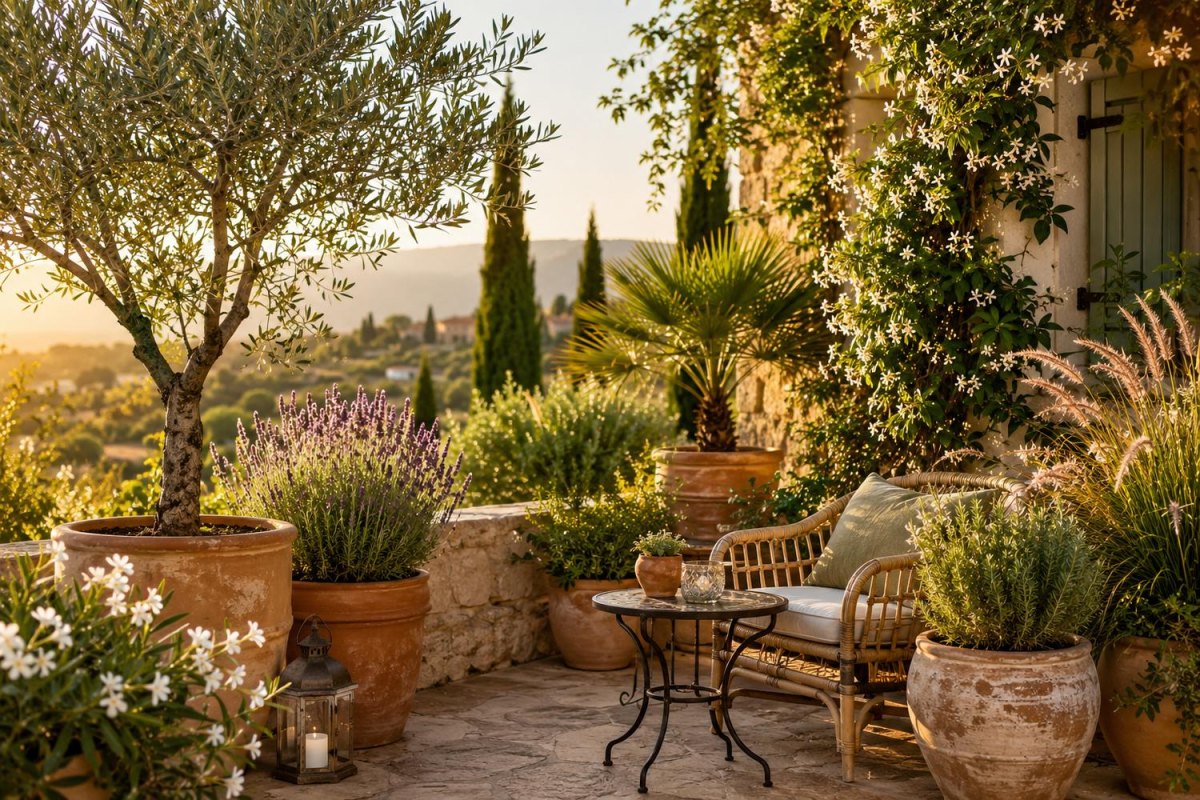 Balcony & Patio GardensKübelpflanzen für die Terrasse – 15 Ideen für ein grünes und blühendes Outdoor-Paradies
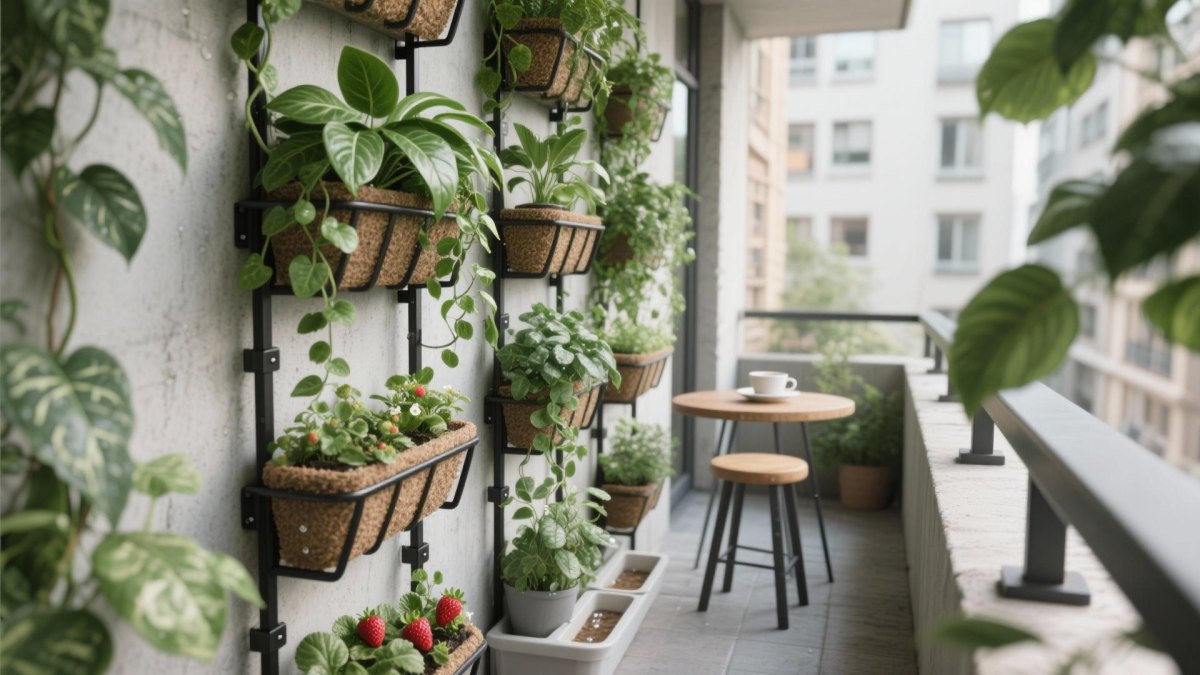 Balcony & Patio Gardens20 Balcony Garden Setup Ideas To Transform Your Outdoor
 Seasonal & Flower Containers16 Beautiful Container Garden Flower Combinations That Work