

One of the things I love most about raised garden beds is how much food you can grow in a surprisingly small space. With loose, well-prepared soil, good drainage, and a little planning, even a single 4-by-8-foot bed can become a productive vegetable garden. The trick is choosing vegetables that suit the available space rather than trying to squeeze every crop you like into one bed.
In my garden in Boise, Idaho (USDA zone 7a), I work with roughly 11 inches of annual rainfall, alkaline soil, hot July afternoons, and spring frosts that occasionally arrive when I am feeling far too confident. Those conditions influence everything I plant. Your own planting schedule should follow your local last and first frost dates, not mine, so check your local extension service before sowing or transplanting.
I've selected ten vegetables that offer a practical combination of manageable growth habits, useful harvests, and suitability for raised beds. Some are excellent for quick spring crops, while others need the warmth of summer. You do not need to grow all ten. Start with the vegetables your household actually eats, and give each plant enough room to do its job.
What makes a vegetable good for raised beds?
- Compact growth or the ability to grow vertically.
- Roots that benefit from loose, well-drained soil.
- Harvests that make good use of limited space.
- Growing requirements that match your local climate.
- Manageable watering, spacing, and maintenance needs.
Lettuce
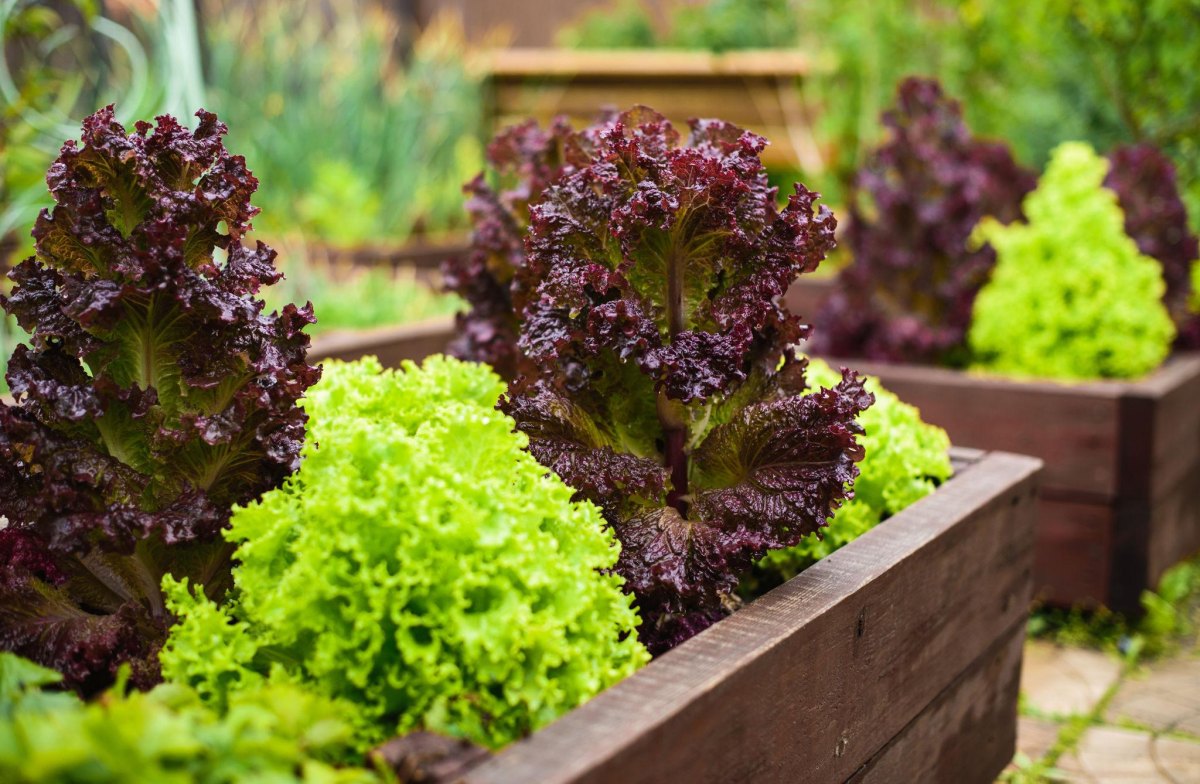
Lettuce is one of my first recommendations for a new raised bed because it produces something useful without requiring a huge amount of room. Leaf varieties are particularly practical. I can harvest individual leaves as needed rather than waiting for every plant to form a full head. Loose-leaf types also make it easier to grow several varieties together, giving a small bed a surprising amount of variety.
I generally allow about 5 inches between baby-leaf plants and around 10 to 12 inches for full-sized plants, adjusting for the variety and the harvest size I want. Lettuce has shallow roots, so I pay attention to moisture. A consistent supply of water helps prevent bitter leaves and premature flowering.
In Boise's zone 7a high-desert climate, with 11 inches of annual rainfall and hot, dry summers, I treat lettuce as a cool-season crop. I sow it around my own last frost date when the soil is workable and plan another crop as temperatures cool ahead of my first fall frost. In hotter locations, afternoon shade can extend the harvest. I also like succession sowing every week or two rather than planting the entire bed at once.
My lettuce tip
Choose slow-bolting leaf varieties and harvest outer leaves regularly. If a plant sends up a flowering stalk, the leaves often become bitter, so I replace it rather than trying to keep it productive.Best for: Beginners, salad lovers, small raised beds, and gardeners who want repeated harvests from a compact planting.
University of Minnesota Extension provides useful guidance on lettuce spacing, watering, harvesting, and heat-related bolting. 【】【】
Tomatoes
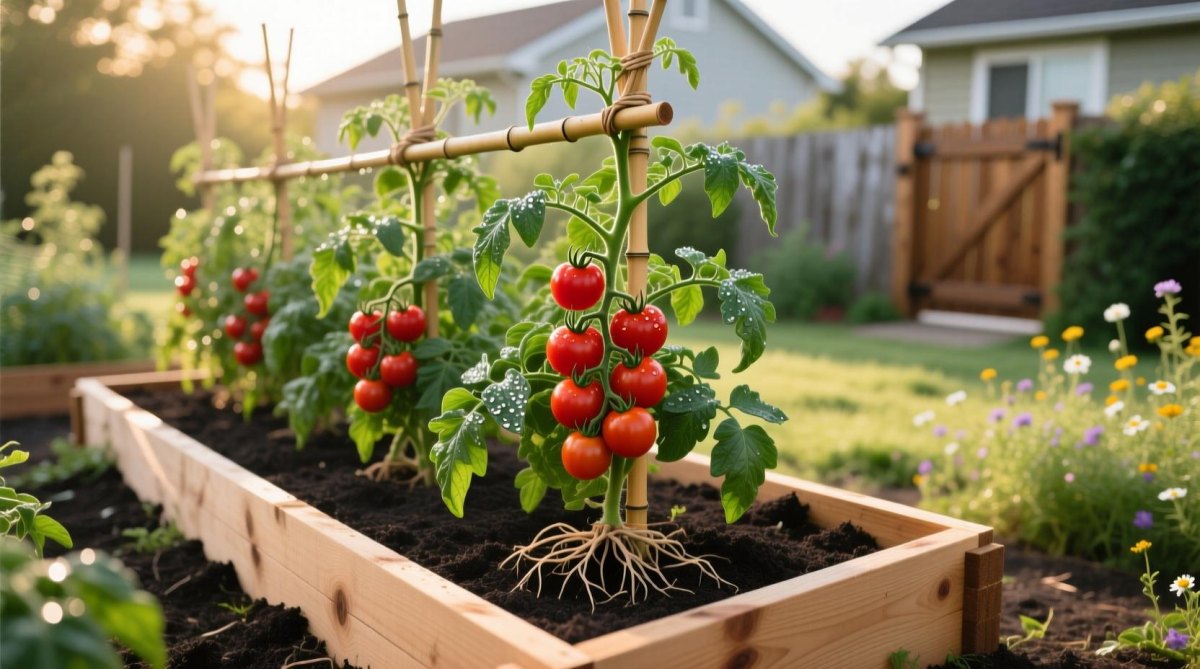
Tomatoes earn their place in my raised beds because a healthy plant can provide weeks of fresh fruit. I particularly enjoy growing cherry tomatoes for snacking and slicing varieties for sandwiches. However, tomatoes are not the crop I would squeeze into an already crowded bed. They need plenty of sunlight, consistent moisture, and enough room for air to move around their leaves.
For most larger tomato plants, I plan on approximately 18 to 24 inches of spacing, increasing that distance for vigorous indeterminate varieties when space allows. I install cages, stakes, or another sturdy support when planting rather than trying to push supports into a crowded bed later. Determinate varieties are useful when I want a more compact plant with a concentrated harvest.
Here in Boise, zone 7a, our high-desert climate brings hot July weather, wind, and only about 11 inches of annual rainfall. I transplant tomatoes after my own last frost date, once the soil has warmed, and protect young plants from strong wind. Consistent watering matters enormously. I use drip irrigation and mulch to reduce moisture fluctuations, which can contribute to blossom-end rot and poor fruit quality.
One mistake I avoid
Do not plant tomatoes immediately beside other members of the tomato family year after year. Tomatoes, peppers, potatoes, and eggplants share several diseases. Rotate these crops between beds when possible, ideally allowing three to four years before returning the same family to a bed.Best for: Gardeners with a sunny bed, reliable irrigation, and enough room for sturdy plant supports. Tomatoes are worth the space if your household eats them regularly.
University of Minnesota Extension recommends transplanting after frost danger has passed, supporting plants at planting time, and maintaining consistent soil moisture. 【】【】【】
Carrots
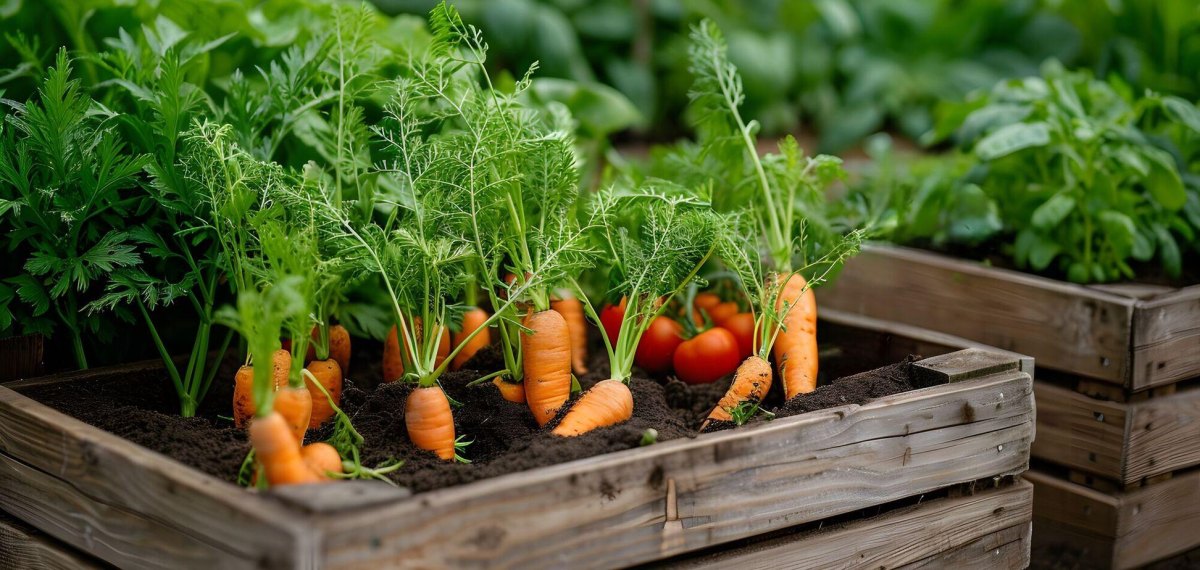
Carrots are particularly well suited to raised beds because I can control the soil texture more easily than I can in much of my native ground. Straight, attractive roots need loose soil without stones, compacted layers, or large clumps. A raised bed filled with a fine-textured growing mix gives these roots a much better chance of developing evenly.
I direct-sow carrot seeds rather than transplanting seedlings. Their taproots begin developing early, and disturbing them can result in misshapen roots. I sow shallowly according to the seed packet, keep the surface consistently moist during germination, and thin seedlings to approximately 2 to 4 inches apart once they are established. This thinning step is important, even when it feels wasteful to remove perfectly healthy seedlings.
For my Boise zone 7a garden, the dry high-desert conditions mean I watch the seedbed especially carefully. Carrot seeds can take a surprisingly long time to emerge, and a dry surface can interrupt germination. I work backward from my frost dates and use the local extension planting guidance rather than relying on a calendar written for another climate. I also like making two or three successive sowings to spread the harvest.
A carrot-growing mistake worth avoiding
Do not allow carrot seedlings to remain crowded. A thick carpet of seedlings may look productive, but the roots need adequate space to expand. Also avoid adding fresh manure, which can encourage forked or misshapen roots.Best for: Gardeners who enjoy root vegetables and have at least 8 to 12 inches of suitable loose soil for many common carrot varieties. Longer-rooted varieties need greater soil depth.
University of Minnesota Extension recommends direct sowing, thinning to 2 to 4 inches, and maintaining good moisture for well-shaped roots. 【】【】
Radishes
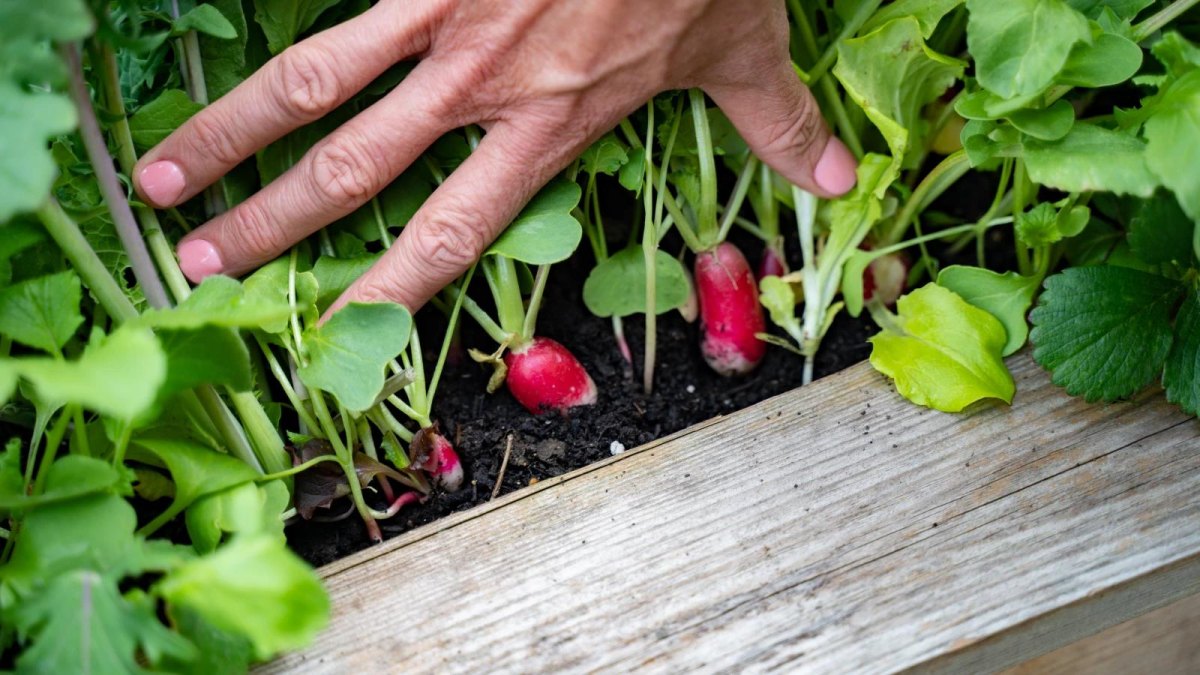
When someone tells me they want to see results quickly, radishes are usually one of the first vegetables I suggest. They are compact, easy to direct-sow, and many salad varieties mature much faster than the larger vegetables occupying the rest of the bed. They are also useful between slower-growing crops because they can be harvested before neighboring plants become large enough to crowd them.
For common small radishes, I leave approximately 2 inches between plants after thinning. I sow seeds in short rows or small blocks rather than filling an entire bed in one go. That makes it easier to harvest a manageable amount at a time. Radishes need regular moisture, too. Dry conditions and excessive heat can produce roots that are woody, excessively pungent, or split.
In Boise, zone 7a, with our dry summers and limited rainfall, I prefer spring and fall radish crops. I sow when the soil is workable around my own frost dates and make additional plantings as conditions allow. In warmer climates, the fall crop may be the more dependable option. I would rather have a few successful sowings than a whole bed of radishes that mature together while nobody is ready to eat them.
A clever way to use radishes
Mix a small number of radish seeds into a carrot row. Radishes germinate quickly and help mark the row while the slower carrot seedlings emerge. Harvest the radishes while the carrots are still developing, giving the remaining roots more room.
Best for: Beginners, children learning to grow vegetables, small gardens, and anyone who wants a quick succession crop.
University of Minnesota Extension recommends loosening soil before planting, thinning small radishes to around 2 inches, and making spring and fall sowings where the climate allows. 【】【】
Spinach
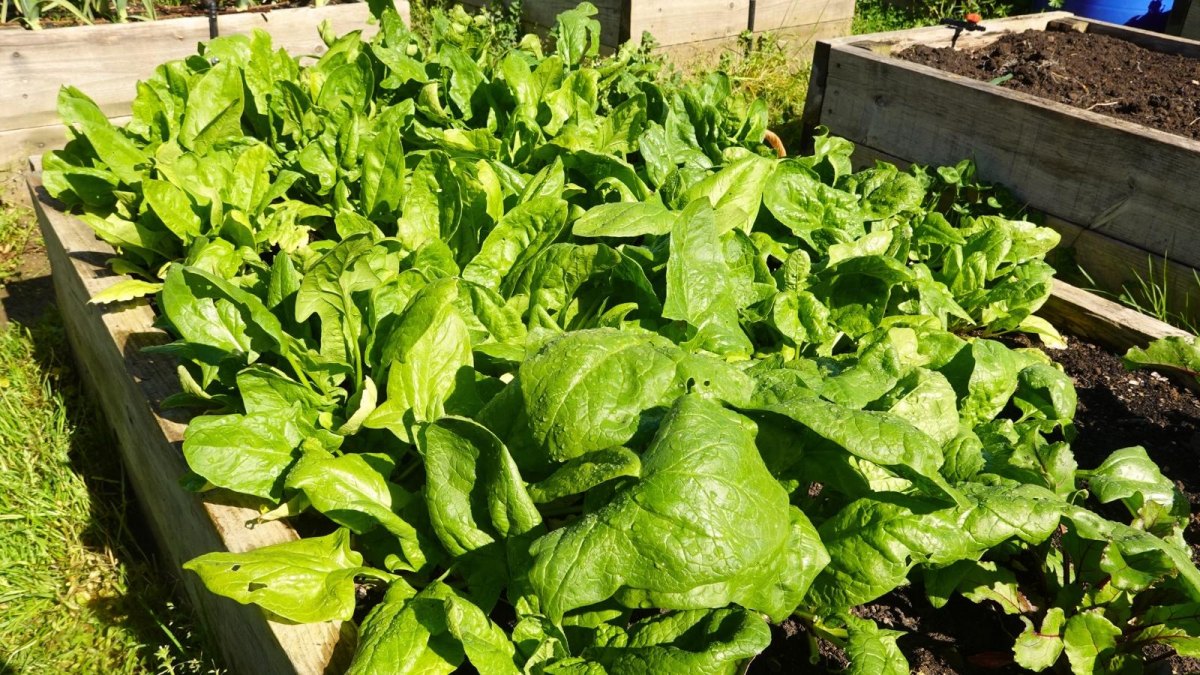
Spinach is one of the most useful vegetables for a raised bed that I want producing food early in the season. It grows in relatively compact plants, works beautifully in salads and cooked dishes, and can be harvested leaf by leaf. I particularly like it because I can fit it around other early-season vegetables without sacrificing much space.
I usually plan for approximately 4 to 6 inches between plants, depending on whether I want baby leaves or mature foliage. Spinach appreciates fertile, well-drained soil and consistent moisture. Its shallow roots make it less forgiving of a raised bed that dries out completely between waterings.
My Boise garden is in USDA zone 7a, where the high-desert combination of alkaline soil, low rainfall, and summer heat makes timing important. I sow spinach around the period when my soil becomes workable for spring planting, then plan another crop ahead of my first fall frost. In spring, rising temperatures and longer days can trigger flowering, particularly if plants become drought-stressed. I avoid treating spinach as a reliable midsummer vegetable here.
Keep spinach coming
Rather than sowing the whole bed at once, make small plantings every one or two weeks during suitable cool weather. Stop when conditions become too hot, then restart for a fall harvest when temperatures begin dropping.Best for: Cool-season gardening, compact beds, leafy-green lovers, and gardeners who want an early spring or fall harvest.
University of Minnesota Extension explains spinach's sensitivity to heat and long days, as well as the benefits of succession planting and consistent moisture. 【】【】
Bell Peppers
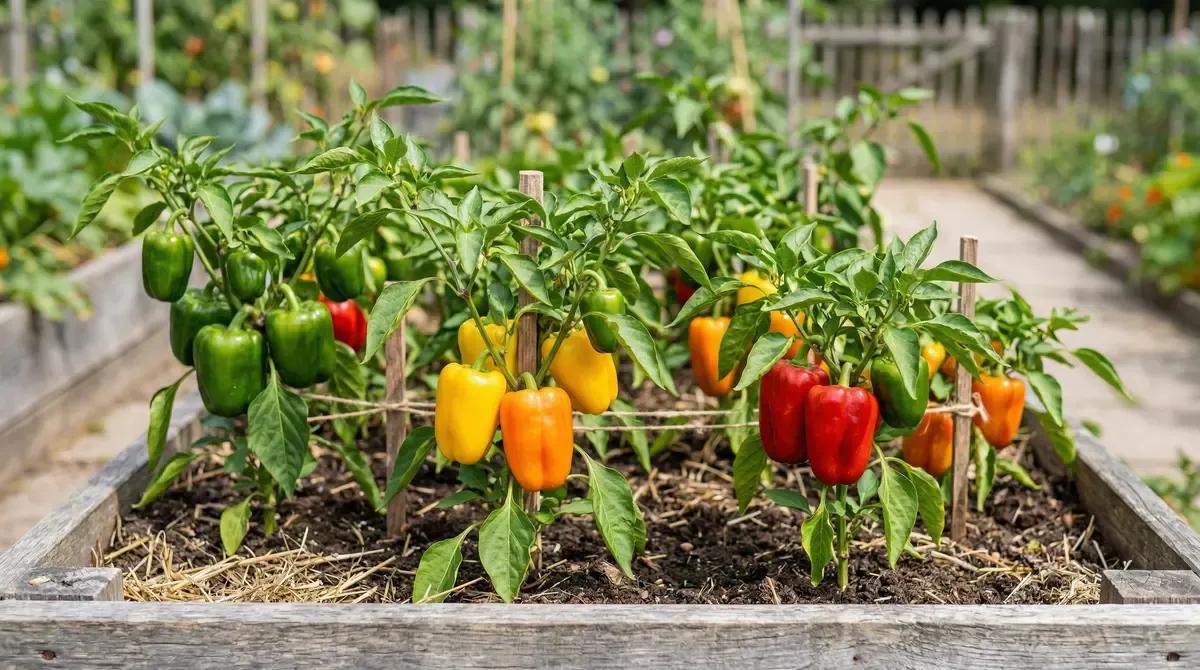
Bell peppers are an excellent choice when I have a sunny, warm section of raised bed available. A compact pepper plant can produce several fruits over the growing season, and the plants are generally easier to accommodate than sprawling vegetables such as zucchini. I enjoy growing different colors, although green, red, and yellow peppers can represent different maturity stages or varieties rather than simply different colors of the same fruit.
I generally allow around 18 inches between pepper plants, adjusting for the mature size listed on the seed packet. They need full sun, fertile soil, and reliable moisture. Although their growth is relatively compact, branches carrying several heavy fruits may benefit from a small stake or support, especially in exposed gardens.
In my Boise zone 7a garden, I wait until frost danger has passed and nighttime temperatures are consistently warm before transplanting peppers. Our high-desert conditions mean that hot afternoons and dry soil can stress plants, even when they receive plenty of sunshine. I use mulch and drip irrigation to help keep moisture consistent. In cooler regions, peppers may need an earlier indoor start to develop properly before the first fall frost.
Give peppers warmth, not drought
Peppers enjoy warm growing conditions, but that does not mean they should be allowed to dry out. Water the root zone deeply and consistently. Avoid repeatedly wetting the foliage with overhead irrigation.Best for: Gardeners with a warm, sunny raised bed who enjoy fresh peppers, cooking, and harvesting over an extended period.
University of Minnesota Extension recommends appropriate spacing, transplanting after cold nighttime conditions have passed, and maintaining even soil moisture for better fruit development. 【】【】
Bush Beans
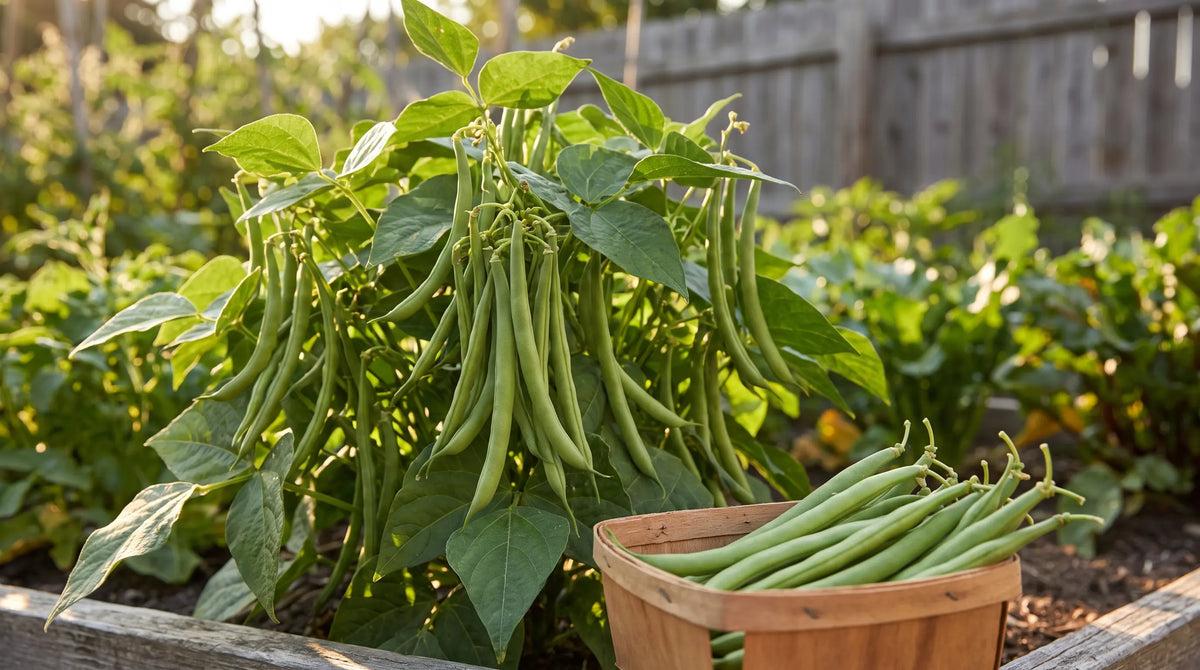
Bush beans are among the most practical vegetables I recommend for a first raised bed. Unlike pole beans, they do not require a tall trellis, and their upright growth makes them relatively easy to manage. They also produce pods within a fairly concentrated period, which is useful if you want enough beans for a meal rather than picking a handful every day for months.
I sow bush beans directly into the bed once the soil has warmed. I leave approximately 4 inches between seeds, following the variety's instructions and thinning if needed. Beans do not need heavy fertilizer applications, and excessive nitrogen can encourage leafy growth at the expense of pods. Good drainage and regular moisture are more useful than an overly rich feeding schedule.
In Boise, zone 7a, our spring weather can be unpredictable, so I wait until the soil is properly warm and frost danger has passed. My climate brings around 11 inches of rainfall annually, meaning irrigation is important once summer growth gets going. I also like making another planting approximately two weeks after the first if the growing season is long enough. Succession planting spreads out the harvest and avoids having every bean ready on the same weekend.
Why I like bush beans
- No tall trellis required.
- Easy direct sowing.
- Compact, upright growth.
- Useful concentrated harvests.
What to consider
- Pods can mature over a short period.
- Plants are sensitive to frost.
- Cold soil can cause poor germination.
Best for: Beginners, families, small raised beds, and gardeners who want a dependable warm-season vegetable without installing complicated supports.
University of Minnesota Extension recommends direct sowing beans after soil warming and explains how sowing bush beans at intervals can extend production. 【】【】
Cucumbers
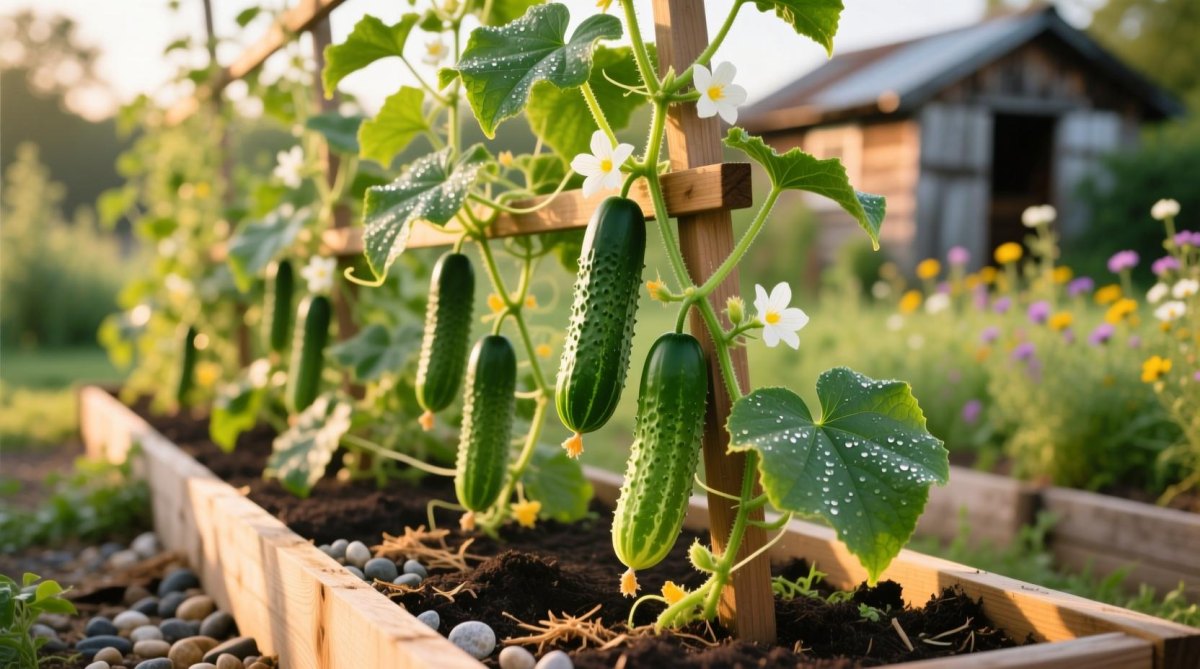
Cucumbers are a particularly good raised-bed crop when I can grow them vertically. A cucumber plant left to sprawl can occupy an impressive amount of space, but a sturdy trellis changes the equation. It keeps much of the foliage and fruit off the soil, makes harvesting easier, and frees up valuable planting space underneath or beside the vines.
I choose between compact bush varieties and vining varieties depending on the bed. Vining cucumbers need a reliable support installed before the plant becomes large and heavy. For a trellised planting, I generally start with 8 to 12 inches between plants, adjusting to the variety and support system. Direct sowing is usually my preference once the soil is warm enough.
Here in Boise, zone 7a, with hot, dry summers and roughly 11 inches of annual precipitation, I wait until frost danger has passed and the soil has warmed to around 70°F before sowing. I use drip irrigation to maintain steady moisture, because cucumber fruit can become bitter or misshapen under stressful growing conditions. In cooler climates, use your local soil temperatures and frost dates instead of following my high-desert schedule.
Do not underestimate the trellis
A cucumber vine carrying several full-sized fruits becomes surprisingly heavy. Secure the trellis firmly before planting and check that the structure can withstand wind as well as the weight of mature plants.Best for: Gardeners who enjoy fresh cucumbers, have a sunny raised bed, and can provide a sturdy vertical support system.
University of Minnesota Extension recommends sowing cucumbers after frost once soil reaches approximately 70°F and explains how trellising can make more efficient use of garden space. 【】【】
Kale
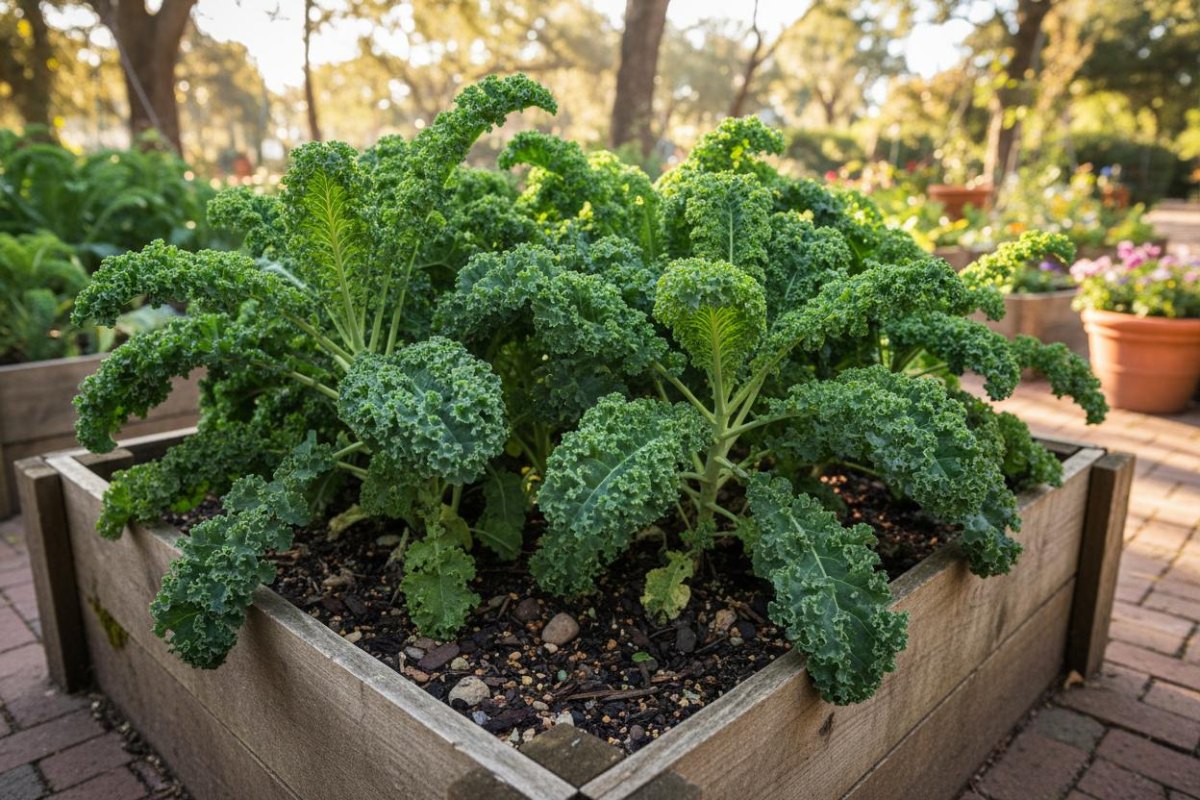
Kale is one of the vegetables I would choose for a raised bed when I want a crop that offers repeated leaf harvests. It is more substantial than lettuce, and a few well-grown plants can provide plenty of leaves for soups, sautés, and salads. I also appreciate that it is a cool-season crop, making it useful when summer vegetables are finished and the garden needs something productive for cooler weather.
I leave approximately 8 to 15 inches between plants, depending on the variety and whether I plan to harvest young leaves or allow full-sized plants to develop. Kale likes fertile soil and consistent moisture. I remove older outer leaves as needed, keeping the growing center intact so the plant can continue producing.
My Boise garden is in zone 7a, with alkaline soil, around 11 inches of annual rainfall, and hot summer afternoons. I prefer to schedule kale around the cooler parts of the growing season, counting backward from my first fall frost for late-season planting and checking local extension guidance for spring timing. In particularly hot weather, the plants may grow more slowly or develop tougher leaves, so I use mulch and consistent irrigation.
Make kale a succession crop
Instead of planting every kale seedling at once, start a small group and follow with another planting after a couple of weeks. This helps spread the harvest and gives you a supply of younger, tender leaves rather than a bed full of mature plants all needing attention together.
Best for: Gardeners who enjoy leafy greens, want repeated harvests, and need a vegetable that can continue growing into cooler weather.
University of Minnesota Extension lists kale among the cold-hardy vegetables suitable for fall planting, with a typical maturity range of approximately 40 to 65 days in its regional guidance. 【】【】【】
Zucchini
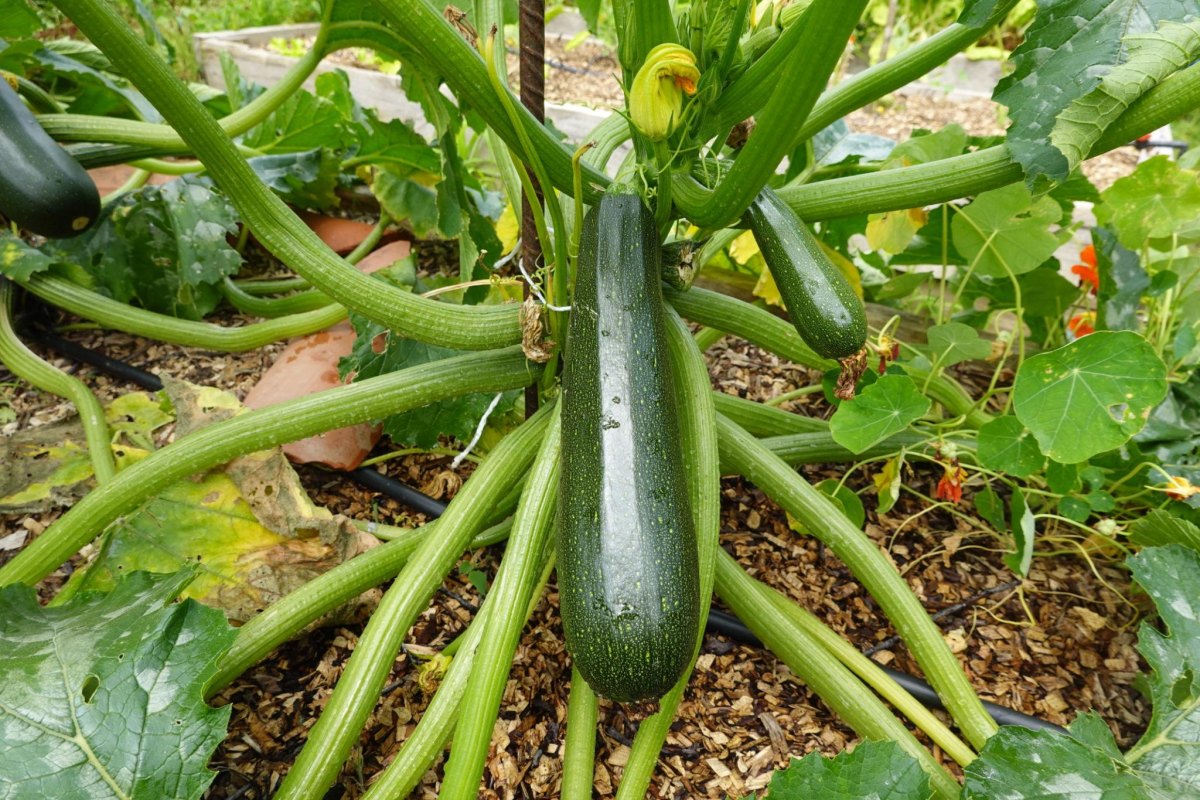
Zucchini is one of those vegetables that can make a gardener feel extremely successful and slightly overwhelmed at the same time. A healthy plant can produce several fruits, and the harvest can arrive quickly once the weather warms. I like it for its productivity, but I would never describe it as a small-space vegetable unless I specifically choose a compact bush variety.
For most summer squash, I plan for approximately 18 to 24 inches or more between plants, following the mature growth habit on the seed packet. Bush varieties are easier to fit into raised beds than sprawling types. I sow directly into warm soil and make sure there is enough room for the large leaves to spread without completely shading neighboring crops.
In Boise, USDA zone 7a, our high-desert summer conditions suit zucchini once the soil has warmed, but our low annual rainfall makes regular irrigation essential. I wait until after my own last frost date and until the soil reaches approximately 70°F before direct sowing. I mulch around the plant to conserve moisture, and I check the leaves regularly for signs of stress or pest activity.
Pick zucchini while it is still young
Harvest regularly rather than waiting for every fruit to become enormous. Smaller zucchini are generally tender, easier to cook, and less likely to overwhelm your kitchen. Check beneath the leaves because fruit can hide remarkably well.Best for: Gardeners with a sunny, spacious raised bed who want a productive summer vegetable and enjoy eating zucchini regularly.
University of Minnesota Extension recommends direct sowing summer squash in warm soil, thinning seedlings appropriately, and considering bush varieties where space is limited. 【】【】
More Pinterest Visuals
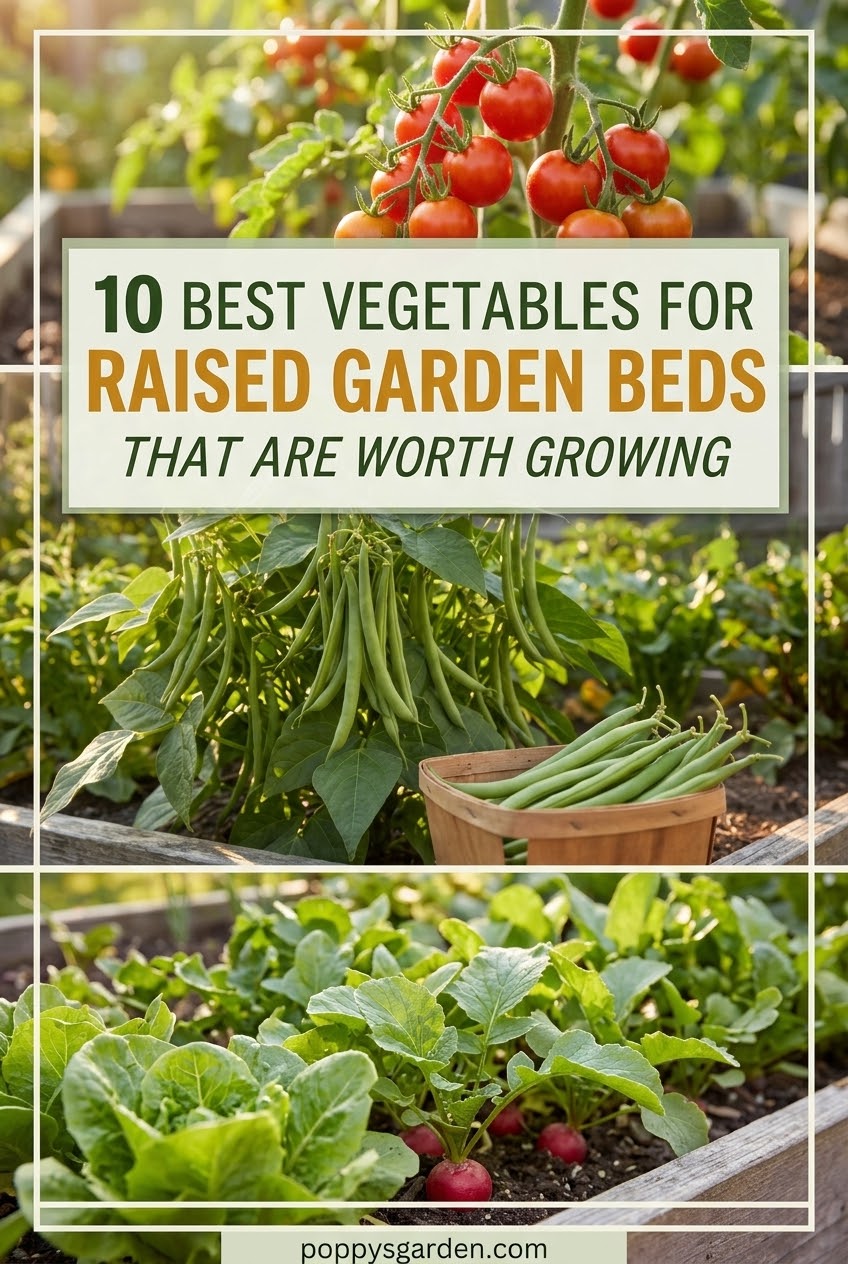



 Seasonal & Flower Containers6 Fast Growing Flowers for Containers That Bring Quick, Colorful Blooms
 Balcony & Patio Gardens16 Small Garden Ideas for Renters That Save Space and Look Beautiful
 Herb Gardening9 Beautiful Herb Garden Design Ideas That Are Practical and Easy to Grow
 Seed StartingSeed Starting Supplies List – 11 Essentials for Growing Healthy Seedlings at Home