
 13.10.2026
I have grown food in everything from a third-acre Idaho garden to stubborn little containers that had no business producing much, and balconies are the same lesson in miniature: the space above your floor matters. I garden in Boise, Idaho, zone 7a, with dry air, alkaline soil, about eleven inches of annual rain, and plenty of wind, so I never assume a setup works everywhere. Use your own light, wind, water access, and frost dates as the starting point.
These vertical balcony garden ideas are the designs I would actually consider for a small edible space. The goal is not a perfect photo; it is herbs, greens, and vegetables you will harvest often.
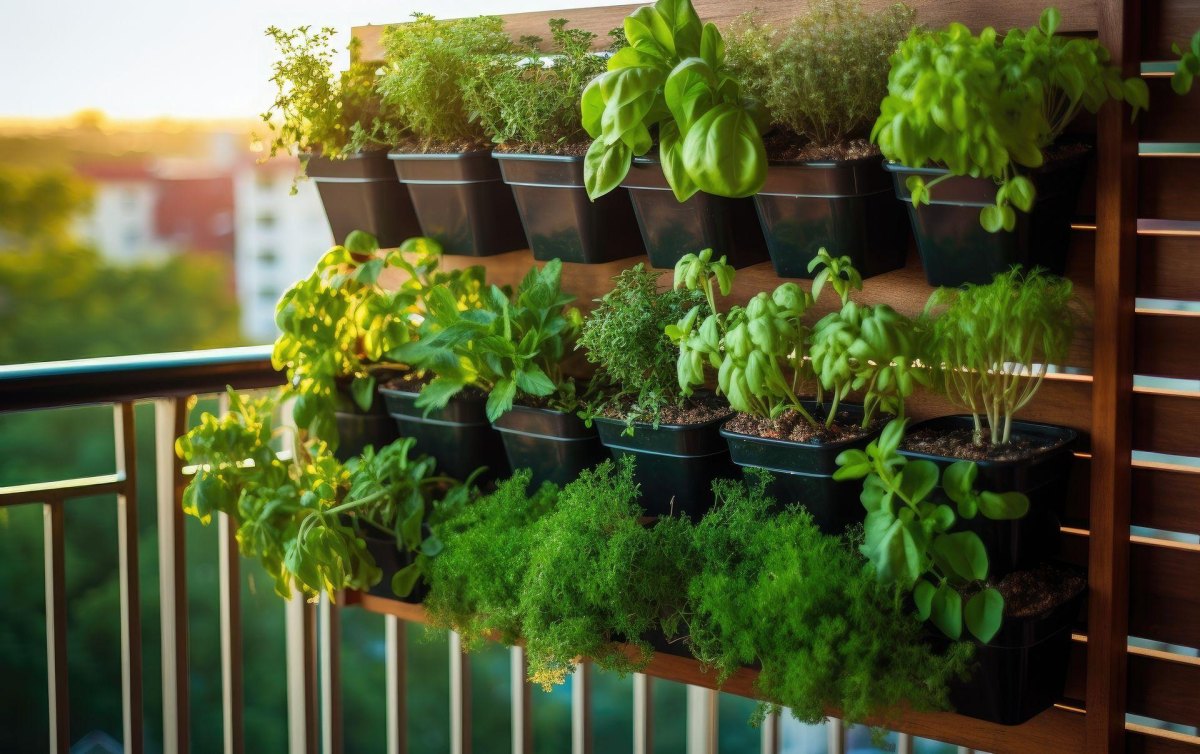
Wall-Mounted Vertical Herb Garden
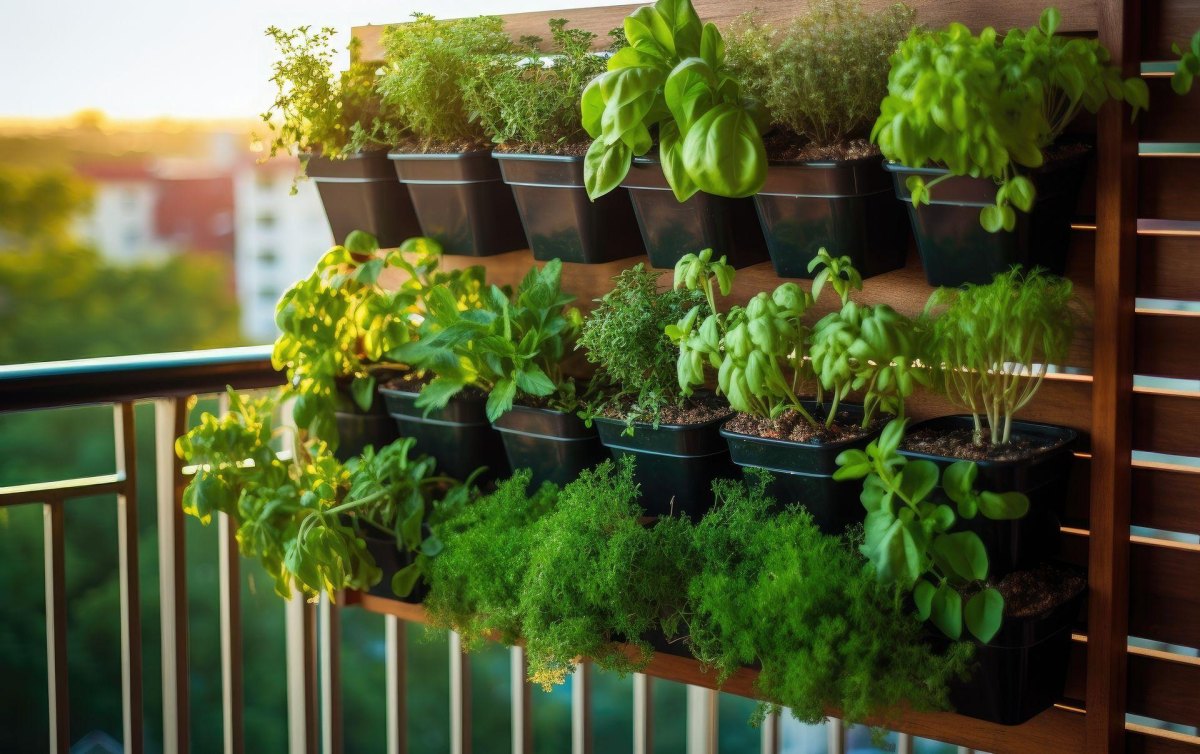
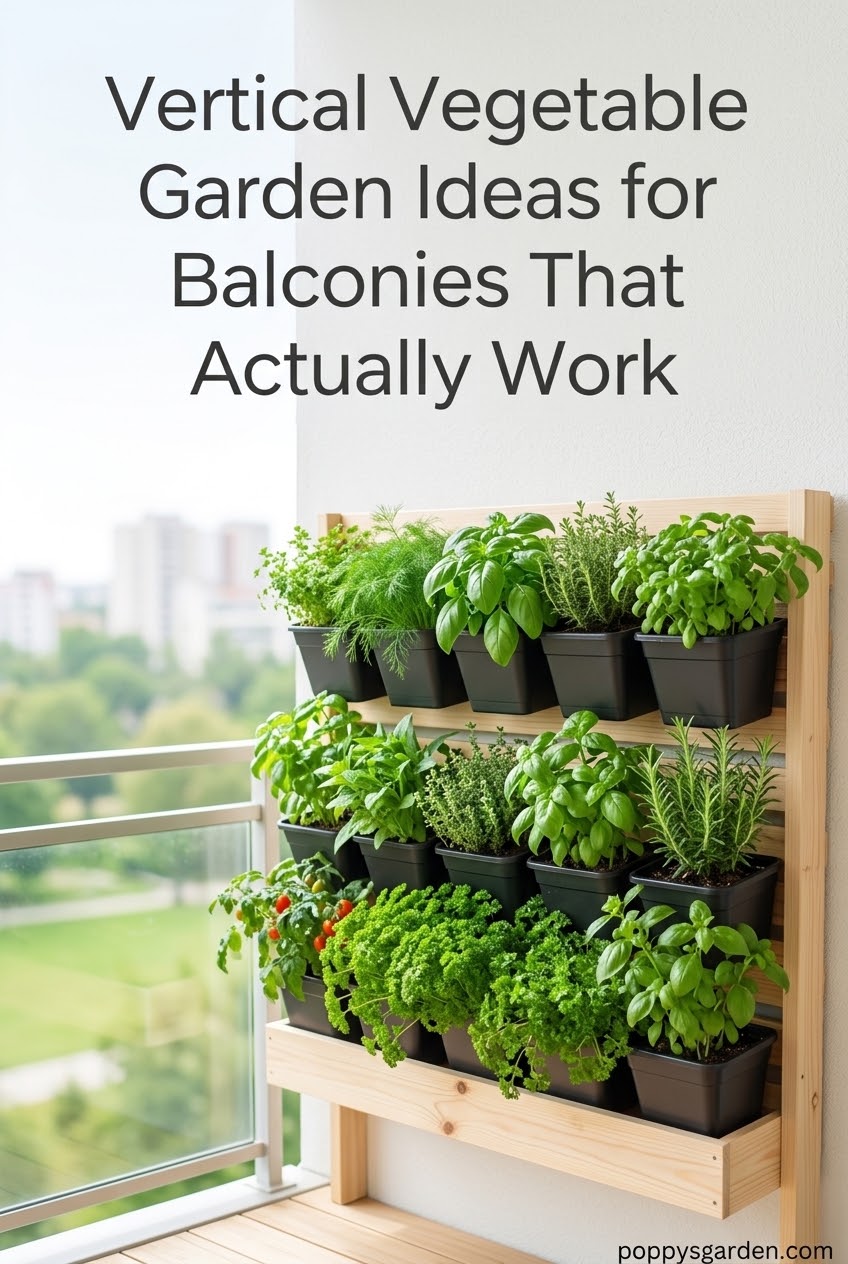
A blank balcony wall is one of the easiest places to add growing space. I like wall-mounted systems for daily harvest herbs because basil, parsley, thyme, and chives stay close enough to snip while cooking. Vertical walls, rails, and corners can turn unused surfaces into productive planting areas.
What I would plant first
- Chives for reliable repeat harvests
- Parsley for cool-season picking
- Thyme and oregano for smaller containers
I would use lightweight pots, good drainage, and secure brackets. A balcony wall can look sturdy while still being a poor place for a heavy, saturated planter.
Tiered Vertical Vegetable Planter Shelves
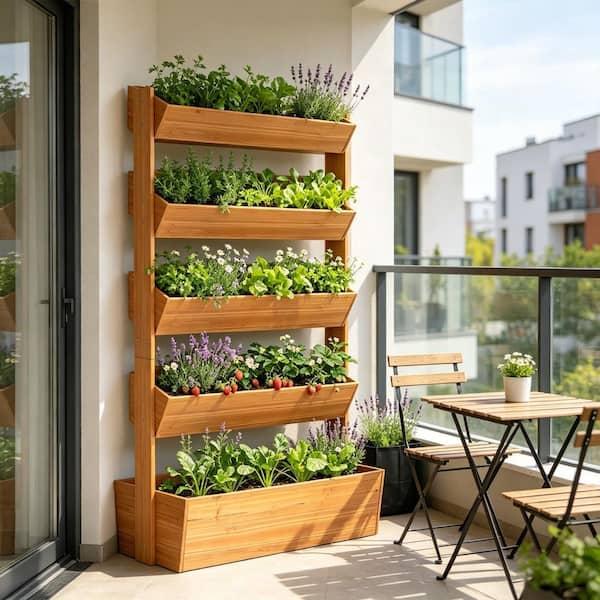
Tiered shelves are my favorite choice when someone wants flexibility instead of a permanent installation. They let you move plants as the sun changes and keep larger containers low for stability. Stacked shelves are commonly used for compact balconies because they add layers without taking much floor space.
| Crop | Container note |
|---|---|
| Lettuce | Shallow pots work well |
| Radishes | Fast harvest in small spaces |
| Compact peppers | Needs more sun and a larger pot |
In my garden notebooks, I always mark whether a crop earned its space. On a balcony, every shelf needs to justify itself.
Hanging Pocket Vegetable Garden
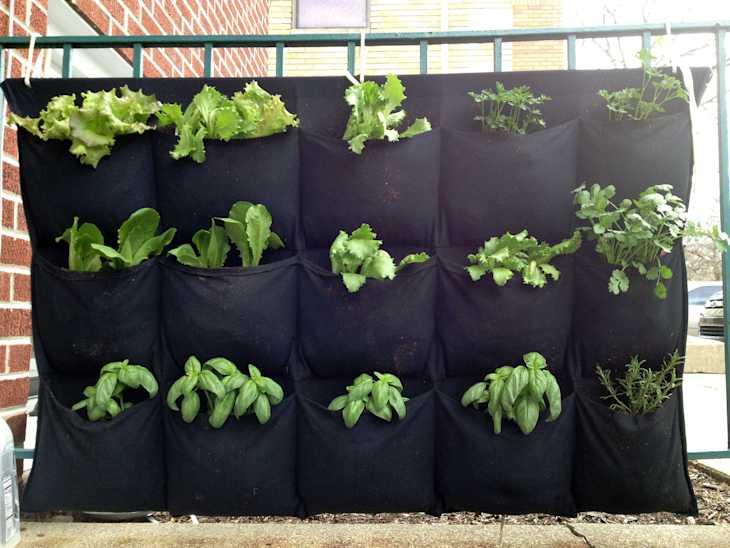
Pocket planters are a clever answer when the balcony floor is already full. I like them for shallow-rooted crops such as herbs and salad greens, although I would not expect a fabric pocket to replace a deep container for tomatoes or large peppers. Pocket systems are designed to use vertical walls while keeping plants separated and accessible.
My balcony tip
Put the thirstiest pockets where watering is easiest. Vertical gardens dry faster than many beginners expect, especially in hot, windy locations.
I learned this the hard way during my market-garden years: a plant that is annoying to water will eventually be ignored.
Vertical Pallet Garden for Fresh Produce
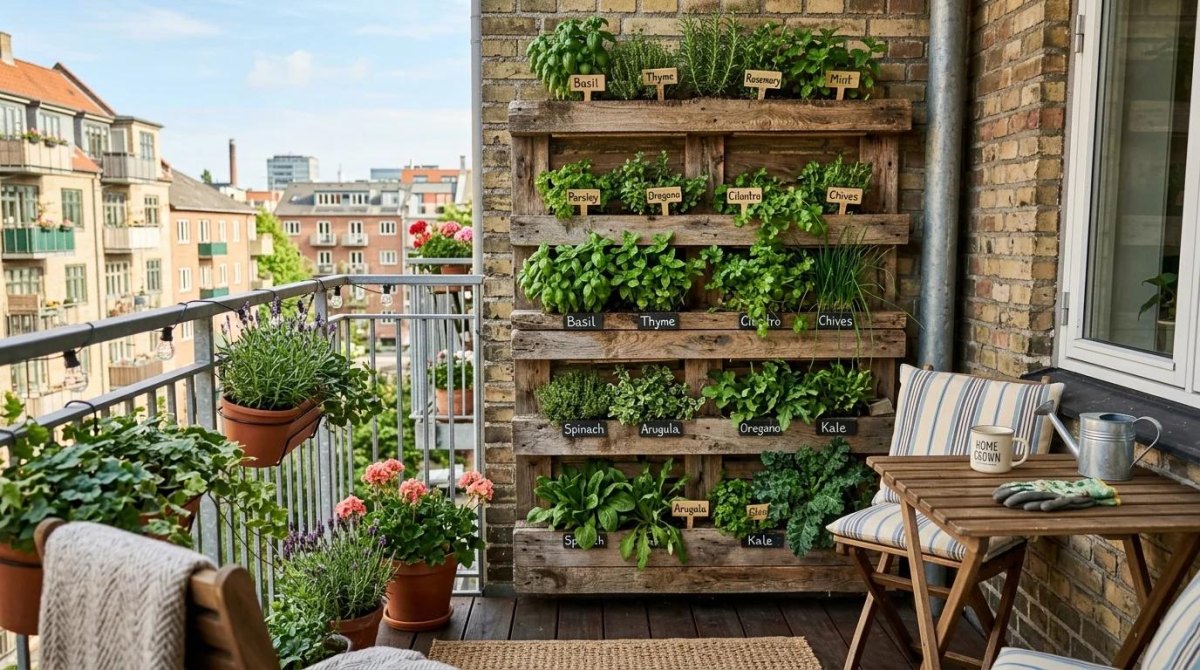
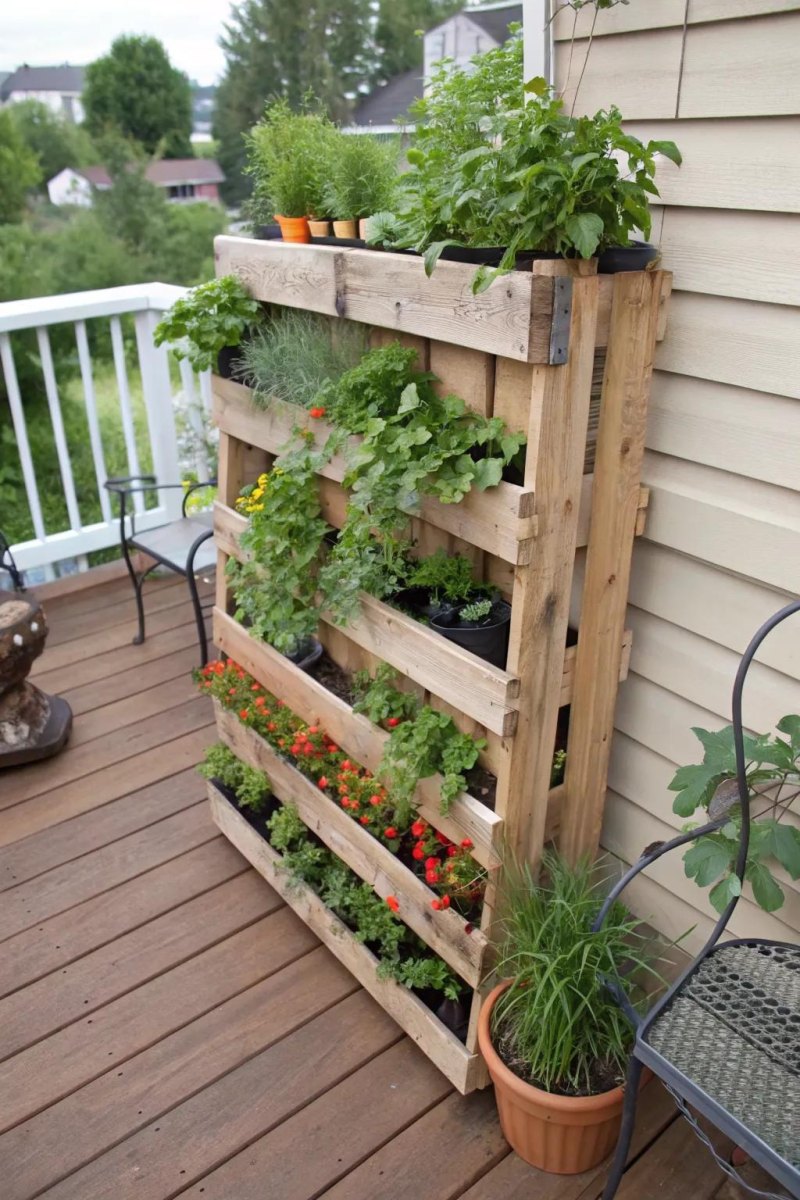
A pallet garden can be charming, but I am picky about materials. For food crops, I only use wood that is known to be safe and suitable for planting. Old railroad ties, creosote-treated wood, and unknown treated lumber are not choices I would make for edible gardening.
Why I like pallet-style gardens
- Uses vertical space well
- Can hold many small plants
- Works for herbs and greens
What to watch
- Material safety matters
- Small pockets dry quickly
- Root space is limited
I would treat this as a small harvest station, not a replacement for a raised bed.
Balcony Trellis Garden for Climbing Vegetables
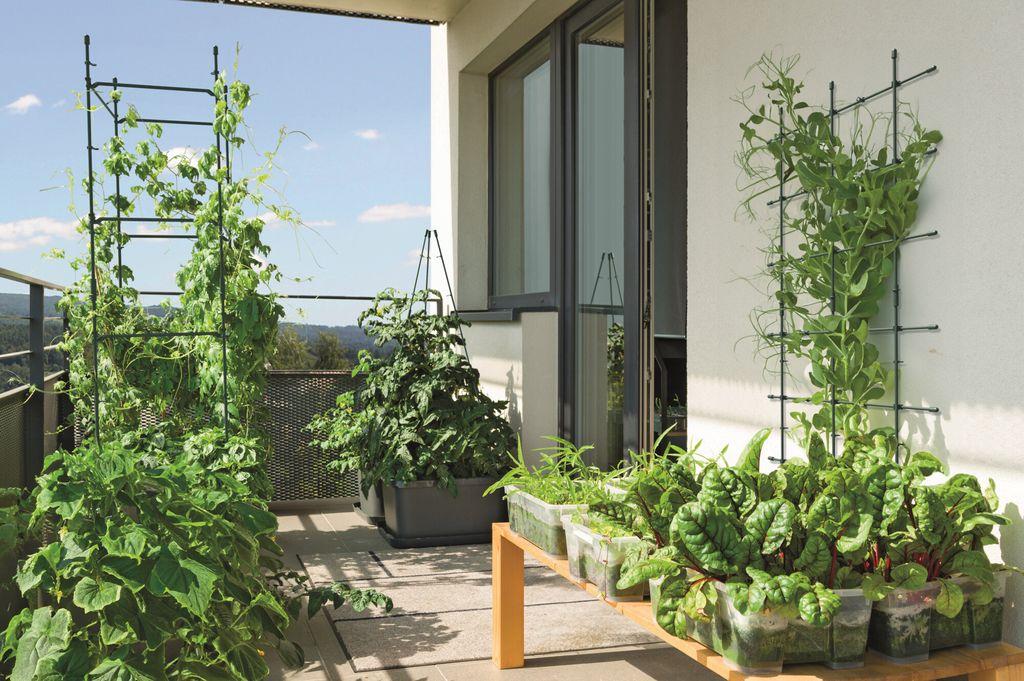
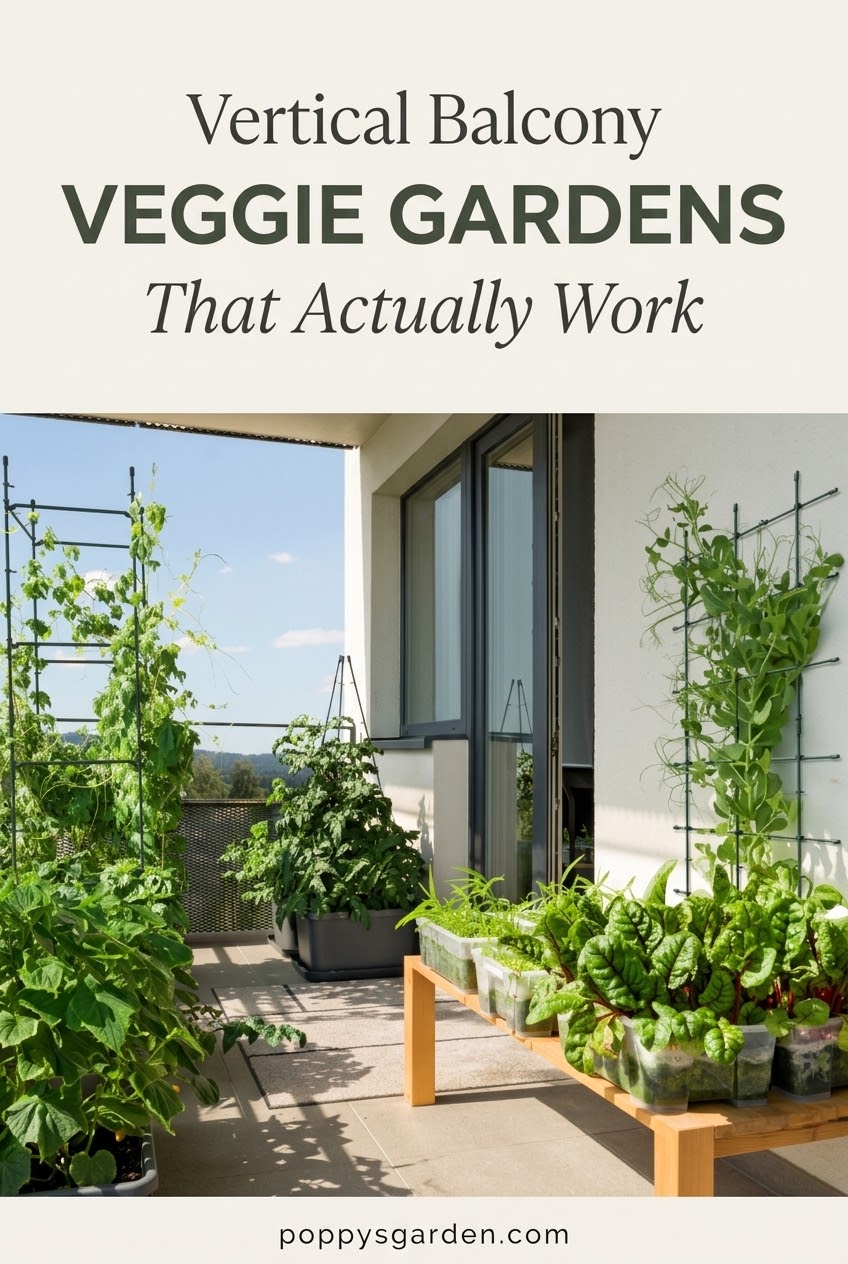
Climbing vegetables are where vertical gardening becomes genuinely productive. I have seen cucumbers, beans, and peas earn their place because they use height instead of spreading across the ground. A strong trellis, a deep enough container, and a crop that actually climbs are the three pieces that matter.
- Choose. Pick climbers suited to your climate and container size.
- Anchor. Secure the trellis against wind before vines get heavy.
- Train. Guide young vines early instead of fighting tangled growth later.
In Boise, my wind is strong enough to humble a tomato cage, so I would never trust a lightweight support on a high balcony without checking stability.
Stackable Tower Vegetable Garden
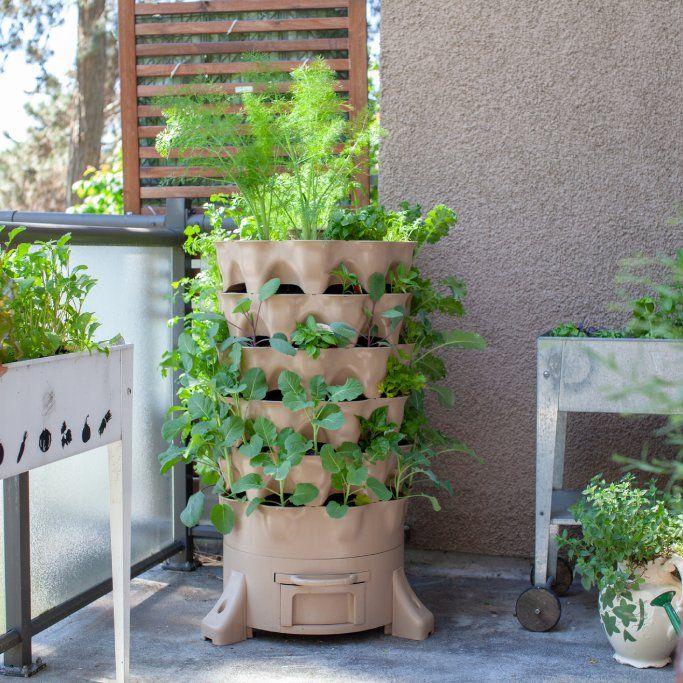
Stackable towers appeal to me because they make a tiny footprint work harder. They are especially useful for herbs, greens, and smaller edible plants where you want many varieties close together. Vertical towers are a common solution for narrow balconies because they concentrate planting space upward.
I would rather grow six plants that thrive than twenty stressed plants fighting for moisture. That is the same calculation I used when deciding what flowers earned a row in my old market garden.
Recycled Container Vertical Vegetable Garden
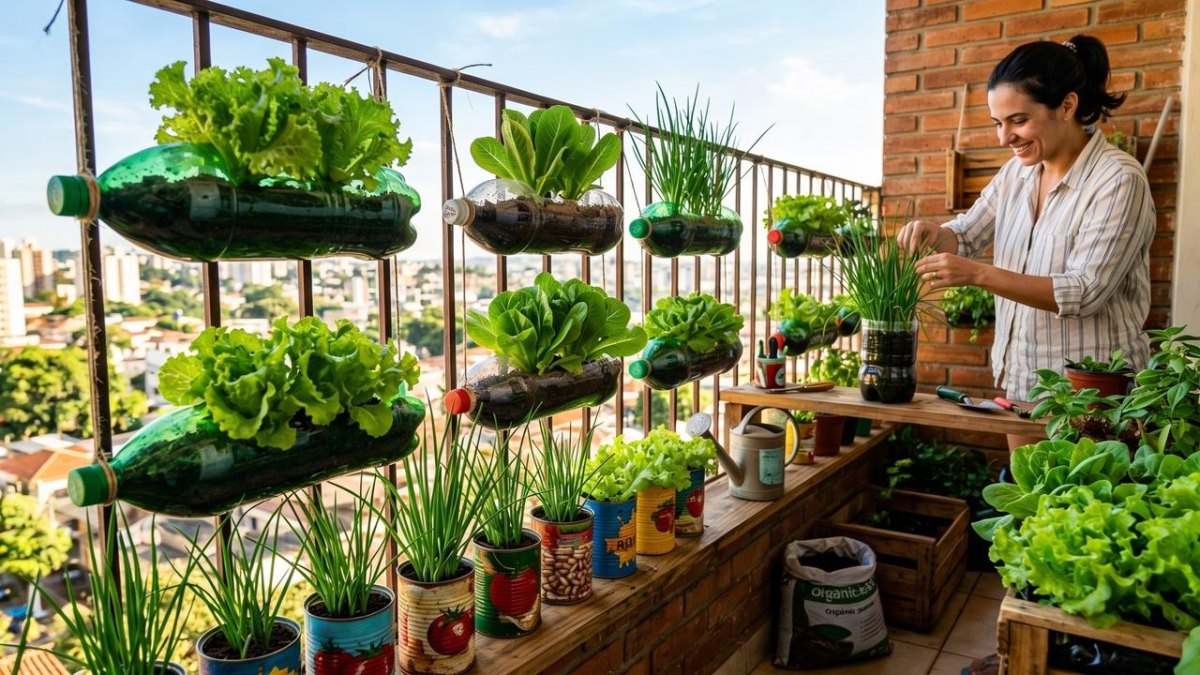
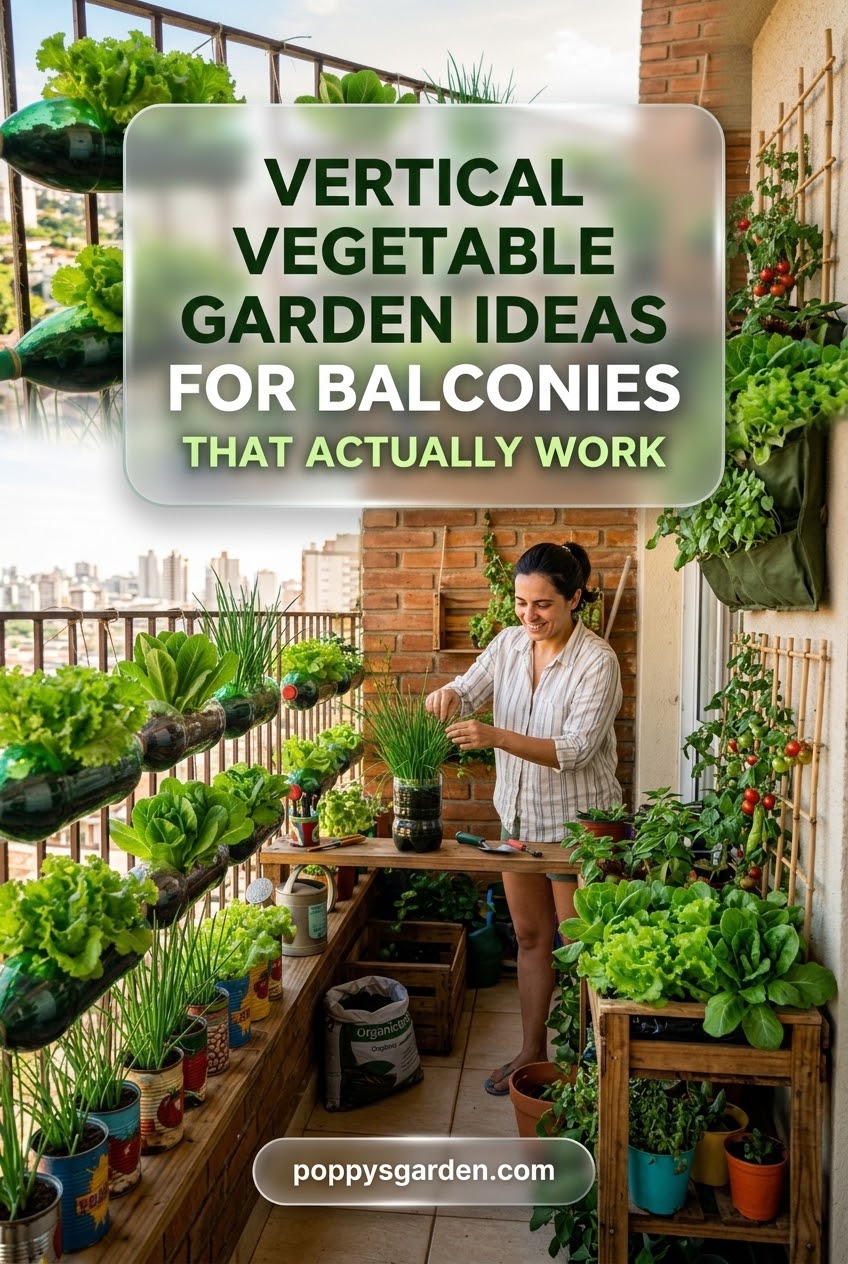
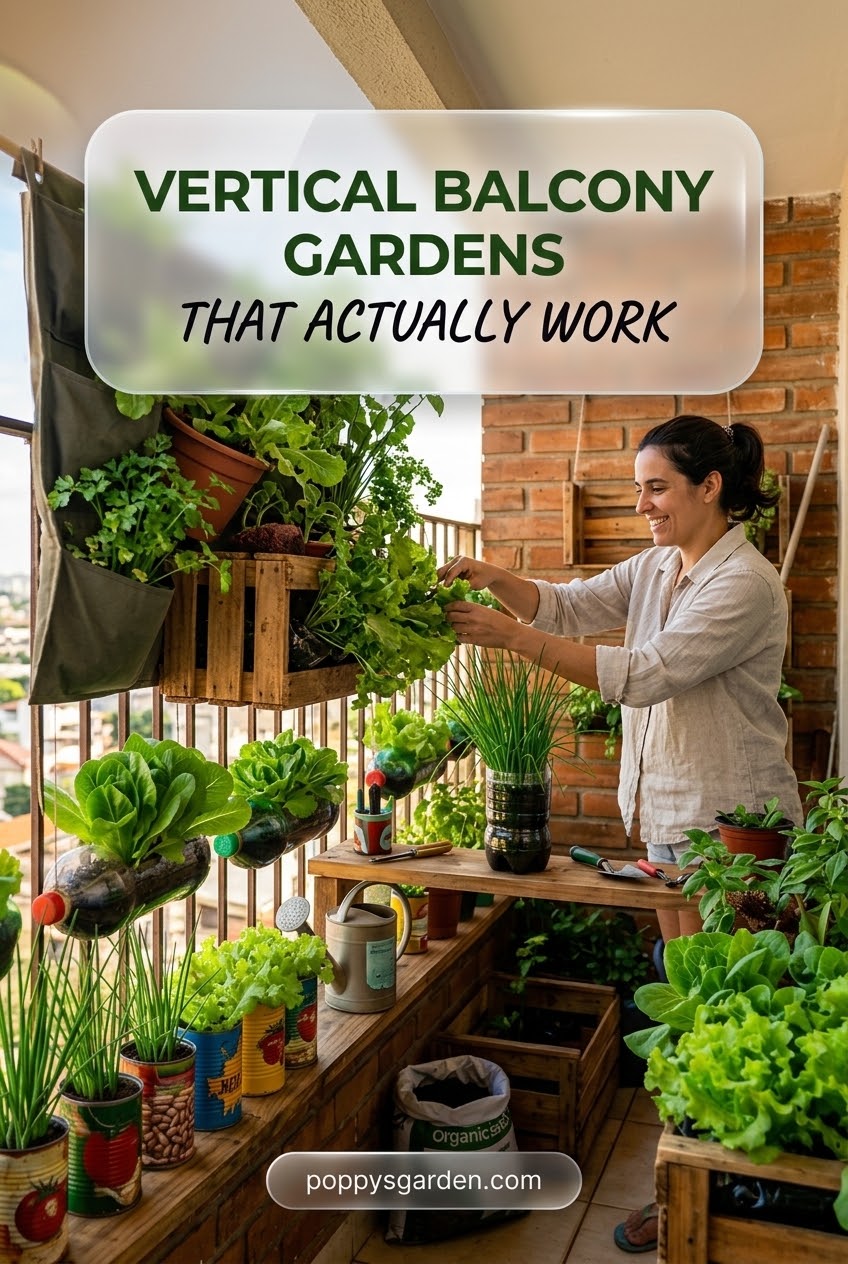
Recycled containers can become excellent vertical gardens when they have enough soil volume, drainage, and safe materials. I love the beginner-friendly nature of this approach because it lets someone experiment without buying a complete system.
Do not skip this check
For food growing, avoid containers that held chemicals or unknown substances. When in doubt, choose a clean container made for planting.
I would start with lettuce, herbs, or compact greens before trying demanding crops. A small edible experiment is how many gardeners discover what their balcony can really produce.
More Pinterest Visuals



 Balcony & Patio GardensSmall Space Garden Ideas That Make Every Inch Count
 Balcony & Patio GardensKübelpflanzen für die Terrasse – 15 Ideen für ein grünes und blühendes Outdoor-Paradies
 Balcony & Patio Gardens20 Balcony Garden Setup Ideas To Transform Your Outdoor
 Seasonal & Flower Containers16 Beautiful Container Garden Flower Combinations That Work