
I have started seeds in basement corners, recycled containers, and proper trays over the years, and the best setup is usually the one you will actually maintain. I garden in Boise, Idaho, zone 7a, with dry air, alkaline soil, about eleven inches of annual rain, and late frosts that have ruined more than one spring for me. Use my timing as a reference point, then count backward from your own last frost date and check your local extension service.
What I use most often
- Simple containers with reliable drainage
- Strong indoor light instead of a sunny windowsill
- Seed-starting mixes that balance moisture and airflow
Starting Seeds Indoors with Mini Greenhouses
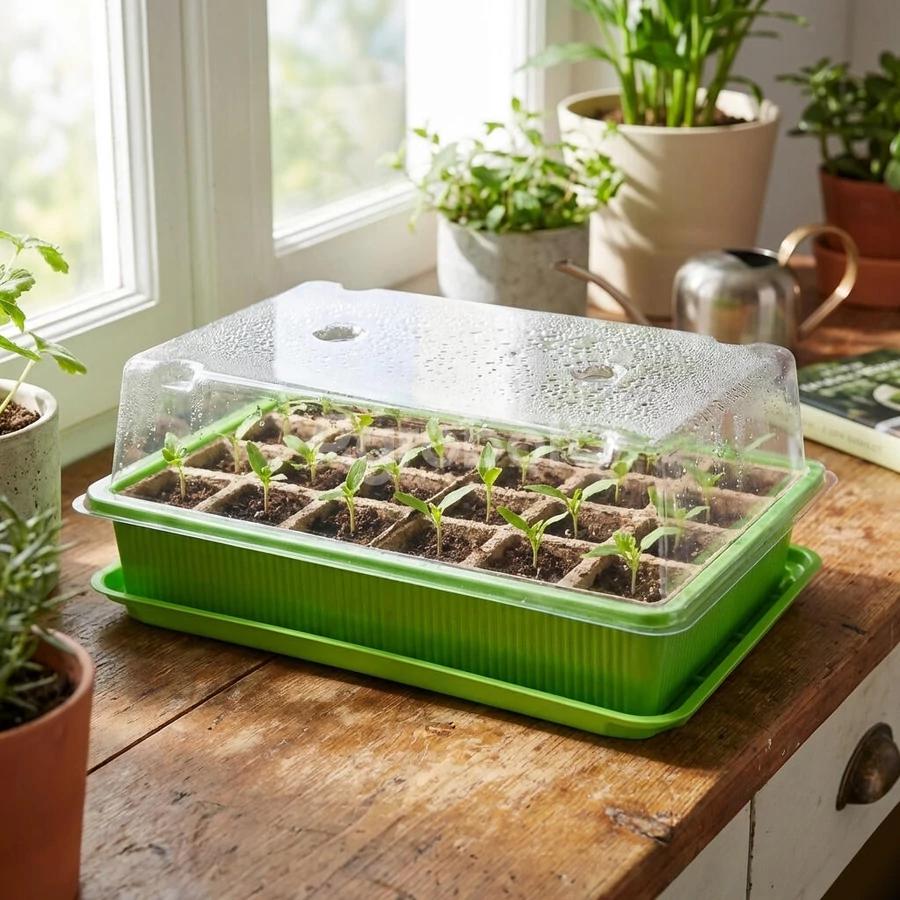
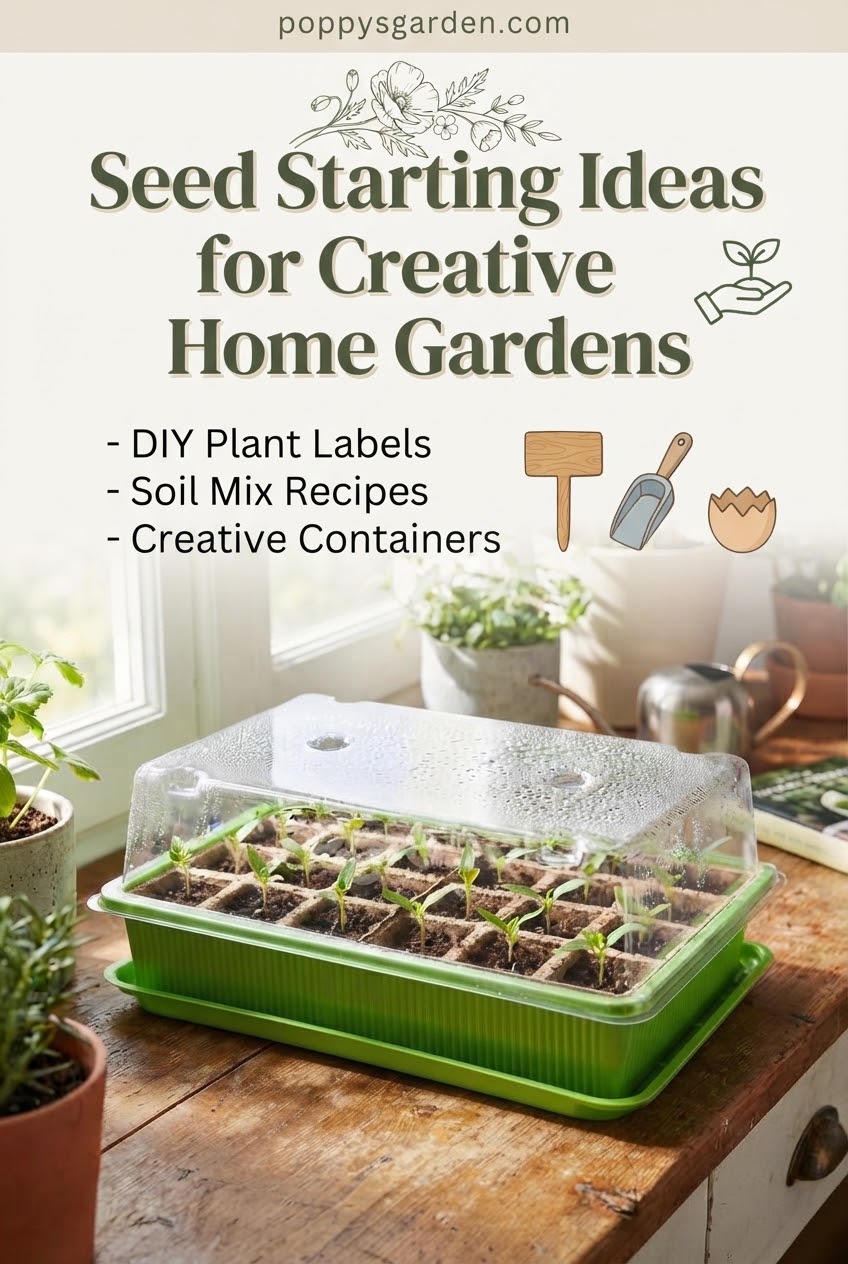
A mini greenhouse can be as simple as a tray with a clear cover. I use humidity domes for crops that need a little extra moisture at germination, but I remove the cover once seedlings appear because stagnant air invites problems. My basement setup is not fancy; it is a workbench with trays, lights, and notes from previous seasons.
My tip
Track germination dates so you know whether a slow tray is normal or a seed issue.
Using Egg Cartons as Seed Starters
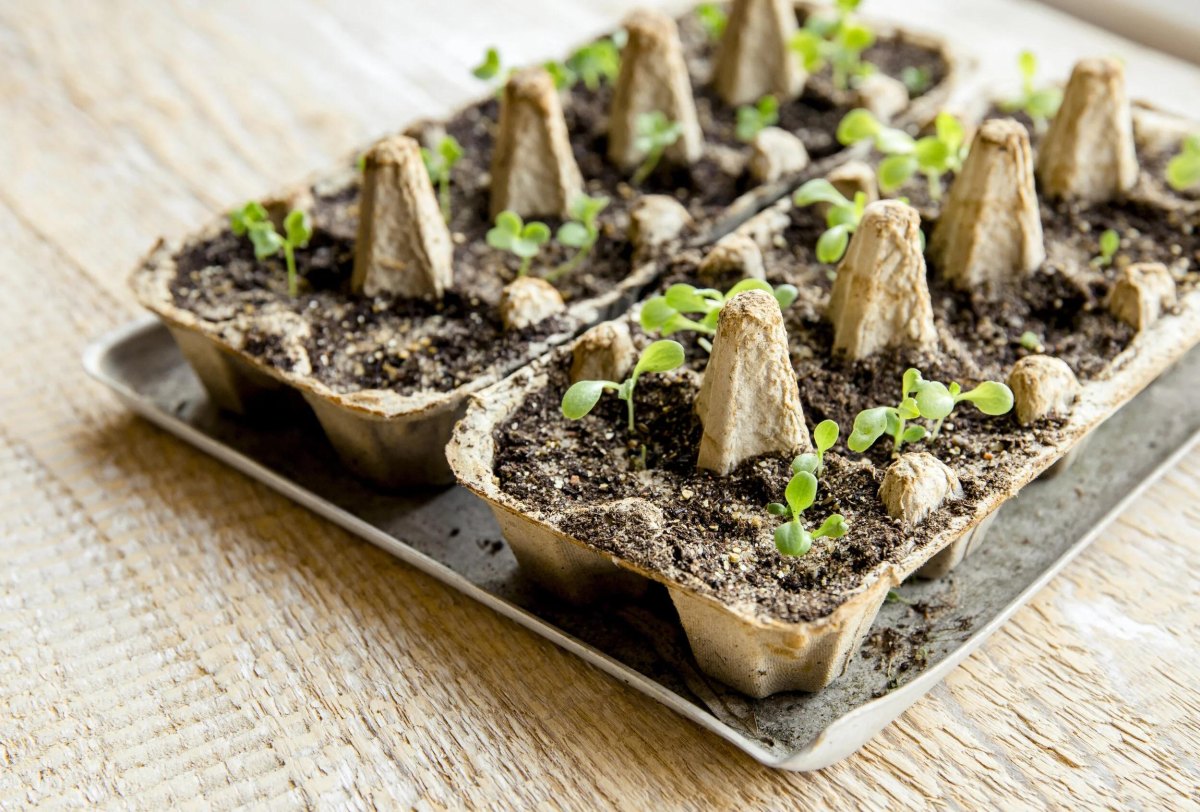
Cardboard egg cartons are one of my favorite low-cost experiments for small batches of seedlings. They work well for flowers and vegetables when each cup has enough drainage and the carton does not sit soggy. I would not use them for every tomato plant, but for testing a few varieties they earn their space.
Pros
- Nearly free materials
- Easy organization
Cons
- Dry out quickly
- Limited root space
Creating a DIY Seed Starting Station
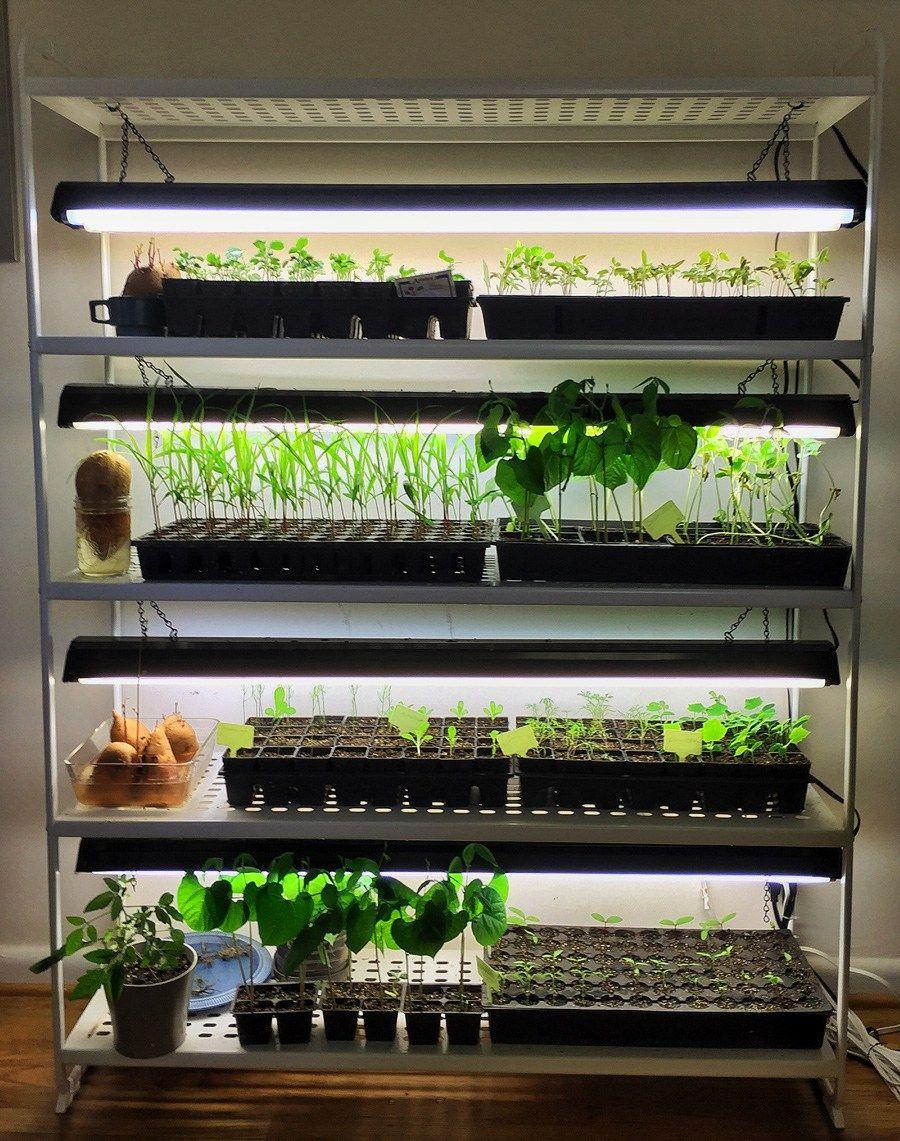
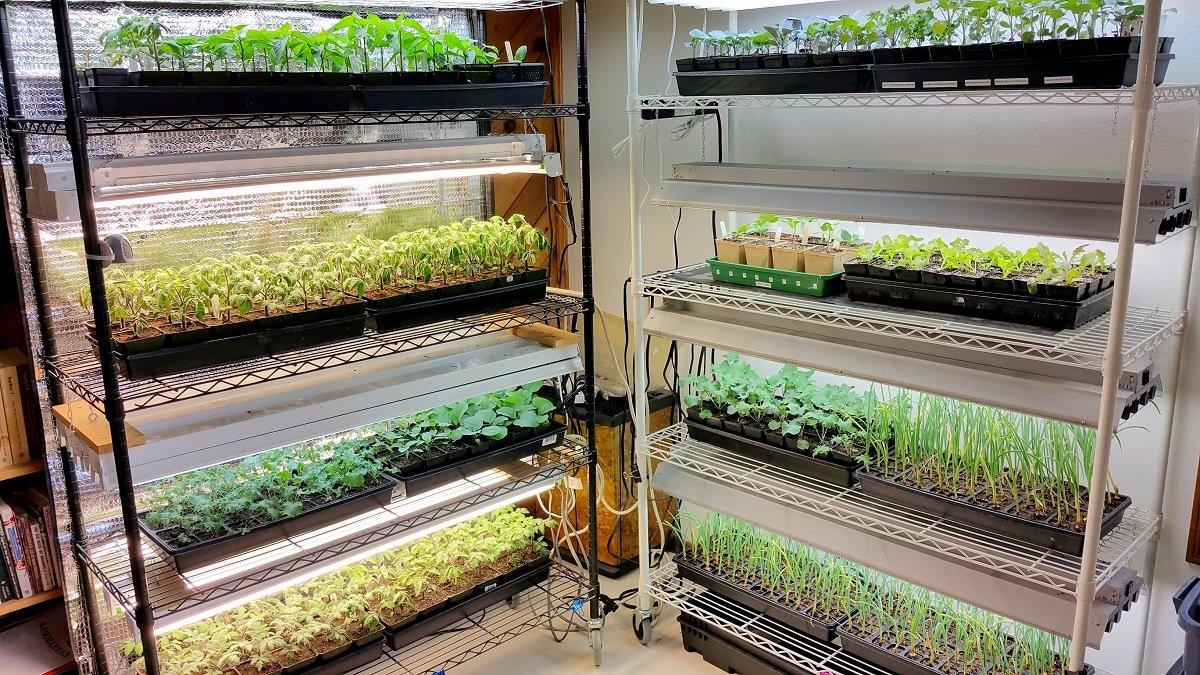
My seed station is built around consistency: trays, labels, lights, and a place to water without making a mess. I learned during my seed company trial-garden years that repeatable conditions tell you more than fancy equipment ever will.
Choosing the Right Seed Starting Mix
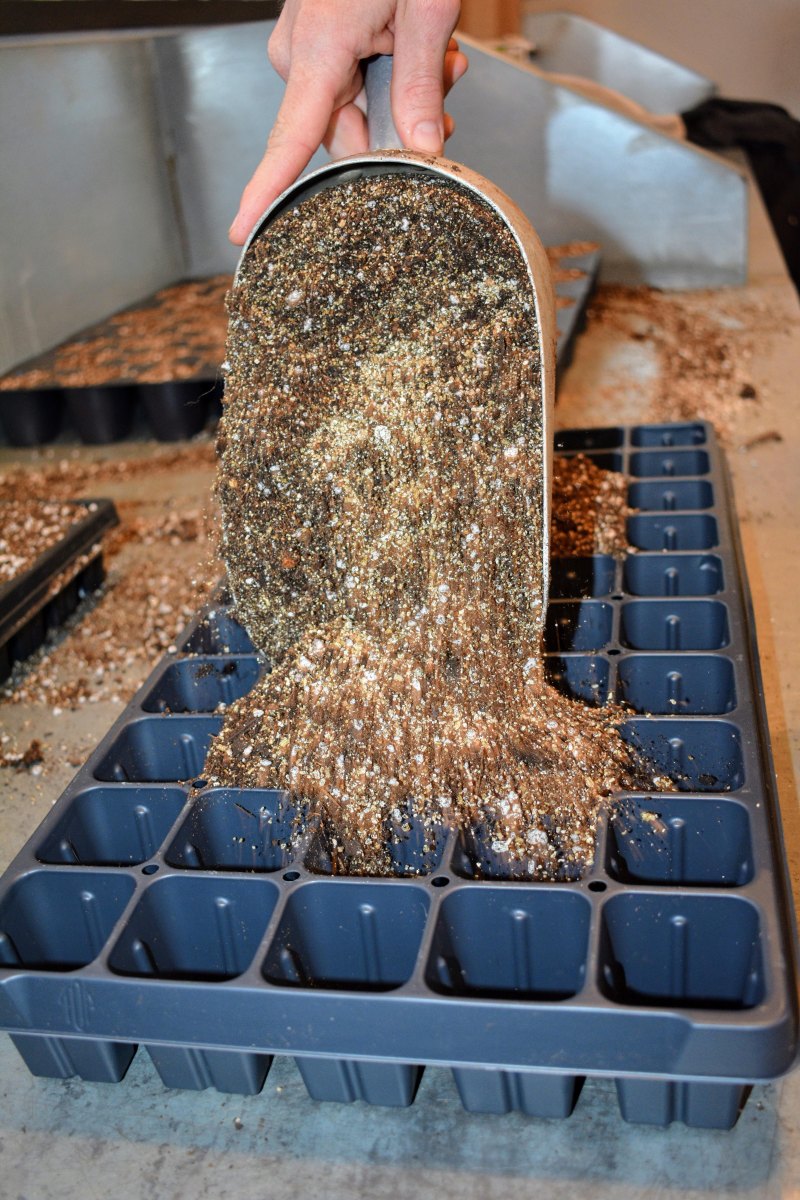
I avoid garden soil for starting seeds because it is often too heavy and can carry weed seeds or disease organisms. A good seed starting mix should hold moisture while still leaving room for air around tiny roots.
| Material | Purpose |
|---|---|
| Coco coir or peat | Moisture retention |
| Perlite or vermiculite | Air space and drainage |
Starting Seeds in Recycled Containers
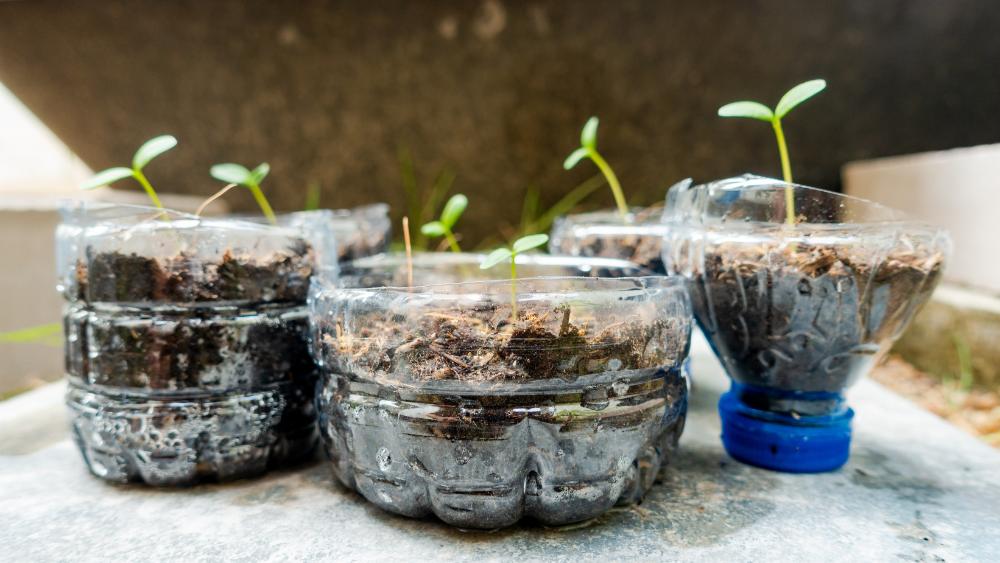
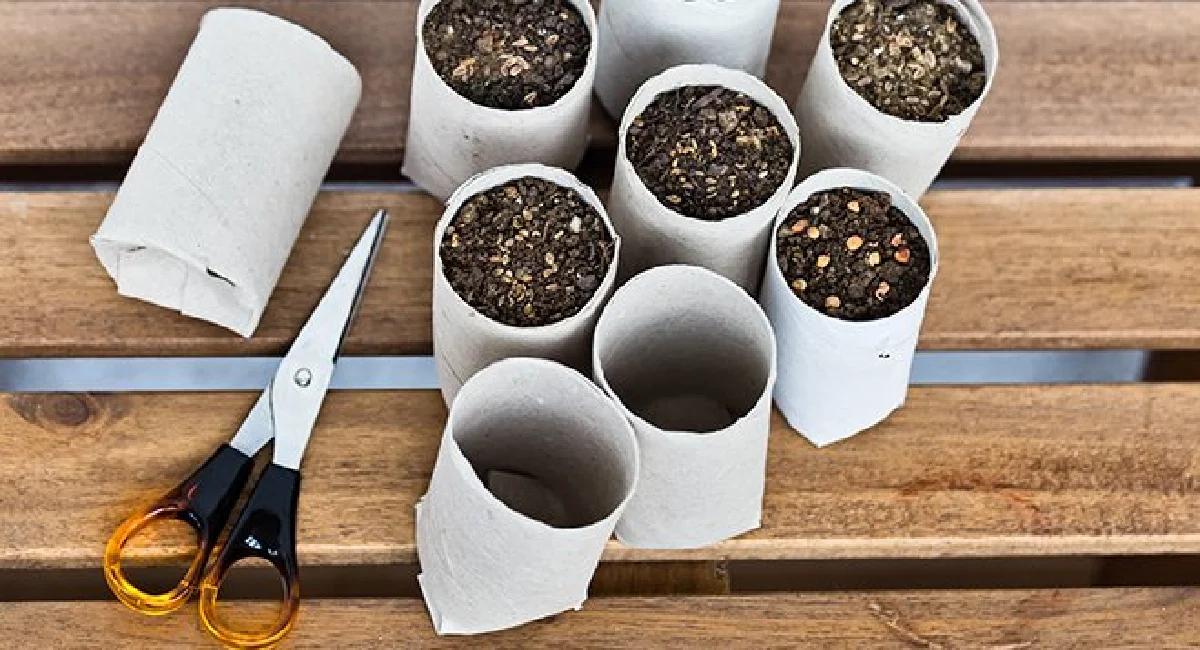
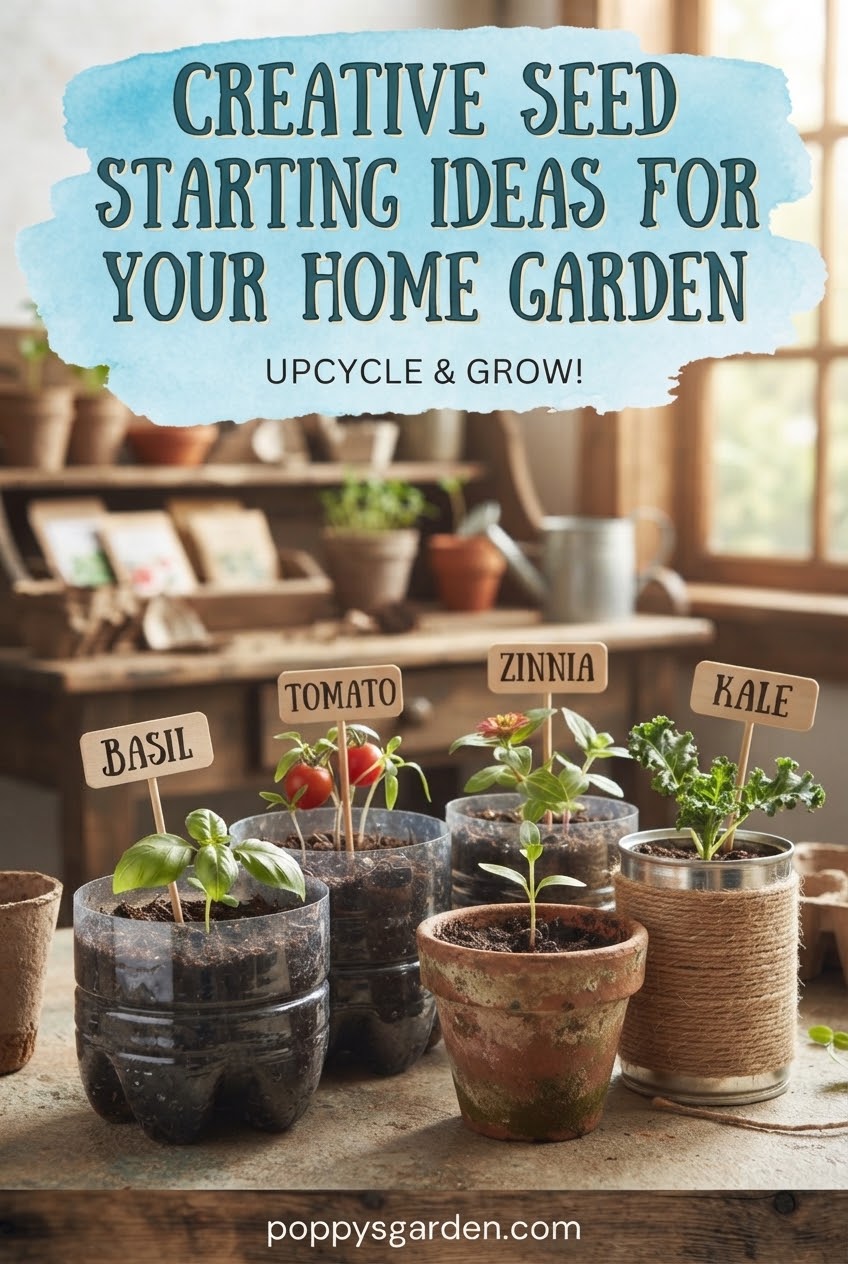
I have used yogurt cups, produce containers, and other clean recycled containers when they had enough depth and drainage. The container matters less than the basics: clean material, drainage holes, and enough room for roots.
Avoid this mistake
Do not reuse containers that held chemicals or anything unsuitable for growing food.
Growing Seeds Under LED Grow Lights
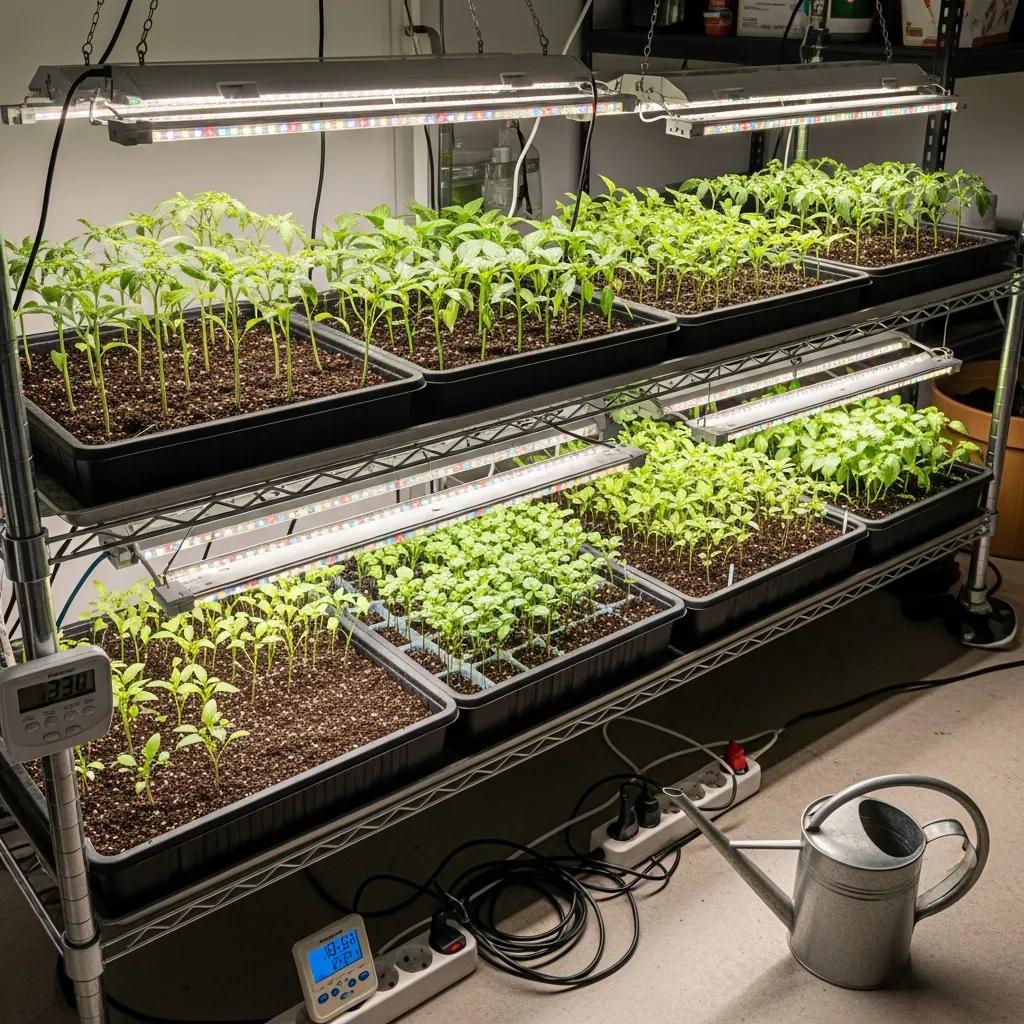
A bright window has never given me the compact seedlings I get from proper lights. My basement LEDs keep seedlings sturdy because they receive predictable hours of light instead of stretching toward weak winter sun.
12–16 hours
Common daily light range used for indoor seedlings
Labeling and Organizing Seed Trays
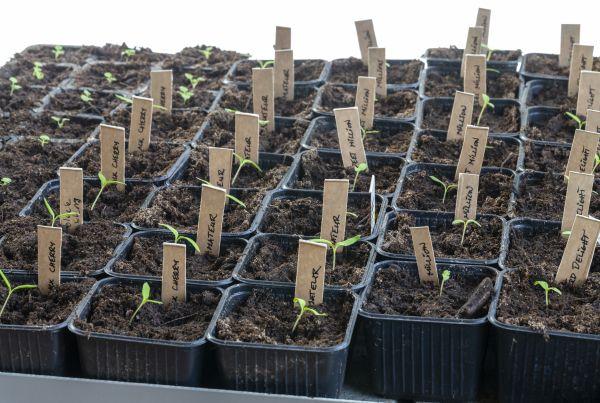
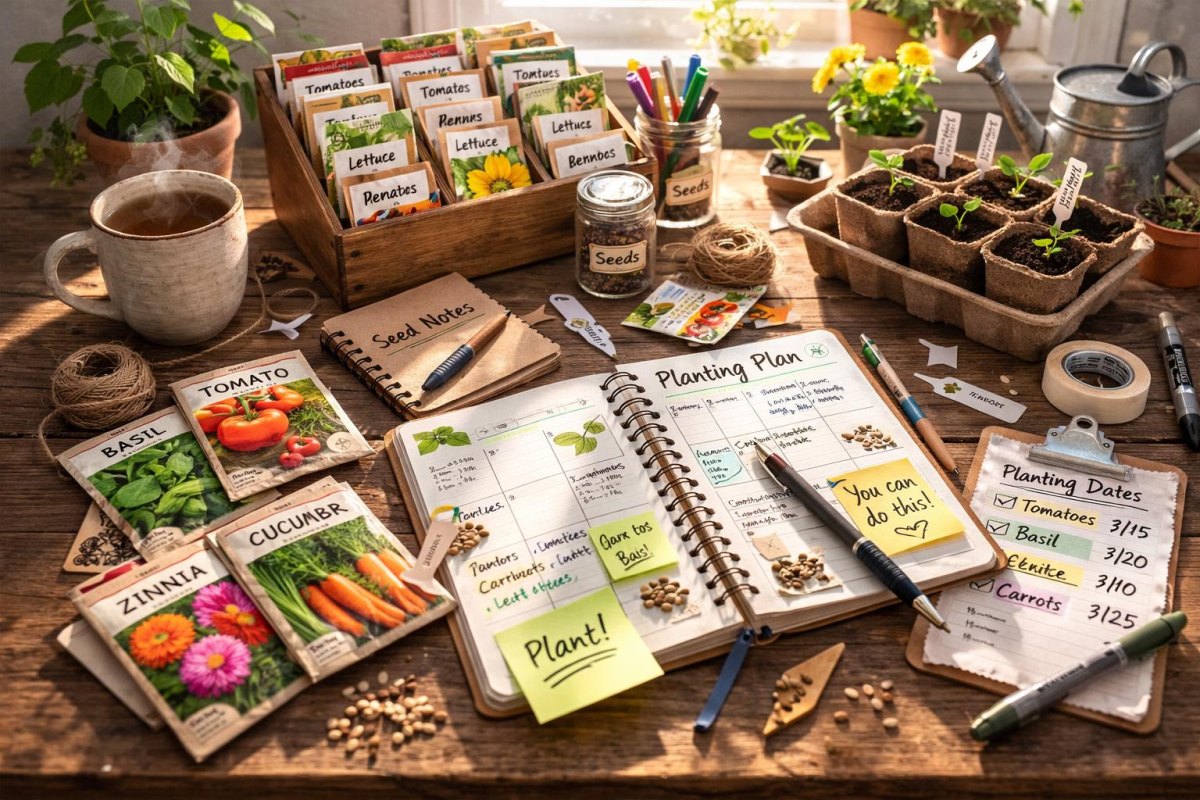
I label everything before the first seed goes in. After twenty trays look green, memory becomes a terrible gardening tool. My notebook records variety, date planted, germination notes, and whether each crop deserved garden space.
- Variety name recorded
- Sowing date written down
- Tray location marked
Using Heat Mats for Faster Germination
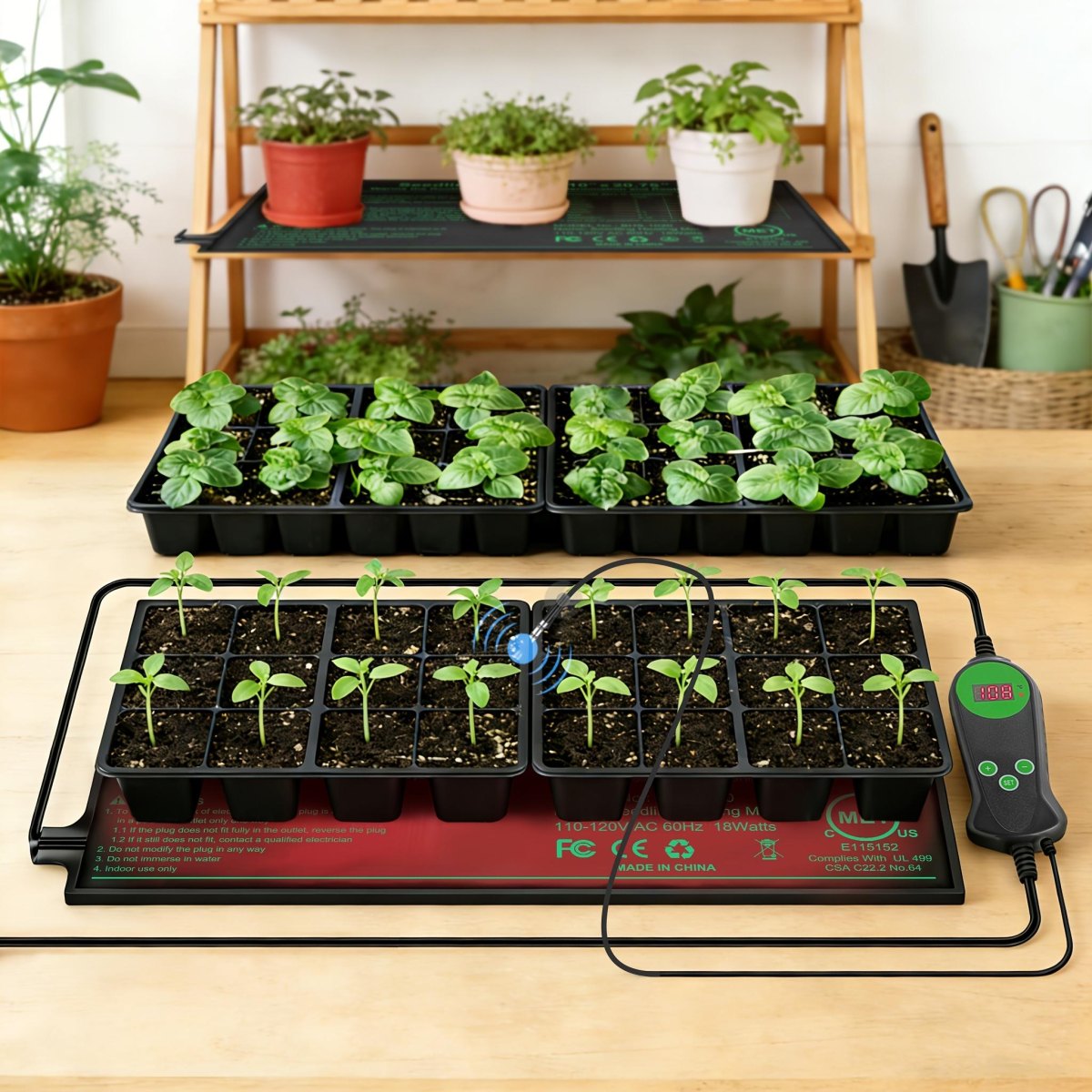
Heat mats are useful for warm-season crops that prefer warmer soil than my basement naturally provides. I use them selectively because not every seed needs extra heat, and temperature should match the crop rather than a blanket rule.
Worth the purchase?
For peppers and other warmth-loving seeds, a heat mat has been more useful than buying more trays.
Hardening Off Seedlings Before Planting
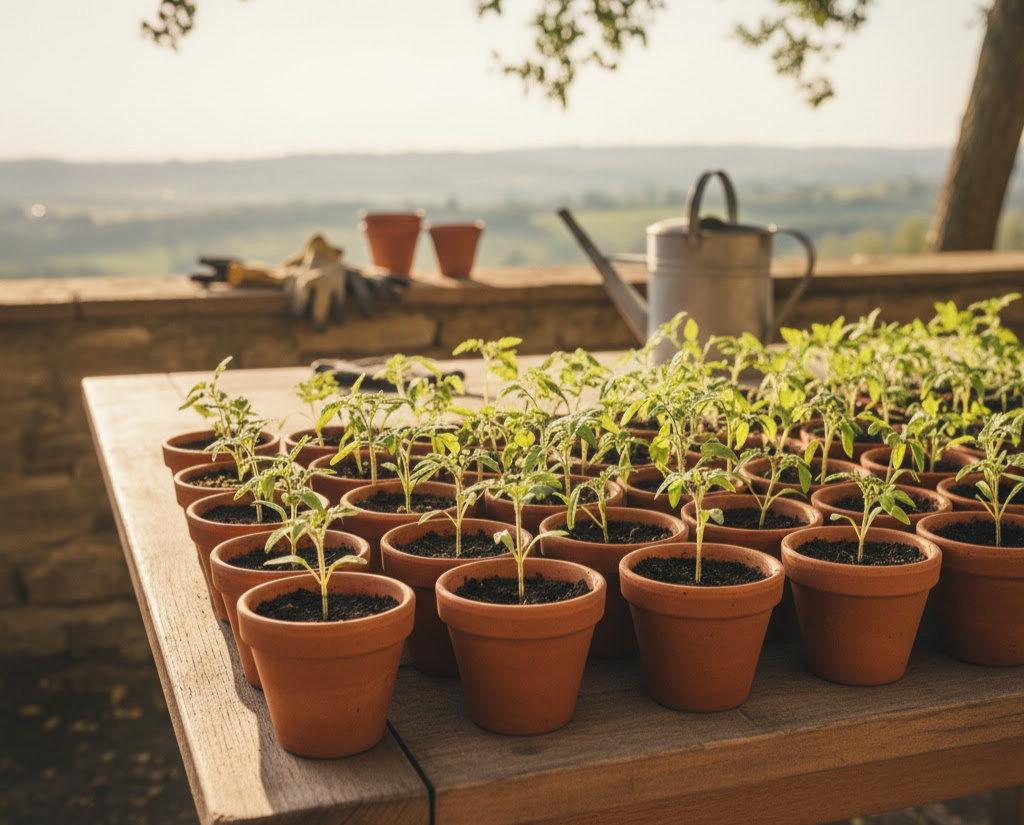
Hardening off is the bridge between my protected basement seedlings and the real garden. In zone 7a Boise, I count from my own frost dates instead of trusting a calendar, because wind and temperature swings can be brutal.
Starting Seeds in Soil Blocks
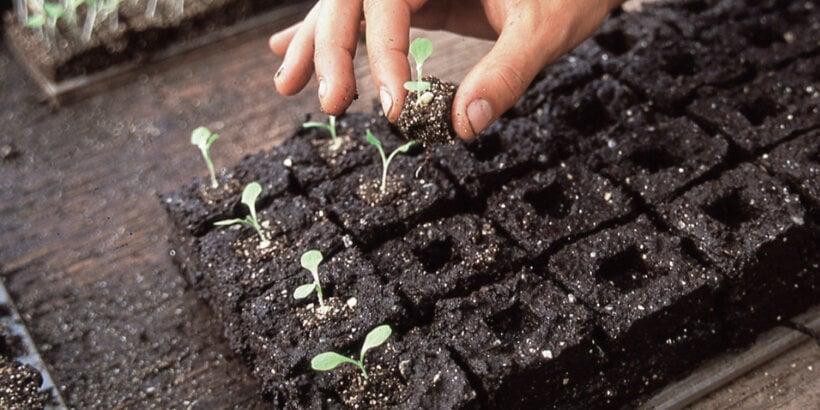
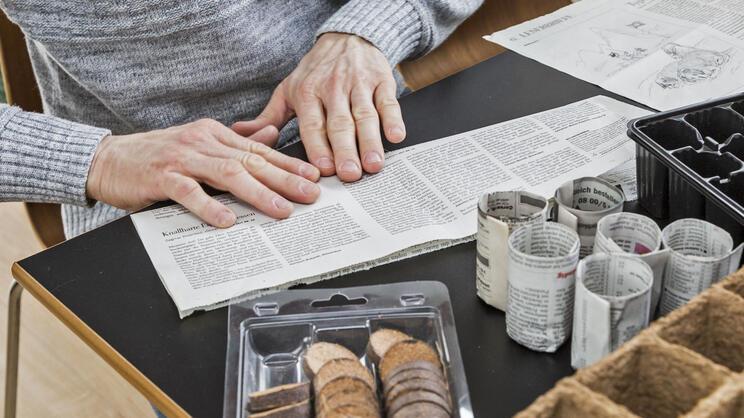
Soil blocks are my favorite plastic-saving method when I have time to make them. The compressed cubes allow roots to air-prune instead of circling, though they require careful watering because exposed blocks dry faster.
Healthy seedlings come from paying attention to small details.
Hallie Renner garden notes
Saving Seeds for Future Planting
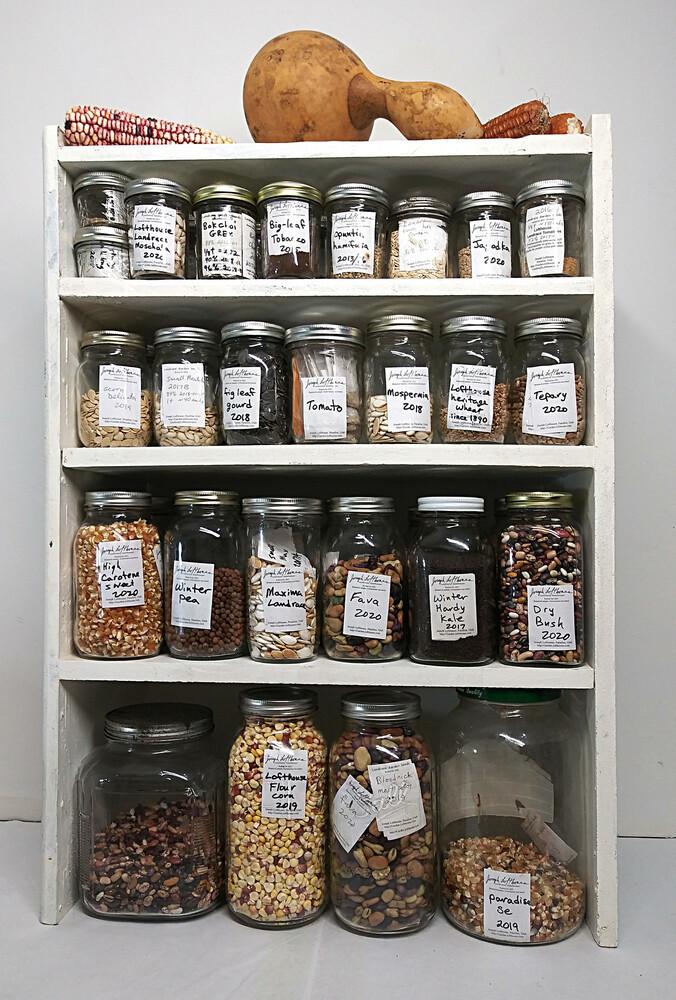
I save seeds from varieties that performed well in my garden, not just because they are free. I dry seeds thoroughly, label them clearly, and store them cool and dry so next season starts with fewer surprises.
My reminder
Write the variety and harvest year on every packet.
Creating a Succession Seed Starting Plan
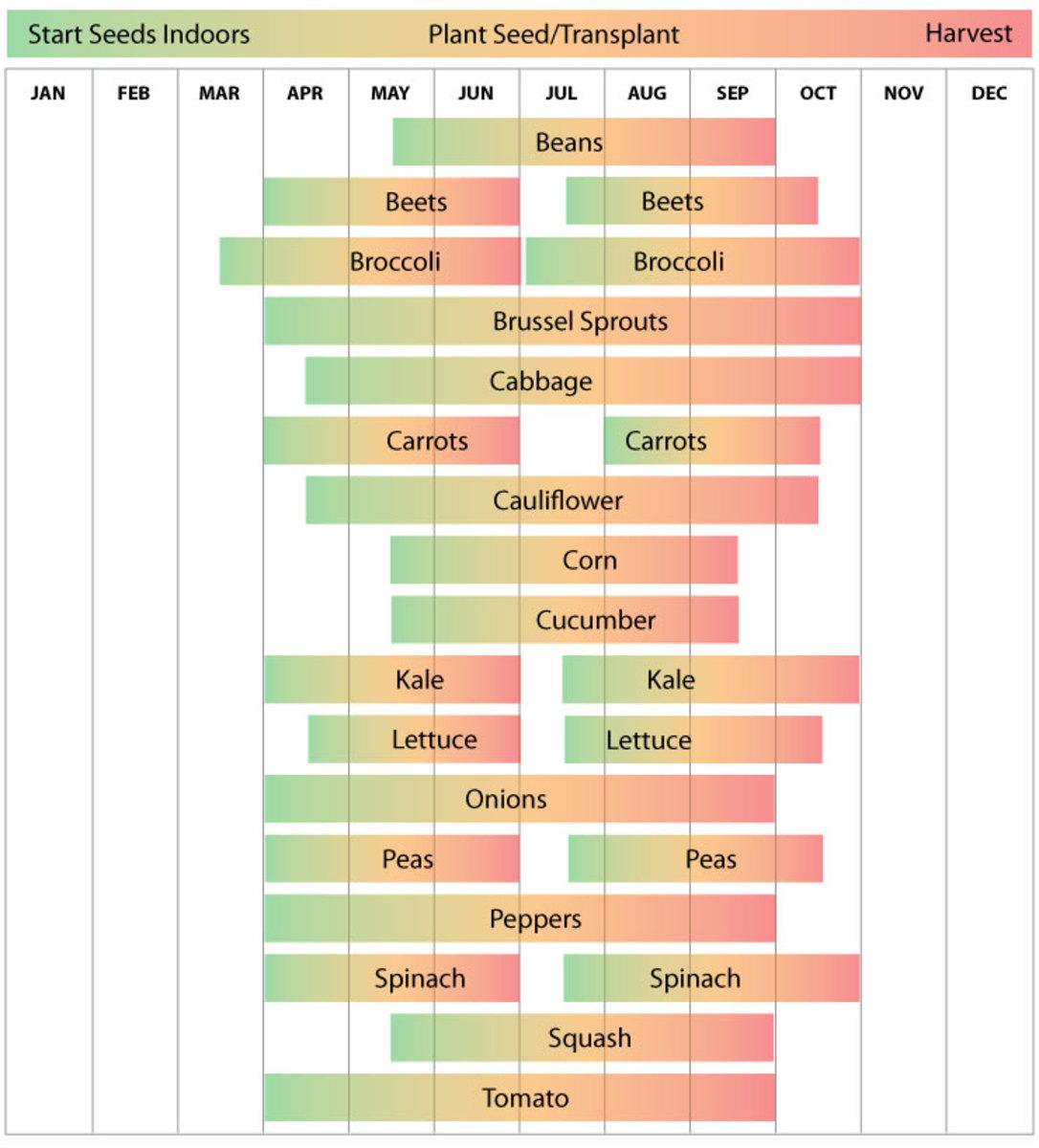
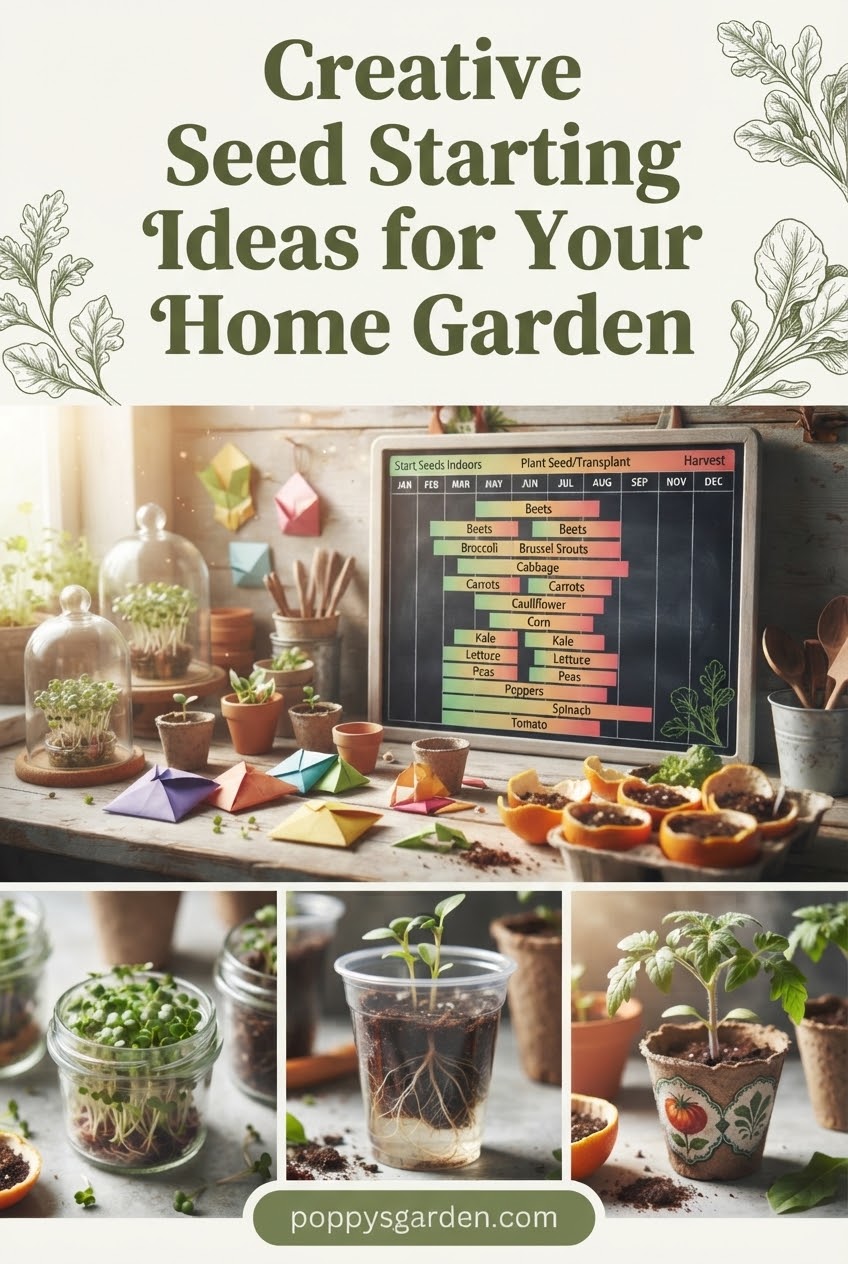
Succession planting keeps my garden productive instead of creating one huge harvest all at once. During my market-garden years, I learned that a calendar is only useful when it connects to actual frost dates, weather, and space.
- Early sowings: Cool-season crops timed from your frost date.
- Midseason sowings: Replacements for harvested plants.
- Late sowings: Crops chosen for remaining growing days.
More Pinterest Visuals



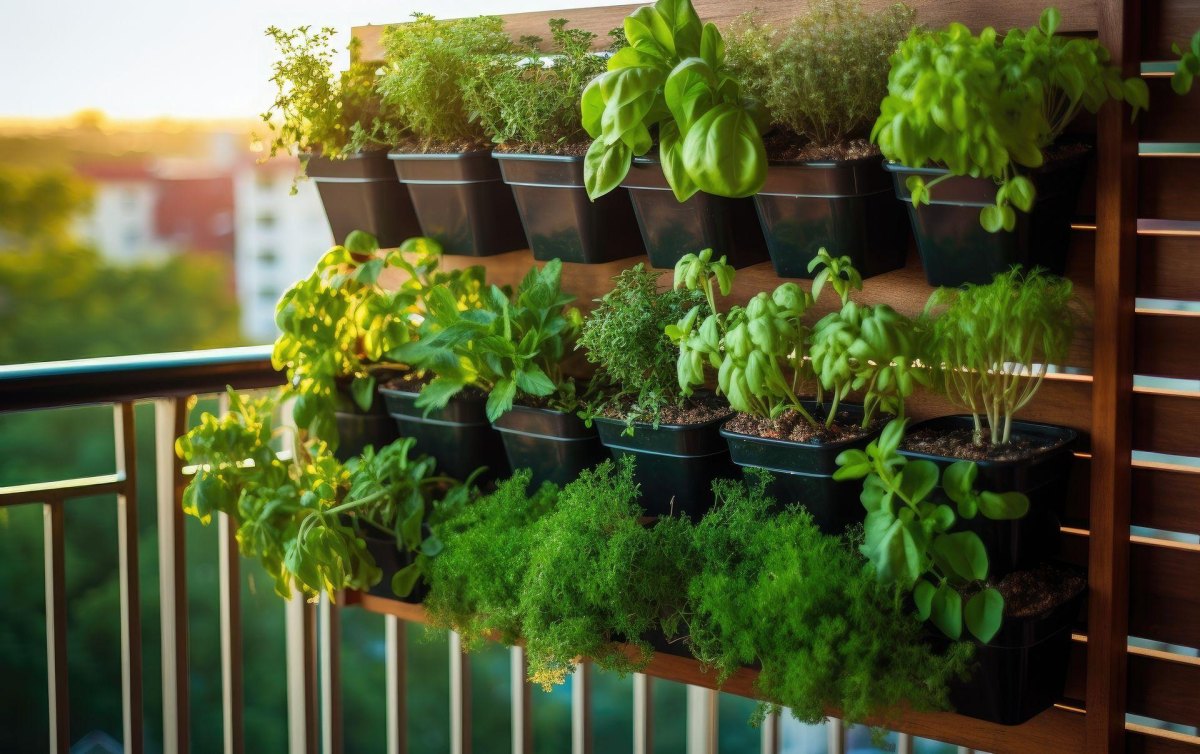 Balcony & Patio GardensSmall Space Garden Ideas That Make Every Inch Count
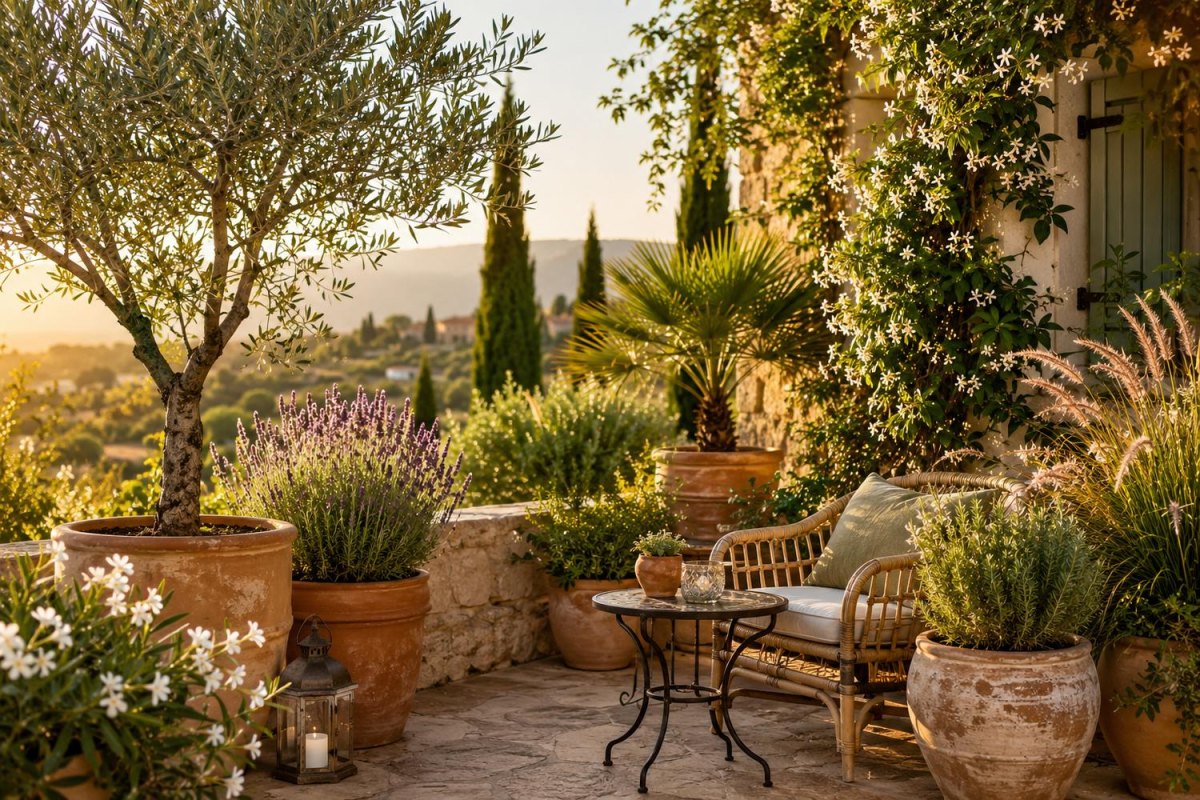 Balcony & Patio GardensKübelpflanzen für die Terrasse – 15 Ideen für ein grünes und blühendes Outdoor-Paradies
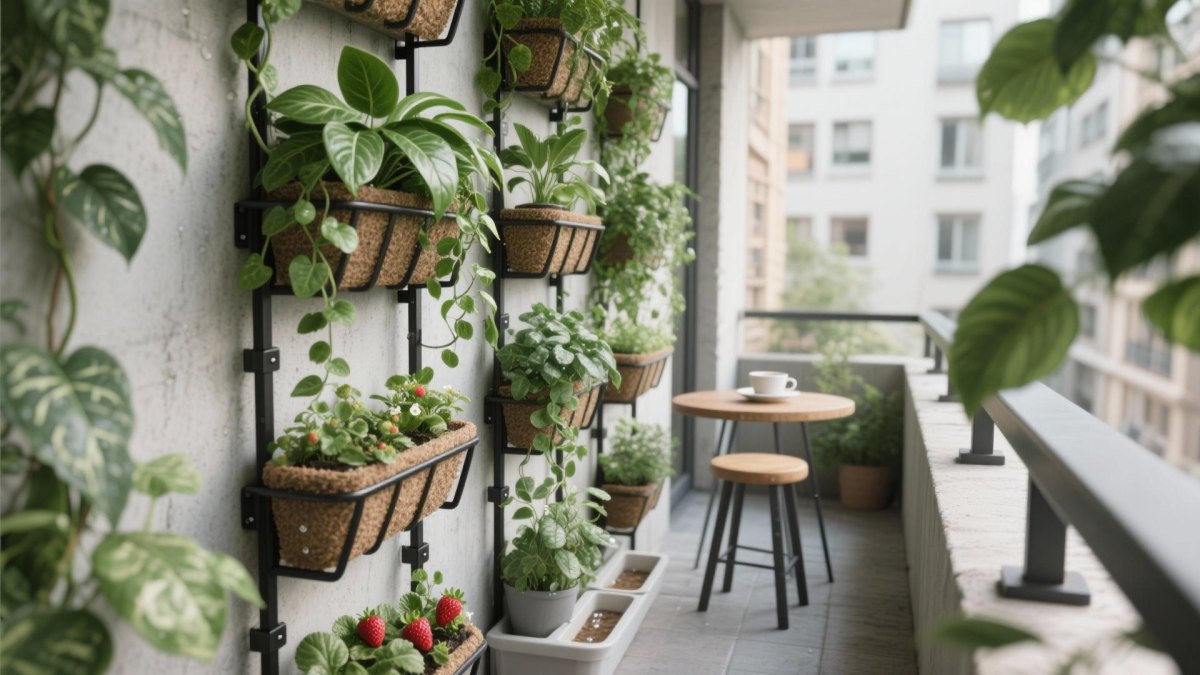 Balcony & Patio Gardens20 Balcony Garden Setup Ideas To Transform Your Outdoor
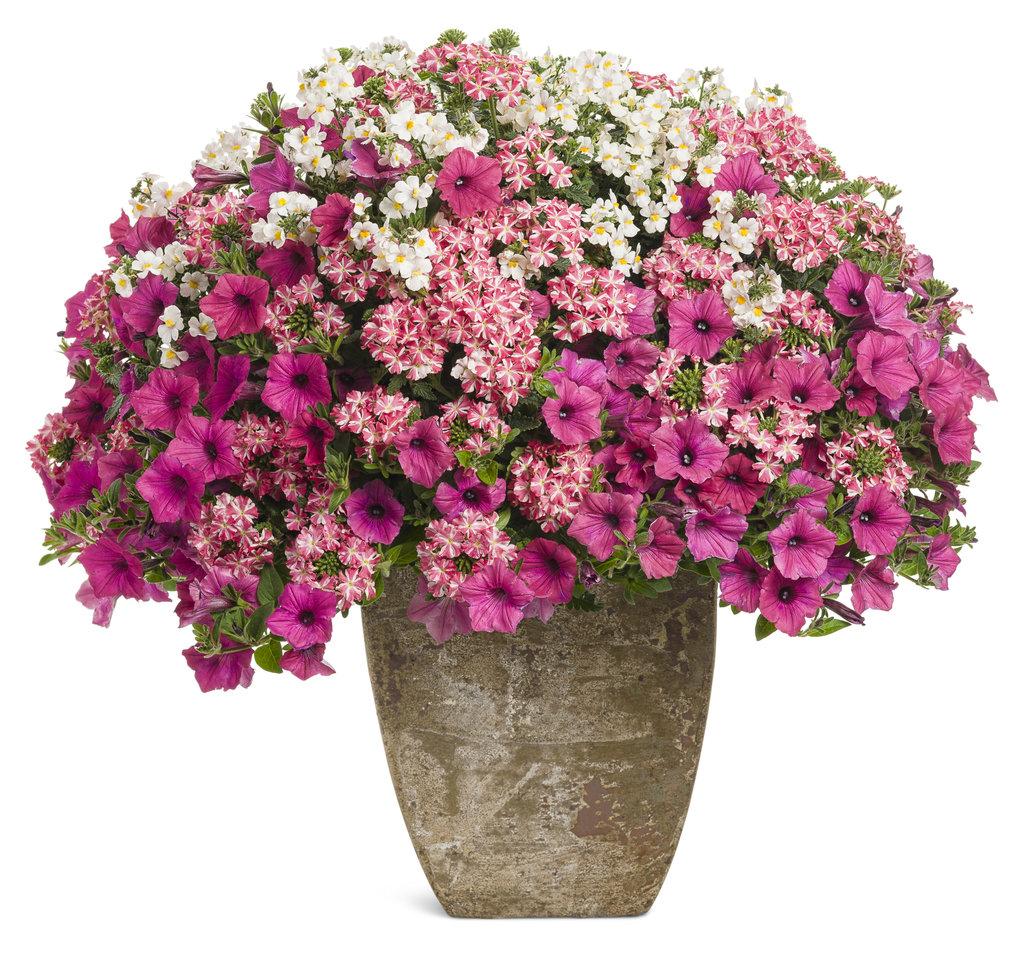 Seasonal & Flower Containers16 Beautiful Container Garden Flower Combinations That Work