
Starting seeds does not require a shelf full of expensive gear. In my Boise, Idaho zone 7a garden, with dry air, alkaline soil and about eleven inches of rain yearly, I have learned that a simple setup often beats a fancy one. I still count back from my own frost dates because your climate decides timing, not a generic calendar.
I tested many low-cost seed starting methods over the years, including during my trial garden work and in my basement grow-light setup. These are the ideas I would actually use again, with the mistakes included.
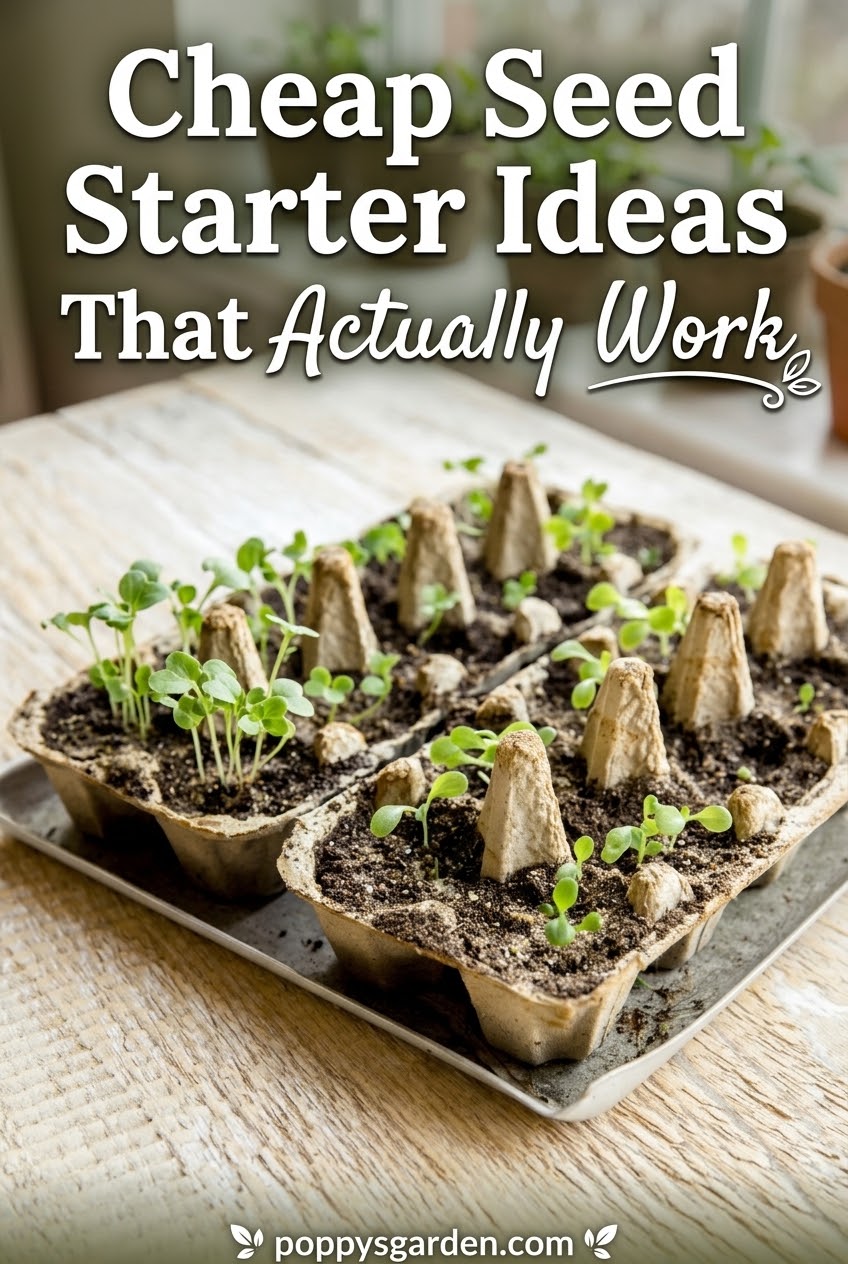
Egg Carton Seed Starters
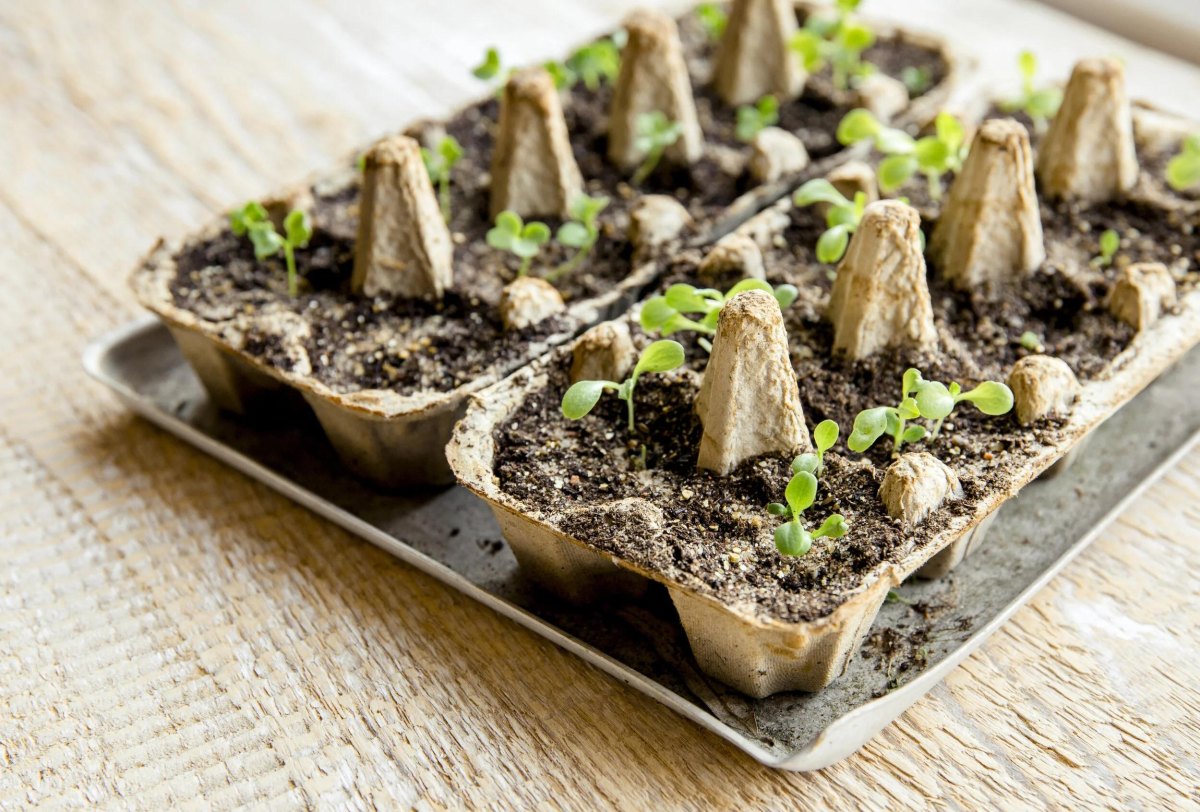
I have used cardboard egg cartons for small batches of flowers and herbs when I only needed a few plants. They are a good zero-cost starter option if you already have them.
The weak spot is moisture control. Cardboard dries quickly under my basement lights, so I check them daily.
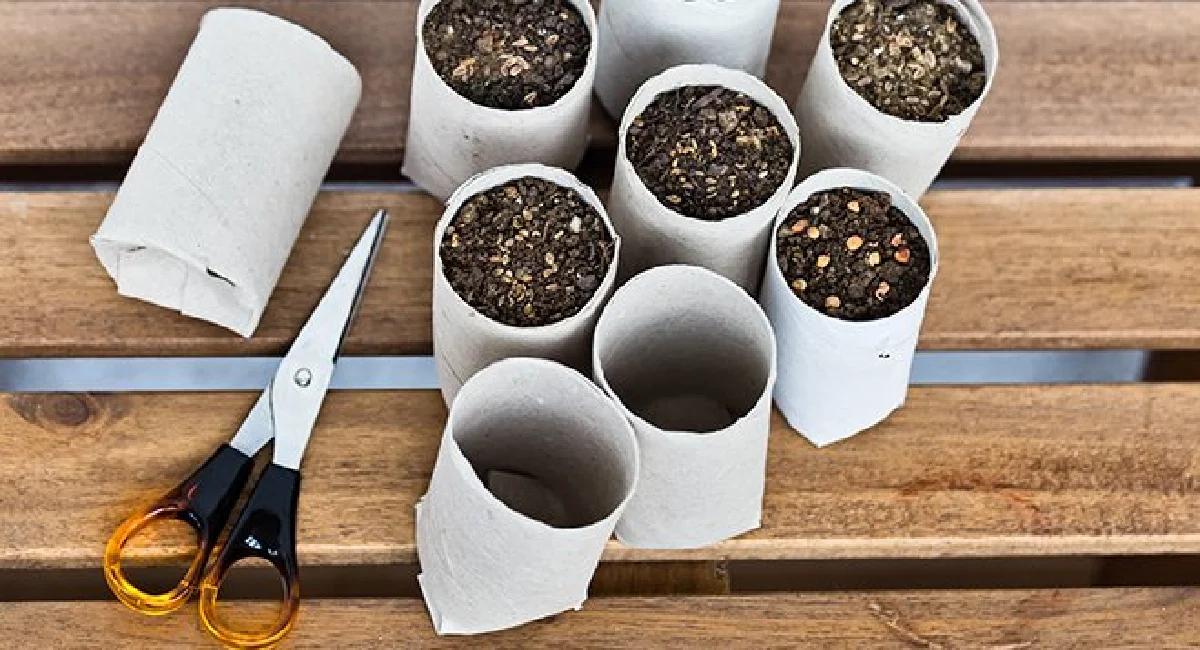
Toilet Paper Roll Seed Pots
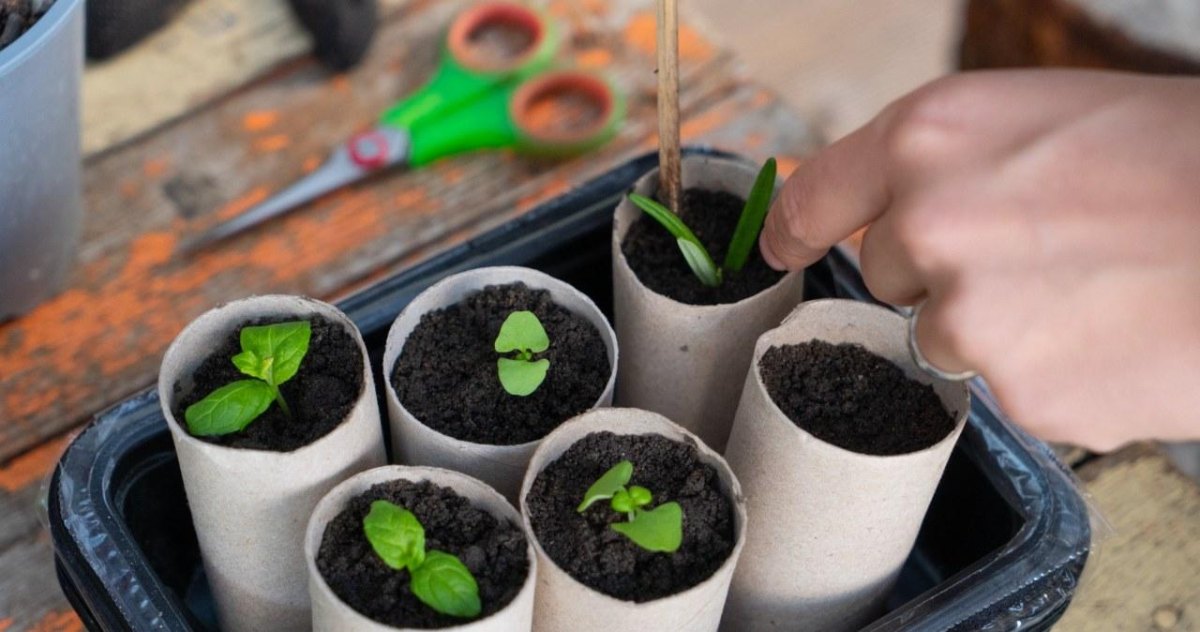
Toilet paper rolls are handy for crops that dislike root disturbance. I cut them down and fill them with seed mix for a recycled seed pot.
My reminder is to bury the cardboard edge when transplanting because exposed cardboard can wick moisture away.
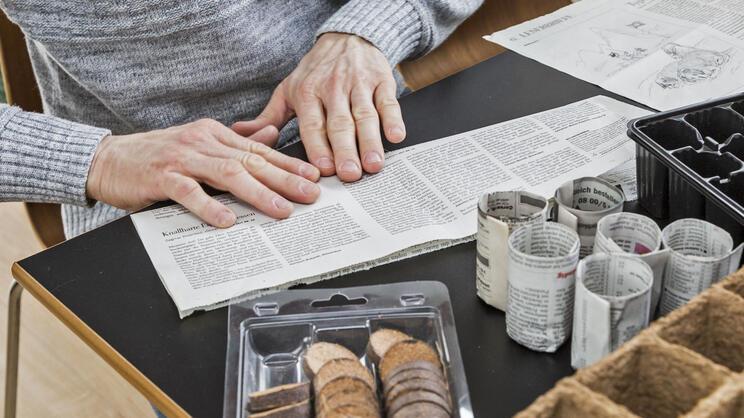
Newspaper Seedling Pots
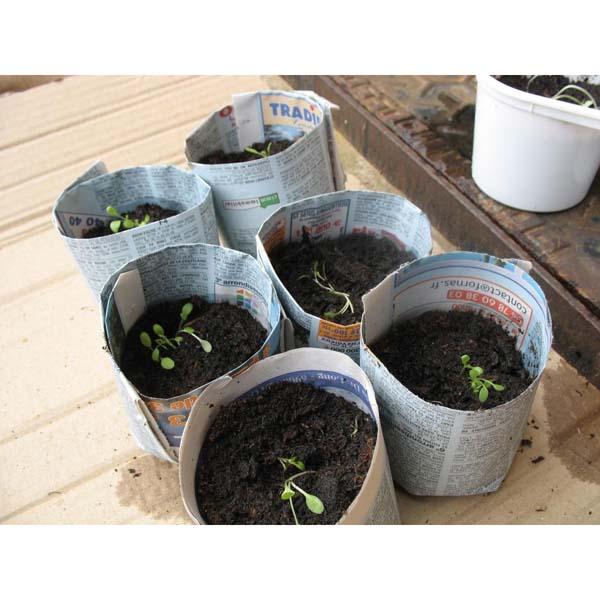
Making newspaper pots costs almost nothing and lets me create containers in the sizes I need. I use them most for larger seedlings that need extra root room.
I avoid glossy paper and only use clean newspaper suitable for garden use.
Yogurt Cup Seed Containers
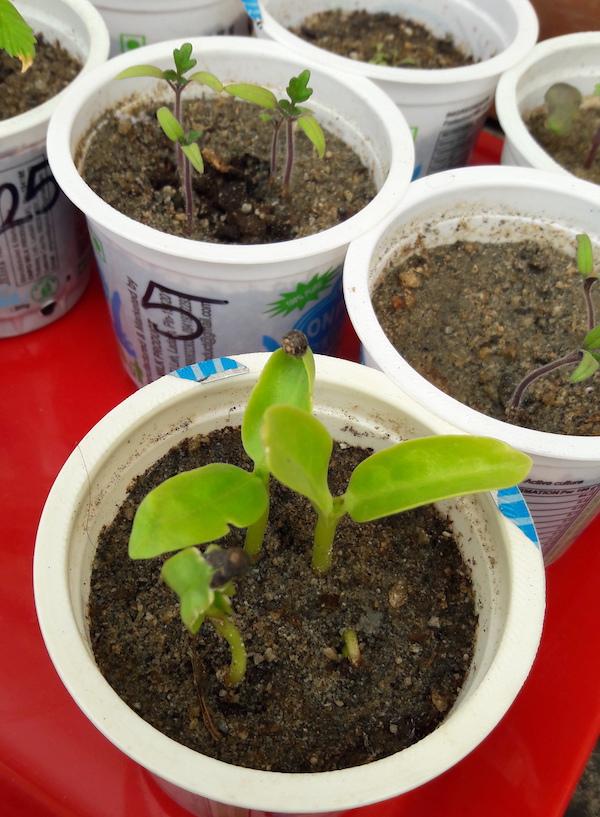
Clean yogurt cups are one of the most practical recycled seed containers I have tested. They last longer than cardboard and are excellent budget seed pots.
I always add drainage holes before adding seed-starting mix.
Plastic Bottle Mini Greenhouses
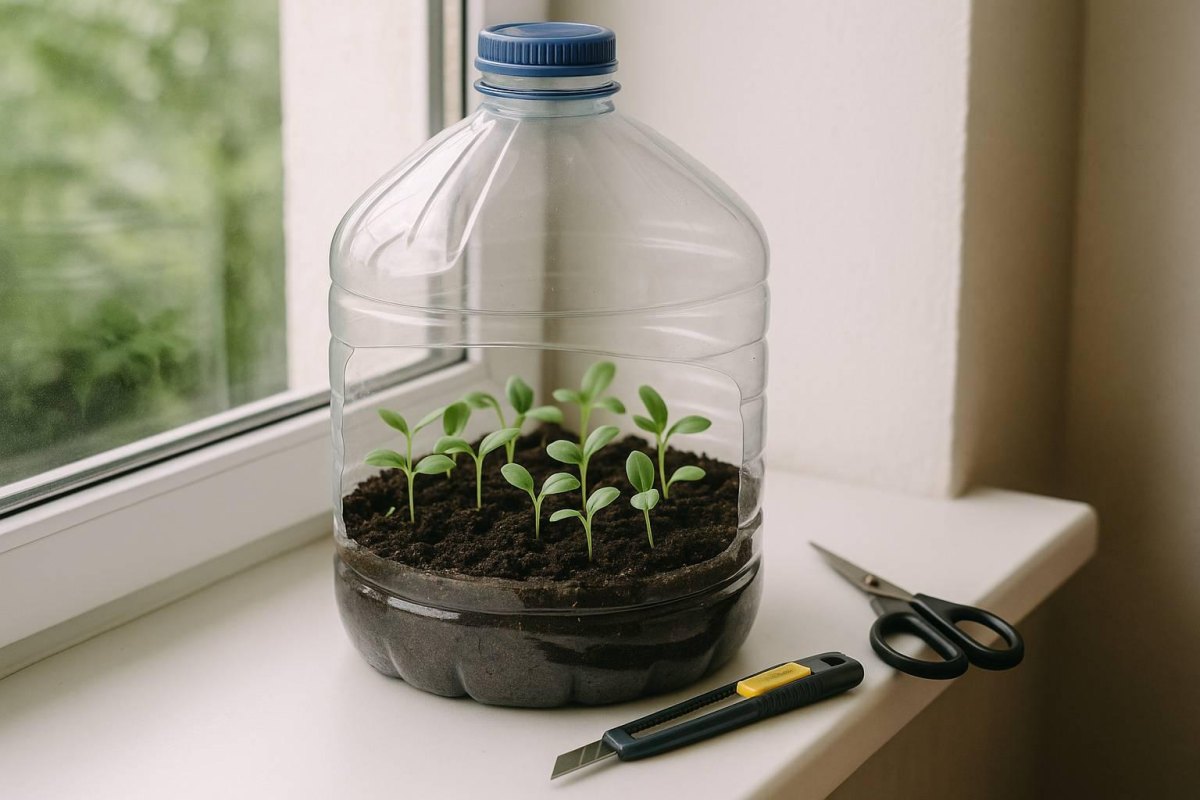
A clear plastic bottle can become a tiny greenhouse for protecting young plants. This works well when I need extra humidity during germination.
I remove covers once seedlings emerge because stagnant air encourages problems.
Ice Cube Tray Seed Starters
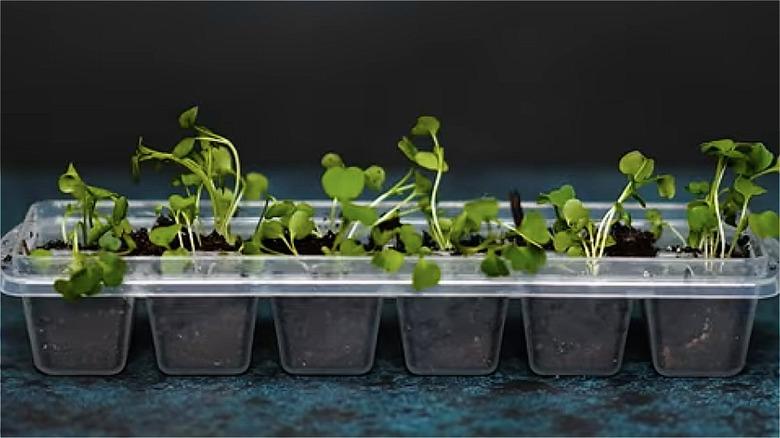
Ice cube trays are useful for tiny experiments, especially when I want to test a few seeds without wasting supplies. They are a small-space solution.
The challenge is that tiny cells dry quickly, so they need frequent attention.
DIY Soil Block Seed Starters
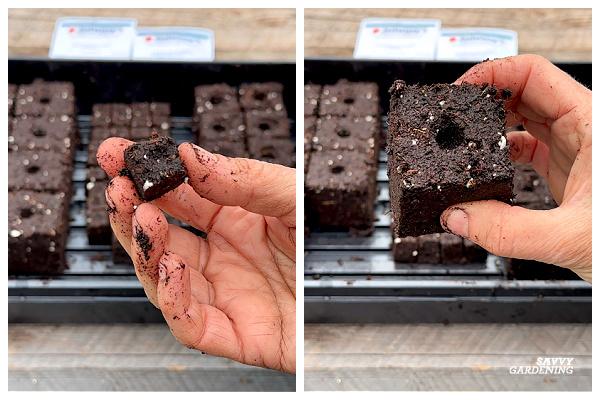
Soil blocks are one of my favorite low-waste methods because the soil becomes the container. Extension gardening resources note that soil blocks can support healthy root development and reduce transplant disturbance.
The upfront tool cost is higher, but the reusable system pays off for gardeners who start many plants.
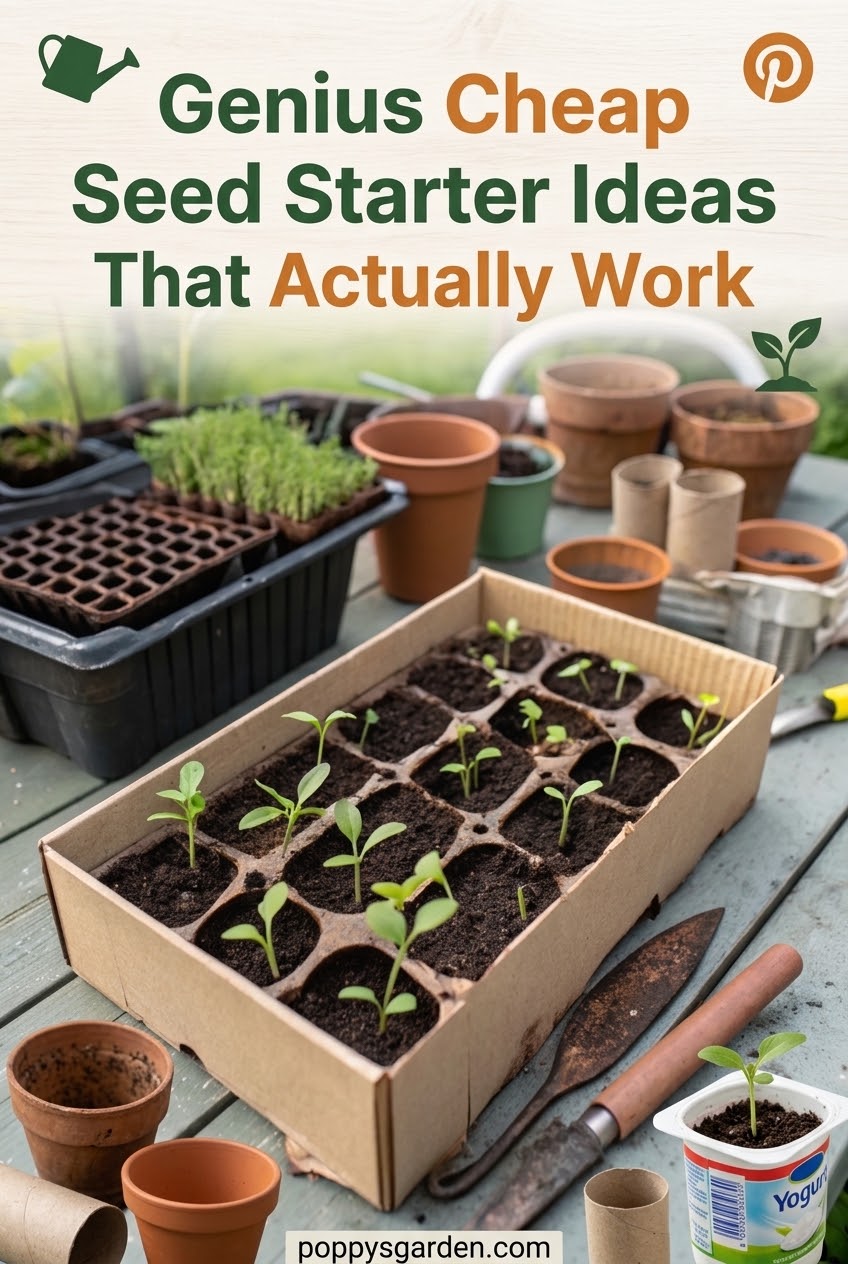
Cardboard Box Seed Trays
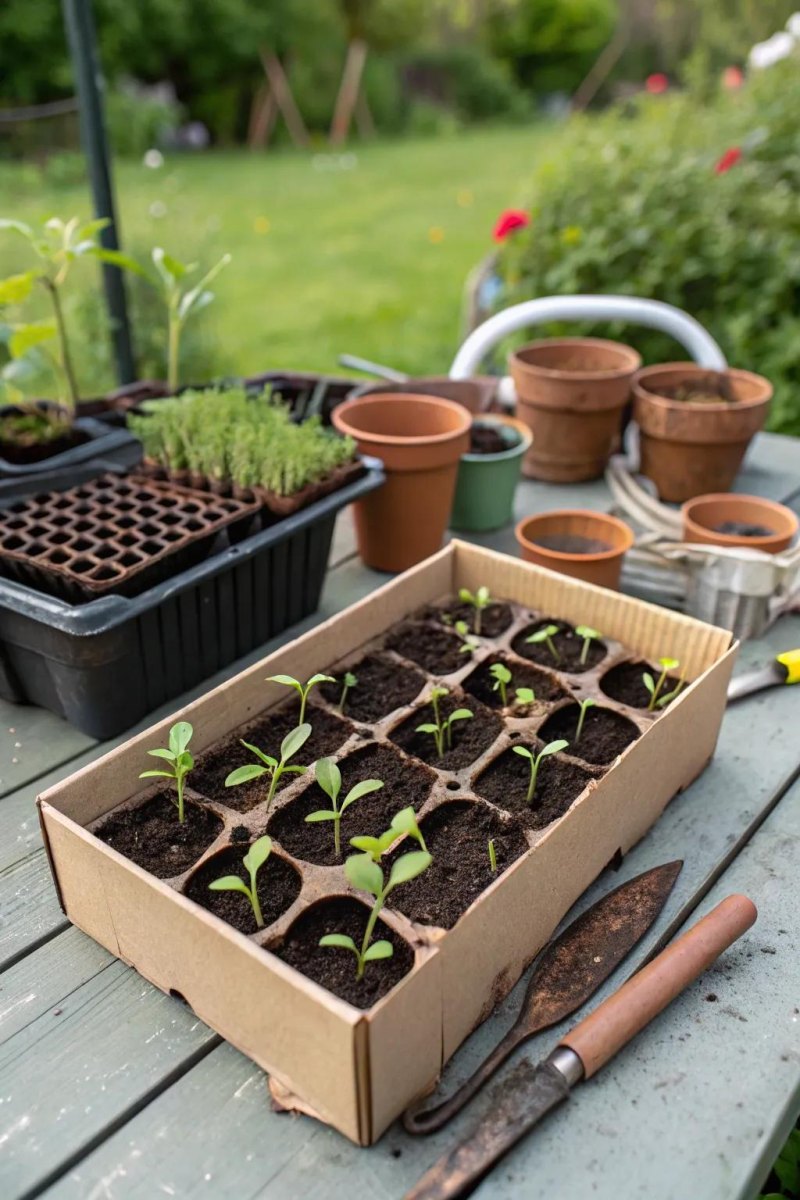
A shallow cardboard box can hold small pots or soil blocks when I need extra organization. It is a simple temporary seed tray.
I keep it away from standing water because cardboard eventually breaks down.
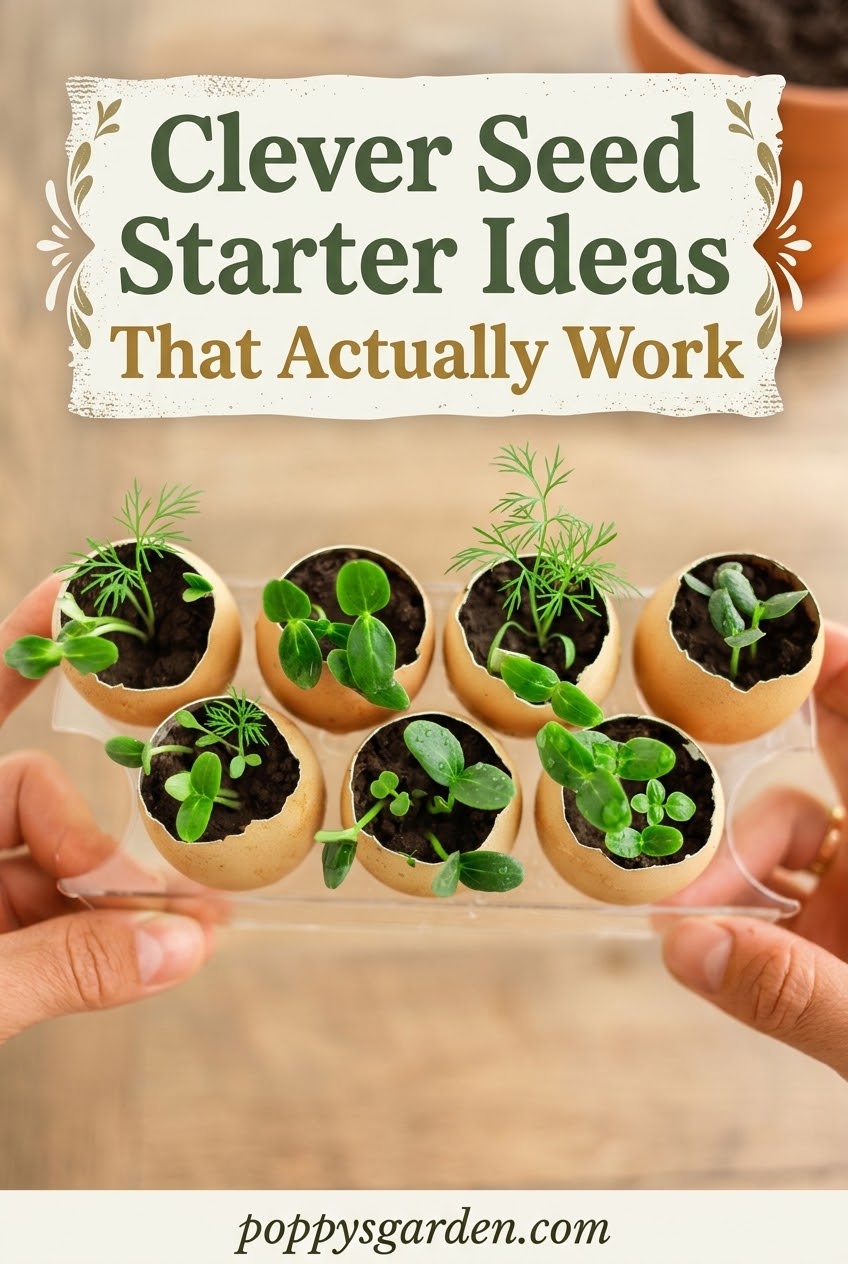
Eggshell Seedling Pots
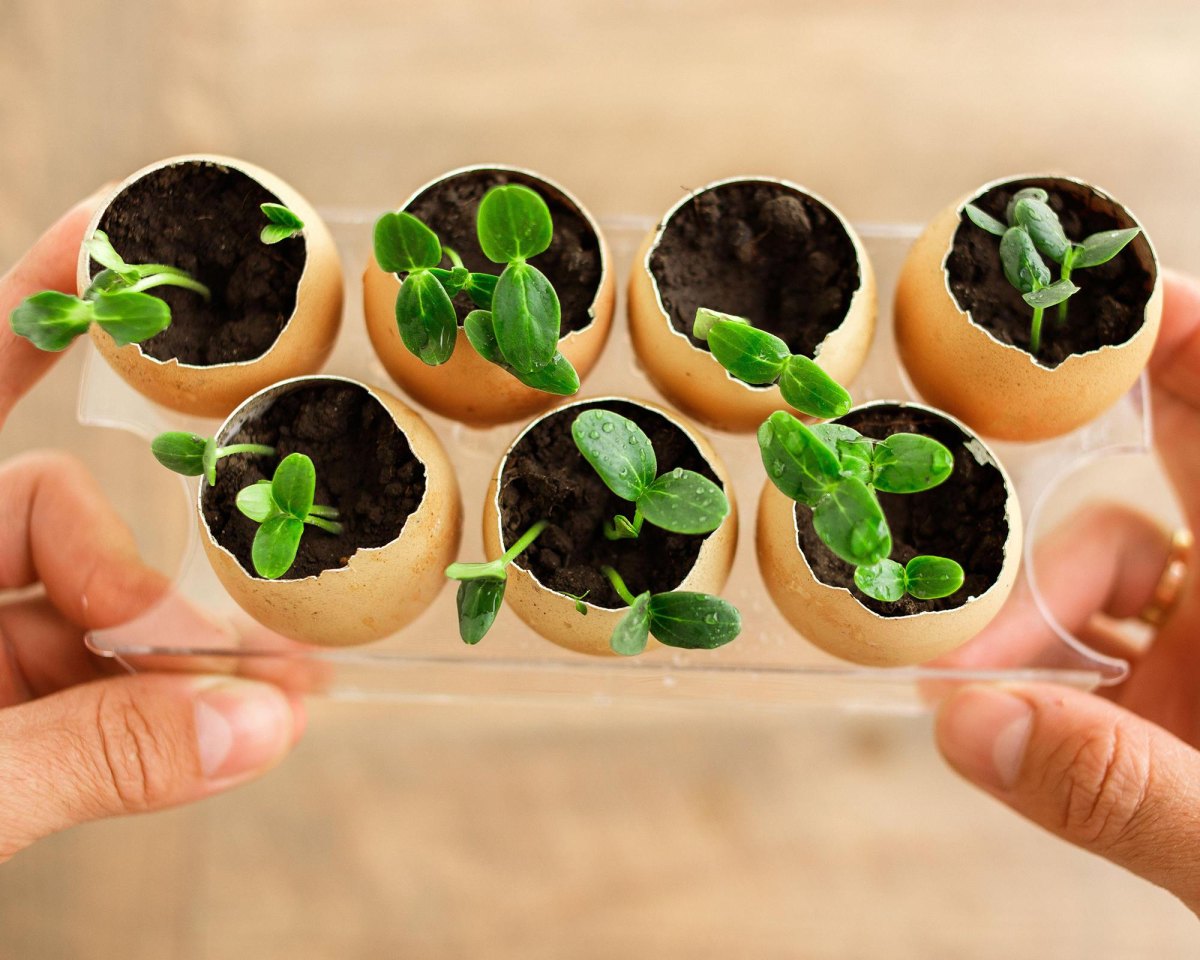
Eggshell pots are charming for small seedlings, but I consider them more of a fun project than my main system. They work best for tiny plants with short indoor stays.
My practical note: seedlings still need enough soil volume to grow well.
Mason Jar Seed Starting Setup
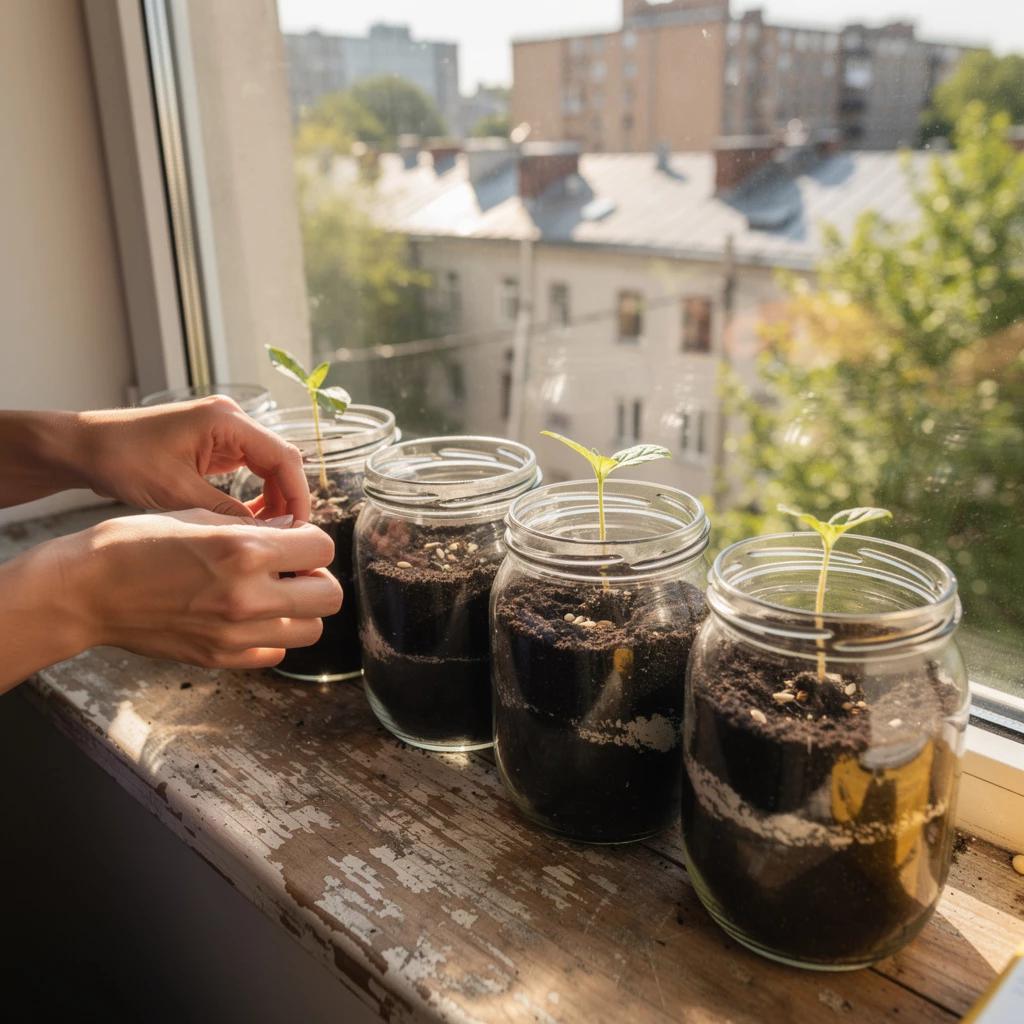
Mason jars are useful for observation projects, but they are not my first choice for most seedlings because drainage is difficult. I prefer containers with proper airflow.
I use jars more for watching germination than raising transplants.
Takeout Container Mini Seed Greenhouses
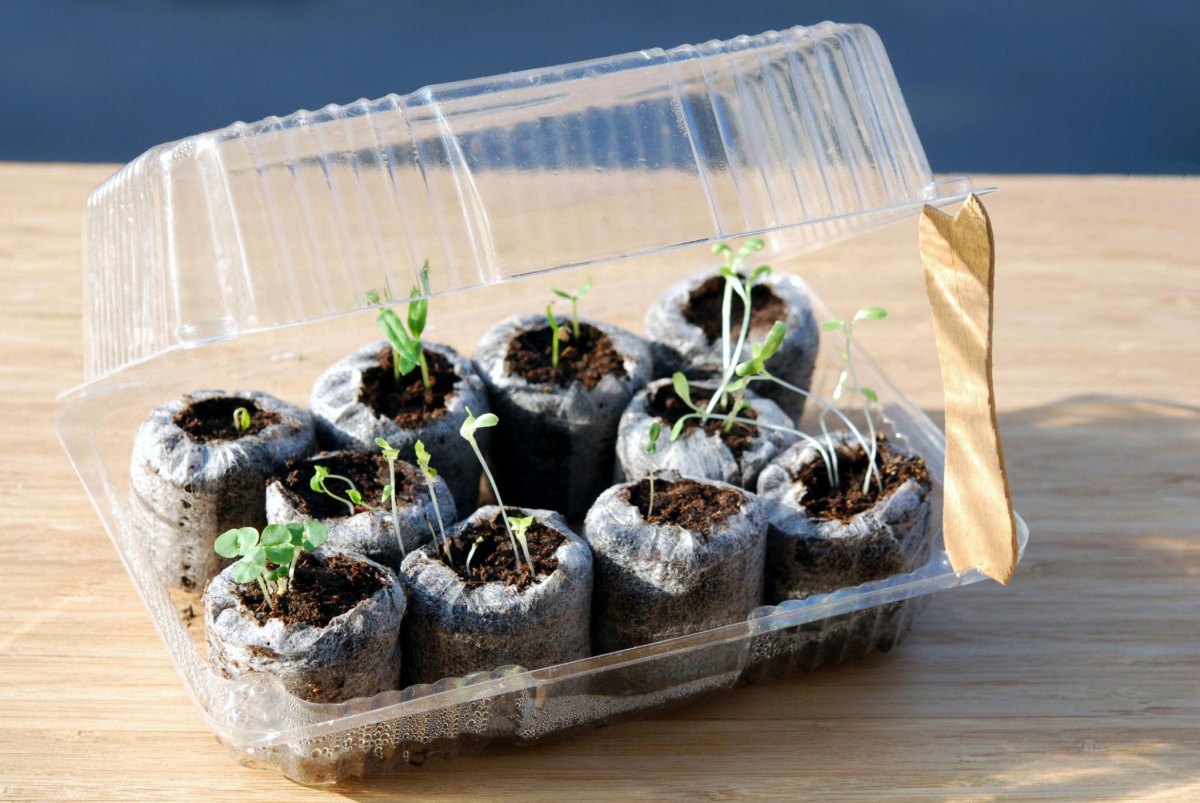
Clear takeout containers are one of my favorite free seed-starting supplies. They already have a lid and create a mini humidity chamber.
I wash them thoroughly and add drainage before planting.
Kitchen Sponge Seed Starters
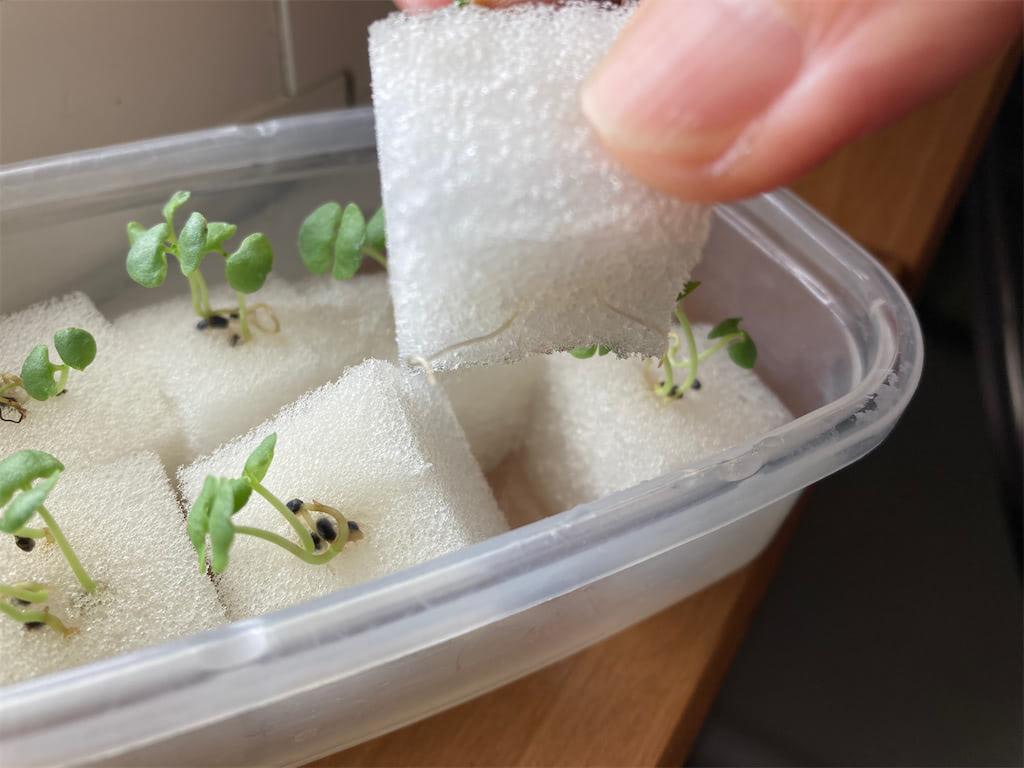
Sponge growing is better for demonstrations than a full garden season. I like it for showing kids how seeds germinate.
For transplanting vegetables, I still choose soil-based methods.
Repurposed Food Container Seed Trays
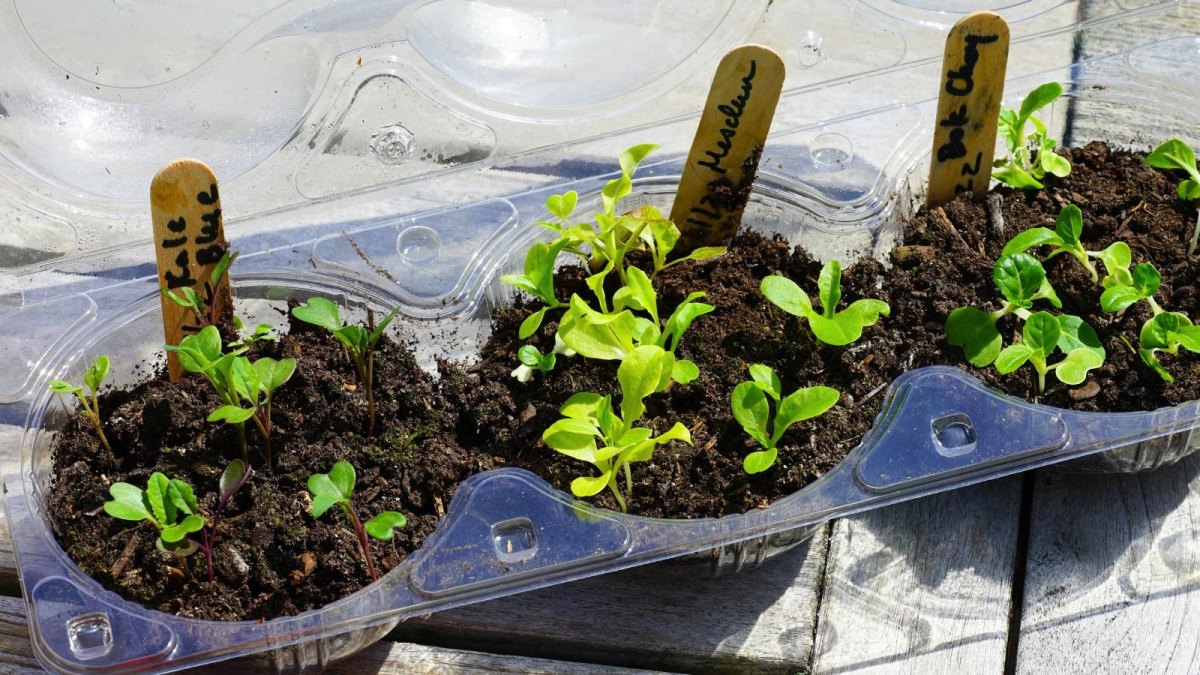
Food containers from salads and bakery items can become useful seed trays. They are inexpensive reusable containers when cleaned and modified.
I check that containers are sturdy enough to move without cracking.
DIY Wooden Seed Starting Trays
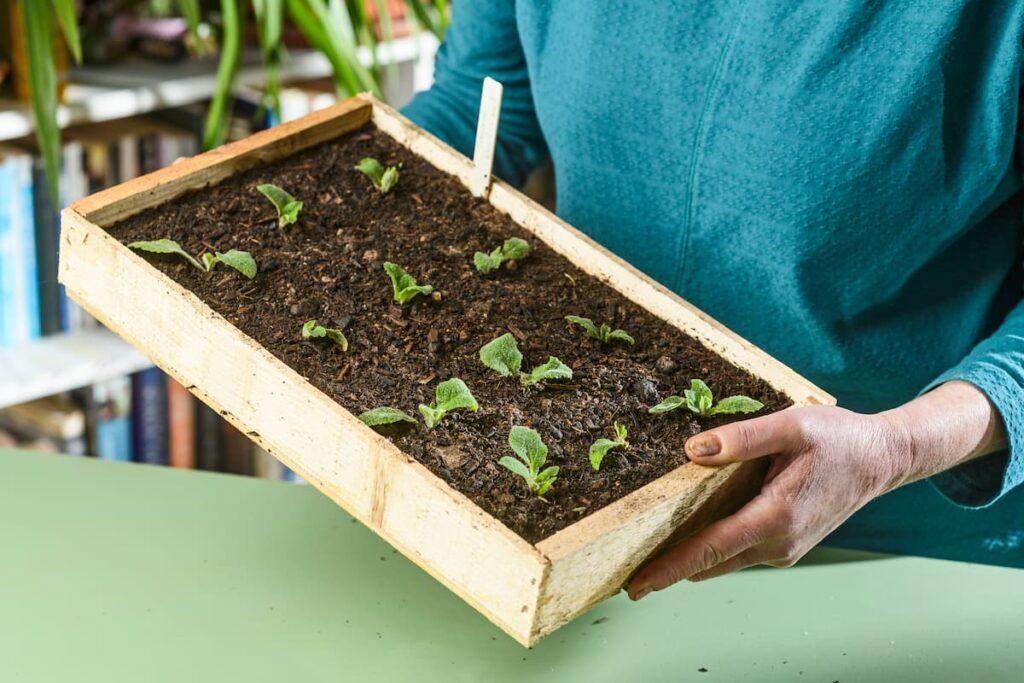
Wooden trays are a longer-term project for gardeners who start seeds every year. Wes built many of my garden structures, and I appreciate tools that last.
The key is choosing safe materials and avoiding treated wood not intended for food growing.
Reusable Silicone Seed Cups
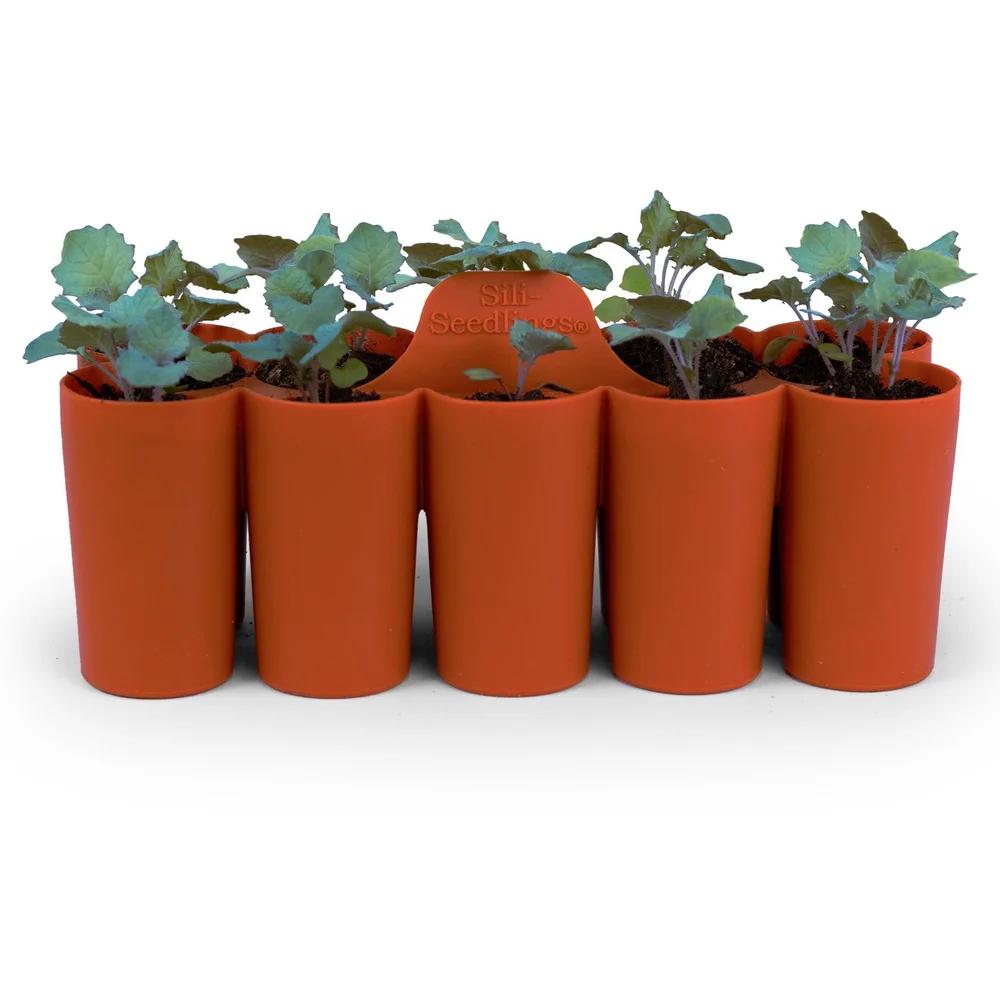
Silicone cups can be washed and reused season after season. They are convenient if you want repeatable seed starting without buying new pots.
I still prioritize drainage and correct soil moisture over the container itself.
Milk Jug Winter Seed Starters
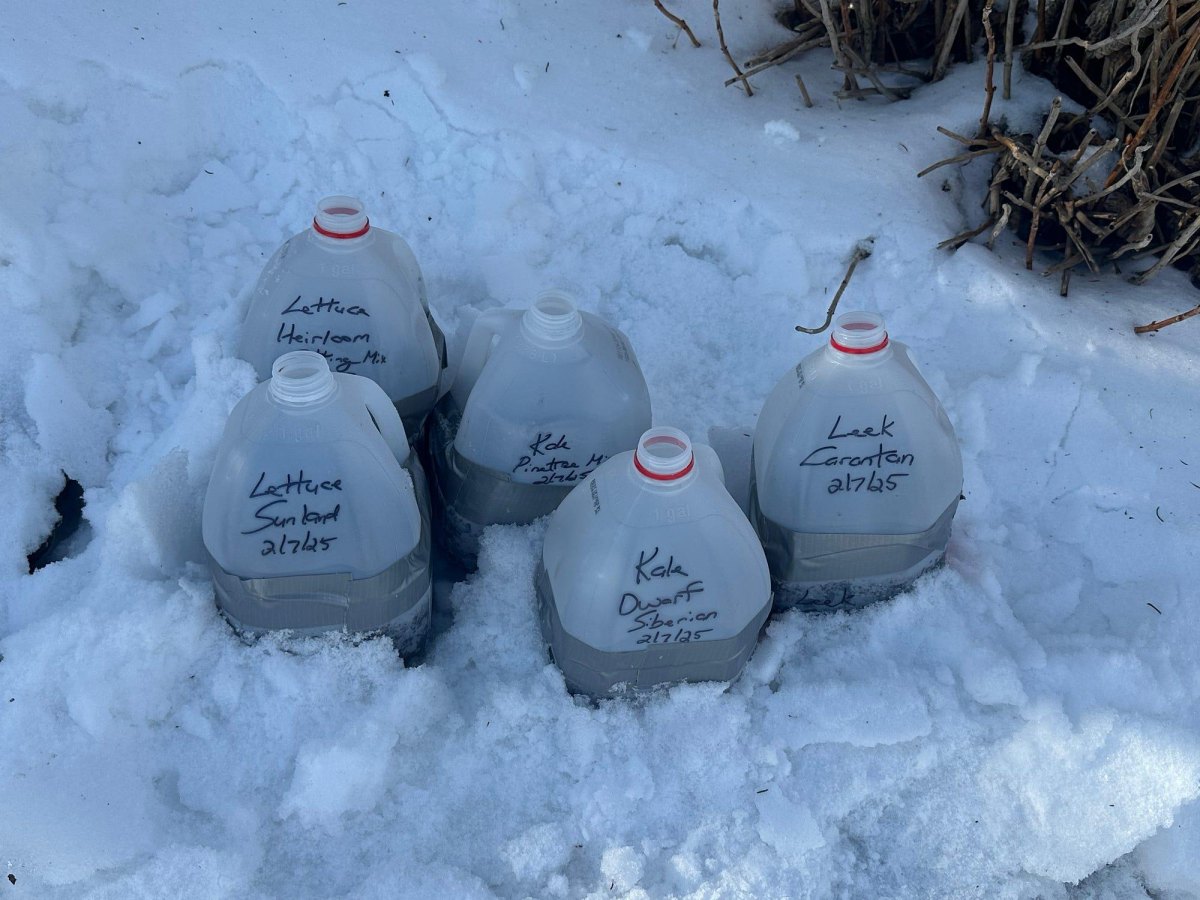
Milk jug winter sowing is one of the cleverest low-cost methods I have tried. Outdoor winter sowing uses containers like milk jugs to create protected growing spaces.
It is especially useful when indoor space is limited and you work from your own frost dates.
Paper Cup Seedling Pots
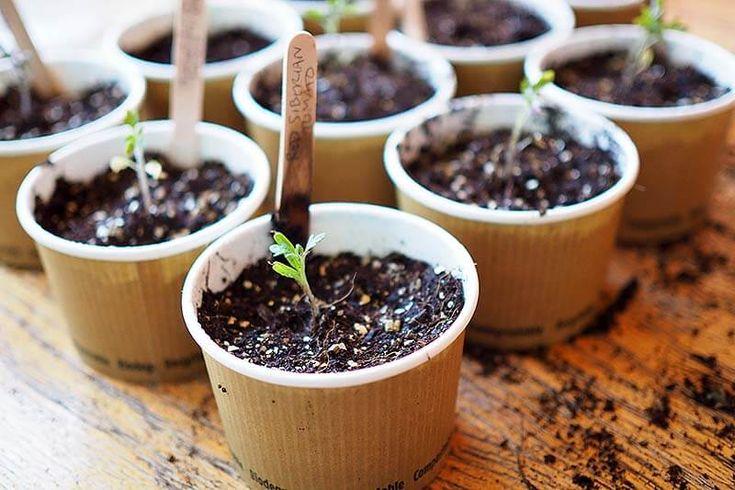
Paper cups are easy to find and work well for gardeners who need a few extra pots. They are a simple beginner choice.
I poke drainage holes and avoid letting them sit in water.
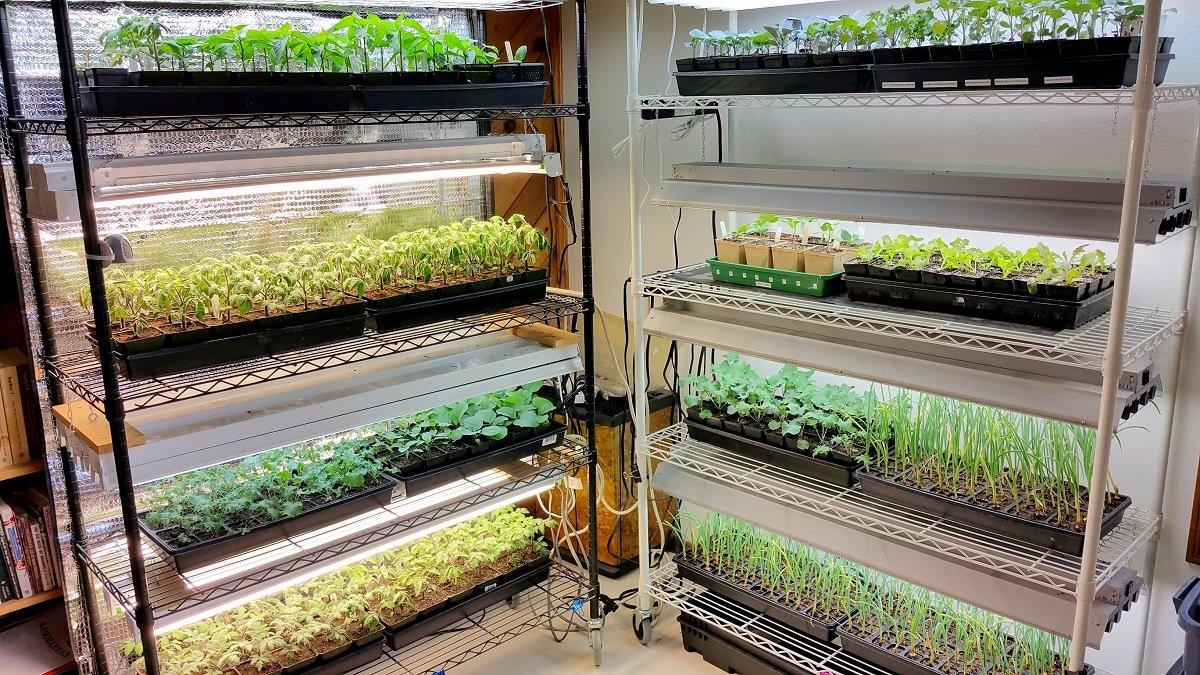
DIY Grow Light Seed Starter Station
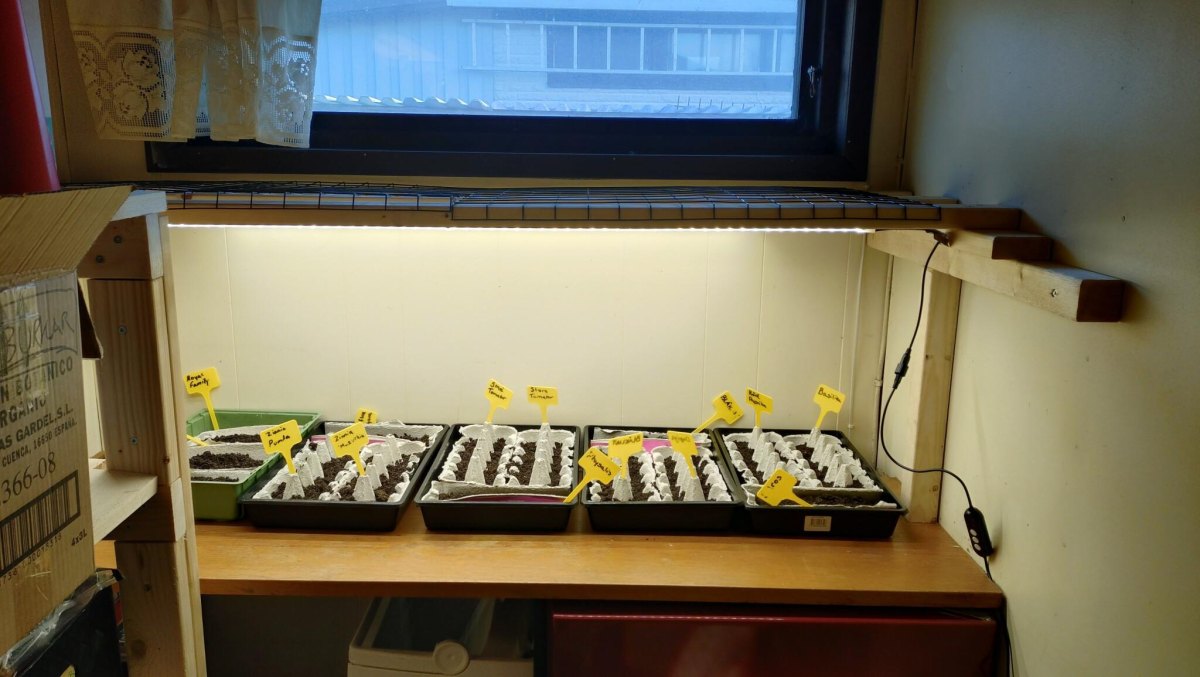
My basement grow lights are not fancy, but they produce sturdy seedlings because light quality matters more than decoration. I use a practical setup with shelves and timers.
For my climate, I start based on frost-date timing rather than a universal month.
Budget Seed Starting Shelf Setup
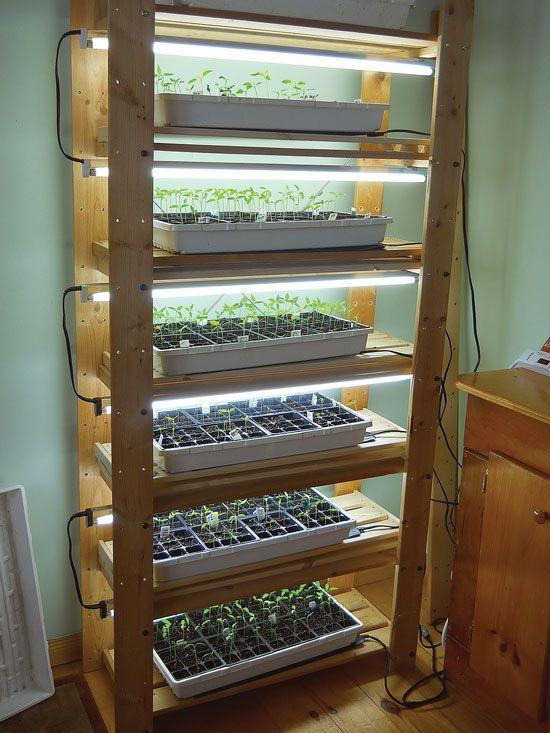
A budget shelf with reused trays, lights and careful records can grow hundreds of seedlings. My old trial-garden habit of recording results helps me decide what is worth the space.
I track germination, transplant success and cost instead of guessing.
More Pinterest Visuals



 Balcony & Patio GardensSmall Space Garden Ideas That Make Every Inch Count
 Balcony & Patio GardensKübelpflanzen für die Terrasse – 15 Ideen für ein grünes und blühendes Outdoor-Paradies
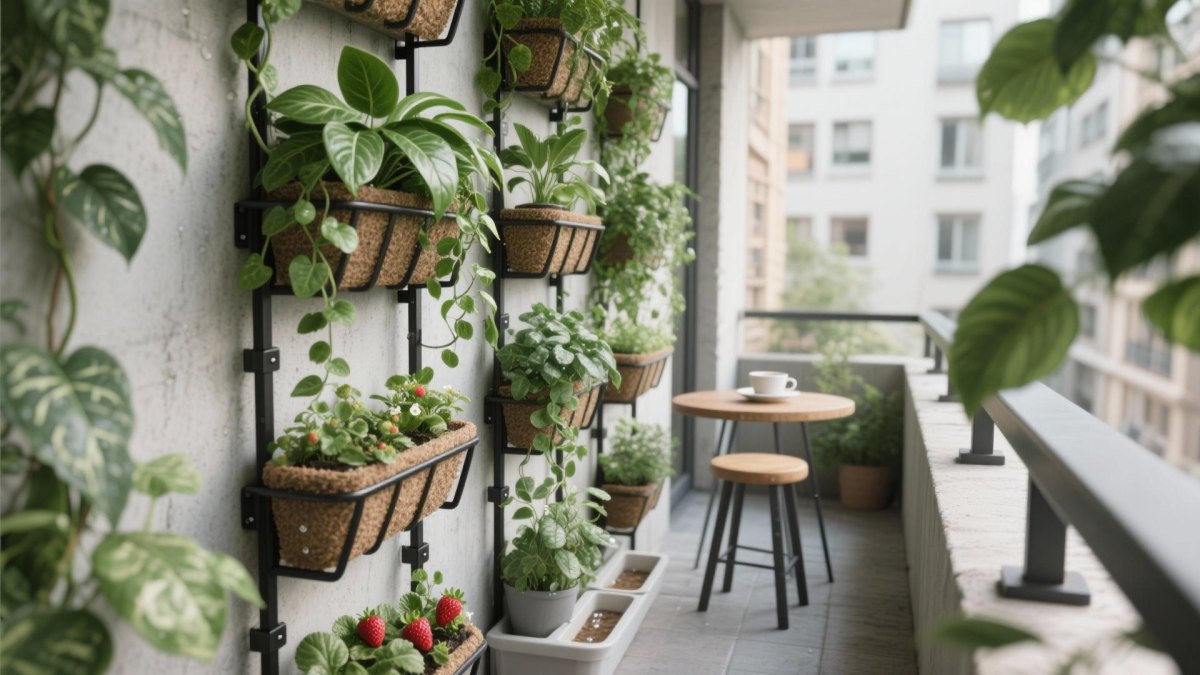 Balcony & Patio Gardens20 Balcony Garden Setup Ideas To Transform Your Outdoor
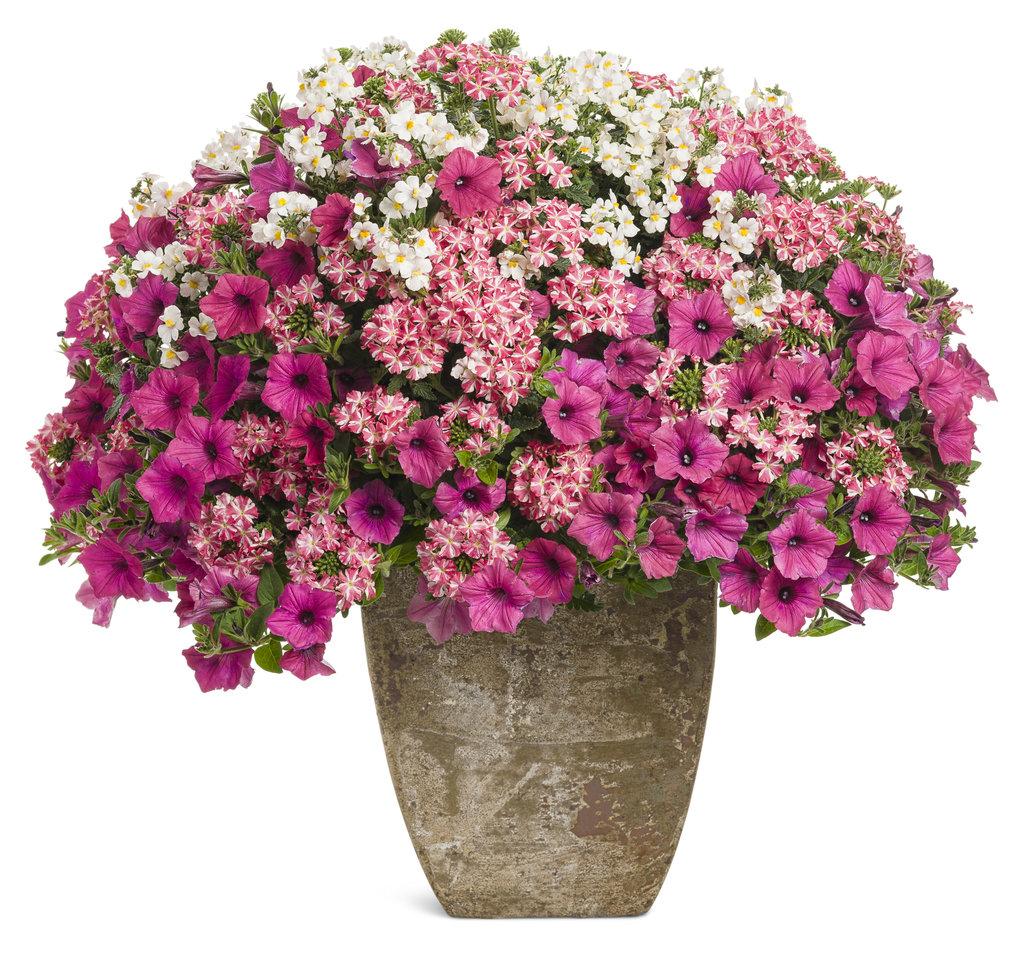 Seasonal & Flower Containers16 Beautiful Container Garden Flower Combinations That Work