

Mosquito season arrives differently in every garden, and I always start with the basics before reaching for anything else. In my Boise, Idaho zone 7a garden, where I deal with dry soil, intense summer heat, and only about eleven inches of annual rainfall, I focus on plants that earn their space by doing more than one job.
These mosquito repellent plants are not magic shields that create an insect-free bubble, but many contain aromatic oils that mosquitoes dislike. I have found the best results come from combining healthy plants, removing standing water, and using good garden habits.
Quick guide to mosquito repellent plants
- Choose aromatic herbs and flowers that release fragrant oils.
- Grow plants near seating areas where their scents are noticeable.
- Use containers if your soil or climate makes planting difficult.
Citronella Grass: The Classic Mosquito Repellent Plant
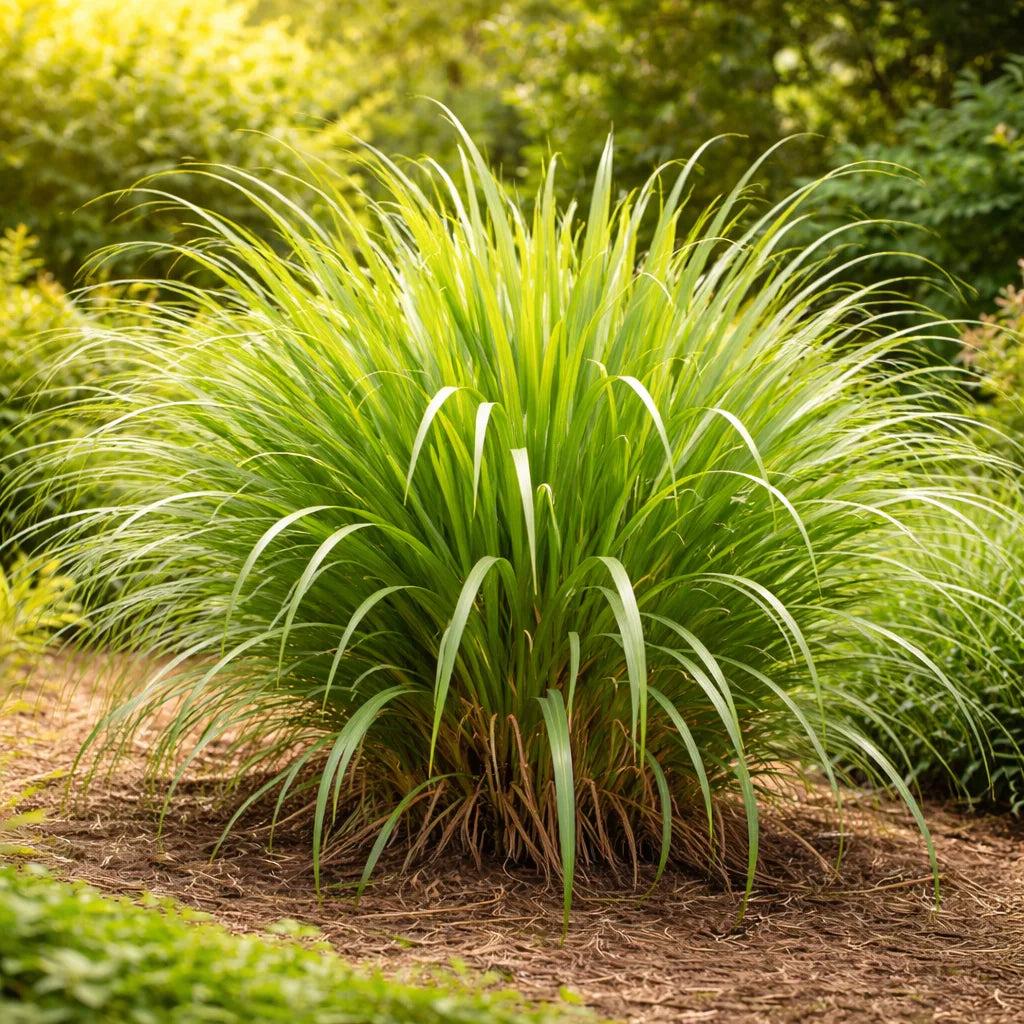
Citronella grass is probably the plant most people associate with mosquito control. The scent comes from citronella oil, which is used in many commercial repellents, although a living plant will not provide the same concentrated effect as extracted oil.
I have grown citronella-scented plants in containers along my south wall because our Idaho heat dries the soil quickly. True citronella grass is tropical, so I treat it as an annual or overwinter it indoors rather than expecting it to survive our winters.
| Growing detail | My notes |
|---|---|
| Best location | Full sun with regular watering |
| Container size | At least 5 gallons for strong growth |
Lavender: A Fragrant Plant That Helps Deter Mosquitoes
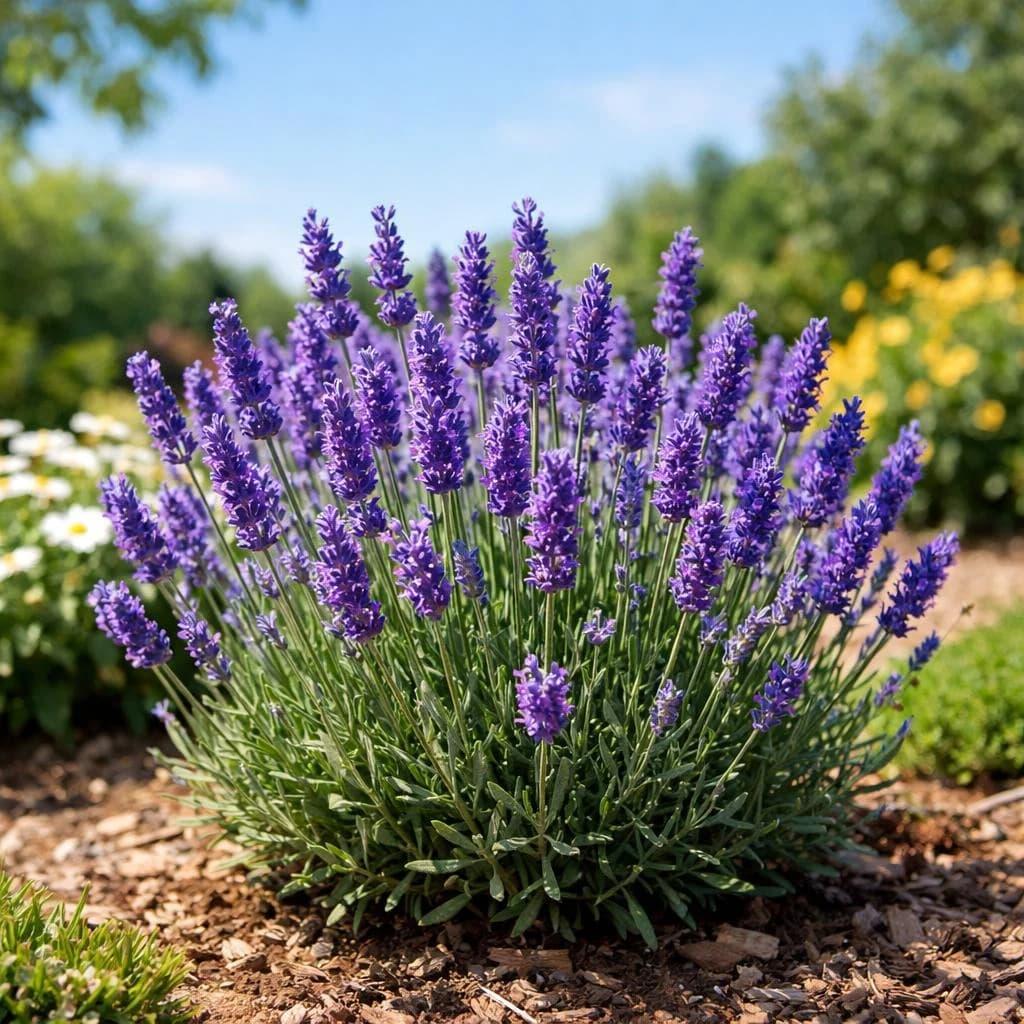
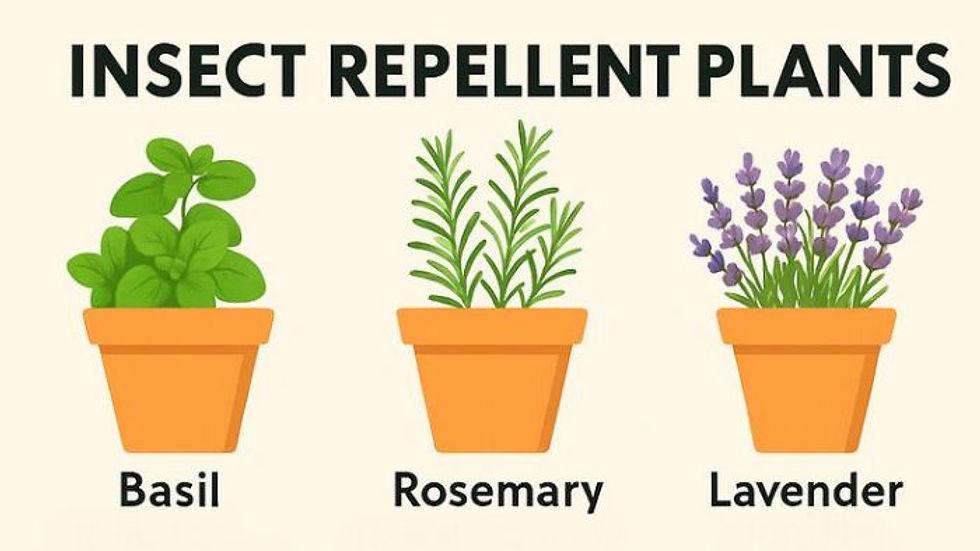
Lavender has earned a permanent spot in my cutting garden because it handles tough conditions and gives me flowers for the house. Its strong floral aroma comes from essential oils that may help discourage mosquitoes when planted around outdoor spaces.
In my high-desert garden, lavender performs best in sharply drained soil. I learned the hard way that winter wet is more dangerous than winter cold here. Count back from your own frost dates when planting new perennials, because timing depends on your local climate, not my Idaho calendar.
Garden tip
Plant lavender near paths and seating areas where brushing against the foliage releases its scent.
Marigolds: Bright Flowers with Natural Insect-Repelling Properties
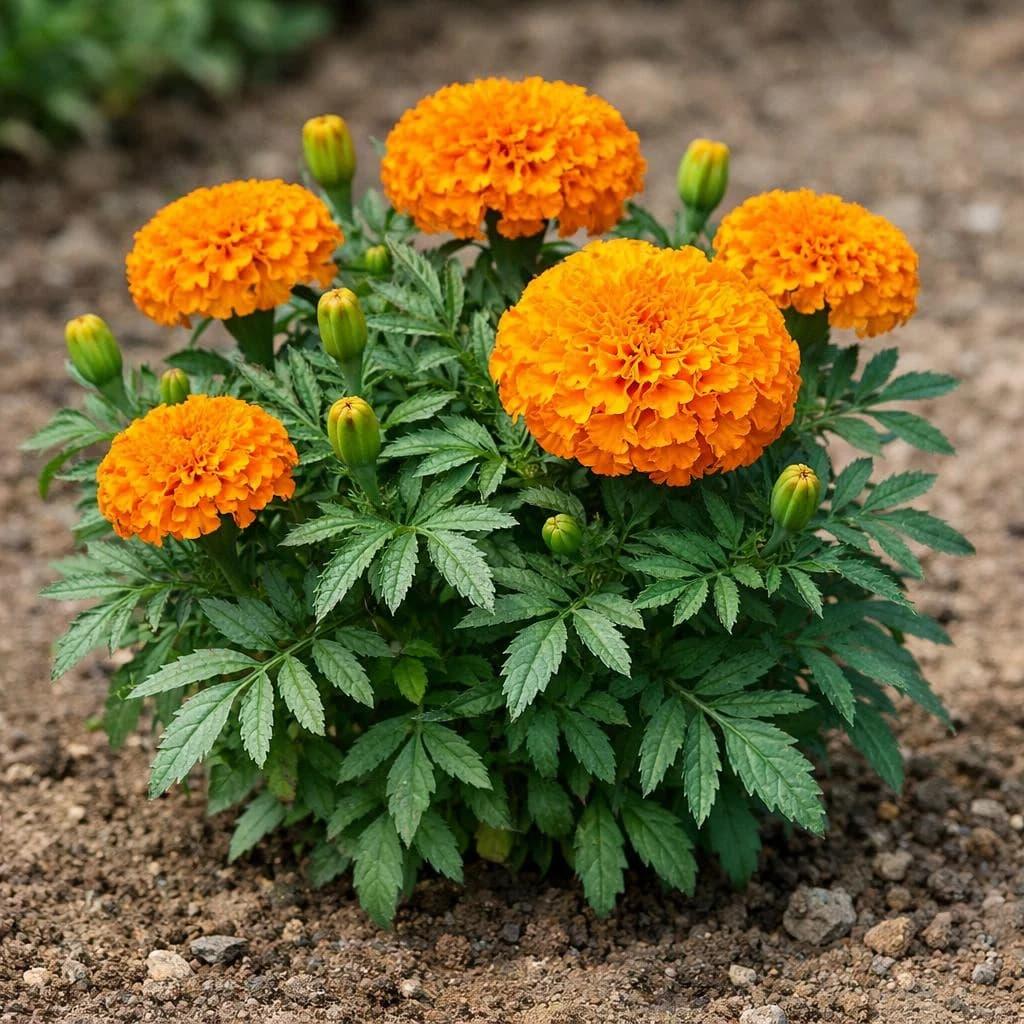
Marigolds were one of Poppy's garden traditions, planted at row ends in his Nampa garden. I still grow them because they are cheerful, inexpensive, and useful for attracting beneficial insects while adding color.
The marigold scent is often associated with insect deterrence, though I do not count on marigolds alone to solve mosquito problems. They are a garden companion, not a replacement for removing breeding sites like standing water.
Why I grow them
- Easy from seed
- Long flowering season
Limitations
- Do not eliminate mosquitoes
- Need regular deadheading for more blooms
Basil: A Kitchen Herb That Can Help Keep Mosquitoes Away
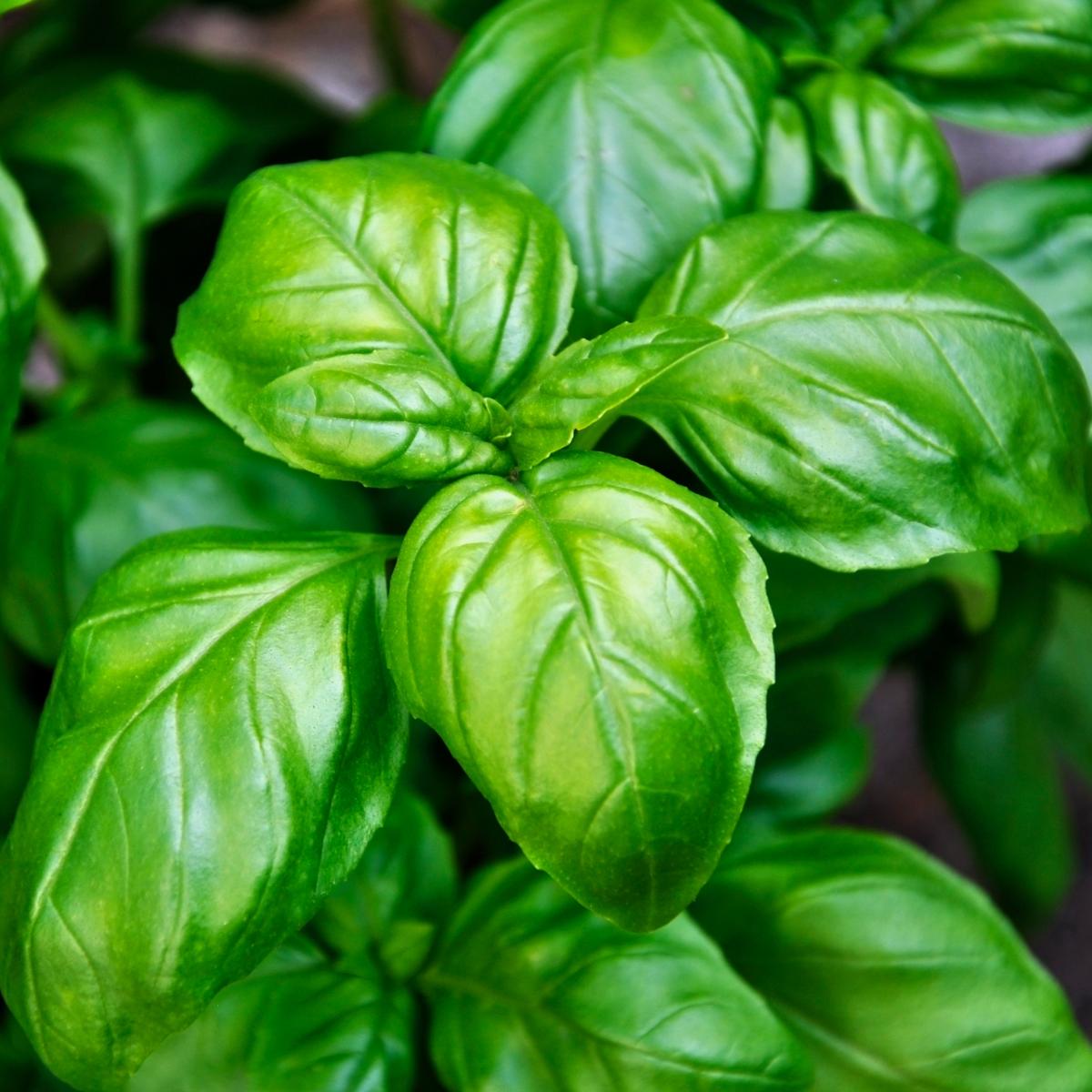
Basil is one of my favorite dual-purpose plants because I can harvest leaves for dinner while enjoying its aromatic foliage outdoors. Some research has explored basil oils for insect-repelling properties, but I still grow it mainly because it is useful and pleasant around the patio.
I keep basil in large containers because our July heat can dry small pots in a single afternoon. A 5-gallon container with drainage and consistent watering has worked much better than tiny decorative pots.
Rosemary: An Aromatic Herb for Mosquito-Free Outdoor Spaces
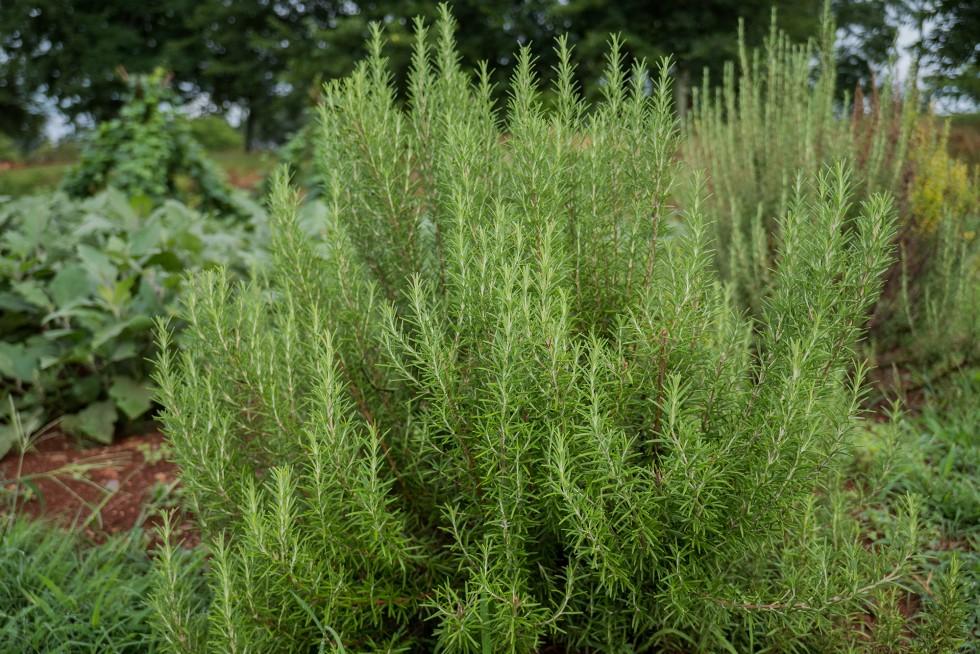
Rosemary is another plant I keep close to outdoor seating because it survives the dry conditions that challenge many herbs here. The woody evergreen foliage releases a strong aroma, especially when brushed or warmed by the sun.
My rosemary failures have almost always come from poor drainage. If your soil stays wet, grow it in a pot where you control the conditions. I use a fast-draining mix and protect container plants before hard freezes.
Difficulty: Moderate
Rosemary is simple in the right spot but frustrating in heavy, wet soil.
Mint: A Refreshing Plant with Mosquito-Repelling Aroma
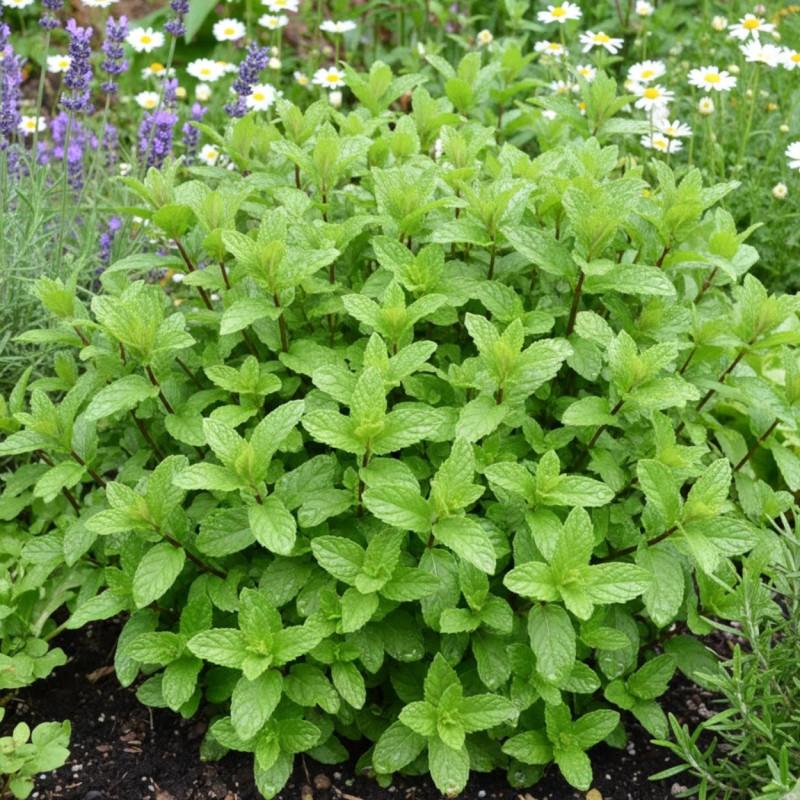
Mint grows so enthusiastically that my advice is always the same: put it in a container unless you want a permanent mint patch. The cool mint fragrance is pleasant around patios, and the plant gives you leaves for drinks and cooking.
In my garden, a 5-gallon pot keeps mint manageable. I water containers more often during our hot spells, sometimes daily when temperatures climb, because small root volumes dry quickly.
Avoid this mistake
Do not plant mint directly into a small garden bed unless you are prepared to control spreading roots.
Catnip: A Powerful Plant for Natural Mosquito Control
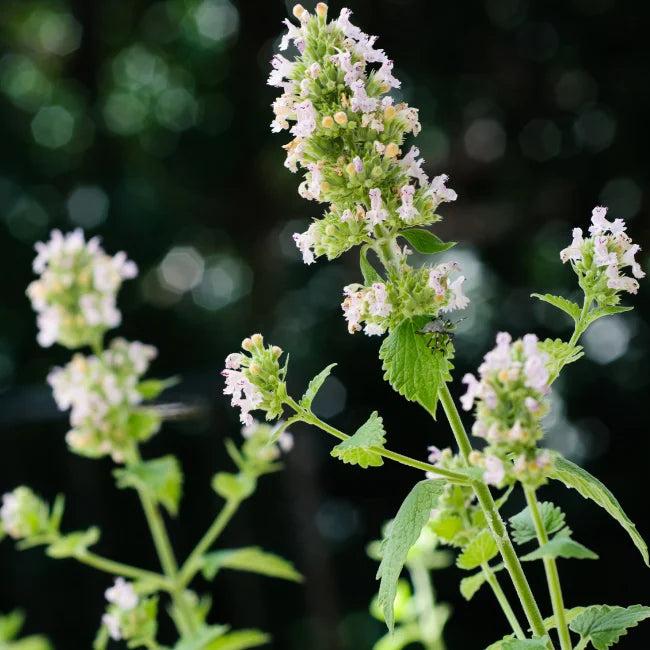
Catnip surprises many gardeners because it is better known as a cat favorite than a garden helper. Studies have investigated compounds in catnip, including nepetalactone, for insect-repelling potential.
I would grow catnip strategically rather than everywhere. It can spread easily, and while I enjoy experimenting, every plant still has to justify the space it takes in my beds.
The best garden plant is the one that earns its water, space, and attention.
Hallie Renner, Poppy's GardenLemon Balm: A Citrus-Scented Mosquito Repellent Plant
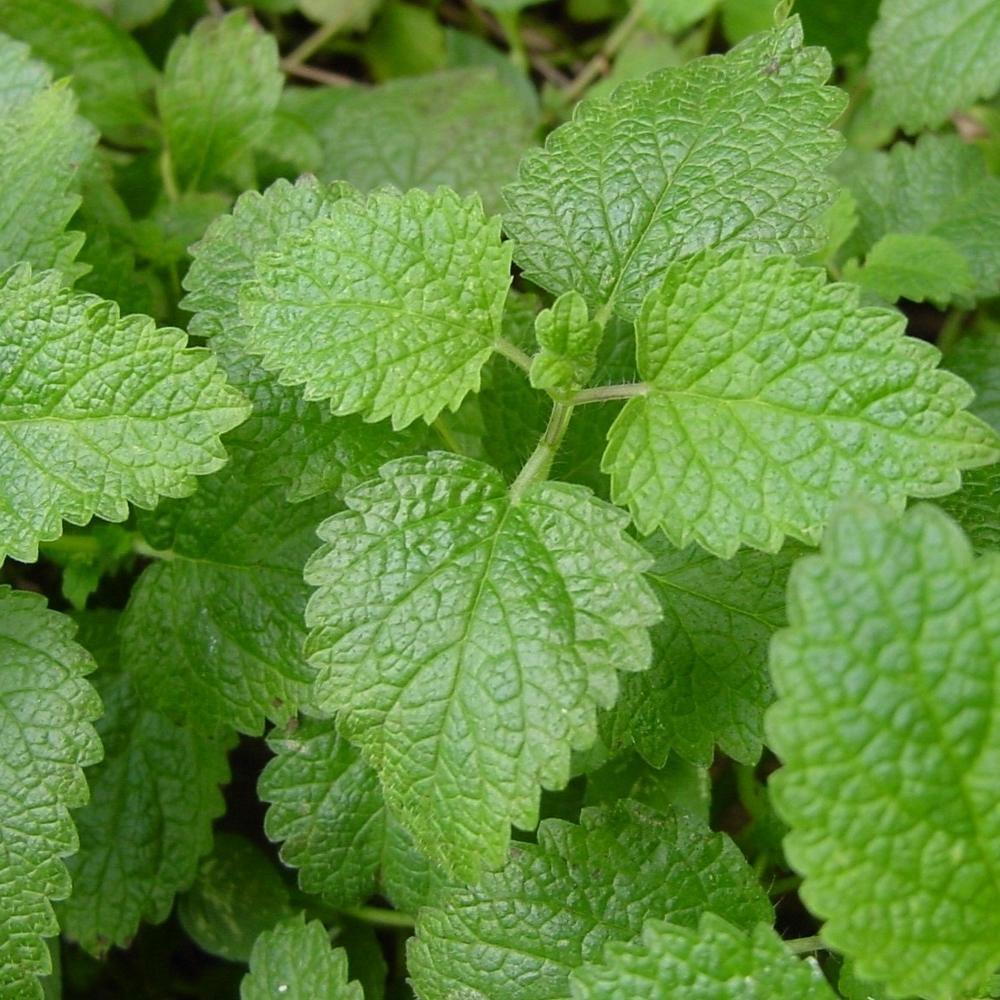
Lemon balm rounds out this list because it is one of the easiest scented herbs for beginners. The lemony foliage is refreshing, and the plant grows quickly when given enough moisture and sunlight.
I recommend growing lemon balm in a container if you have a small garden because it can reseed and spread. Like mint, it rewards gardeners who plan for its enthusiasm rather than fighting it later.
More Pinterest Visuals



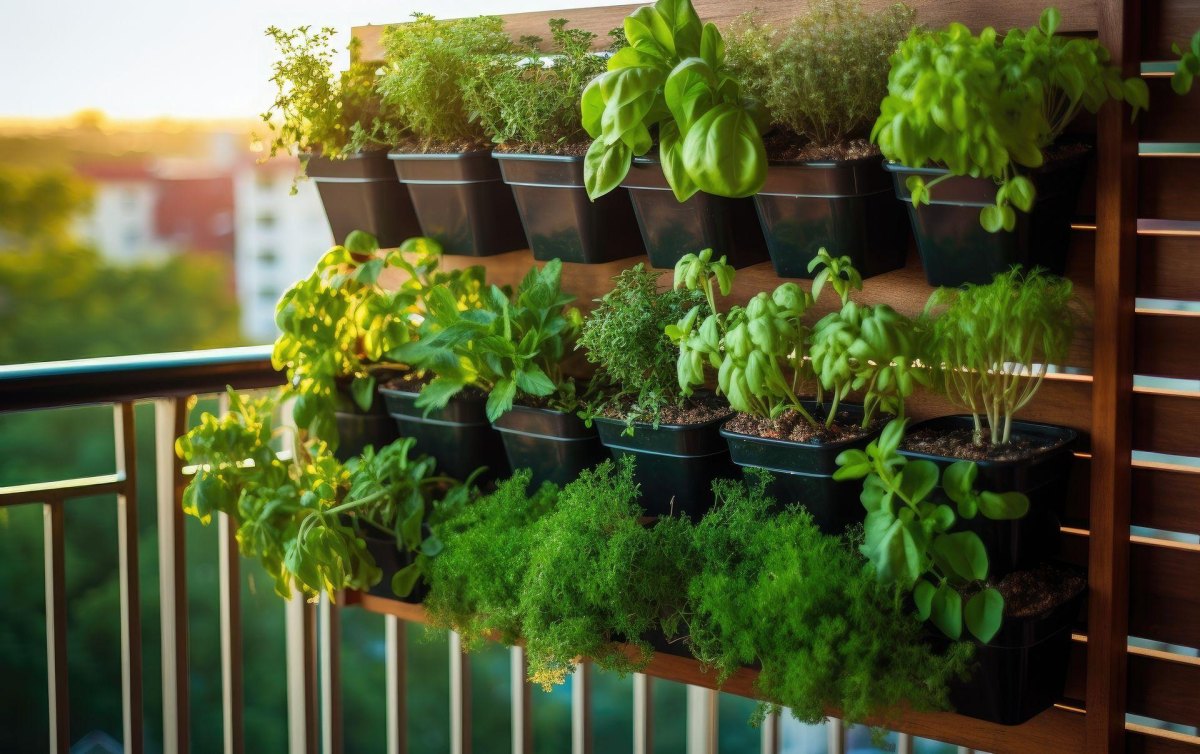 Balcony & Patio GardensSmall Space Garden Ideas That Make Every Inch Count
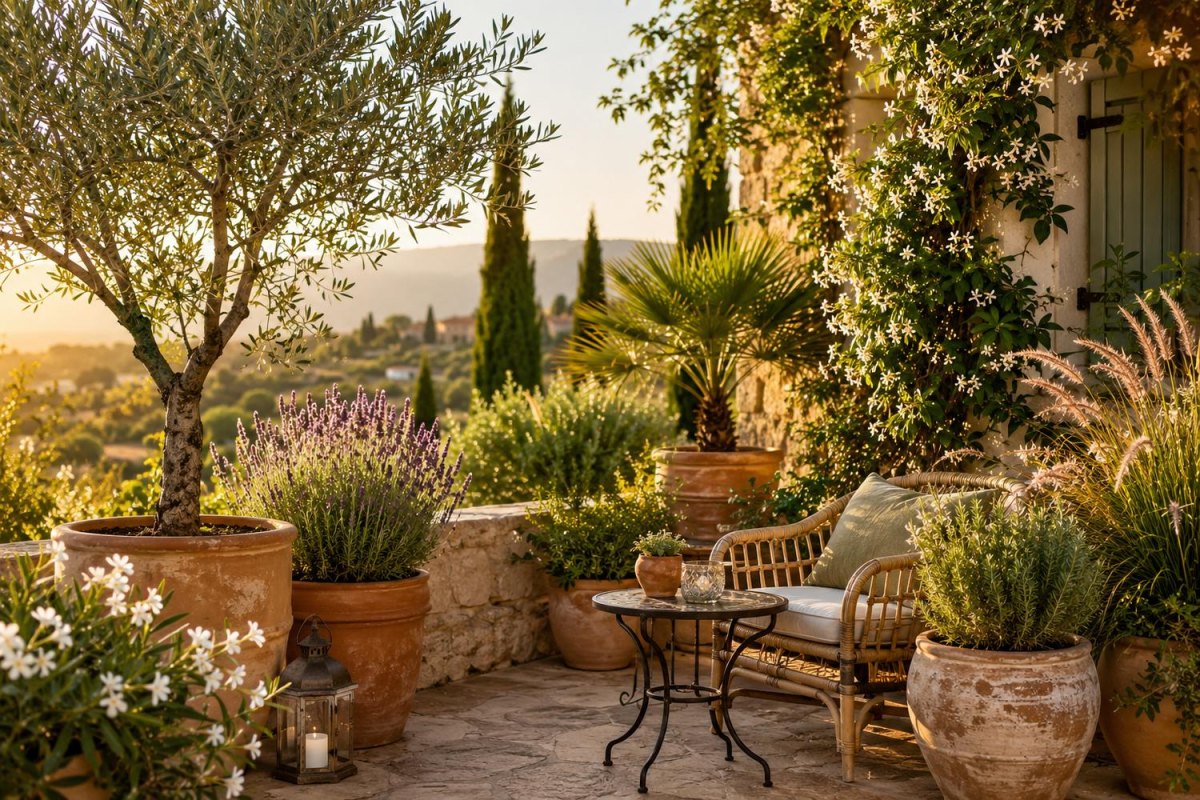 Balcony & Patio GardensKübelpflanzen für die Terrasse – 15 Ideen für ein grünes und blühendes Outdoor-Paradies
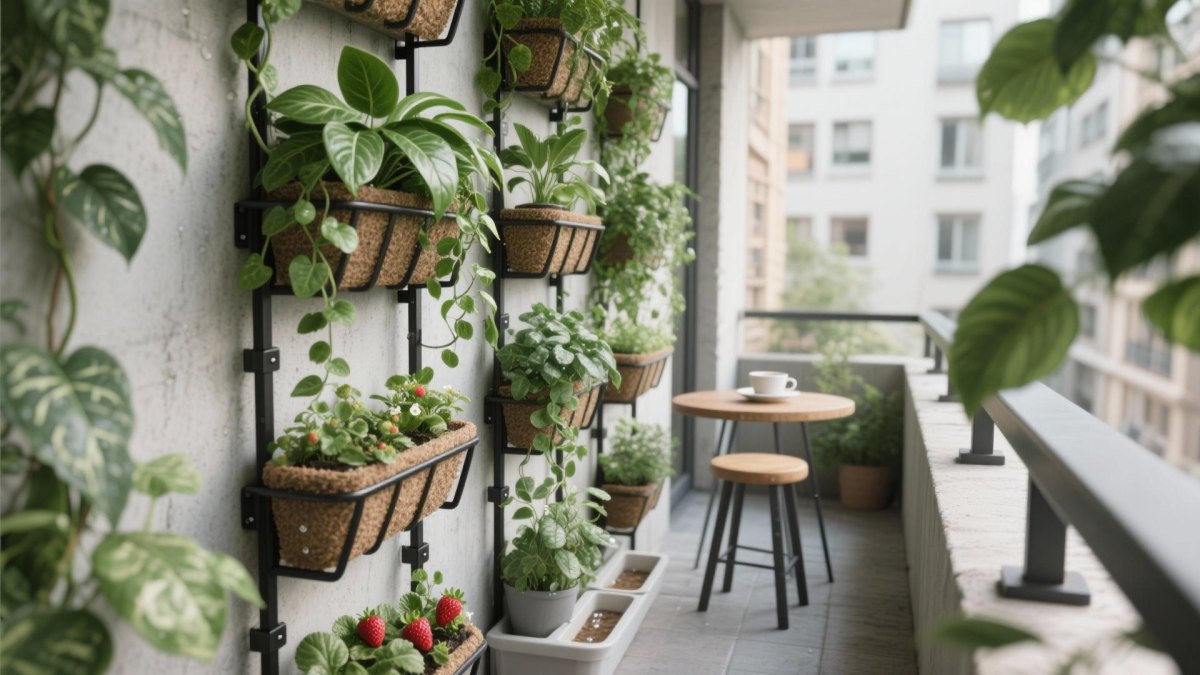 Balcony & Patio Gardens20 Balcony Garden Setup Ideas To Transform Your Outdoor
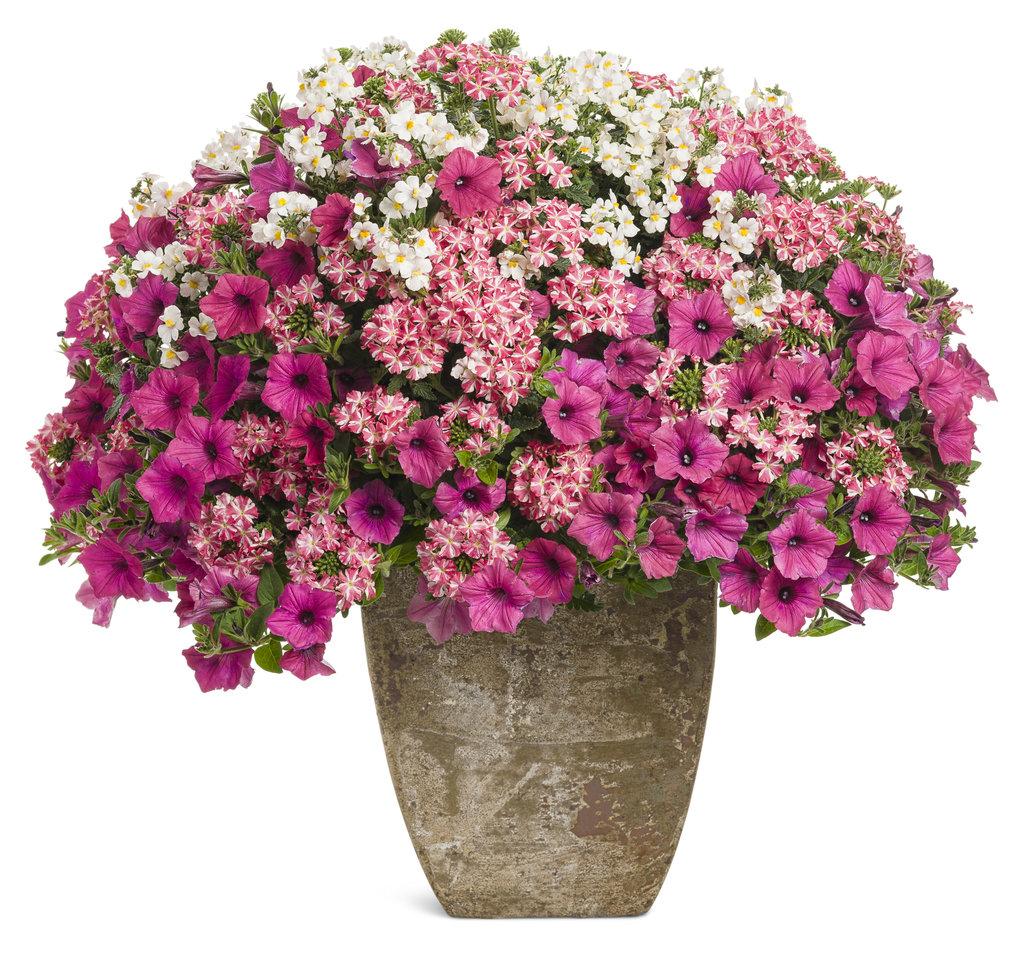 Seasonal & Flower Containers16 Beautiful Container Garden Flower Combinations That Work