

Aphids, beetles, caterpillars and other garden pests are part of growing food, but I don't believe every chewed leaf deserves a spray. In my Boise, Idaho, garden, I'm working in USDA zone 7a, with roughly 11 inches of annual precipitation, alkaline soil, fierce summer heat and late frosts, so I favor physical pest control and garden design that works with those conditions rather than pretending every climate behaves the same.
My starting point is always identification. Extension guidance on integrated pest management puts monitoring and correct identification ahead of treatment, because many insects are harmless or actively helping with pest control. I use the ideas below as a toolbox, not a purity test, and I check my local extension recommendations before adapting timing to my own frost dates and pest cycles.
Plant Pest-Repelling Herbs
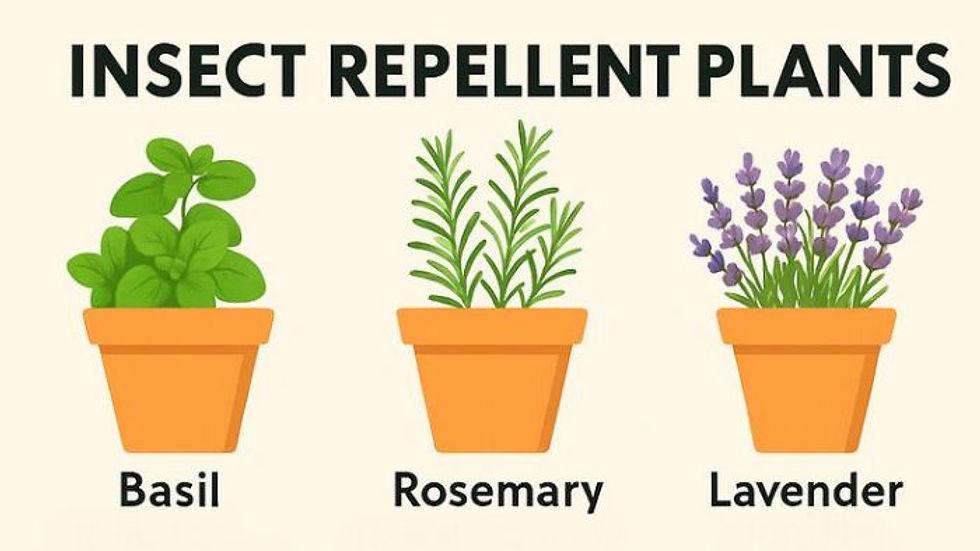
I like herbs around vegetable beds because they earn their space twice: I can cook with them, and some have documented roles as plant partners. Recent Penn State guidance notes research supporting several herb-and-vegetable combinations, while also emphasizing that a diverse planting is more useful than magical claims about one particular plant.
Rosemary and basil are especially practical for me, although I don't treat an aromatic herb as an invisible pesticide barrier. Clemson Extension notes that many claims about repellent plants are stronger than the field evidence, particularly when people expect a living plant's fragrance to repel insects over a whole garden.
- Good partners: Try herbs such as basil, dill, rosemary or other regionally suitable aromatic plants alongside crops rather than relying on one species.
- My approach: Give useful herbs their own harvest value first, then count pest-management benefits as a bonus.
Companion Planting for Natural Protection
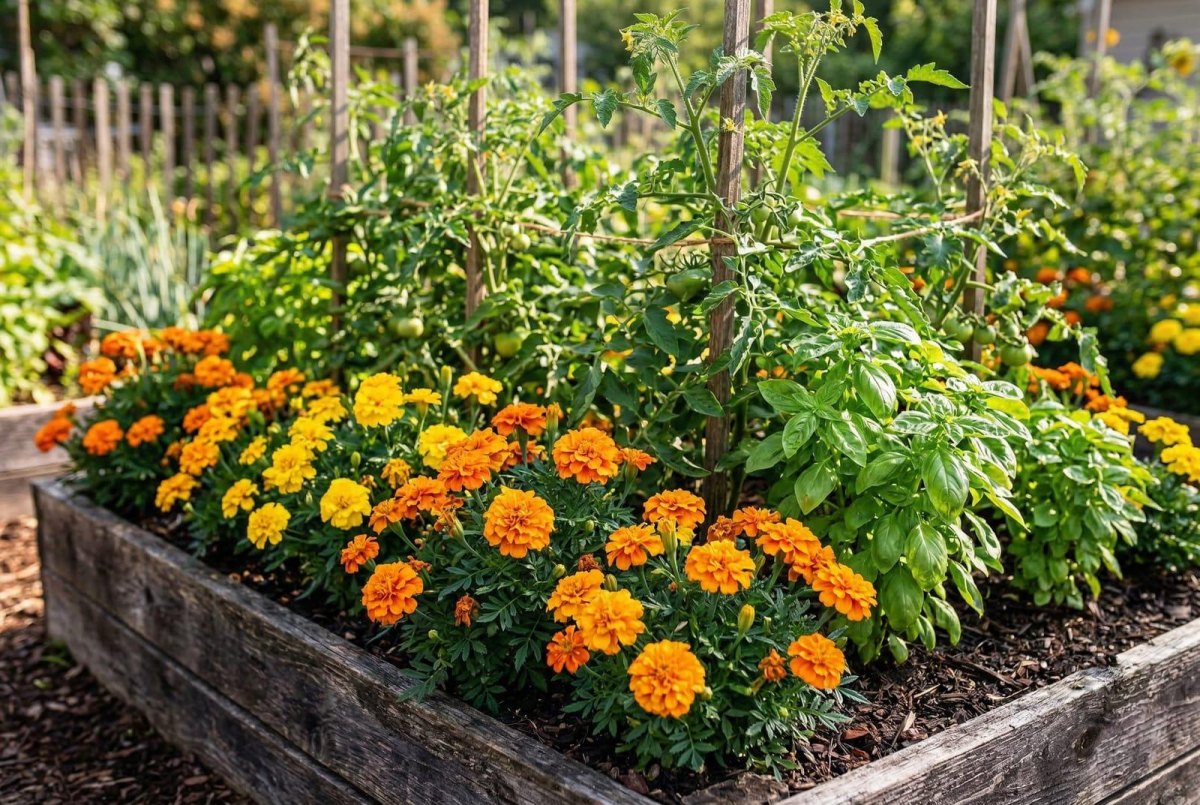
Companion planting works best when I think of it as planting diversity, not a secret recipe. Penn State's 2026 guidance says research supports some herb and vegetable partnerships and explains that polycultures can make it harder for insects to find a particular crop.
What I don't promise
I won't tell you that putting one specific flower beside one specific vegetable guarantees pest-free plants. Companion-planting claims vary widely, so I use combinations supported by evidence and keep watching the actual crop.
In practice, I mix crop families where space allows, keep flowering plants nearby, and rotate susceptible crops between beds. That gives me several small barriers instead of betting the season on one supposed pest-repelling pairing.
Attract Beneficial Insects
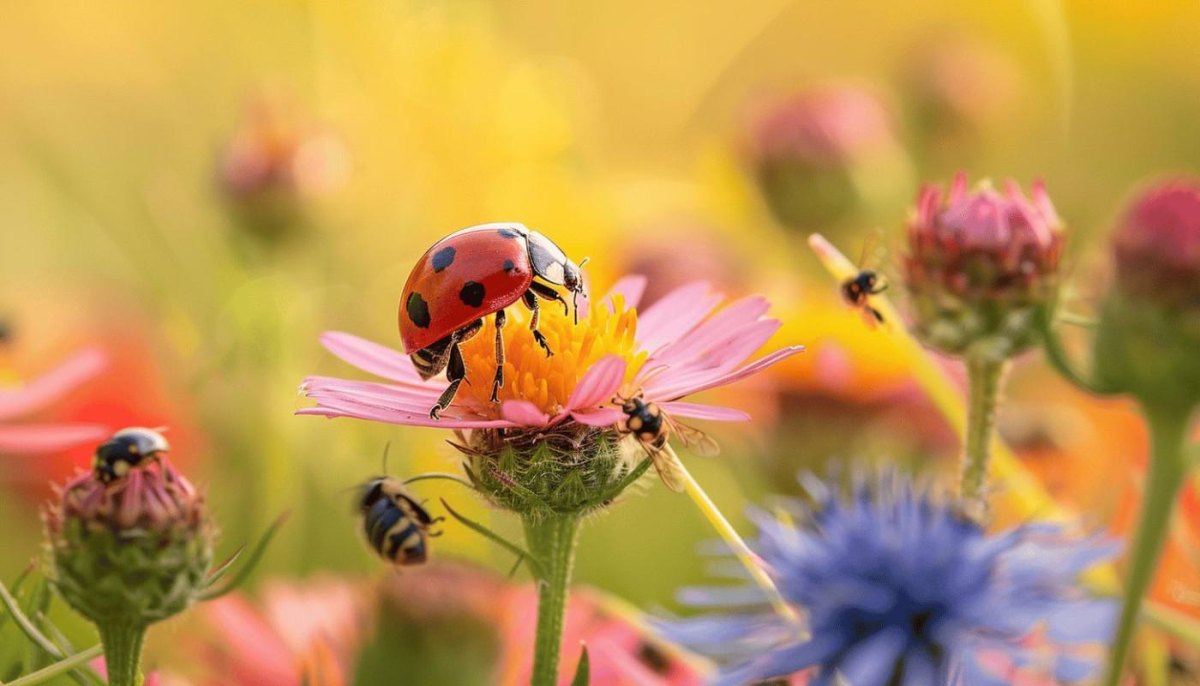
The insects I want in my garden aren't always the pretty ones. Lady beetles, lacewings, ground beetles, flower flies and tiny parasitic wasps can all prey on or parasitize pests. Penn State's October 2026 guidance points out that many beneficial insects are already present unless broad-spectrum insecticides have knocked them back.
Give the good insects something to eat
Keeping flowers in bloom across the season provides nectar and habitat for beneficial insects, including adult parasitoid wasps. I like to leave some flowering plants near the vegetables rather than treating the garden as eight isolated production beds.
I also resist the urge to spray at the first sight of an aphid. A few aphids can be dinner for a developing lady beetle or flower-fly larva, and eliminating that food source can work against the natural control I'm trying to build.
Use Marigolds to Deter Garden Pests
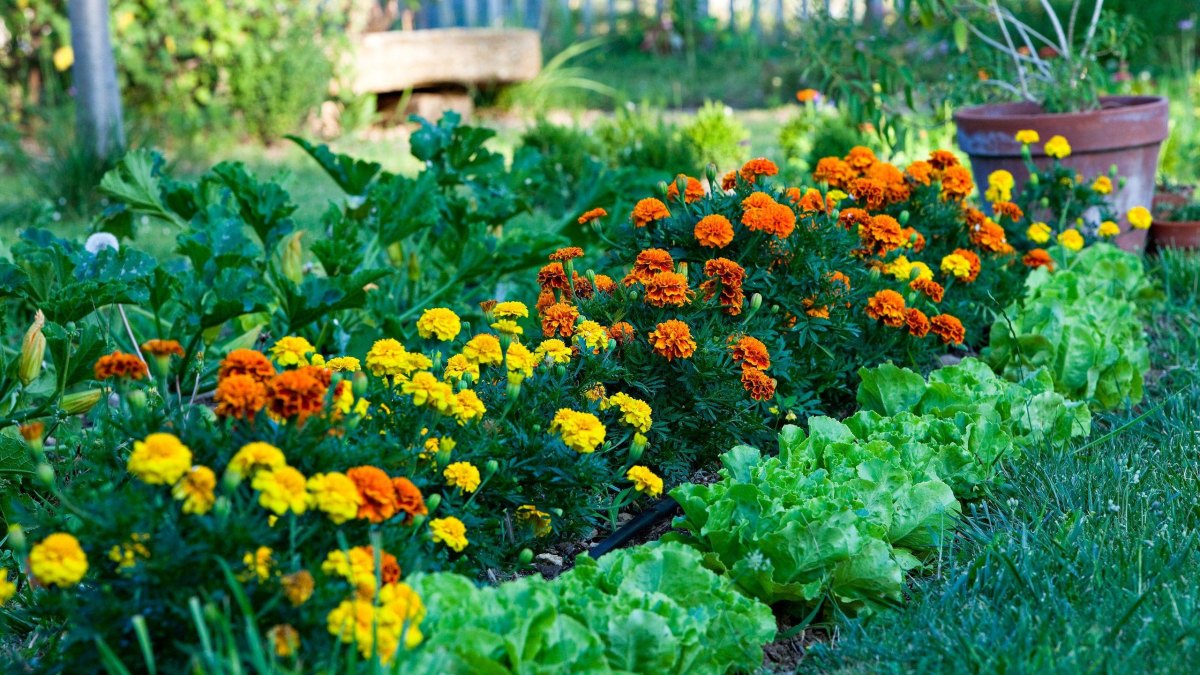
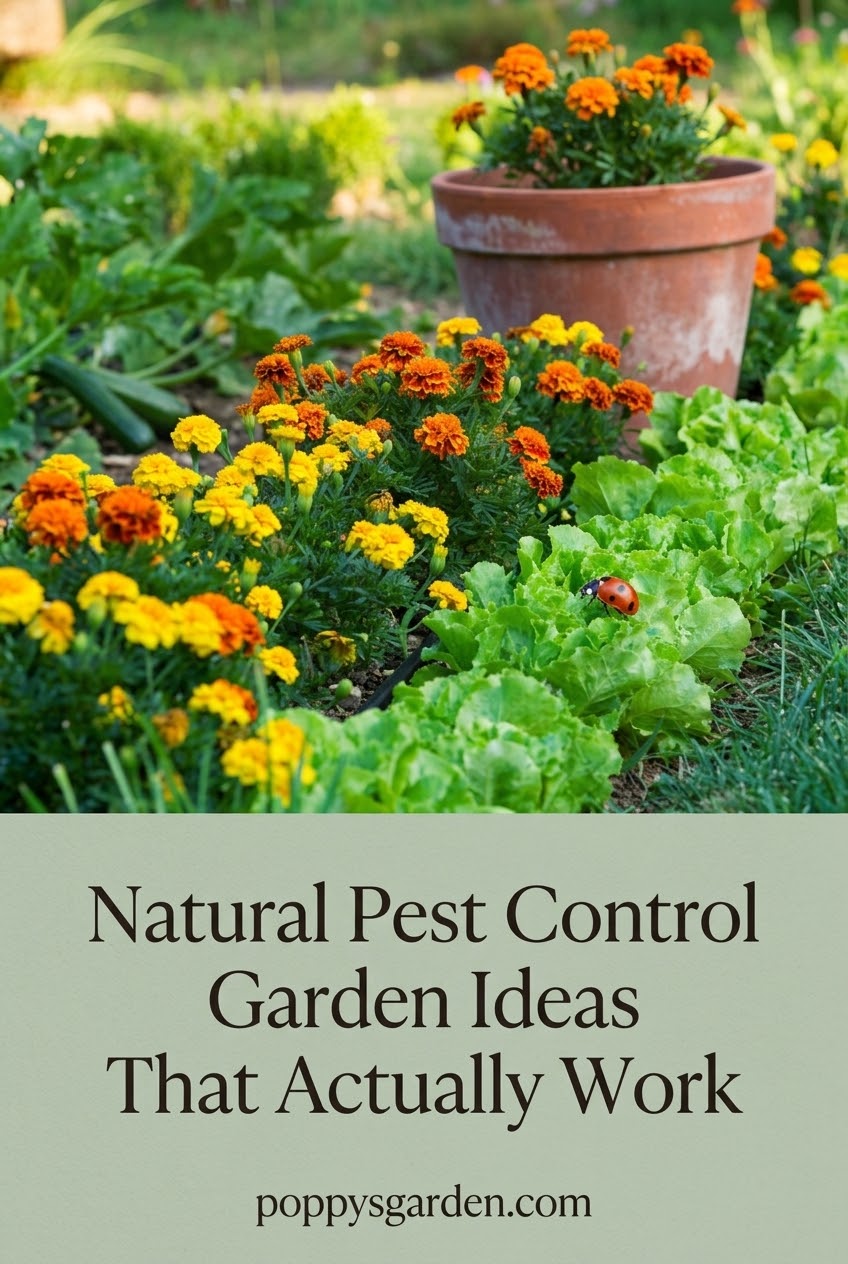
Marigolds have a deserved place in my garden, but I use them with a little more skepticism than the old companion-planting folklore suggests. University extension sources agree that marigolds can attract beneficial insects and that their foliage may deter deer and rabbits, while research on pest control depends heavily on the marigold type and the pest involved.
French marigolds are particularly interesting for root-knot nematode management. Wisconsin Extension notes that French marigolds can reduce certain root-knot nematodes when used as a cover crop, while Oklahoma State cautions that the effect is localized and not a guaranteed cure when a few plants are simply tucked among vegetables.
My practical use
I grow marigolds because they flower, attract insects and fit beautifully along bed edges. I count their pest-control effect as a useful extra rather than promising that a row of orange flowers will stop every beetle.
Create a Bird-Friendly Pest Control Garden
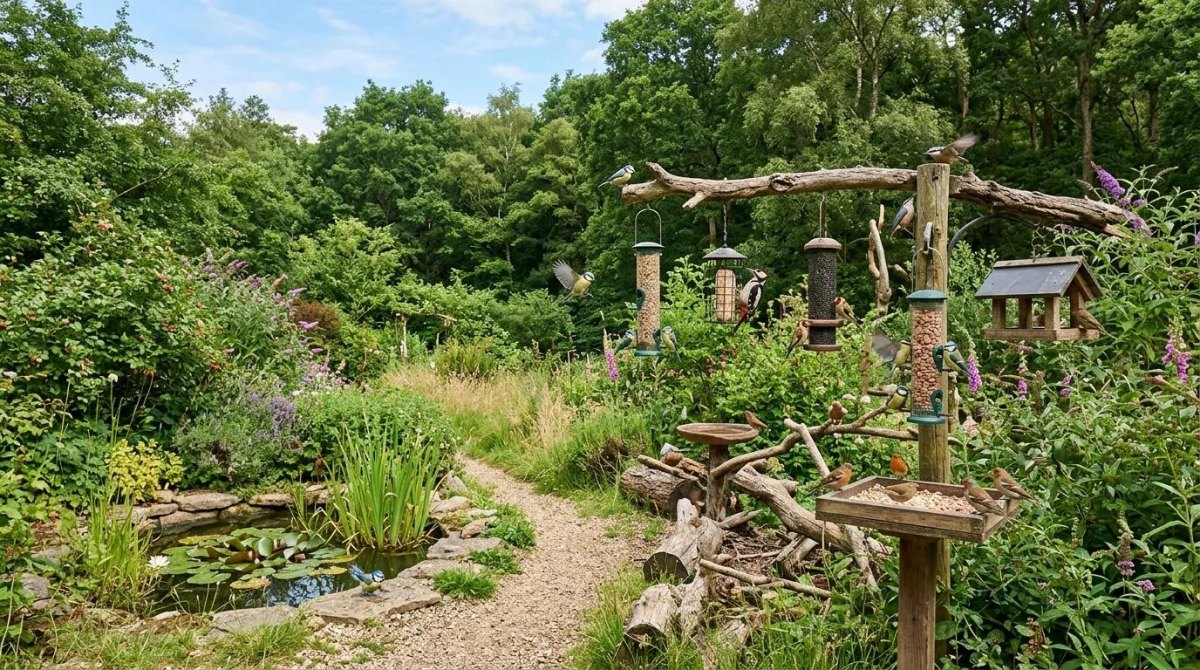
Birds are another piece of the garden food web, and I prefer giving them reasons to visit rather than treating them as decoration. Penn State recommends diverse plantings and wildlife-friendly habitat because attracting birds and other wildlife can also encourage natural predators that help control garden pests.
- Habitat: Include shrubs, native plants and varied vegetation where they fit your garden.
- Food: Let the garden support insects as well as birds; beneficial predators need a functioning food web.
- Balance: Watch what birds actually eat in your garden before adding feeders directly beside vulnerable crops.
I think of this as supporting natural predators, not recruiting an army of birds to solve one caterpillar problem. The more diverse the garden, the less dependent I am on a single control method.
Add a Garlic and Chili Pest Spray
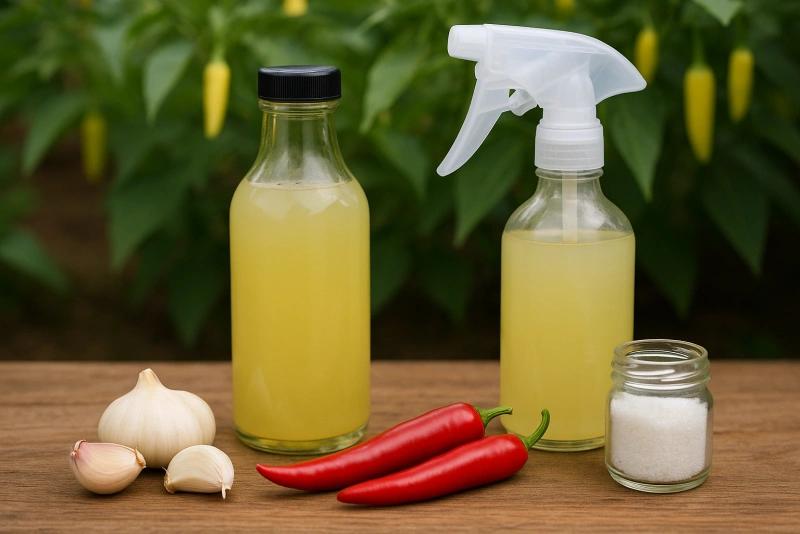
This is the section where I'm most cautious about the word natural. Garlic and chili preparations are widely used as repellents, but homemade mixtures don't come with the testing, concentration guidance, crop listings and safety information that registered garden products carry. Extension experts specifically warn that home remedies can create unexpected plant and safety problems.
Don't improvise a food-crop pesticide
I don't recommend dish-soap, bleach or mystery-kitchen mixtures on edible plants. If I use a pesticide, natural or otherwise, I first identify the pest, choose a product labeled for that crop and pest, follow the label exactly, respect the pre-harvest interval, and keep sprays away from blooming plants when pollinators are active.
Garlic-chili recipes do exist in agricultural and gardening resources, but that doesn't turn every internet recipe into a tested pesticide. My preferred order remains physical control first, followed by a properly labeled targeted treatment only when the damage justifies it.
Protect Plants With Floating Row Covers
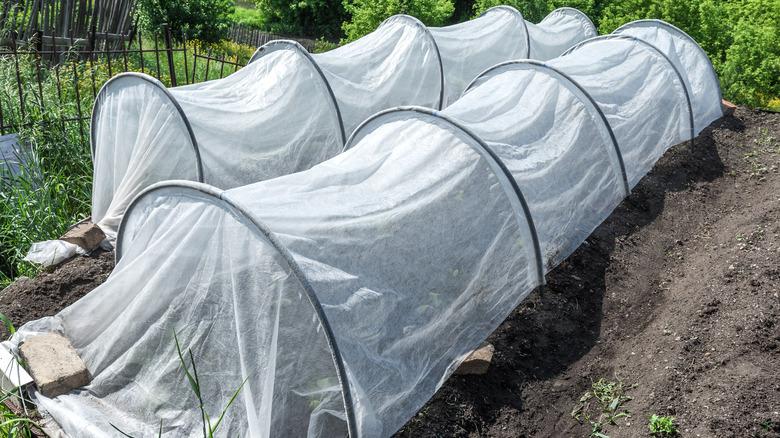
Floating row covers are one of my favorite controls because they prevent the pest from reaching the plant in the first place. Extension guidance recommends them against several insect pests, including cucumber beetles, cabbageworms and root maggots, provided the cover is installed at the right stage and secured against gaps.
- Cover early. Put the fabric over susceptible crops before the target insect reaches the plants or begins laying eggs.
- Secure edges. A barrier with an opening underneath is an invitation rather than protection.
- Remove when needed. Take covers off flowering crops when pollination is required, unless the crop can fruit without insect pollination.
For cucurbits, timing matters especially because leaving a cover on through flowering can block pollinators. I also pay attention to crop rotation; some pests overwinter in soil, so a row cover can be counterproductive if emerging adults are already trapped underneath it.
Improve Soil Health With Organic Mulch
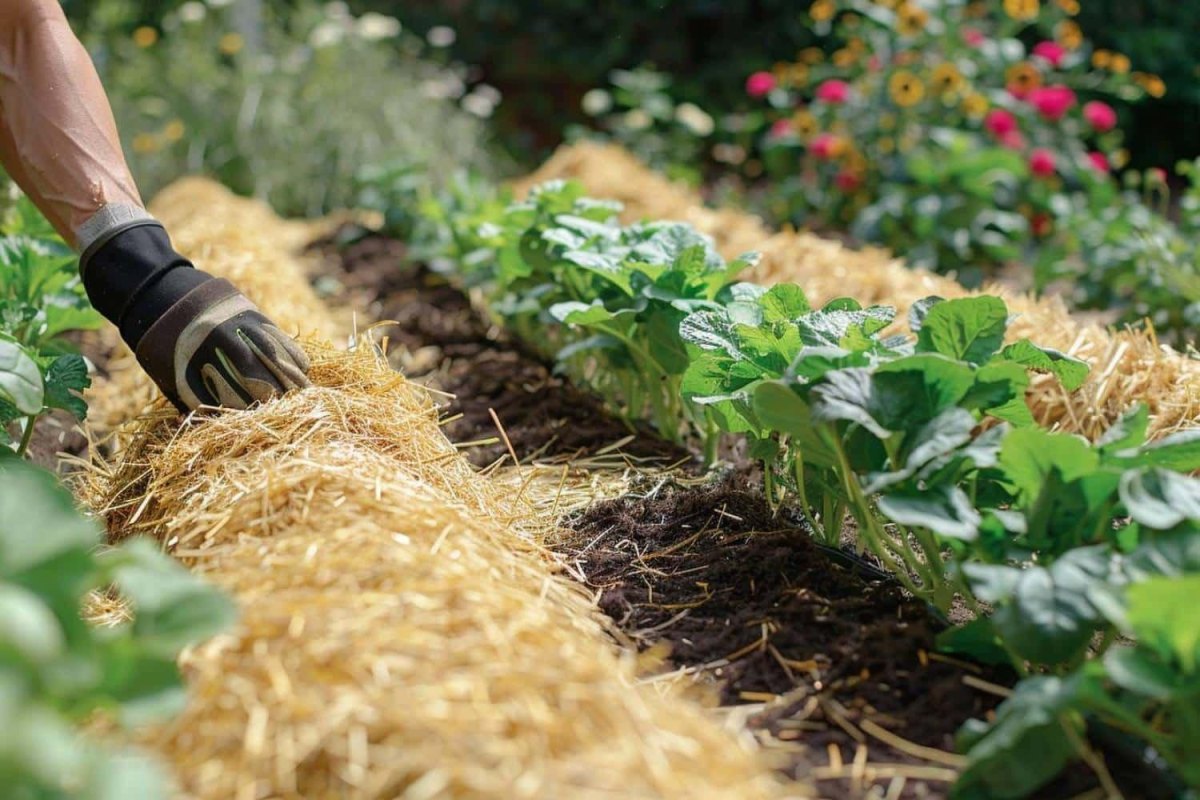
Mulch isn't an insecticide, but healthy growing conditions can make pest management considerably less frantic. Current University of Minnesota guidance says organic mulch can improve moisture regulation, suppress weeds, moderate soil temperature and add organic matter as it decomposes.
| Mulch choice | What I use it for |
|---|---|
| Clean straw | Vegetable beds and paths where I want a breathable organic layer |
| Shredded leaves | Building organic matter and protecting bare soil |
| Compost | Top-dressing established beds rather than using it as a thick stem-level blanket |
In my Boise garden, water is not a minor detail. With about 11 inches of annual precipitation, moisture conservation is one of mulch's biggest wins. I generally aim for roughly 2 to 4 inches where appropriate and keep mulch away from plant stems to reduce pest and disease problems.
Encourage Natural Predators With Diverse Plantings
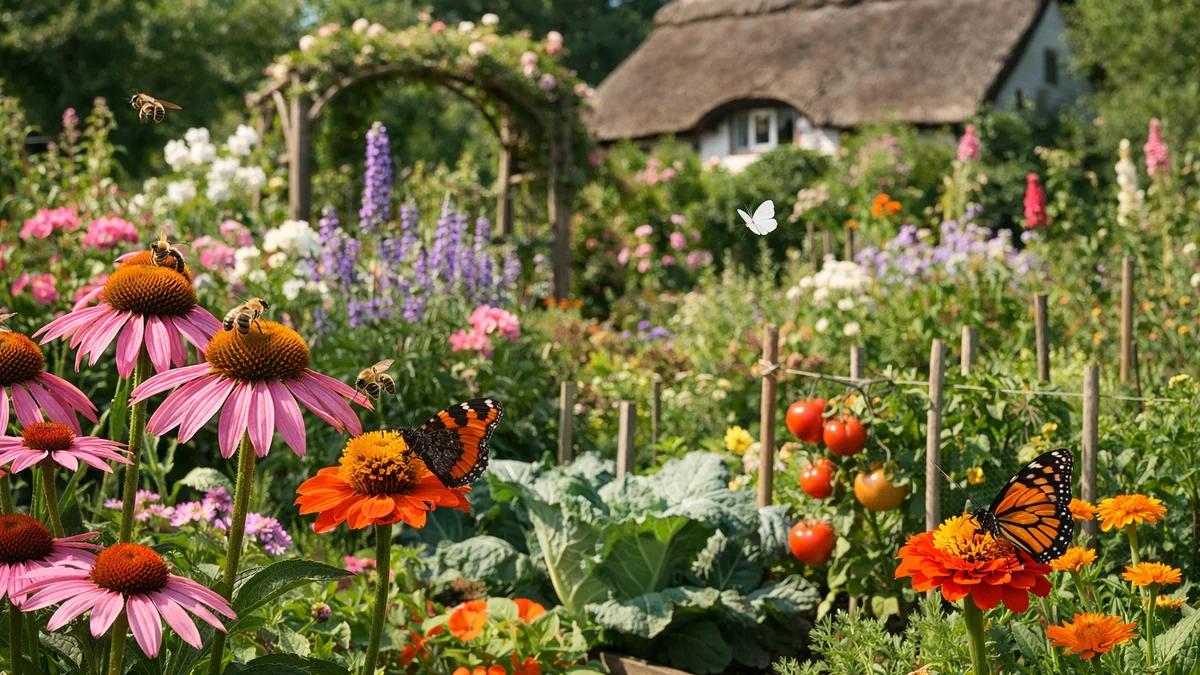
A garden with vegetables alone is a fairly narrow menu. I get better ecological insurance from diverse garden habitat that includes flowers and other plants offering nectar, shelter and alternative food sources. Penn State recommends diverse vegetation because it supports predators and parasitoids over time rather than only during the few weeks when a crop is flowering.
That can be as simple as leaving room for flowering herbs, adding a perennial border, or letting a few useful flowers stay in bloom near the beds. I don't need every square foot producing tomatoes. A plant that supports a predator may be earning its space indirectly.
Why I like it
- Supports predators and parasitoids over a longer season.
- Reduces dependence on one pest-control tactic.
- Adds flowers and habitat without requiring a spray schedule.
The limitation
- Diversity does not guarantee every pest stays below a damaging level.
- It takes planning and space that could otherwise grow a crop.
Handpick Pests and Inspect Plants Regularly
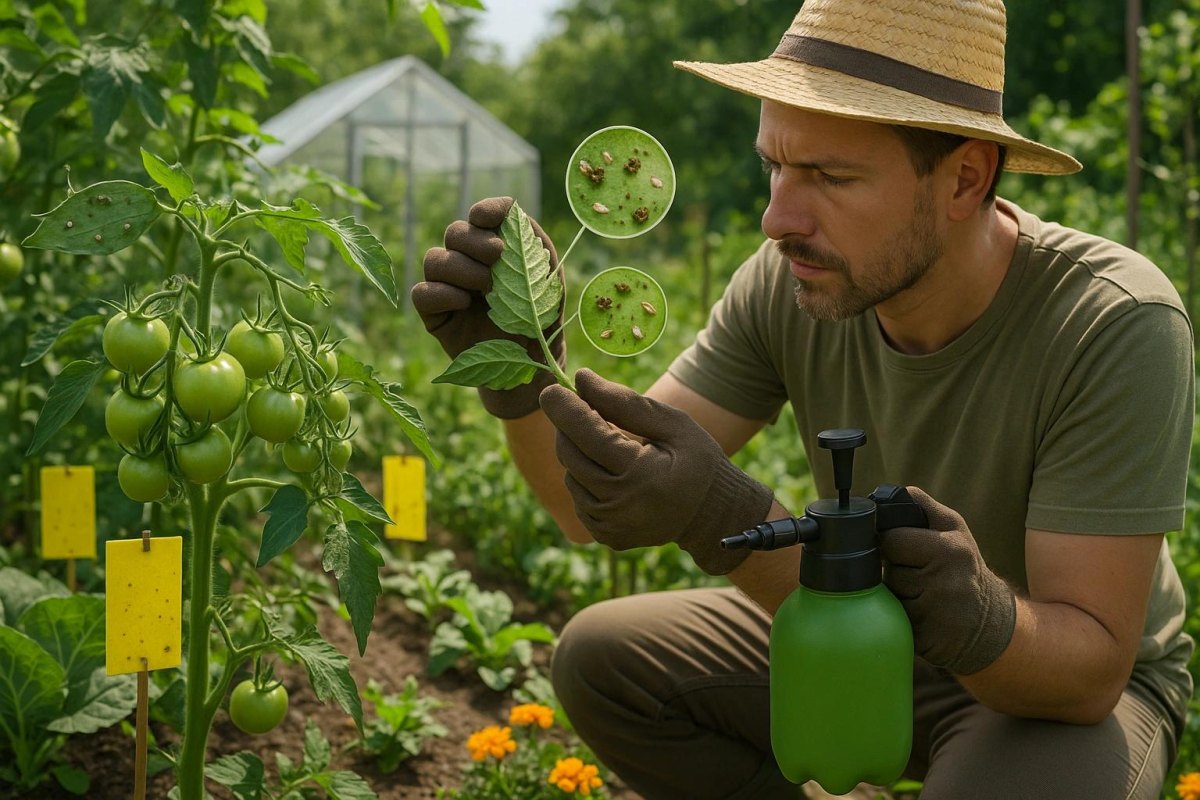
For a small garden, the cheapest pesticide is often my own hand. Extension recommendations repeatedly put regular monitoring and physical removal near the front of the pest-management toolbox. Caterpillars can be handpicked, beetles can be knocked into a container, and some soft-bodied pests can be dislodged with water.
- Check the undersides of leaves for eggs, aphids and young caterpillars.
- Look for fresh holes, frass and distorted new growth rather than assuming every old leaf is pest damage.
- Identify the insect before deciding it needs control.
- Repeat inspections regularly when a susceptible crop is young.
For my own notebook, I care about damage worth treating, not the number of insects I can find. A few holes on an established plant may be tolerable; a rapidly increasing pest population on seedlings is a different calculation. That's the useful part of IPM: I can intervene before a small problem becomes an expensive one without trying to make the garden sterile.
More Pinterest Visuals



 Balcony & Patio GardensSmall Space Garden Ideas That Make Every Inch Count
 Balcony & Patio GardensKübelpflanzen für die Terrasse – 15 Ideen für ein grünes und blühendes Outdoor-Paradies
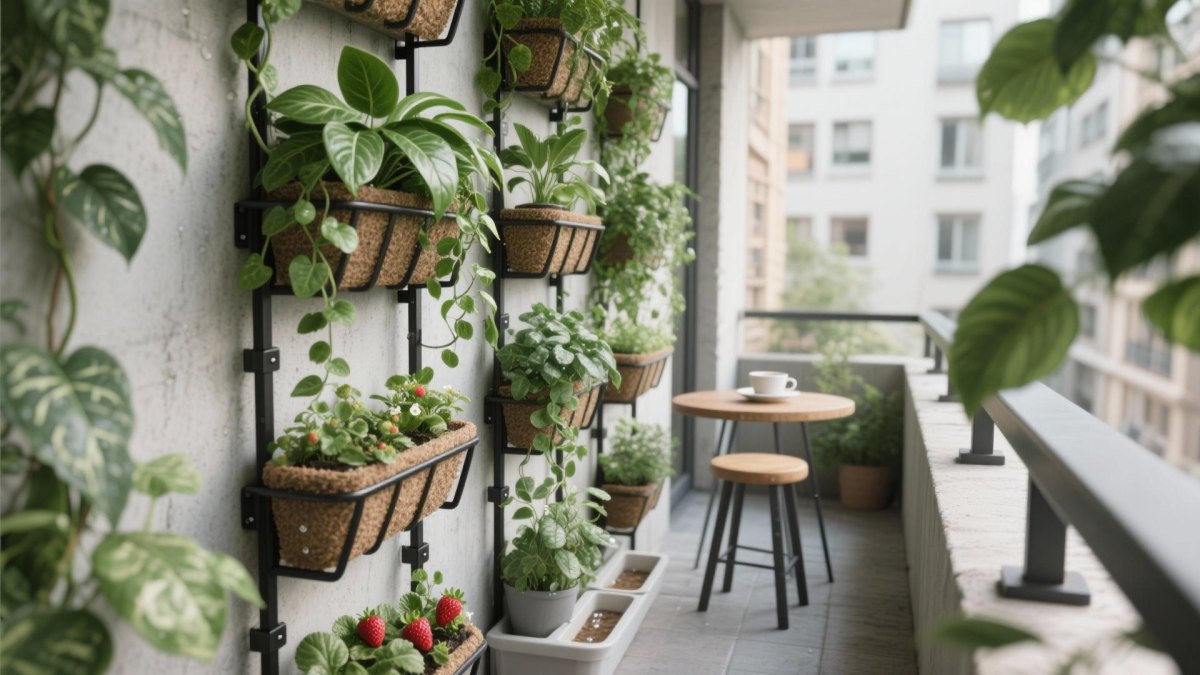 Balcony & Patio Gardens20 Balcony Garden Setup Ideas To Transform Your Outdoor
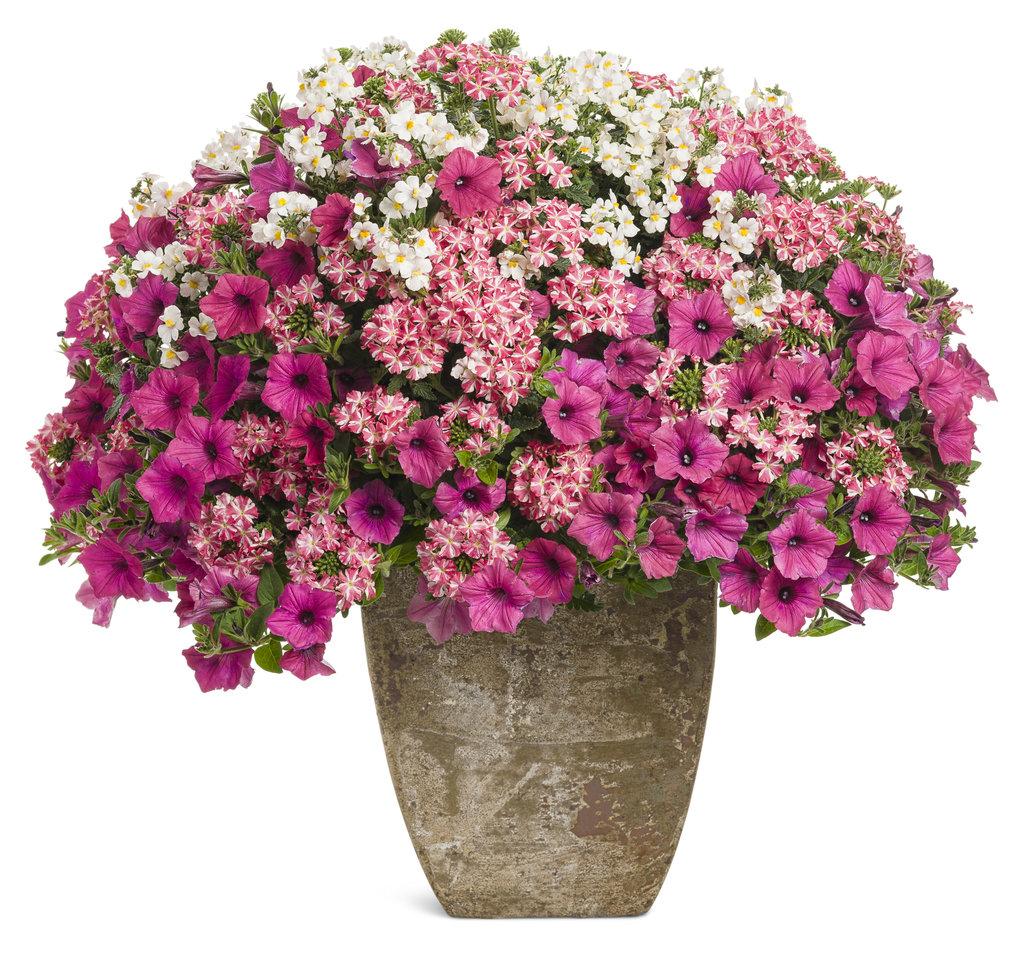 Seasonal & Flower Containers16 Beautiful Container Garden Flower Combinations That Work