
Container pests are easier to manage when I treat the pot as a tiny ecosystem instead of reaching for a spray first. I garden in Boise, Idaho, zone 7a, where I deal with dry air, alkaline soil, eleven inches of annual rain, and intense summer heat, so I pay close attention to stressed plants because they attract problems faster. These methods come from my own notes, including what worked and what failed in my containers.
What I use first in a container pest plan
- Identify the pest before treating the plant.
- Start with physical and cultural controls.
- Use labeled products carefully when intervention is truly needed.
Natural Neem Oil Sprays for Container Plants
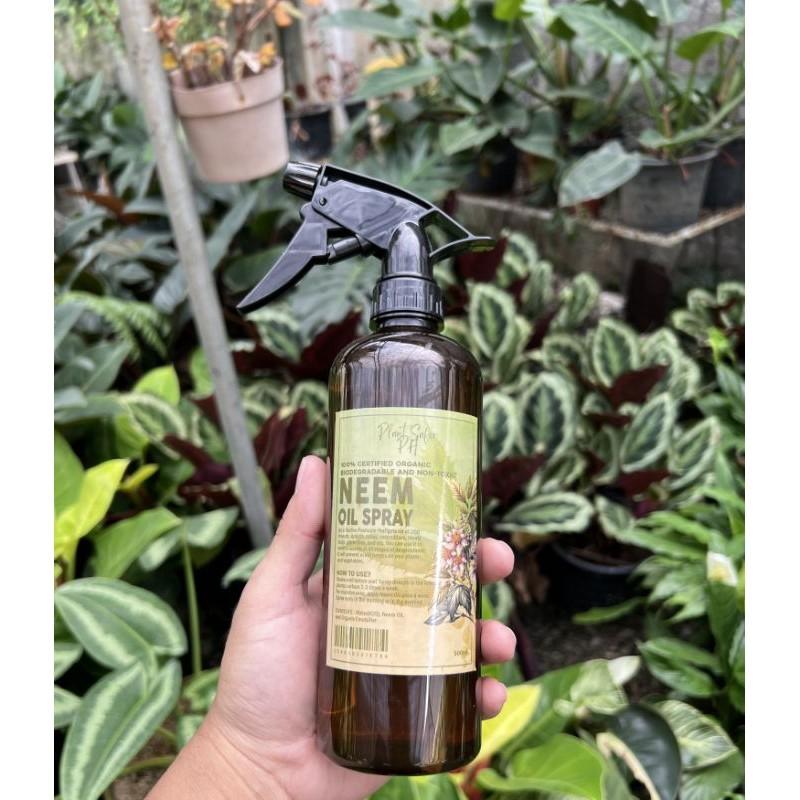
I keep neem oil in my gardening cabinet, but I do not treat it as a magic organic cure. In my containers, I first look closely at the damage and confirm the pest because identification comes first. Neem products are pesticides, and the label directions matter for edible crops, timing, and safety. Extension guidance also emphasizes careful pesticide use and protecting beneficial insects.
My rule is simple: if I use a neem product, I apply it exactly as labeled and avoid spraying flowering plants when pollinators are active. In my hot Idaho summers, I also avoid unnecessary applications because stressed plants already have enough challenges. Least-toxic options only work well when they are used correctly.
Important reminder
Natural does not mean harmless. Always check the product label and avoid applications that can harm bees or other helpful insects.
Beneficial Insects for Organic Pest Management
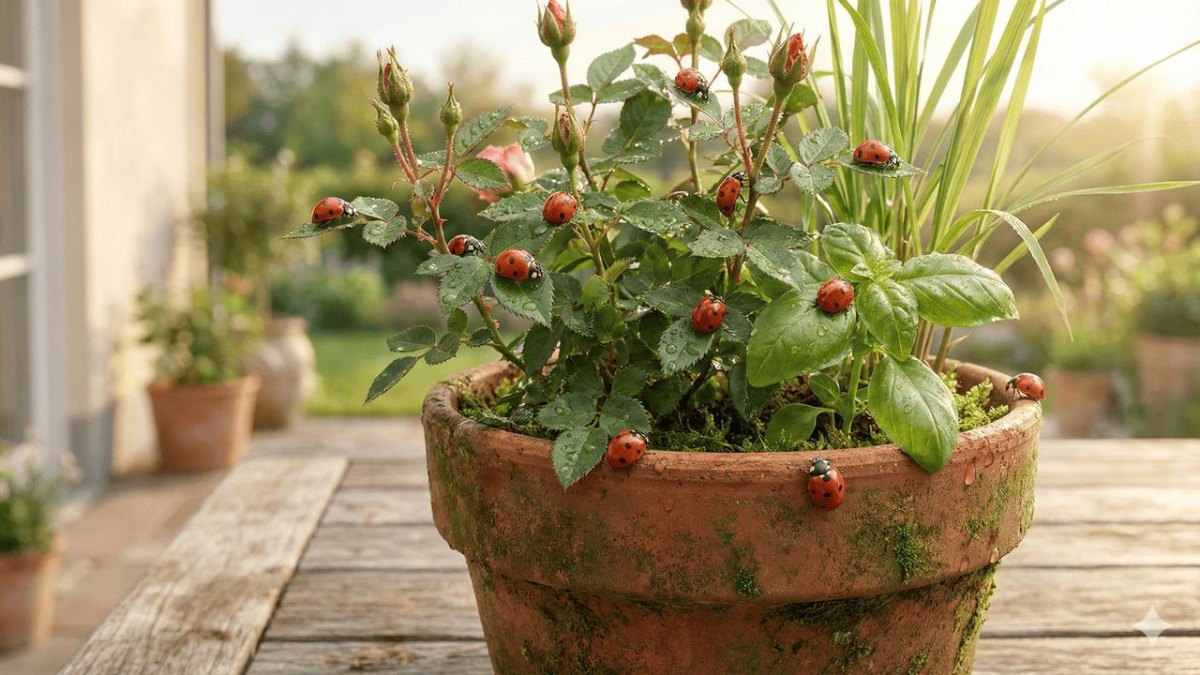
The best pest control I have added to my container garden is not something I bought in a bottle. It is the small population of helpful insects that arrive when I stop trying to make the garden perfectly sterile. Lady beetles, lacewings, and other predators can help reduce some pest pressure naturally. Helpful insect habitat starts with flowers, fewer unnecessary sprays, and patience.
During my market garden years, I learned that seeing a few insects does not automatically mean I have a crisis. I watch the plants, record what I see, and decide whether the damage is actually affecting harvest. Integrated pest management encourages identifying problems and using non-chemical methods before treatments.
Companion Planting in Small Container Gardens
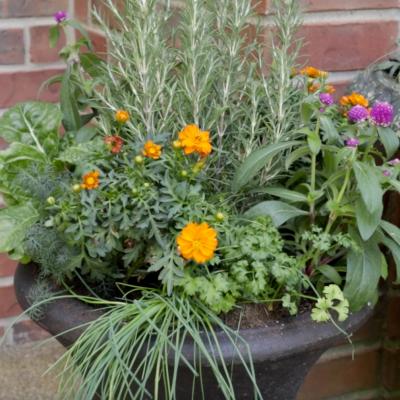
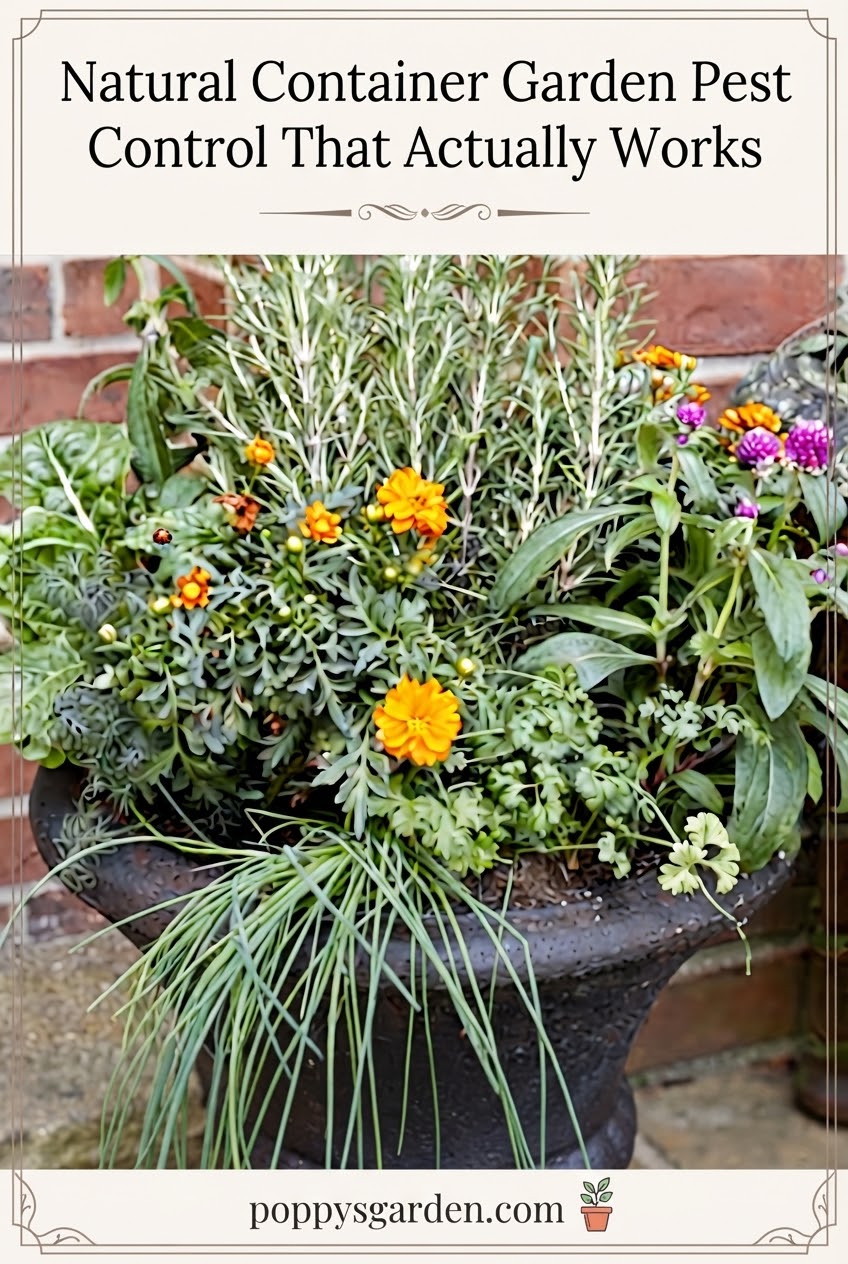
I use companion planting in containers mostly for diversity, not because I expect one plant to create an invisible pest shield. A pot with basil, flowers, and vegetables is more interesting to me and often gives pests fewer uninterrupted rows. My old seed trial notes taught me to be cautious with big promises like pest-proof planting.
In my south-wall containers, space is precious, so I choose combinations that earn their room. A tomato pot might include herbs or flowers that I already want to harvest. The result is not a guarantee against aphids or caterpillars, but it creates a healthier little growing space.
| Container pairing | Why I like it |
|---|---|
| Tomato and basil | Useful harvest from the same pot area |
| Vegetables and flowers | Adds diversity for the garden space |
Homemade Organic Pest Control Remedies
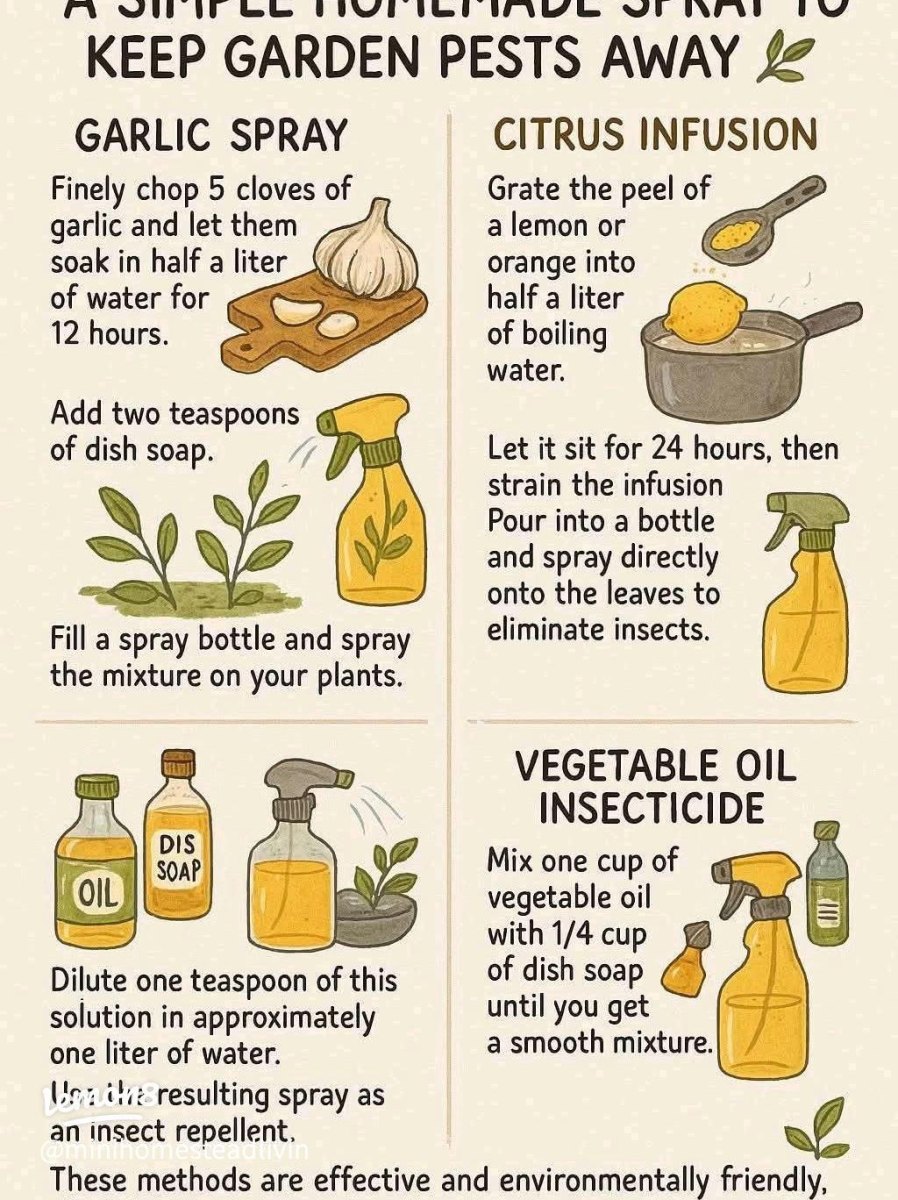
I understand the appeal of homemade sprays. I have a kitchen full of ingredients, and I love simple solutions. But I do not recommend mixing random dish soap, vinegar, or household products for edible plants because these recipes often lack testing and can injure plants. Research-based guidance warns that homemade pesticide mixtures are not consistently formulated or tested.
When I need a spray, I choose a product labeled for the crop and pest instead of guessing. That may sound less charming than a pantry recipe, but my garden records show fewer surprises when I follow instructions. Safe garden decisions matter more than a clever shortcut.
A mistake I avoid
I do not put untested homemade mixtures on food crops. A natural label does not replace evidence, directions, or caution.
Soil Health Practices to Prevent Garden Pests
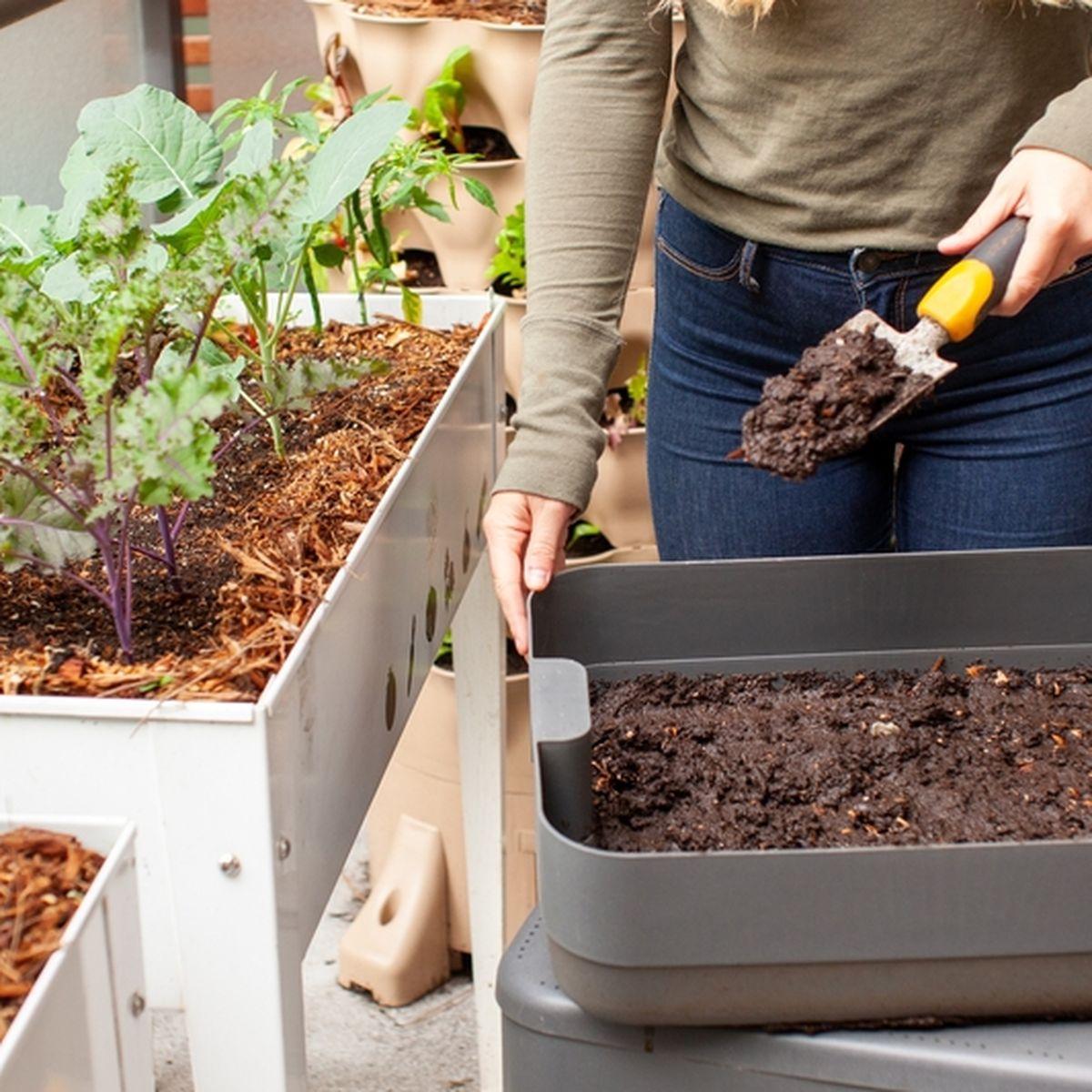
Most container pest problems I have tracked begin with a stressed plant. A tiny pot that dries out every afternoon, exhausted potting mix, or poor drainage creates a plant that struggles. I focus on healthy growing conditions first because stronger plants tolerate problems better.
My containers usually hold several gallons of quality growing mix, and in Boise's heat I often check moisture daily. I refresh old mix, add compost appropriately, and avoid treating symptoms while ignoring the growing conditions underneath. Healthy soil is one part of an integrated approach to pest management.
Physical Barriers and Maintenance for Pest Prevention
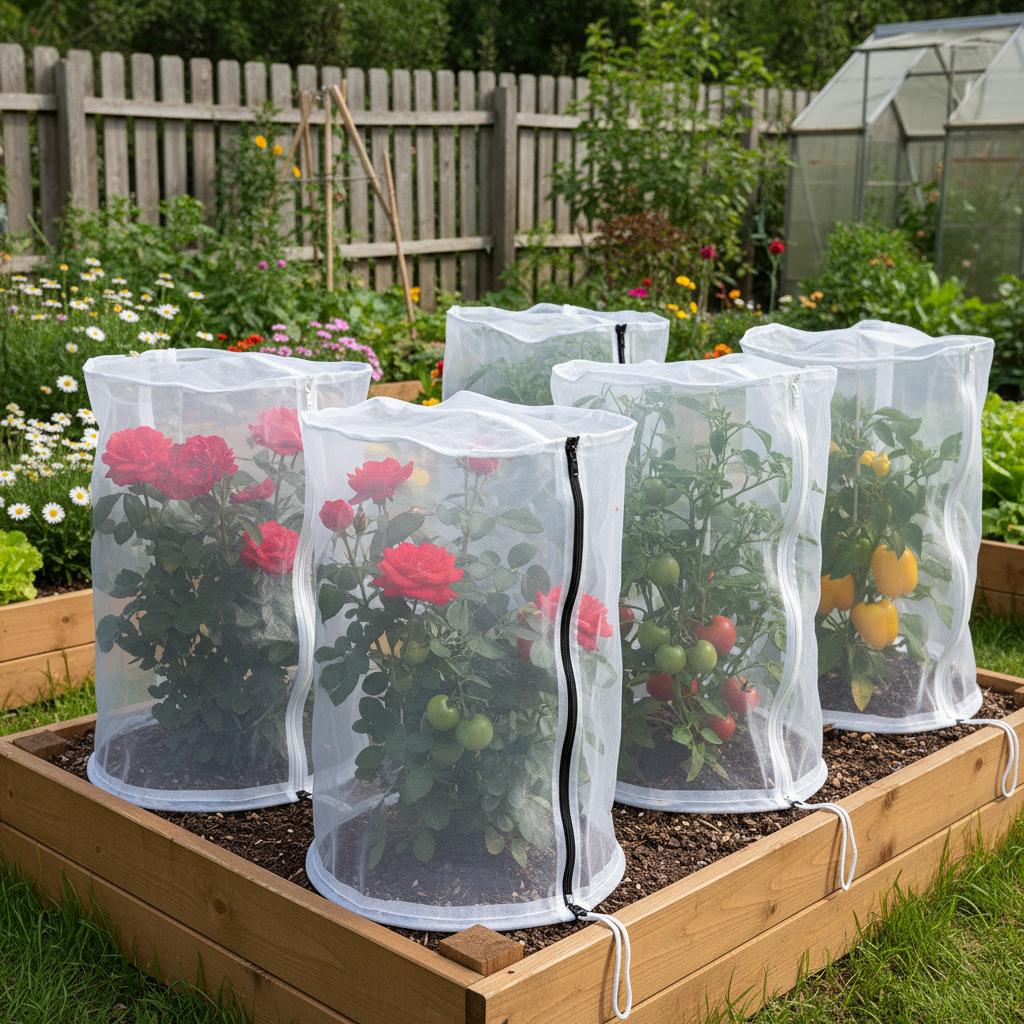
Physical barriers are my favorite container pest tool because they prevent the problem instead of chasing it afterward. Lightweight covers and insect netting can keep many pests away from young plants, especially when placed before insects lay eggs. Extension resources describe row covers as a mechanical barrier used in integrated pest management.
I also keep a simple maintenance routine: remove damaged leaves, check the undersides of foliage, clean old plant debris, and keep watering consistent. Small daily checks beat a weekend emergency spray session. Just remember to remove covers when pollination is needed for flowering crops.
Benefits
- Reduces pest access without sprays.
- Works well for small container spaces.
Limits
- Requires checking plants underneath.
- Must be managed around pollination.
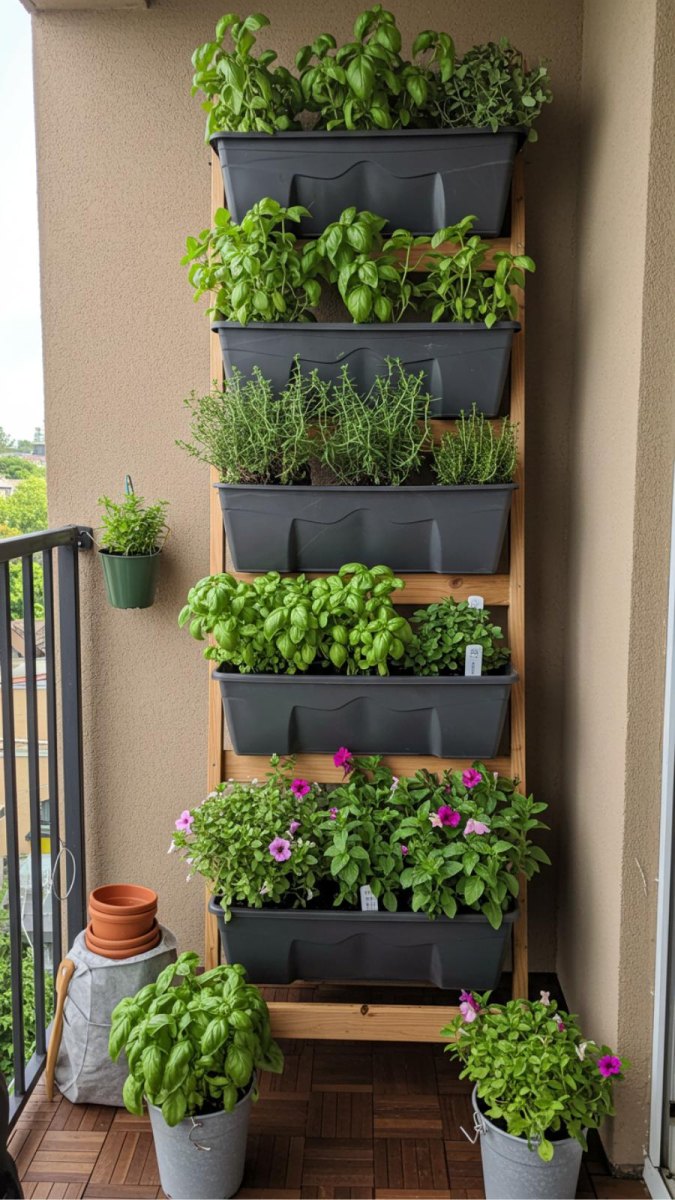
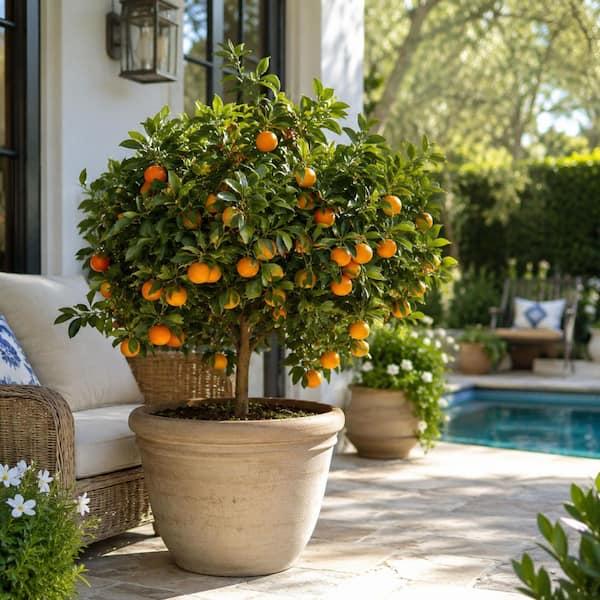
More Pinterest Visuals
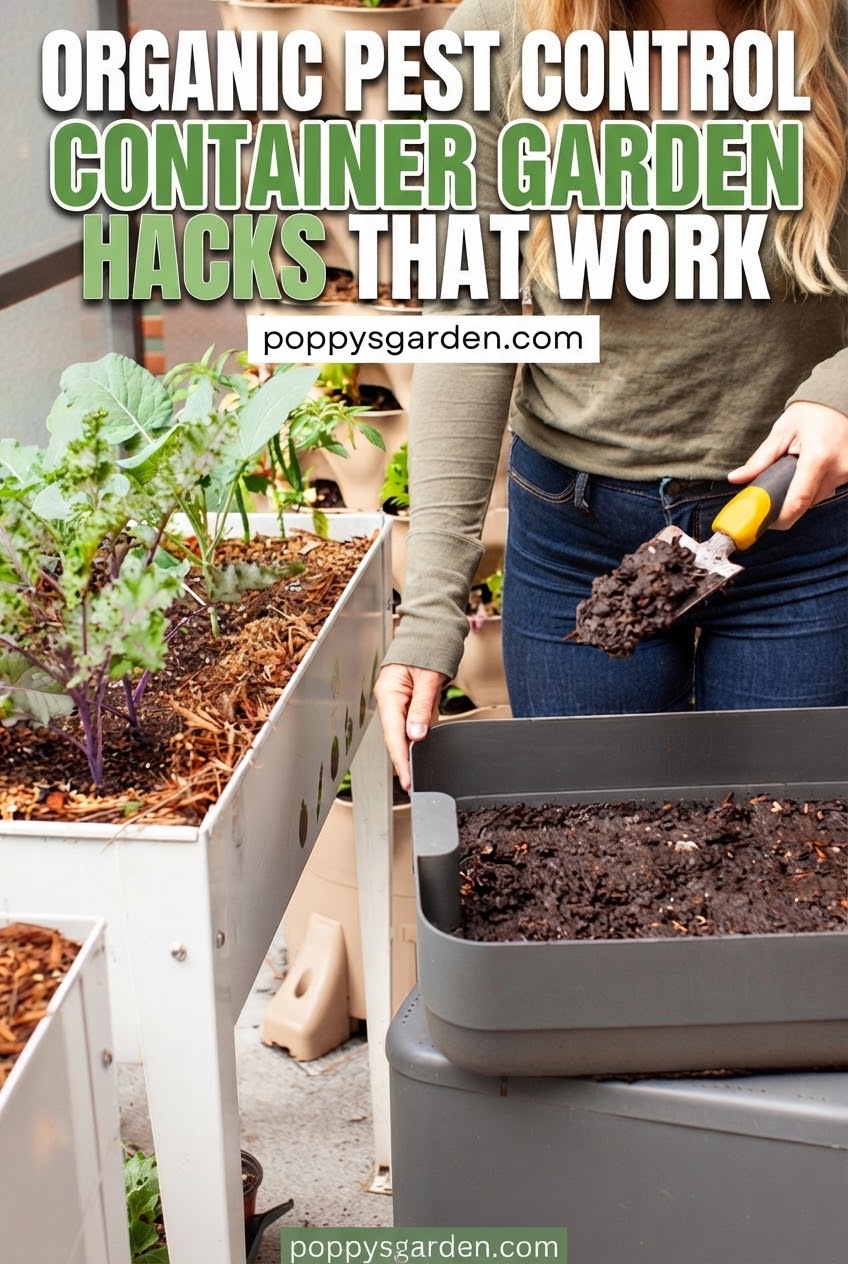
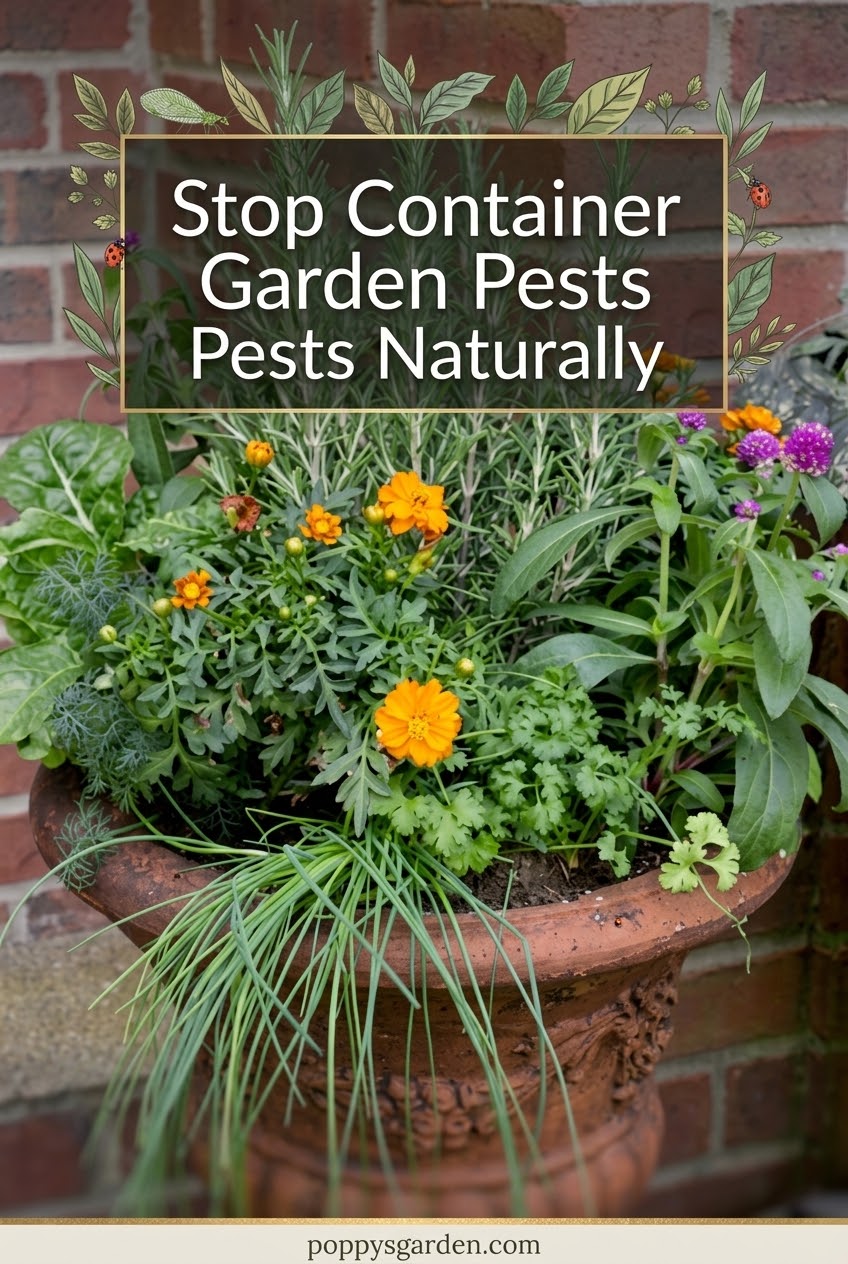



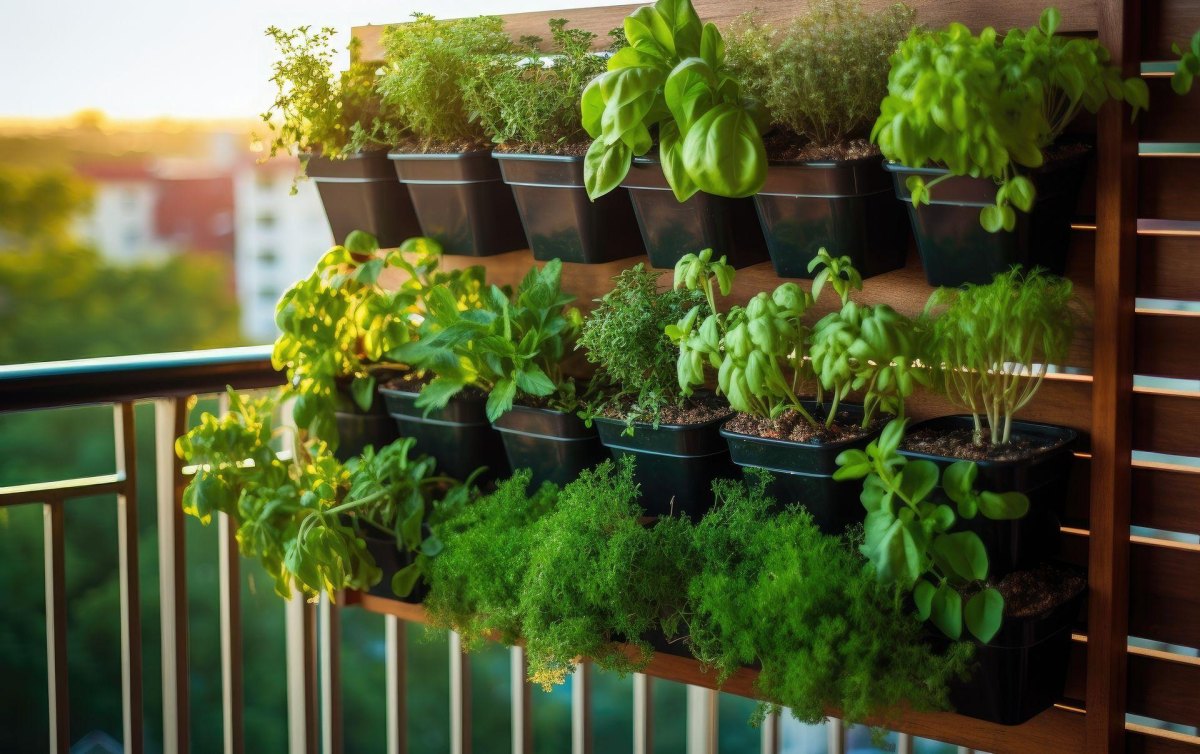 Balcony & Patio GardensSmall Space Garden Ideas That Make Every Inch Count
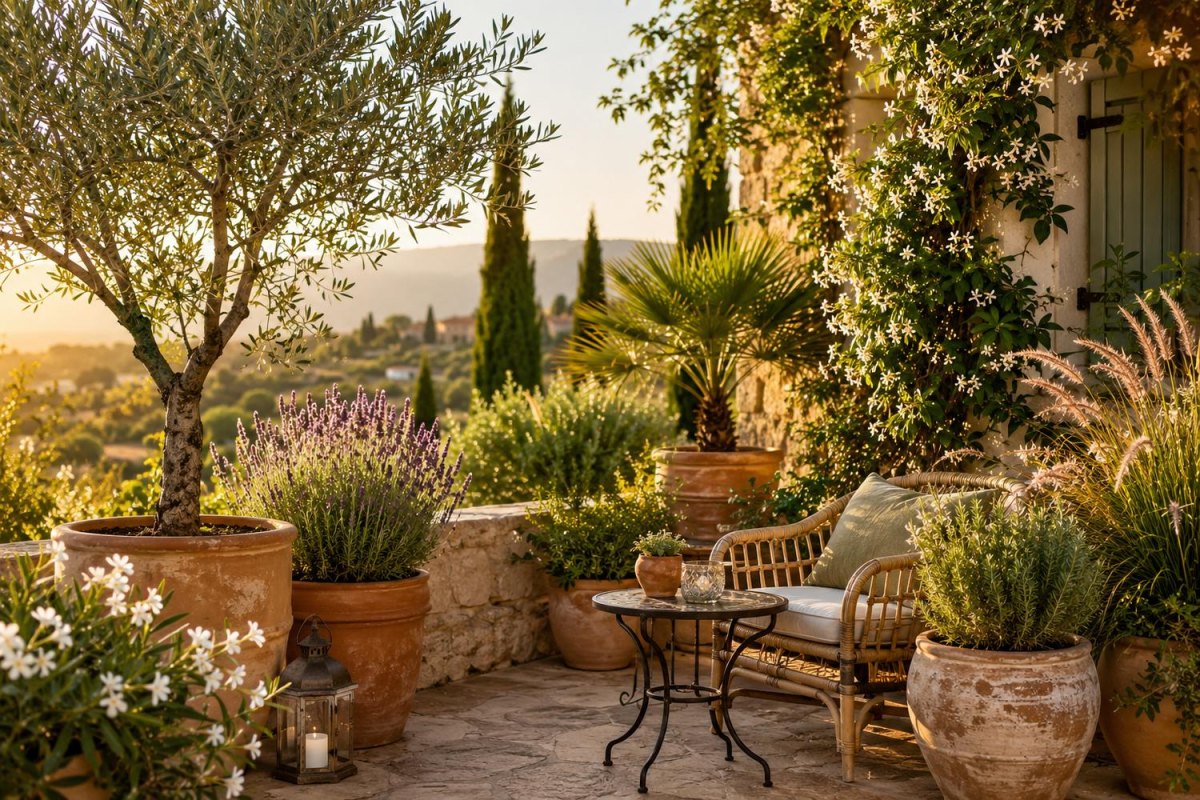 Balcony & Patio GardensKübelpflanzen für die Terrasse – 15 Ideen für ein grünes und blühendes Outdoor-Paradies
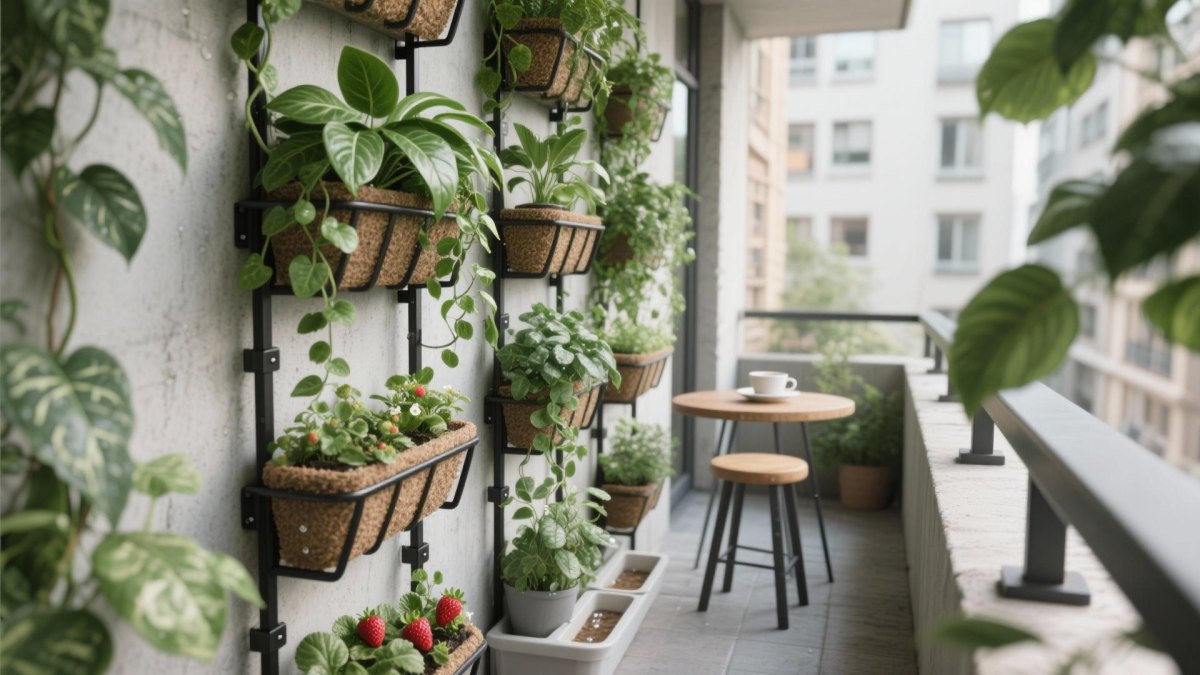 Balcony & Patio Gardens20 Balcony Garden Setup Ideas To Transform Your Outdoor
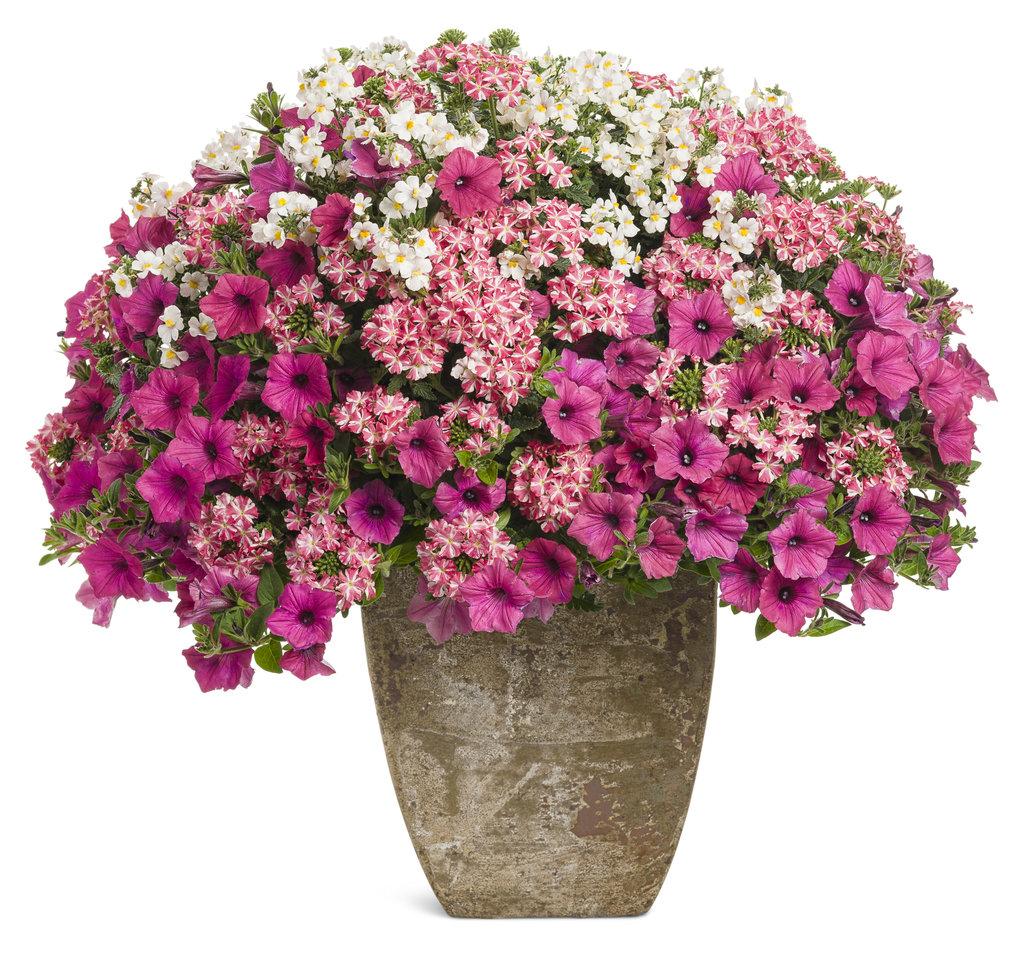 Seasonal & Flower Containers16 Beautiful Container Garden Flower Combinations That Work