
Choosing seed starting containers looks simple until you have a basement full of seedlings and nowhere to put them. I garden in Boise, Idaho, zone 7a, where our dry climate, alkaline soil, eleven inches of annual rain, and unpredictable spring frosts mean I start many crops indoors under lights. I have learned that the container matters, but drainage matters more. Extension guides agree that clean containers with good drainage can range from purpose-built trays to reused household items.
I keep notes from every season, including what germinated, what failed, and what was worth the shelf space. These are the seed starting containers I would actually use again, along with the ones I keep around for specific jobs.
Seed Starting Trays
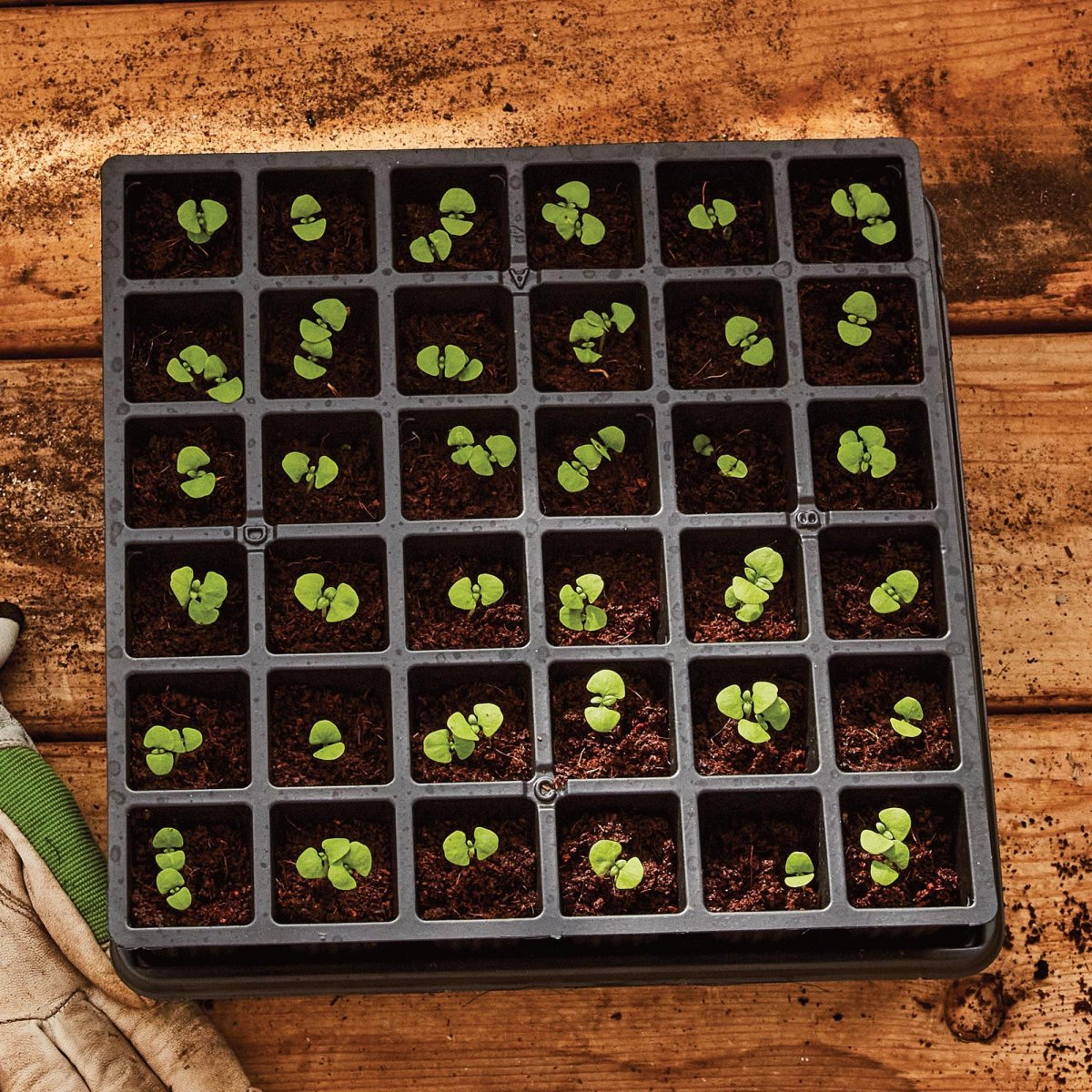
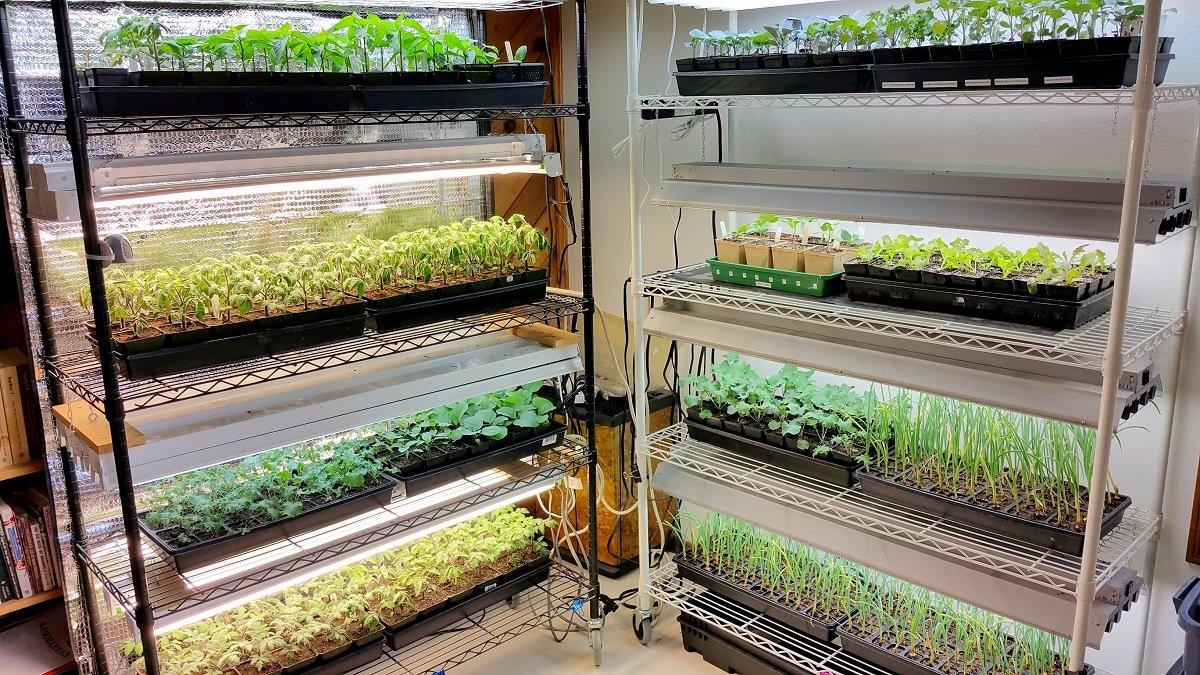
Seed starting trays are still my workhorse container after years of growing. My basement shelves fit standard flats neatly, and I can start dozens of seedlings without hunting for random pots. Reusable plastic trays are especially practical when cleaned between seasons.
I use trays with drainage holes and a separate catch tray underneath. In my setup, the biggest mistake is not the tray itself but leaving seedlings sitting in water after a heavy watering.
Pros
- Efficient use of shelf space
- Easy to organize many varieties
Cons
- Requires storage between seasons
- Needs cleaning before reuse
Biodegradable Peat Pots
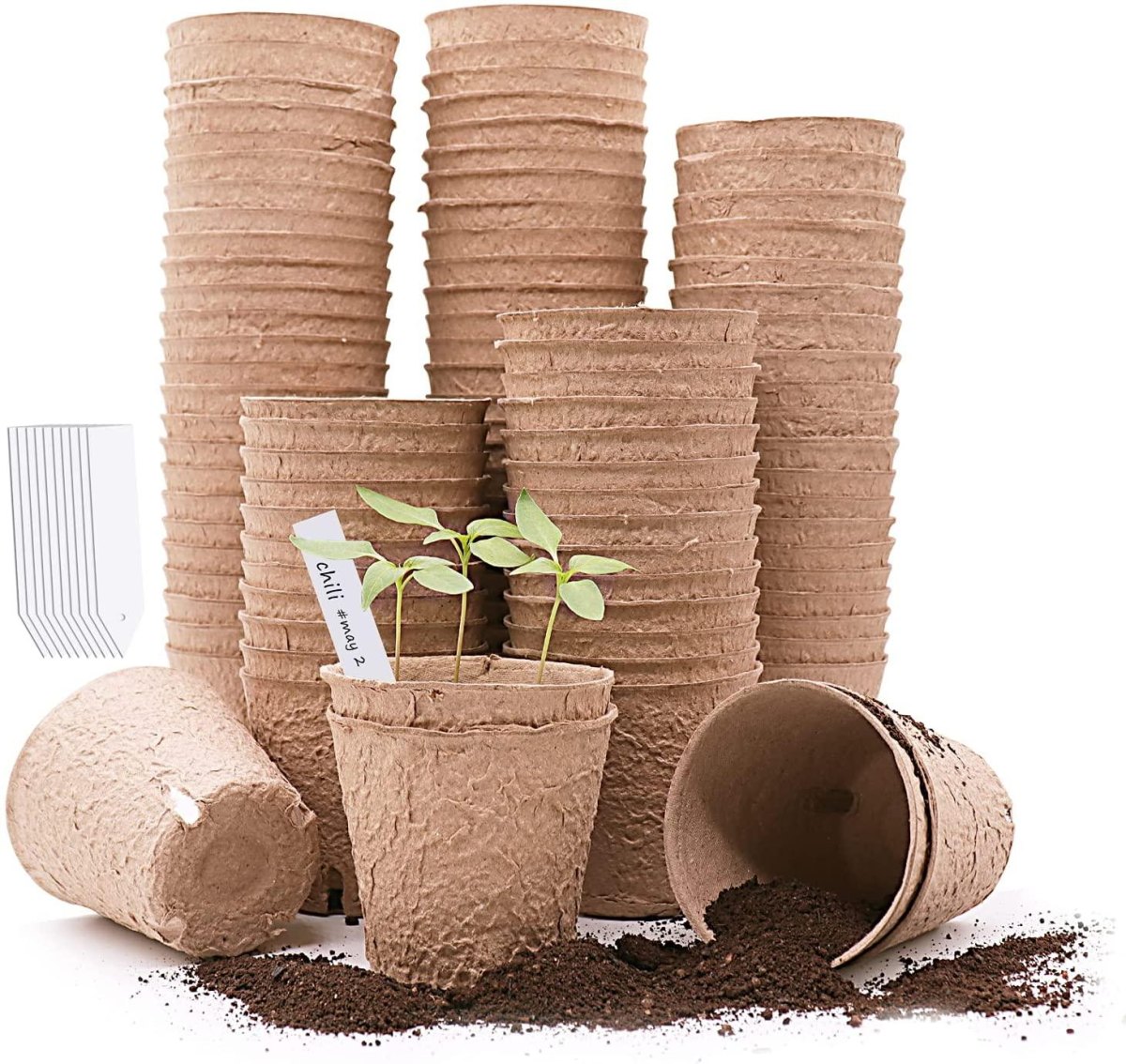
Peat pots are convenient because the seedling can go into the garden with the container attached. I have used them for crops that dislike root disturbance, but I always watch moisture carefully because peat pot edges can dry unevenly.
For my Idaho garden, I transplant based on my own last frost date rather than a calendar. Check your local extension recommendations and count backward from your frost date before starting warm-season crops.
Coco Coir Seedling Pots
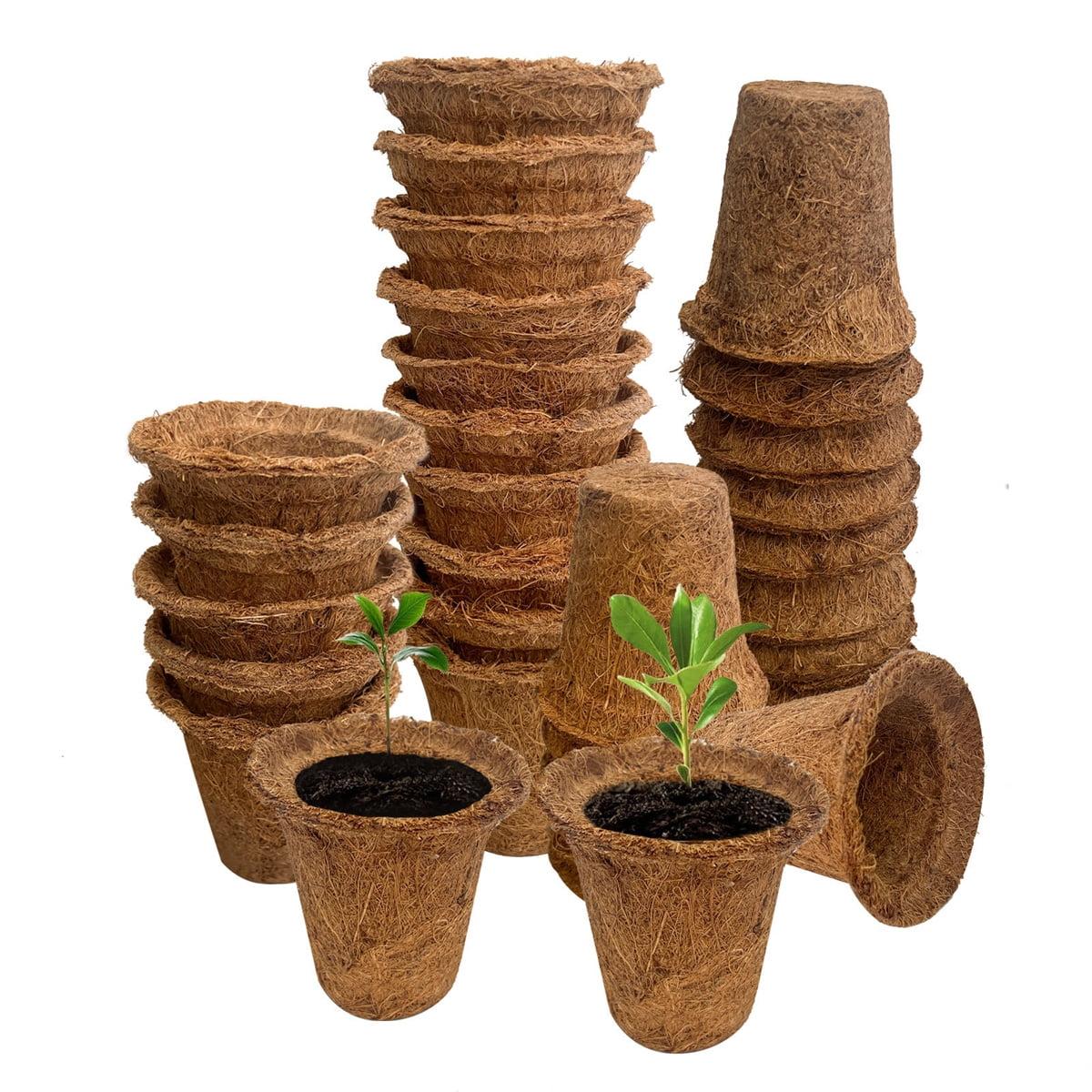
Coco coir pots are a good alternative when gardeners want a fiber-based container. I like the texture and the way they handle transplanting, although I still judge them by the same rule: roots need air, and soggy containers create problems.
I have found that container choice matters less than matching watering habits to the material. A pot that dries quickly needs a gardener who checks it often.
Plastic Nursery Pots
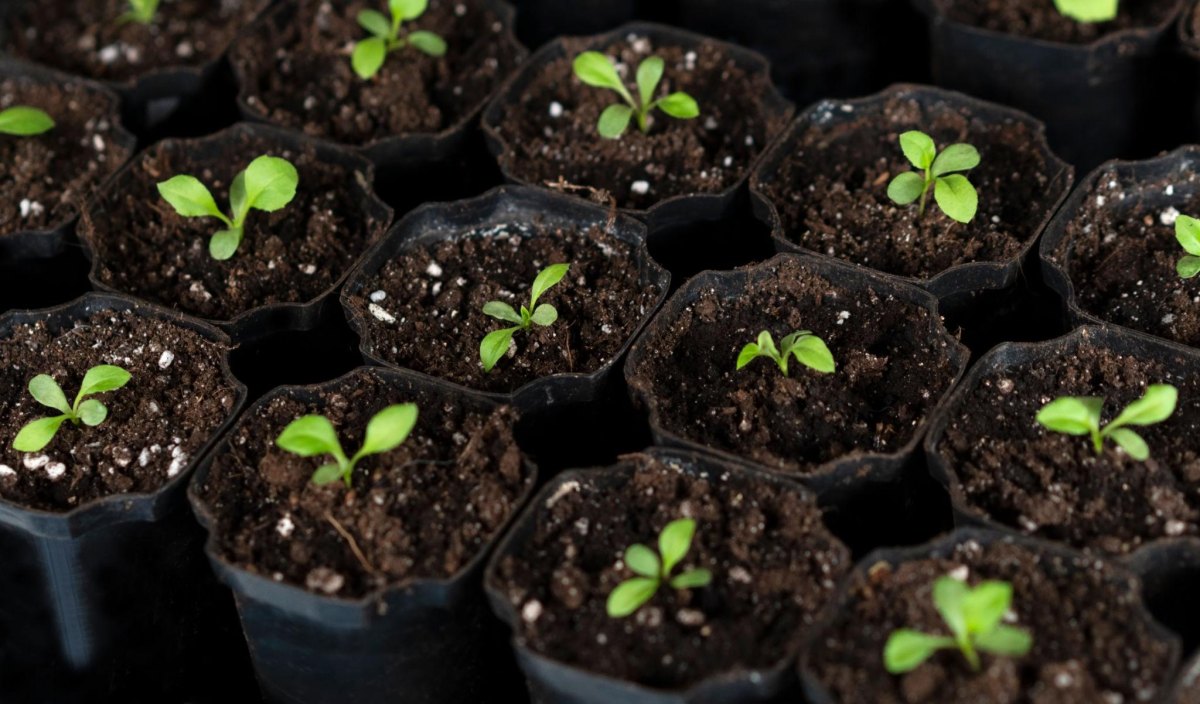
Small plastic nursery pots are not glamorous, but they are dependable. I save sturdy ones from previous purchases and reuse them after washing because durable plastic pots can last many seasons.
They work especially well when seedlings need more time before planting outside. I use them for tomatoes and peppers when spring weather refuses to cooperate.
Soil Block Seed Starting Containers
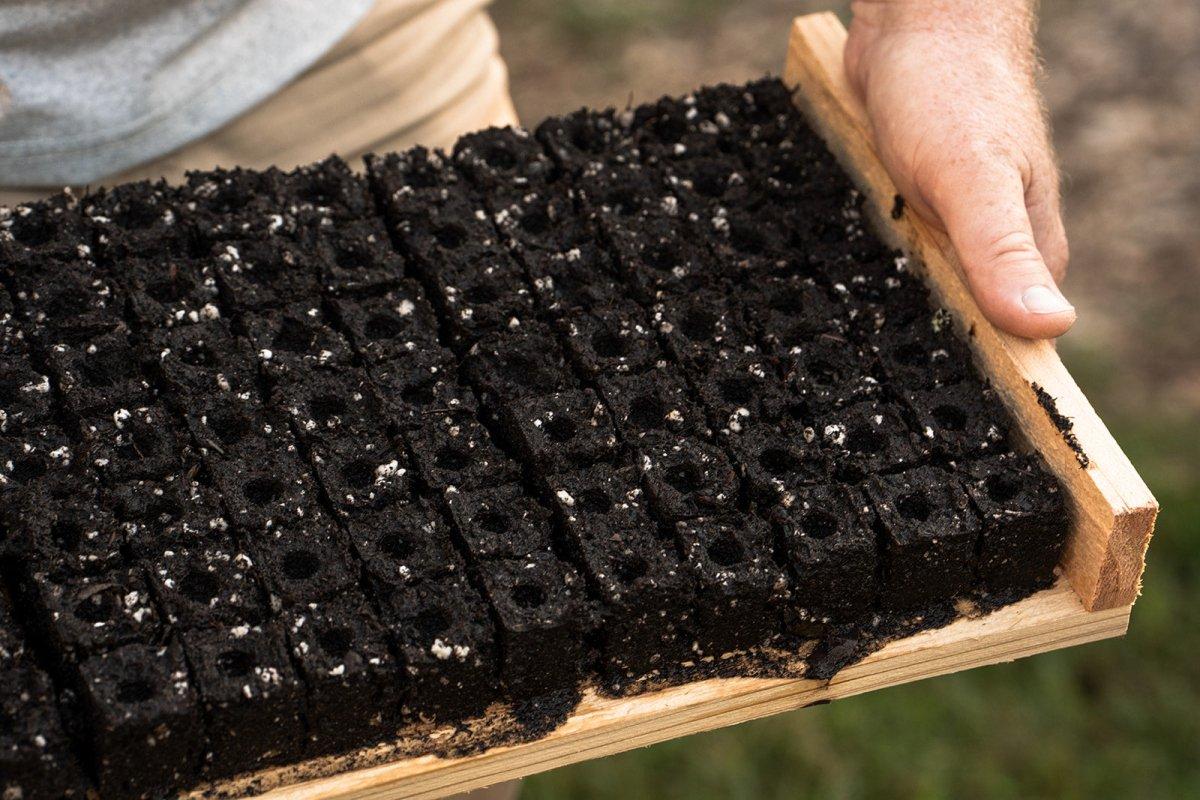
Soil blocks changed how I think about containers because the container can be the soil itself. The method uses compressed growing mix cubes instead of traditional pots, and it can reduce plastic use.
I consider soil blocking a low-waste option, but it is not magic. The blocks need careful moisture management, and beginners often need a little practice before they feel easy.
My tip
Start with a small batch before committing your entire seed collection to soil blocks.
Egg Carton Seed Starters
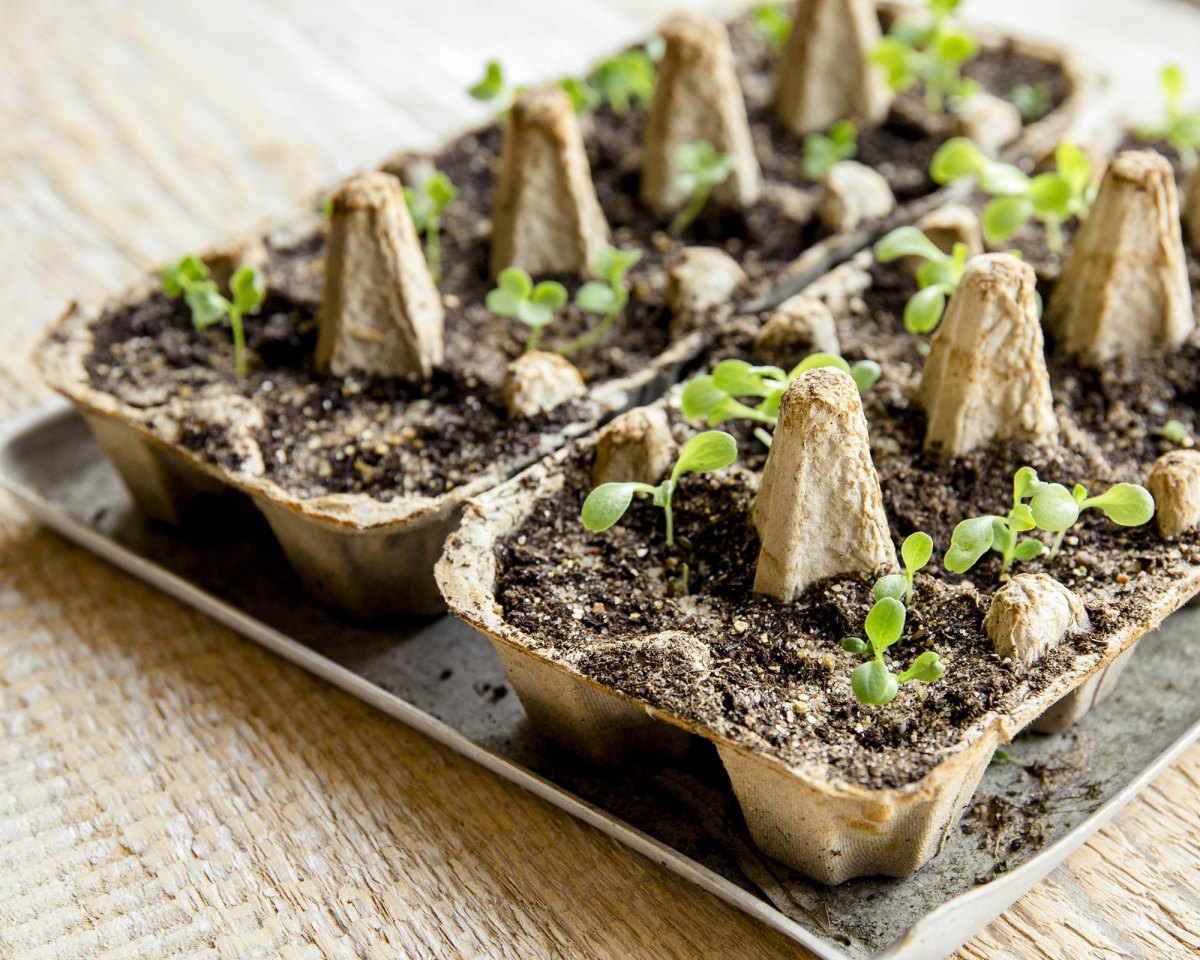
Egg cartons are one of my favorite rainy-day seed projects with kids. Otto, who takes responsibility for our worm bin very seriously, loves anything that turns kitchen waste into garden supplies. Cardboard cartons can work for short-term seed starting when drainage is adequate.
I do not leave seedlings crowded there for long. Once roots fill the space, they need a larger home or a trip outdoors.
Repurposed Household Containers
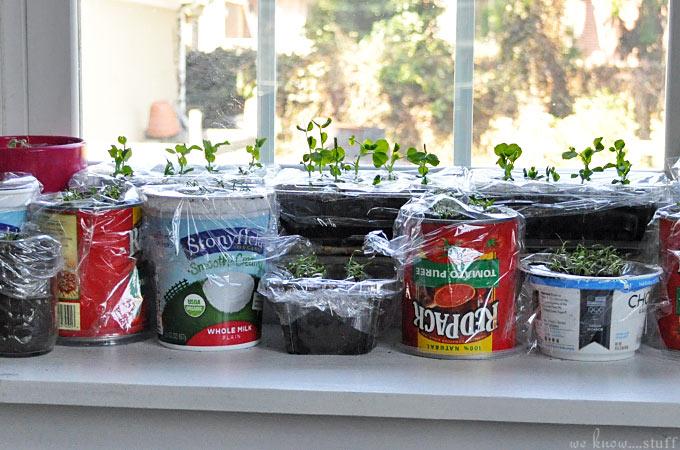
Some of my most successful seedlings started in containers that were never sold as garden supplies. Yogurt cups, clear food containers, and other clean items can work if they have drainage holes.
The important part is not whether it came from a garden center. It is whether it provides clean growing space with enough room and airflow.
Clear Humidity Dome Containers
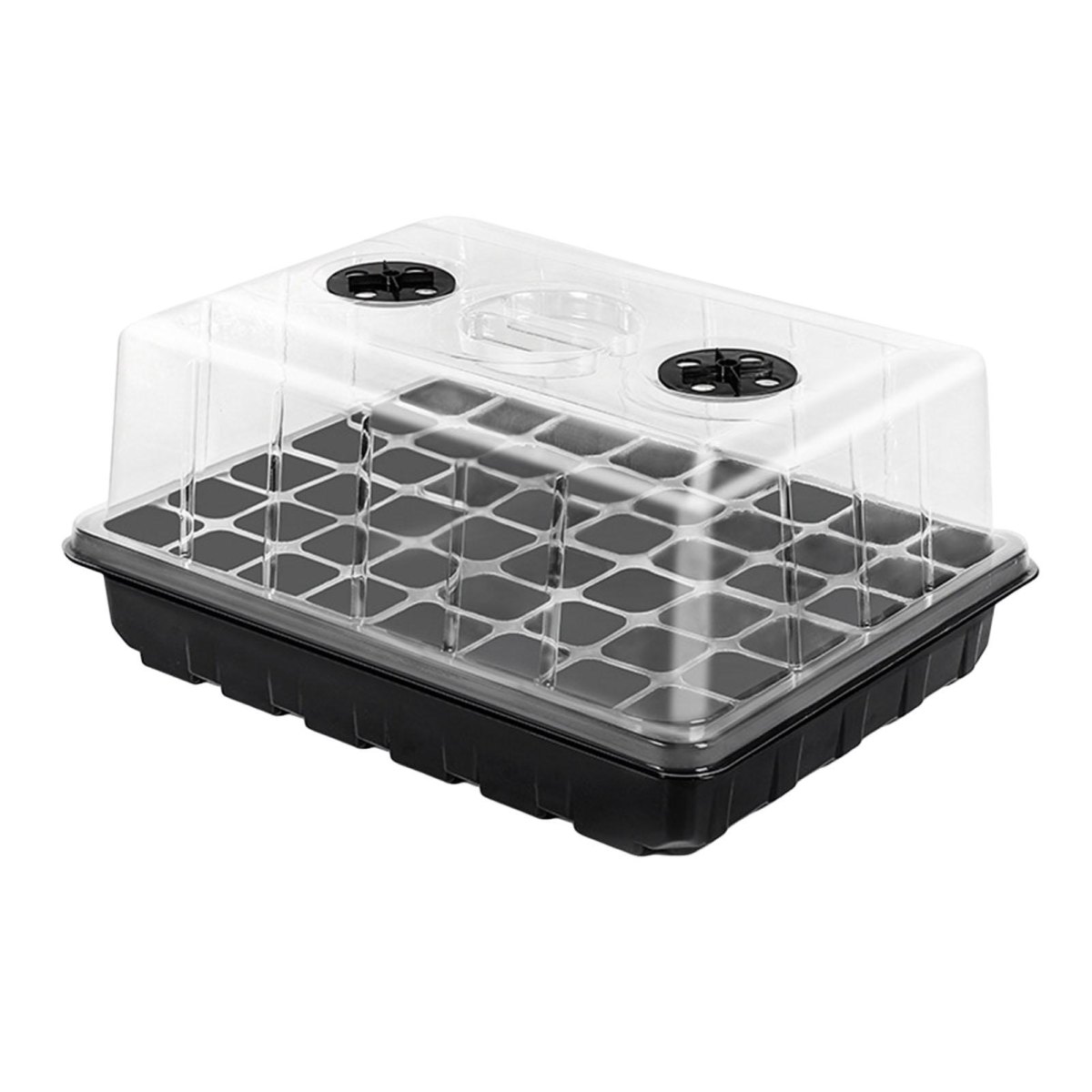
Humidity domes are useful during germination because they slow moisture loss. My mistake years ago was leaving covers on too long after sprouts appeared. Remove the dome once seedlings emerge to reduce problems with excess humidity.
I now use domes only for the early stage and then move seedlings under strong lights with airflow.
Self-Watering Seed Starting Containers
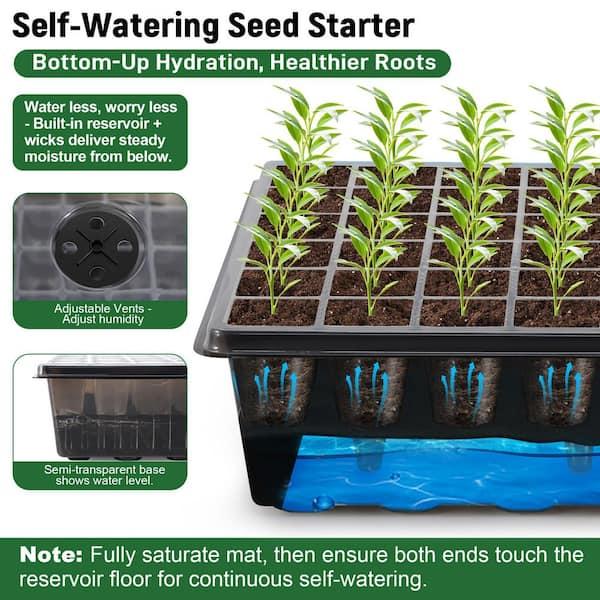
Self-watering containers appeal to busy gardeners because they reduce the number of daily checks. In my dry Boise climate, they can be helpful during busy spring weeks when the basement lights and garden planning compete for attention.
I still inspect seedlings because automatic watering is not automatic success. Roots need oxygen as much as moisture.
Paper Cup Seed Starters
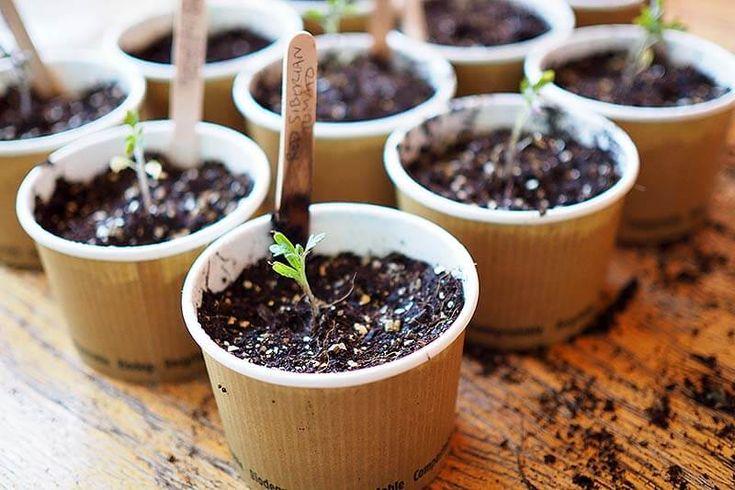
Paper cups are an inexpensive option when you need a few extra containers. I have used them for experiments and classroom-style planting, but I always add drainage holes and a tray underneath.
The container is temporary, so the goal is healthy roots before transplanting. Simple paper cups can do that job.
Wooden Seed Starting Boxes
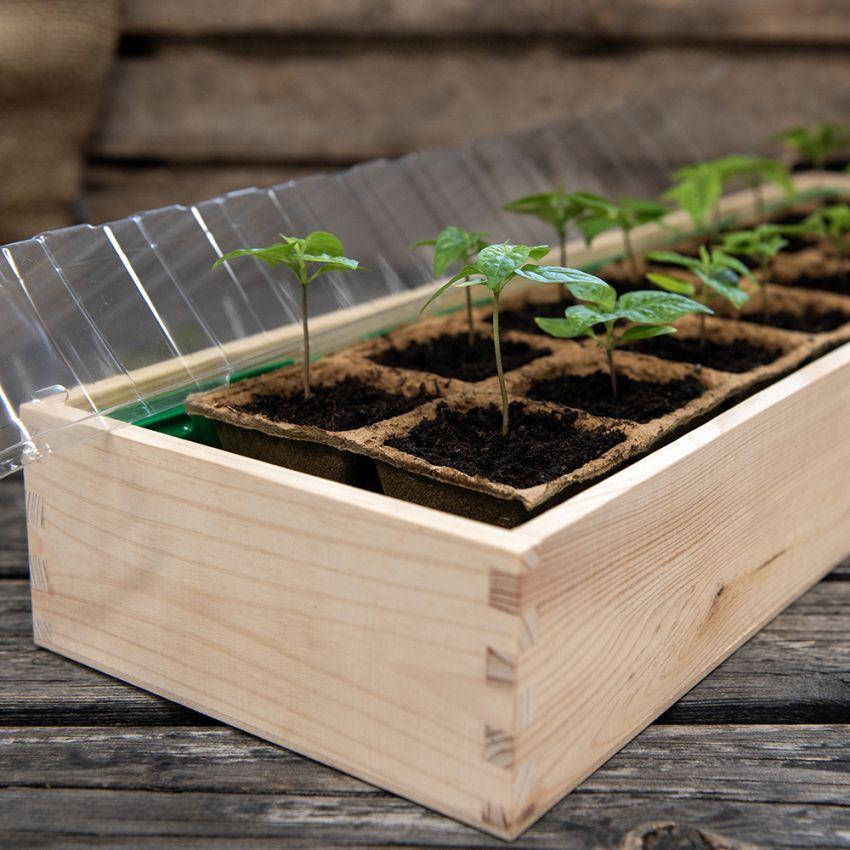
Wooden seed starting boxes remind me of older garden methods, including my grandfather Poppy's rows in Nampa. They are useful for gardeners who like building things and want a sturdy flat for many seedlings.
I pay attention to materials because food-growing containers should avoid questionable treatments. Safe materials matter before convenience.
Cell Plug Seedling Trays
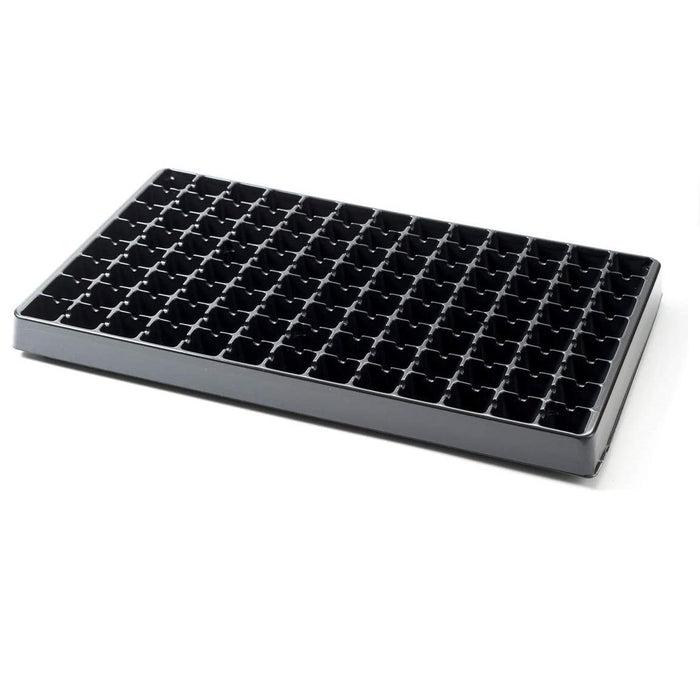
Cell plug trays are my choice when I want individual plants without dozens of separate pots. Each seedling gets its own compartment, making transplanting more organized. Individual cells also make variety labeling easier.
I use these most often for flowers and vegetables that I start in batches.
Fabric Grow Bags for Seedlings
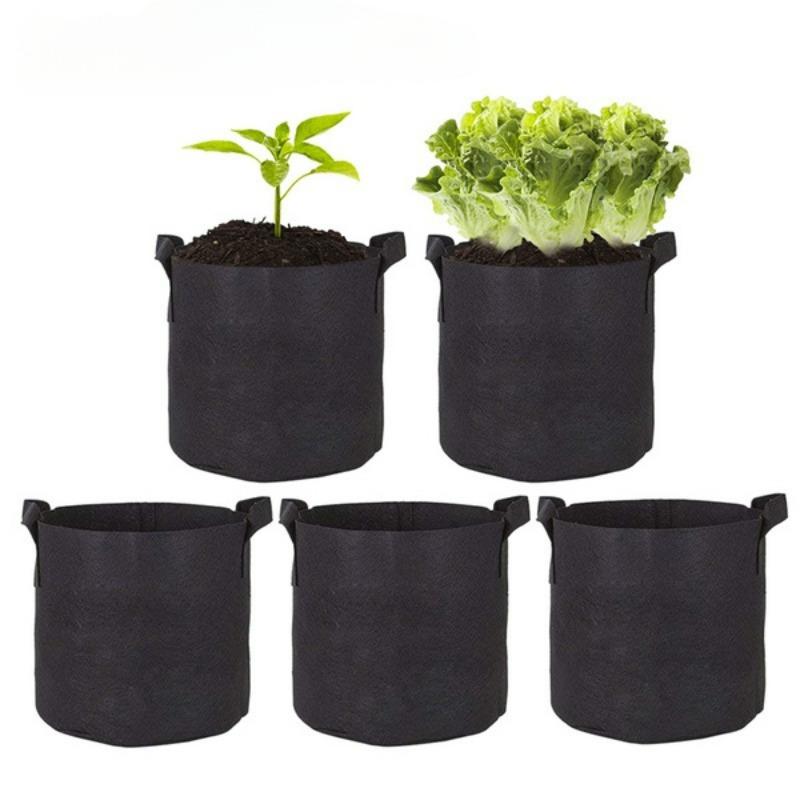
Fabric containers are more common for finishing plants than tiny seedlings, but small versions can be useful when roots need extra airflow. I would not choose them for every crop, especially on a crowded seed-starting shelf.
The challenge is keeping young plants evenly watered because fabric dries quickly compared with plastic.
Reusable Silicone Seed Starting Pots
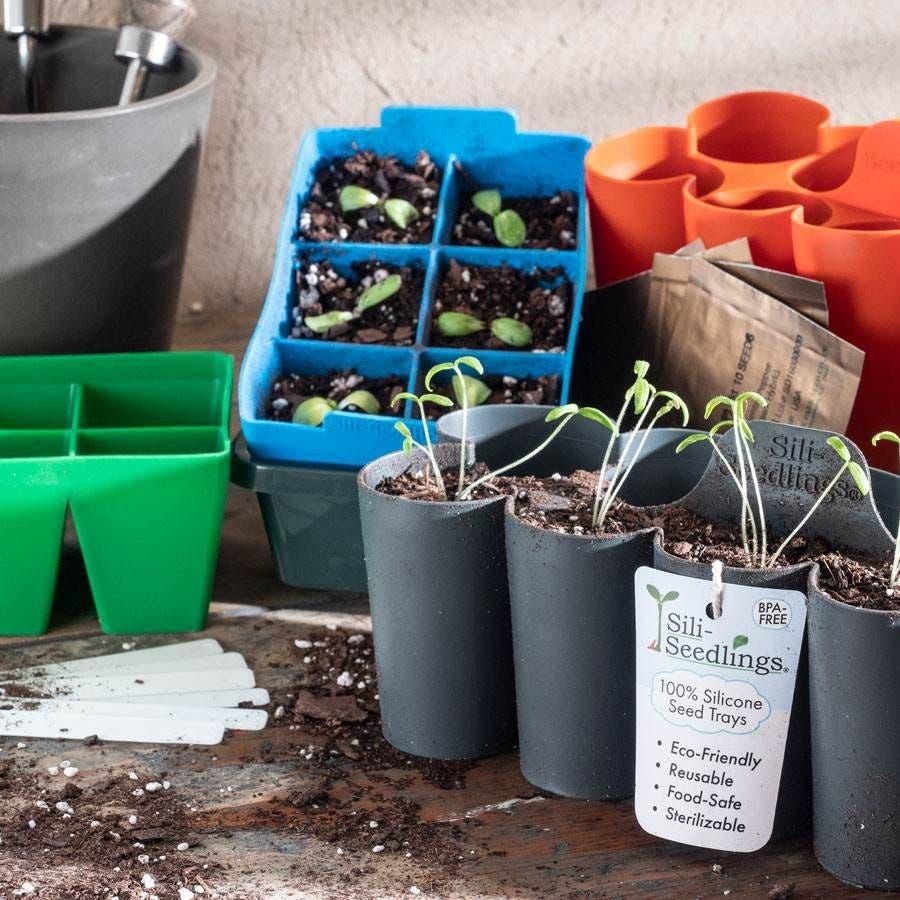
Reusable silicone pots are appealing because they fold away neatly after the growing season. I like anything that reduces storage clutter, although I still compare every product against my old reliable trays.
For me, the deciding factor is whether the pot provides proper drainage and enough volume for the seedling stage.
DIY Newspaper Seed Pots
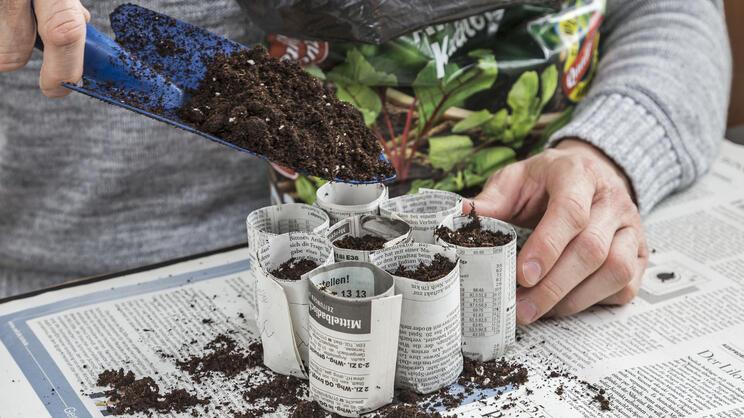
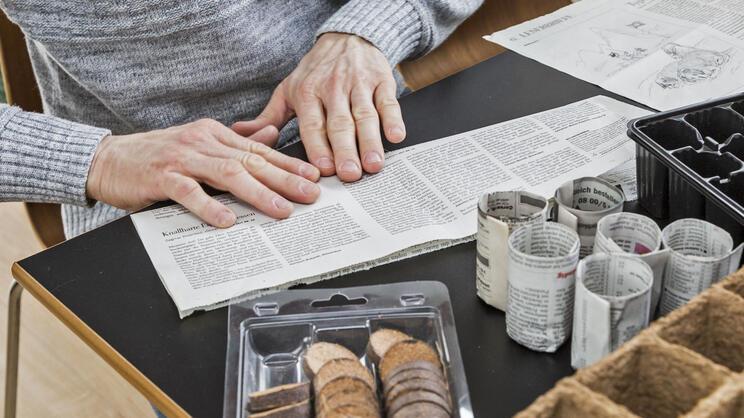
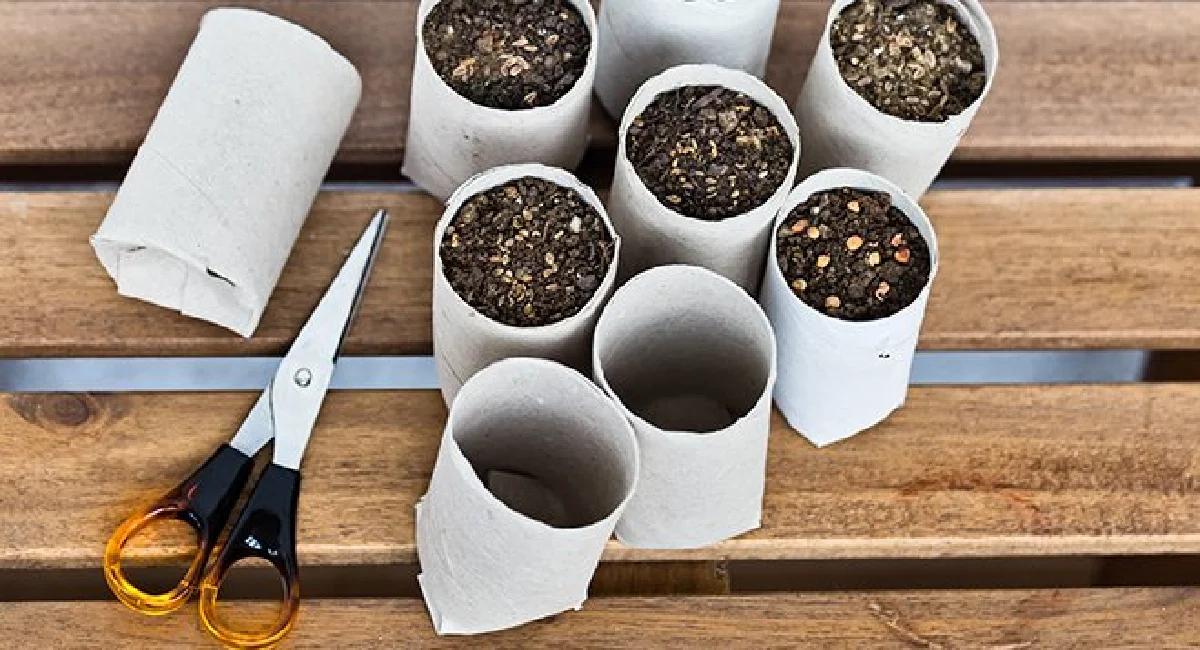
Newspaper pots are a classic DIY option and one I still make occasionally when I run short. Paper containers can be planted out with seedlings, but they need careful watering because paper can wick moisture away.
I use them for small batches rather than my entire garden because my time is limited. A container is only useful if it fits the gardener using it.
More Pinterest Visuals



 Balcony & Patio GardensSmall Space Garden Ideas That Make Every Inch Count
 Balcony & Patio GardensKübelpflanzen für die Terrasse – 15 Ideen für ein grünes und blühendes Outdoor-Paradies
 Balcony & Patio Gardens20 Balcony Garden Setup Ideas To Transform Your Outdoor
 Seasonal & Flower Containers16 Beautiful Container Garden Flower Combinations That Work