

I learned quickly that a small yard does not mean a small compost habit. In my Boise, Idaho zone 7a garden, where I deal with about eleven inches of yearly rain, alkaline soil, and summer heat, I measure compost success by what my beds produce after I add it. I still check my local conditions and frost dates before making seasonal changes, because my high-desert garden is not your garden.
My current setup gives me enough finished compost for my raised beds without taking over the yard. These are the methods, mistakes, and numbers I have written down over years of growing.
Choosing the Right Composting Method for a Small Yard
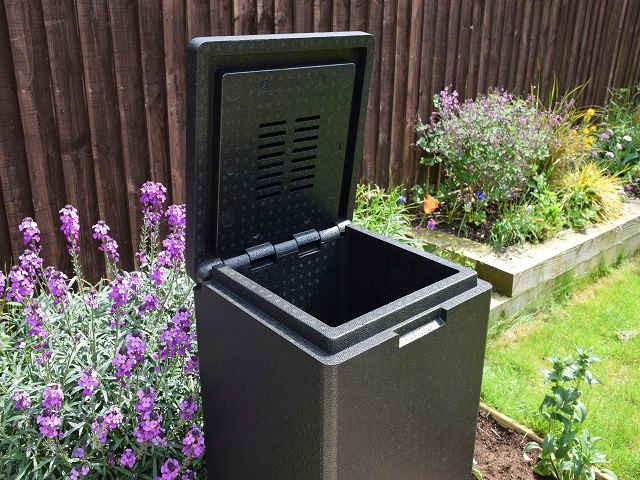
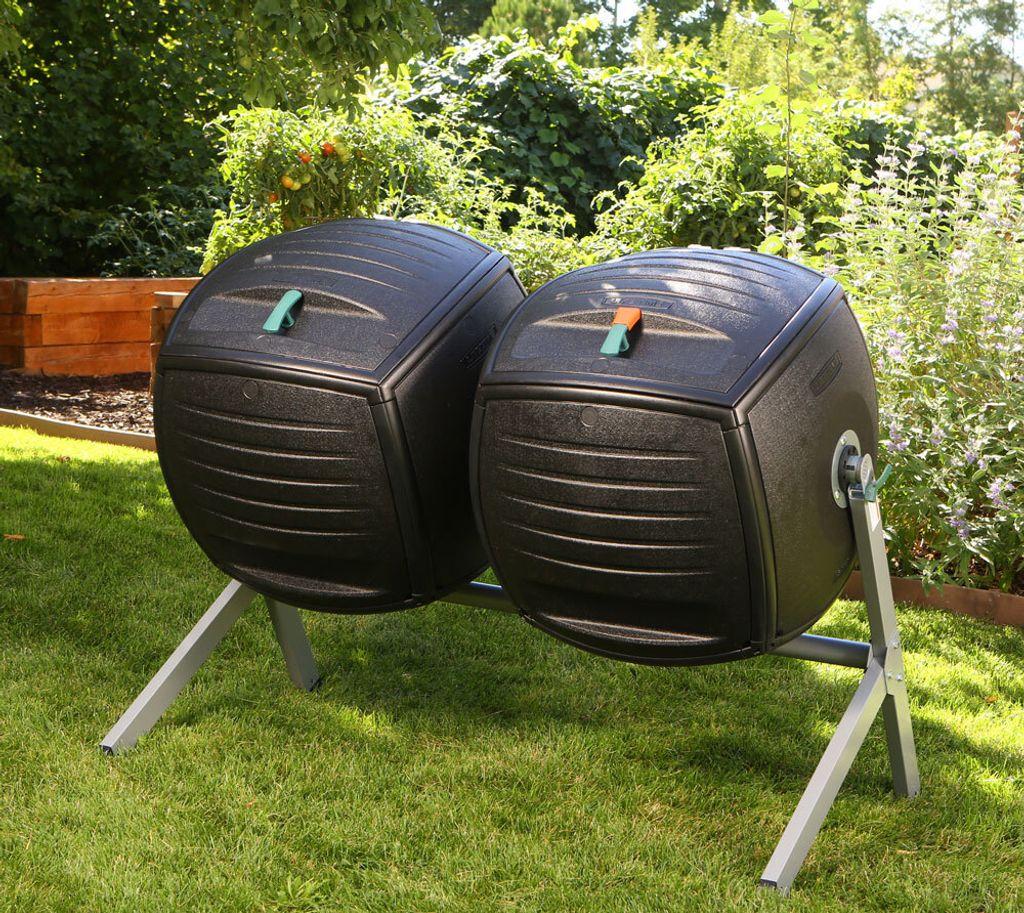
When I helped people choose compost systems during my seed-company years, I always started with the same question: how much waste do you actually create? A tumbler, stationary bin, or worm bin can all work, but the best small yard composting method is the one that matches your scraps, space, and willingness to turn material.
My small-yard starting point
- Choose a tumbler when you need a tidy, contained option.
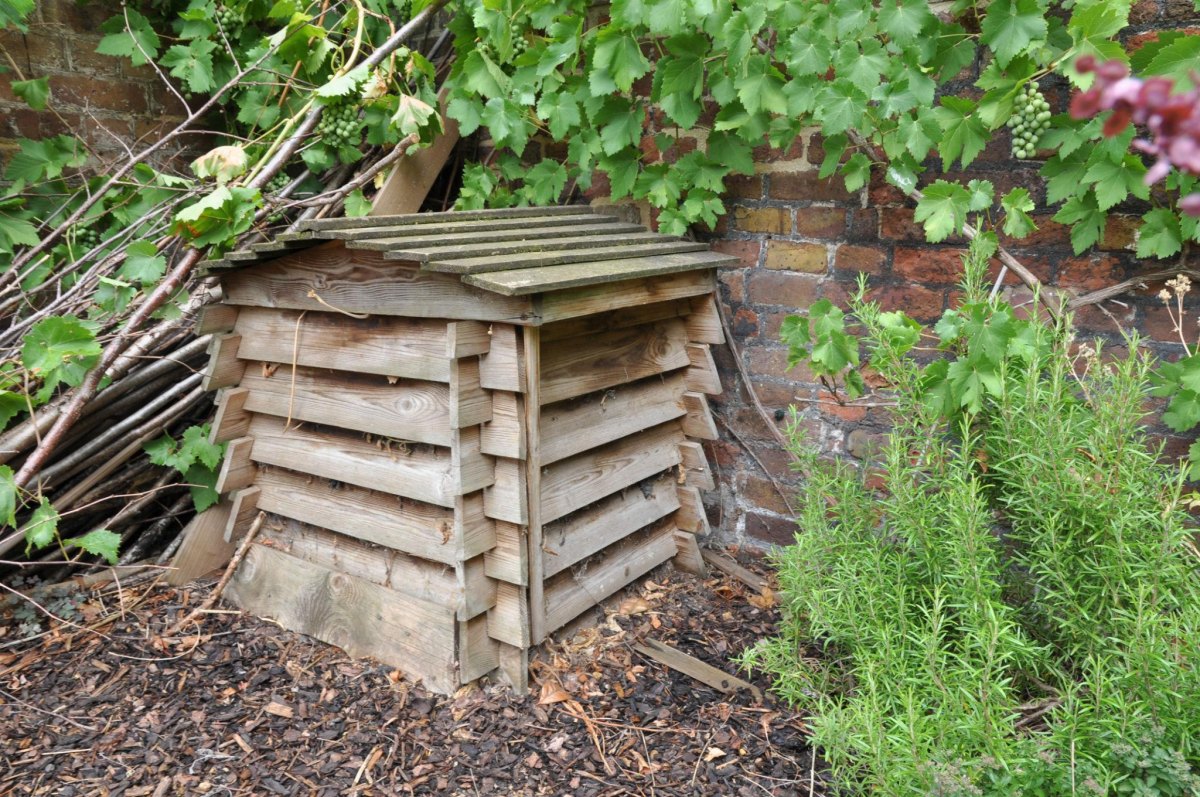
- Choose a bin when you have leaves and garden waste to process.
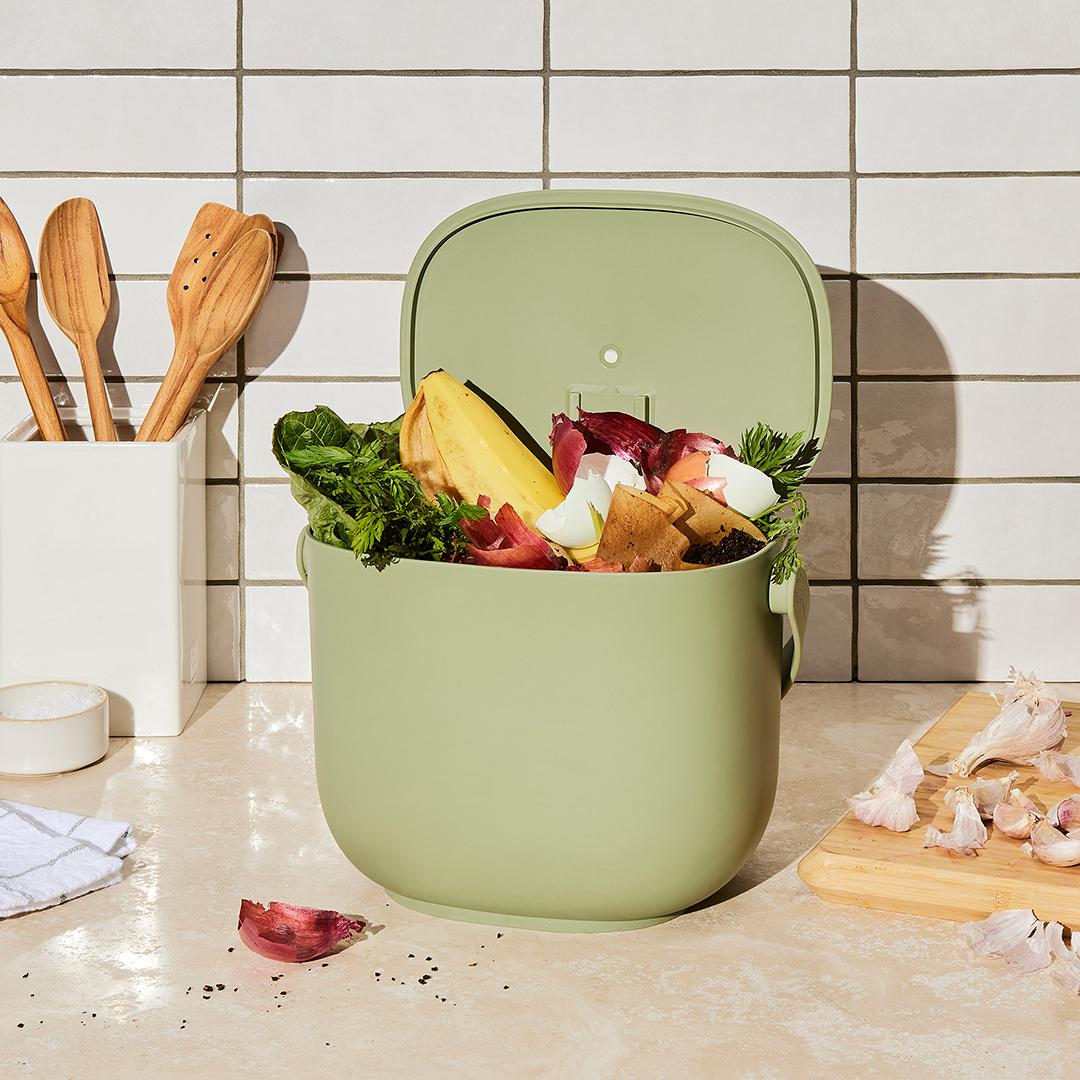
- Choose worms when kitchen scraps are your main material.
I keep a simple bin system because my garden produces plenty of leaves and trimmings. A setup that requires less space but fits your routine will beat an abandoned fancy composter every time.
Setting Up a Space-Saving Compost Station
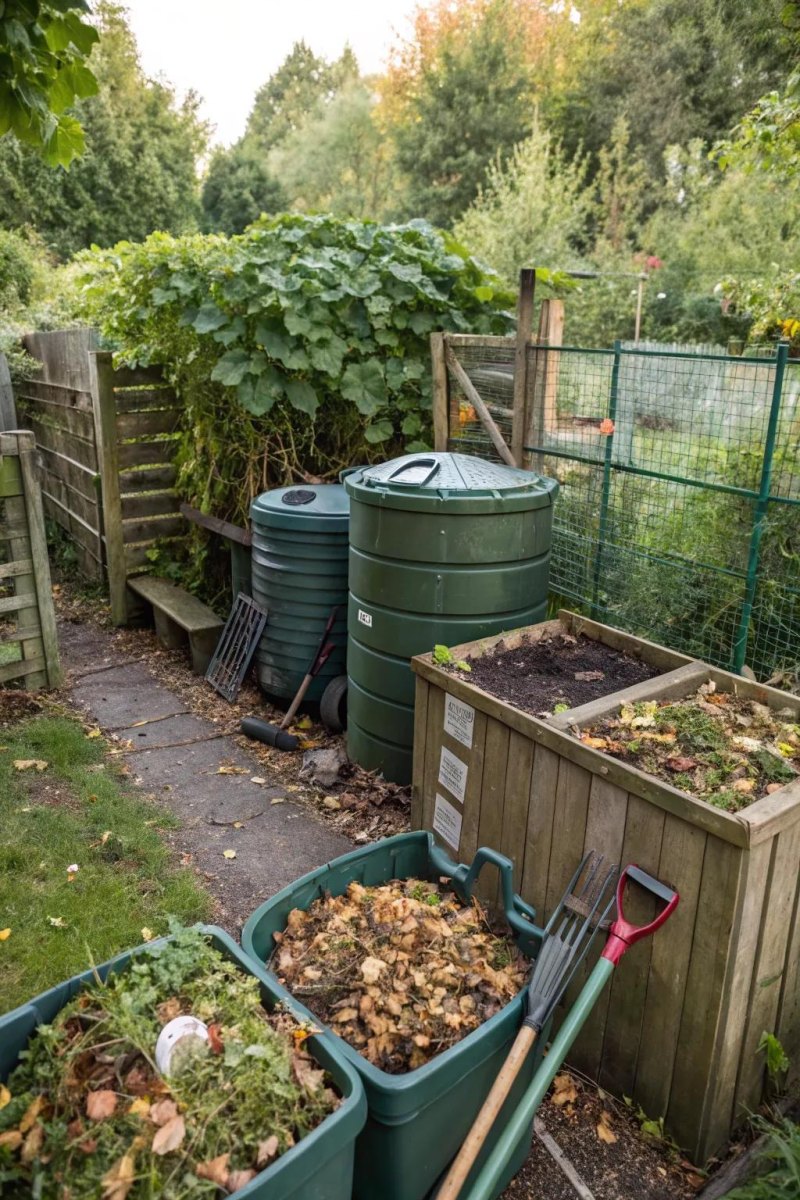
My compost station sits where I can reach it easily with a bucket of scraps and a hose. The EPA recommends choosing a spot with access, drainage, and a nearby water source rather than hiding the pile somewhere inconvenient.
- Pick. Find a level location with drainage and enough room to work around the bin.
- Store. Keep a container of dry leaves or other browns nearby.
- Organize. Place tools like a fork and moisture check nearby.
My biggest space-saving trick is storing fall leaves beside the bin. In my dry climate, having a ready supply of carbon-rich browns matters more than having a large compost footprint.
Selecting Compost Materials for Balanced Decomposition
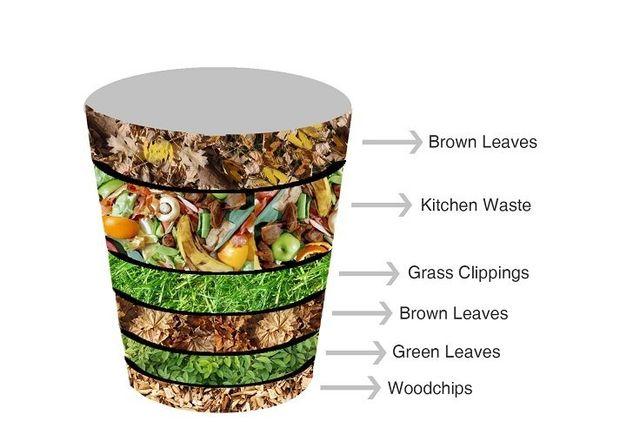
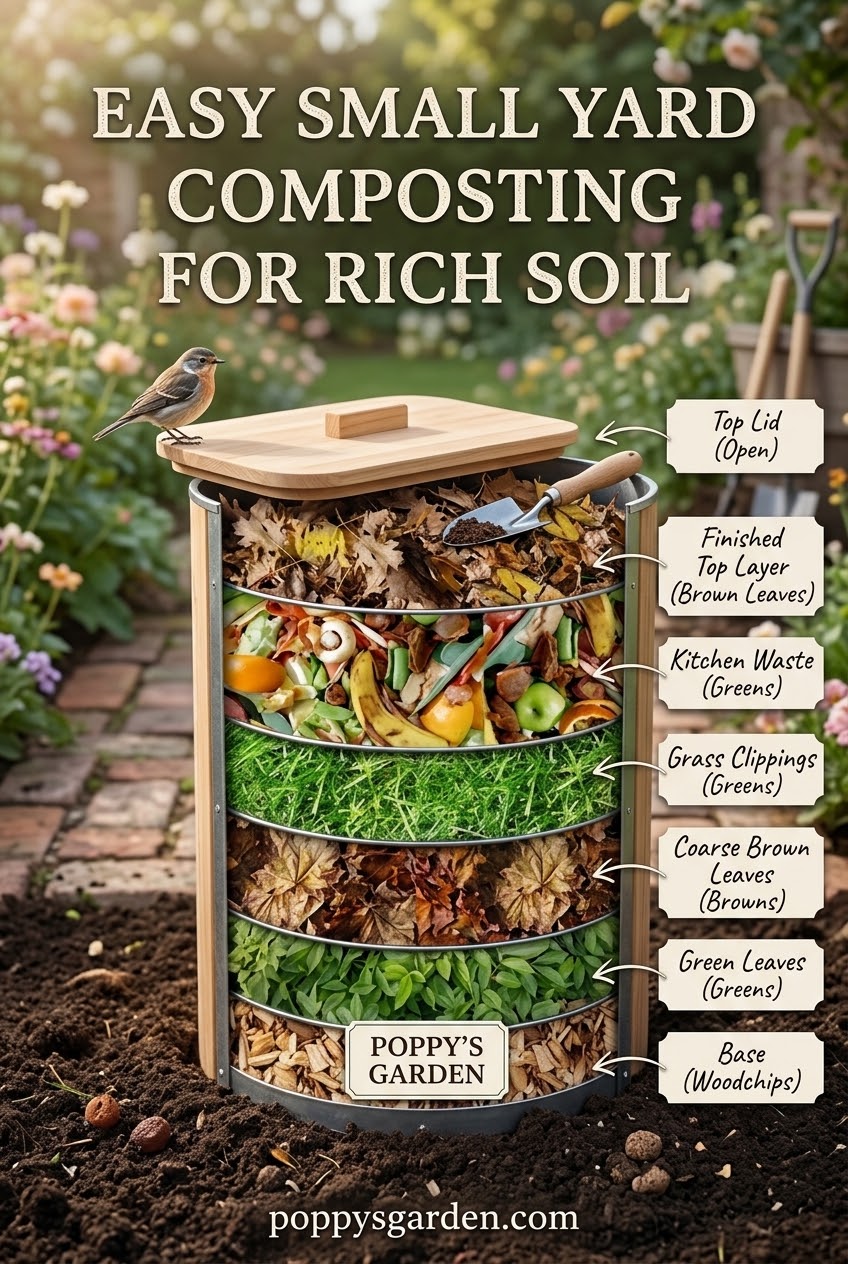
Compost microbes need a balanced menu, not a random pile of kitchen leftovers. I think of it like feeding my garden crew: greens provide nitrogen, while browns provide carbon. The EPA describes a common target as roughly three parts browns to one part greens by volume.
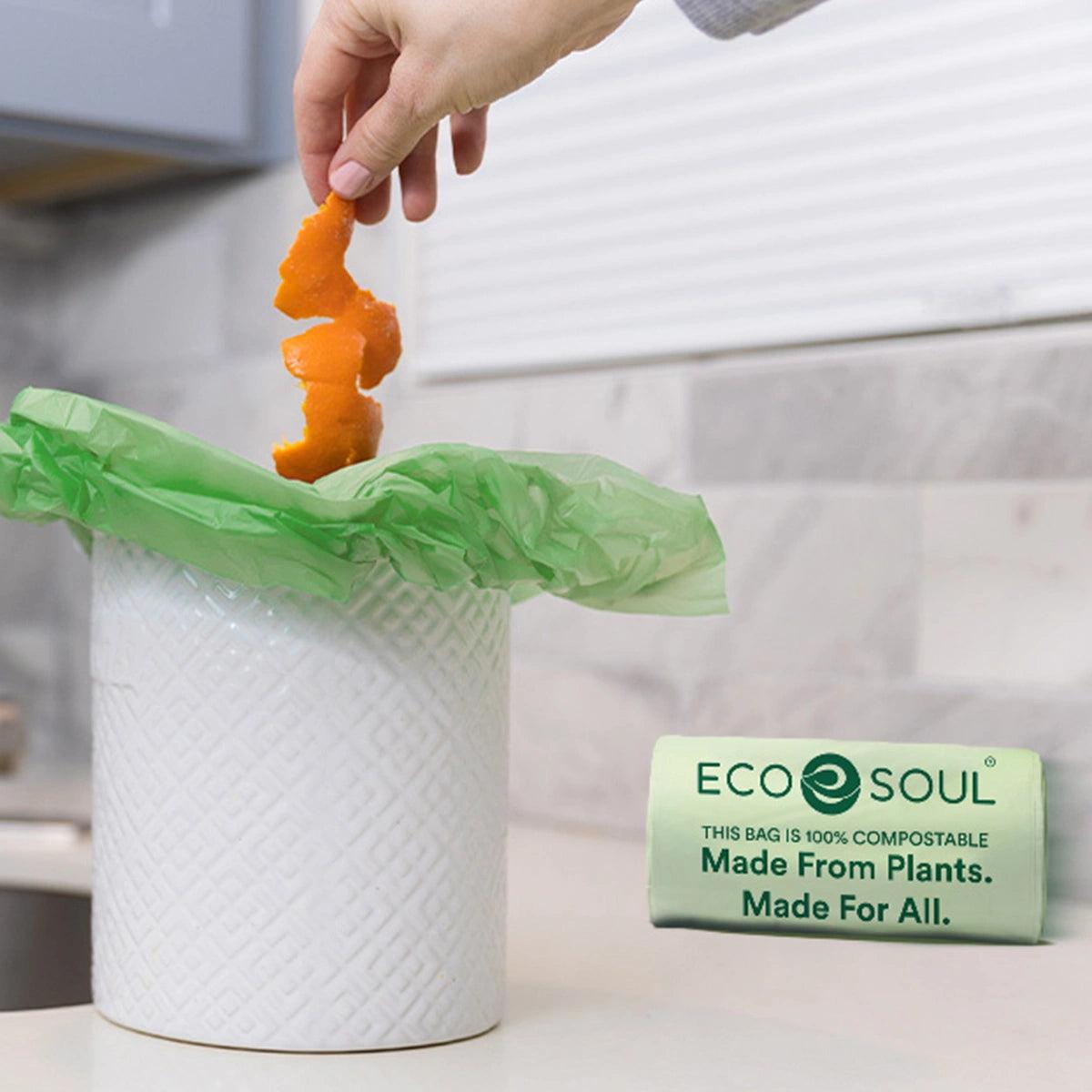
- Greens: Vegetable scraps, fresh plant material, and coffee grounds add nitrogen.
- Browns: Dry leaves, shredded paper, and small woody pieces add carbon.
- Avoid: Meat, dairy, oils, and pet waste in a backyard compost pile.
I keep a leaf stash from autumn because it prevents the classic mistake I made years ago: adding too many grass clippings and ending up with a wet, sour-smelling mess.
Building a Simple DIY Compost Bin
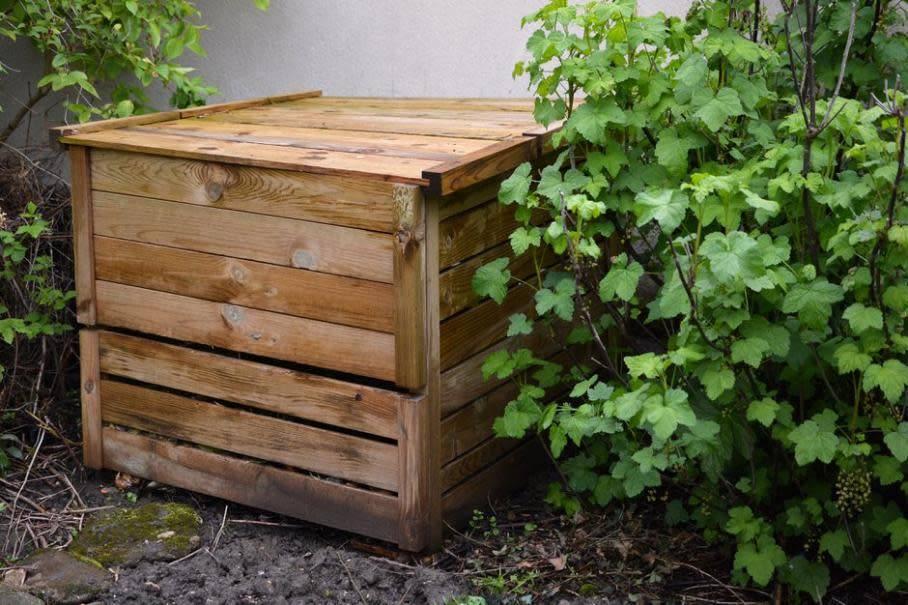
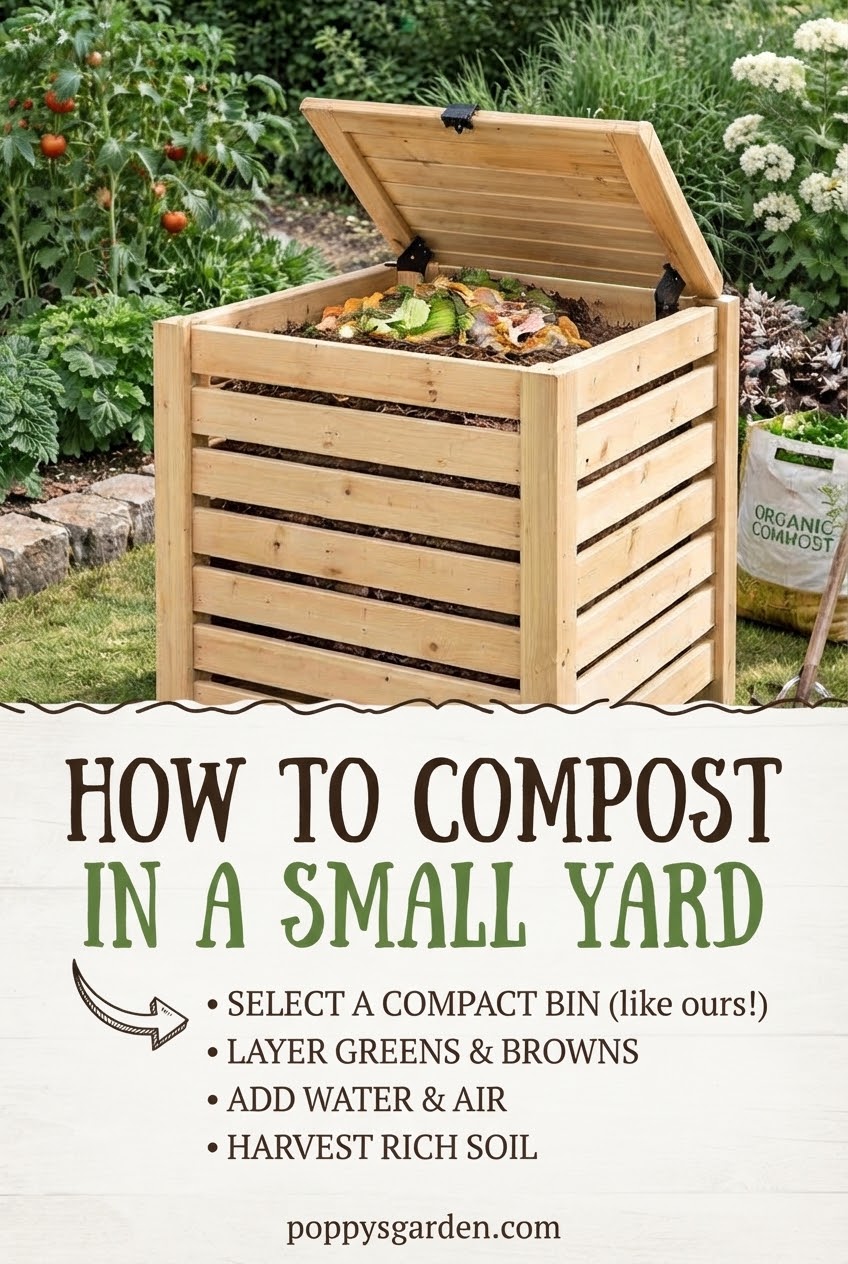
My first compost bin was not pretty. It was functional, made from simple materials, and taught me that good airflow matters more than a perfect appearance. A basic bin should hold material, allow oxygen movement, and let excess moisture escape.
What I like
- Low cost materials.
- Easy access for turning.
- Fits small gardens.
What to watch
- Poor airflow can slow decomposition.
- Treated lumber choices need care around food gardens.
If I build another bin, I will prioritize safe materials and practical access over looks. Compost is a tool for the garden, not a backyard decoration.
Maintaining Moisture and Airflow in a Small Compost Pile
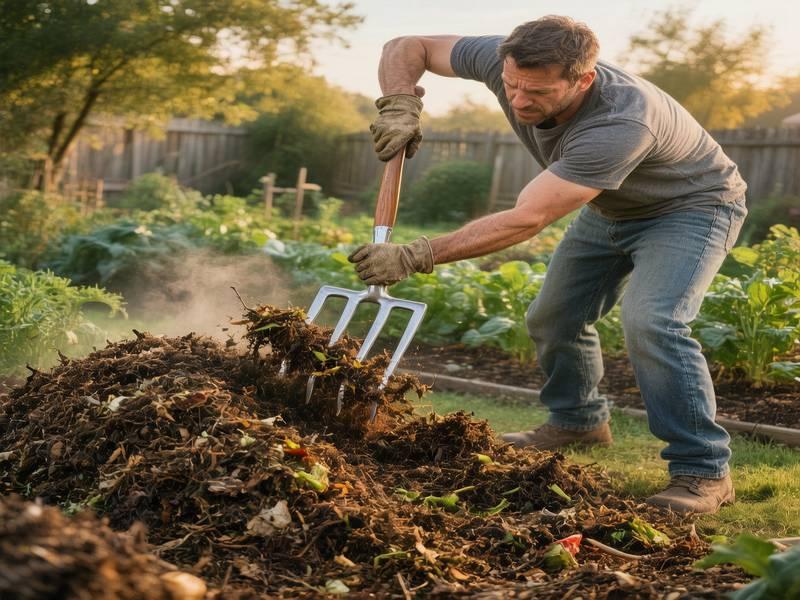
My compost pile works best when it feels like a wrung-out sponge. Too dry and decomposition crawls; too wet and oxygen disappears. Maintaining moisture and airflow is the difference between compost and a forgotten pile.
In Boise summers, I sometimes need to add water more often than gardeners in wetter climates. Your weather, not a generic calendar, decides how often your pile needs attention.
Composting in Containers for Limited Outdoor Space
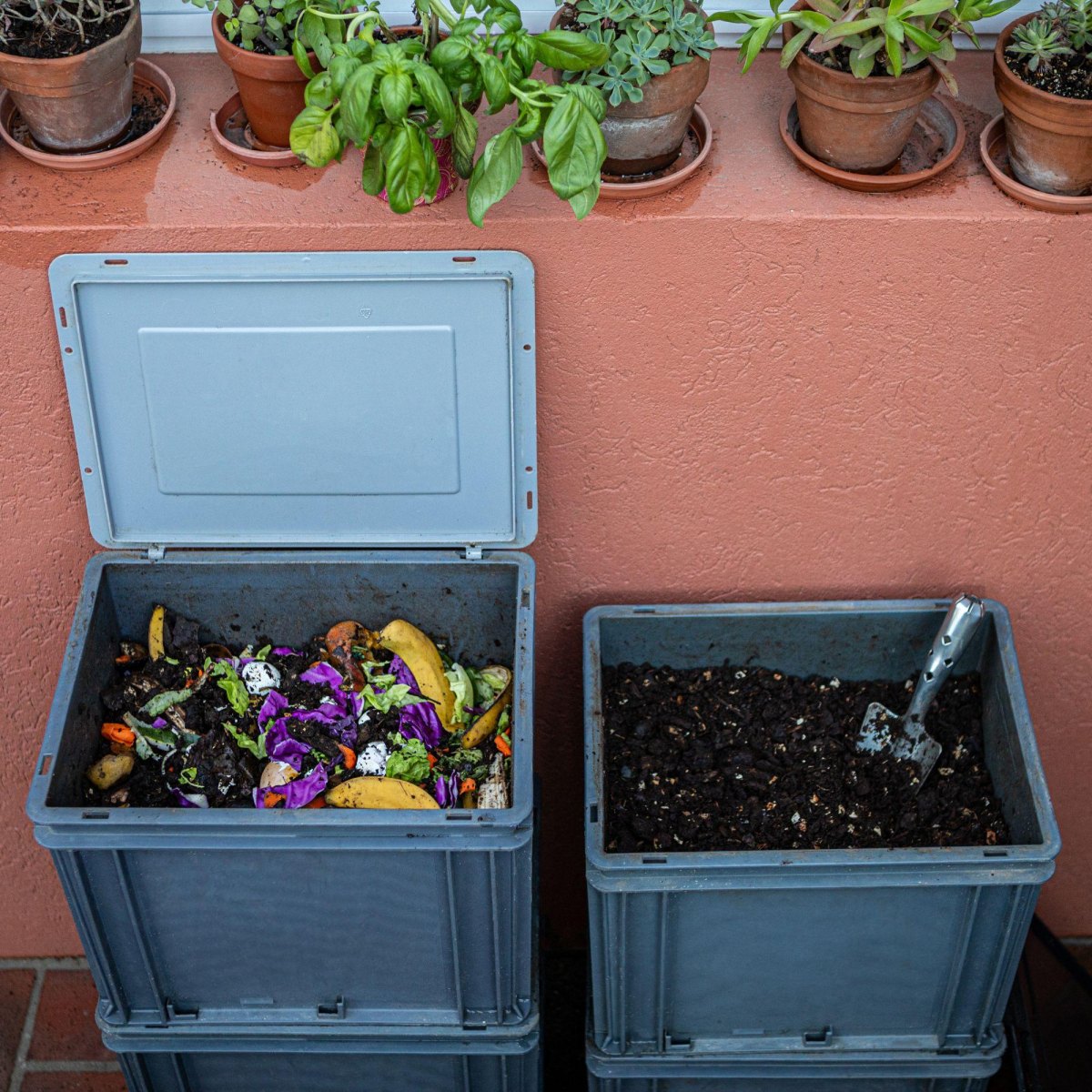
When I lived in smaller spaces, containers were the bridge between wanting compost and having no yard. Today I still recommend container systems for gardeners with patios, balconies, or very limited outdoor areas. Worm bins and compact systems can handle steady kitchen scraps when managed correctly.
| System | Best fit |
|---|---|
| Worm bin | Small steady kitchen scraps |
| Tumbler | Tidy outdoor composting |
| Bucket system | Very limited space |
The mistake I see most often is choosing a container that is too small. A compost system still needs enough organic material volume to function well.
Preventing Common Small Yard Composting Problems
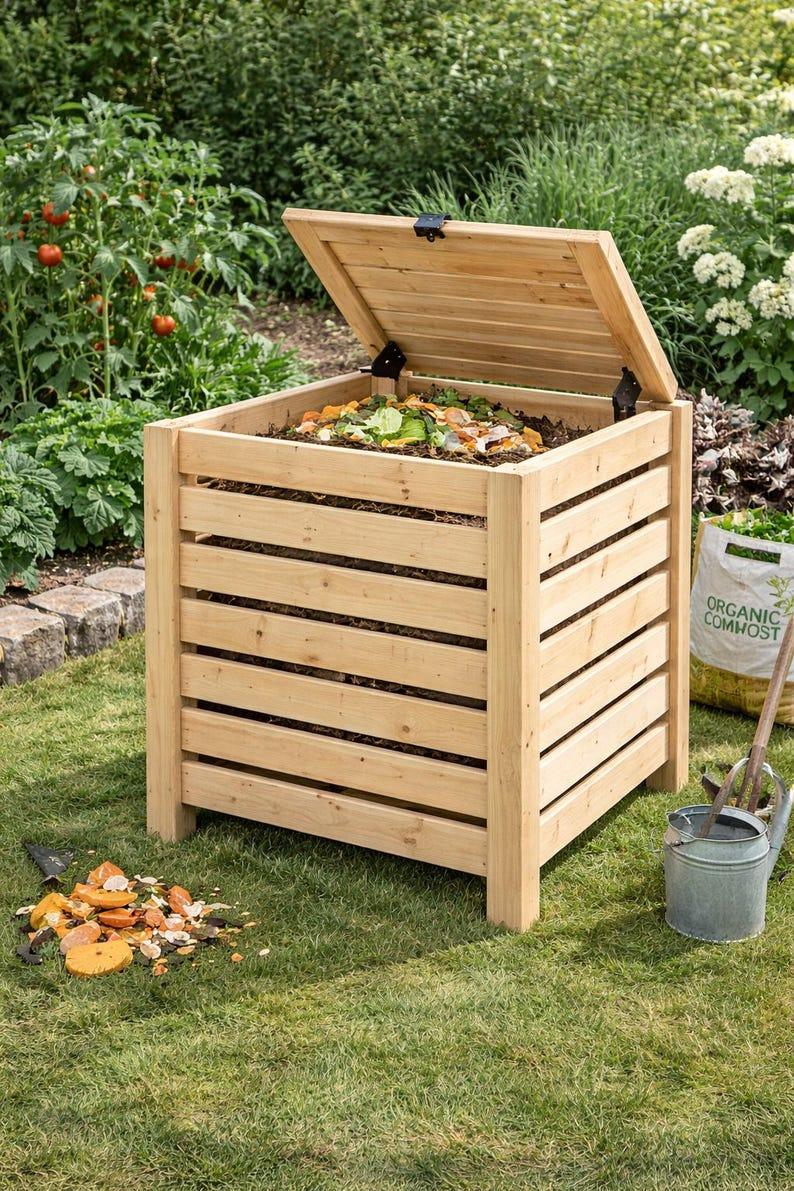
Most compost problems are not mysterious. In my notebooks, the failures usually come down to too much of one ingredient, poor moisture control, or scraps that should never have gone into the pile. A balanced compost pile should not smell rotten or attract unwanted animals.
A mistake I avoid now
I never add meat, dairy, oils, or pet waste to my backyard compost because these materials can create odor and pest issues.
My annual compost review is simple: what went in, what broke down, and what I would change. Writing those notes down saves me from repeating the same problems next season.
Using Finished Compost in a Small Garden
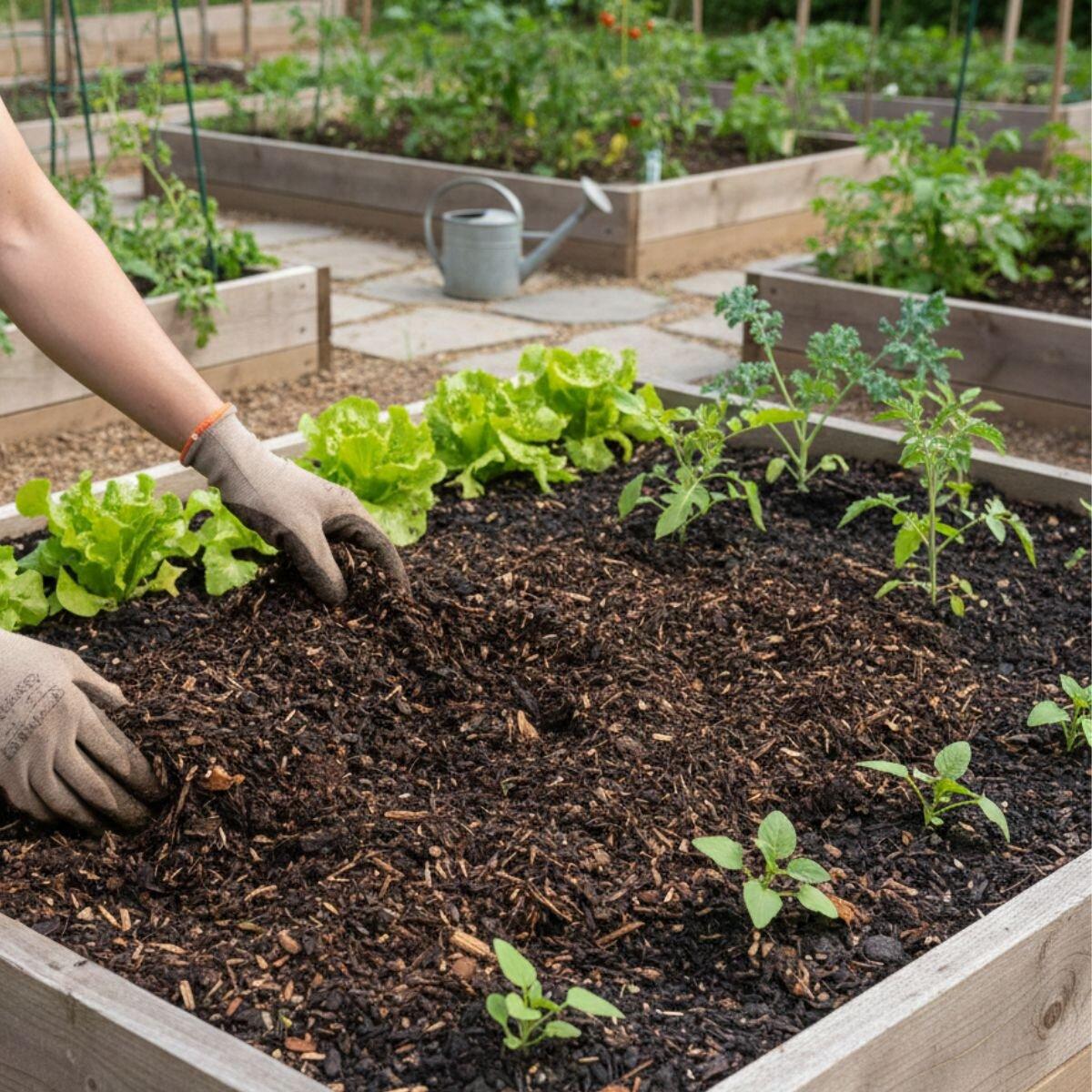
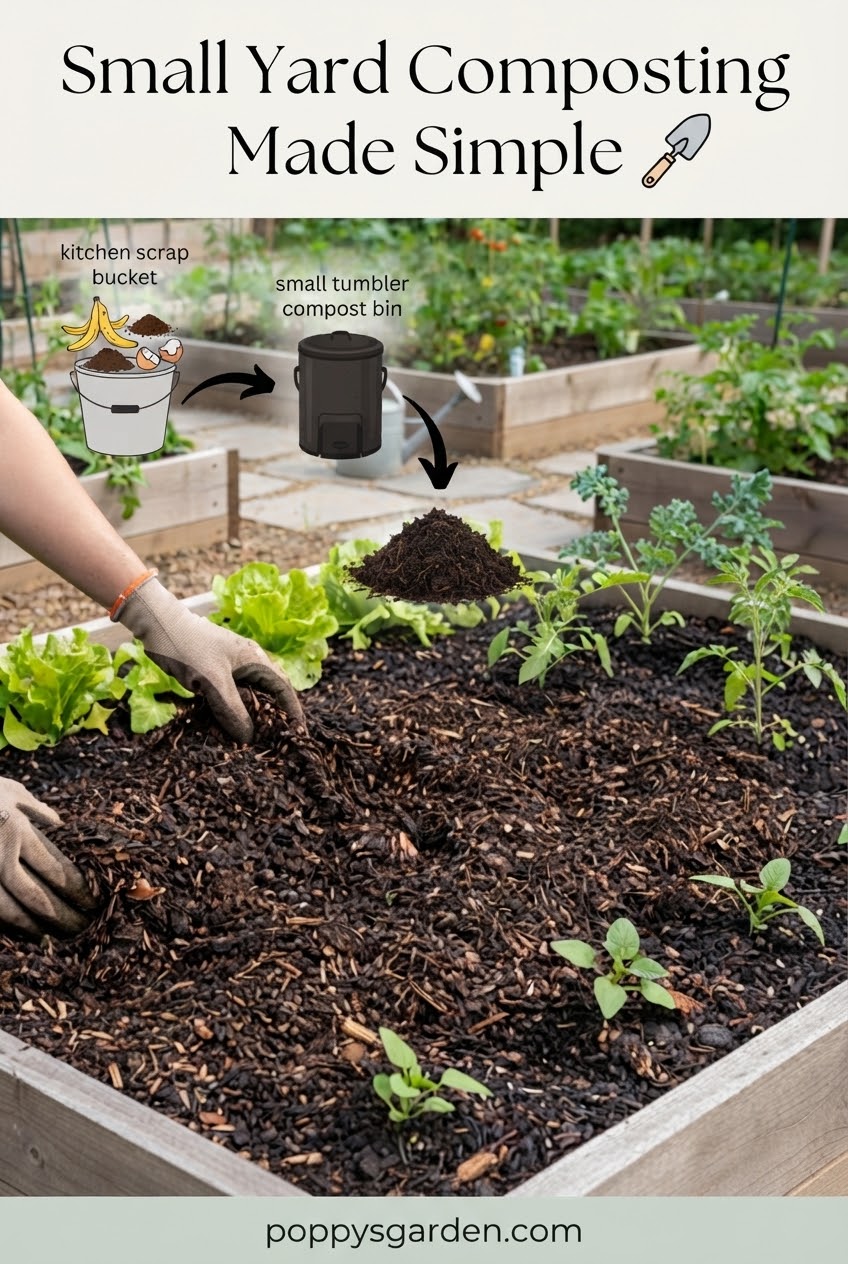
The best part of composting is opening the bin and finding dark, crumbly material ready for the garden. I use finished compost as a soil amendment in my raised beds because it improves soil structure and helps with water retention.
8 beds
My garden beds that benefit from regular compost additions
I do not treat compost as a complete fertilizer replacement. It feeds soil life and adds organic matter, but some crops may still need additional nutrients depending on your soil test and growing conditions.
My practical rule
If compost can make your soil easier to dig, better at holding water, and more productive, it earned its space in the yard.
More Pinterest Visuals



 Balcony & Patio GardensSmall Space Garden Ideas That Make Every Inch Count
 Balcony & Patio GardensKübelpflanzen für die Terrasse – 15 Ideen für ein grünes und blühendes Outdoor-Paradies
 Balcony & Patio Gardens20 Balcony Garden Setup Ideas To Transform Your Outdoor
 Seasonal & Flower Containers16 Beautiful Container Garden Flower Combinations That Work