

I started exploring fermented foods the same way I approach my garden records: one jar, one flavor, one note at a time. Fermentation changes taste, texture, and shelf life through microbial activity, but I keep my expectations practical because the research on health effects varies by food.
What I’m tasting my way through
- Classic vegetable ferments with crunch and tang
- Dairy and grain ferments that fit everyday meals
- Bold traditional foods worth trying slowly
Kimchi
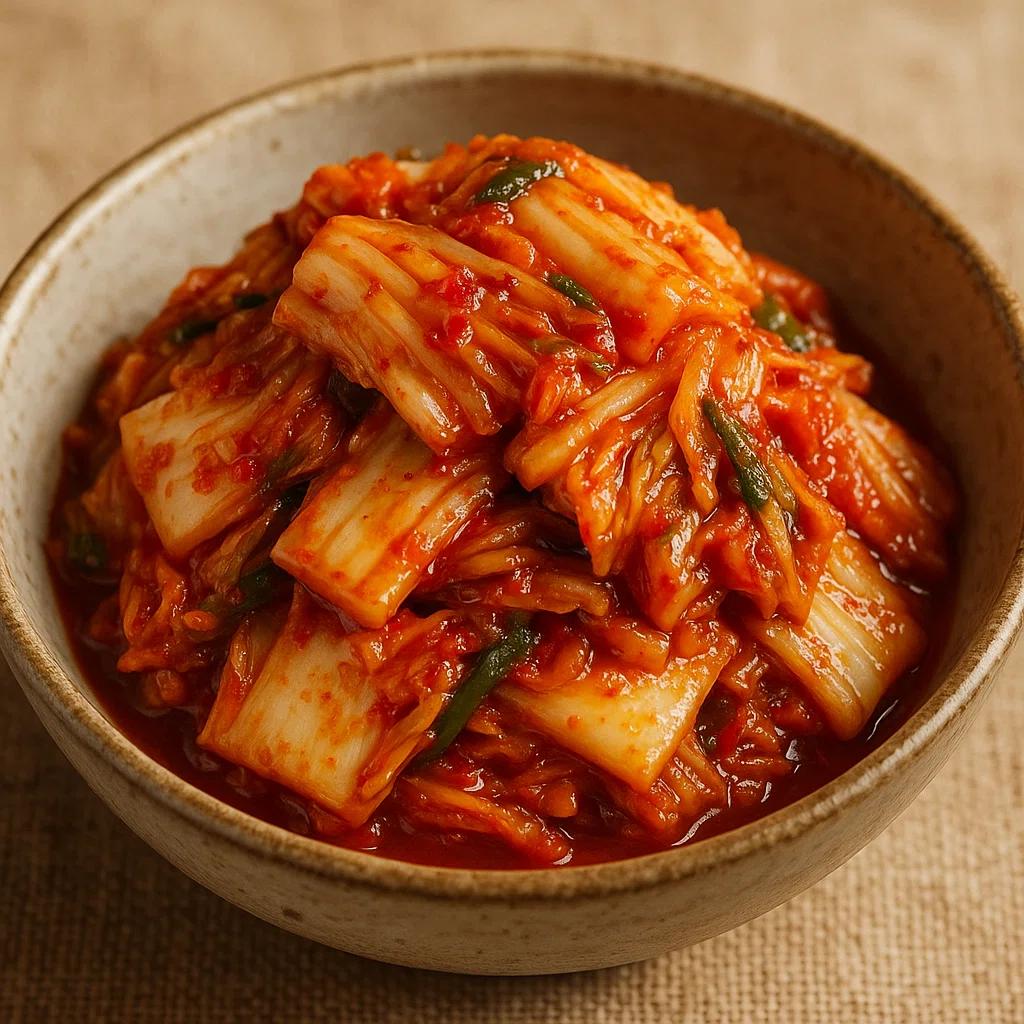
Kimchi was one of the first fermented foods that convinced me vegetables could become the main event. I like its spicy fermented flavor beside rice, eggs, or garden greens.
Traditional kimchi often uses salted vegetables and fermentation-friendly microbes that create its signature tang.
Sauerkraut
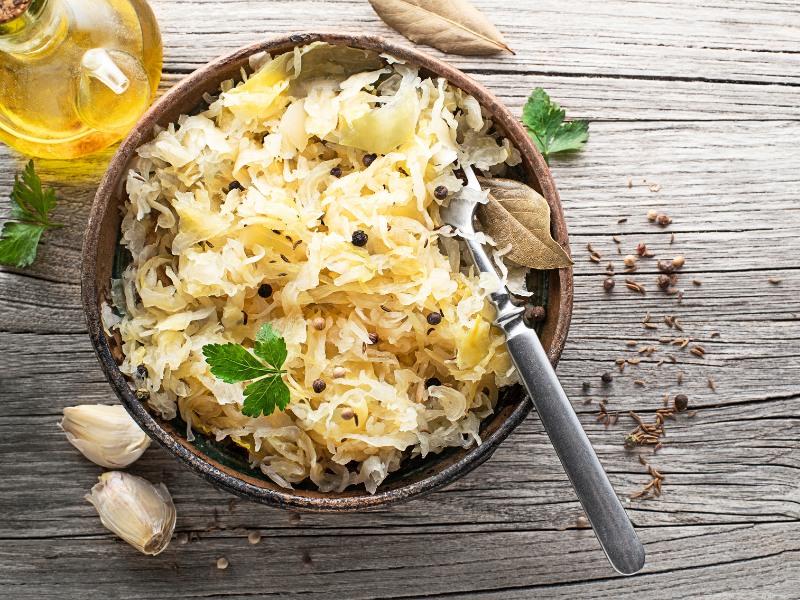
Sauerkraut is wonderfully simple: cabbage, salt, time, and patience. It reminds me of preserving harvests because the cabbage transformation is easy to watch.
I enjoy it cold as a topping, especially when I have a winter cabbage crop stored away.
Kefir

Kefir is my favorite entry point for people who think fermented foods are intimidating. It is a drinkable ferment with a tangy cultured taste and a thinner texture than yogurt.
I use it in smoothies when I want something quick.
Kombucha
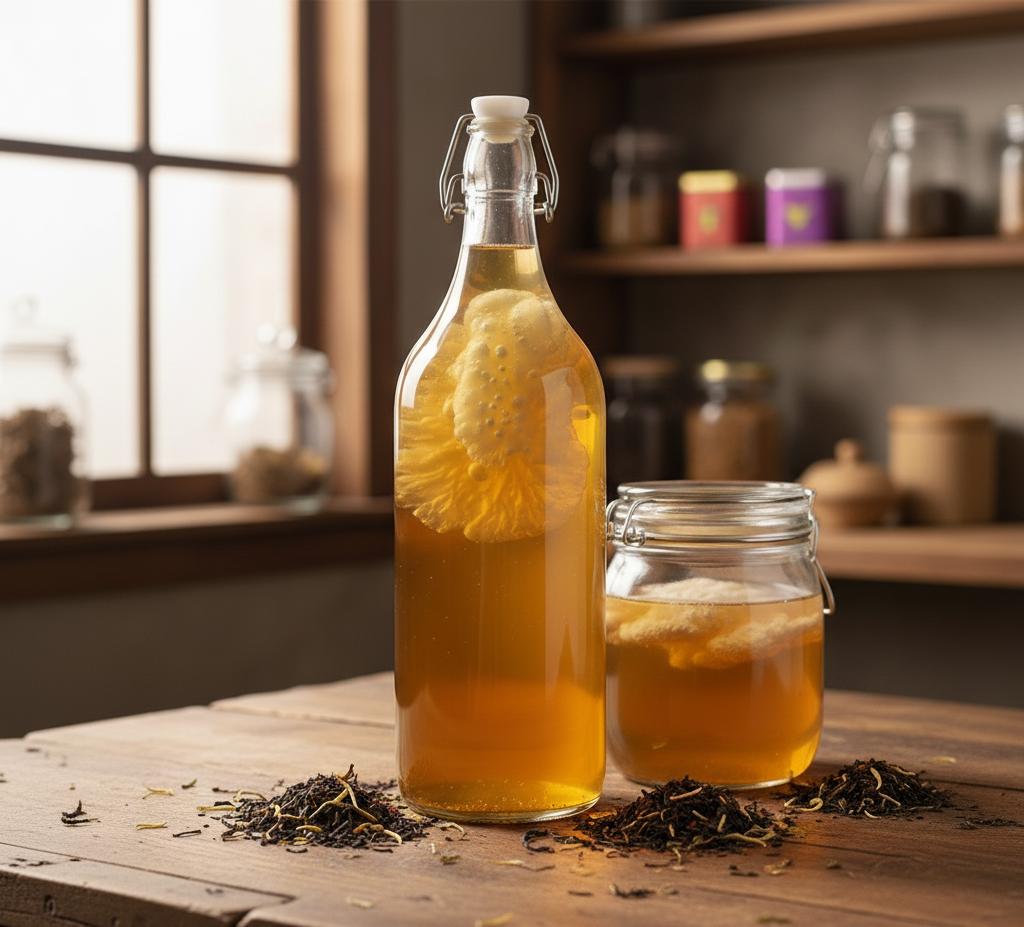
Kombucha feels like a garden science project in a bottle. The tea fermentation creates a bright fizzy drink that many people enjoy as an alternative to sweet sodas.
I always check labels because finished drinks can vary widely.
Miso
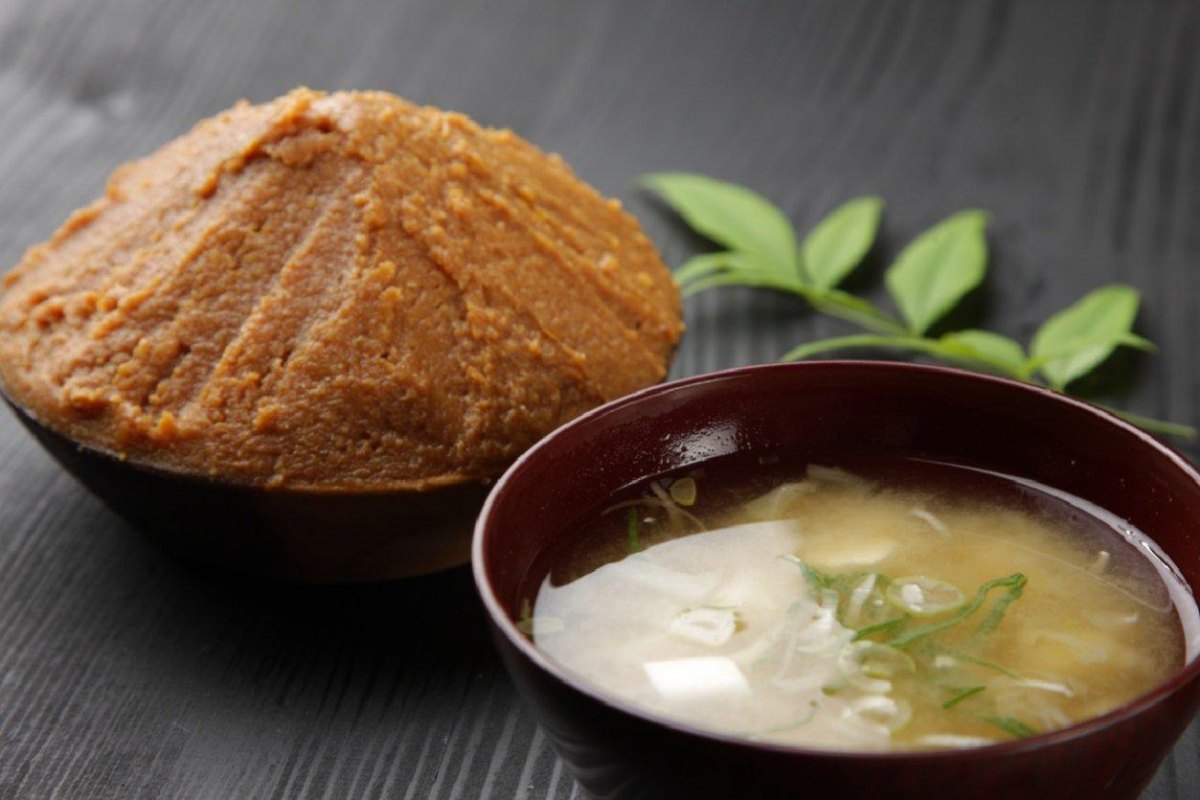
Miso is one of those ingredients where a spoonful changes everything. This fermented soybean paste brings deep savory flavor to soups, sauces, and marinades.
I keep a container in the refrigerator for quick meals.
Tempeh
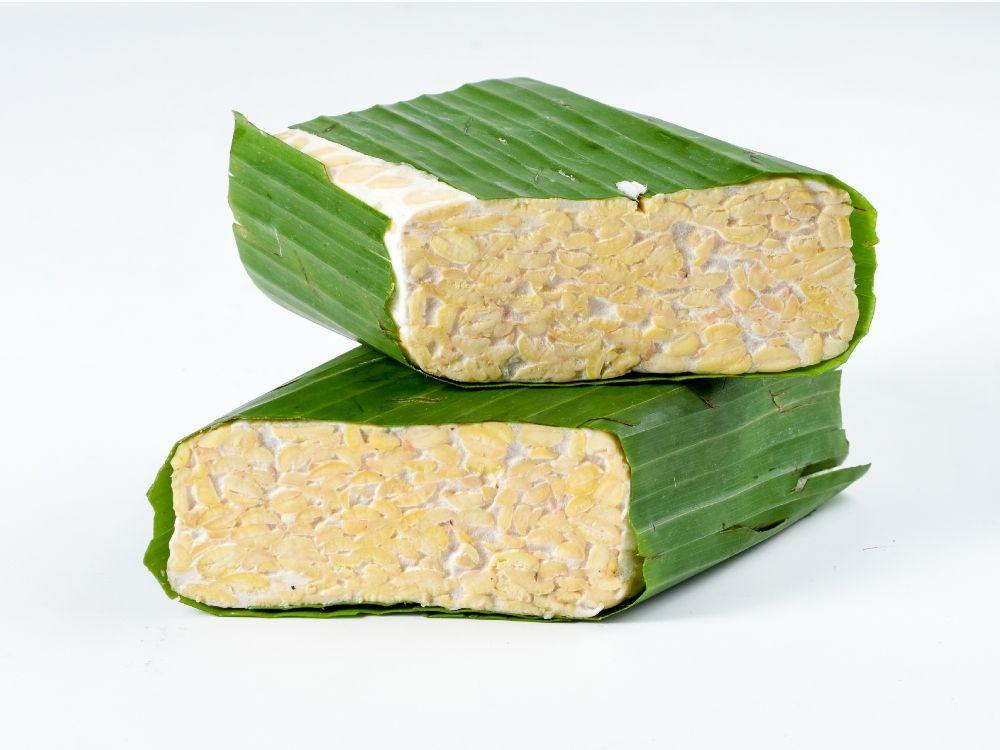
Tempeh is a fermented soybean cake with a firm texture that makes it useful in hearty meals. I appreciate its nutty plant protein character.
It is especially good sliced, seasoned, and cooked until crisp.
Natto
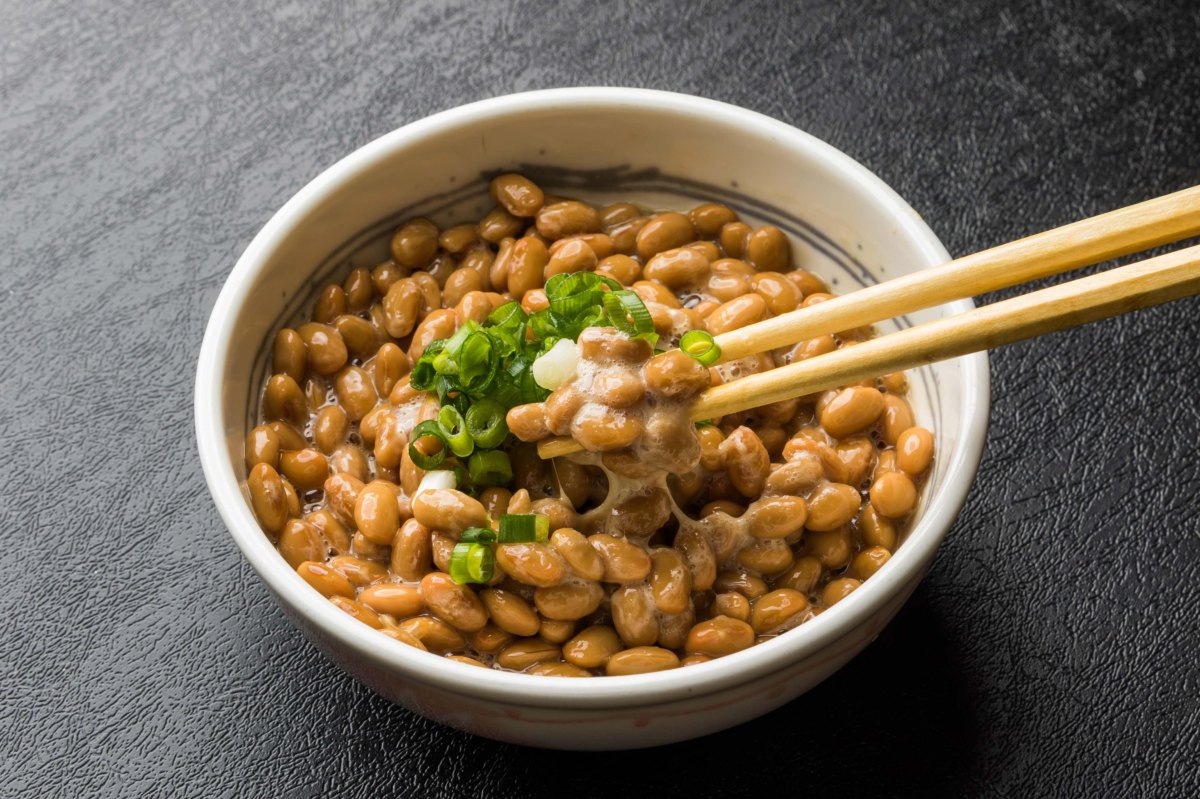
Natto is a fermented food I suggest trying with curiosity rather than expectations. Its sticky texture and strong aroma are part of the experience, along with its traditional Japanese roots.
A small serving mixed with seasonings is often the easiest introduction.
Pickles
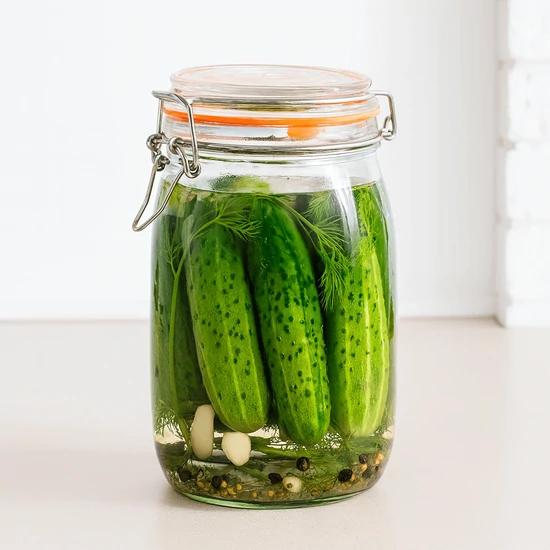
Fermented pickles are different from quick vinegar pickles because microbes create their sour character over time. I love the crunchy garden harvest connection.
They are one of the easiest ways to experiment with vegetable fermentation.
Yogurt
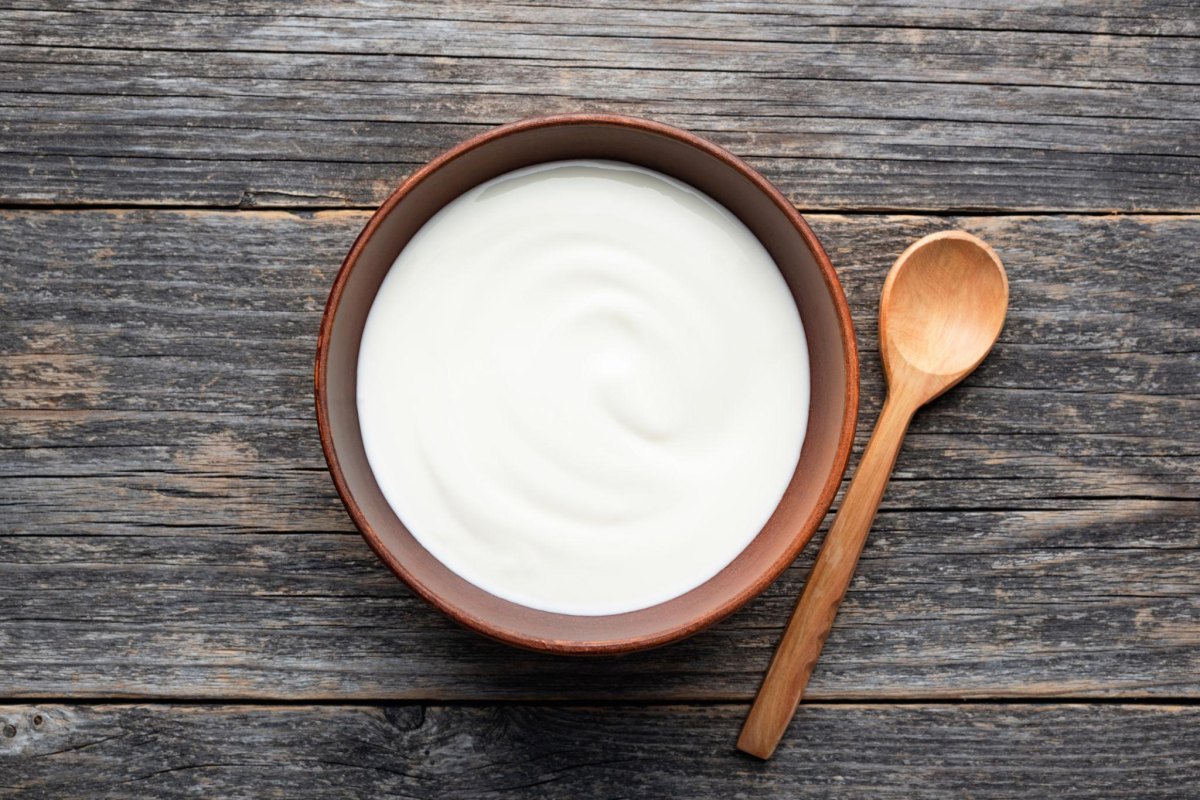
Yogurt is probably the most familiar fermented food on this list. I like it because the cultured dairy base works for breakfast, sauces, and baking.
Choosing varieties with live cultures can matter when you are looking for fermented qualities.
Sourdough Bread
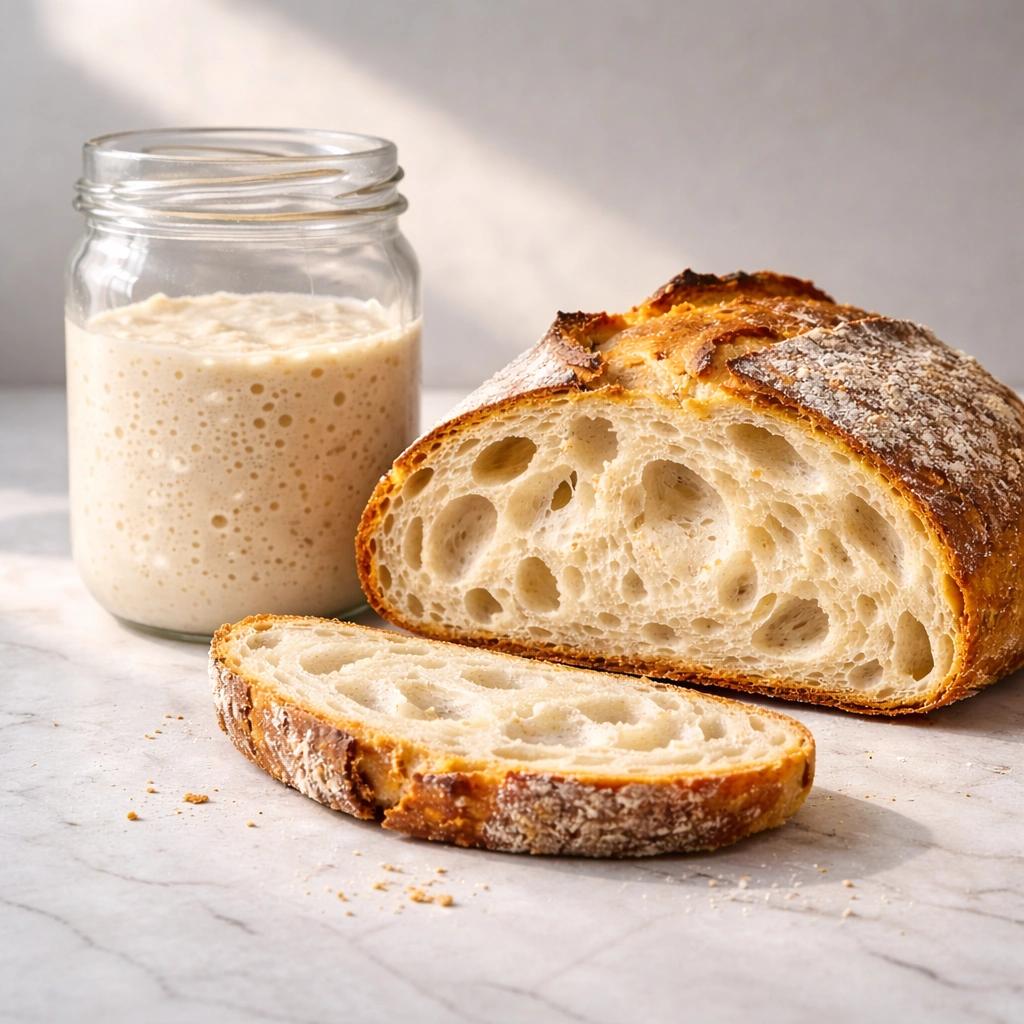
Sourdough brings fermentation into the everyday loaf. The starter creates complex bread flavor while changing the dough through microbial activity.
I appreciate any kitchen project that rewards patience.
Kvass
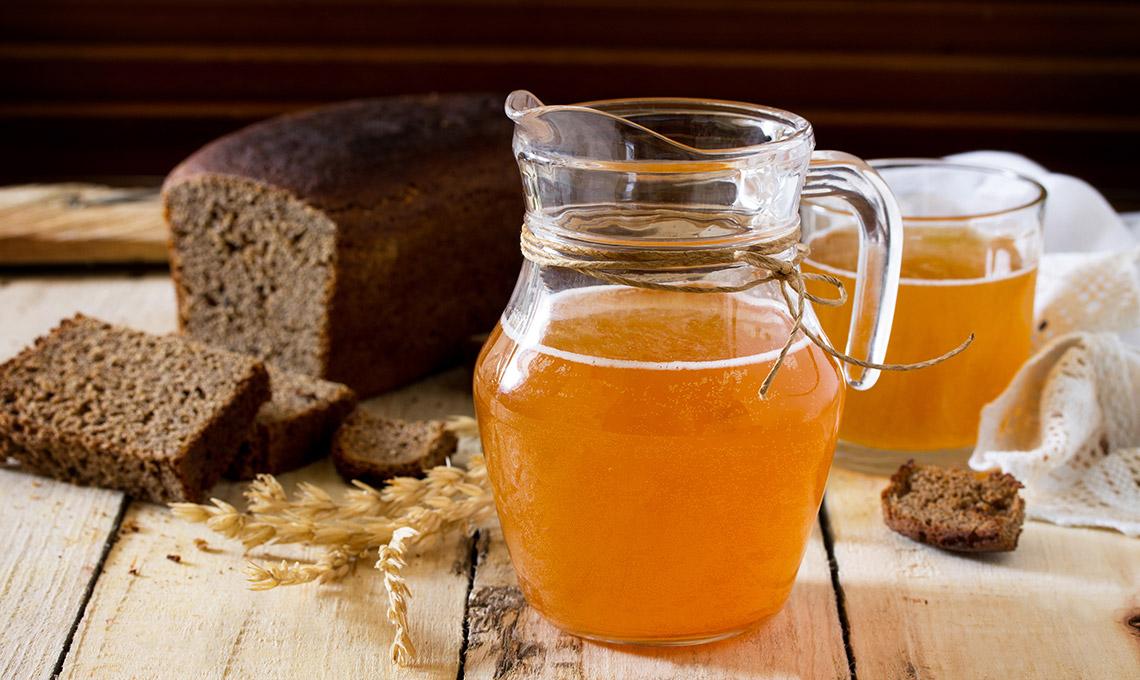
Kvass is a traditional fermented drink often made from bread. I enjoy discovering older preservation methods because they show how people used simple pantry ingredients.
It is a fascinating option for anyone exploring fermented beverages.
Fermented Hot Sauce
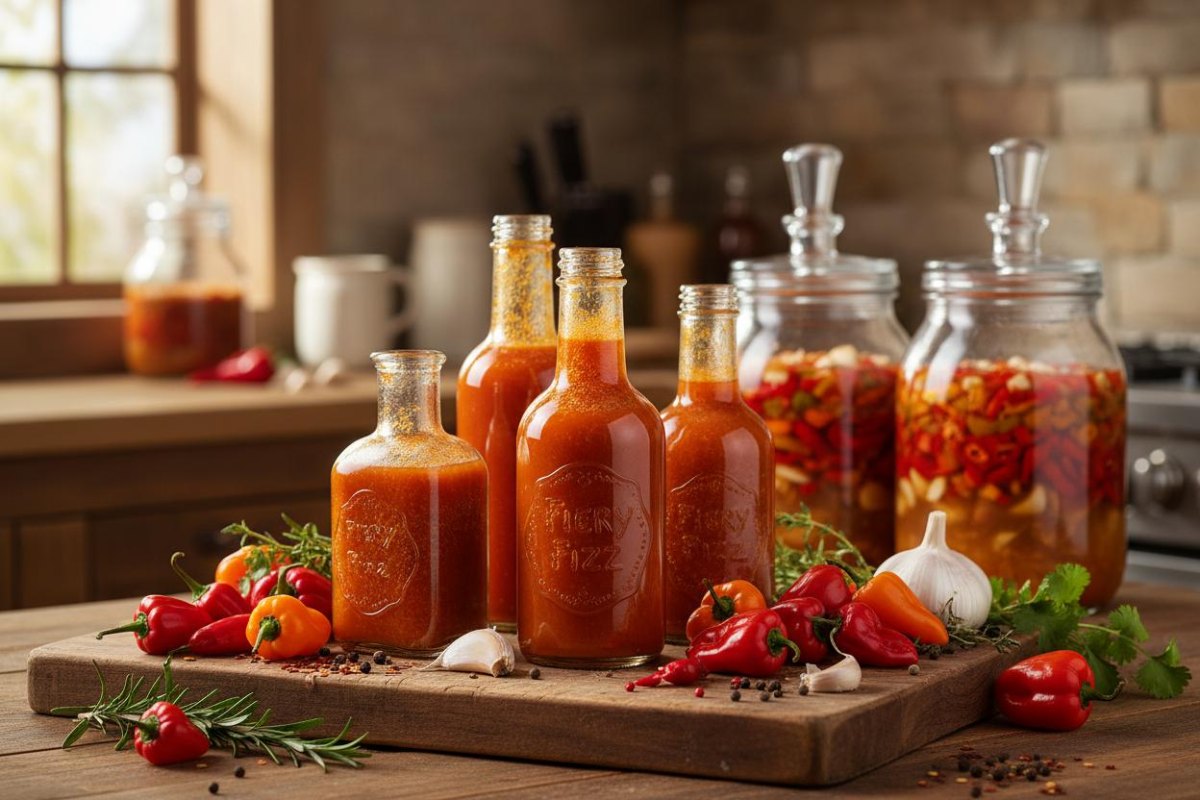
Fermented hot sauce combines garden peppers with time. Since I grow peppers every year, I love how fermentation creates a rounder pepper flavor instead of only heat.
It is a small-batch project that fits even a container garden harvest.
Umeboshi
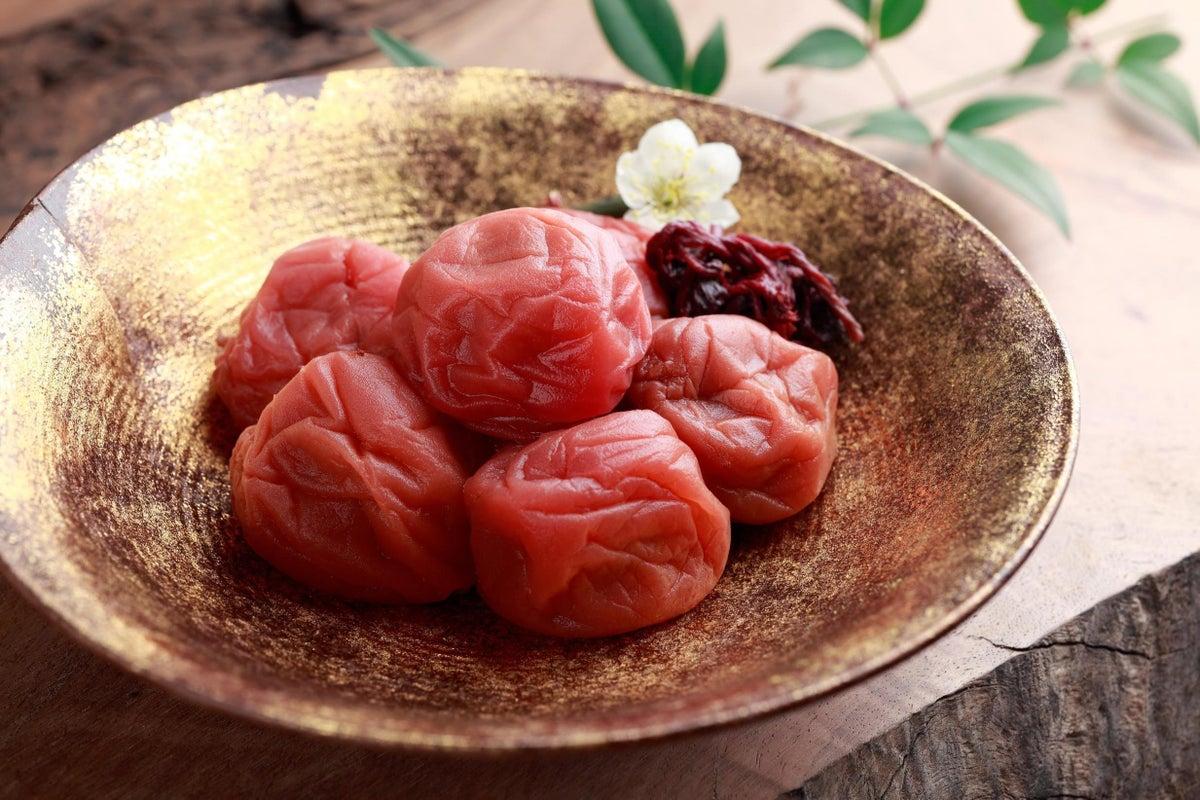
Umeboshi are fermented Japanese plums known for their intense sour and salty character. They are a reminder that preserved fruit traditions exist far beyond jams.
I would start with a small amount because the flavor is powerful.
Gochujang
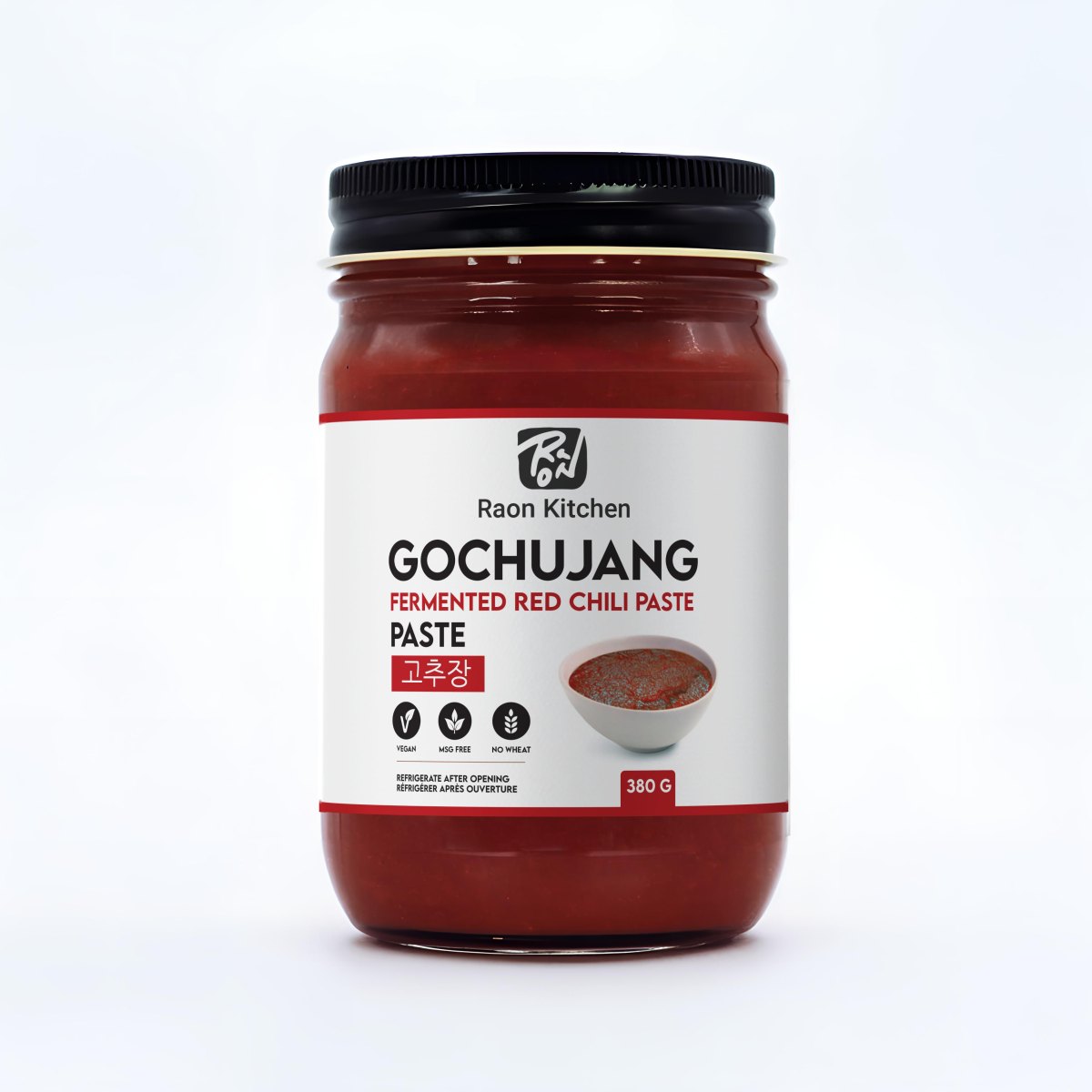
Gochujang is a fermented Korean chili paste that adds sweetness, heat, and depth. A little goes a long way because the complex chili flavor is concentrated.
I like it stirred into sauces and marinades.
Doenjang
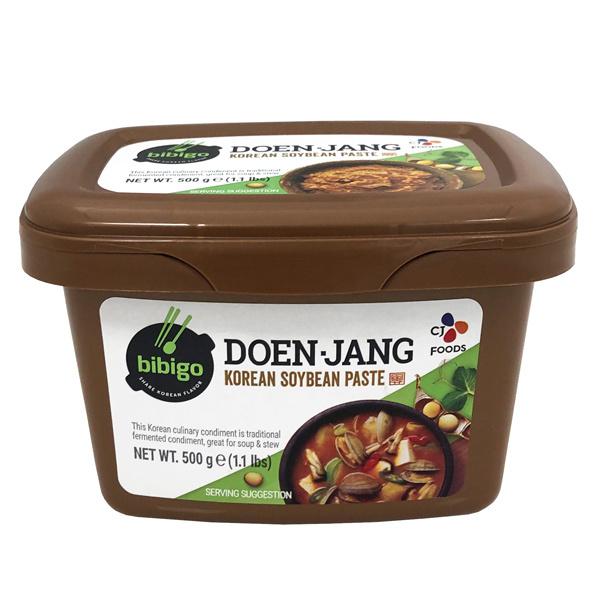
Doenjang is another Korean soybean ferment, but its flavor is earthier and more rustic. I think of it as a savory kitchen staple with a long history.
It is especially useful in soups and stews.
Lassi
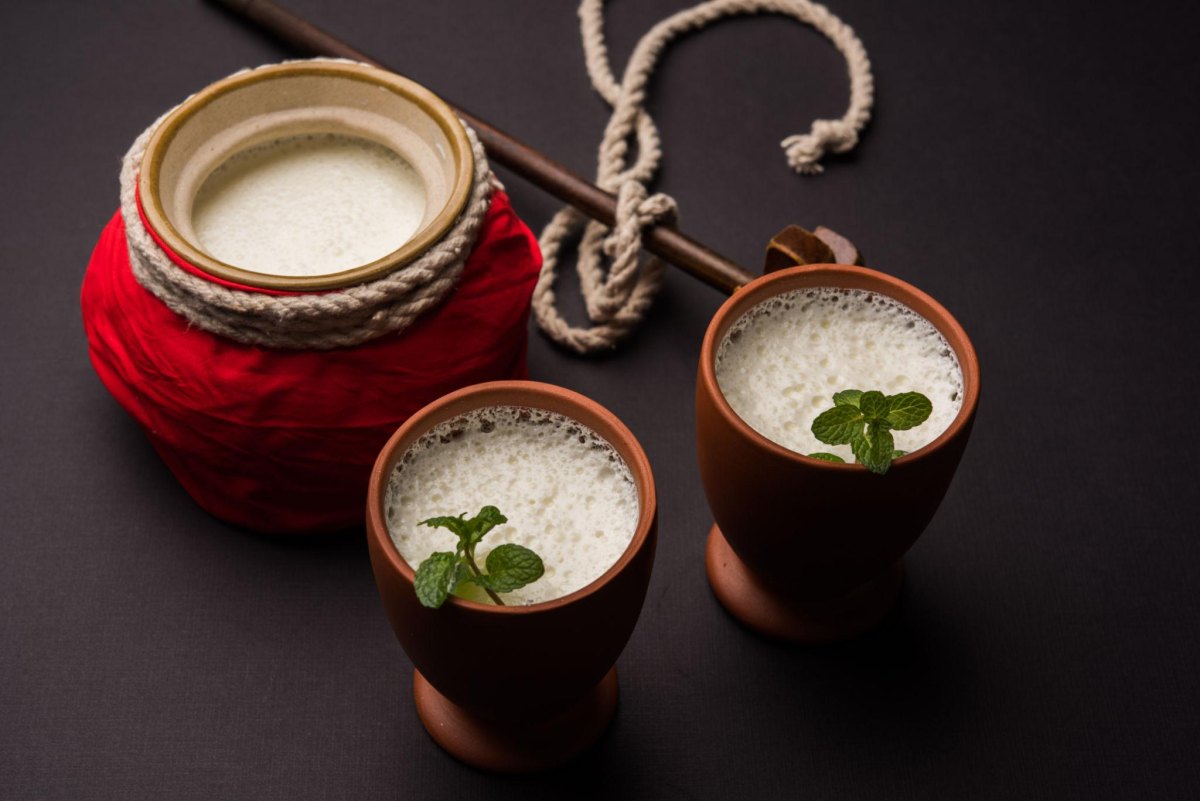
Lassi is a yogurt-based fermented drink that can be sweet, salty, or spiced. I enjoy the cool cultured drink approach on hot days.
It is a simple way to bring fermented dairy into a meal.
Fermented Vegetables
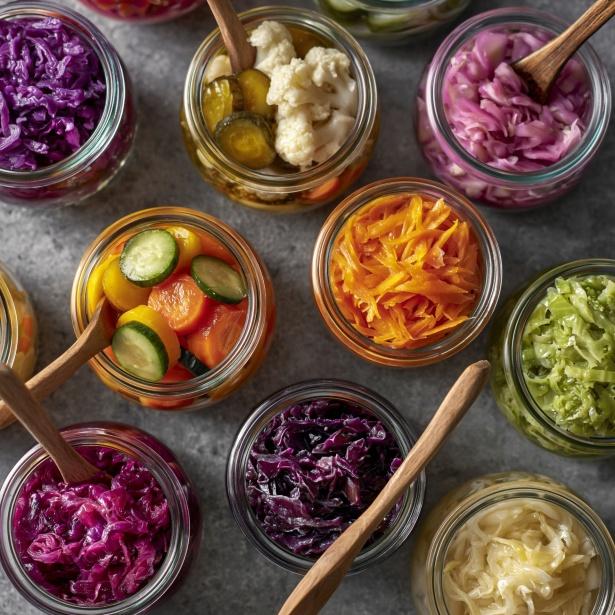
Fermented vegetables are where I see the biggest connection to my garden. A bumper crop can become a long-lasting seasonal food instead of a refrigerator emergency.
I like starting with small jars and recording what works, just as I do with seeds and harvests.
My practical tip
Try one ferment at a time and write down what you liked. The best fermented food is the one you will actually eat.

More Pinterest Visuals



 Seasonal & Flower Containers6 Fast Growing Flowers for Containers That Bring Quick, Colorful Blooms
 Balcony & Patio Gardens16 Small Garden Ideas for Renters That Save Space and Look Beautiful
 Herb Gardening9 Beautiful Herb Garden Design Ideas That Are Practical and Easy to Grow
 Raised Bed Gardening10 Best Vegetables for Raised Garden Beds That Are Worth Growing