Author
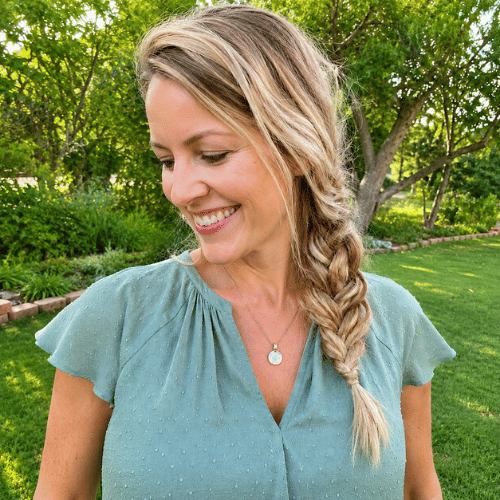
Hi, I'm Hallie — nobody has a green thumb. Some people just write things down.
That line isn't mine. It's my grandfather's, and he's the Poppy this site is named after.
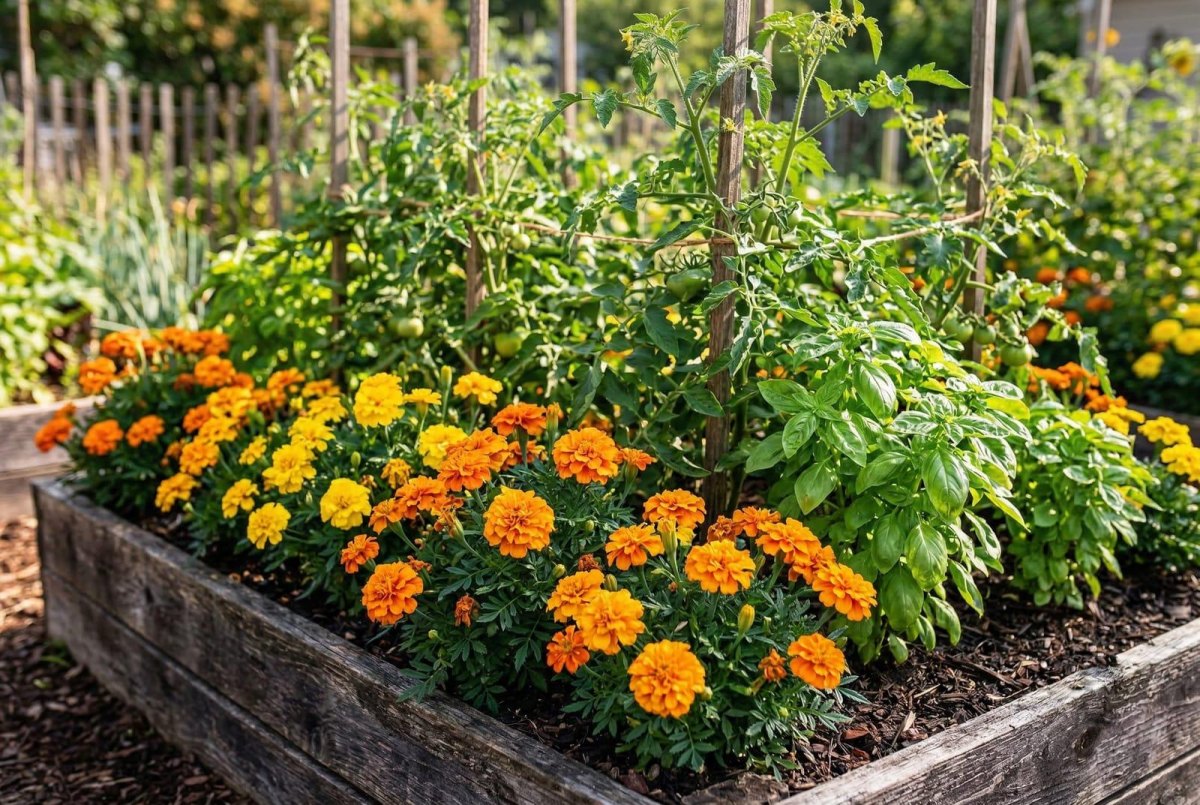
Every grandchild called him Poppy, and he grew a garden in Nampa, Idaho for fifty years — rows rather than beds, marigolds at the ends of everything, and an unshakeable belief that peas go in on St Patrick's Day whether or not the ground has agreed to it. When people told him he had a green thumb, he'd wave it off. "I don't have a green thumb. I wrote down what worked."
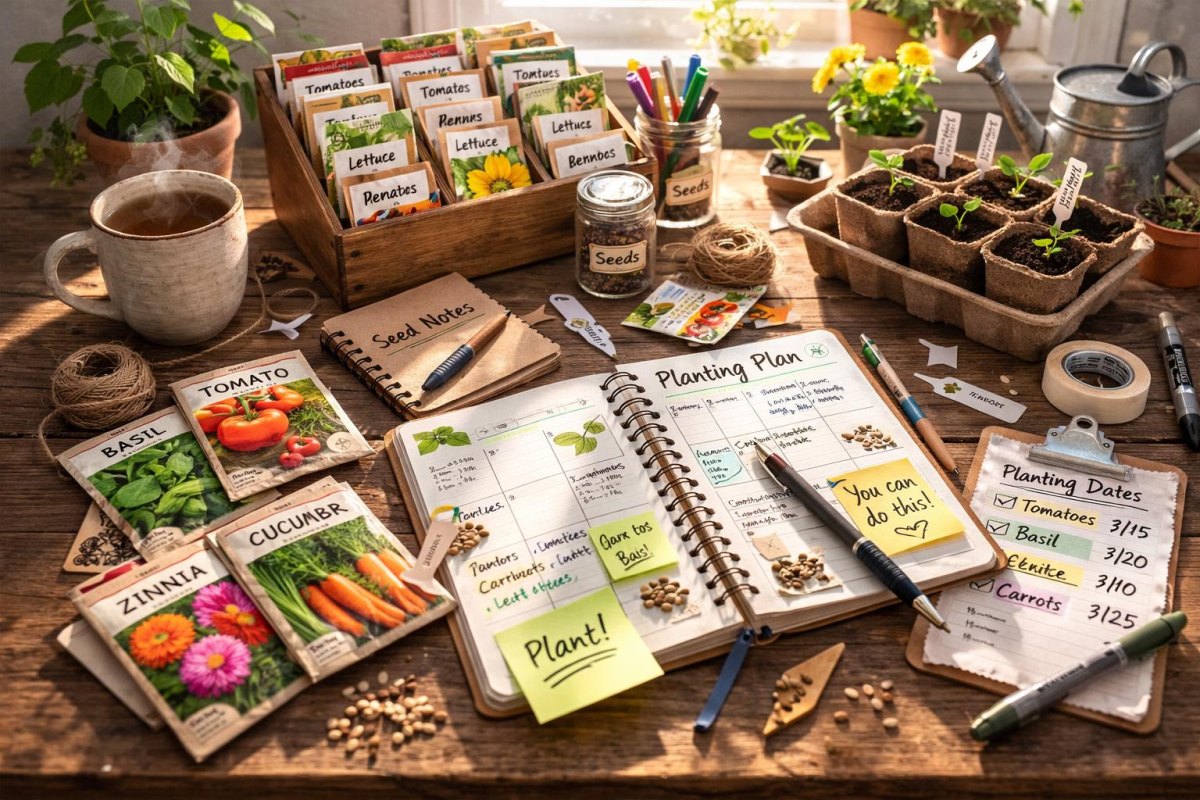
I inherited his seed tins, his notebooks, and the habit. That habit is this entire website.
What that means in practice: I publish numbers. How many pounds that bed actually produced. What the seeds cost. What germination rate I got, in my basement, under those lights. How many stems that row cut before it quit. Days from sowing to first harvest, recorded, in my handwriting, since 2011.
Because "worth the space" isn't a feeling — it's arithmetic, and almost nobody does it for you.
Where the numbers habit came from professionally: I spent seven years with a regional seed company, first in customer service and then in the trial garden, where my actual job was growing varieties side by side and recording germination, days to maturity, disease resistance and yield. It was the best possible education and it left me permanently sceptical of catalogue copy — largely because I helped write some of it. When a description says "vigorous" or "reliable producer," I know exactly what work those words are doing.
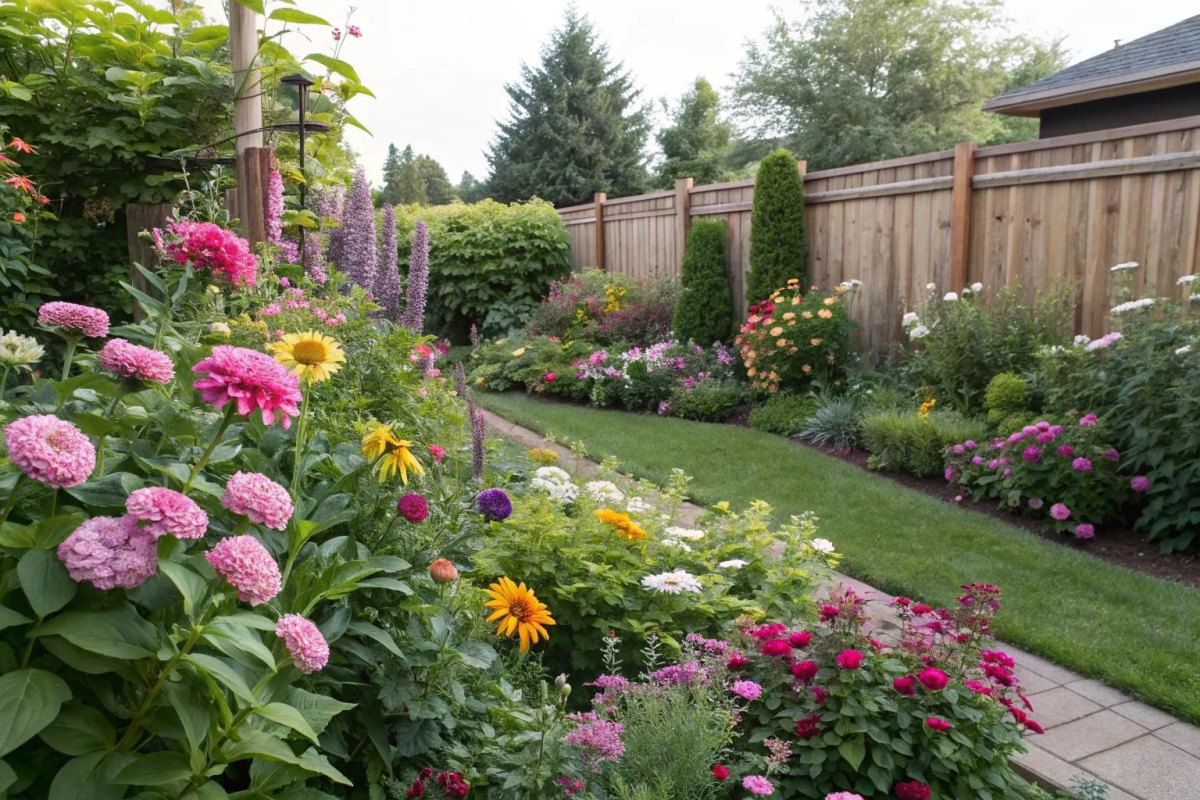
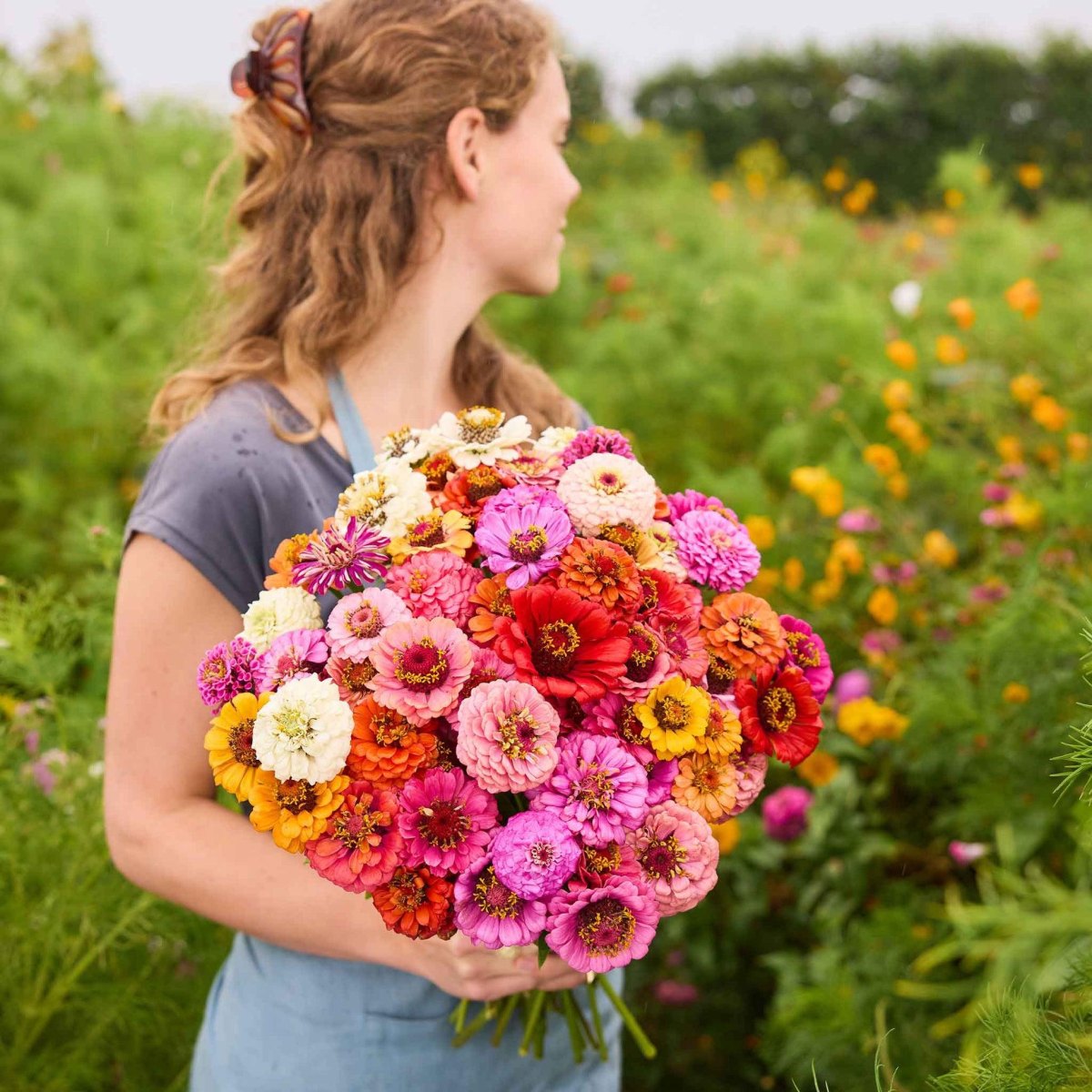
After that I ran a small cut-flower market garden for six years, about a quarter acre in production, selling at a Boise farmers market and to two florists — roughly 3,000 stems in a good season. That's where the cutting-garden content here comes from: succession sowing, netting things before they flop rather than after, harvest stage, conditioning, vase life, and the unsentimental question of which flowers earn their row. I scaled it back in 2021 when it stopped being a joy and started being a second job. I still grow flowers. They just go to my kitchen table and my neighbours now.
Here's the context I'll repeat until you're sick of it, because it matters more than anything else on this site: I garden in Boise, Idaho — zone 7a, high desert. About eleven inches of precipitation a year. Alkaline soil I've been amending for a decade. July heat that will cook a container in an afternoon, wind that shreds tomato leaves, and late spring frosts that have personally ended three of my seasons.
Which means a planting calendar written for Virginia will hurt you in Idaho, and mine will hurt you in Georgia. So you'll never find a bare "plant this in April" here. You'll get weeks before or after your own frost dates, and a nudge toward your local extension office, every single time.
And I publish the failures. Every season ends with an honest post-mortem: what bolted, what I started six weeks too early, what the wind took, the year I lost every tomato to a May frost I'd been warned about. That's consistently the most-read thing on this site, which tells me people are as tired of perfect gardens as I am.
Two things I'm genuinely strict about, and I'd rather explain than lecture:
Canning. Botulism is real and it kills people, so home preserving here follows tested recipes only — USDA, the National Center for Home Food Preservation, or Ball — without altering ingredients, ratios, jar sizes or times. Low-acid foods get pressure canned, not water-bathed. Altitude adjustments are stated every time, because Boise is above 2,700 feet and you might be higher. You will never see open-kettle canning, oven canning, inversion sealing or somebody's unverified family recipe on this site. I'm a gardener, not a food scientist, and this is the one area where "it's how Grandma did it" isn't good enough.
Sprays. Identify the problem first, use the least-toxic thing that works, and follow the label — label directions are legally binding, not suggestions. And "natural" doesn't mean harmless: neem, pyrethrin, insecticidal soap and diatomaceous earth all kill beneficial insects too. Nothing goes on blooming plants while pollinators are working. I don't publish homemade bleach or dish-soap sprays for food crops, and I'm happy to explain why.
Everywhere else, I'm relaxed. Buy starts instead of sowing seed — that's a completely reasonable decision. Grow in plastic pots. Grow four things. Don't be fully organic. The goal is that you eat something you grew, not that you pass a purity test.
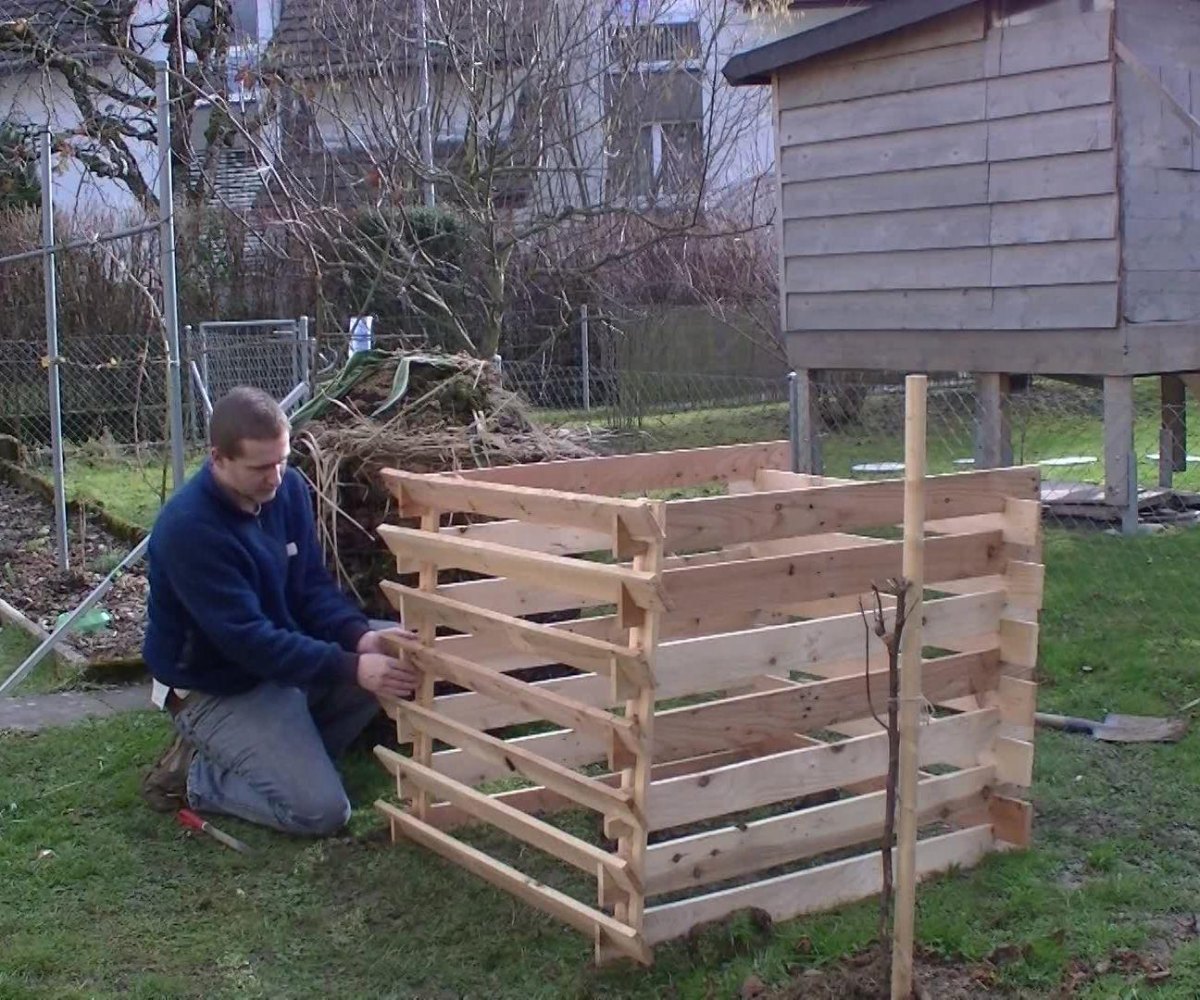
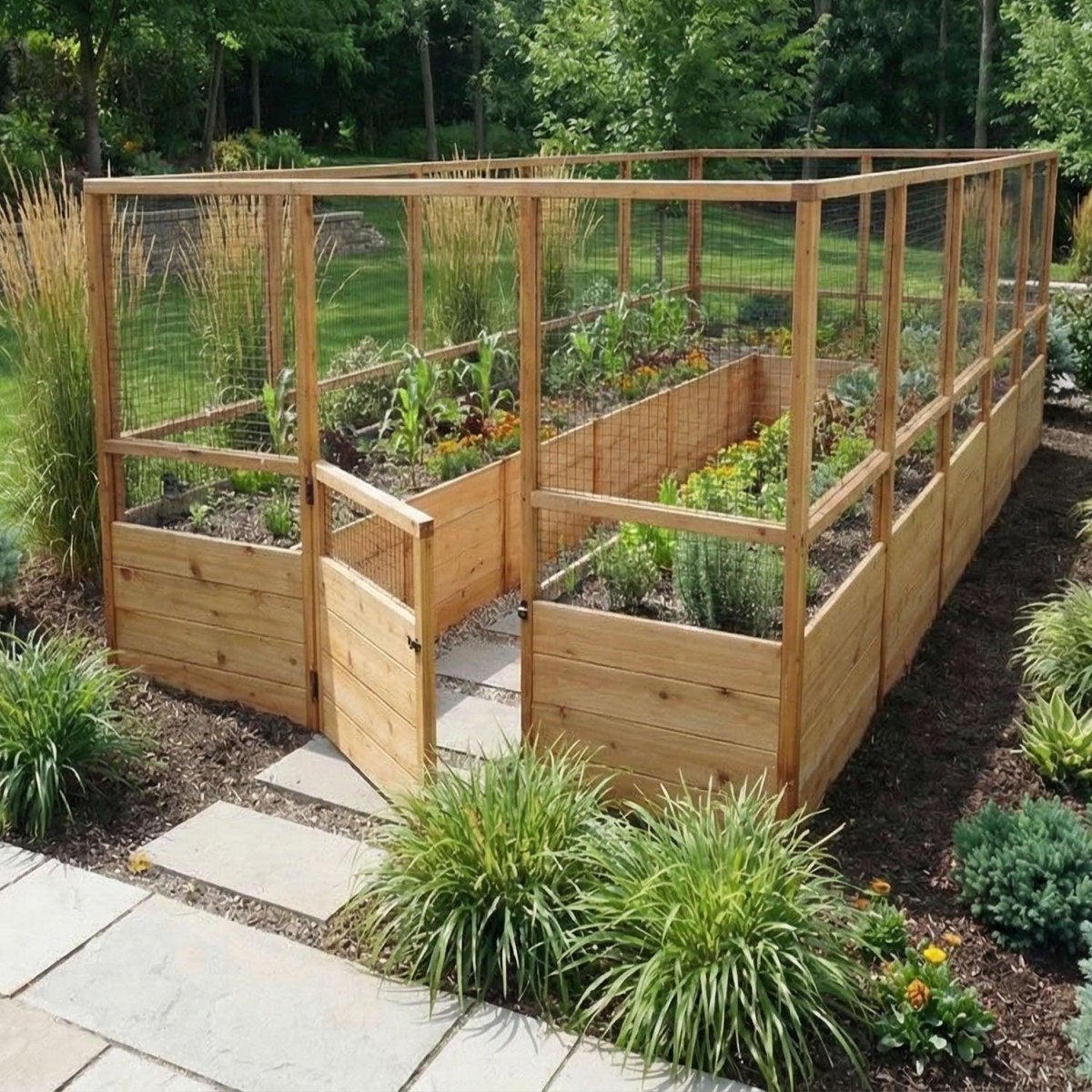
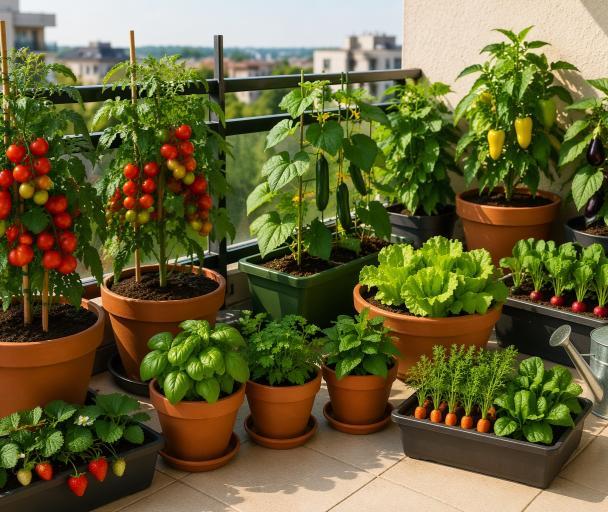
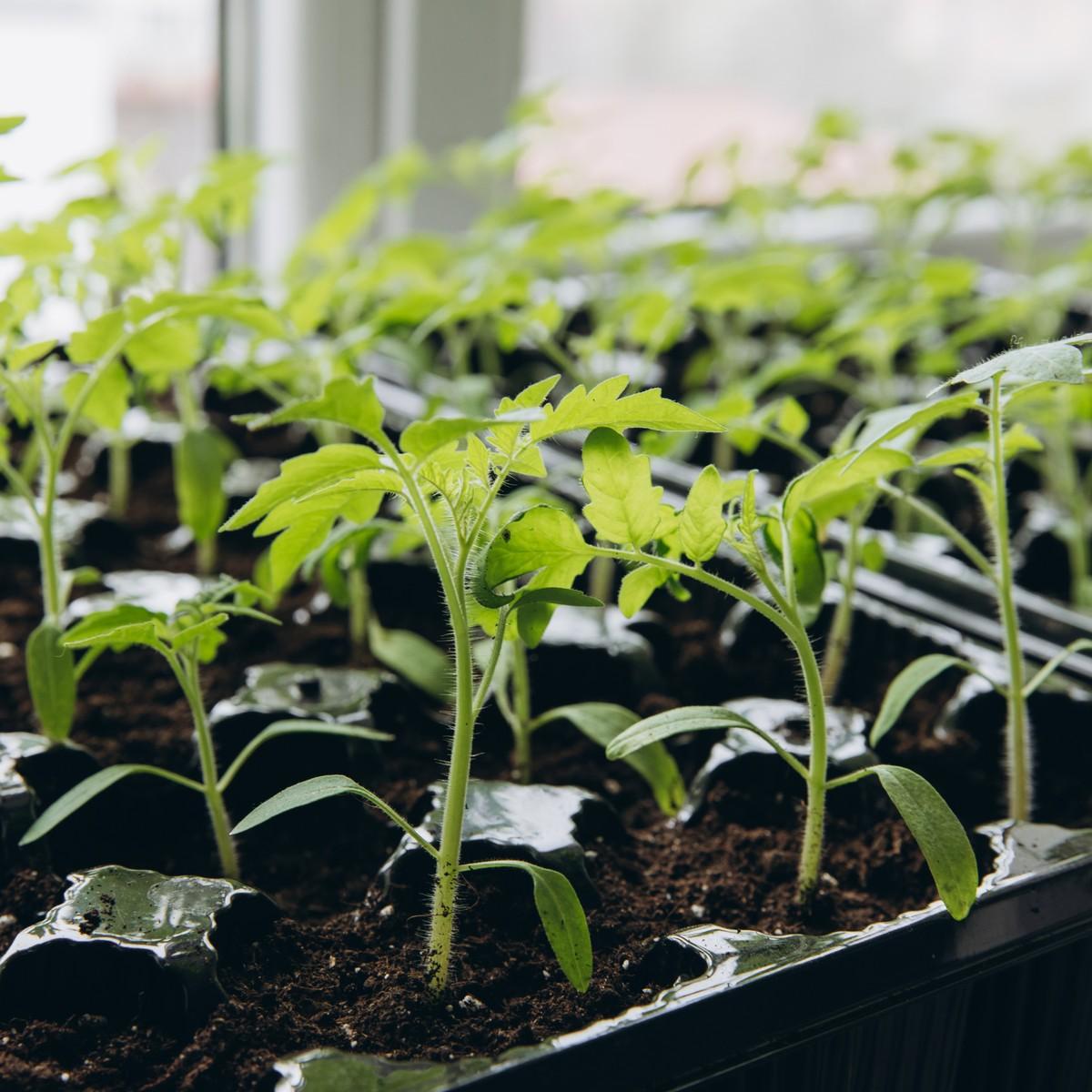
Our garden is a third of an acre behind a 1960s ranch house: eight raised beds my husband Wes built genuinely square (he's a civil engineer and has opinions about drip irrigation), a fenced cutting garden, containers along the hot south wall, two compost bins, and a seed-starting setup in the basement under shop lights that I refuse to be embarrassed about. June is eleven and eats the peas before they get to the house. Otto is seven and runs the worm bin with real gravity.
If you're planning a first bed, trying to work out why your container tomatoes keep dying in July, or standing in front of a seed rack in February wondering what any of it means — pull up a notebook. That's the whole method.